Pixel Puzzles 2: Anime Thumbnail

Pixel Puzzles 2: Anime similar games & best alternatives

Pixel Puzzles 2: Anime

PC (Microsoft Windows) • 2015

Related articles

Quick resume

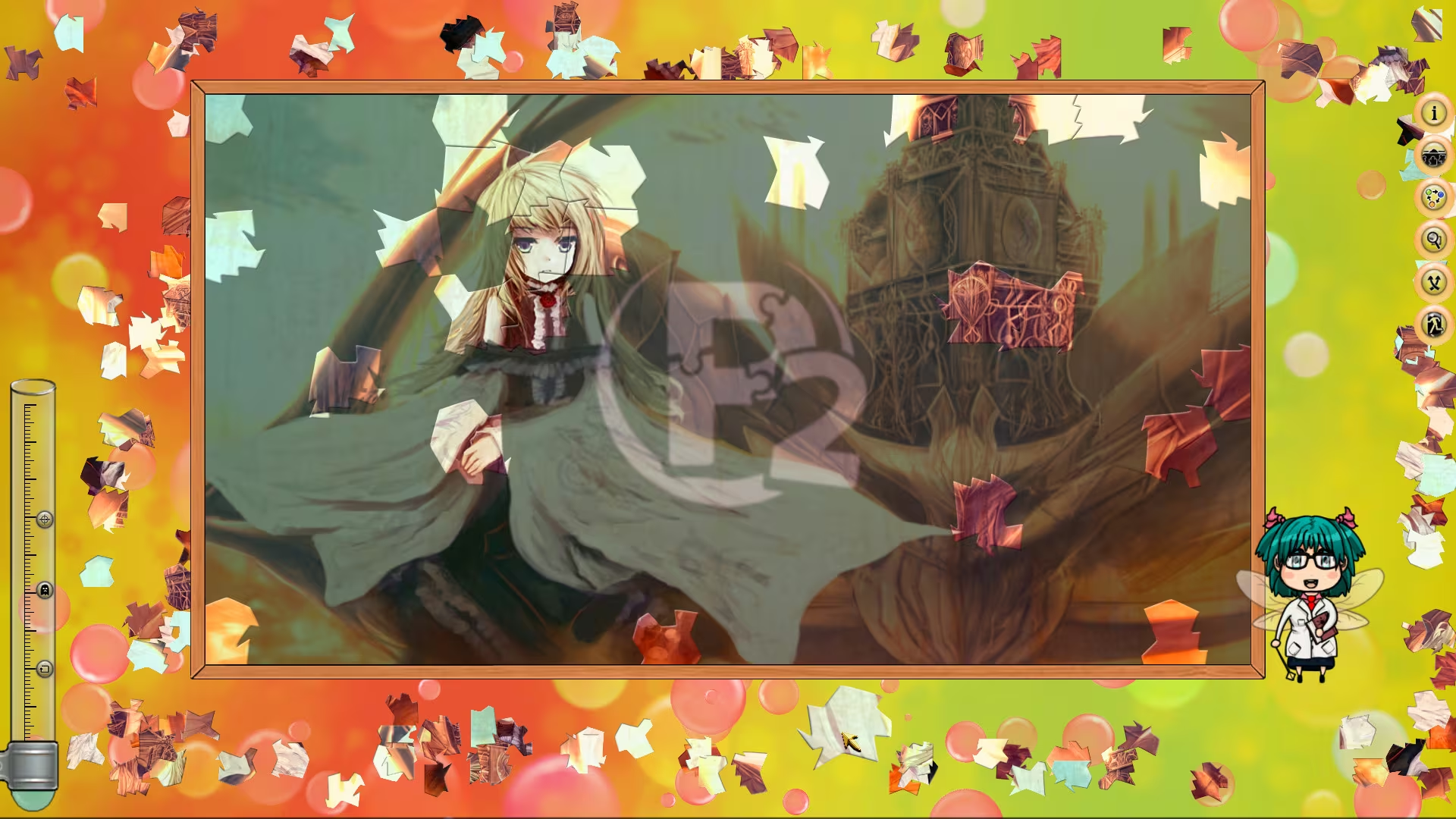
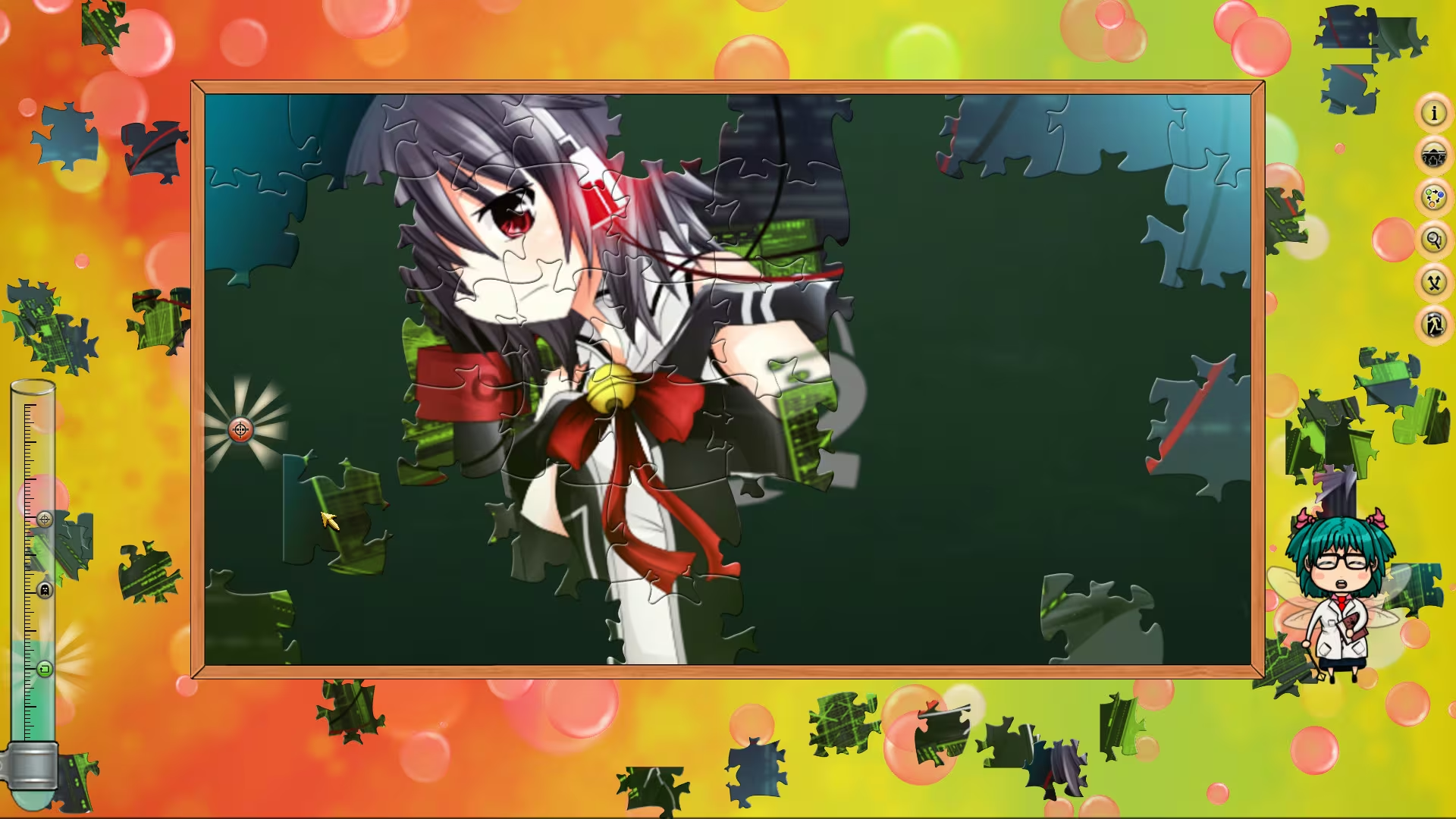
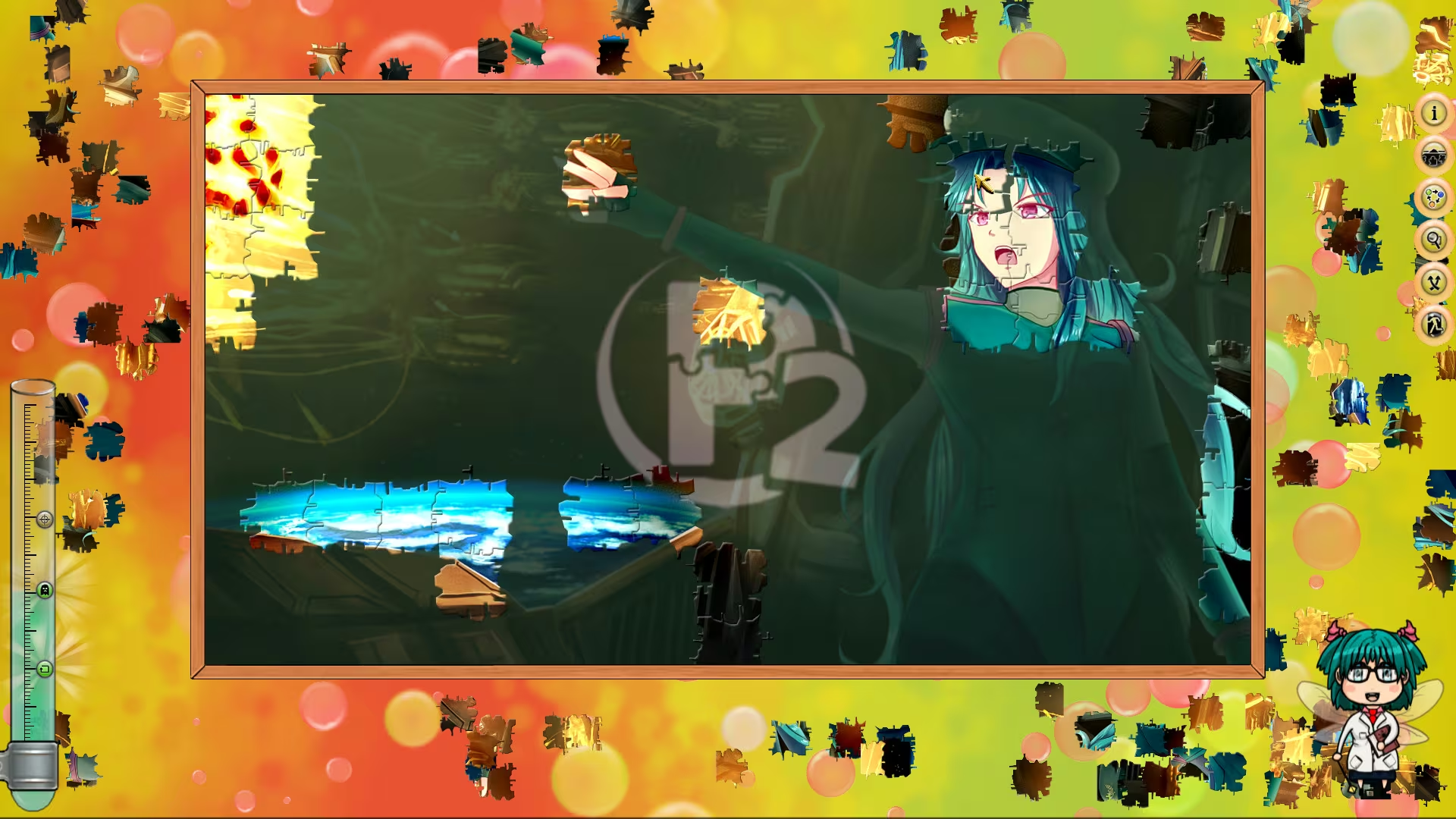
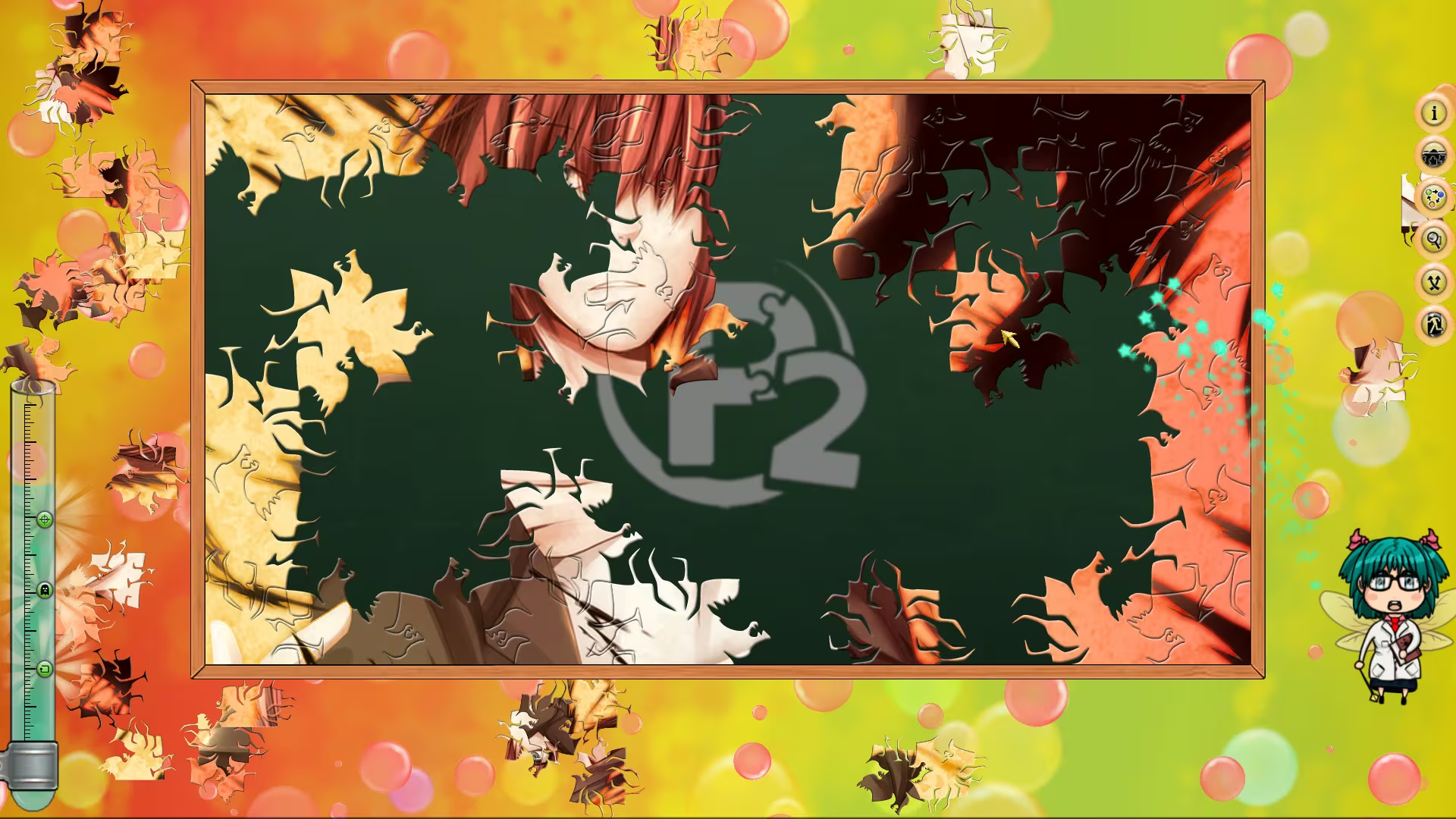
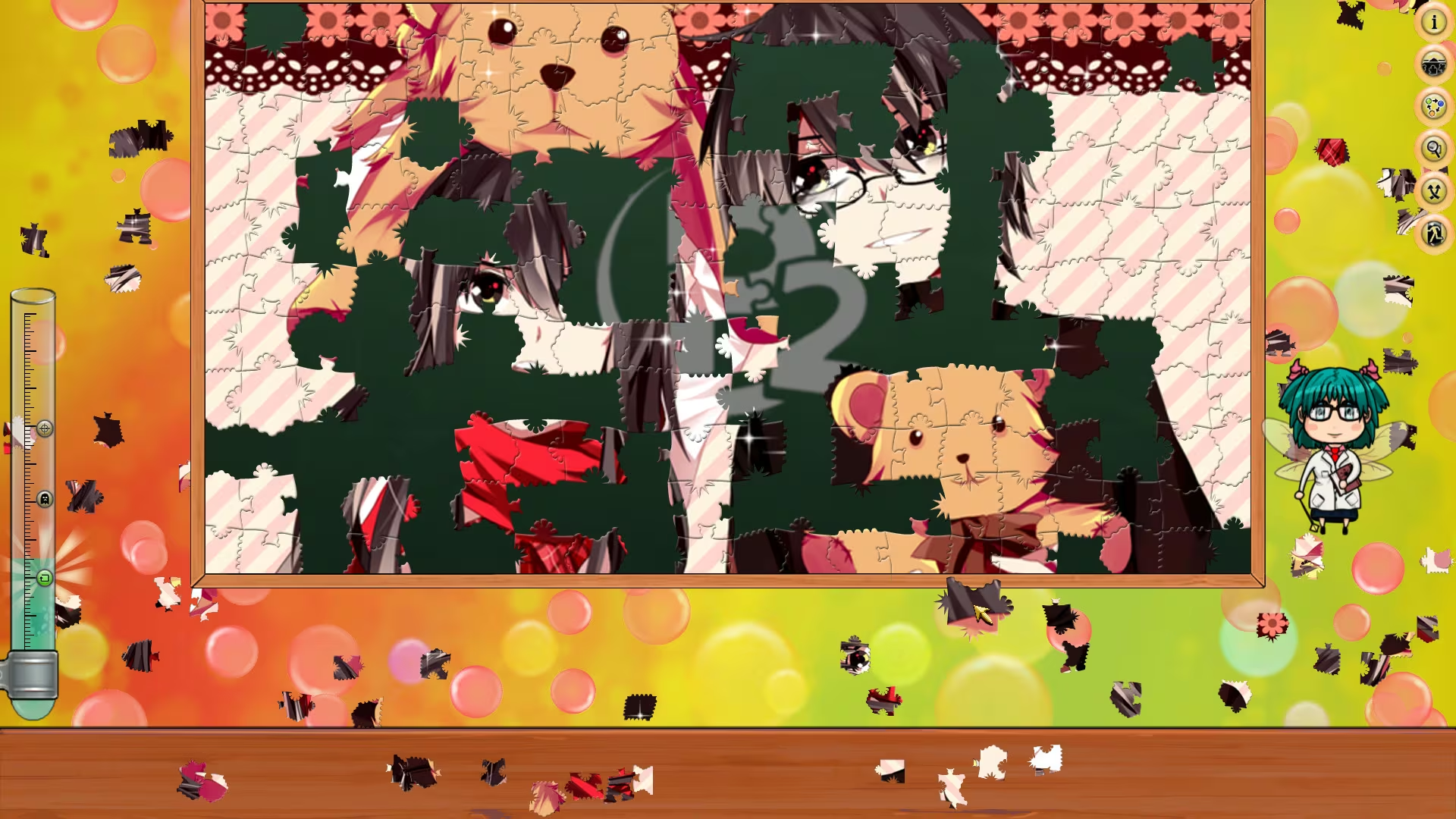
Pixel Puzzles 2: Anime is a traditional style jigsaw puzzle game, in a kawaii style.

Global score

74/100

Genres

Action, Casual, Indie, Simulator, Strategy, Puzzle

Similar games

    Pros

    • Save progress feature
    • Challenging rotation mechanic
    • Relaxing gameplay
    • Varied anime art style
    • Easy achievements

    Cons

    • Annoying talking fairy
    • No separate sound controls
    • Floating puzzle pieces can be frustrating
    • Lack of replayability
    • Some ui clunkiness

    Analysis

    Broadly representative of its motivational profile, with a few distinct shifts. Motivations that often define this kind of title include Idle, Thrill, Violence, Survival. It leans lower than usual among comparable games on Expression, Story, Exploration.

    How to use the graph
    Similar games map

    Each dot is a game. They are arranged from the same motivation profile as in the “Motivations” section below. Closer dots usually mean more similar reasons to play (exploration, competition, relaxation, etc.)—not that one game is “better” than another.

    • Larger dot with a light outline: the game you are viewing.
    • Colour: groups of games with comparable motivation patterns (statistical clusters).
    • Hover a dot to see the game name; click to open its page.
    • Scroll or double-click the chart to zoom out and see more games.

    Why don’t the axes read like a score? This view uses t-SNE: it only keeps who is close to whom. The scales are not “good to bad” or hours played—they separate groups on the map. Read distance between dots, not the axis numbers.

    Motivations

    • Autonomy
      3

      "Players freely choose puzzles and solve them at their own pace with optional hints and power-ups, but piece rotation is mandatory and some UI elements are fixed."

    • Competence
      3

      "The game offers increasing difficulty with rotating pieces and complex shapes, requiring skill and concentration to complete puzzles."

    • Competition
      -4

      "No multiplayer or competitive elements; players focus on personal progress and achievement completion."

    • Continuation
      2

      "Players report spending many hours completing puzzles, with save features encouraging long-term engagement."

    • Cooperation
      -5

      "Entirely single-player with no cooperative gameplay or social collaboration."

    • Creativity
      1

      "Players can organize pieces and use power-ups creatively, but puzzle structure and images are predefined."

    • Domination
      -5

      "No elements of dominance or control over others; purely individual puzzle solving."

    • Escapism
      3

      "Many players use the game to relax, distract from stress, or pass time, often muting annoying sounds and listening to their own music."

    • Expectation
      -4

      "Players engage voluntarily for enjoyment and relaxation rather than obligation or pressure."

    • Experimenting
      2

      "The rotation mechanic and power-ups encourage some experimentation with piece placement and strategies."

    • Exploration
      -3

      "Puzzle images and pieces are fixed; no exploration of new areas or secrets."

    • Expression
      -4

      "No character or environment customization; players interact with preset puzzle images only."

    • Fantasy
      2

      "The anime art style provides an imaginative, stylized experience, though gameplay is realistic puzzle solving."

    • Fellowship
      -5

      "No social or community features; players play alone."

    • Growth
      3

      "Players develop puzzle-solving skills and strategies over time, especially with rotation and complex piece shapes."

    • Health
      -5

      "Sedentary gameplay with no physical activity involved."

    • Idle
      2

      "Suitable for casual or background play; players can pause and resume puzzles without losing progress."

    • Intimacy
      -5

      "No close social interactions or relationship building."

    • Leadership
      -5

      "No leadership or group management roles."

    • Progression
      4

      "Players progress by completing puzzles of increasing difficulty and unlocking achievements."

    • Relaxation
      4

      "Many players find the game relaxing and use it to unwind, despite some annoyance with the fairy character."

    • Sensation
      1

      "Visual enjoyment from anime art and some sound effects, but sensory stimulation is moderate and repetitive."

    • Status
      -5

      "No social recognition or status systems present."

    • Story
      -5

      "No narrative or plot; purely context-free puzzle gameplay."

    • Strategy
      2

      "Requires planning and problem solving to place and rotate pieces correctly, especially in harder puzzles."

    • Thrill
      -3

      "Gameplay is calm and methodical with minimal suspense or risk."

    • Value
      2

      "Players find value in the game as a time killer and relaxing pastime, especially when purchased on sale."

    • Violence
      -5

      "No combat or destructive elements; constructive puzzle assembly only."

    • Survival
      -5

      "No survival or threat avoidance mechanics."

    Last update: 29/04/2026