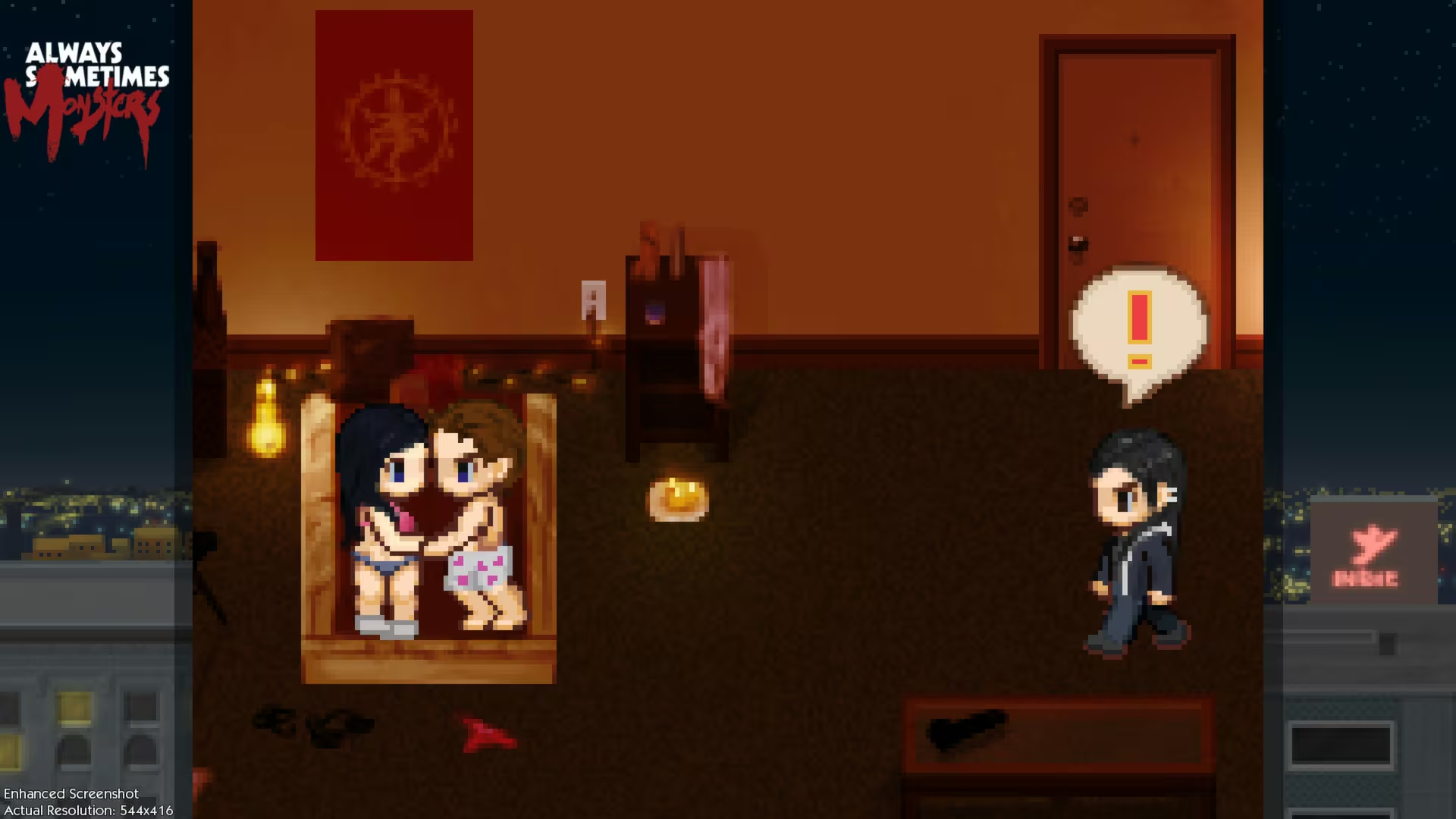
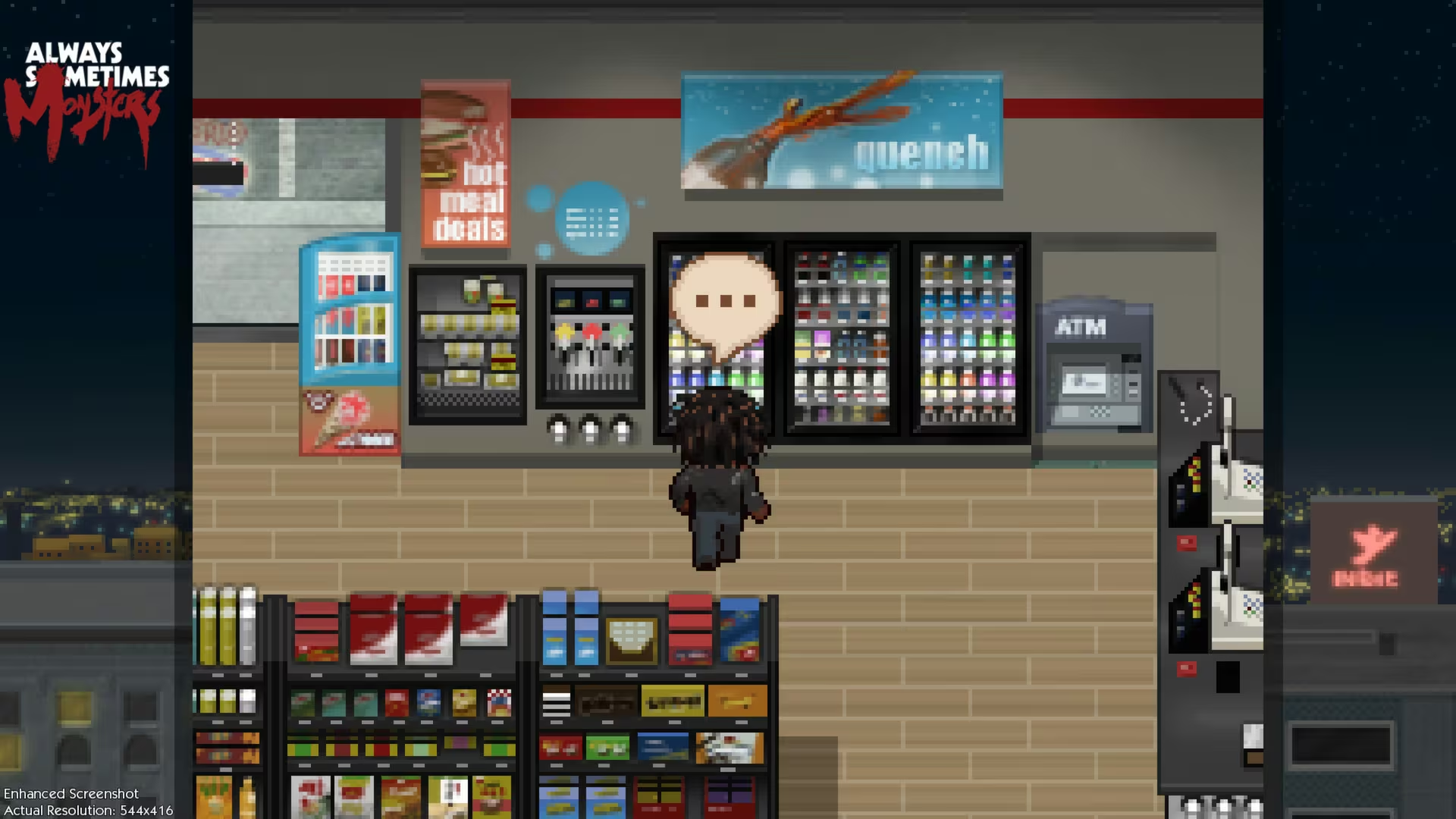
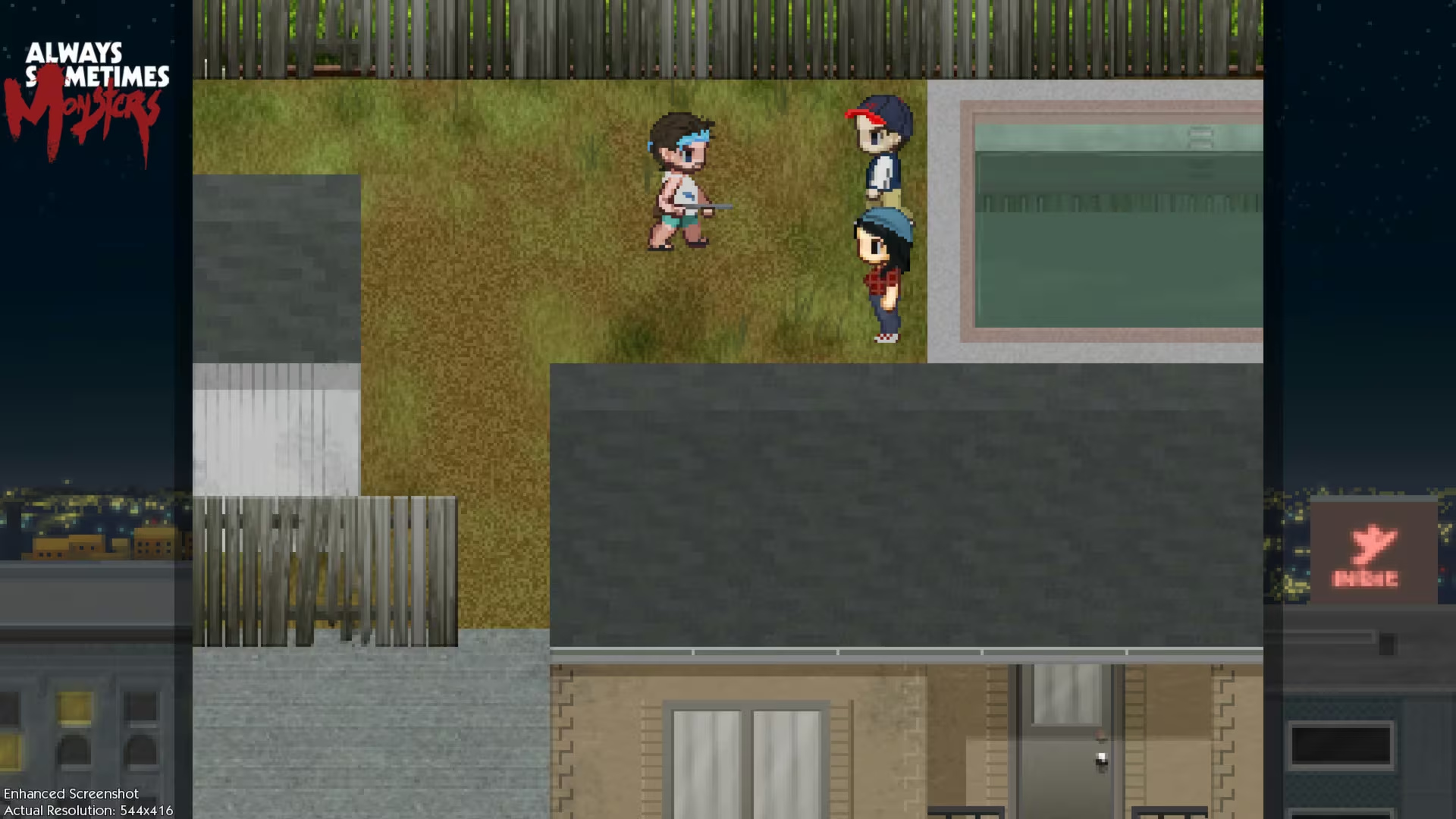
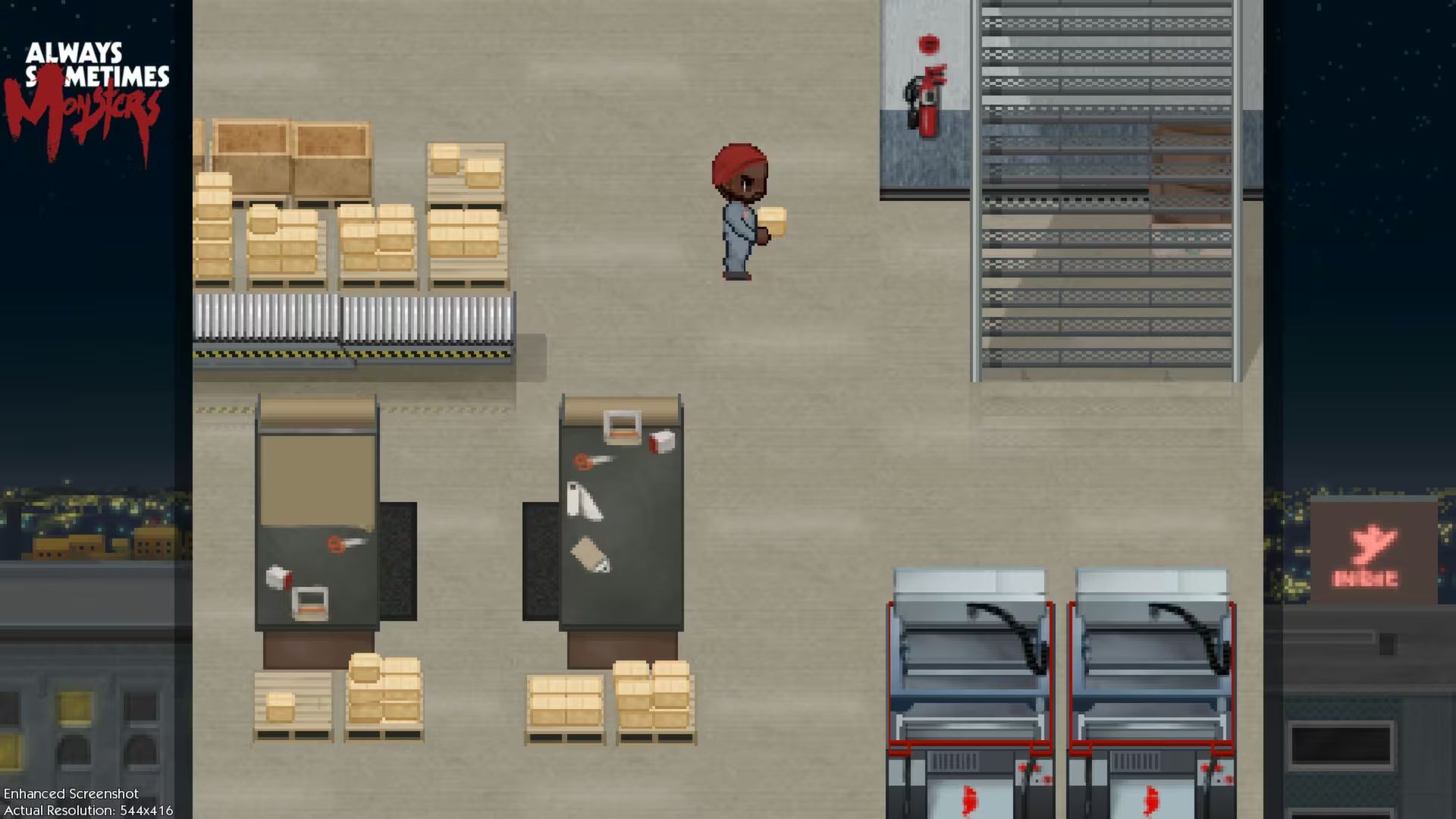
Always Sometimes Monsters Thumbnail

Always Sometimes Monsters similar games & best alternatives
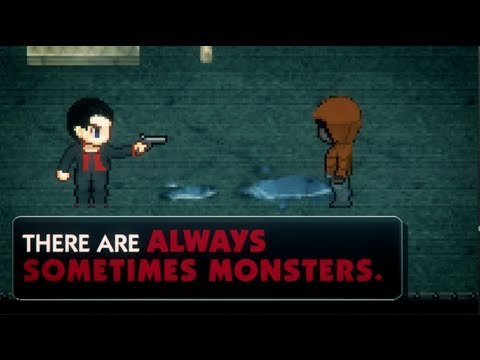
Always Sometimes Monsters

PC (Microsoft Windows) • 2014

Related articles

Quick resume

Set out on a cross-country journey to win back the love of your life and endure the hardship of making story-defining choices that affect your life and the lives of those around you.

Global score

75/100

Genres

Indie, Role-playing (RPG), Adventure, Simulator

Similar games

    Pros

    • Deep, emotionally engaging story
    • Meaningful player choices
    • Multiple endings and replayability
    • Diverse character customization
    • Unique narrative experience

    Cons

    • Tedious and repetitive minigames
    • Some pacing issues and uneven content
    • Limited gameplay mechanics
    • Occasional bugs and awkward controls
    • Story can be heavy and emotionally taxing

    Analysis

    Less representative of its motivational profile, with noticeable differences. Motivations that often define this kind of title include Idle, Thrill, Violence, Survival. Here, the score leans higher than usual among comparable games on Intimacy, Story. It leans lower than usual among comparable games on Fantasy.

    How to use the graph
    Similar games map

    Each dot is a game. They are arranged from the same motivation profile as in the “Motivations” section below. Closer dots usually mean more similar reasons to play (exploration, competition, relaxation, etc.)—not that one game is “better” than another.

    • Larger dot with a light outline: the game you are viewing.
    • Colour: groups of games with comparable motivation patterns (statistical clusters).
    • Hover a dot to see the game name; click to open its page.
    • Scroll or double-click the chart to zoom out and see more games.

    Why don’t the axes read like a score? This view uses t-SNE: it only keeps who is close to whom. The scales are not “good to bad” or hours played—they separate groups on the map. Read distance between dots, not the axis numbers.

    Motivations

    • Autonomy
      4

      "Players have significant freedom to make choices affecting story and character development, with multiple paths and endings."

    • Competence
      -2

      "Gameplay involves repetitive tasks like working menial jobs and minigames that are often tedious, with limited skill challenge."

    • Competition
      -4

      "Focus is on personal story and choices without competitive elements or player comparison."

    • Continuation
      3

      "High replay value due to branching storylines and multiple endings encourages habitual play and multiple sessions."

    • Cooperation
      -3

      "Primarily a single-player experience focused on individual decision-making with limited social interaction."

    • Creativity
      3

      "Players create their own narrative through choices and character selection, shaping the story uniquely."

    • Domination
      -4

      "Interactions emphasize mutual respect and personal consequences rather than exerting control or superiority over others."

    • Escapism
      4

      "Players use the game to explore emotional and moral dilemmas, providing a strong escape from real-life stress."

    • Expectation
      -4

      "Engagement is driven by intrinsic interest in story and personal choice rather than obligation or external pressure."

    • Experimenting
      4

      "Encourages trying different choices and exploring alternate story paths and endings."

    • Exploration
      2

      "Players explore different cities and storylines, though environments are limited and familiar."

    • Expression
      3

      "Allows character customization in terms of race, gender, and sexuality, affecting narrative and social interactions."

    • Fantasy
      -4

      "Grounded in realistic, contemporary life situations and moral dilemmas without fantastical elements."

    • Fellowship
      -3

      "Focus on individual narrative with minimal social or community features."

    • Growth
      3

      "Players learn about consequences of choices and character development through story progression."

    • Health
      -5

      "Sedentary gameplay with no physical activity or health-related features."

    • Idle
      3

      "Some repetitive tasks and minigames allow for less intense focus, but story requires attention."

    • Intimacy
      4

      "Strong emotional connections and relationships are central to the narrative experience."

    • Leadership
      -4

      "Players follow a personal story without leading or managing others."

    • Progression
      3

      "Progression through story advancement, earning money, and unlocking new areas and endings."

    • Relaxation
      -1

      "Emotional tension and moral dilemmas create sustained engagement rather than pure relaxation."

    • Sensation
      1

      "Simple pixel art and music provide moderate sensory stimulation fitting the narrative tone."

    • Status
      -4

      "Game focuses on personal story without social recognition or status systems."

    • Story
      5

      "Narrative immersion and player-driven story are the core of the game experience."

    • Strategy
      2

      "Requires planning and decision-making about resource management and moral choices."

    • Thrill
      1

      "Some suspenseful moments but overall controlled and predictable emotional tone."

    • Value
      4

      "Players find strong value in story depth and replayability relative to price."

    • Violence
      -3

      "Minimal violence; focus is on narrative and moral choices rather than combat or destruction."

    • Survival
      3

      "Gameplay involves managing resources like money and stamina to avoid failure and progress."

    Last update: 29/04/2026