American Conquest: Fight Back Thumbnail

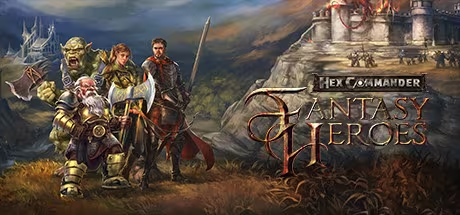
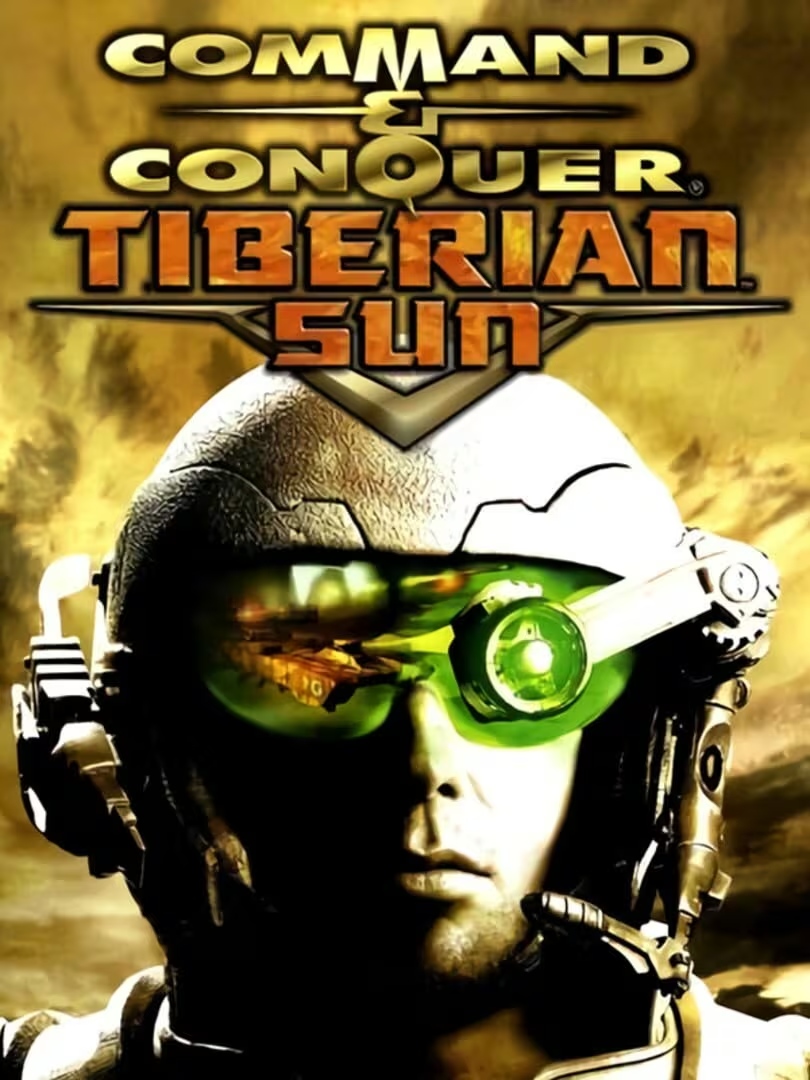
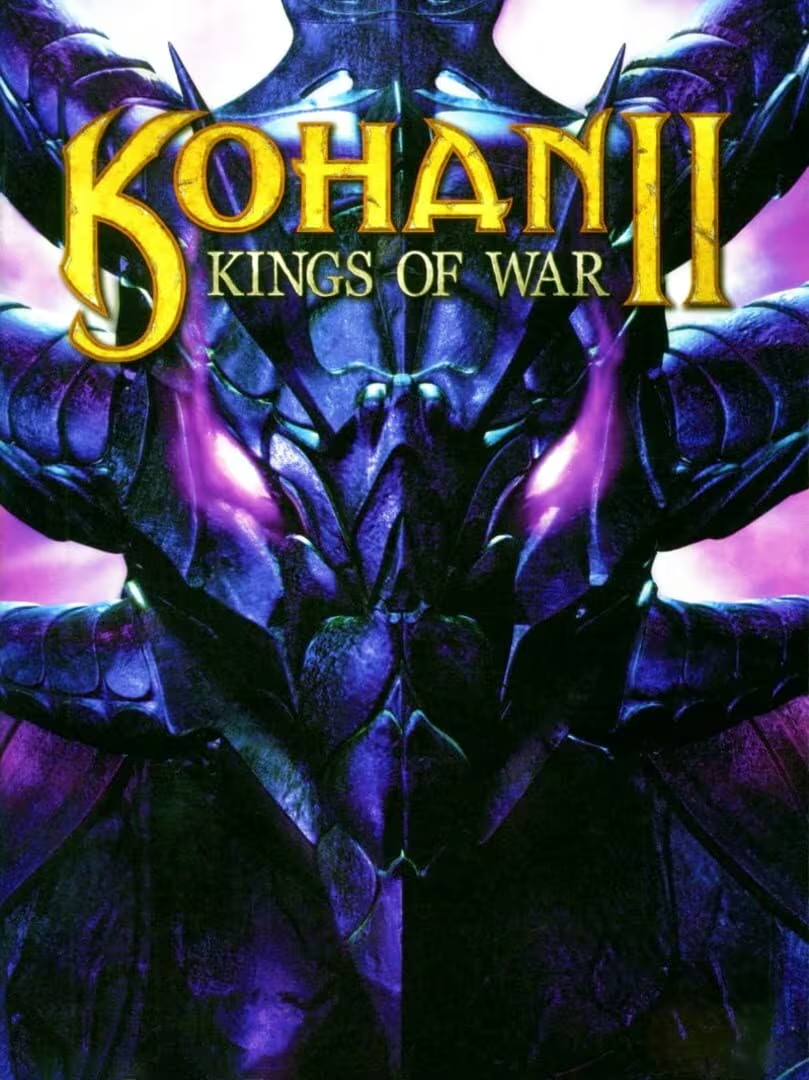
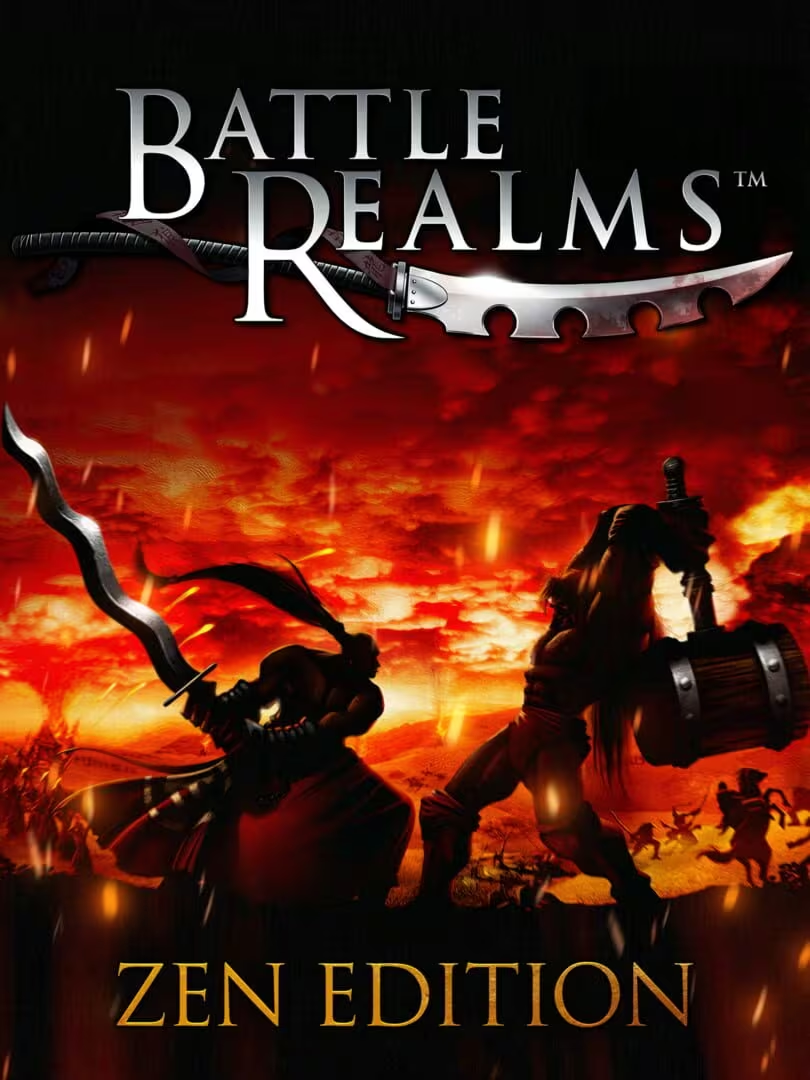
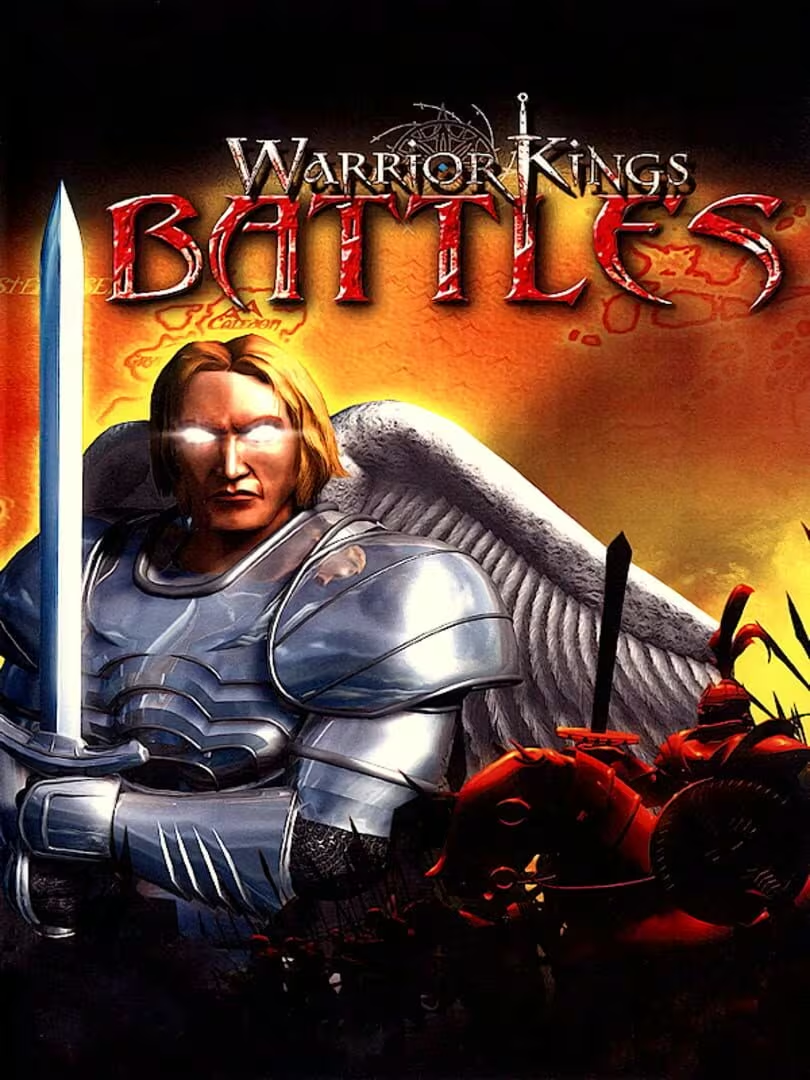
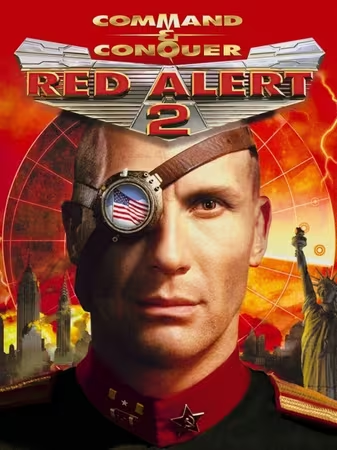
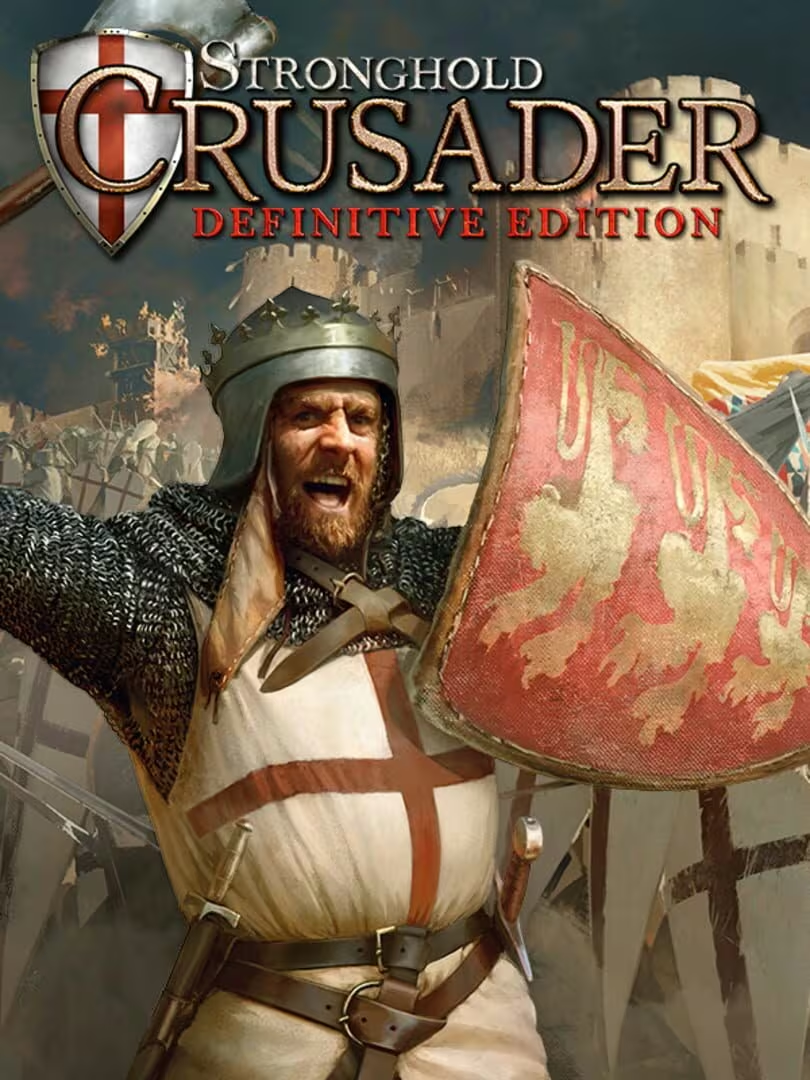
American Conquest: Fight Back similar games & best alternatives
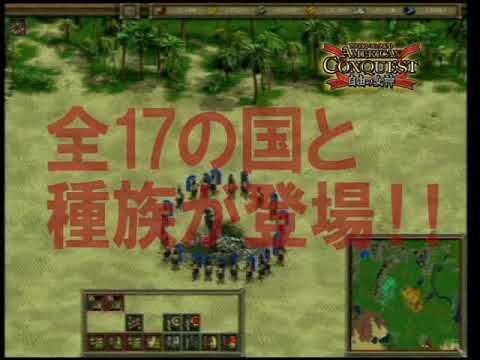
American Conquest: Fight Back

PC (Microsoft Windows) • 2011

Related articles

Quick resume

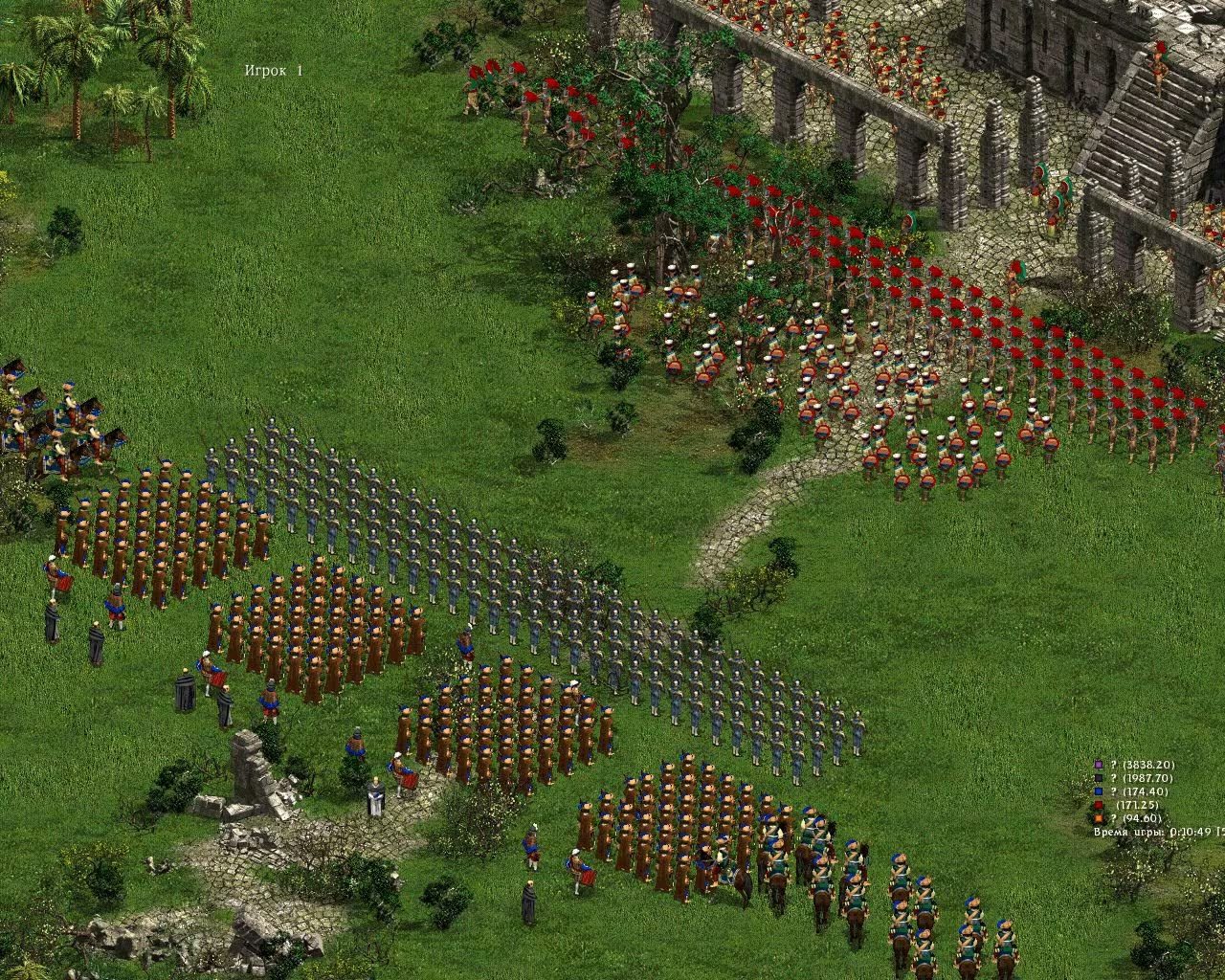
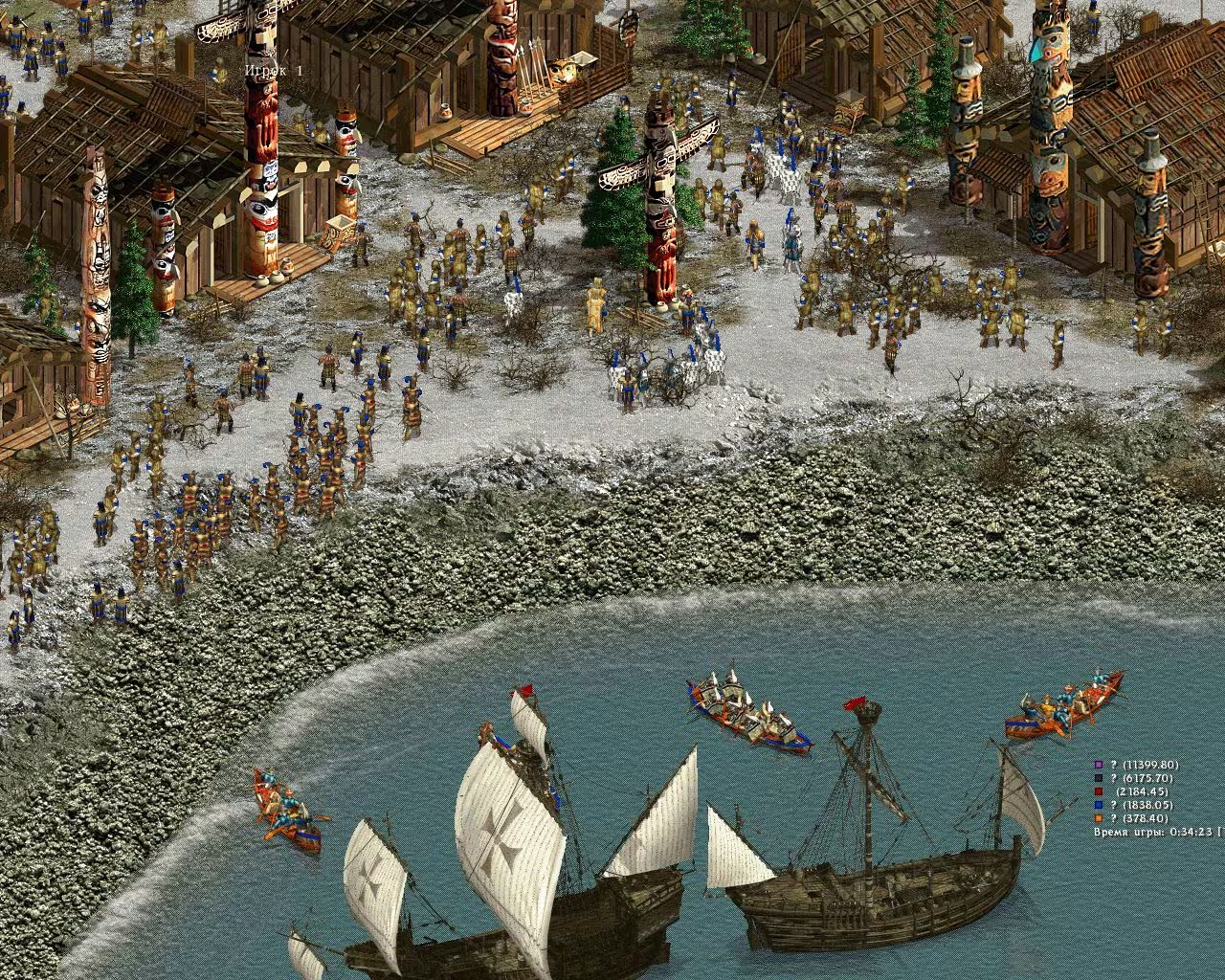
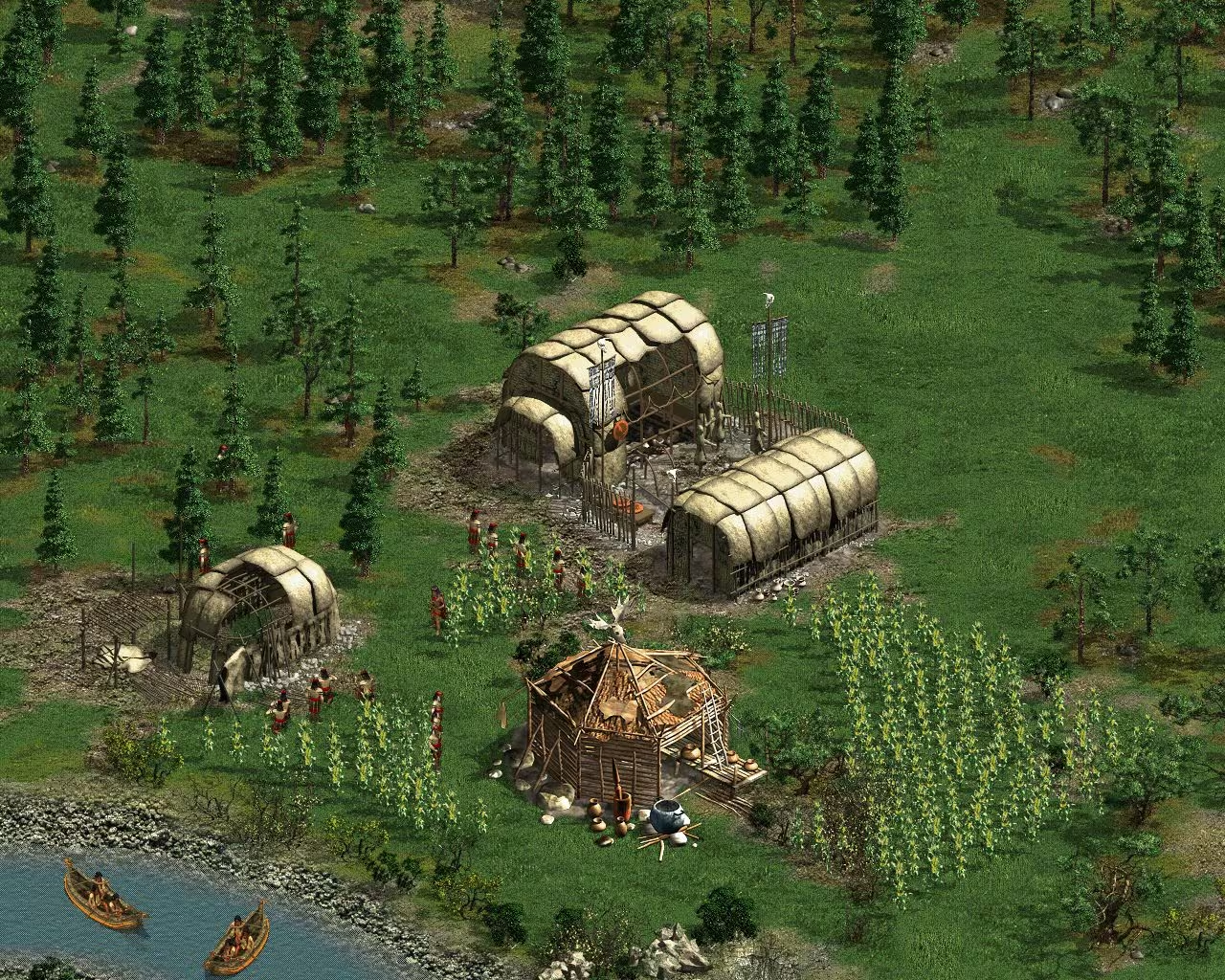
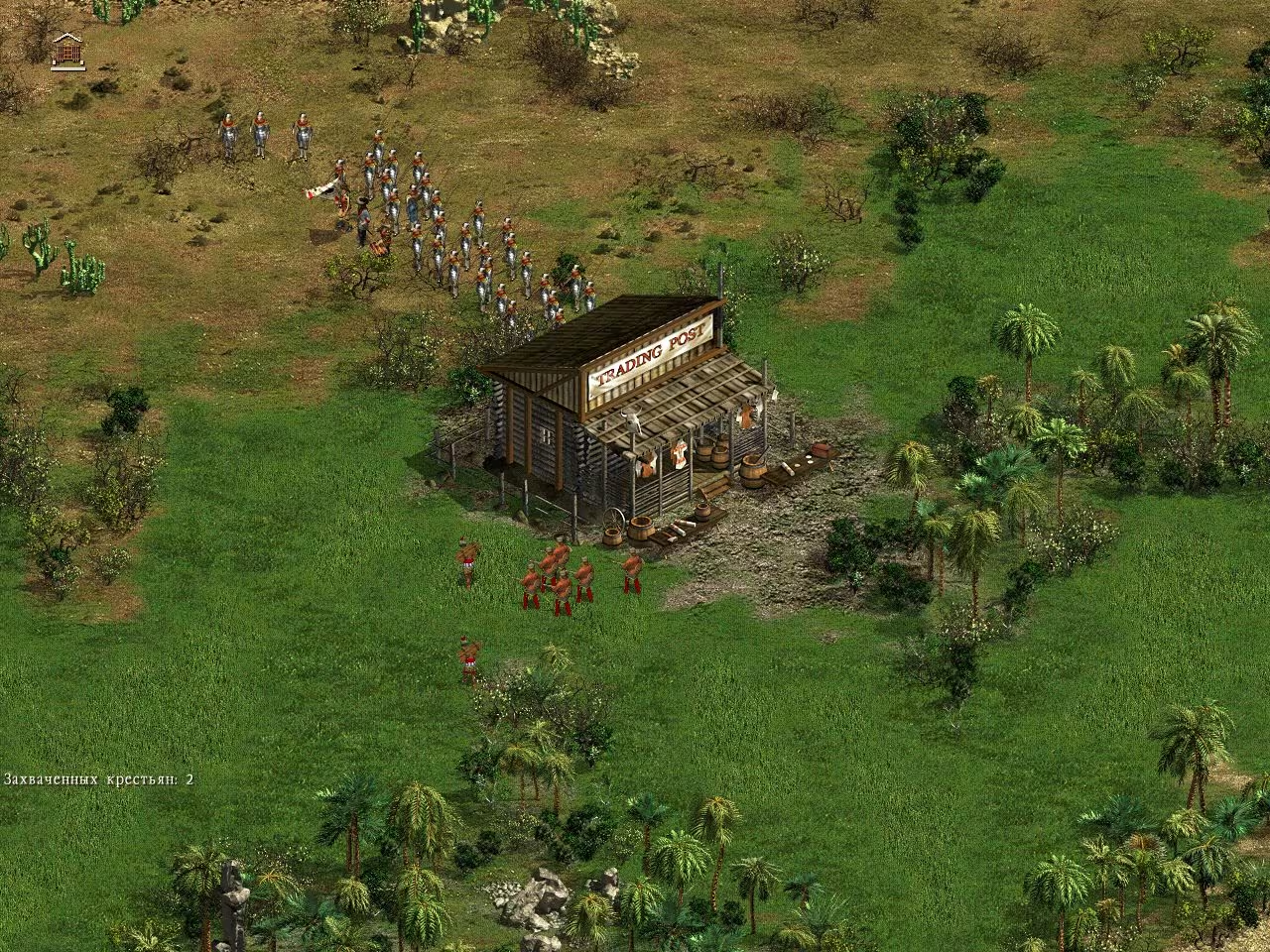
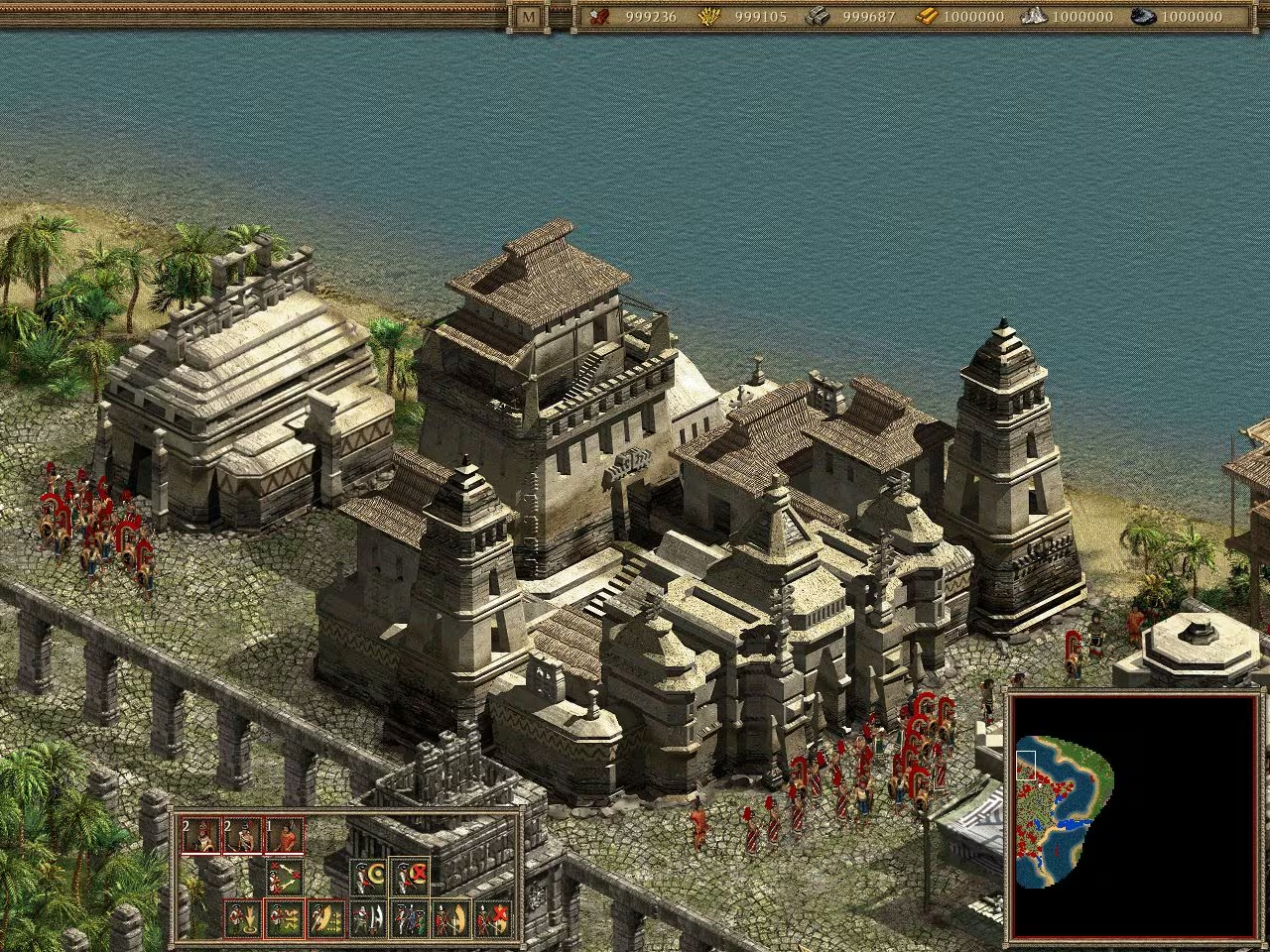
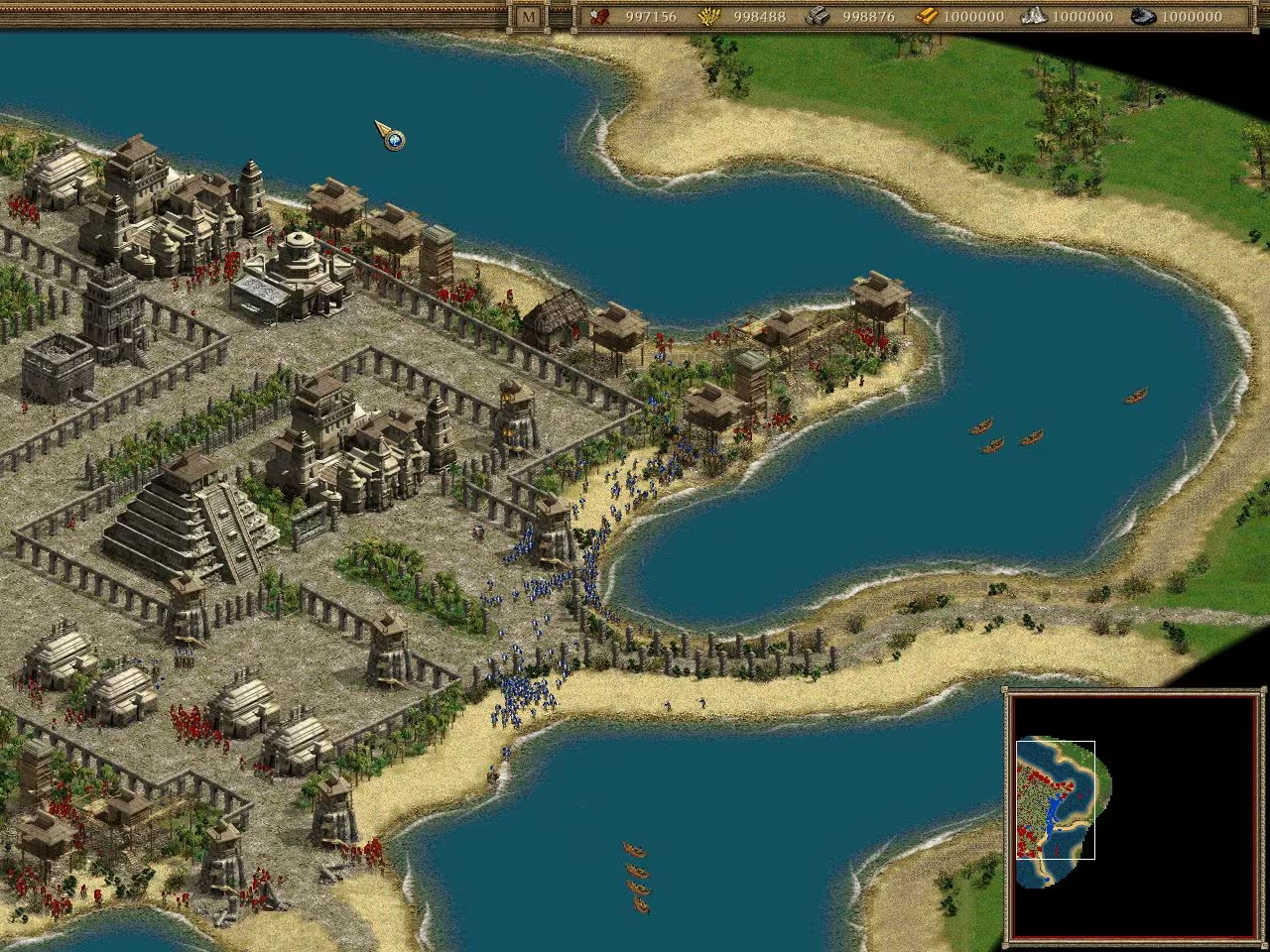
American Conquest: Fight Back is the sequel to American Conquest. The most significant events of that glorious time have found their way into this title.

Global score

72/100

Genres

Strategy, Real Time Strategy (RTS)

Similar games

    Pros

    • Massive scale battles with thousands of units
    • Historical accuracy and diverse factions
    • Deep strategic gameplay and formations
    • Robust single-player campaigns and scenarios
    • Affordable price with high replay value

    Cons

    • Technical issues on modern systems requiring compatibility tweaks
    • Multiplayer is difficult to set up and unstable
    • Ai can be unbalanced and frustrating
    • Long and slow-paced battles may feel tedious
    • Some bugs and pathfinding problems

    Analysis

    Less representative of its motivational profile, with noticeable differences. Motivations that often define this kind of title include Competition, Fellowship, Domination, Status. Here, the score leans higher than usual among comparable games on Story. It leans lower than usual among comparable games on Fantasy, Intimacy.

    How to use the graph
    Similar games map

    Each dot is a game. They are arranged from the same motivation profile as in the “Motivations” section below. Closer dots usually mean more similar reasons to play (exploration, competition, relaxation, etc.)—not that one game is “better” than another.

    • Larger dot with a light outline: the game you are viewing.
    • Colour: groups of games with comparable motivation patterns (statistical clusters).
    • Hover a dot to see the game name; click to open its page.
    • Scroll or double-click the chart to zoom out and see more games.

    Why don’t the axes read like a score? This view uses t-SNE: it only keeps who is close to whom. The scales are not “good to bad” or hours played—they separate groups on the map. Read distance between dots, not the axis numbers.

    Motivations

    • Autonomy
      4

      "Players have freedom to choose nations, strategies, unit formations, and manage large armies with diverse mechanics."

    • Competence
      4

      "Game offers challenging AI, complex unit management, and requires skillful tactics to overcome difficult battles."

    • Competition
      2

      "Includes multiplayer and skirmish modes with AI and other players, but multiplayer is reported as difficult to set up and unstable."

    • Continuation
      4

      "Players report long sessions, hours spent on battles and campaigns, and high replay value."

    • Cooperation
      1

      "Some multiplayer modes exist but limited evidence of strong cooperative gameplay; mostly individual strategic play."

    • Creativity
      3

      "Includes map editor and customization of armies and formations, allowing player creativity."

    • Domination
      -2

      "No strong evidence of domination or toxic behavior; focus is on balanced strategic play and challenging AI."

    • Escapism
      3

      "Players use game as nostalgic escape and stress relief through immersive historical battles."

    • Expectation
      -3

      "Players engage voluntarily out of interest and nostalgia rather than obligation."

    • Experimenting
      3

      "Players try different nations, tactics, and formations; game encourages experimentation with unique factions."

    • Exploration
      2

      "Campaigns and random maps offer some exploration, though mostly known historical settings."

    • Expression
      2

      "Customization of units in formations and use of different factions allows some player expression."

    • Fantasy
      -4

      "Strong focus on historical accuracy and realistic colonial era warfare."

    • Fellowship
      0

      "Limited evidence of strong community or social bonding; multiplayer is possible but not emphasized."

    • Growth
      3

      "Players develop strategic skills, learn complex mechanics, and improve over long campaigns."

    • Health
      -5

      "No physical activity involved; typical sedentary computer gameplay."

    • Idle
      -4

      "Requires continuous attention and micromanagement; long, involved battles demand focus."

    • Intimacy
      -4

      "Minimal social interaction; mostly single-player or limited multiplayer with little emotional sharing."

    • Leadership
      3

      "Players lead large armies, manage formations and tactics, demonstrating leadership skills."

    • Progression
      4

      "Game involves resource gathering, unit upgrades, and building progression throughout matches."

    • Relaxation
      -2

      "Game can be tense and challenging with long battles and difficult AI, though some find it relaxing."

    • Sensation
      2

      "Enjoyable visual and auditory feedback with large scale battles and detailed animations."

    • Status
      0

      "No strong evidence of social status or recognition mechanics."

    • Story
      3

      "Historical campaigns and narratives provide immersive story experiences."

    • Strategy
      5

      "Highly strategic gameplay with complex unit management, formations, resource control, and tactical depth."

    • Thrill
      3

      "Players experience suspense and challenge in difficult battles and AI encounters."

    • Value
      4

      "Players find high value in gameplay depth and nostalgia for a low price."

    • Violence
      4

      "Gameplay centers on combat, large scale battles, and destruction of enemy units and buildings."

    • Survival
      3

      "Players must manage resources and defend against threats to survive and succeed."

    Last update: 29/04/2026