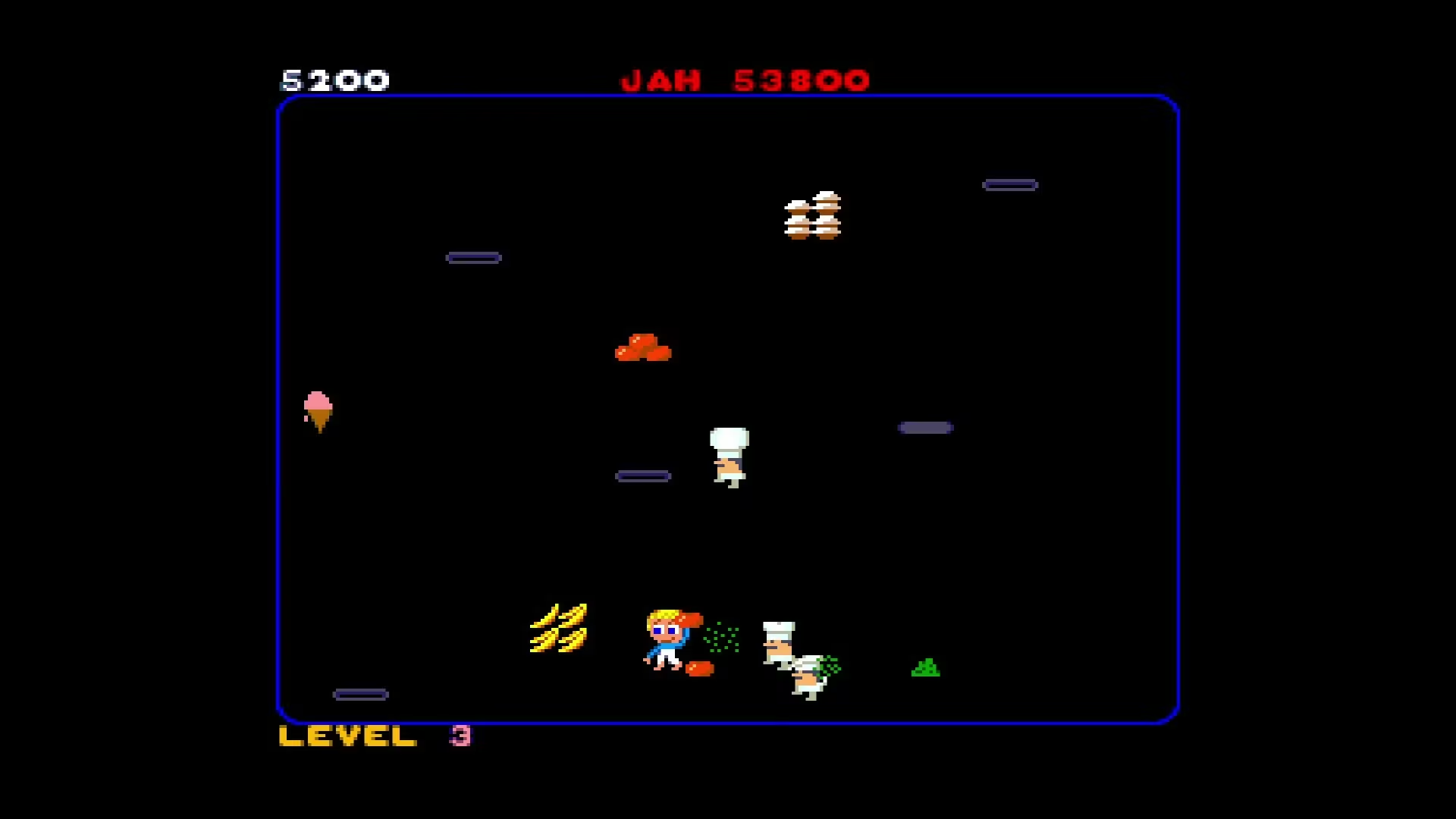
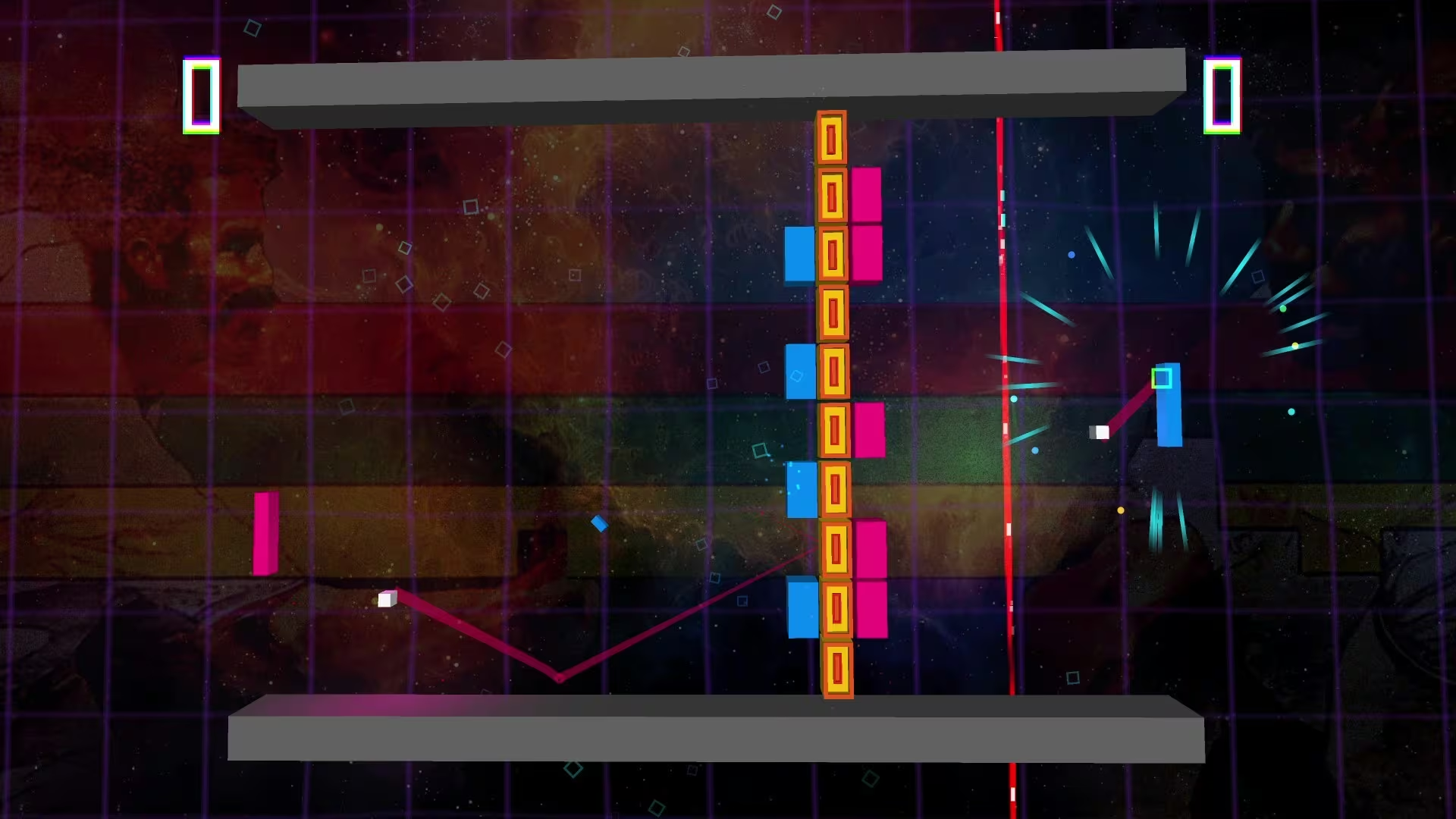
Atari 50: The Anniversary Celebration Thumbnail

Atari 50: The Anniversary Celebration similar games & best alternatives

Atari 50: The Anniversary Celebration

PC (Microsoft Windows), Xbox One, PlayStation 4, Xbox Series X|S, Nintendo Switch, PlayStation 5 • 2022

Related articles

Quick resume

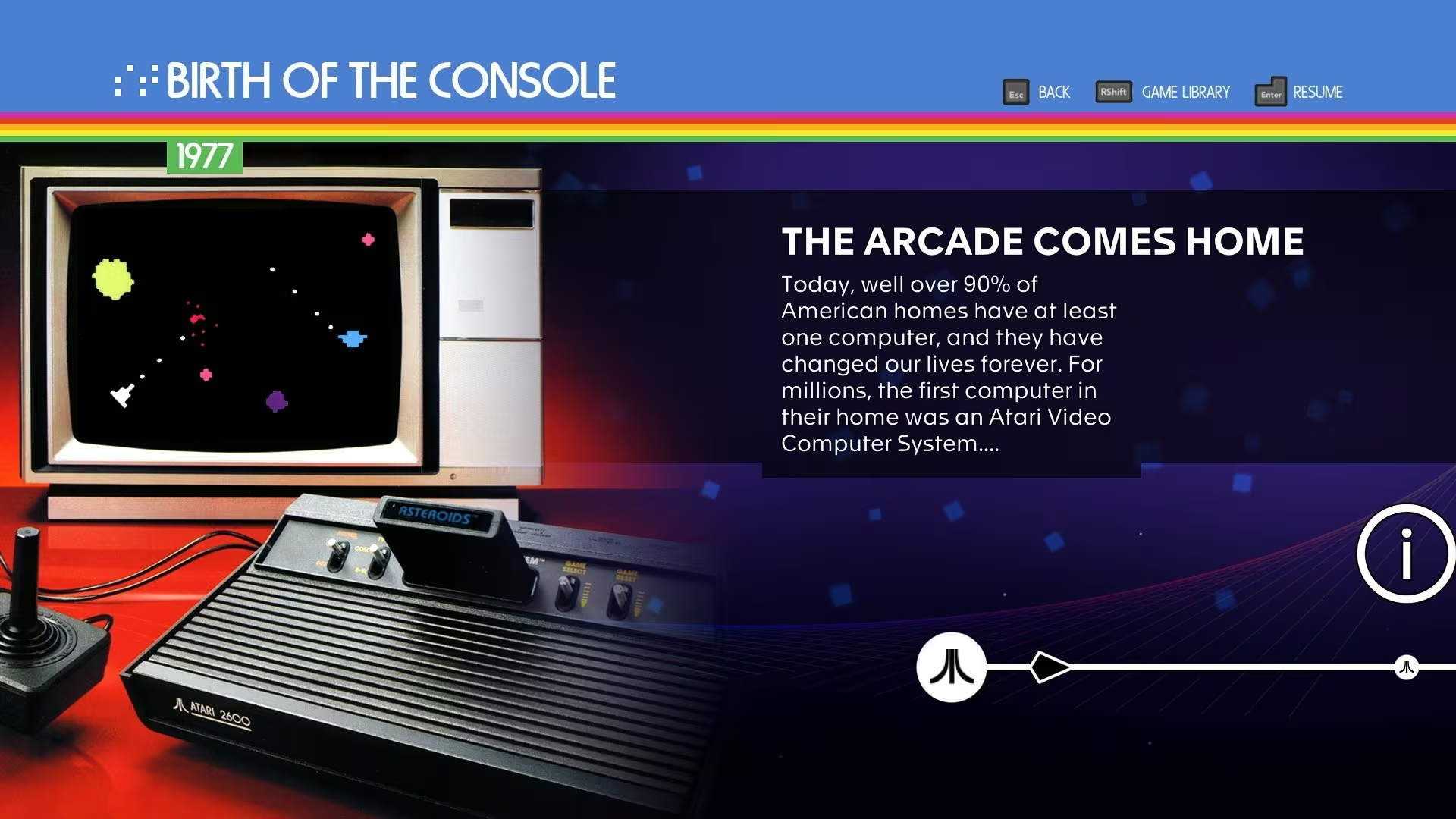
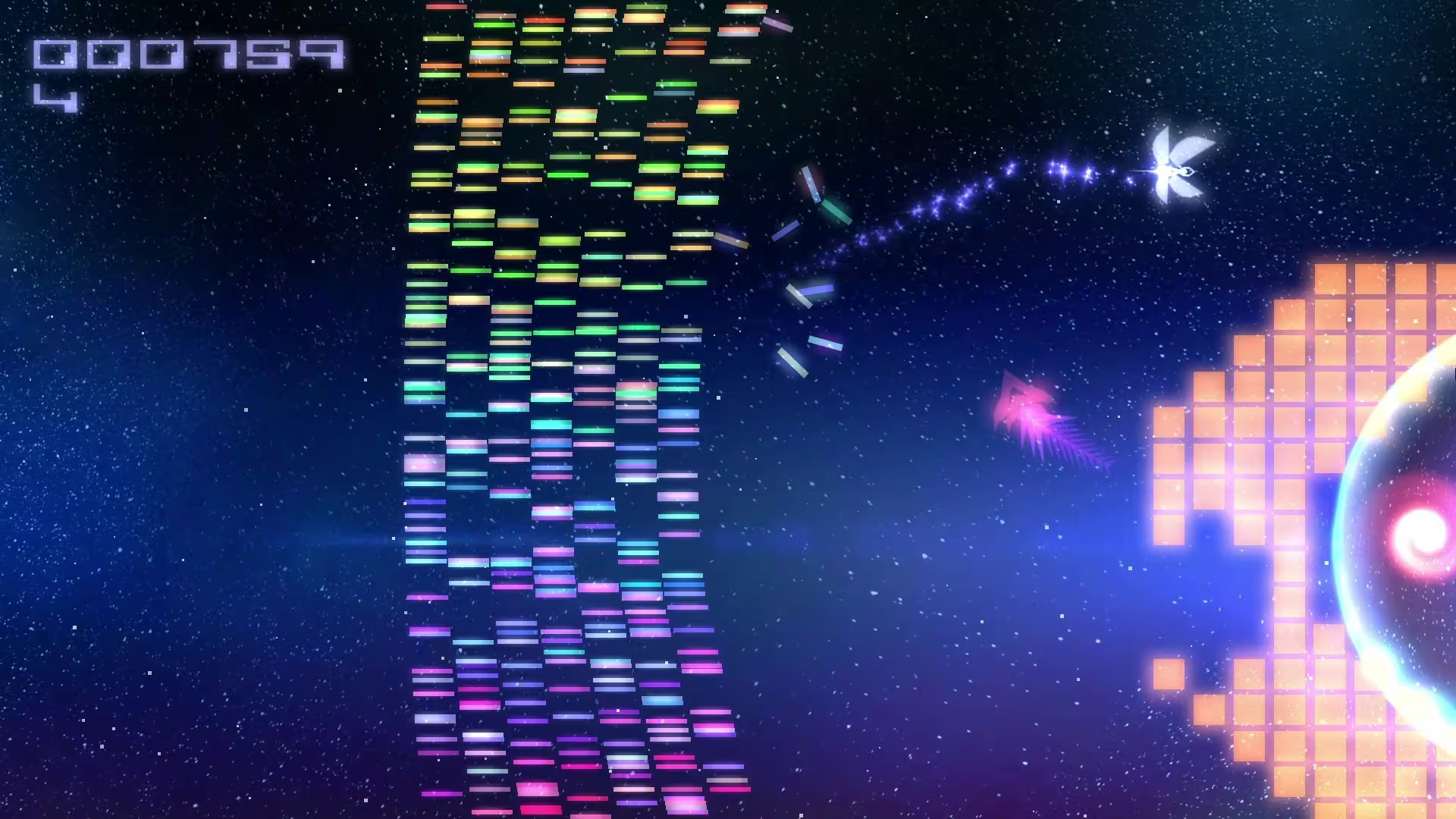
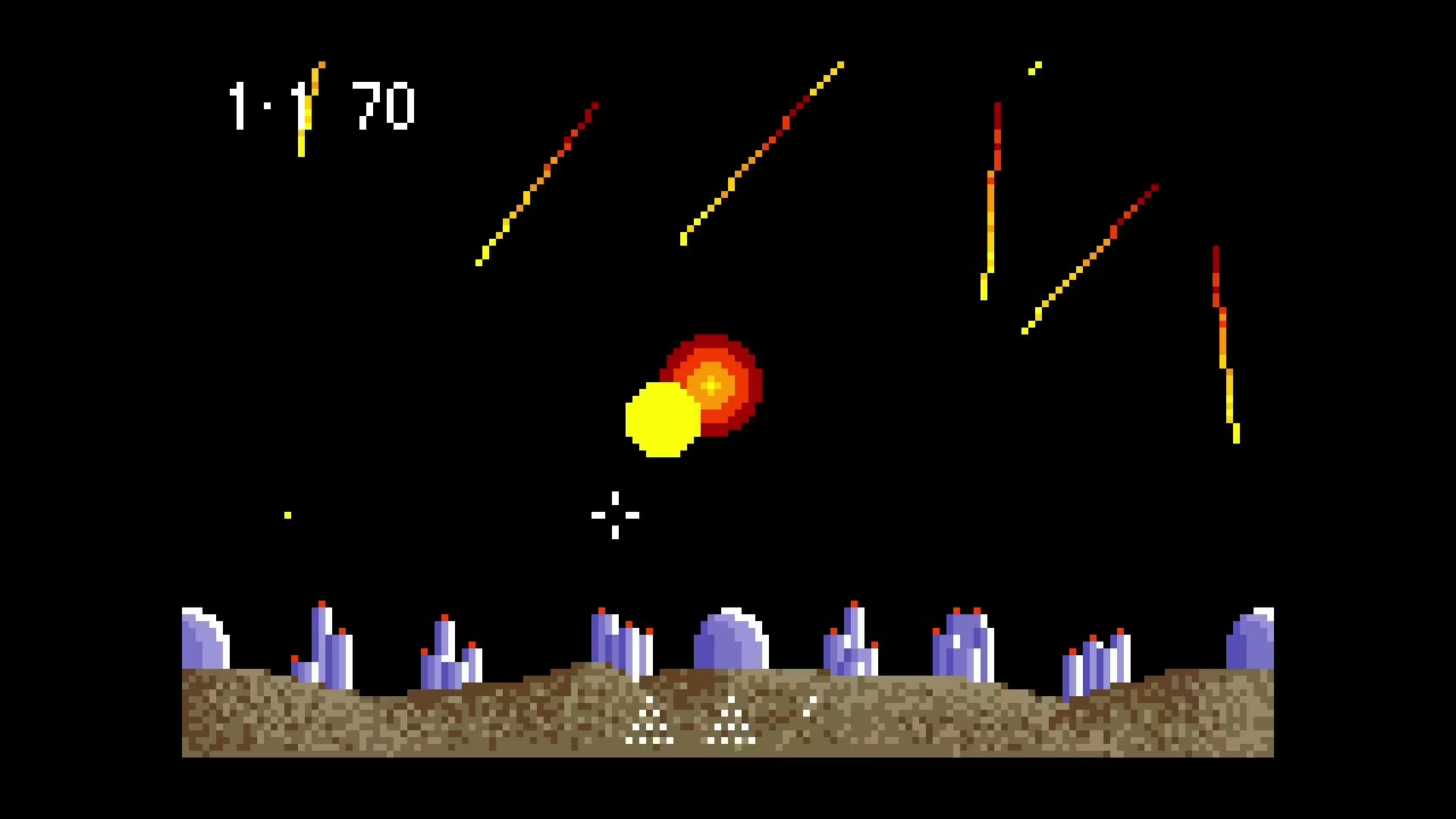
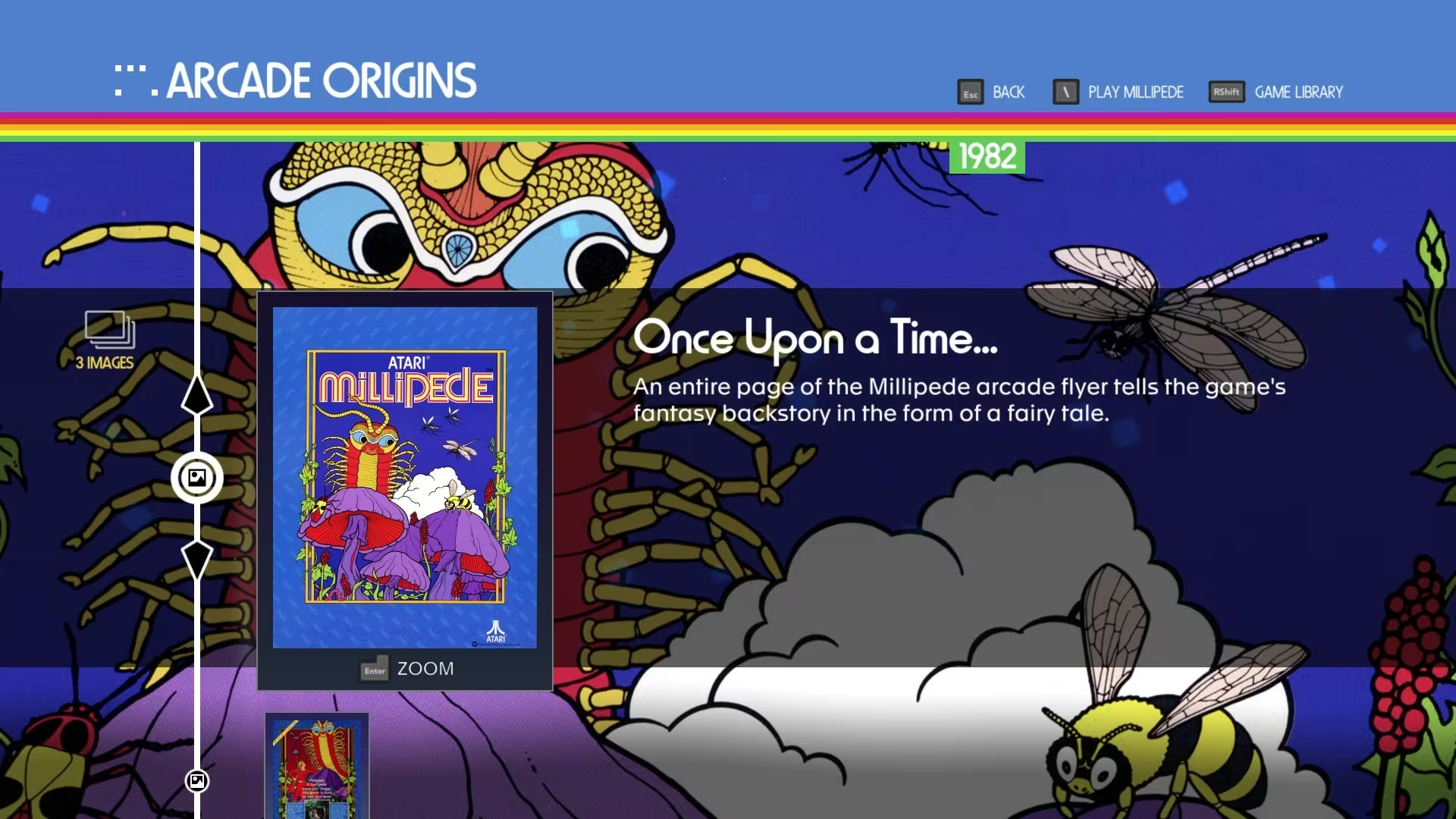
Atari 50: The Anniversary Celebration takes players on an interactive journey through 50 years of video games via interviews with designers, developers and industry leaders, documentary footage, product design documents, high-res original artwork, and a curated list of more than 90 playable games.

Global score

92/100

Genres

Action, Adventure, Casual, Pinball, Platform, Hack and slash/Beat 'em up, Shooter, Simulator, Arcade, Sport, Puzzle, Fighting, Racing

Similar games

    Pros

    • Comprehensive interactive history and documentary content
    • Wide variety of atari games across multiple platforms
    • High quality emulation including jaguar games
    • Reimagined and unreleased games add creative value
    • Excellent presentation and user interface

    Cons

    • Limited multiplayer and social features
    • Some notable atari games missing due to licensing
    • Certain games have dated or frustrating gameplay
    • Price considered high by some users
    • Limited customization and online features

    Analysis

    Broadly representative of its motivational profile, with a few distinct shifts. Motivations that often define this kind of title include Expression, Fellowship, Cooperation, Competition. Here, the score leans higher than usual among comparable games on Exploration, Expression. It leans lower than usual among comparable games on Fantasy.

    How to use the graph
    Similar games map

    Each dot is a game. They are arranged from the same motivation profile as in the “Motivations” section below. Closer dots usually mean more similar reasons to play (exploration, competition, relaxation, etc.)—not that one game is “better” than another.

    • Larger dot with a light outline: the game you are viewing.
    • Colour: groups of games with comparable motivation patterns (statistical clusters).
    • Hover a dot to see the game name; click to open its page.
    • Scroll or double-click the chart to zoom out and see more games.

    Why don’t the axes read like a score? This view uses t-SNE: it only keeps who is close to whom. The scales are not “good to bad” or hours played—they separate groups on the map. Read distance between dots, not the axis numbers.

    Motivations

    • Autonomy
      4

      "Players can freely select from a large variety of games across multiple Atari platforms and explore the interactive timeline at their own pace."

    • Competence
      3

      "Games range from simple to challenging classics, offering skill tests especially in arcade titles and Jaguar games like Tempest 2000."

    • Competition
      -2

      "Focus is mostly on individual play and personal enjoyment; limited multiplayer and no online competitive modes."

    • Continuation
      2

      "Players report spending many hours exploring the timeline and playing games, though some games are short and less engaging."

    • Cooperation
      -3

      "Limited multiplayer mostly local; cooperative play is minimal or absent."

    • Creativity
      2

      "Includes reimagined versions and new games inspired by classics, showing creative reinterpretations."

    • Domination
      -4

      "No evidence of power dynamics or dominance over others; interactions are mostly solo or equal multiplayer."

    • Escapism
      3

      "Players use the collection to immerse in nostalgia and historical context, escaping to earlier gaming eras."

    • Expectation
      -4

      "Engagement is voluntary and driven by personal interest in Atari history and retro gaming."

    • Experimenting
      3

      "Players explore a wide variety of games and new reimaginings, experimenting with different genres and mechanics."

    • Exploration
      5

      "Strong emphasis on discovering Atari's history through interactive timelines, interviews, and archival materials."

    • Expression
      1

      "Some customization options like screen filters and overlays, but limited character or environment personalization."

    • Fantasy
      -3

      "Games mostly simulate early arcade and console experiences with realistic or abstract but plausible mechanics."

    • Fellowship
      -3

      "Minimal social features; mostly a solo experience with limited local multiplayer."

    • Growth
      3

      "Players learn about Atari's history and improve skills in challenging classic games."

    • Health
      -5

      "Sedentary gameplay typical of retro game collections."

    • Idle
      -3

      "Requires focused attention to navigate timeline and play games; not designed for background play."

    • Intimacy
      -4

      "No evidence of close social relationships or emotional sharing; interactions are limited and casual."

    • Leadership
      -5

      "No leadership or group management roles; purely individual or equal multiplayer participation."

    • Progression
      2

      "Players progress through historical timeline and unlock games; some games have score-based progression."

    • Relaxation
      1

      "Some players find nostalgic relaxation; others note frustration with difficult or dated gameplay."

    • Sensation
      2

      "Visual and auditory retro effects provide sensory enjoyment, including CRT filters and remastered graphics."

    • Status
      -4

      "No social recognition or leaderboards; achievements limited and not a focus."

    • Story
      5

      "Strong narrative immersion through interactive documentary, interviews, and historical context."

    • Strategy
      1

      "Some games require planning and skill, but many are straightforward arcade style with simple mechanics."

    • Thrill
      2

      "Some arcade games provide suspense and challenge, but overall low risk and predictable gameplay."

    • Value
      3

      "Players appreciate the extensive content and historical value despite some noting the price is high."

    • Violence
      1

      "Includes combat and shooting arcade games but generally mild and abstract violence."

    • Survival
      2

      "Many games involve avoiding failure and managing limited lives or resources."

    Where to buy

    Last update: 29/04/2026