Beast Battle Simulator Thumbnail

Beast Battle Simulator similar games & best alternatives

Beast Battle Simulator

PC (Microsoft Windows), iOS • 2018

Related articles

Quick resume

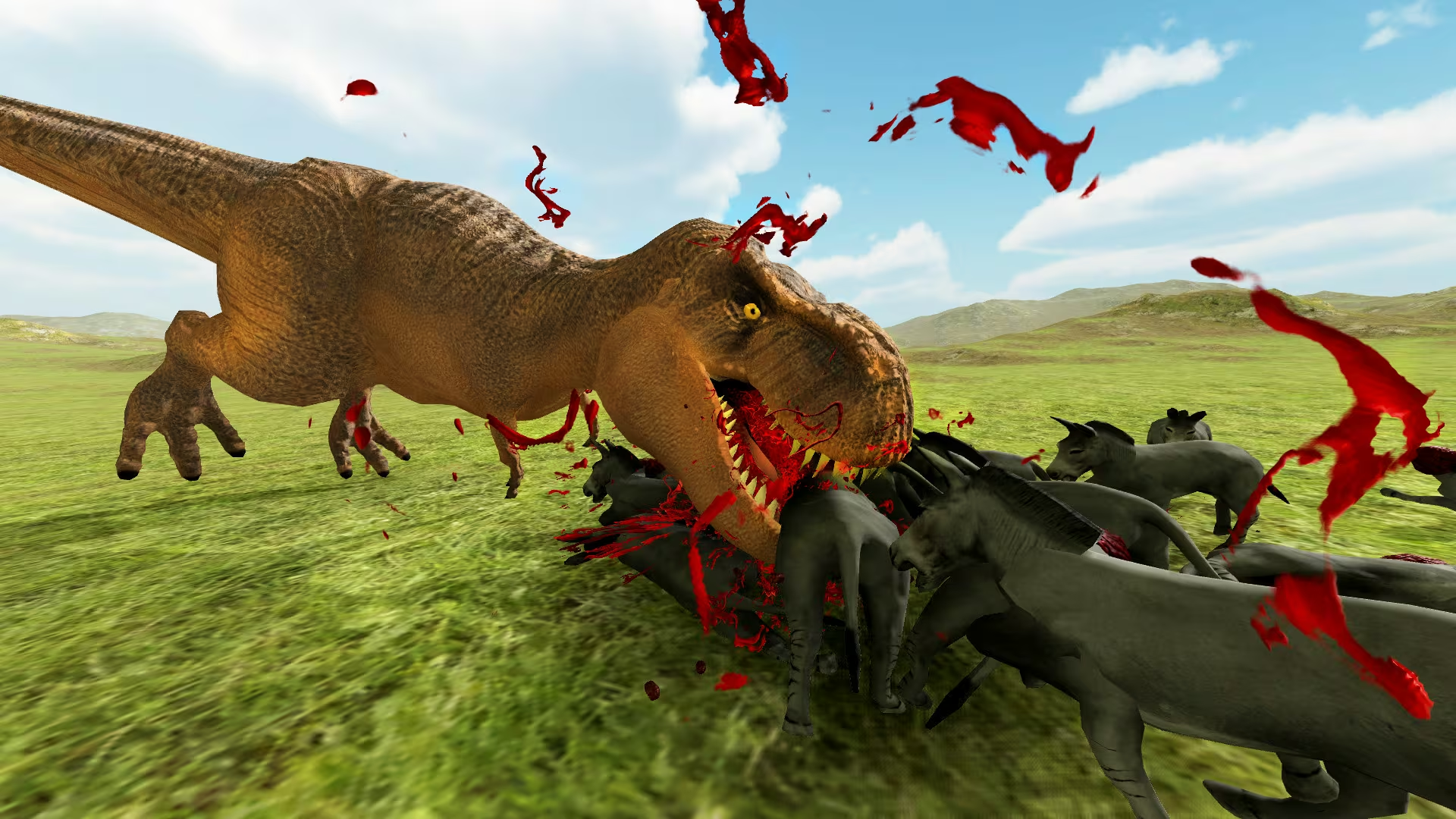
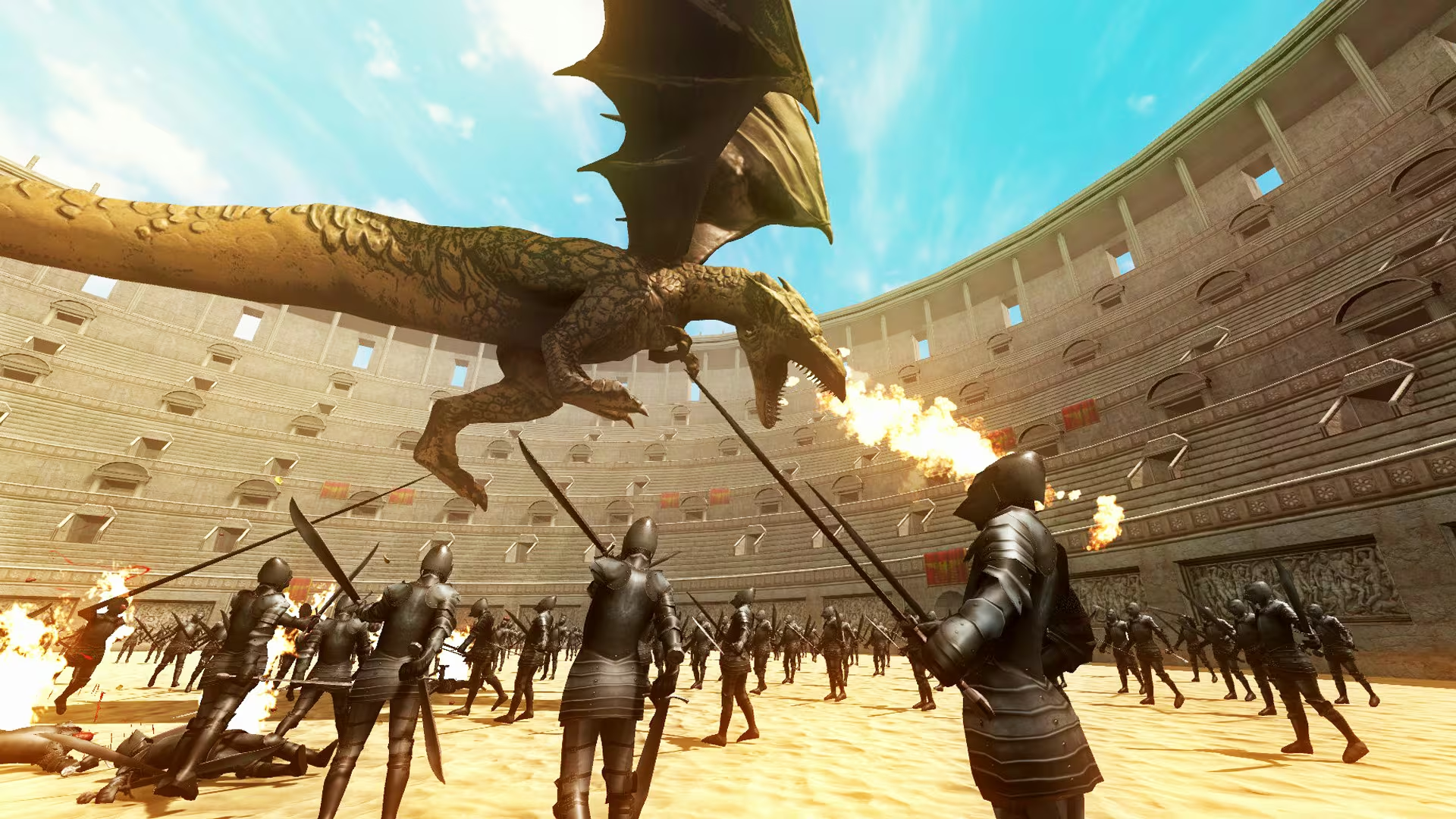
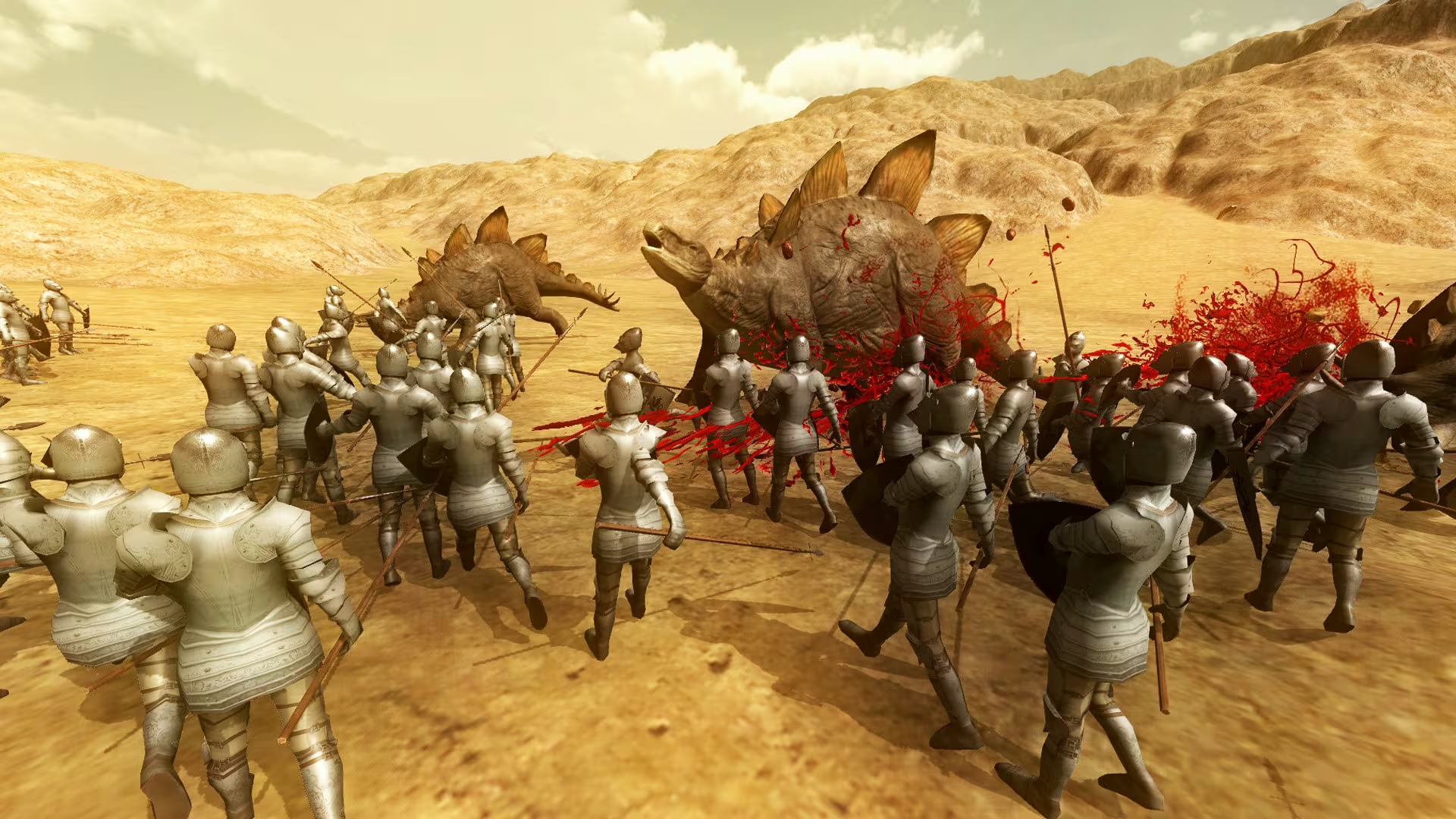
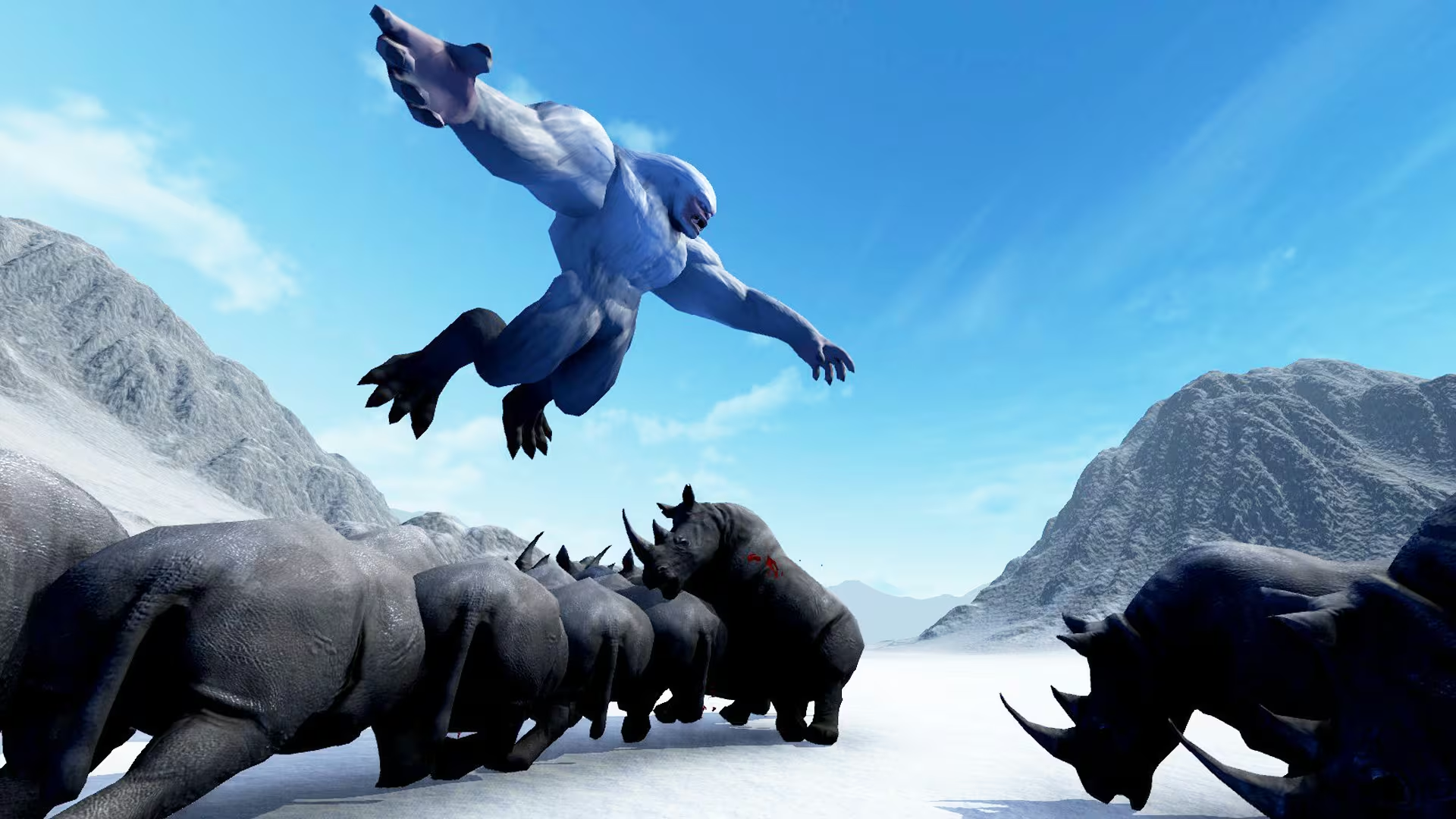
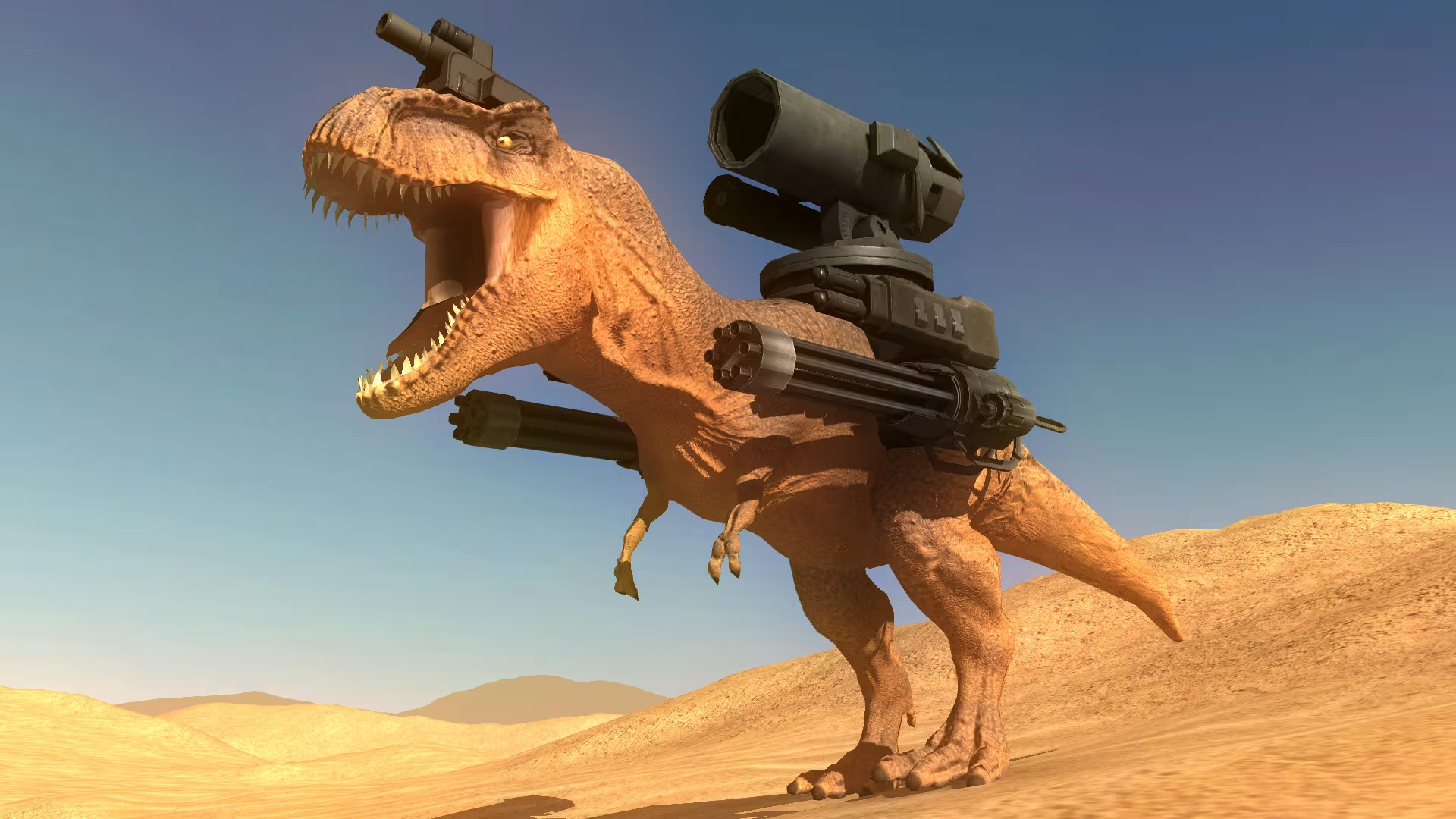
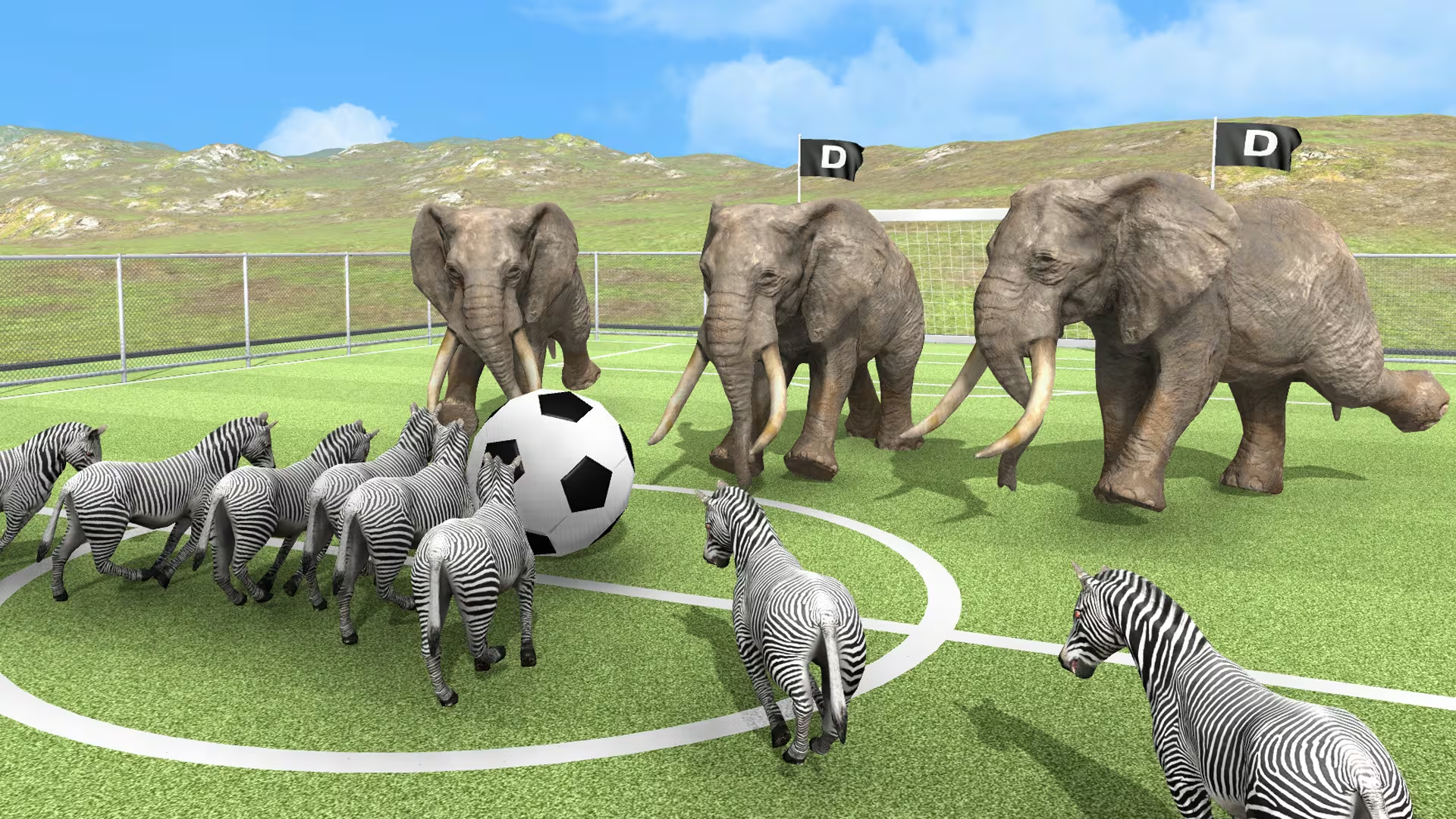
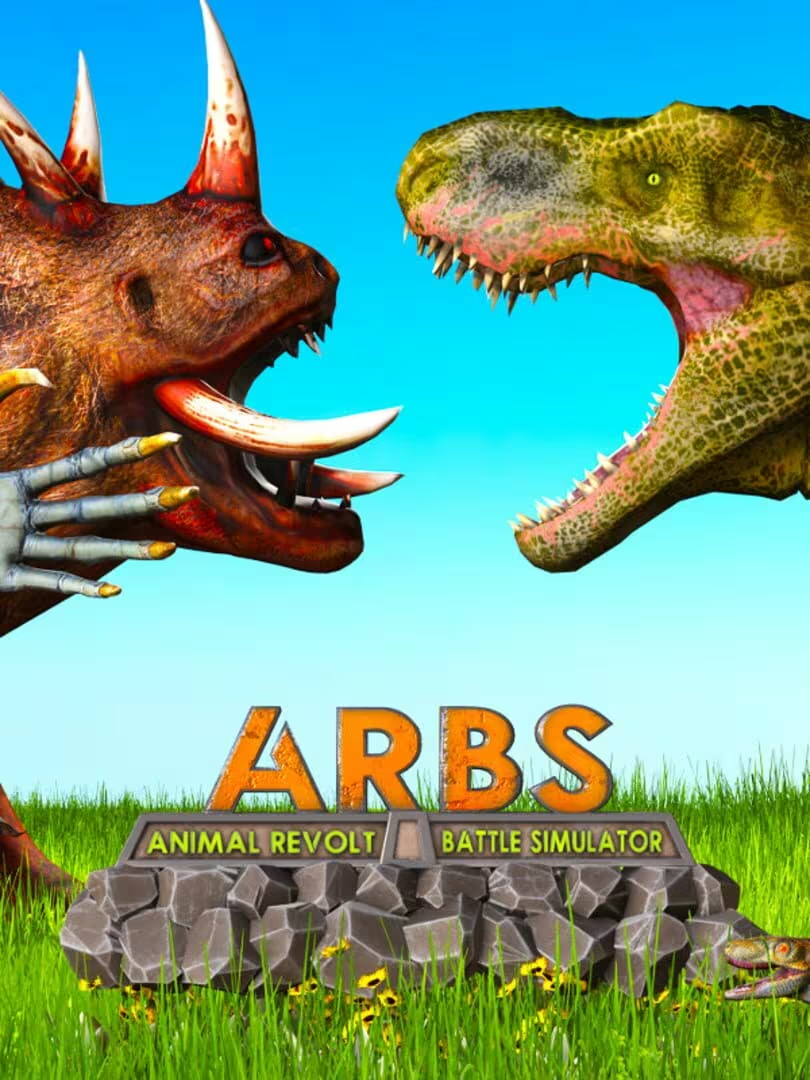
Beast Battle Simulator is a physics based battle-simulation sandbox game featuring dinosaurs, animals, and humans. Kamikaze Zebras VS. T-Rex with laser guns, Lions VS. medieval knights; anything is possible! Watch as the beasts dismember and rip each other apart in gory detail!

Global score

88/100

Genres

Action, Indie, Simulator, Sport, Strategy, Role-playing (RPG)

Similar games

    Pros

    • Highly creative unit customization and sandbox experimentation
    • Humorous and silly gameplay with dinosaurs and weaponized animals
    • Multiple game modes including challenges and soccer
    • Good value for price especially on sale
    • Active developer updates early on

    Cons

    • Limited content and maps leading to quick staleness
    • Poor optimization causing lag and crashes with many units
    • Clunky controls and camera issues
    • No online multiplayer or workshop support
    • Physics and animations can be wonky or unrealistic

    Analysis

    Less representative of its motivational profile, with noticeable differences. Motivations that often define this kind of title include Expression, Fellowship, Cooperation, Competition. Here, the score leans higher than usual among comparable games on Leadership, Fellowship. It leans lower than usual among comparable games on Story.

    How to use the graph
    Similar games map

    Each dot is a game. They are arranged from the same motivation profile as in the “Motivations” section below. Closer dots usually mean more similar reasons to play (exploration, competition, relaxation, etc.)—not that one game is “better” than another.

    • Larger dot with a light outline: the game you are viewing.
    • Colour: groups of games with comparable motivation patterns (statistical clusters).
    • Hover a dot to see the game name; click to open its page.
    • Scroll or double-click the chart to zoom out and see more games.

    Why don’t the axes read like a score? This view uses t-SNE: it only keeps who is close to whom. The scales are not “good to bad” or hours played—they separate groups on the map. Read distance between dots, not the axis numbers.

    Motivations

    • Autonomy
      4

      "Players can freely choose and customize armies, attach weapons to units, and control individual units in battles."

    • Competence
      2

      "Challenges require some strategic thinking and creative problem solving, but many battles rely on chaotic physics and trial-and-error."

    • Competition
      1

      "Some competitive play exists in challenge modes and informal multiplayer with friends, but no formal ranked or leaderboard systems."

    • Continuation
      -1

      "Players report fun for short sessions but also note the game can get stale quickly without new content."

    • Cooperation
      -3

      "Gameplay is mostly single-player or local multiplayer with friends; no strong cooperative or team-based mechanics."

    • Creativity
      4

      "High creativity in customizing units with weapons, creating battles, and sandbox experimentation."

    • Domination
      -2

      "Interactions are mostly balanced and chaotic rather than focused on exerting control or superiority over others."

    • Escapism
      3

      "Players enjoy the silly, mindless fun and distraction from reality."

    • Expectation
      -4

      "Players engage voluntarily for fun and amusement, not out of obligation."

    • Experimenting
      4

      "Sandbox mode encourages trying new unit combinations, weapons, and battle setups."

    • Exploration
      -2

      "Limited maps and environments; mostly familiar battlefields with little discovery."

    • Expression
      3

      "Players express themselves by customizing units and equipping weapons, though no avatar personalization."

    • Fantasy
      4

      "Game features dinosaurs, mythical creatures, and absurd weaponized animals in unrealistic scenarios."

    • Fellowship
      1

      "Some social play with friends locally or via screen sharing, but no large community or online interaction."

    • Growth
      1

      "Some learning and strategy involved in challenges, but limited depth and progression."

    • Health
      -5

      "Purely sedentary gameplay with no physical activity."

    • Idle
      -3

      "Requires active attention during battles and setup; not suited for passive or background play."

    • Intimacy
      -4

      "Minimal social interaction beyond casual play with friends; no deep relationships formed."

    • Leadership
      2

      "Players manage and direct armies and units, but no formal leadership roles or group management."

    • Progression
      2

      "Unlocking units and completing challenges provides some sense of progression."

    • Relaxation
      1

      "Game is more chaotic and silly than relaxing, but can provide casual fun and stress relief."

    • Sensation
      3

      "Enjoyable visual gore, physics, and humorous animations provide sensory stimulation."

    • Status
      -4

      "No social status or recognition systems; achievements and accomplishments are private."

    • Story
      -3

      "No narrative or plot; gameplay is context-free battles and sandbox fun."

    • Strategy
      2

      "Some strategic elements in challenge mode and army composition, but limited complexity."

    • Thrill
      1

      "Some excitement from unpredictable battles but mostly lighthearted and silly rather than suspenseful."

    • Value
      1

      "Generally considered good value for price, especially on sale, but limited content reduces long-term payoff."

    • Violence
      4

      "Enjoyment of combat, gore, and destruction is a core part of the game experience."

    • Survival
      -2

      "No survival mechanics; battles are short and chaotic without resource management or threat avoidance."

    Last update: 29/04/2026