Beholder similar games & best alternatives
Beholder
2016
Related articles
Quick resume
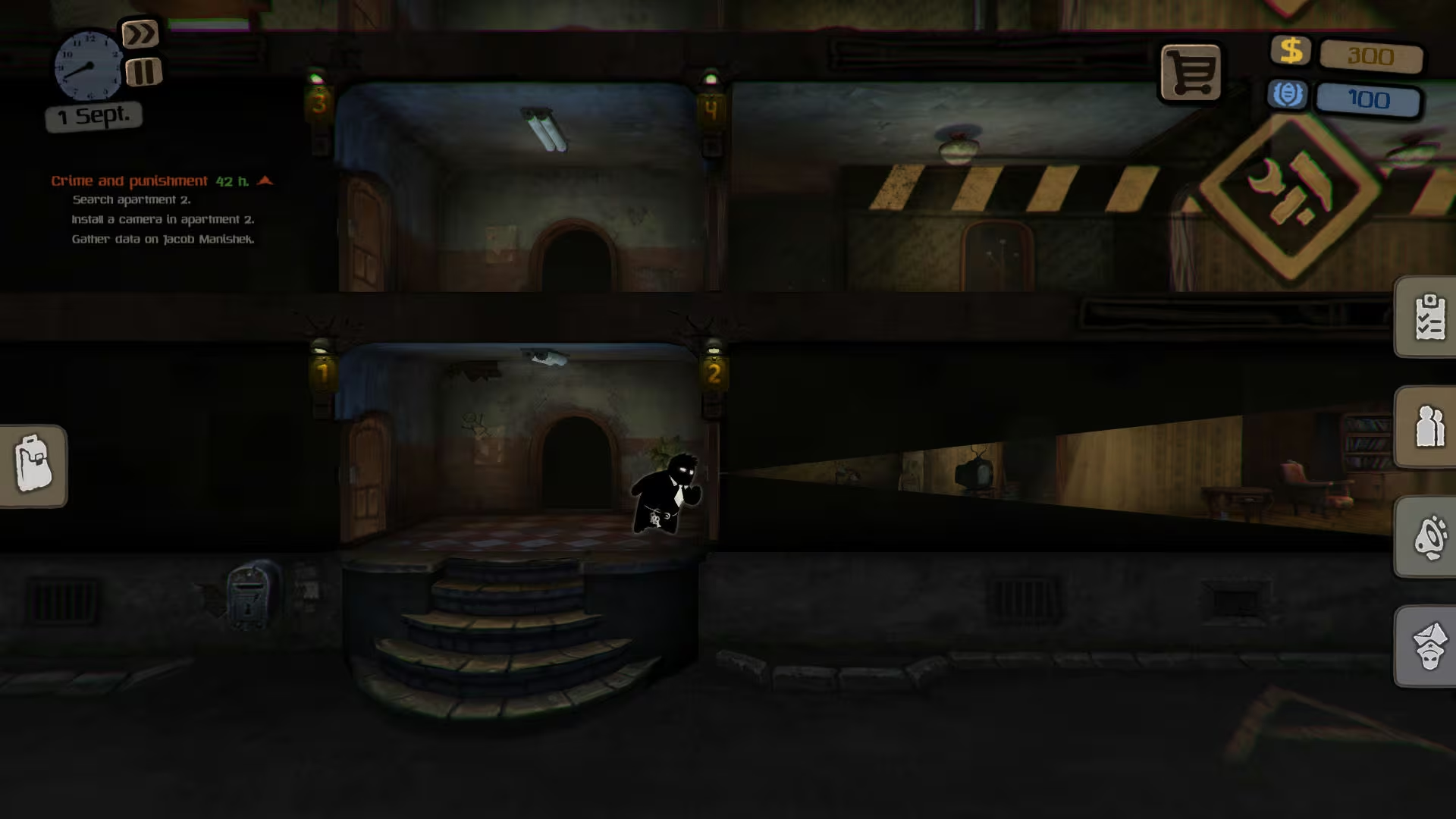
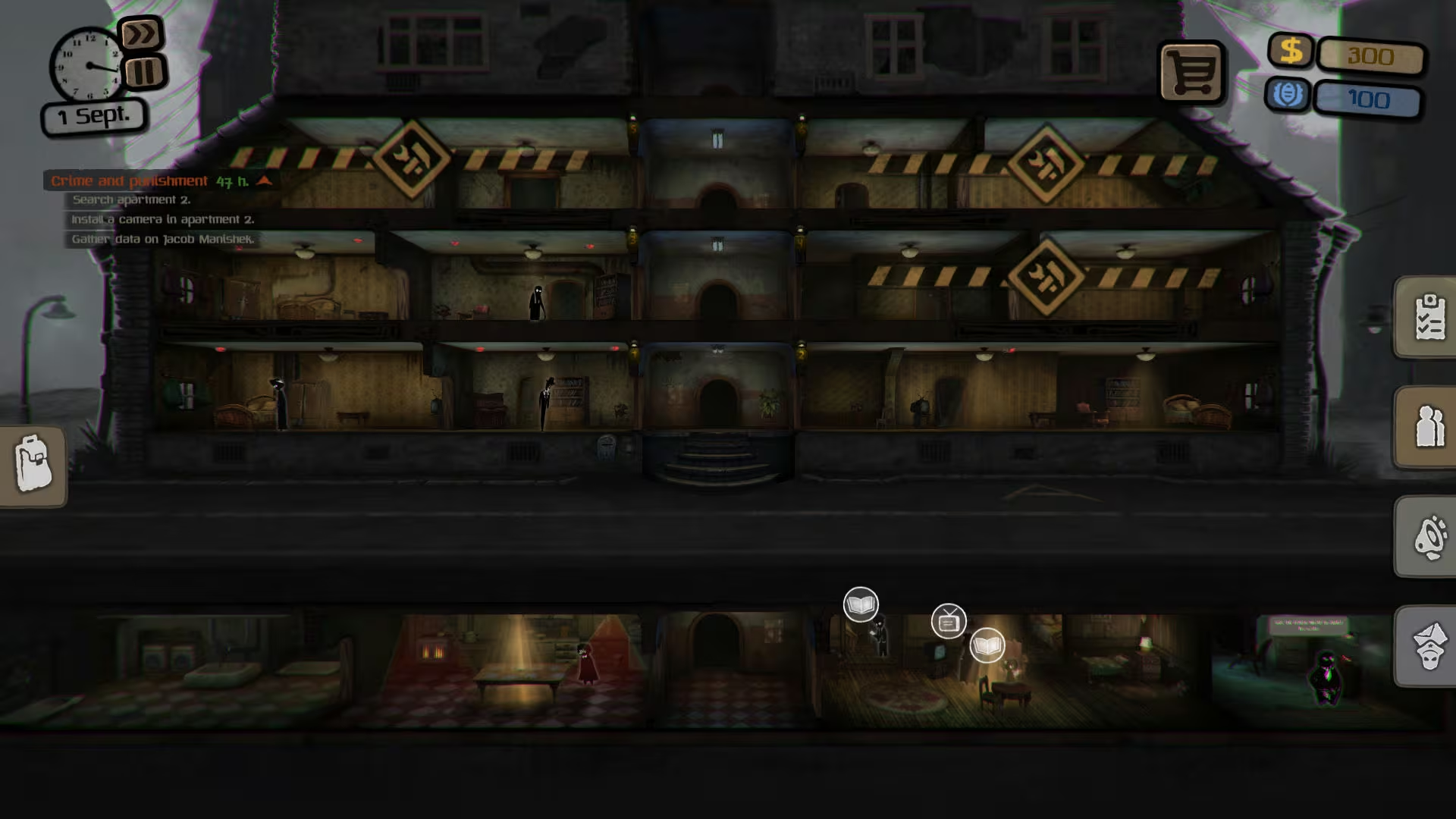
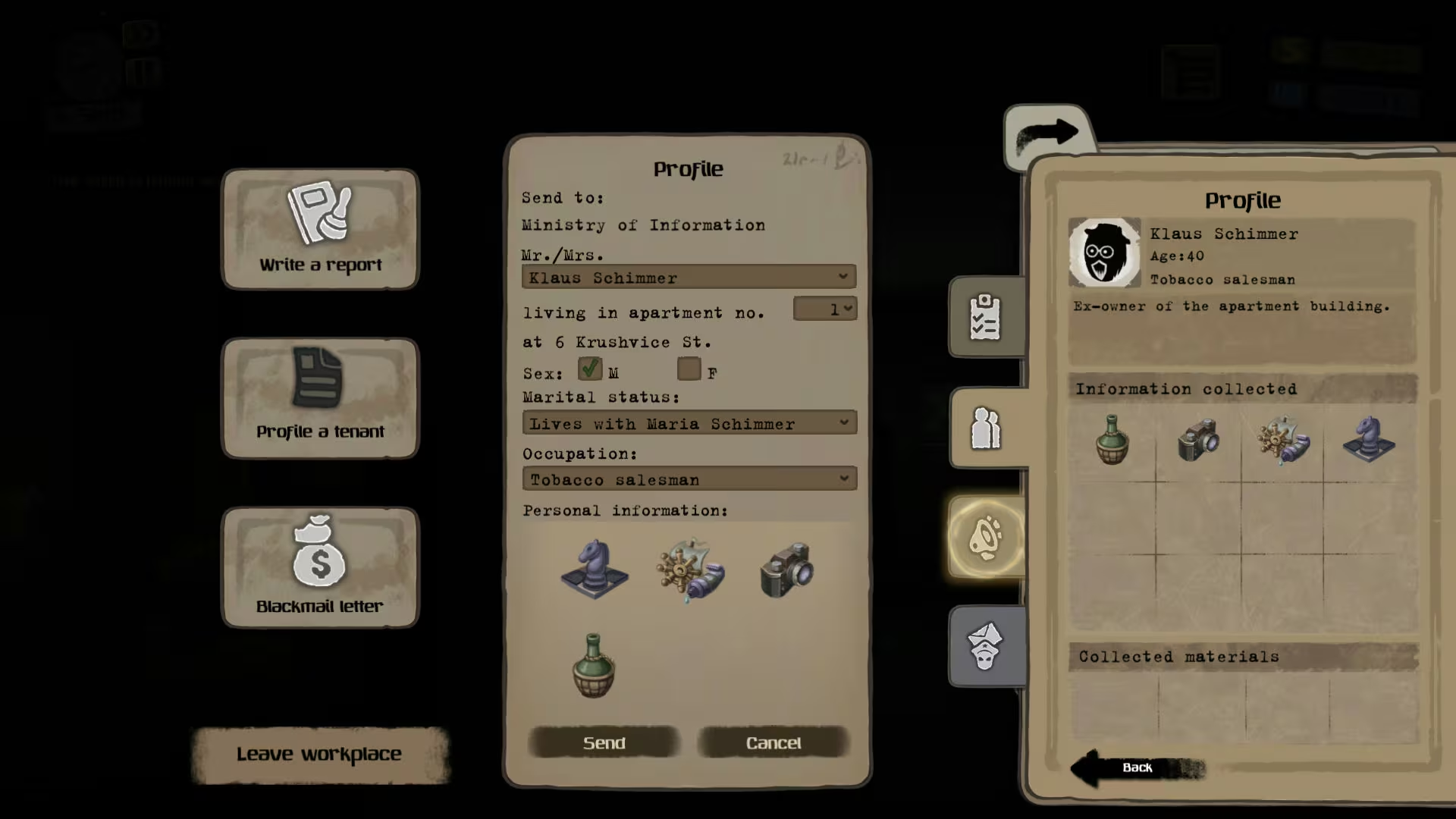
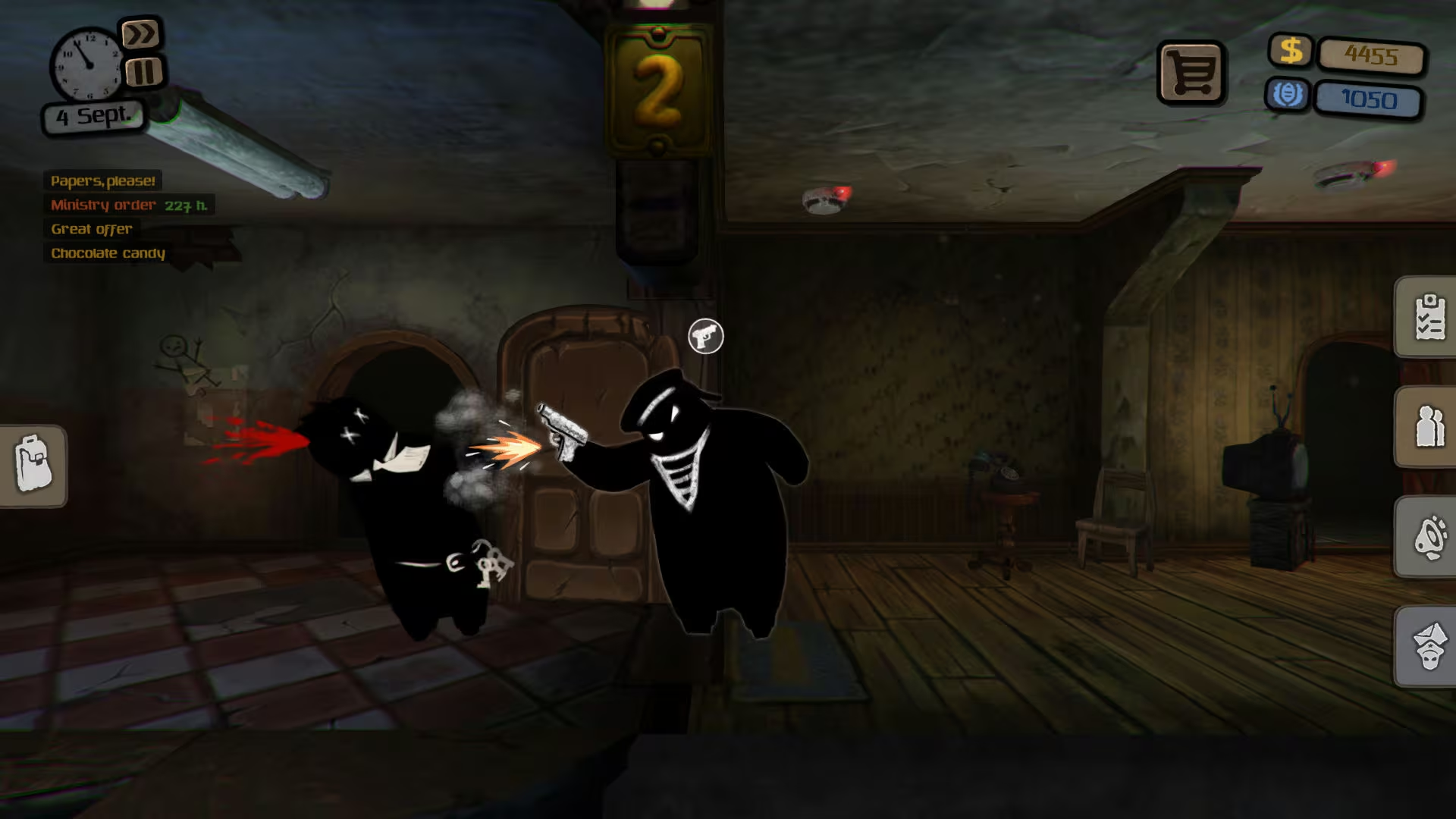
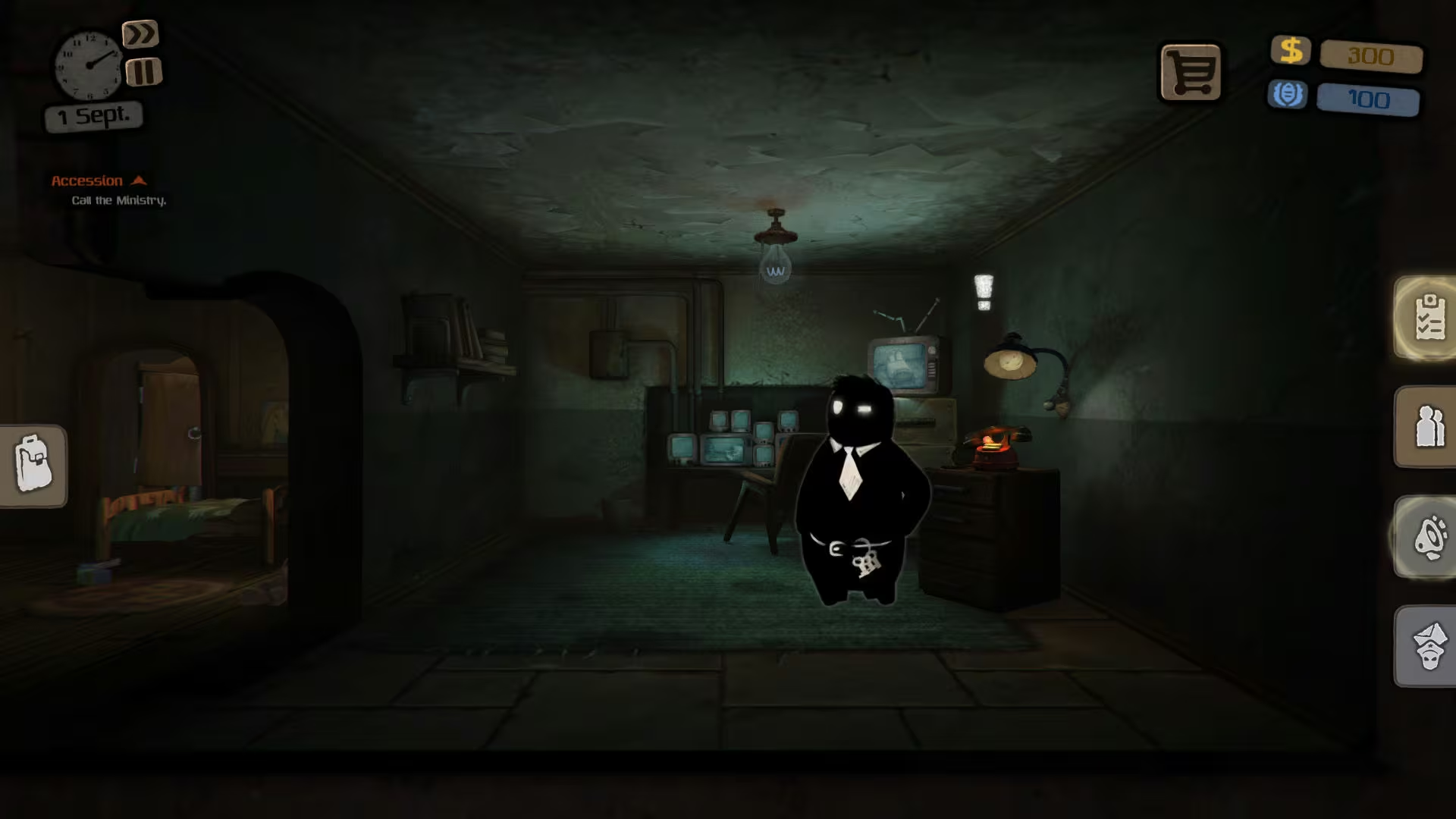
You’re a state-installed landlord in a totalitarian country. Place listening devices, steal and sneak into your tenants’ apartments. Use what you uncovered to report anyone capable of plotting against the state. You MUST! But WILL you?
Global score
92/100
Genres
Adventure, Indie, Strategy, Role-playing (RPG), Simulator
Similar games
Pros
- Deep moral choices and branching endings
- Unique dystopian atmosphere and storytelling
- Immersive and tense gameplay
- Good replayability with multiple outcomes
- Official localization including chinese and russian
Cons
- Repetitive tasks and limited environment
- Some ui and control inconveniences
- Steep difficulty and resource scarcity
- Lack of manual save option
- Some translation issues
Analysis
Less representative of its motivational profile, with noticeable differences. Motivations that often define this kind of title include Leadership, Survival, Violence, Strategy. Here, the score leans higher than usual among comparable games on Domination. It leans lower than usual among comparable games on Fantasy, Expression.
How to use the graph
Similar games map
Each dot is a game. They are arranged from the same motivation profile as in the “Motivations” section below. Closer dots usually mean more similar reasons to play (exploration, competition, relaxation, etc.)—not that one game is “better” than another.
- Larger dot with a light outline: the game you are viewing.
- Colour: groups of games with comparable motivation patterns (statistical clusters).
- Hover a dot to see the game name; click to open its page.
- Scroll or double-click the chart to zoom out and see more games.
Why don’t the axes read like a score? This view uses t-SNE: it only keeps who is close to whom. The scales are not “good to bad” or hours played—they separate groups on the map. Read distance between dots, not the axis numbers.
Motivations
-
Autonomy4
"Players have freedom to choose how to perform tasks, decide whom to report or help, and shape their own moral path in a totalitarian system."
-
Competence3
"Game requires managing resources, balancing tasks, and making strategic decisions under time pressure, demanding skill and planning."
-
Competition-4
"Focus is on individual moral choices and survival rather than competing against others or leaderboards."
-
Continuation3
"Multiple endings and branching quests encourage replaying; players often engage in multiple playthroughs to explore outcomes."
-
Cooperation-3
"Gameplay centers on individual tasks and decisions; limited collaboration or teamwork elements."
-
Creativity2
"Players can experiment with different approaches to quests and moral choices, but within a fixed environment and story."
-
Domination3
"Players exert control over tenants through surveillance, blackmail, and reporting, imposing authority within the game world."
-
Escapism4
"Provides a dark dystopian world to escape into, allowing players to experience and reflect on oppressive regimes."
-
Expectation-4
"Players engage voluntarily driven by interest in story and moral dilemmas, not out of obligation or external pressure."
-
Experimenting3
"Players try different strategies and moral paths to explore various endings and consequences."
-
Exploration-2
"Game is set in a limited environment (apartment building) with no open-world exploration."
-
Expression-3
"Limited character customization; expression mainly through choices rather than avatar personalization."
-
Fantasy-4
"Game depicts a plausible dystopian totalitarian regime with realistic themes rather than fantasy elements."
-
Fellowship-3
"Primarily a single-player experience with minimal social or community interaction."
-
Growth2
"Players learn to manage resources, understand tenant behaviors, and improve decision-making through repeated play."
-
Health-4
"Sedentary gameplay with no physical activity; intense mental stress and moral tension."
-
Idle-3
"Requires constant attention to tasks and time management; no casual or background play."
-
Intimacy1
"Some emotional connection to family and tenants through story, but limited social interaction."
-
Leadership3
"Player leads and manages the apartment building and tenants, making authoritative decisions."
-
Progression3
"Progression through acquiring money, reputation, equipment, and unlocking story branches."
-
Relaxation-3
"Game is tense and stressful due to time limits, moral dilemmas, and resource scarcity."
-
Sensation1
"Atmospheric audio and visuals create mood but limited sensory stimulation or excitement."
-
Status-3
"Focus on personal survival and moral choices rather than social recognition or popularity."
-
Story5
"Strong narrative immersion with branching storylines, moral dilemmas, and multiple endings."
-
Strategy4
"Requires planning, resource management, and strategic decision-making under constraints."
-
Thrill3
"Tension from moral choices, time pressure, and risk of failure creates suspenseful gameplay."
-
Value4
"Players perceive good value due to rich story, replayability, and unique gameplay for price."
-
Violence3
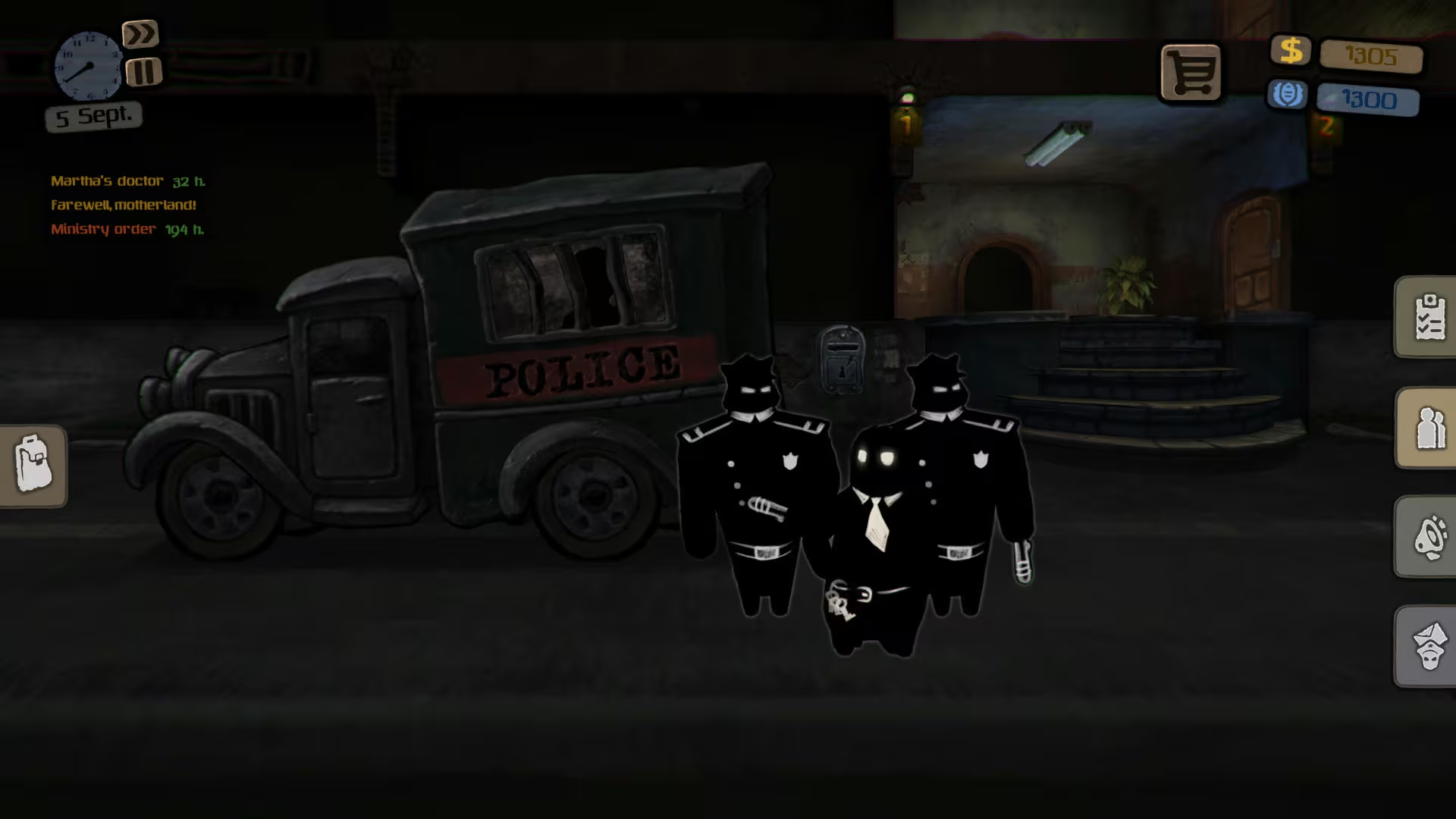
"Game involves indirect violence through reporting, arrests, and consequences for tenants."
-
Survival4
"Core gameplay revolves around surviving financial and social pressures to protect family and self."
Last update: 29/04/2026