Caesar™ IV Thumbnail

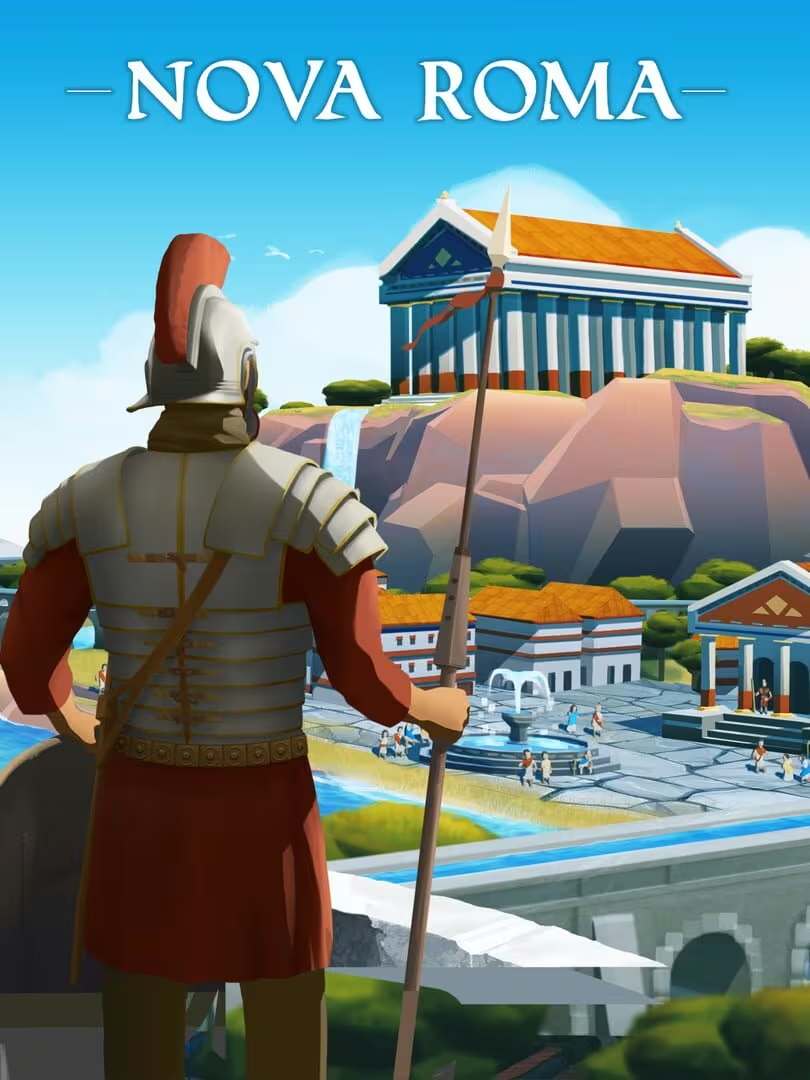
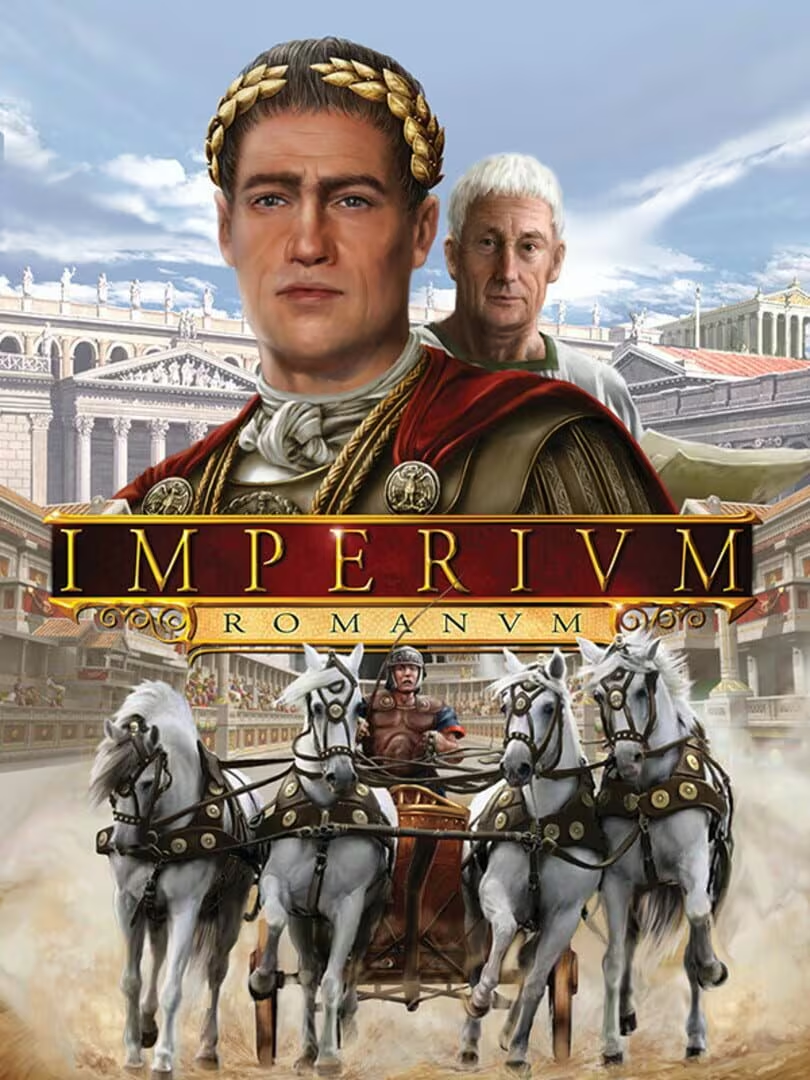
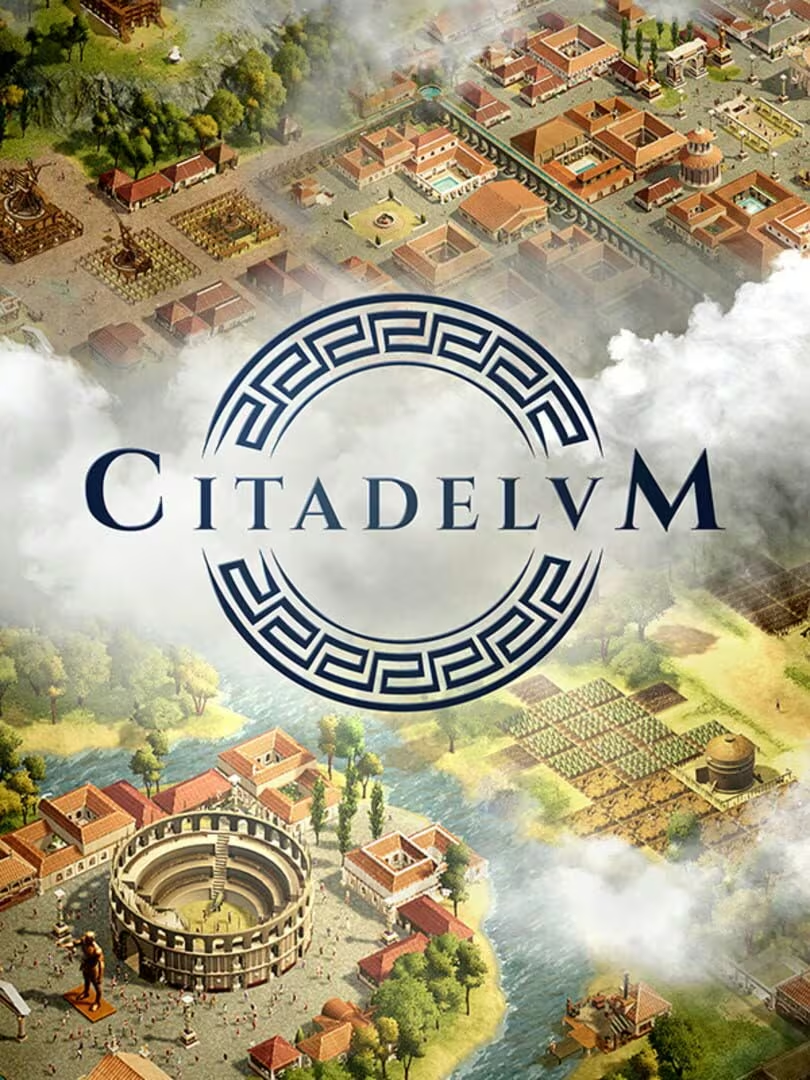
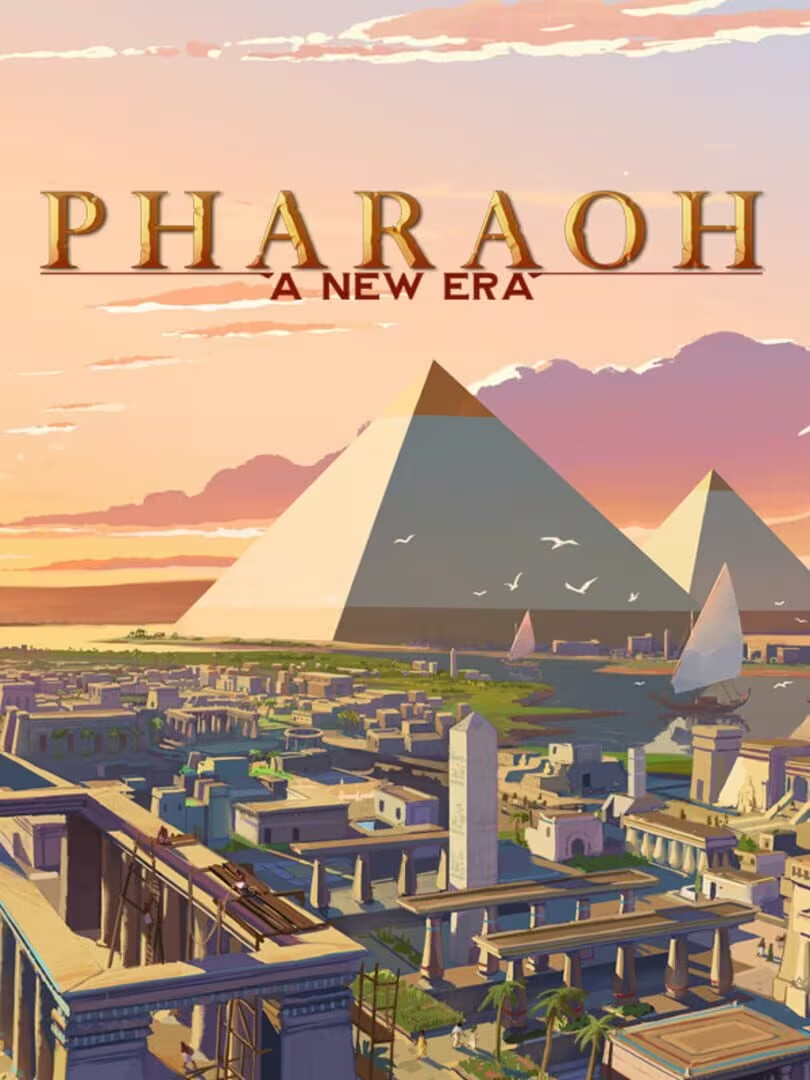
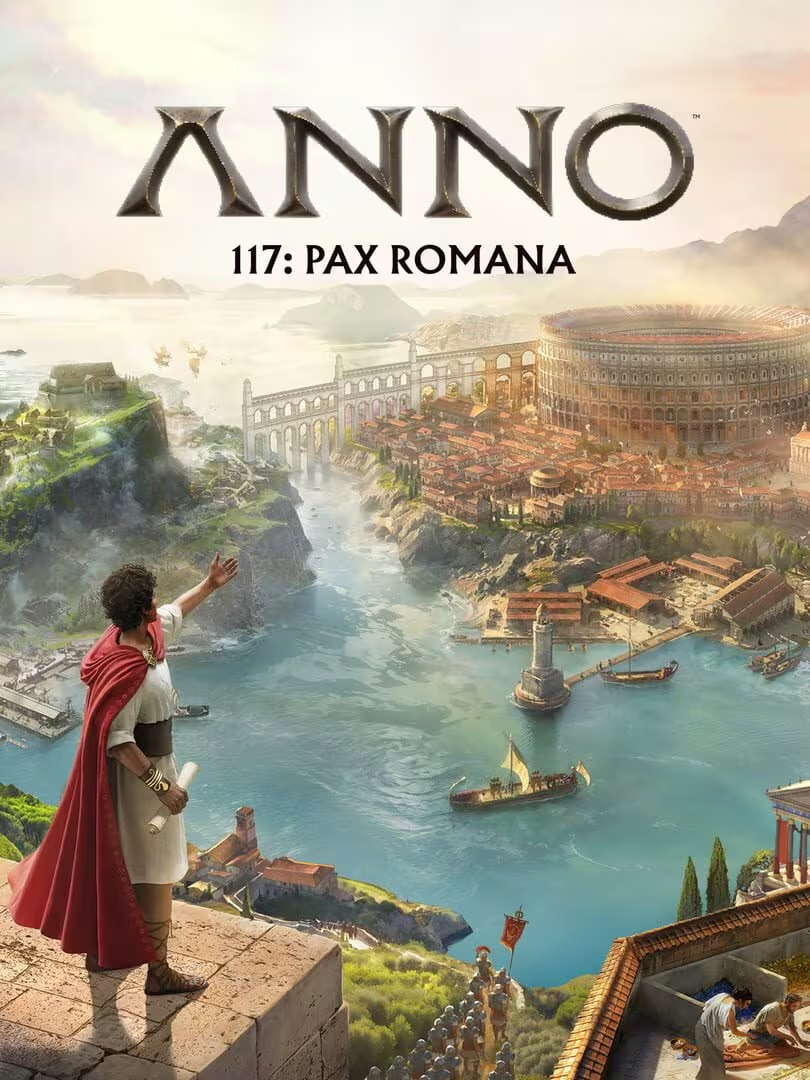
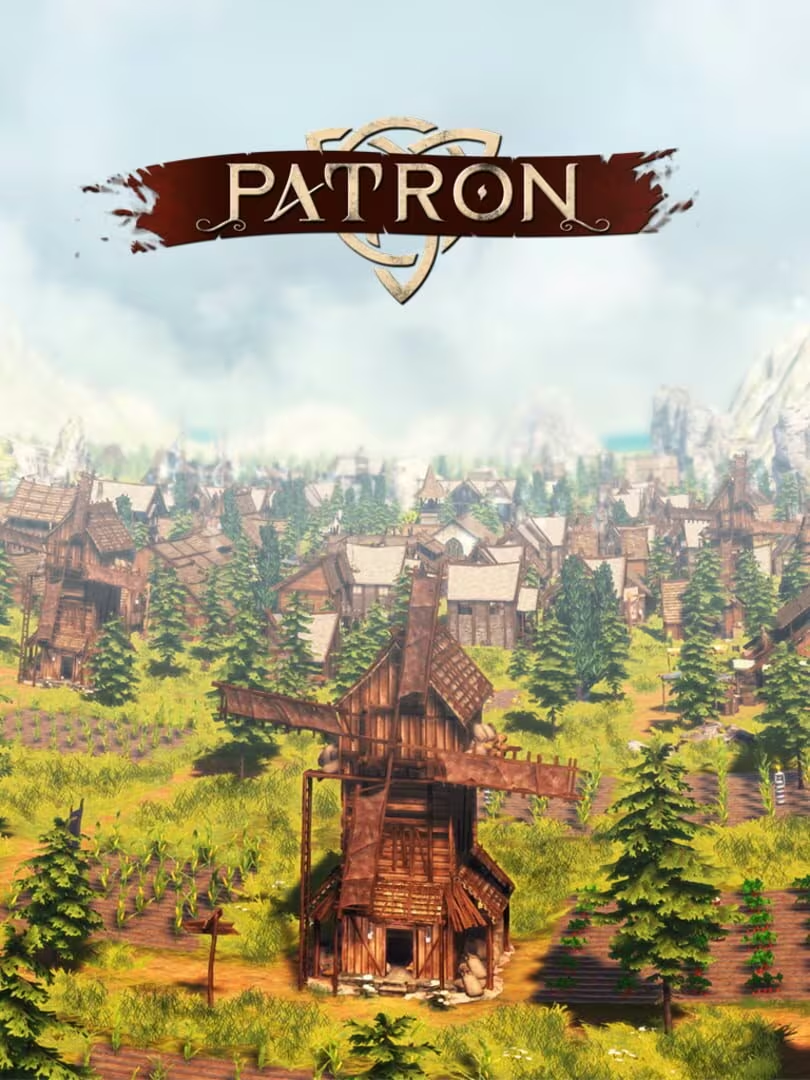
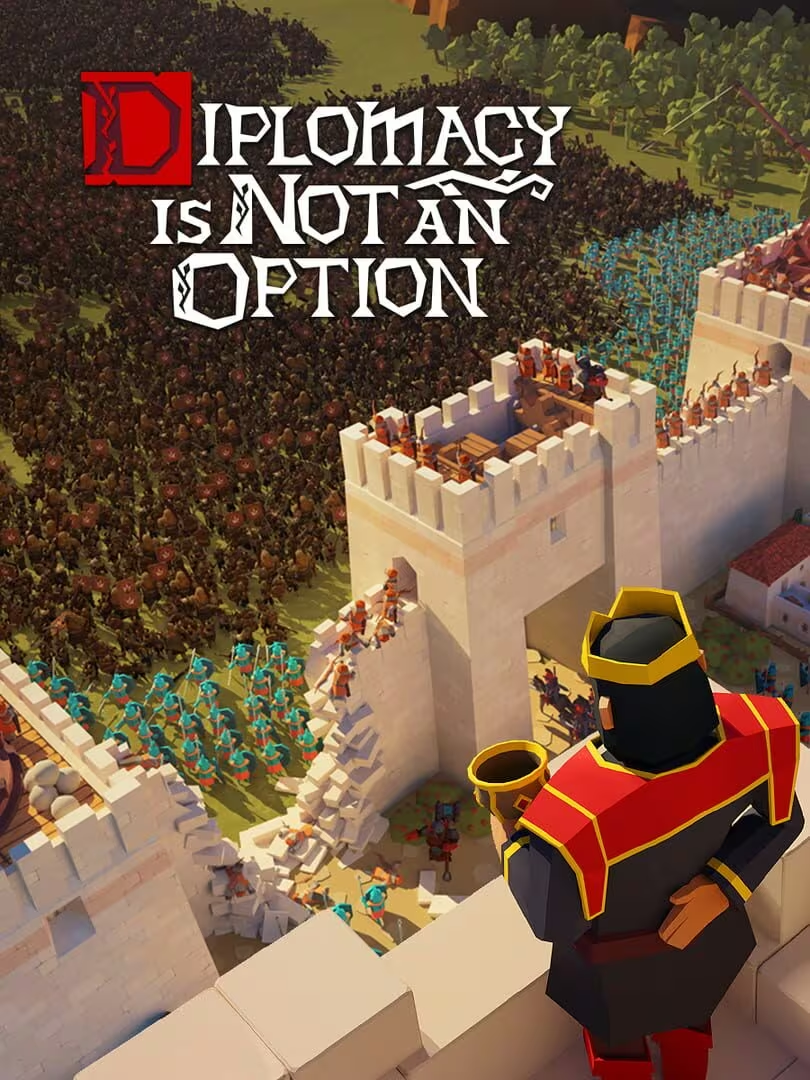
Caesar™ IV similar games & best alternatives
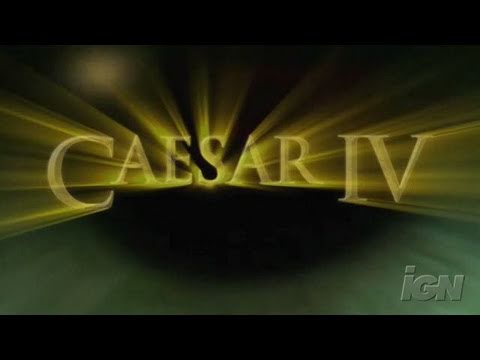
Caesar™ IV

PC (Microsoft Windows) • 2016

Related articles

Quick resume

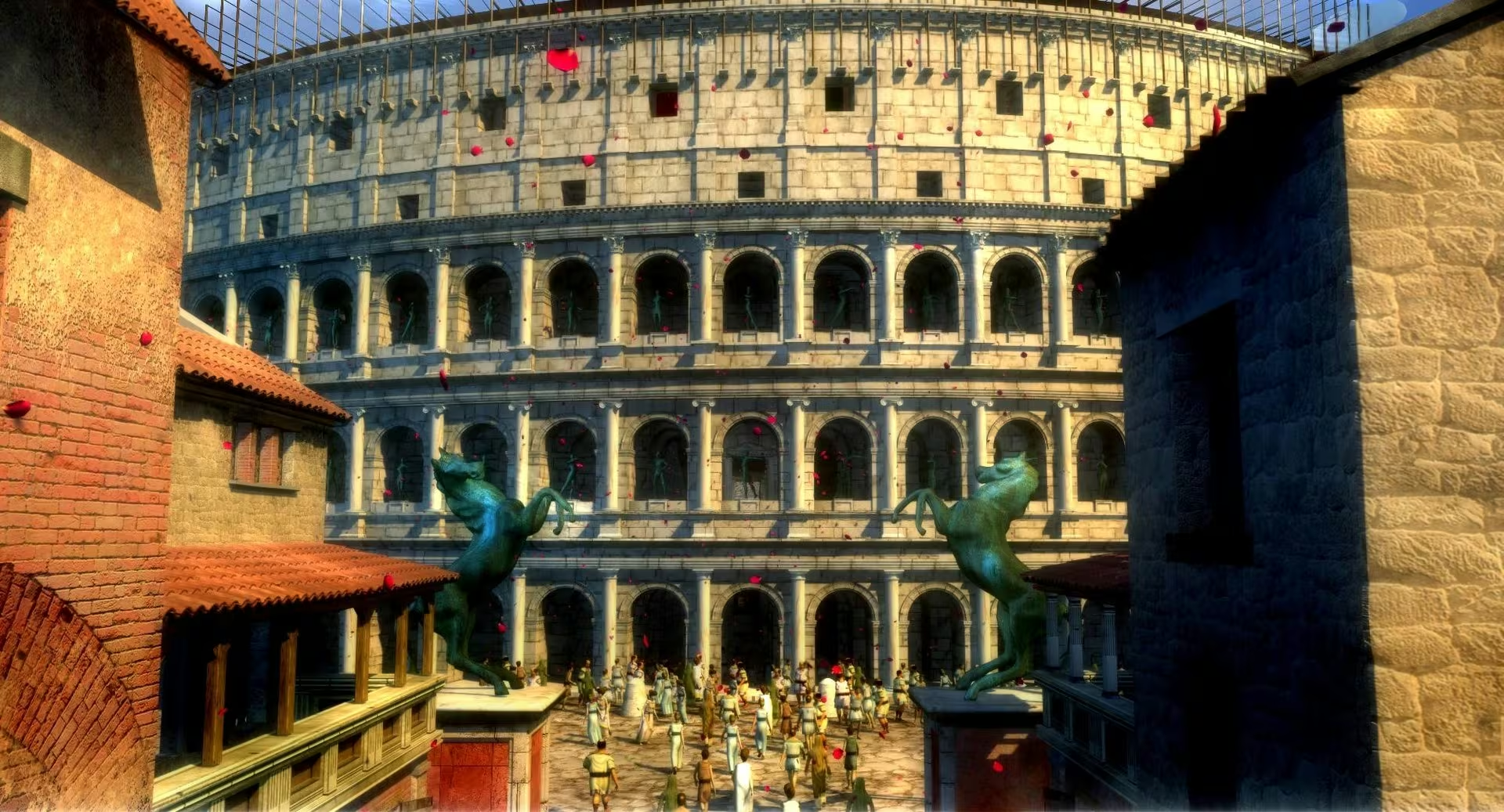
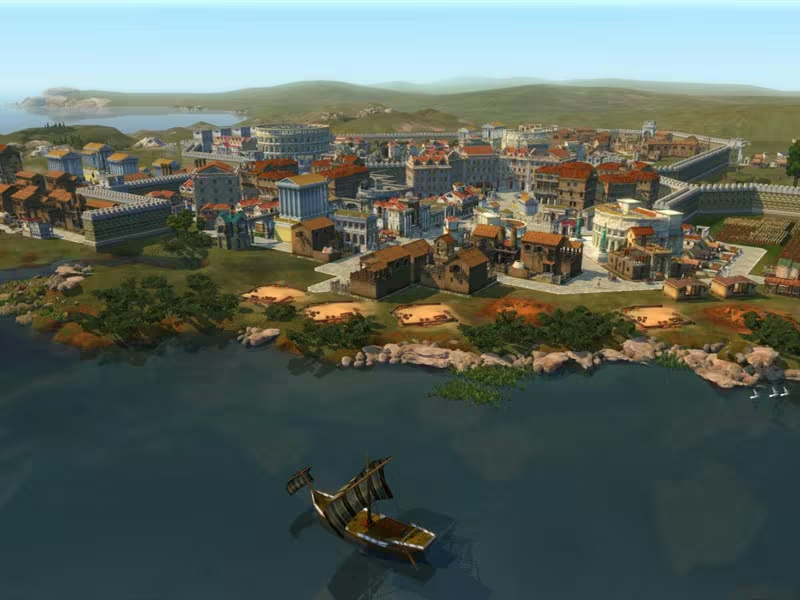
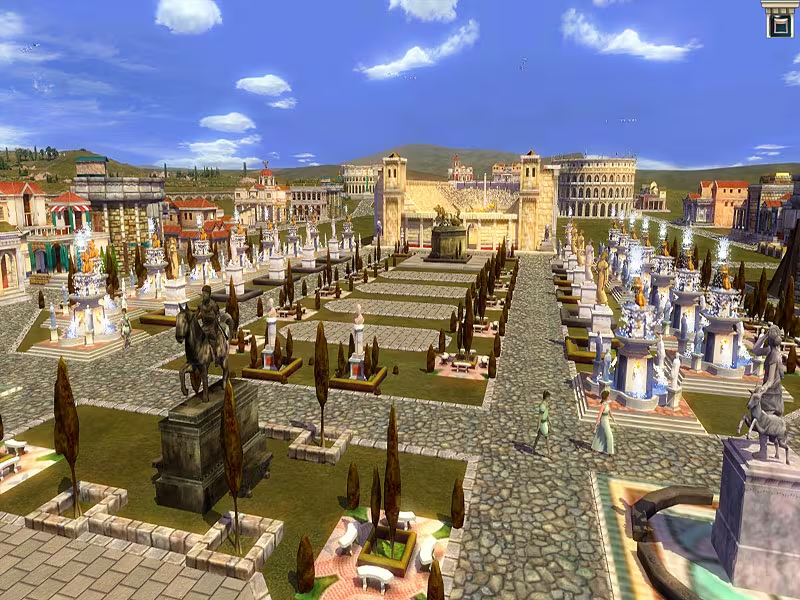
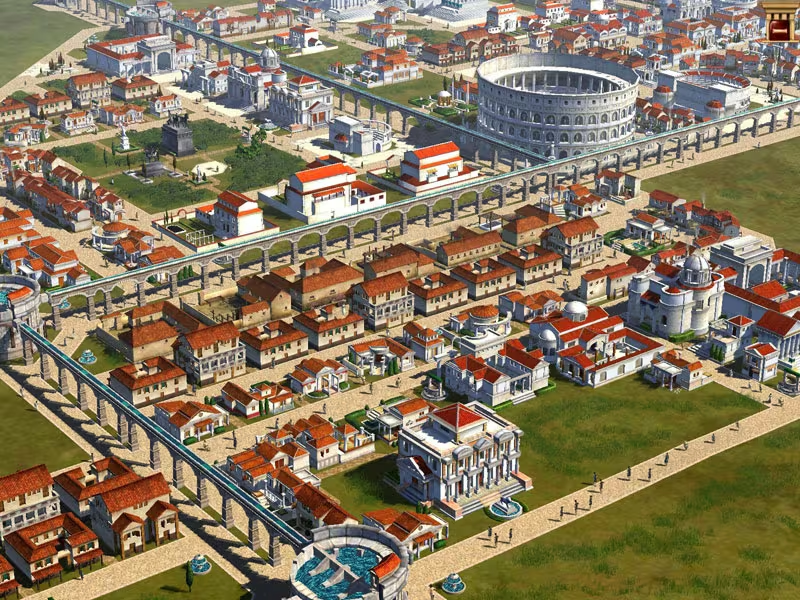
Starting as governor of a newly formed province in the Roman Empire your goal is simple: advance up the empire's political ladder to become the next Caesar.

Global score

71/100

Genres

Simulator, Strategy

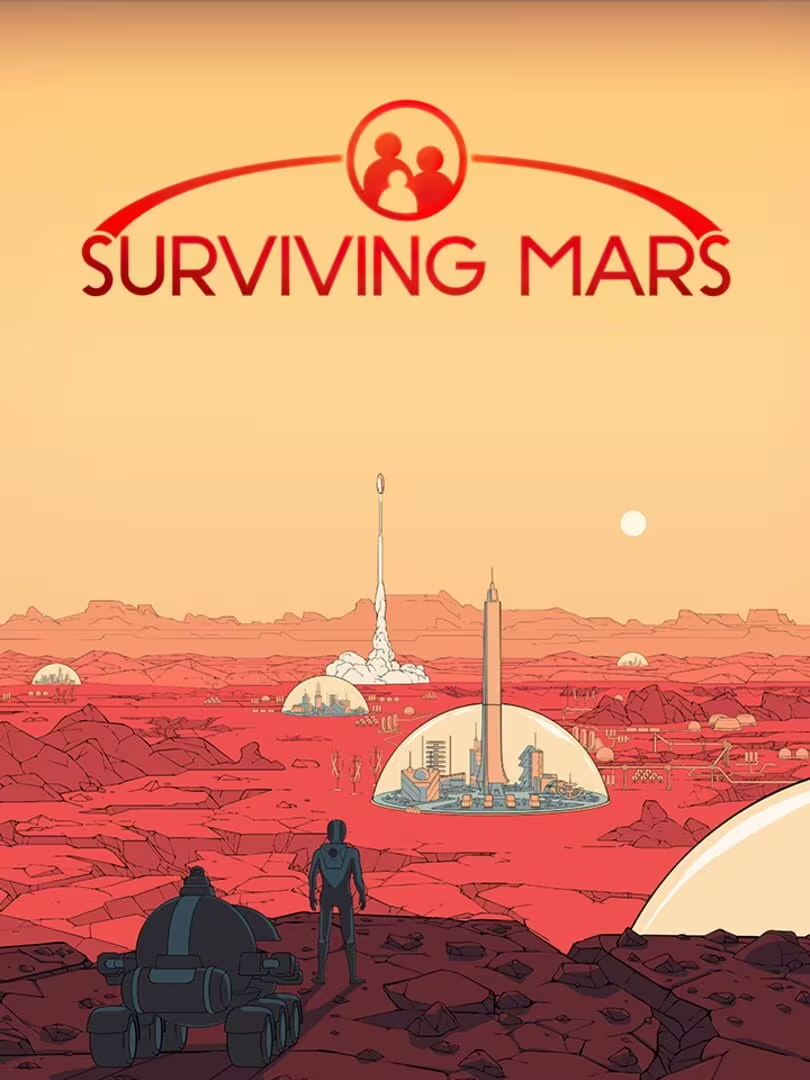
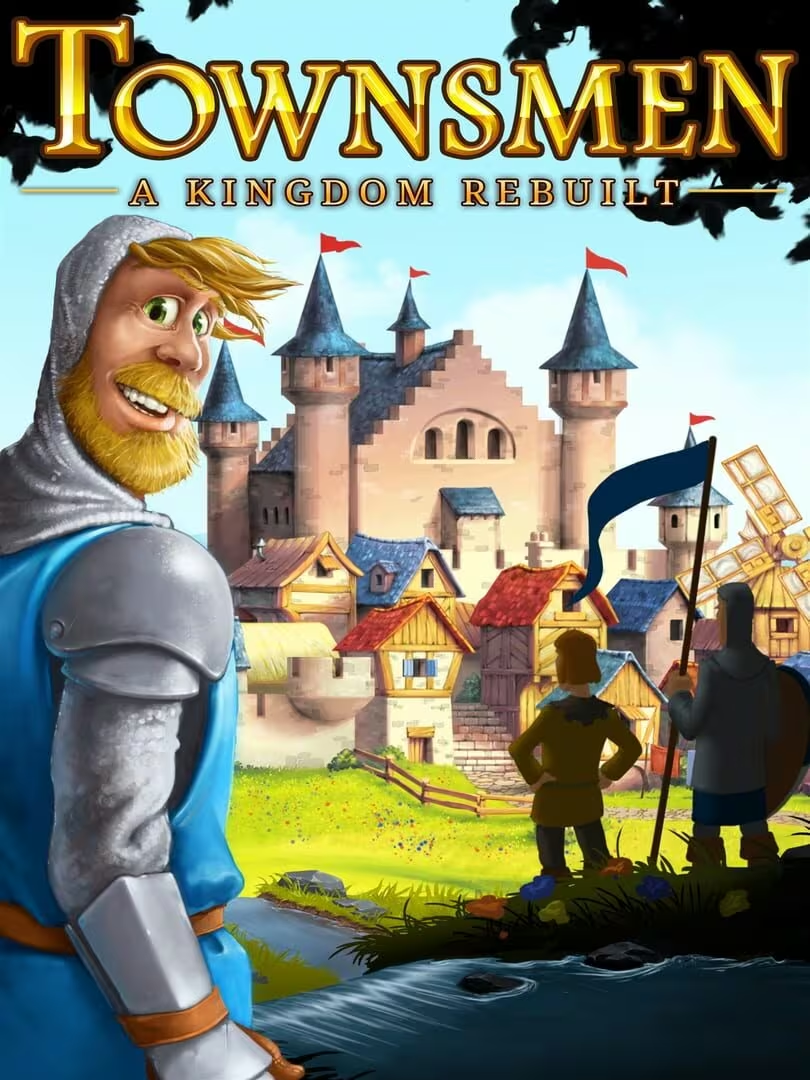
Similar games

    Pros

    • Deep and challenging city-building gameplay
    • Strong nostalgic appeal
    • Engaging resource management and strategy
    • Long replayability and campaign content
    • Immersive ancient roman setting

    Cons

    • Technical issues and compatibility problems on modern systems
    • Small and cramped maps
    • Clunky and limited combat system
    • Dated graphics and ui
    • Lack of multiplayer or social features

    Analysis

    Less representative of its motivational profile, with noticeable differences. Motivations that often define this kind of title include Leadership, Survival, Violence, Strategy. It leans lower than usual among comparable games on Fantasy, Violence, Exploration.

    How to use the graph
    Similar games map

    Each dot is a game. They are arranged from the same motivation profile as in the “Motivations” section below. Closer dots usually mean more similar reasons to play (exploration, competition, relaxation, etc.)—not that one game is “better” than another.

    • Larger dot with a light outline: the game you are viewing.
    • Colour: groups of games with comparable motivation patterns (statistical clusters).
    • Hover a dot to see the game name; click to open its page.
    • Scroll or double-click the chart to zoom out and see more games.

    Why don’t the axes read like a score? This view uses t-SNE: it only keeps who is close to whom. The scales are not “good to bad” or hours played—they separate groups on the map. Read distance between dots, not the axis numbers.

    Motivations

    • Autonomy
      4

      "Players have significant control over city layout, resource management, and strategic decisions, with freedom to optimize and experiment."

    • Competence
      4

      "Game offers challenging city-building and resource logistics requiring skillful planning and management."

    • Competition
      -3

      "Focus is primarily on personal city-building progress and campaign completion rather than direct player-vs-player competition."

    • Continuation
      4

      "Many users report long play sessions, repeated campaign replays, and habitual returns to the game over years."

    • Cooperation
      -4

      "Gameplay is mostly single-player focused with no significant multiplayer cooperative elements."

    • Creativity
      3

      "Players design and build cities with some customization and scenario editor available, though limited."

    • Domination
      -4

      "Interactions with AI and game systems are balanced; no evidence of exerting authority or superiority over other players."

    • Escapism
      4

      "Players use the game as a nostalgic and immersive escape into ancient Roman city-building and strategy."

    • Expectation
      -4

      "Players engage voluntarily out of personal interest and nostalgia, not due to obligation or external pressure."

    • Experimenting
      3

      "Players explore different city layouts, resource strategies, and scenario challenges, though some maps are small."

    • Exploration
      -2

      "Maps are relatively small and constrained; limited discovery but some scenario variety."

    • Expression
      2

      "Some self-expression through city design and building placement, but limited avatar or cosmetic customization."

    • Fantasy
      -3

      "Game simulates realistic ancient Roman city management and logistics rather than imaginative or mythical elements."

    • Fellowship
      -4

      "Minimal social or community interaction; primarily a solo experience."

    • Growth
      4

      "Players develop skills in resource management, city planning, and strategic thinking over time."

    • Health
      -5

      "Sedentary gameplay with no physical activity or health-related mechanics."

    • Idle
      -3

      "Requires sustained attention and active management rather than passive or idle play."

    • Intimacy
      -5

      "No evidence of close social relationships or emotional sharing; limited to single-player gameplay."

    • Leadership
      3

      "Players lead and manage their cities and armies, making strategic decisions and directing resources."

    • Progression
      4

      "Players accumulate resources, upgrades, and city improvements as they advance through scenarios."

    • Relaxation
      2

      "Some players find the game relaxing and immersive, though others note tension from resource demands and Rome's pressures."

    • Sensation
      1

      "Visuals and sounds are dated but charming; sensory stimulation is moderate and nostalgic rather than intense."

    • Status
      -4

      "No social status or recognition mechanics; focus is on individual gameplay."

    • Story
      3

      "Campaign missions provide narrative context and objectives, enhancing immersion."

    • Strategy
      5

      "Strong emphasis on mental challenge, planning, resource allocation, and problem solving."

    • Thrill
      1

      "Some suspense from managing threats and meeting demands, but overall controlled and steady gameplay."

    • Value
      4

      "Players perceive good value for time and money, especially given nostalgia and gameplay depth."

    • Violence
      -3

      "Combat is minimal, clunky, and not a core focus; emphasis is on constructive city-building."

    • Survival
      3

      "Players must manage threats like barbarians and fires, balancing resources to avoid failure."

    Last update: 29/04/2026