Capcom Fighting Collection 2 similar games & best alternatives

Capcom Fighting Collection 2
2025
Related articles
Quick resume
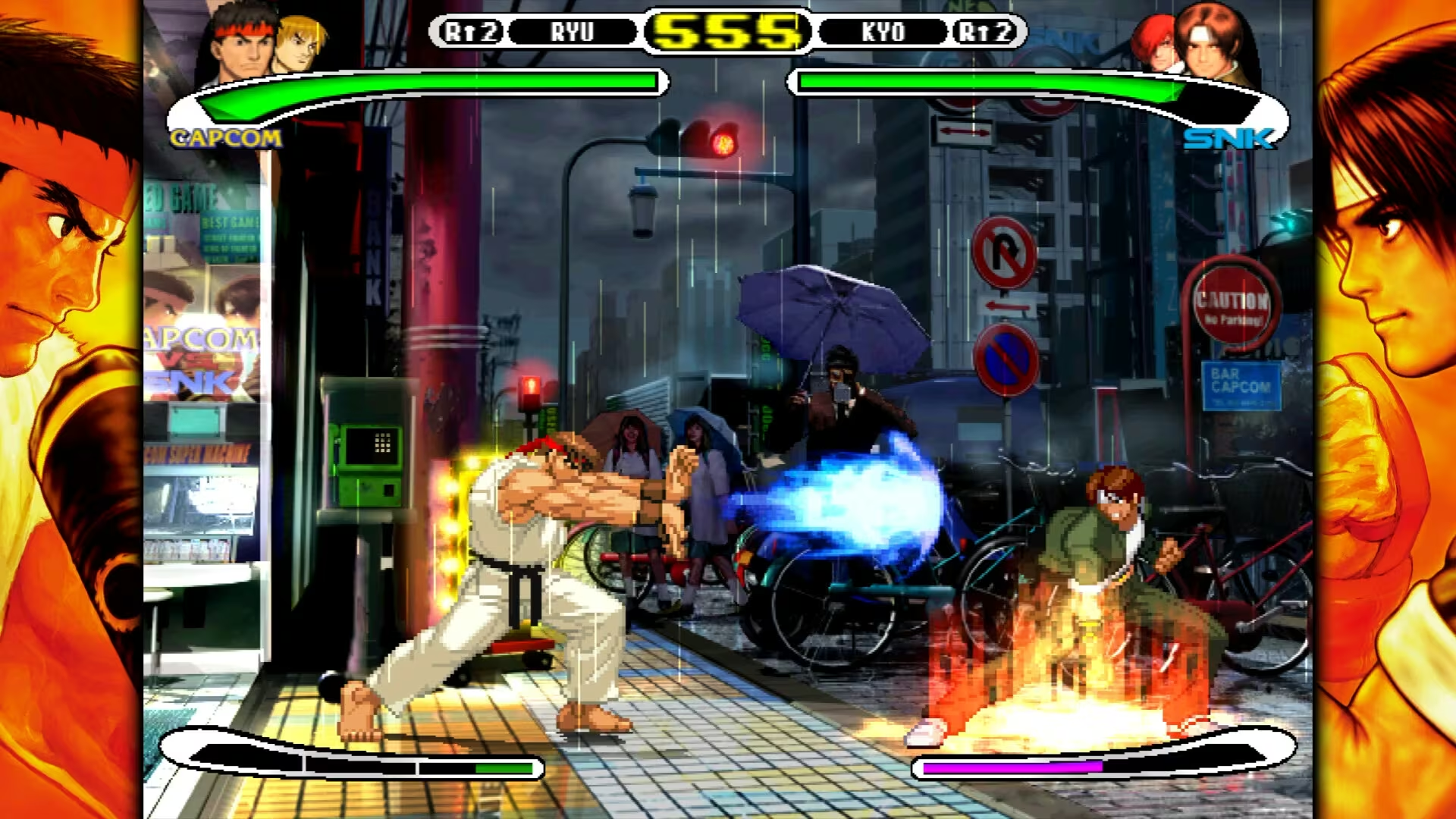
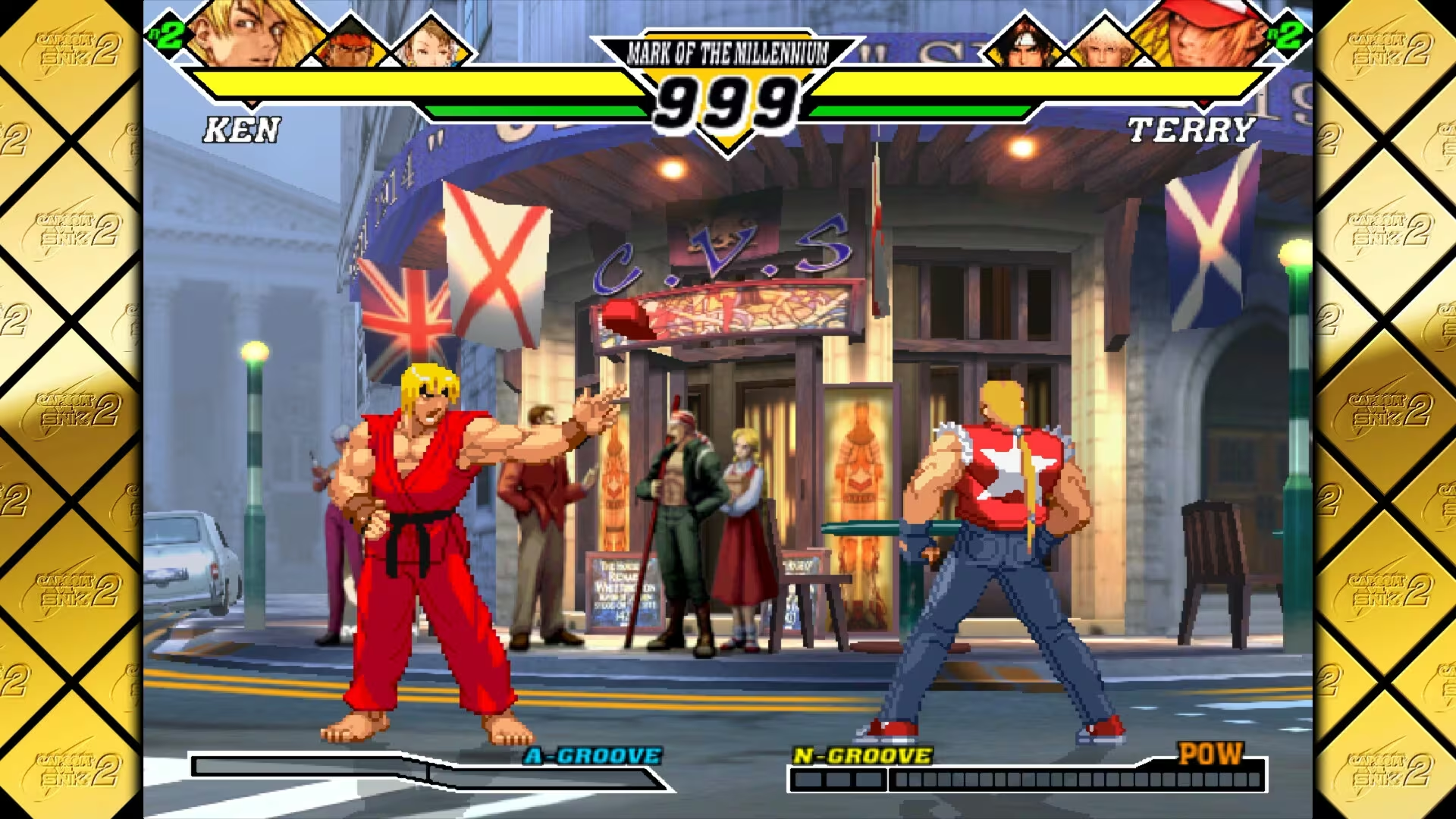
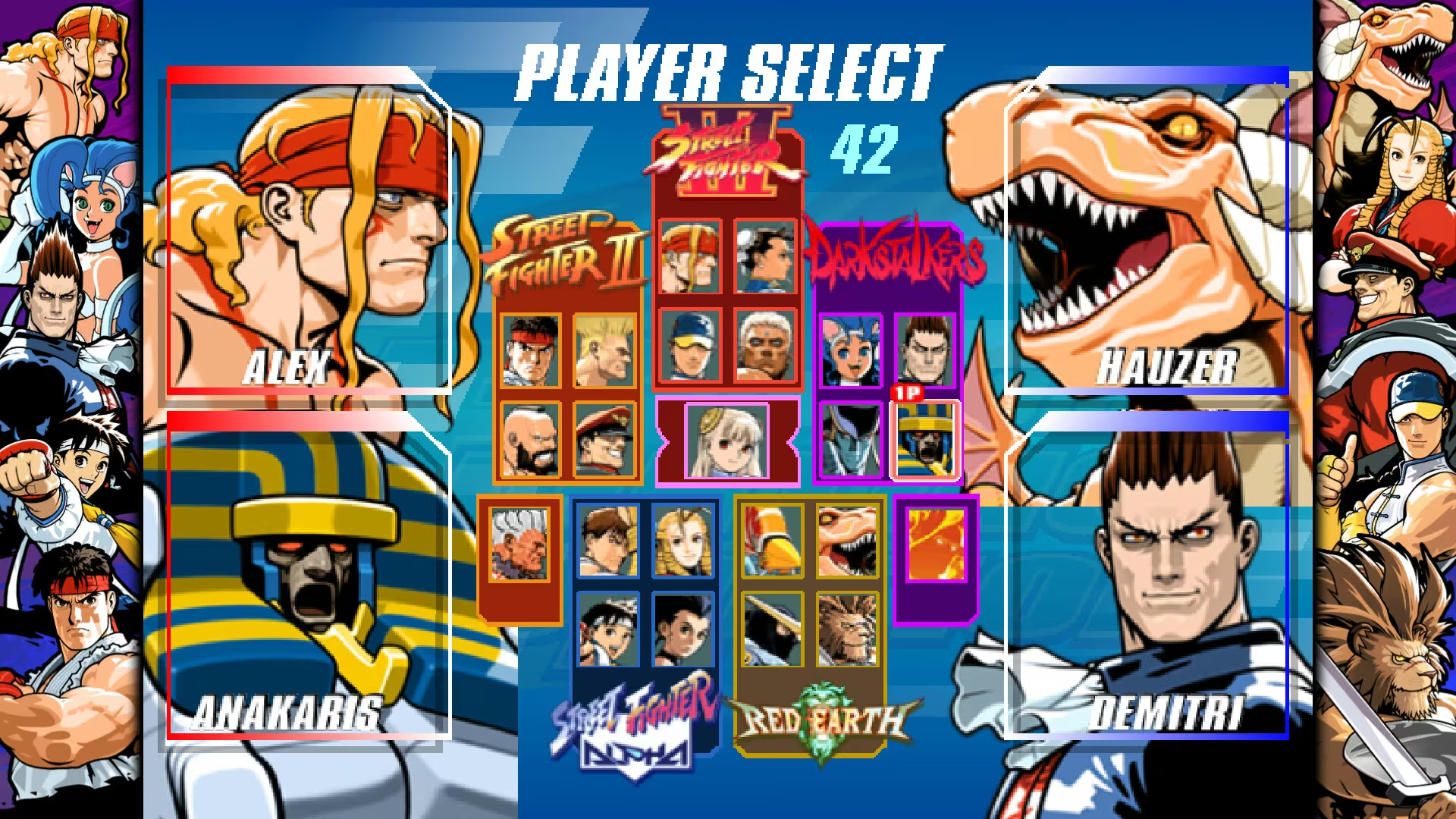
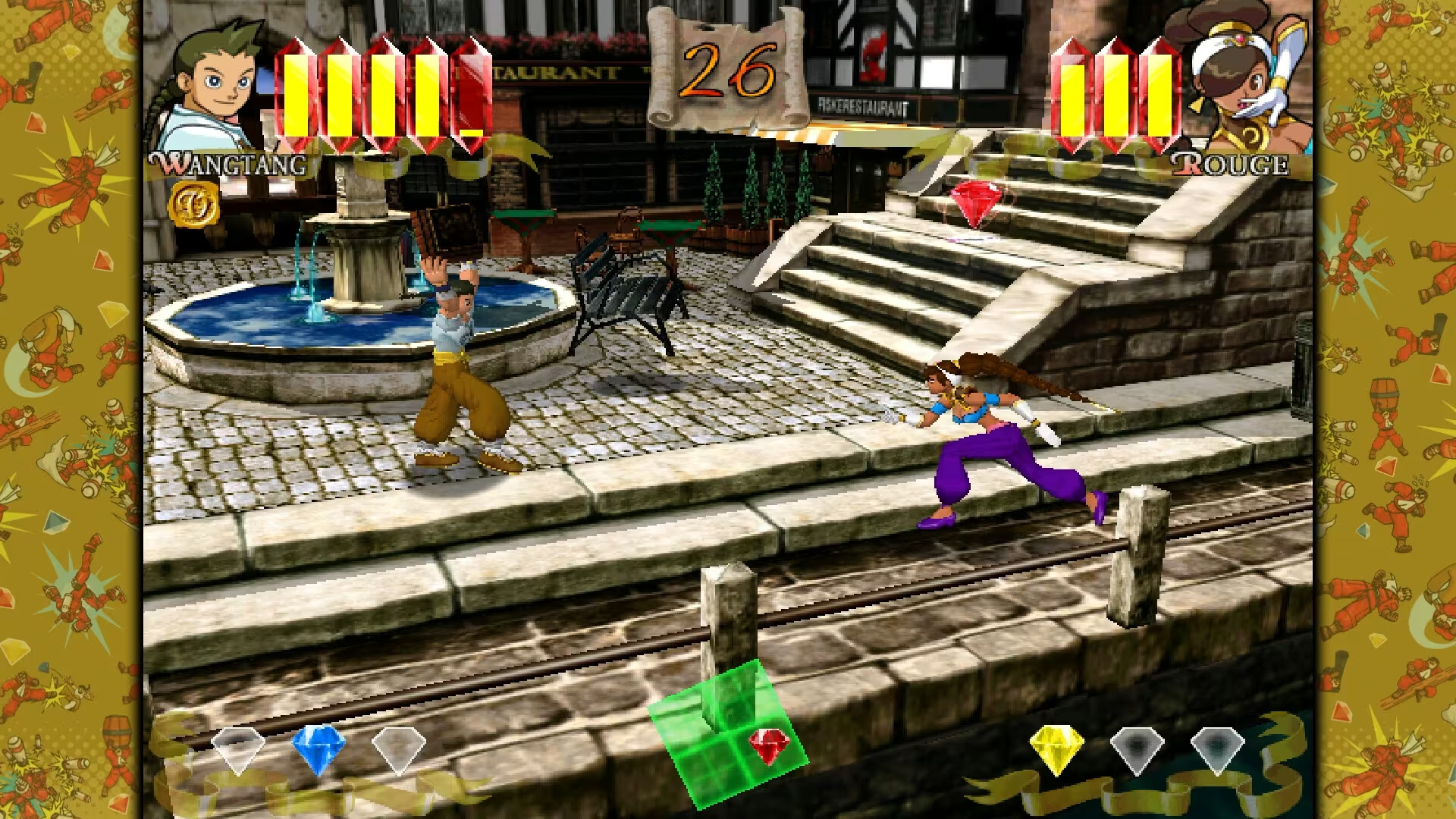
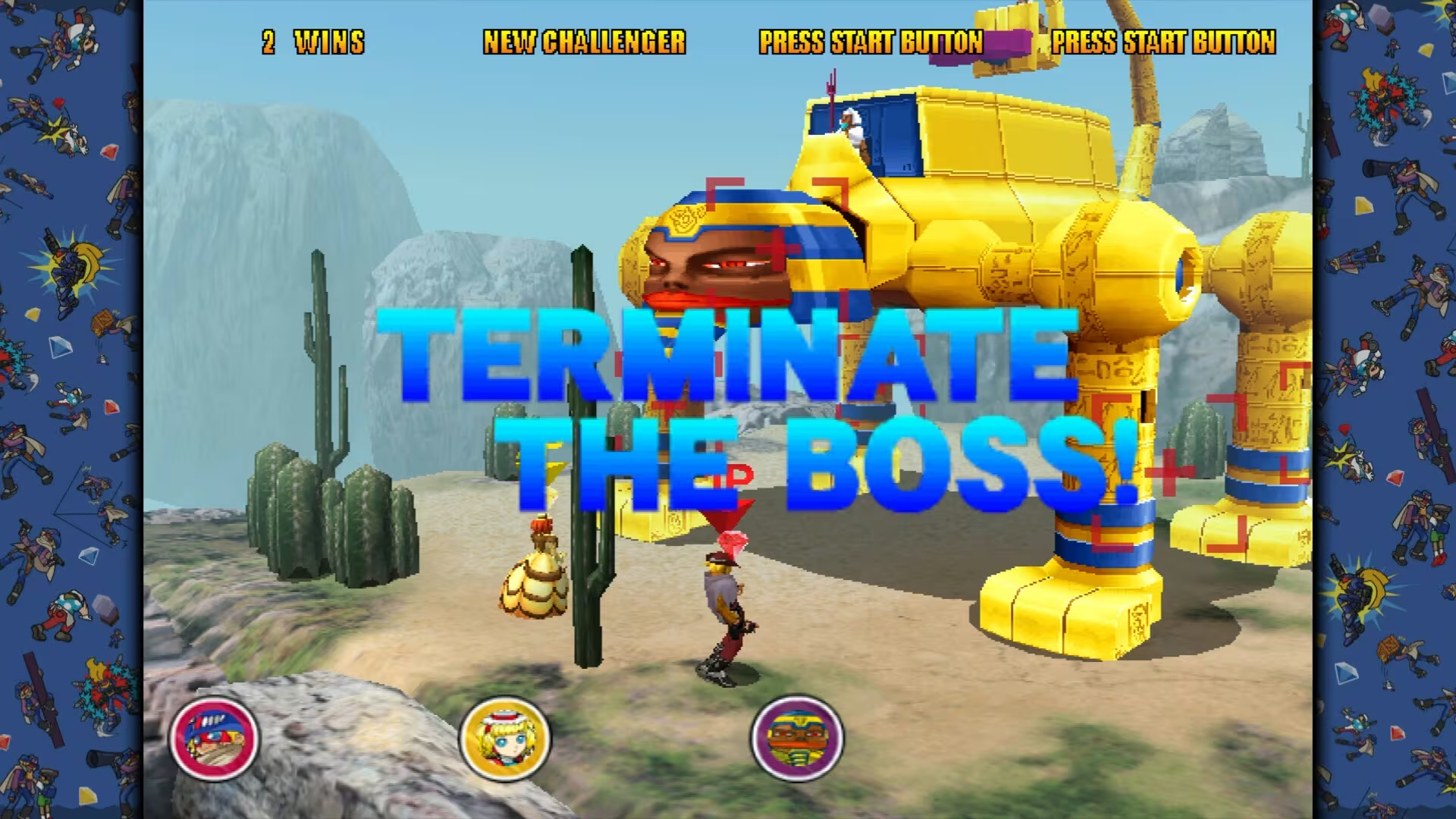
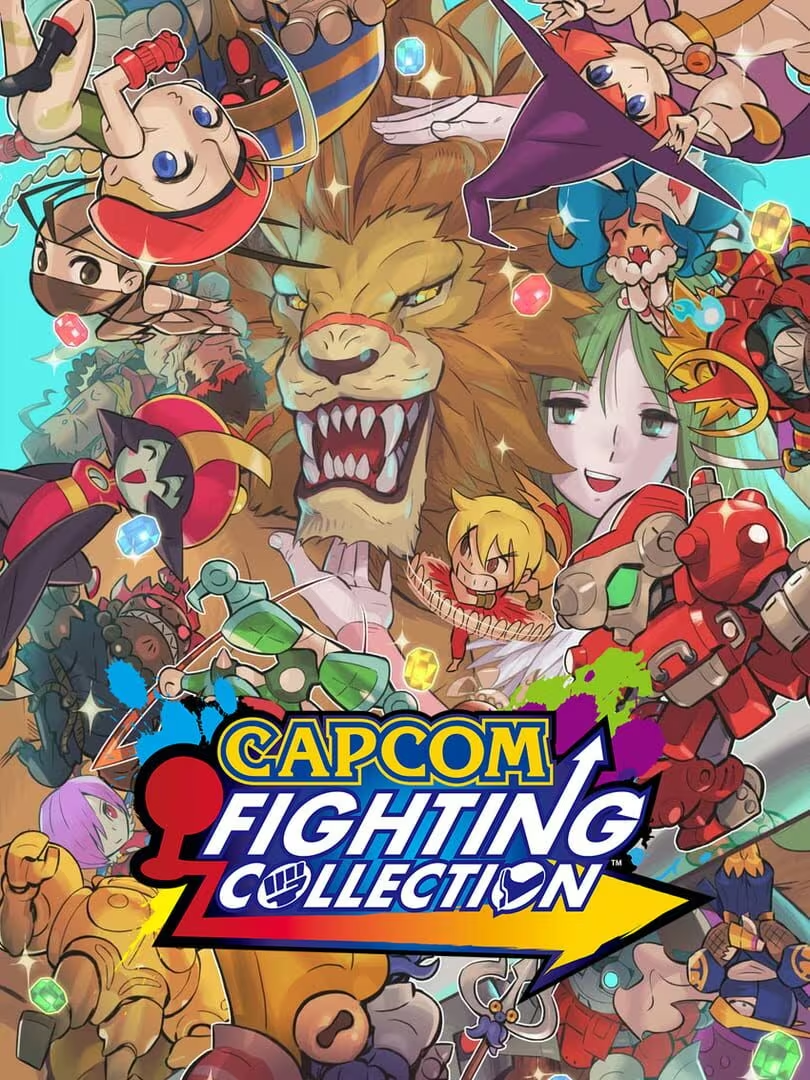
Capcom's new fighting collection hits the stage! Choose from fan-favorite games like Capcom vs. SNK 2: Mark of the Millennium 2001 and Project Justice to 3D action games like Power Stone and Power Stone 2 in this collection of eight classic fighting games!
Global score
87/100
Genres
Action, Arcade, Fighting
Similar games
Pros
- Excellent rollback netcode and online play
- Strong lineup of classic fighting games including cvs2 and power stone
- High skill ceiling with deep mechanics and training modes
- Good value for price with multiple games and extras
- Nostalgic and faithful arcade ports with visual enhancements
Cons
- Lack of console-exclusive modes and content
- No cross-platform multiplayer limiting player pool
- Some games have small or inactive online communities
- Ranked mode limitations and balance issues (e.g., cvs2 eo mode)
- No replay functionality or advanced customization
Analysis
Less representative of its motivational profile, with noticeable differences. Motivations that often define this kind of title include Competition, Fellowship, Domination, Status. It leans lower than usual among comparable games on Expression, Creativity, Exploration.
How to use the graph
Similar games map
Each dot is a game. They are arranged from the same motivation profile as in the “Motivations” section below. Closer dots usually mean more similar reasons to play (exploration, competition, relaxation, etc.)—not that one game is “better” than another.
- Larger dot with a light outline: the game you are viewing.
- Colour: groups of games with comparable motivation patterns (statistical clusters).
- Hover a dot to see the game name; click to open its page.
- Scroll or double-click the chart to zoom out and see more games.
Why don’t the axes read like a score? This view uses t-SNE: it only keeps who is close to whom. The scales are not “good to bad” or hours played—they separate groups on the map. Read distance between dots, not the axis numbers.
Motivations
-
Autonomy4
"Players can freely select from multiple fighting games, characters, and fighting styles with various groove systems, allowing personal control over gameplay choices."
-
Competence5
"The games emphasize skillful play, complex mechanics, and mastery, with training modes and rollback netcode supporting competitive play."
-
Competition5
"Strong focus on competitive multiplayer with ranked modes, leaderboards, and online matchmaking for fighting games like CvS2 and Alpha 3."
-
Continuation3
"Players engage in long sessions and habitual play, especially in competitive matches and party games like Power Stone 2, though some note smaller communities."
-
Cooperation2
"Some cooperative multiplayer modes exist (e.g., 4-player Power Stone 2), but most games focus on individual competition."
-
Creativity-2
"Games are arcade versions with limited customization; some console-exclusive modes and character edits are missing."
-
Domination3
"Competitive environment encourages exerting superiority over others, including ranked matches and boss characters in CvS2 EO mode."
-
Escapism4
"Players use the collection to relive nostalgia and escape into classic fighting game worlds with immersive gameplay and online play."
-
Expectation-4
"Players engage voluntarily out of personal desire and nostalgia, with no indication of obligation or external pressure."
-
Experimenting3
"Players explore different games, characters, grooves, and strategies across multiple fighting titles, encouraging experimentation."
-
Exploration-3
"Focus is on known arcade versions and familiar fighting game environments rather than discovering new areas or secrets."
-
Expression-3
"Limited character customization and cosmetic options; mostly standardized arcade presentations without console extras."
-
Fantasy4
"Games feature imaginative fighting characters, crossover universes, and fantastical settings typical of arcade fighters."
-
Fellowship3
"Community aspects exist through online multiplayer and shared interests, though some note small or fragmented player bases."
-
Growth4
"Training modes, skill acquisition, and mastery of complex fighting mechanics support player growth and development."
-
Health-4
"Primarily sedentary gameplay with no physical activity or health-related features."
-
Idle-3
"Games require focused attention and continuous engagement, especially in competitive matches."
-
Intimacy1
"Some social interaction through online play and community, but limited evidence of close personal relationships forming."
-
Leadership-2
"No strong emphasis on leadership roles; players mostly participate individually or in equal multiplayer settings."
-
Progression2
"Some progression through unlocking characters and achievements, but limited compared to console-exclusive modes."
-
Relaxation2
"Players experience flow and enjoyment balancing challenge and skill, though competitive tension is present."
-
Sensation3
"Visual and auditory stimulation from classic arcade graphics, remixed soundtracks, and smooth gameplay provide sensory enjoyment."
-
Status3
"Leaderboards and ranked modes provide social recognition and status within the fighting game community."
-
Story-2
"Games focus on arcade-style fighting with minimal narrative immersion; story modes are mostly absent."
-
Strategy5
"High mental challenge with complex mechanics, groove systems, and strategic team building in fighting games."
-
Thrill4
"Players enjoy suspense, risk, and excitement from competitive matches and fast-paced fighting gameplay."
-
Value4
"Highly regarded as good value for money with multiple games, quality netcode, and extras at a reasonable price."
-
Violence4
"Combat and destruction are central to gameplay, with intense fighting and special moves."
-
Survival4
"Players focus on avoiding defeat and managing resources like health bars in competitive fighting matches."
Where to buy
Last update: 29/04/2026