Chess for idiots Thumbnail

Chess for idiots similar games & best alternatives
Chess for idiots

PC (Microsoft Windows) • 2024

Related articles

Quick resume

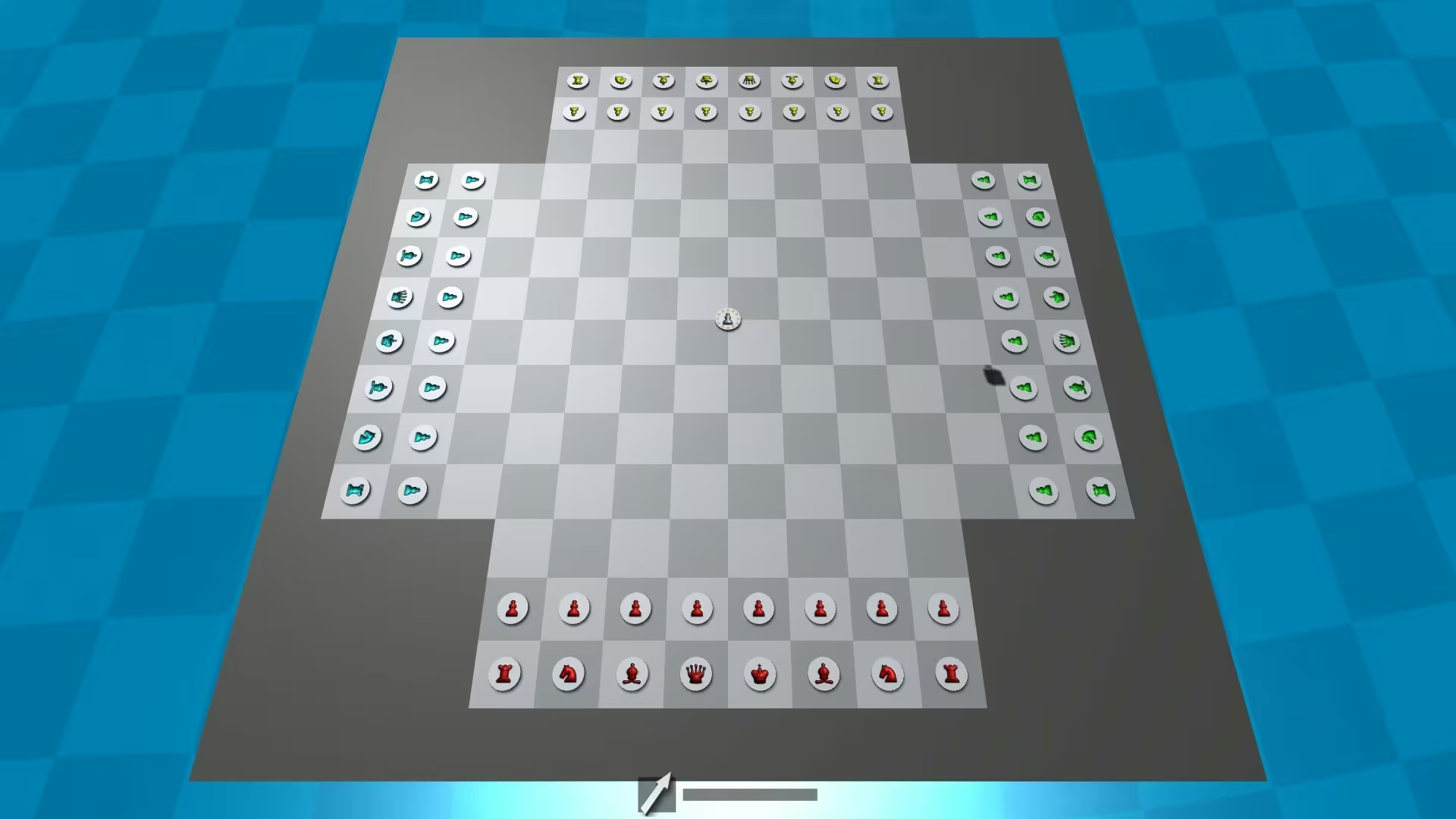
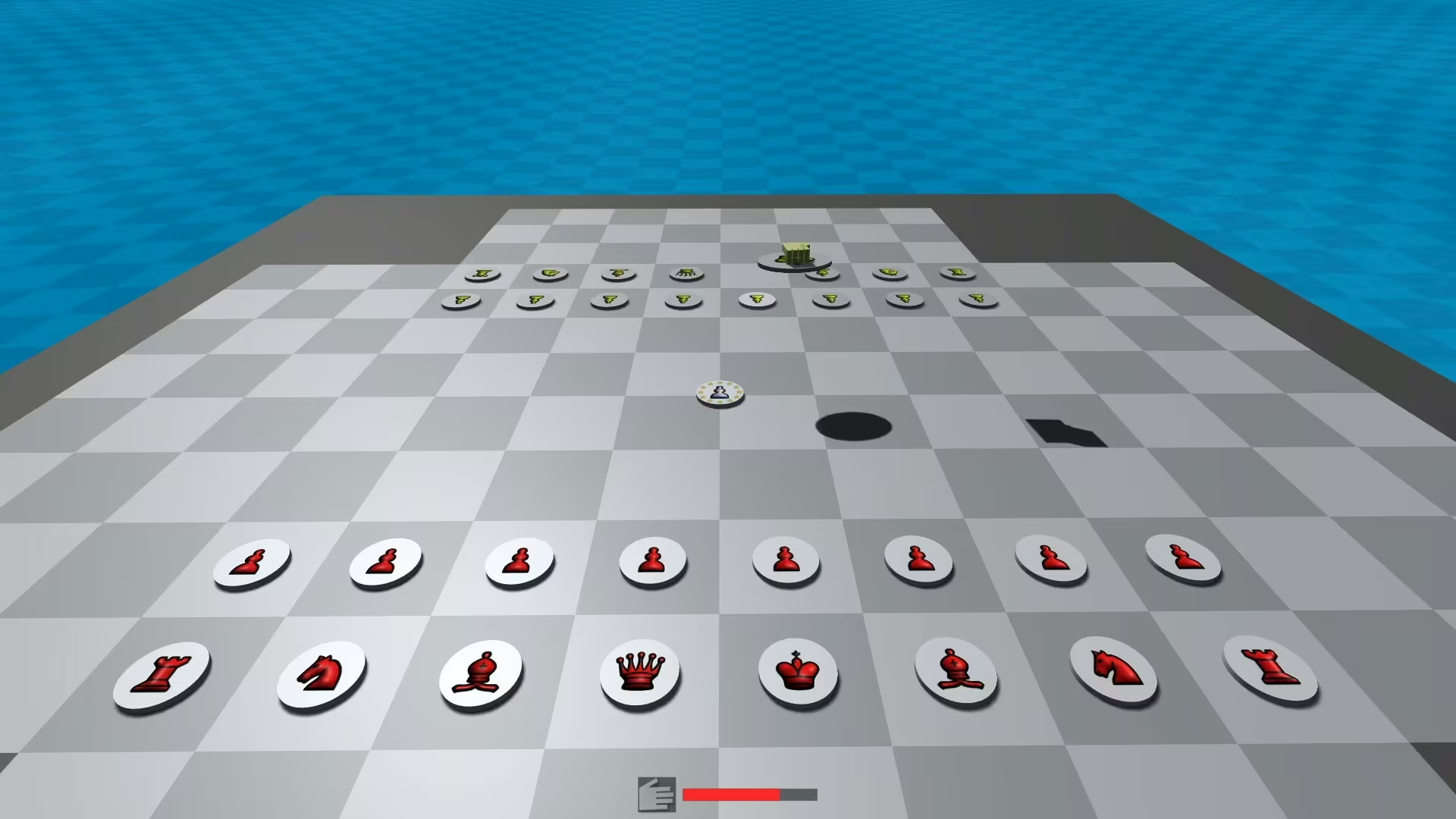
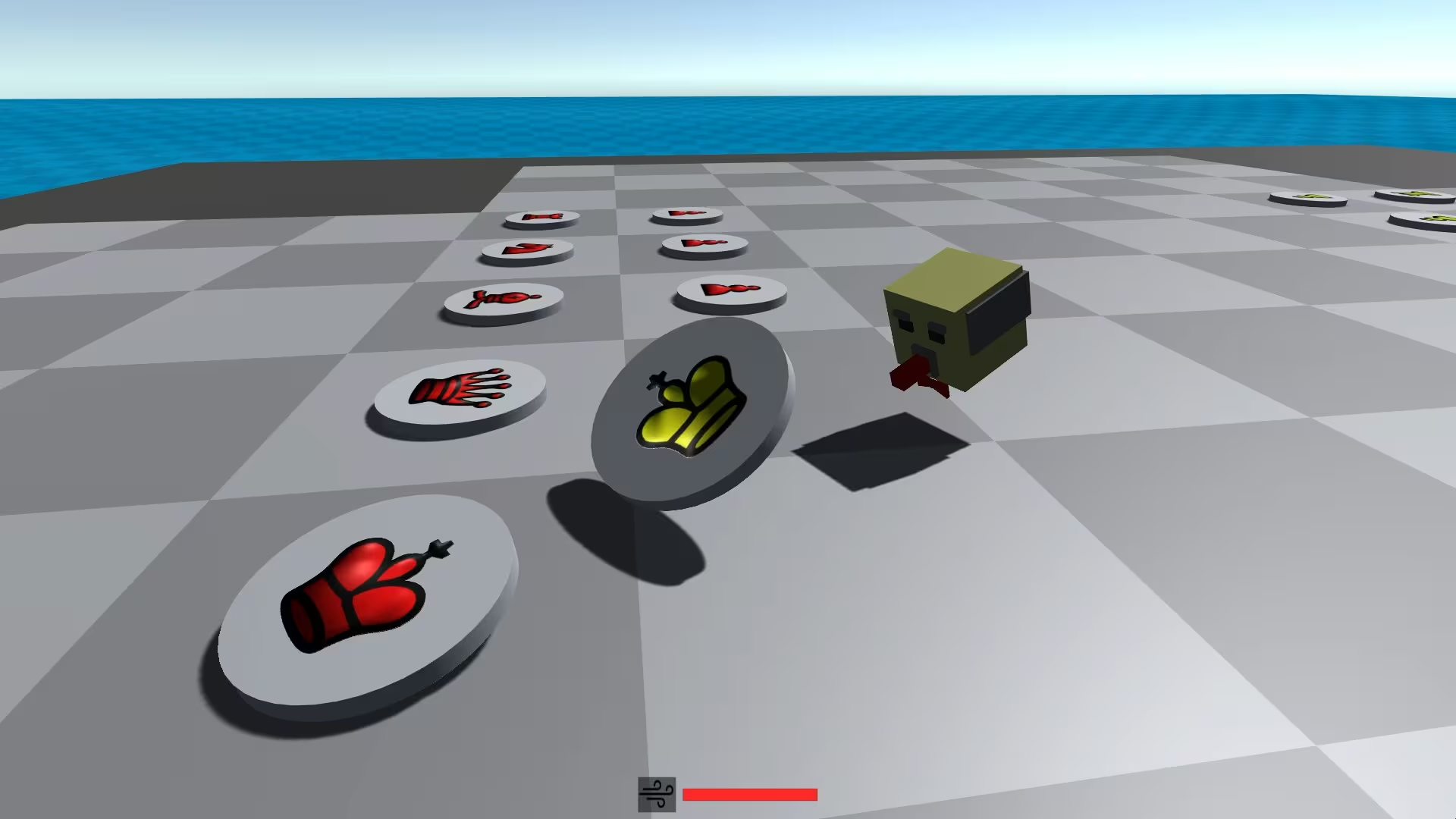
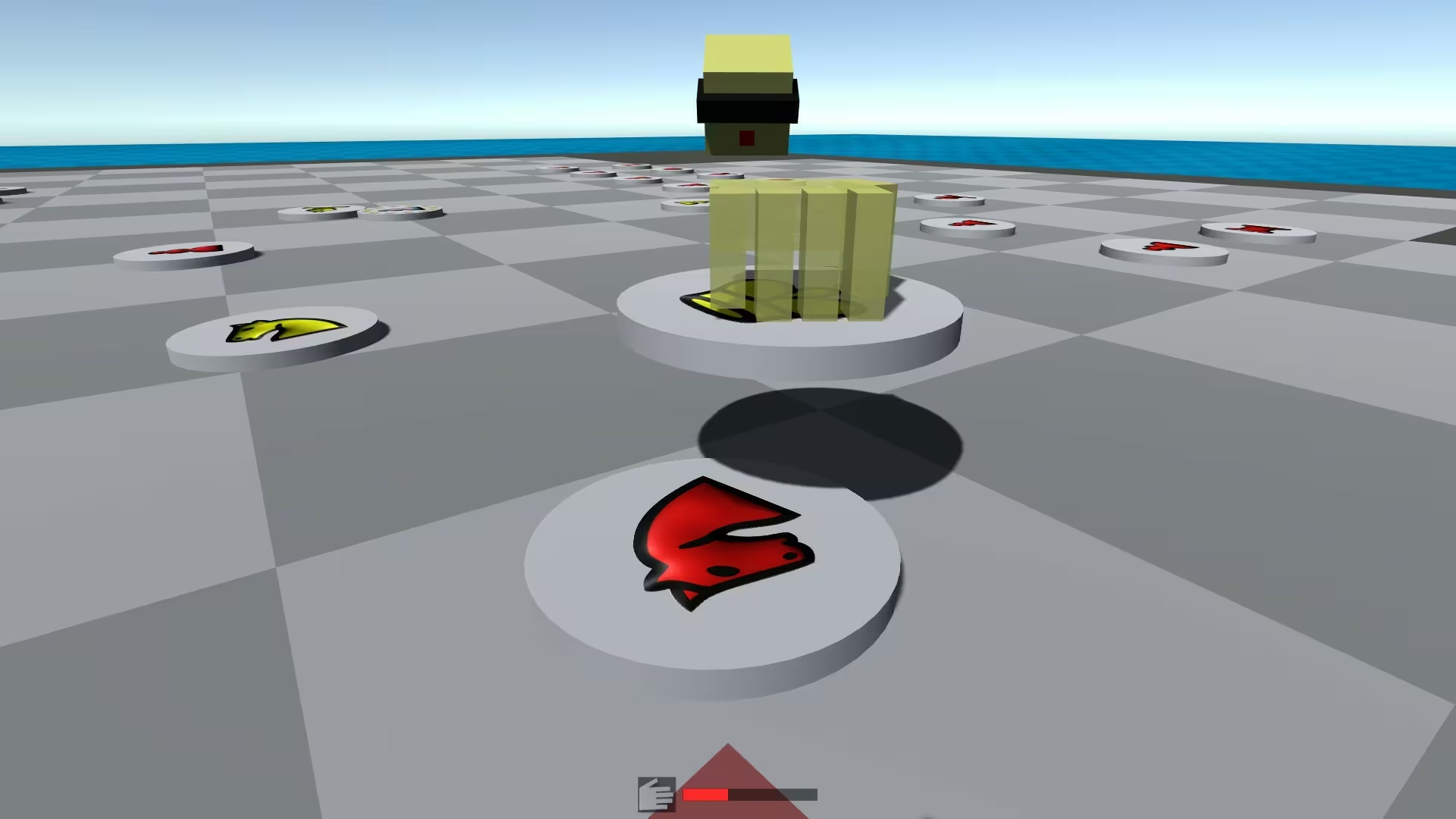
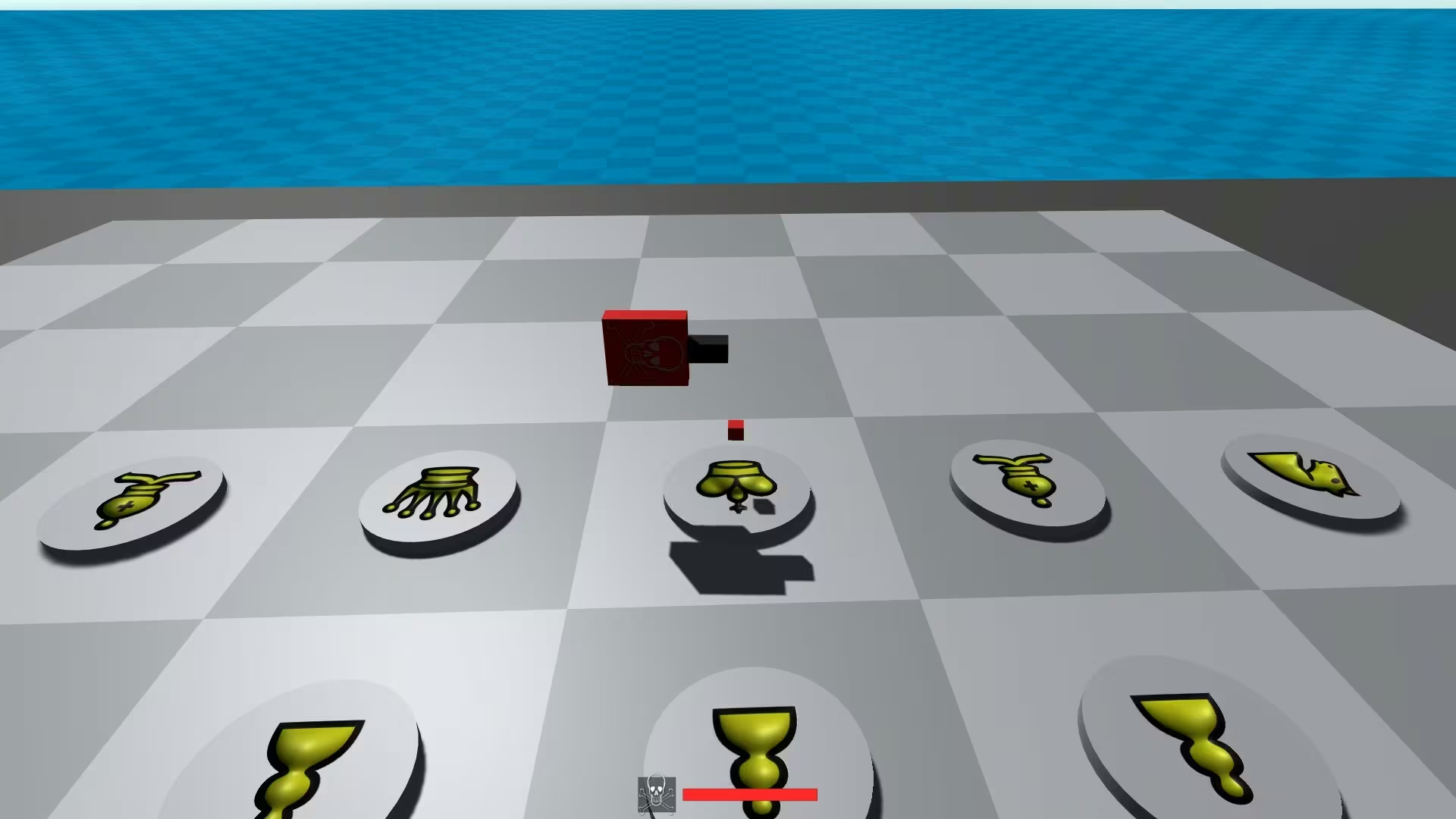
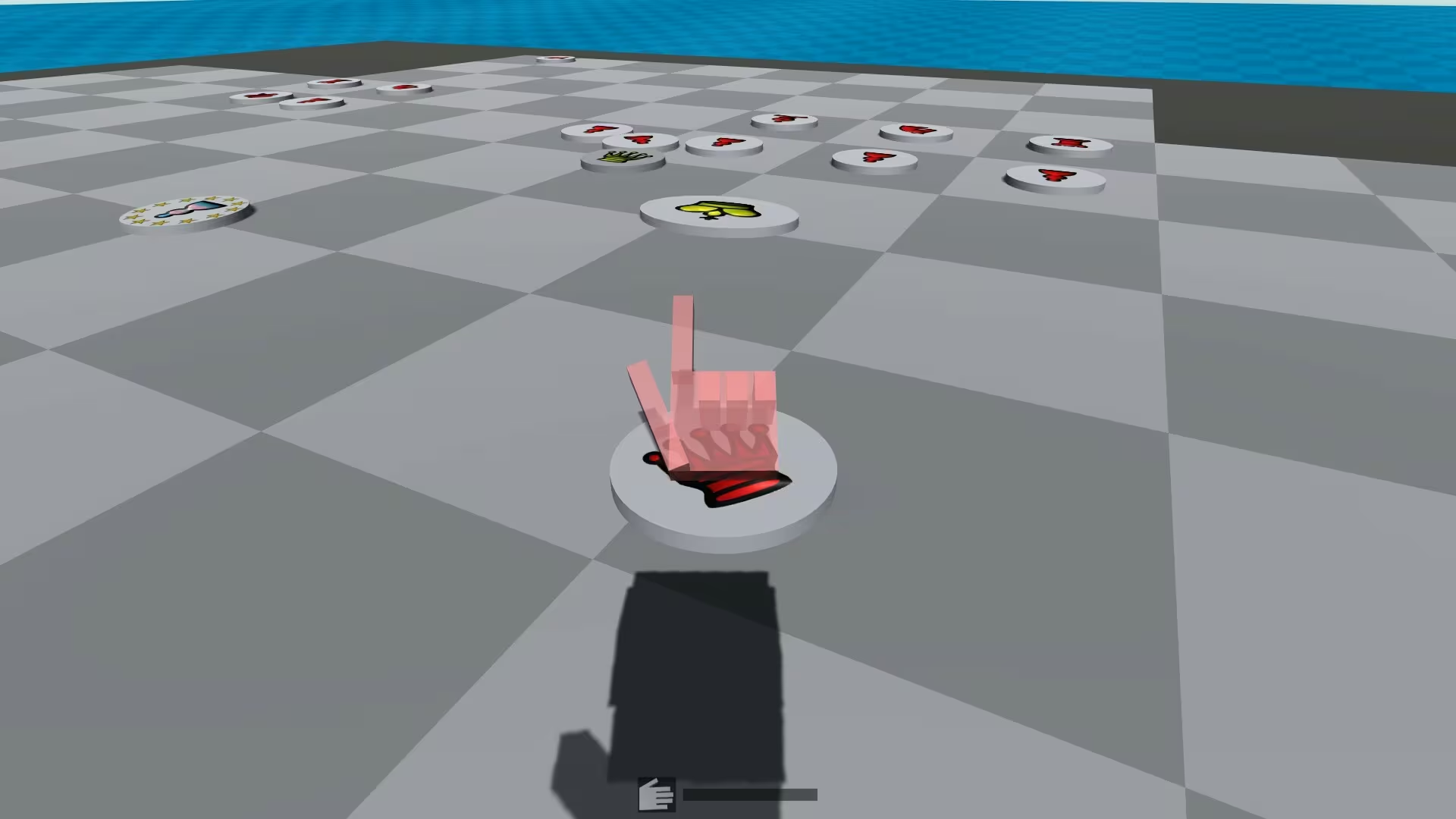
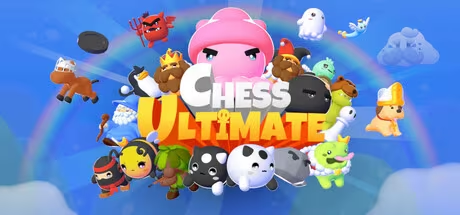
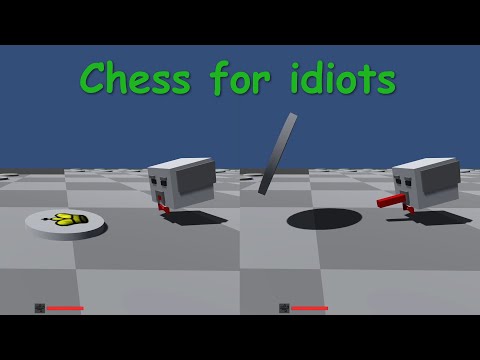
The first intellectually non-discriminatory chess variant. Instead of thinking, just move your pieces in one of the many absurd ways!

Global score

94/100

Genres

Casual, Indie, Strategy, Early Access, Card & Board Game

Similar games

    Pros

    • Highly fun and chaotic gameplay
    • Great for playing with friends
    • Free to play
    • Unique and humorous twist on chess
    • Good replayability and community

    Cons

    • Lack of tutorial and clarity for new players
    • Server population low
    • Some bugs and minor glitches
    • Can be frustrating or confusing
    • Limited single-player appeal

    Analysis

    A very typical example of its motivational profile. Motivations that often define this kind of title include Competition, Fellowship, Domination, Status. Here, the score leans higher than usual among comparable games on Intimacy. It leans lower than usual among comparable games on Leadership, Story.

    How to use the graph
    Similar games map

    Each dot is a game. They are arranged from the same motivation profile as in the “Motivations” section below. Closer dots usually mean more similar reasons to play (exploration, competition, relaxation, etc.)—not that one game is “better” than another.

    • Larger dot with a light outline: the game you are viewing.
    • Colour: groups of games with comparable motivation patterns (statistical clusters).
    • Hover a dot to see the game name; click to open its page.
    • Scroll or double-click the chart to zoom out and see more games.

    Why don’t the axes read like a score? This view uses t-SNE: it only keeps who is close to whom. The scales are not “good to bad” or hours played—they separate groups on the map. Read distance between dots, not the axis numbers.

    Motivations

    • Autonomy
      3

      "Players have freedom to make unconventional moves and use unique mechanics, allowing personal decision-making beyond traditional chess rules."

    • Competence
      3

      "Game involves strategic thinking and skill expression, but also includes randomness and chaotic elements reducing pure skill dominance."

    • Competition
      4

      "Strong emphasis on competing against friends or others, with leaderboards and ranked modes mentioned."

    • Continuation
      4

      "Many reviews mention long playtime, addictive qualities, and habitual play with friends."

    • Cooperation
      1

      "Mainly competitive but some cooperative group play or multiplayer social interaction is possible."

    • Creativity
      4

      "Players can experiment with unconventional moves, unique powerups, and trolling tactics, showing creative gameplay."

    • Domination
      2

      "Some players enjoy overpowering others and trolling, but interactions also include mutual fun and respect."

    • Escapism
      4

      "Game provides distraction, humor, and stress relief from real life, described as a mental escape."

    • Expectation
      -4

      "Players engage voluntarily for fun and social reasons, not out of obligation or pressure."

    • Experimenting
      4

      "Game encourages trying new strategies, powerups, and chaotic moves beyond traditional chess."

    • Exploration
      2

      "Exploration mainly in discovering new tactics and game modes rather than physical world exploration."

    • Expression
      3

      "Customization and unique playstyles allow players to express themselves through gameplay choices."

    • Fantasy
      3

      "Game features absurd, humorous, and surreal elements beyond realistic chess, creating a fantasy-like experience."

    • Fellowship
      4

      "Strong community and social play with friends emphasized; multiplayer and shared experiences valued."

    • Growth
      3

      "Players learn new mechanics and improve strategic thinking, gaining personal development."

    • Health
      -5

      "No physical activity involved; purely sedentary gameplay."

    • Idle
      -3

      "Requires active attention and strategic thinking; not a background or idle game."

    • Intimacy
      2

      "Social interactions mostly casual and humorous; some close friendships formed through play."

    • Leadership
      -2

      "No strong leadership roles; players mostly equal participants in matches."

    • Progression
      2

      "Some progression through unlocking powerups or achievements, but not heavily emphasized."

    • Relaxation
      1

      "Game can be relaxing for some but also involves tension and chaotic moments."

    • Sensation
      2

      "Visuals and audio are simple but quirky; emotional fun comes from humor and chaos rather than sensory stimulation."

    • Status
      2

      "Some recognition through leaderboards and multiplayer wins, but not a major focus."

    • Story
      -3

      "No narrative or lore; gameplay is context-free and focused on mechanics and humor."

    • Strategy
      3

      "Strategic thinking is important, though traditional chess strategy is subverted by chaotic elements."

    • Thrill
      3

      "Players enjoy suspense and unpredictability from chaotic moves and powerups."

    • Value
      5

      "Game is free with high replay value and positive user sentiment about worth."

    • Violence
      3

      "Gameplay involves attacking and destroying opponent pieces with humorous violent effects."

    • Survival
      2

      "Players try to avoid losing king and survive on the board, though risk is playful and chaotic."

    Last update: 29/04/2026