Chinese Parents Thumbnail

Chinese Parents similar games & best alternatives

Chinese Parents

PC (Microsoft Windows), iOS, Nintendo Switch, Mac • 2018

Related articles

Quick resume

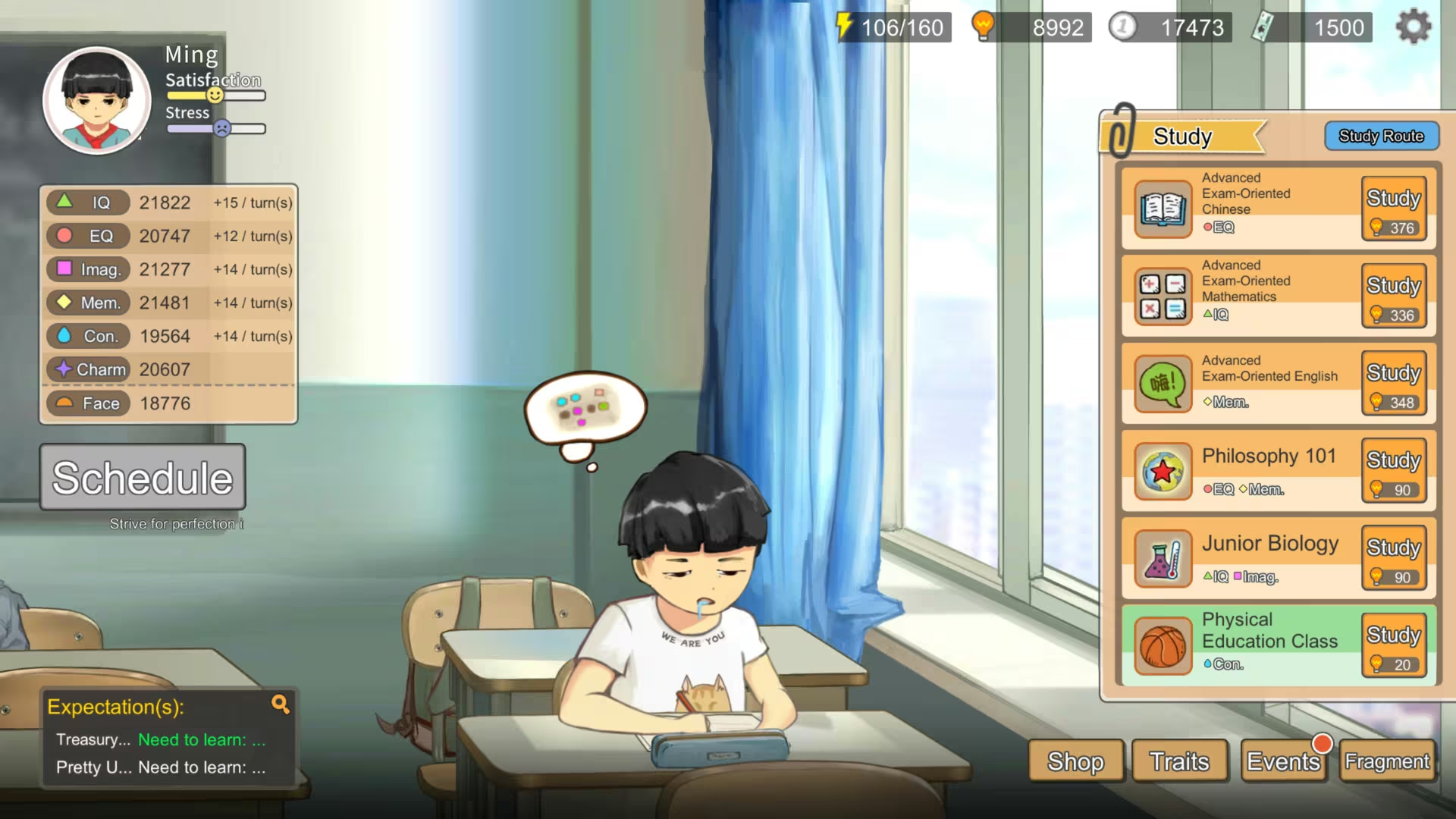
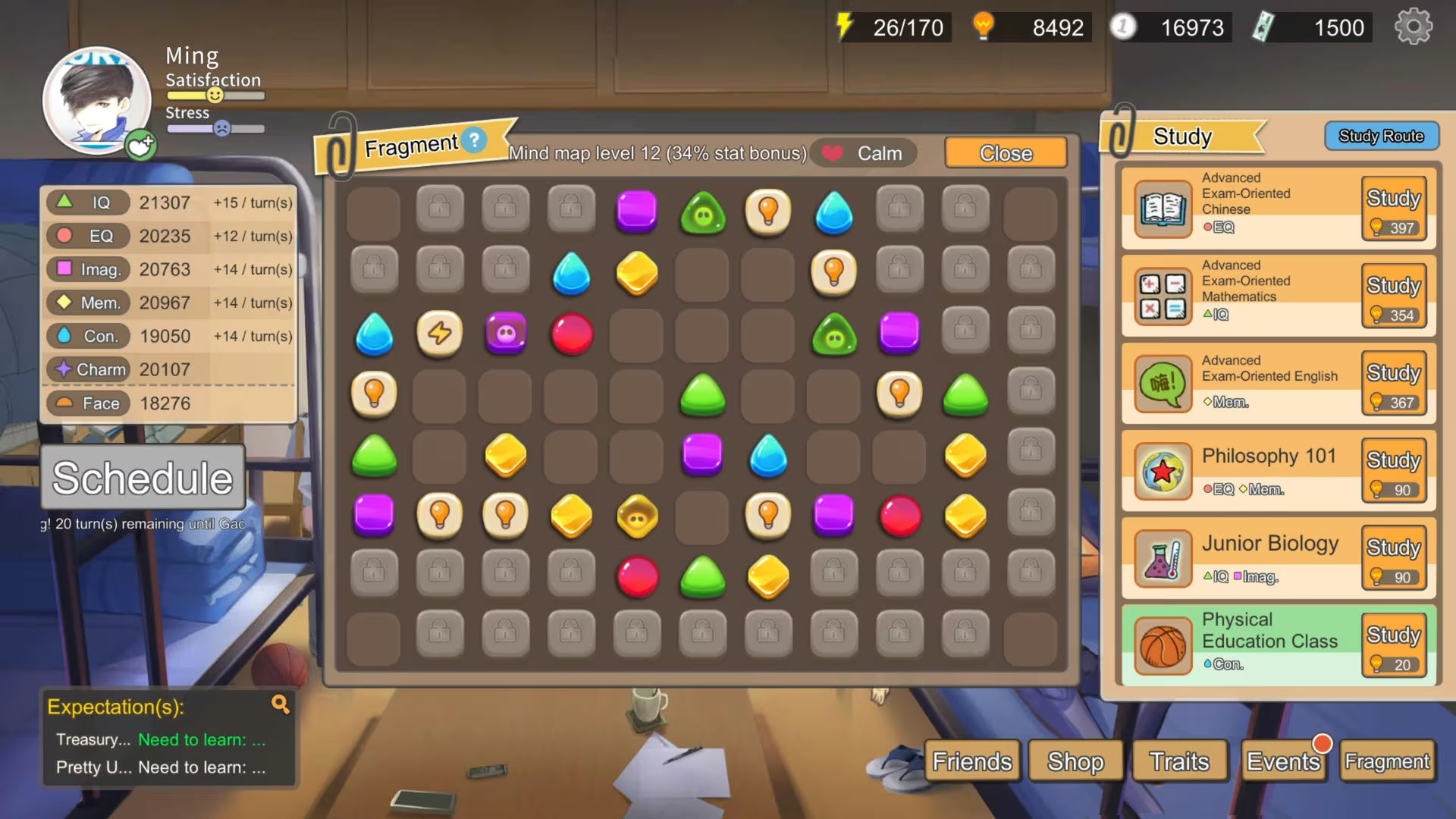
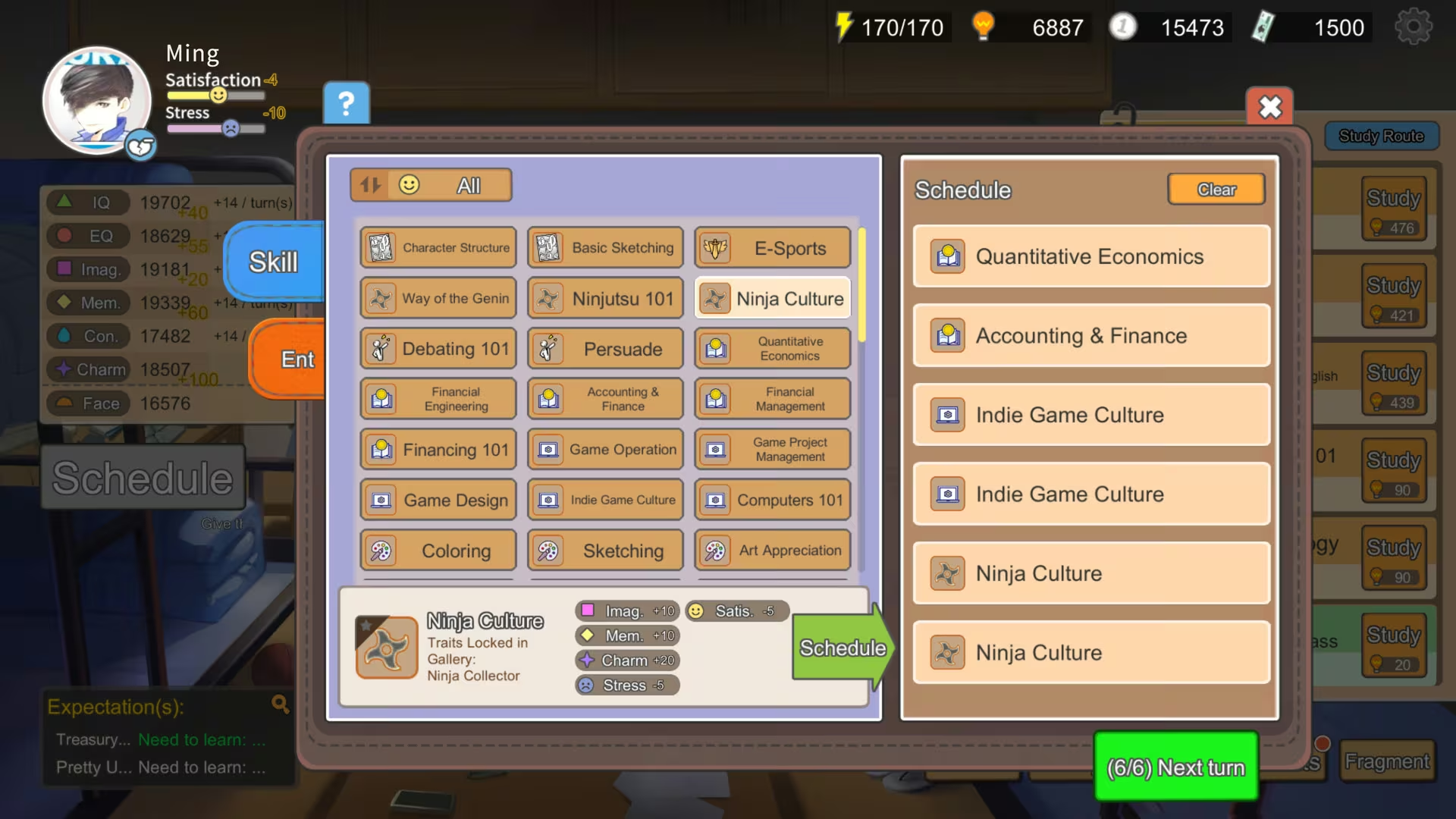
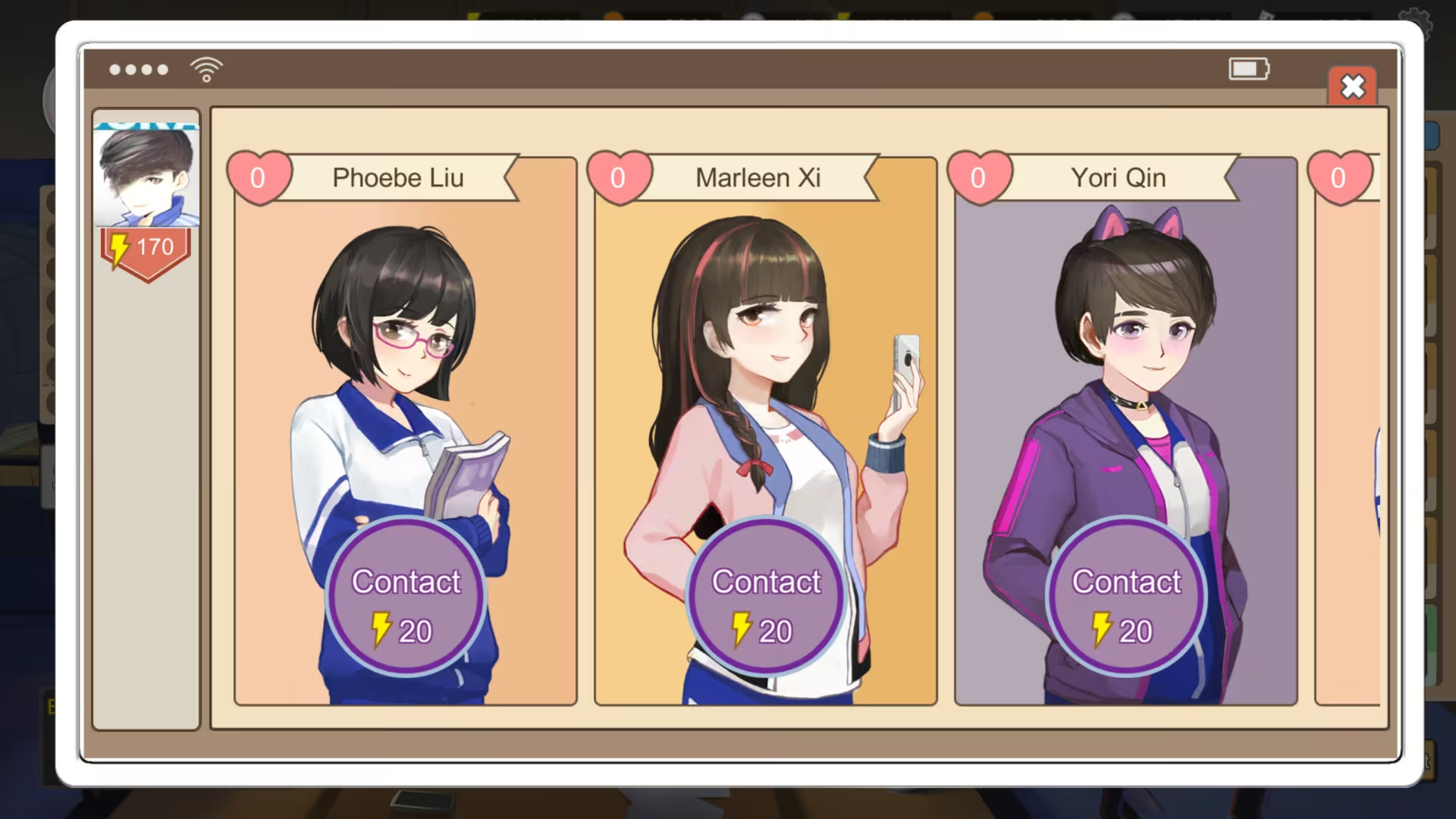
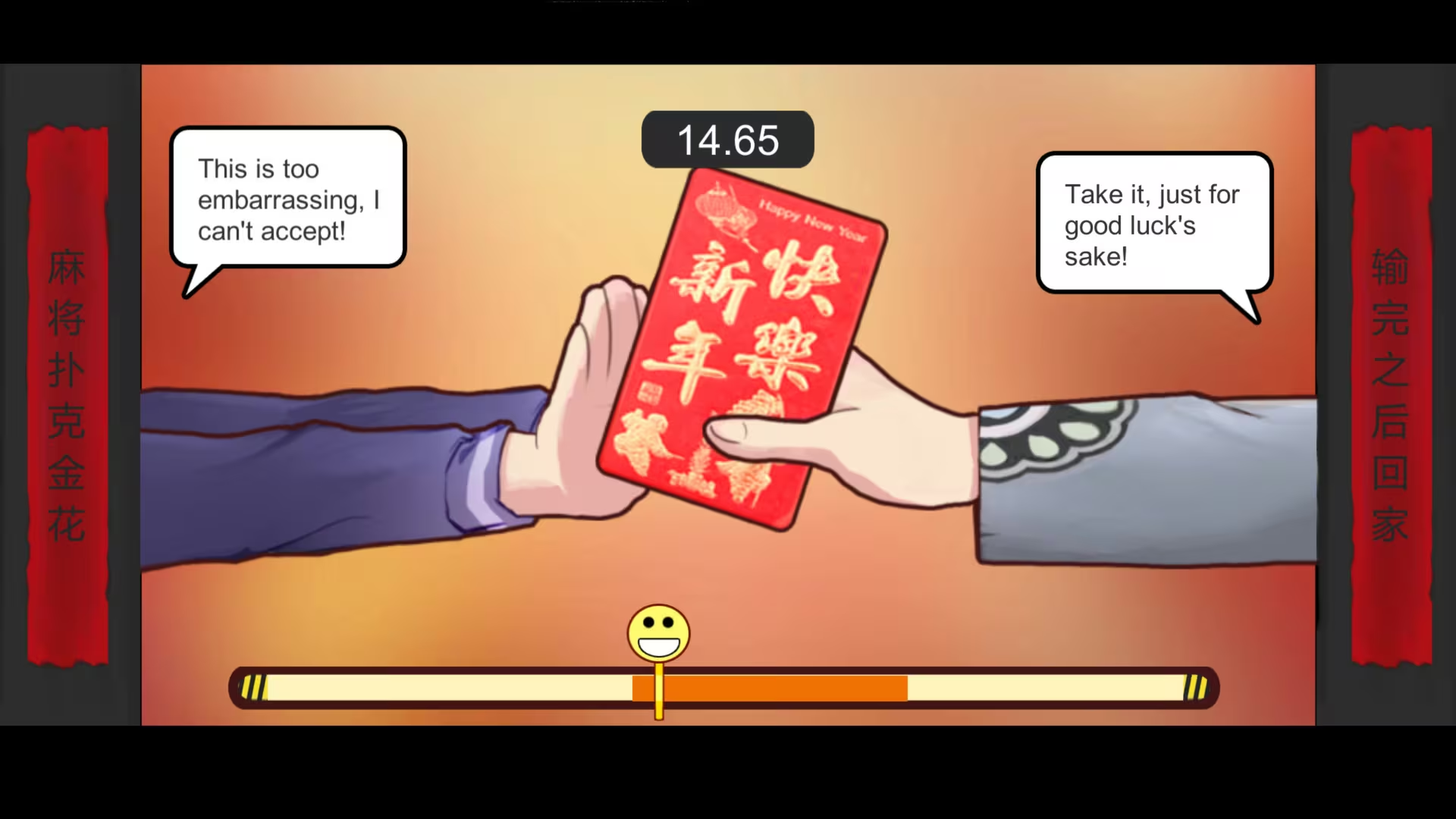
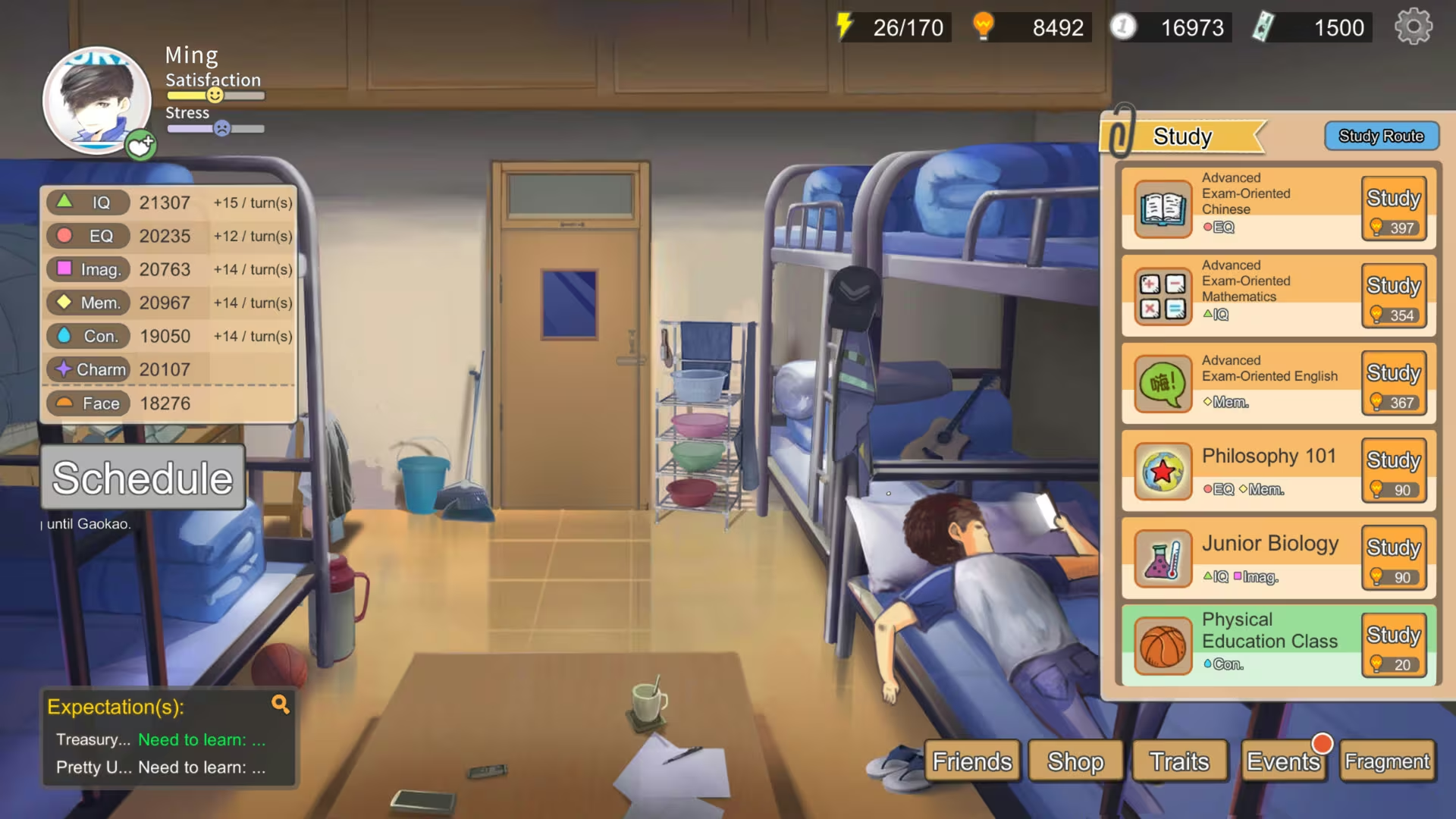
In this casual sim set in China, you step into the shoes of an average kid from birth towards the end of your high school. Study hard, have fun, make friends and face your ultimate challenge, the “Gaokao”. What will your life be after that? And when you have a child, will you be a Tiger Parent?

Global score

91/100

Genres

Casual, Indie, Role-playing (RPG), Simulator, Adventure

Similar games

    Pros

    • Authentic cultural representation
    • Addictive multi-generational gameplay
    • Meaningful skill and stat progression
    • Insightful social and family dynamics
    • Affordable price

    Cons

    • Repetitive gameplay and dialogue
    • Limited character customization
    • Shallow relationship mechanics
    • Lack of english localization initially
    • Some bugs and ui issues

    Analysis

    Less representative of its motivational profile, with noticeable differences. Motivations that often define this kind of title include Competition, Status, Story, Expression. It leans lower than usual among comparable games on Fantasy, Expression, Thrill.

    How to use the graph
    Similar games map

    Each dot is a game. They are arranged from the same motivation profile as in the “Motivations” section below. Closer dots usually mean more similar reasons to play (exploration, competition, relaxation, etc.)—not that one game is “better” than another.

    • Larger dot with a light outline: the game you are viewing.
    • Colour: groups of games with comparable motivation patterns (statistical clusters).
    • Hover a dot to see the game name; click to open its page.
    • Scroll or double-click the chart to zoom out and see more games.

    Why don’t the axes read like a score? This view uses t-SNE: it only keeps who is close to whom. The scales are not “good to bad” or hours played—they separate groups on the map. Read distance between dots, not the axis numbers.

    Motivations

    • Autonomy
      3

      "Players make choices about study, hobbies, and social interactions, but within the constraints of parental and societal expectations."

    • Competence
      4

      "The game involves skill-building, mini-games, and strategic stat management to succeed academically and socially."

    • Competition
      3

      "There is implicit competition via exams like Gaokao and social standing, but no direct player-vs-player competition."

    • Continuation
      4

      "Many players report long sessions and multiple generations, with addictive replayability and habitual play."

    • Cooperation
      -4

      "The game is single-player focused with individual progression; no multiplayer or cooperative gameplay."

    • Creativity
      1

      "Some customization in choices and career paths, but limited character customization and repetitive scenarios."

    • Domination
      -4

      "Interactions focus on managing expectations and relationships rather than exerting control or superiority over others."

    • Escapism
      4

      "Players use the game to relieve stress, reflect on life, and escape real-life pressures through simulation."

    • Expectation
      -3

      "Players engage voluntarily out of interest and cultural curiosity rather than obligation or pressure."

    • Experimenting
      2

      "Players try different strategies and career paths across generations, though gameplay loops become repetitive."

    • Exploration
      1

      "Some discovery of new careers and traits, but mostly familiar environments and repeated scenarios."

    • Expression
      -3

      "Limited character customization; mostly standardized presentation with minimal avatar personalization."

    • Fantasy
      -4

      "The game simulates realistic Chinese family life and education rather than imaginative or fictional scenarios."

    • Fellowship
      -4

      "Single-player experience with minimal social connection or community involvement."

    • Growth
      5

      "Strong focus on learning, skill development, and personal growth across generations."

    • Health
      -4

      "Sedentary gameplay with no physical activity; some players report stress and emotional strain."

    • Idle
      -4

      "Requires continuous attention and interaction; no background or idle gameplay."

    • Intimacy
      1

      "Some relationship-building and dating mechanics, but shallow and limited emotional depth."

    • Leadership
      -4

      "No leadership or group management mechanics; player focuses on individual child development."

    • Progression
      5

      "Clear progression through stats, skills, careers, and generational inheritance."

    • Relaxation
      2

      "Some players find it relaxing and cathartic, others find it stressful due to pressure simulation."

    • Sensation
      1

      "Simple 2D graphics and music provide moderate sensory stimulation without intense excitement."

    • Status
      3

      "Social standing and family reputation (Face) are important gameplay elements."

    • Story
      3

      "Narrative elements and cultural stories enrich the gameplay, though some find it repetitive."

    • Strategy
      4

      "Requires planning and strategic decision-making to optimize stats and outcomes."

    • Thrill
      -2

      "Gameplay is predictable and low-risk; tension comes from pressure rather than suspense or thrill."

    • Value
      4

      "Players feel the game offers good value for money and time invested."

    • Violence
      -5

      "No combat or destruction; focus on constructive life simulation."

    • Survival
      2

      "Players manage risks related to academic failure and social pressures, but no life-or-death survival."

    Last update: 29/04/2026