Cities in Motion similar games & best alternatives
Cities in Motion
2011
Related articles
Quick resume
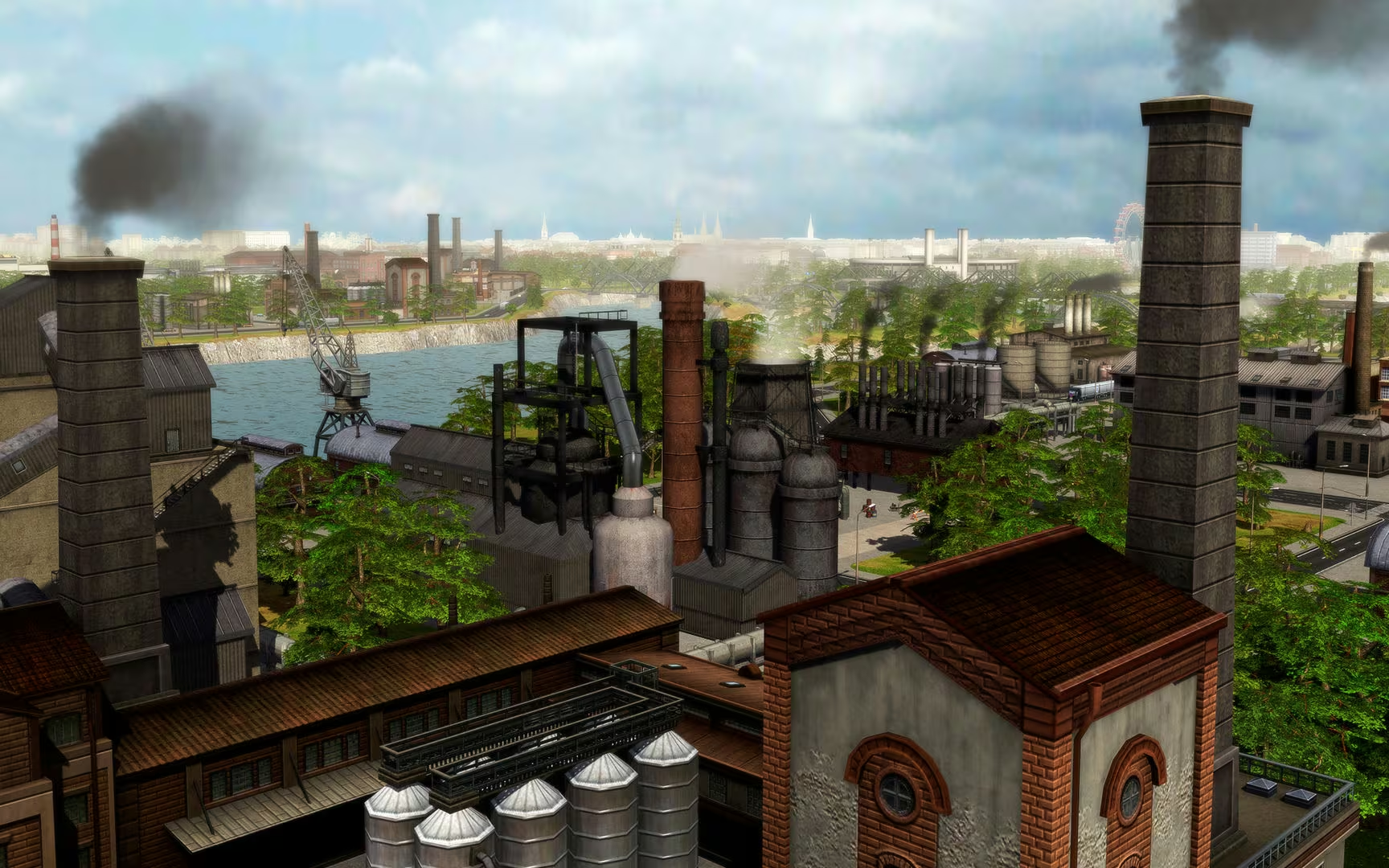
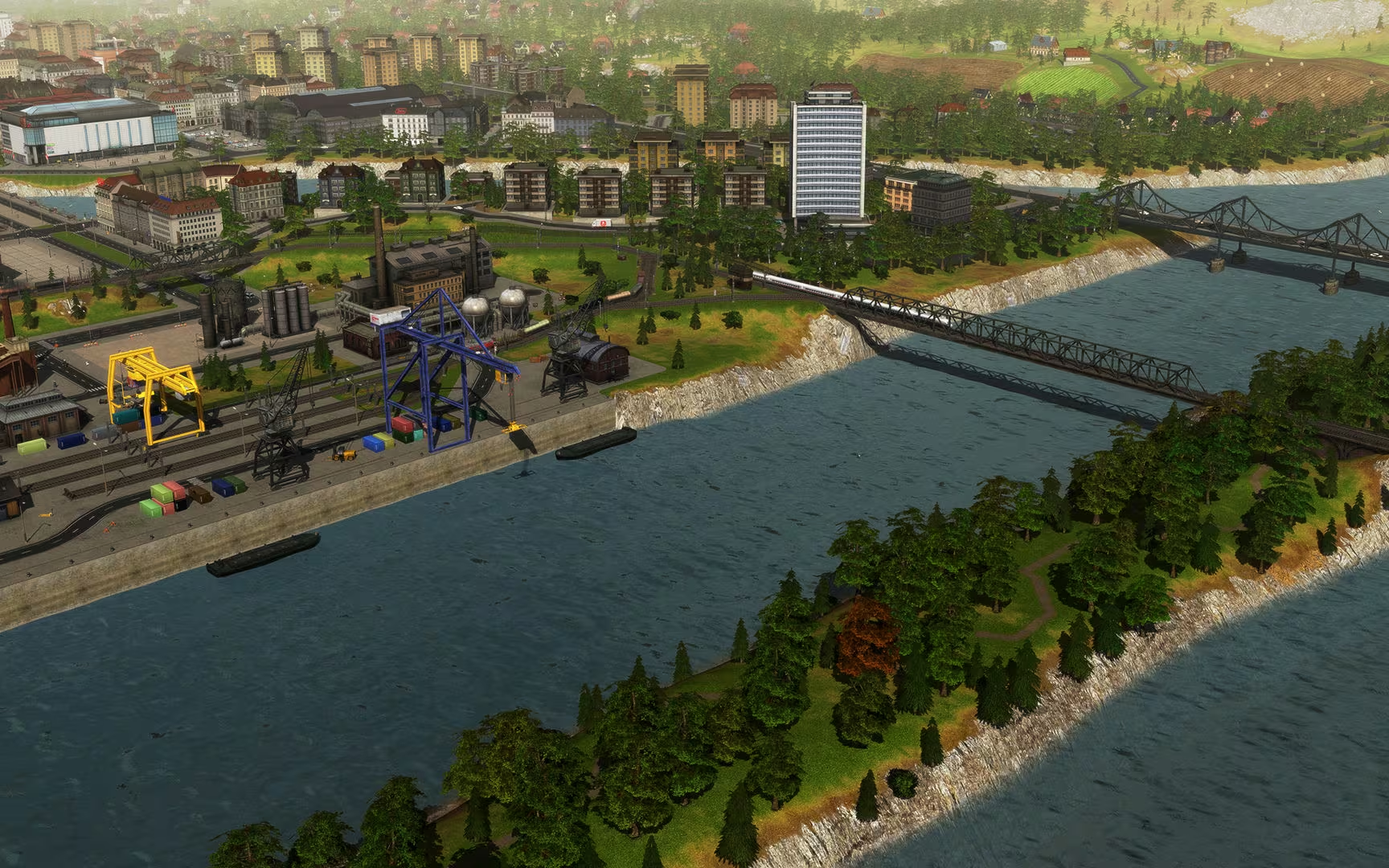
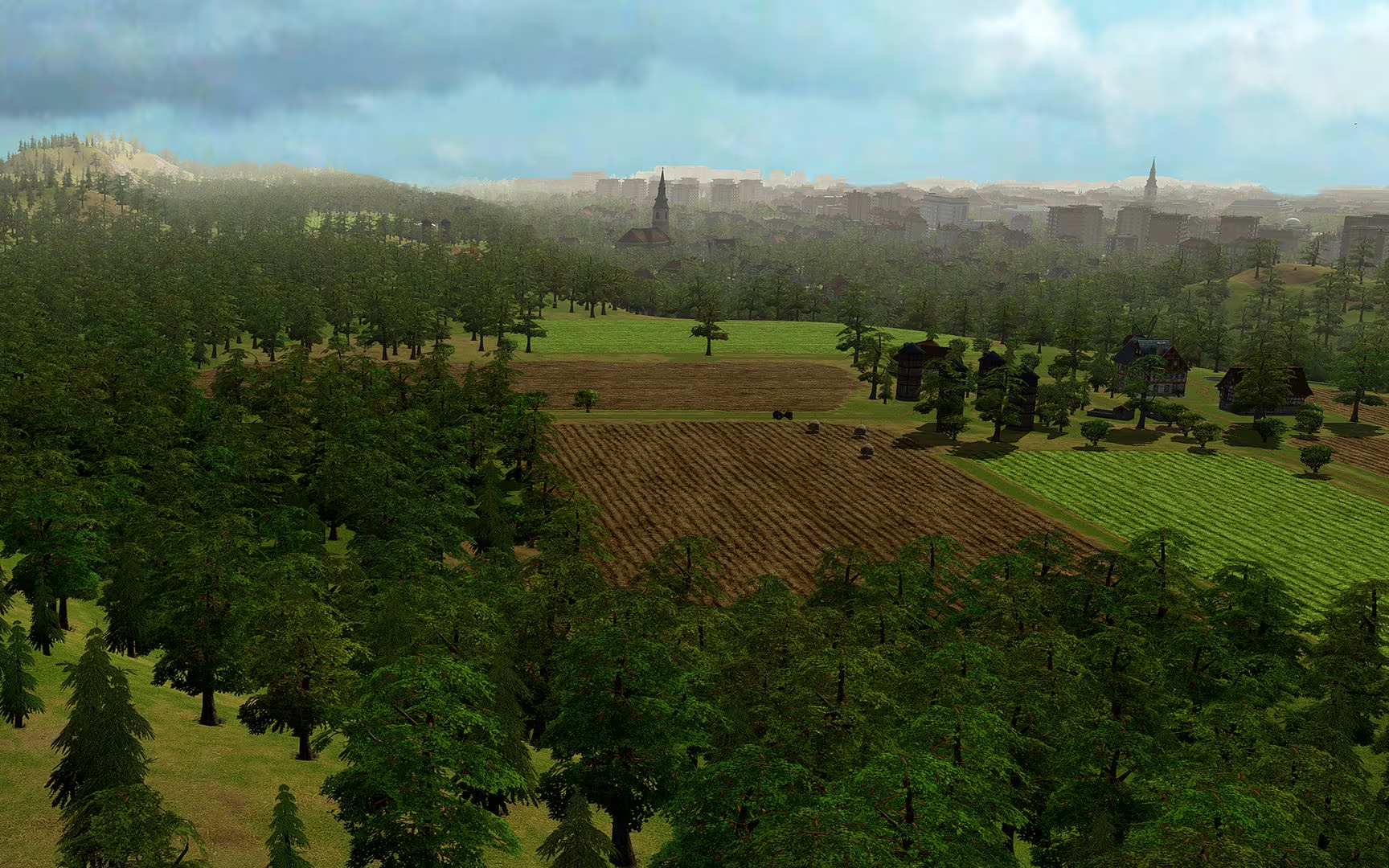
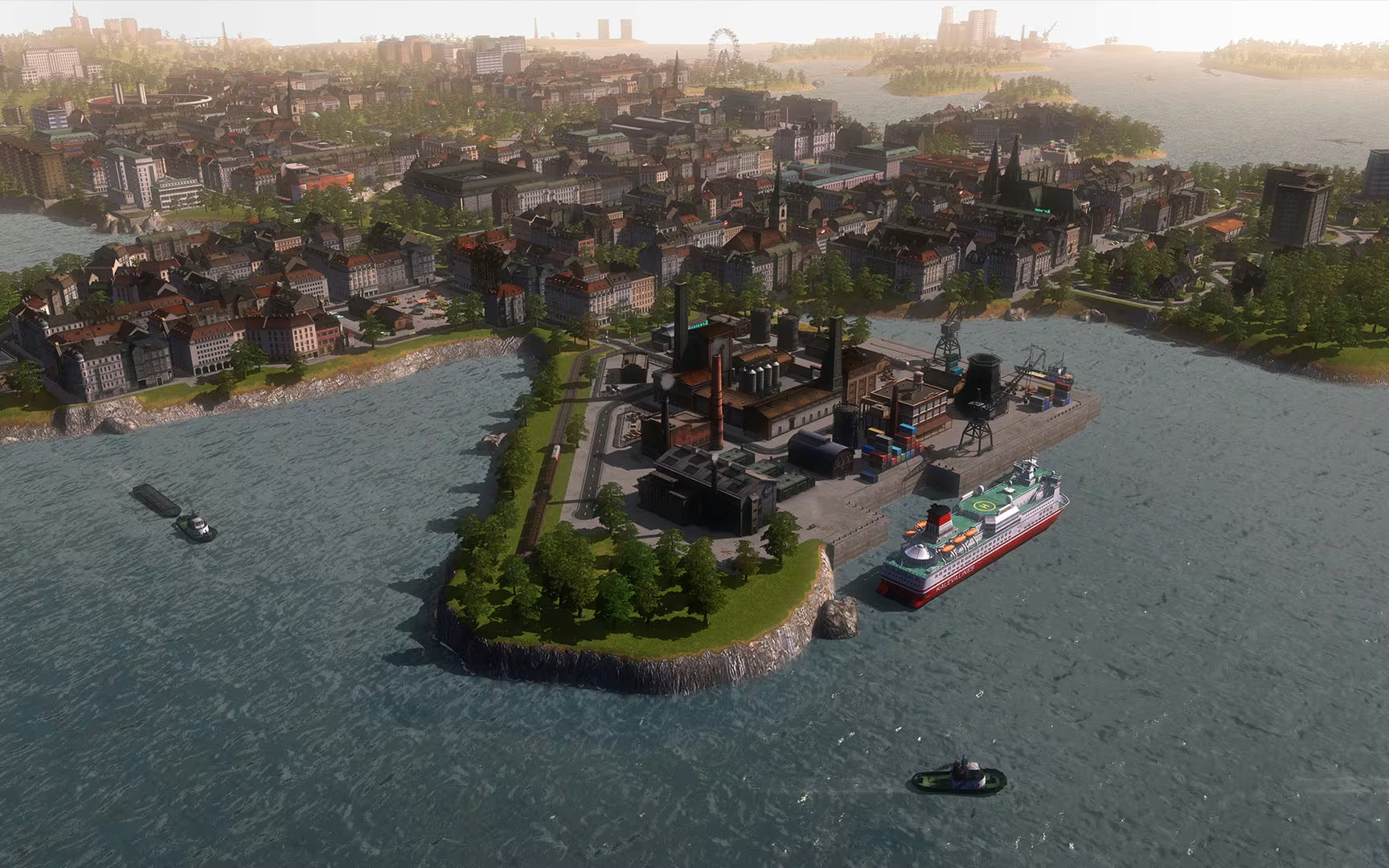
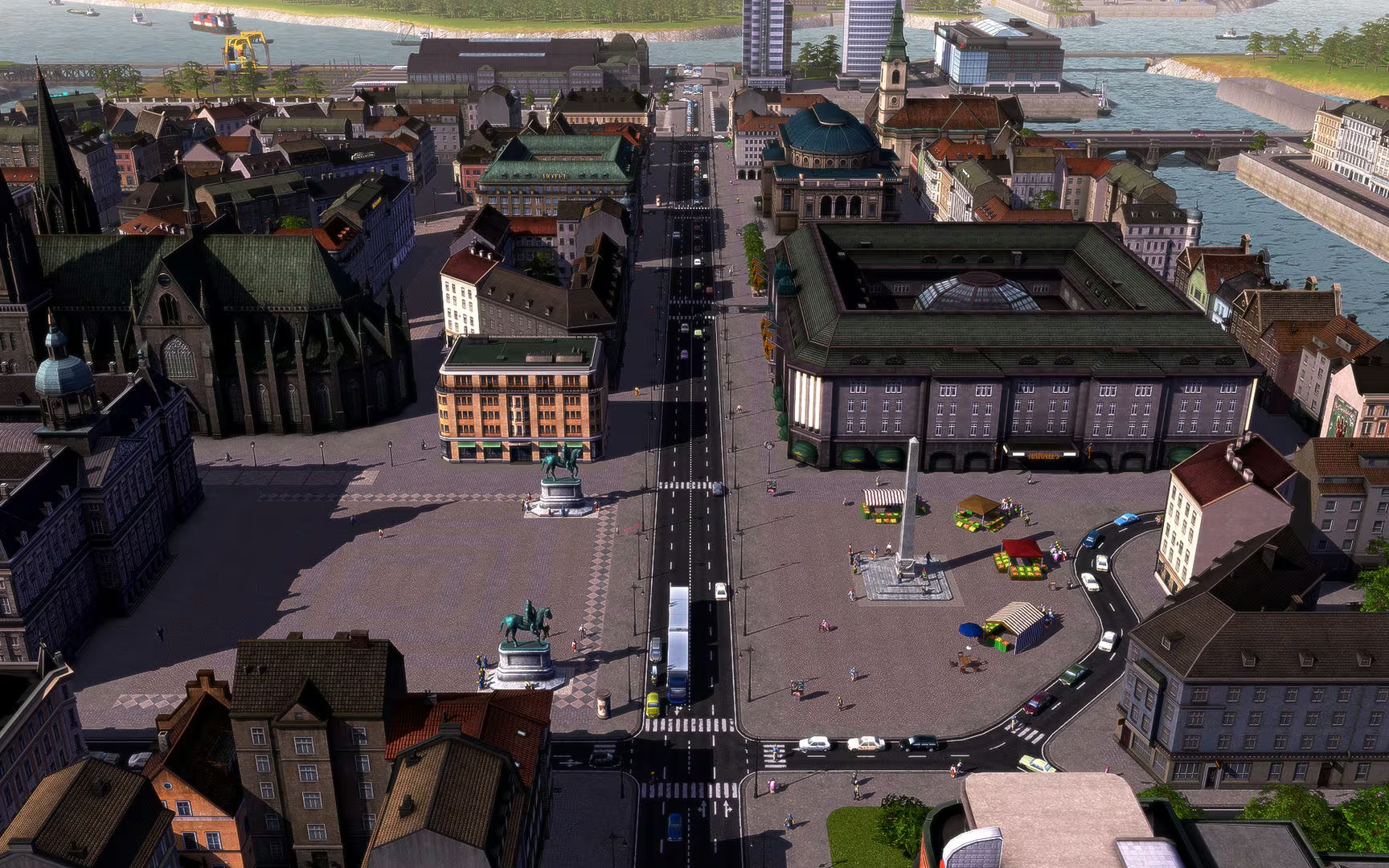
Manage transportation for commuters in four of the world's greatest cities - Vienna, Helsinki, Berlin, and Amsterdam
Global score
77/100
Genres
Simulator, Strategy
Pros
- Detailed and realistic transport simulation
- Engaging strategic gameplay
- Variety of transport modes and cities
- Relaxing and immersive experience
- Good value for price and replayability
Cons
- Steep learning curve
- Some interface quirks and bugs
- Limited multiplayer or social features
- Occasional performance issues on large maps
- Vehicle capacity and scheduling limitations
Motivations
-
Autonomy4
"Players have freedom to design and optimize their own public transport networks with multiple vehicle types and routes, allowing personal strategies and decisions."
-
Competence4
"The game requires mastering complex transport planning, economic management, and problem solving to succeed, with a steep learning curve and rewarding skill development."
-
Competition-4
"Focus is on individual management and optimization without direct player-vs-player competition or leaderboards."
-
Continuation3
"Many players report long play sessions, repeated returns to the game, and habitual engagement with scenarios and sandbox modes."
-
Cooperation-5
"The game is a single-player experience focused on individual management without cooperative multiplayer or teamwork."
-
Creativity3
"Players can create and customize transport routes, build networks, and even design custom cities, enabling creative problem solving and design."
-
Domination-5
"No evidence of exerting control over other players; interactions are individual and non-confrontational."
-
Escapism3
"Players use the game as a relaxing and immersive escape into detailed city transport simulation and management."
-
Expectation-4
"Players engage voluntarily out of interest and enjoyment rather than obligation or external pressure."
-
Experimenting4
"Trial and error, testing different routes, vehicle combinations, and economic strategies are core to gameplay."
-
Exploration2
"Players explore different cities and eras, discovering unique challenges and layouts, though maps are fixed and limited."
-
Expression2
"Some customization of routes and vehicles is possible, but limited character or avatar personalization."
-
Fantasy-3
"The game simulates realistic public transport systems in real-world cities and historical periods."
-
Fellowship-5
"No social or community features; gameplay is solitary."
-
Growth4
"Players develop skills in transport management, economic balancing, and strategic planning over time."
-
Health-5
"Sedentary gameplay with no physical activity involved."
-
Idle-3
"Requires active attention and management; not a casual or background game."
-
Intimacy-5
"No social or emotional relationship building; purely individual gameplay."
-
Leadership-4
"Players manage their own company but do not lead or direct other players."
-
Progression4
"Players accumulate vehicles, unlock new transport types, and expand networks over time."
-
Relaxation3
"Many players find the game relaxing and enjoy the flow of managing transport systems."
-
Sensation1
"Visual and auditory feedback is pleasant but not intense; the game is more cerebral than sensory."
-
Status-5
"No social recognition or status systems present."
-
Story2
"Campaigns include missions and some narrative elements, but much gameplay is sandbox without story."
-
Strategy5
"Strong emphasis on strategic planning, route optimization, economic management, and problem solving."
-
Thrill-2
"Gameplay is steady and methodical with limited suspense or risk."
-
Value4
"Players report high value for time and money, especially given low price and replayability."
-
Violence-5
"No violent content; focus is on constructive transport management."
-
Survival2
"Players must avoid financial failure and keep the company profitable, adding some challenge."
Similar games
Last update: 06/03/2026