Citystate similar games & best alternatives
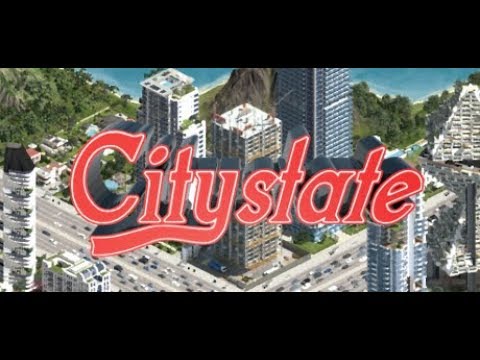
Citystate
2018
Related articles
Quick resume
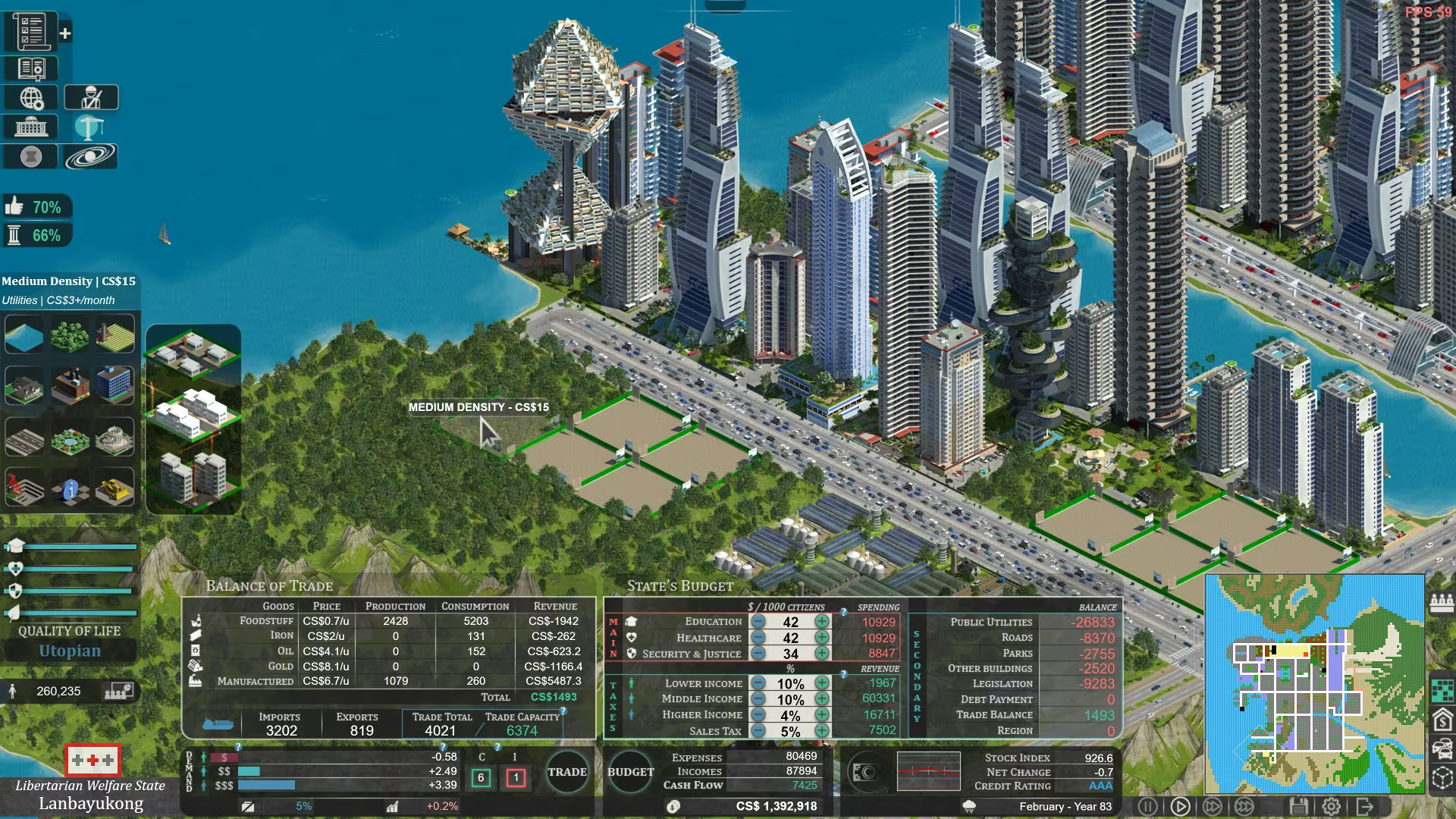
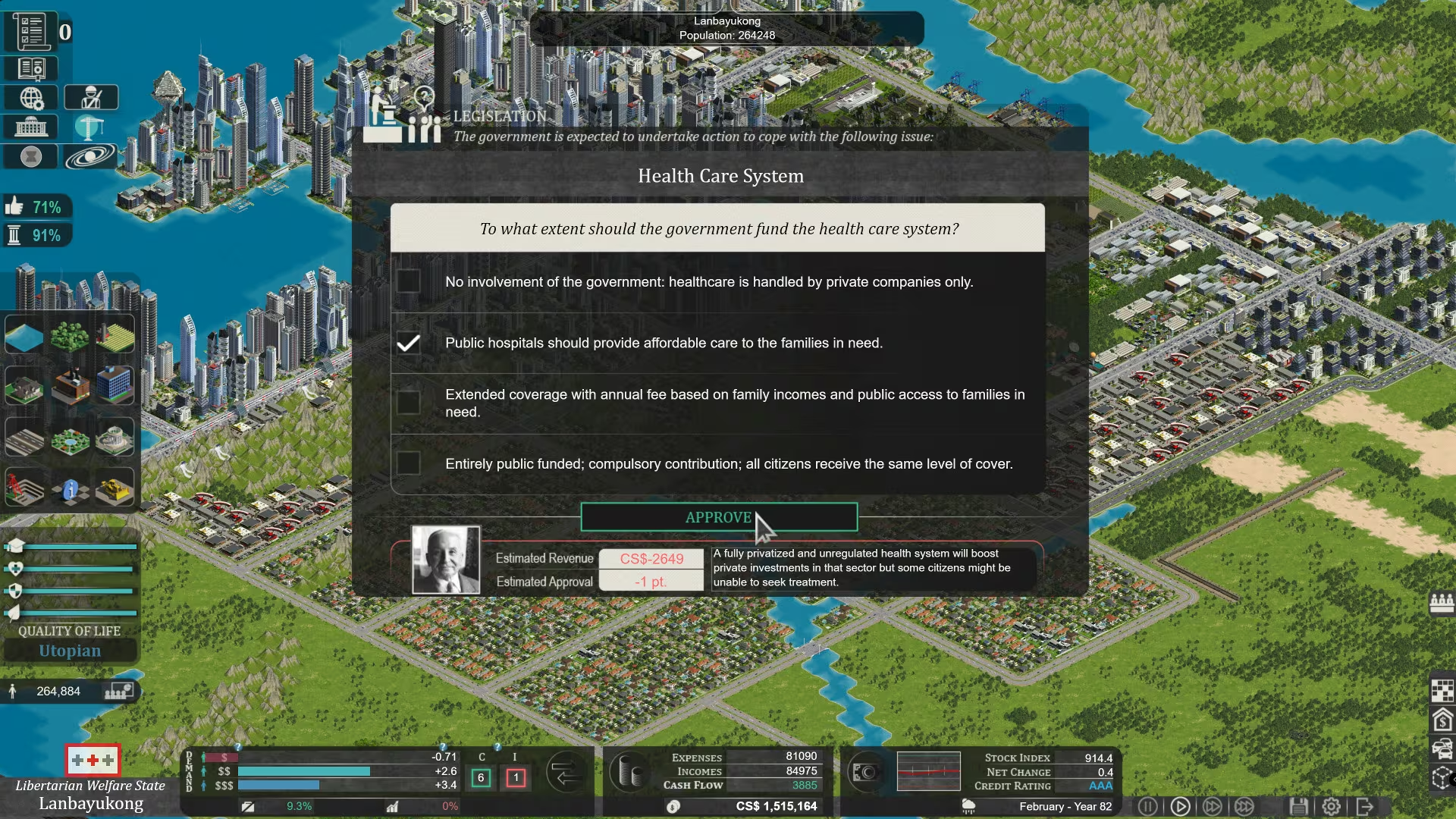
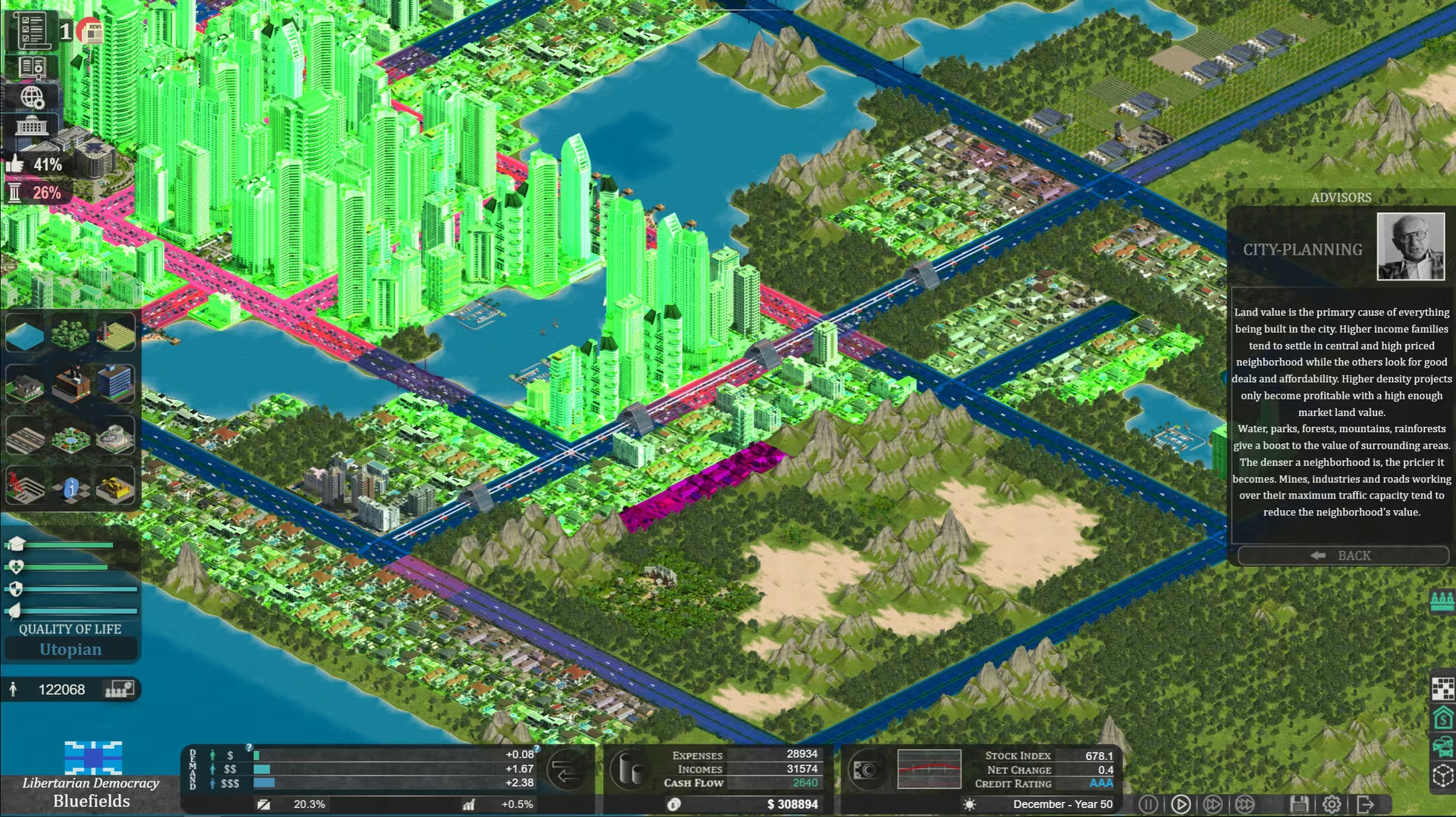
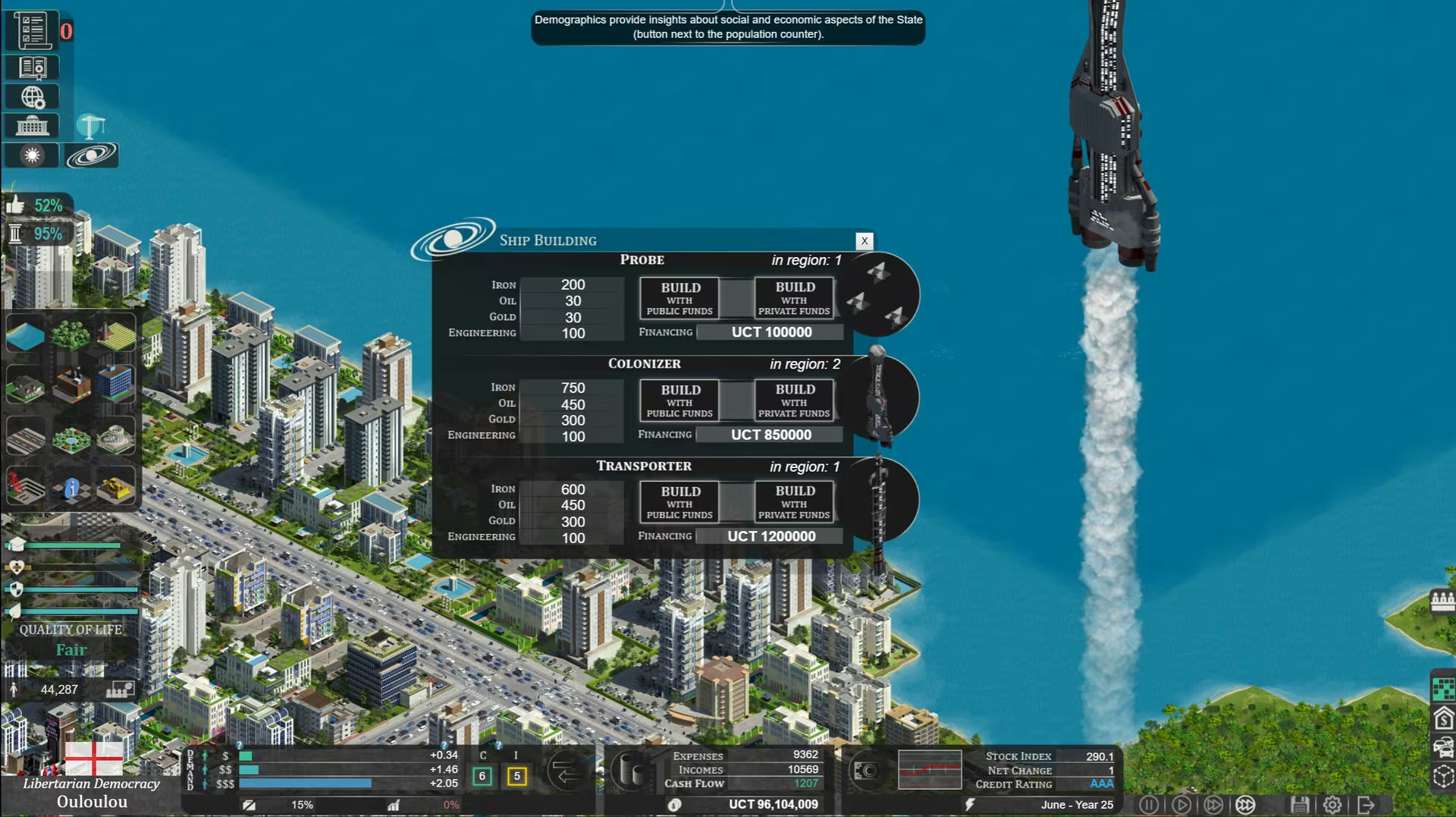
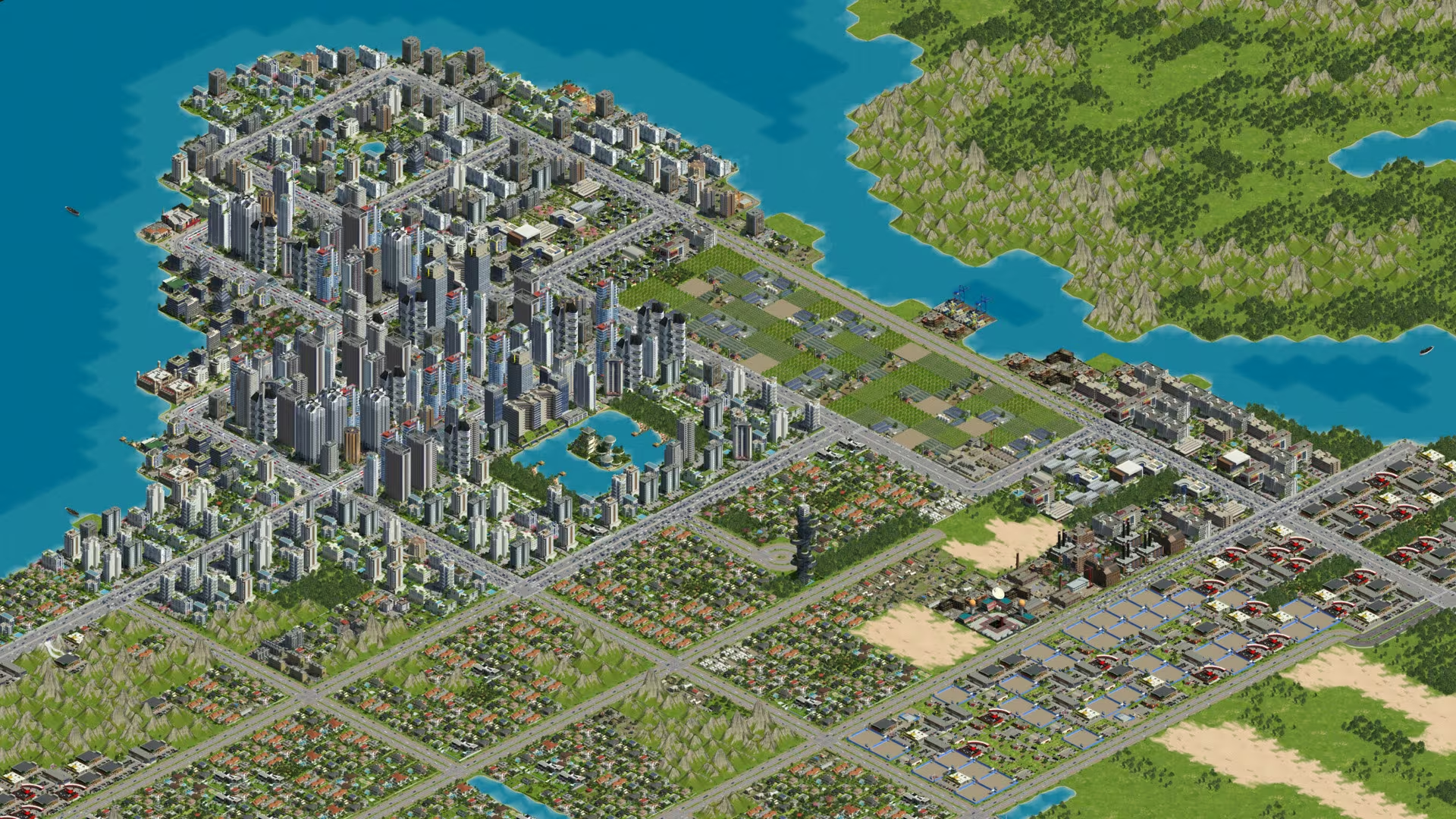
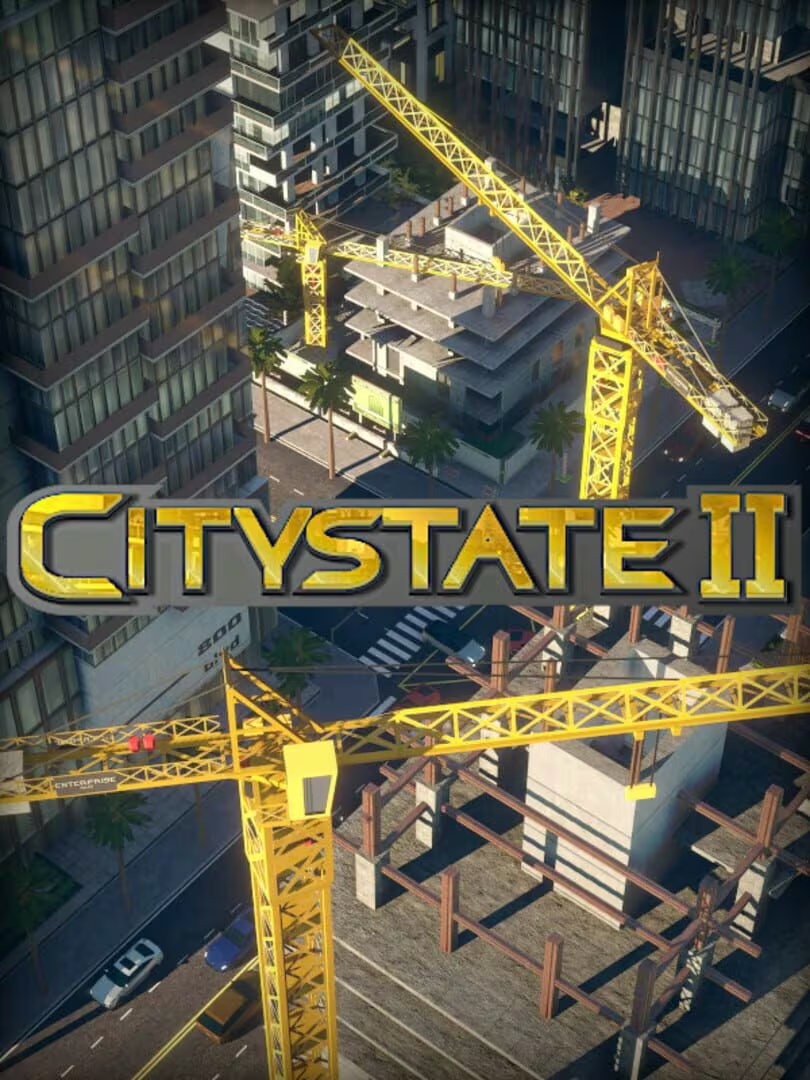
Create a 21st century micro-nation and experiment with economic and political ideals. Futuristic skyscrapers or spreading slums, the Nation relies on your economic and city planning skills.
Global score
75/100
Genres
Casual, Indie, Simulator, Strategy
Similar games
Pros
- Unique blend of city building and political simulation
- Deep economic and policy management
- High replayability with multiple ideologies
- Active developer support and updates
- Retro nostalgic graphics and intuitive ui
Cons
- Steep learning curve with limited tutorials
- Some bugs and ui inconsistencies
- Limited building variety and city micromanagement
- Performance issues with large cities
- Minimal multiplayer or social features
Analysis
Broadly representative of its motivational profile, with a few distinct shifts. Motivations that often define this kind of title include Leadership, Survival, Violence, Strategy. It leans lower than usual among comparable games on Violence, Thrill, Intimacy.
How to use the graph
Similar games map
Each dot is a game. They are arranged from the same motivation profile as in the “Motivations” section below. Closer dots usually mean more similar reasons to play (exploration, competition, relaxation, etc.)—not that one game is “better” than another.
- Larger dot with a light outline: the game you are viewing.
- Colour: groups of games with comparable motivation patterns (statistical clusters).
- Hover a dot to see the game name; click to open its page.
- Scroll or double-click the chart to zoom out and see more games.
Why don’t the axes read like a score? This view uses t-SNE: it only keeps who is close to whom. The scales are not “good to bad” or hours played—they separate groups on the map. Read distance between dots, not the axis numbers.
Motivations
-
Autonomy4
"Players have high control over policies, economic and political decisions shaping their city-state, reflecting strong personal freedom in gameplay."
-
Competence4
"The game challenges players to balance complex economic and political systems, requiring skillful management and learning from trial and error."
-
Competition-3
"Focus is primarily on individual city management and personal goals rather than direct competition or leaderboards."
-
Continuation3
"Players report long sessions and repeated playthroughs experimenting with different ideologies and strategies."
-
Cooperation-4
"Gameplay centers on solo city-state management with limited or no multiplayer cooperative elements."
-
Creativity3
"Players can customize flags, choose government types and policies, and design city layouts, enabling creative expression within constraints."
-
Domination-4
"Interactions are balanced and focused on managing society rather than exerting power over other players."
-
Escapism3
"Players use the game as a mental challenge and distraction, enjoying the political simulation and city building as a form of escapism."
-
Expectation-4
"Players engage voluntarily driven by intrinsic interest in politics and city-building rather than obligation or external pressure."
-
Experimenting4
"High experimentation with different political ideologies, policies, and city designs is encouraged and common."
-
Exploration2
"Players explore different political and economic systems and unlock new buildings and space colonies, though map exploration is limited."
-
Expression3
"Customization of flags, government types, and policy choices allows for personal expression within the game."
-
Fantasy2
"The game simulates political ideologies and city building with some imaginative elements like space colonies, but mostly grounded in plausible scenarios."
-
Fellowship-4
"The game is primarily a single-player experience with minimal social or community interaction."
-
Growth4
"Players learn complex economic and political systems and improve their management skills through repeated play."
-
Health-5
"The game is a sedentary computer simulation with no physical activity component."
-
Idle-4
"Requires constant attention and active management of policies and city development."
-
Intimacy-5
"No evidence of close social relationships or emotional sharing; gameplay is solitary."
-
Leadership4
"Players act as leaders managing their city-state’s policies and economy, making authoritative decisions."
-
Progression3
"Players accumulate resources, unlock buildings, and develop their city-state progressively."
-
Relaxation1
"Some players find the game relaxing and meditative, though others find it challenging and tense."
-
Sensation1
"Visuals are retro and simple, providing moderate sensory stimulation without intense excitement."
-
Status-4
"Achievements and progress are mostly individual with limited social recognition or status mechanics."
-
Story2
"Narrative emerges from player-driven political and economic decisions rather than a fixed storyline."
-
Strategy4
"Strong emphasis on strategic planning, balancing budgets, policies, and social classes."
-
Thrill1
"Some tension from managing crises and riots, but overall controlled and predictable gameplay."
-
Value4
"Players perceive good value for the price, especially given the depth and ongoing updates."
-
Violence-4
"Gameplay focuses on constructive city building and policy management rather than combat or destruction."
-
Survival3
"Players must avoid bankruptcy and social collapse, managing threats like riots and economic downturns."
Last update: 29/04/2026