Company of Heroes: Opposing Fronts Thumbnail

Company of Heroes: Opposing Fronts similar games & best alternatives
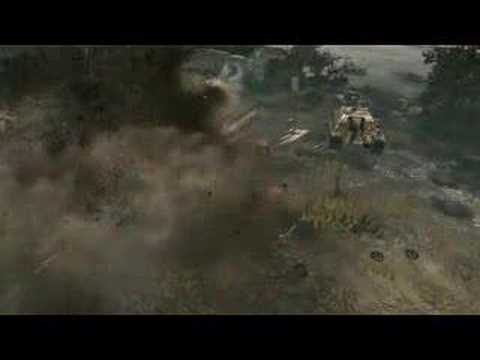
Company of Heroes: Opposing Fronts

PC (Microsoft Windows) • 2007

Related articles

Quick resume

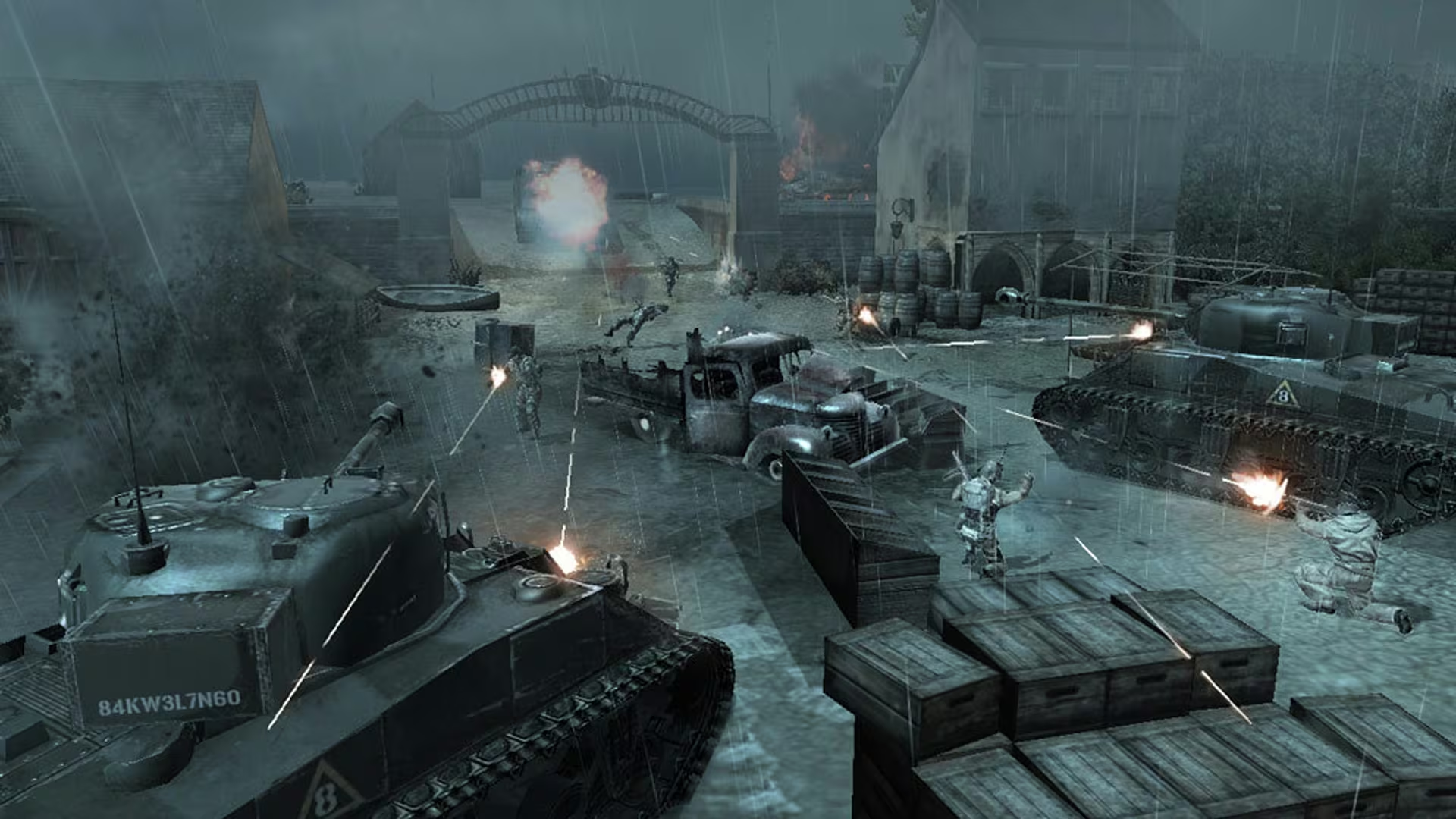
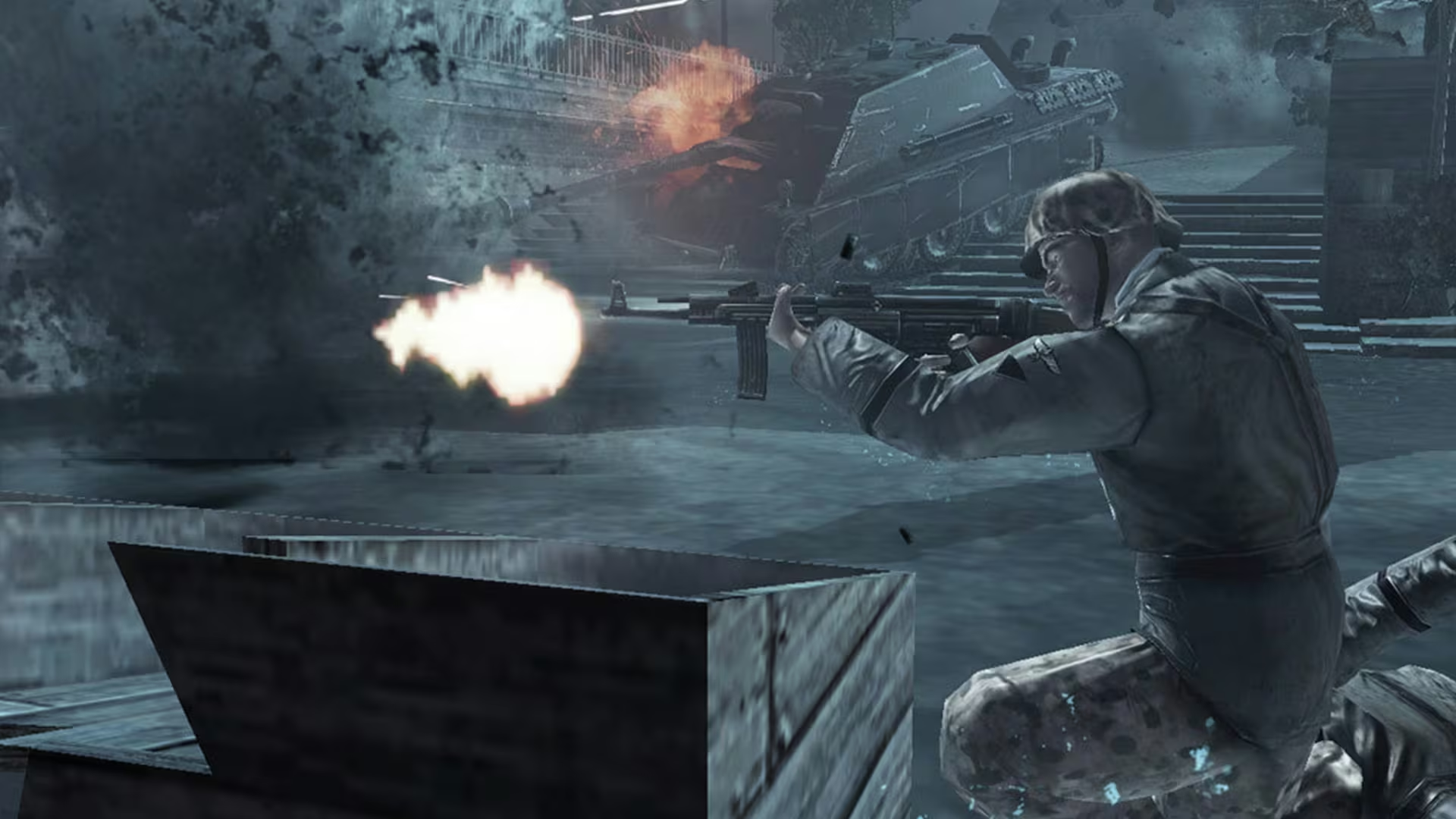
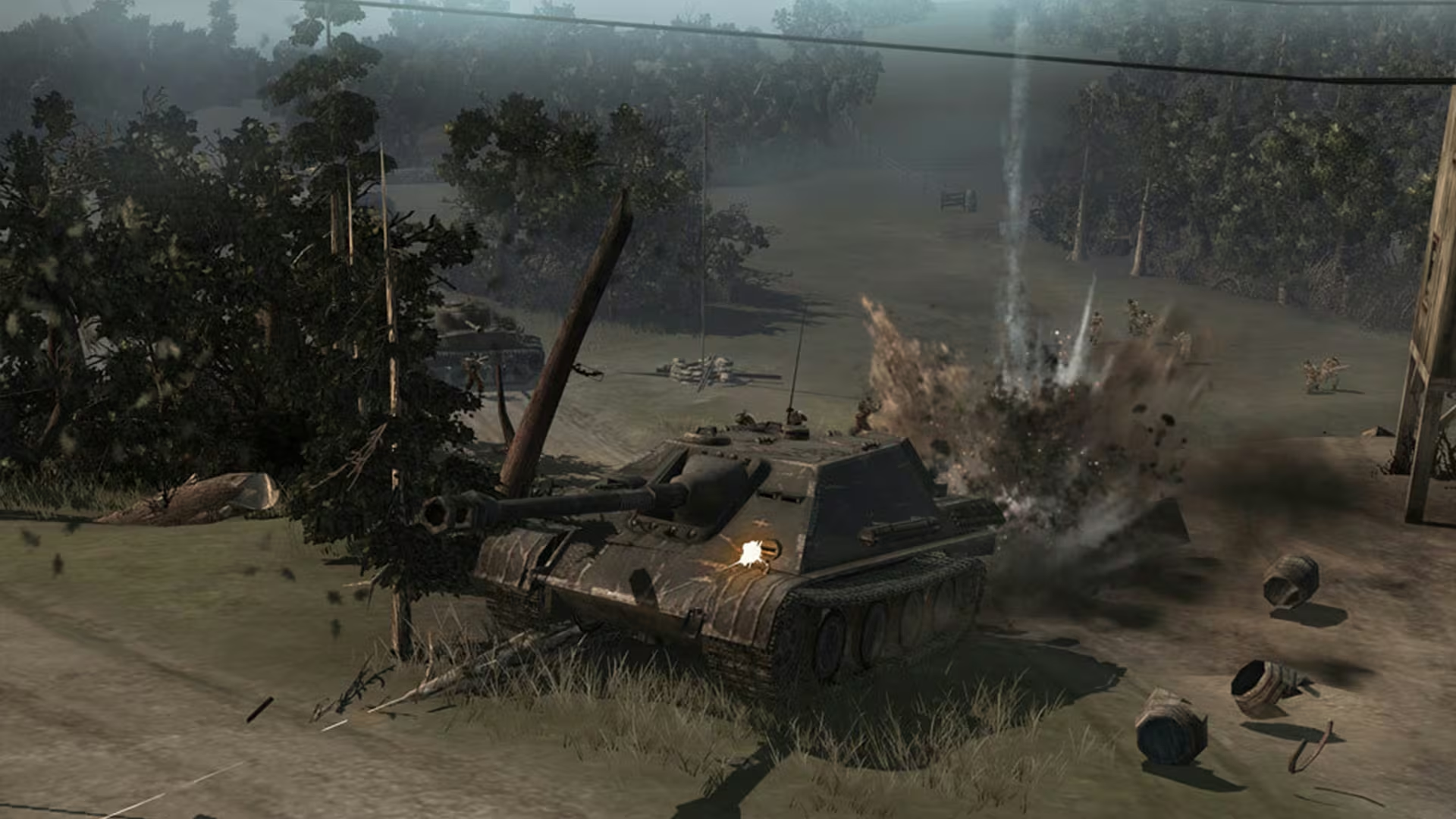
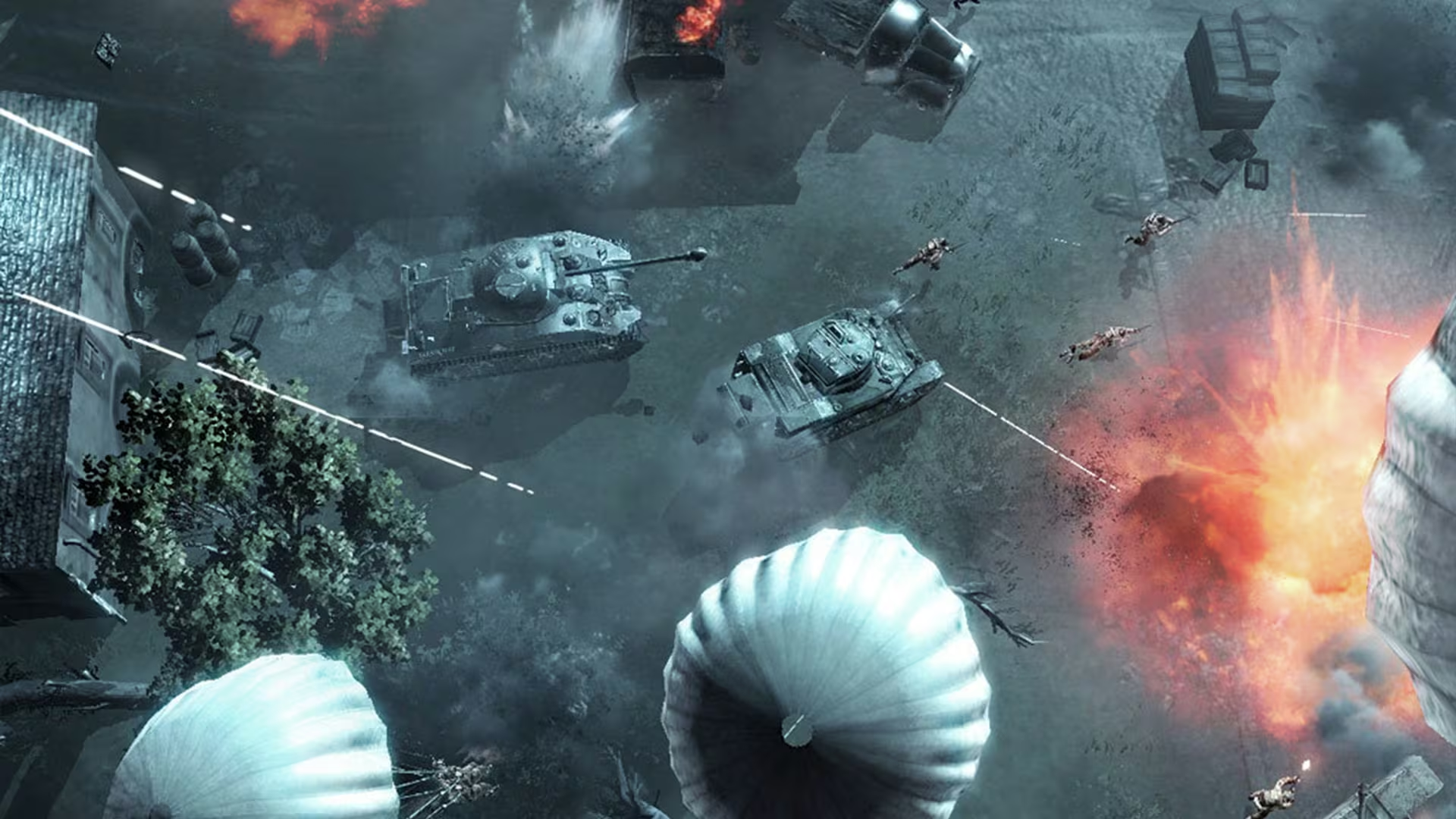
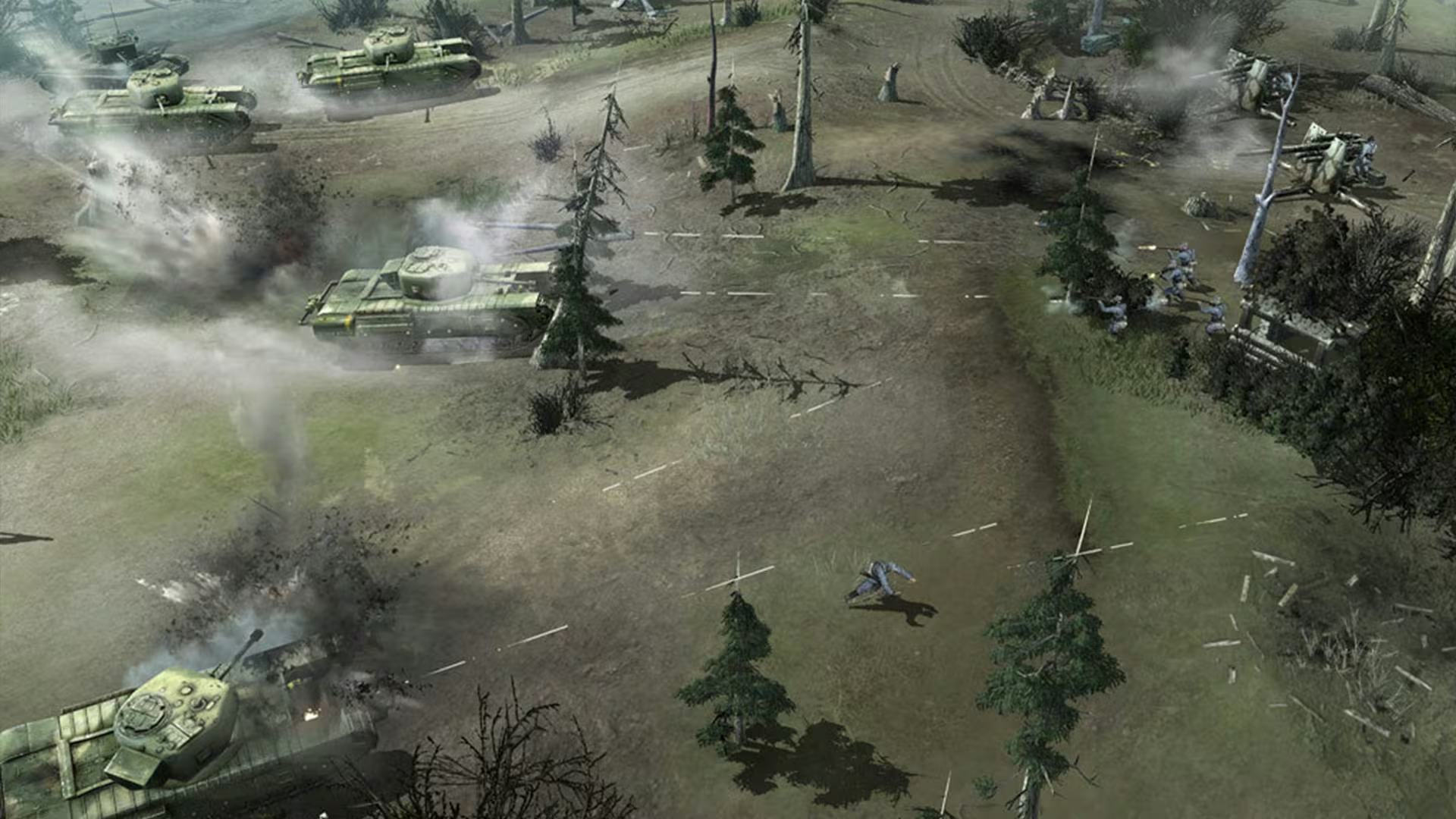
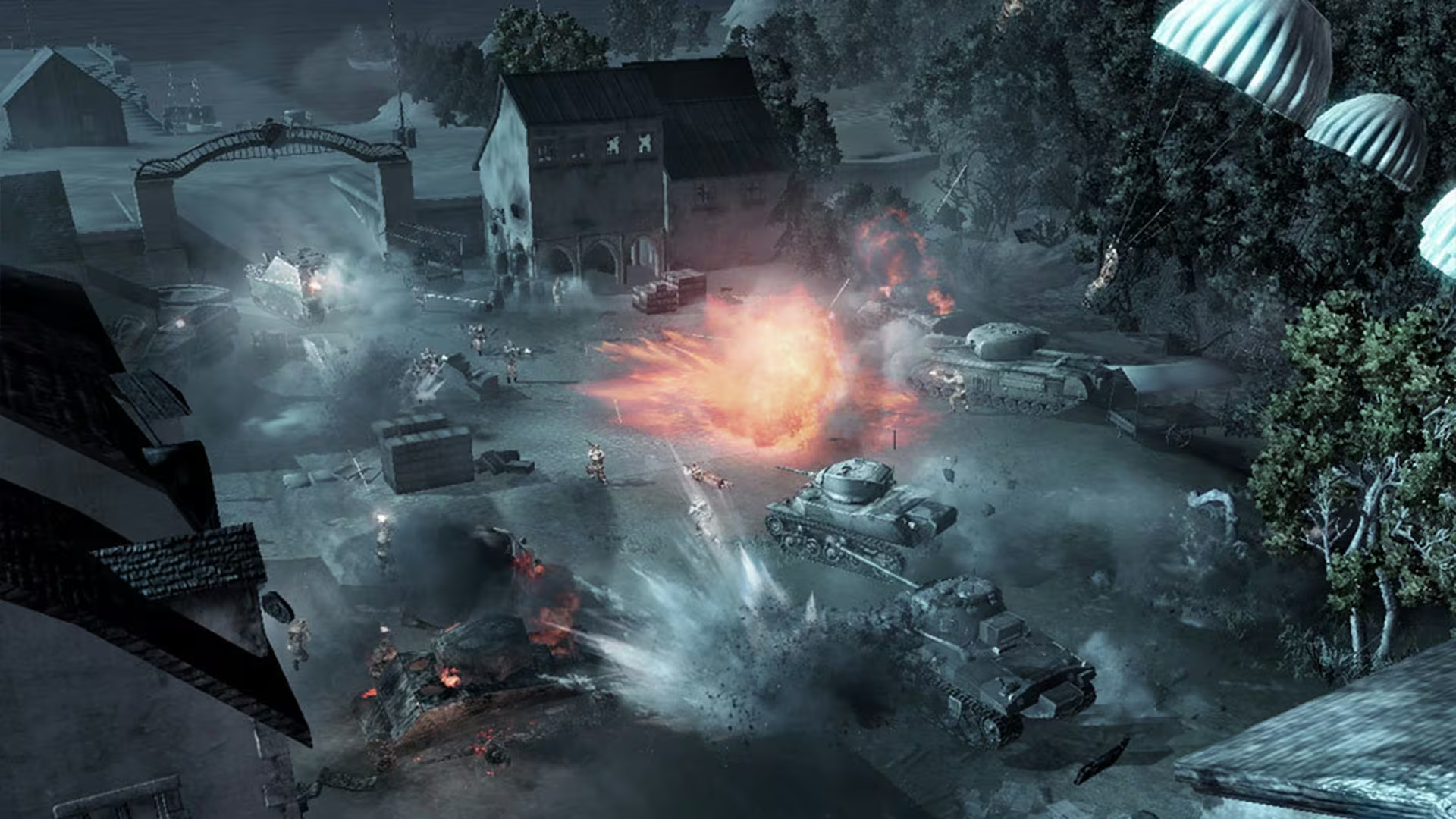
The next chapter in the #1 rated RTS franchise thrusts players into a hellish war torn landscape to command two battle-hardened armies in relentless campaigns for honor and country. Players lead the tenacious British 2nd Army during the heroic World War II liberation of Caen, France, and command the German Panzer Elite as they struggle...

Global score

92/100

Genres

Action, Strategy, Real Time Strategy (RTS)

Similar games

    Pros

    • Historically immersive campaigns
    • Diverse factions with unique playstyles
    • High skill and strategic depth
    • Engaging multiplayer with team play
    • Realistic graphics and sound effects

    Cons

    • Balance issues reported
    • Ai weaknesses
    • Some campaign repetitiveness
    • Technical crashes for some users
    • Lack of key remapping and modern features

    Analysis

    Broadly representative of its motivational profile, with a few distinct shifts. Motivations that often define this kind of title include Competition, Fellowship, Domination, Status. Here, the score leans higher than usual among comparable games on Story. It leans lower than usual among comparable games on Fantasy, Expression.

    How to use the graph
    Similar games map

    Each dot is a game. They are arranged from the same motivation profile as in the “Motivations” section below. Closer dots usually mean more similar reasons to play (exploration, competition, relaxation, etc.)—not that one game is “better” than another.

    • Larger dot with a light outline: the game you are viewing.
    • Colour: groups of games with comparable motivation patterns (statistical clusters).
    • Hover a dot to see the game name; click to open its page.
    • Scroll or double-click the chart to zoom out and see more games.

    Why don’t the axes read like a score? This view uses t-SNE: it only keeps who is close to whom. The scales are not “good to bad” or hours played—they separate groups on the map. Read distance between dots, not the axis numbers.

    Motivations

    • Autonomy
      4

      "Players have control over unit placement, tactics, and strategic decisions in real-time battles with mobile bases and diverse factions."

    • Competence
      5

      "High skill ceiling with complex unit management, tactical positioning, and strategic planning rewarded by gameplay and multiplayer."

    • Competition
      4

      "Strong multiplayer focus with ranked matches and skill-based challenges against other players."

    • Continuation
      3

      "Many players report long playtimes and habitual engagement, though some mention campaign fatigue after completion."

    • Cooperation
      3

      "Multiplayer supports team play and cooperative strategies, though solo play and campaigns are also prominent."

    • Creativity
      2

      "Players can customize tactics and unit compositions, but within predefined factions and maps."

    • Domination
      2

      "Competitive multiplayer involves exerting superiority over opponents, though no strong evidence of toxic domination."

    • Escapism
      3

      "Players use the game as an immersive WWII experience and distraction, enjoying historical campaigns and intense battles."

    • Expectation
      -3

      "Players engage voluntarily out of interest and enjoyment rather than obligation or external pressure."

    • Experimenting
      3

      "New factions and units encourage trying different strategies and tactics beyond the original game."

    • Exploration
      1

      "Some exploration of new maps and campaigns, but mostly familiar WWII settings and scenarios."

    • Expression
      -2

      "Limited customization mostly to tactical choices; no strong emphasis on avatar or environment personalization."

    • Fantasy
      -4

      "Strong focus on realistic WWII scenarios and historically inspired units and campaigns."

    • Fellowship
      3

      "Community and multiplayer groups exist, fostering social connection and shared gameplay experiences."

    • Growth
      4

      "Players develop skills in strategy, micromanagement, and tactical thinking through gameplay."

    • Health
      -4

      "Typical sedentary gameplay with no physical activity or health-related features."

    • Idle
      -3

      "Requires focused attention and continuous engagement during matches and campaigns."

    • Intimacy
      1

      "Some social interaction in multiplayer but limited to gameplay communication rather than close relationships."

    • Leadership
      3

      "Players lead units and coordinate team strategies, especially in multiplayer cooperative modes."

    • Progression
      4

      "Progression through unit veterancy, unlocking abilities, and campaign advancement."

    • Relaxation
      -1

      "Gameplay is intense and fast-paced, with moments of tension rather than pure relaxation."

    • Sensation
      3

      "Enjoyable visual and auditory effects including explosions, weather, and realistic sound design."

    • Status
      3

      "Multiplayer ranking and community recognition provide social status and visibility."

    • Story
      3

      "Narrative-driven campaigns with historical plots and character-driven missions."

    • Strategy
      5

      "Core gameplay revolves around tactical planning, resource management, and battlefield strategy."

    • Thrill
      3

      "Players experience suspense and excitement from tactical battles and close matches."

    • Value
      3

      "Players perceive good value from added content, campaigns, and multiplayer longevity."

    • Violence
      4

      "Combat and destruction are central, with realistic weaponry and battlefield effects."

    • Survival
      3

      "Players must manage threats, preserve units, and strategically defend or attack to survive."

    Last update: 29/04/2026