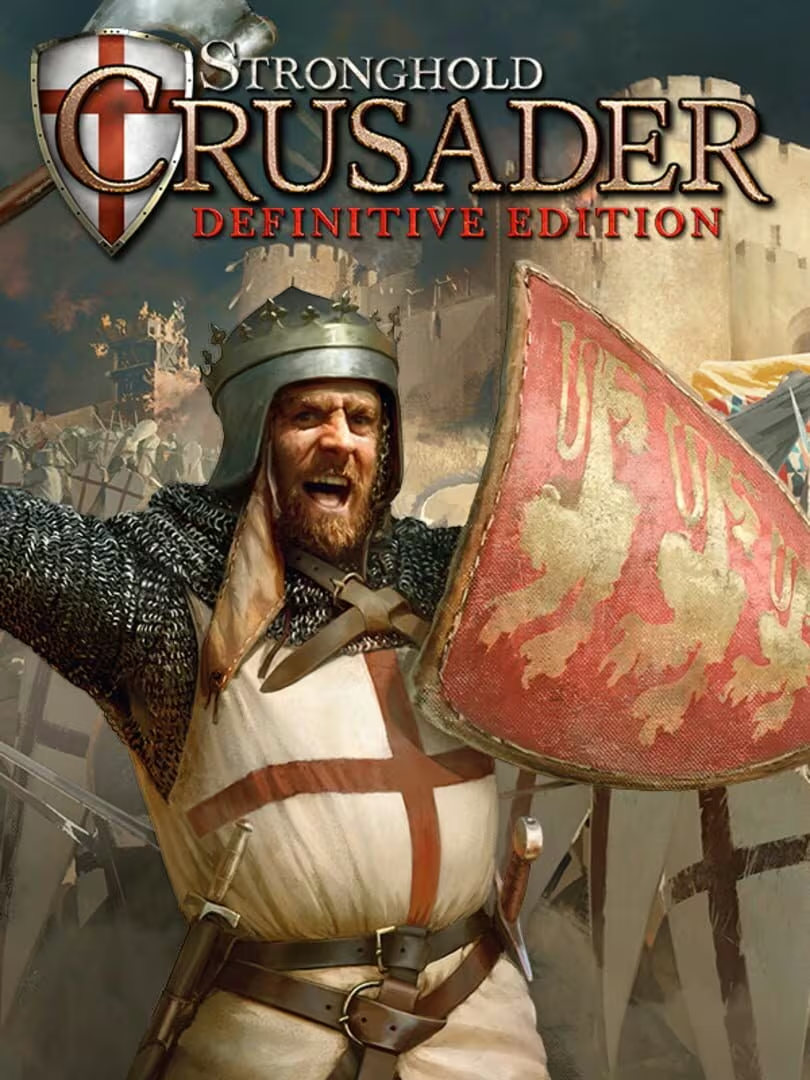
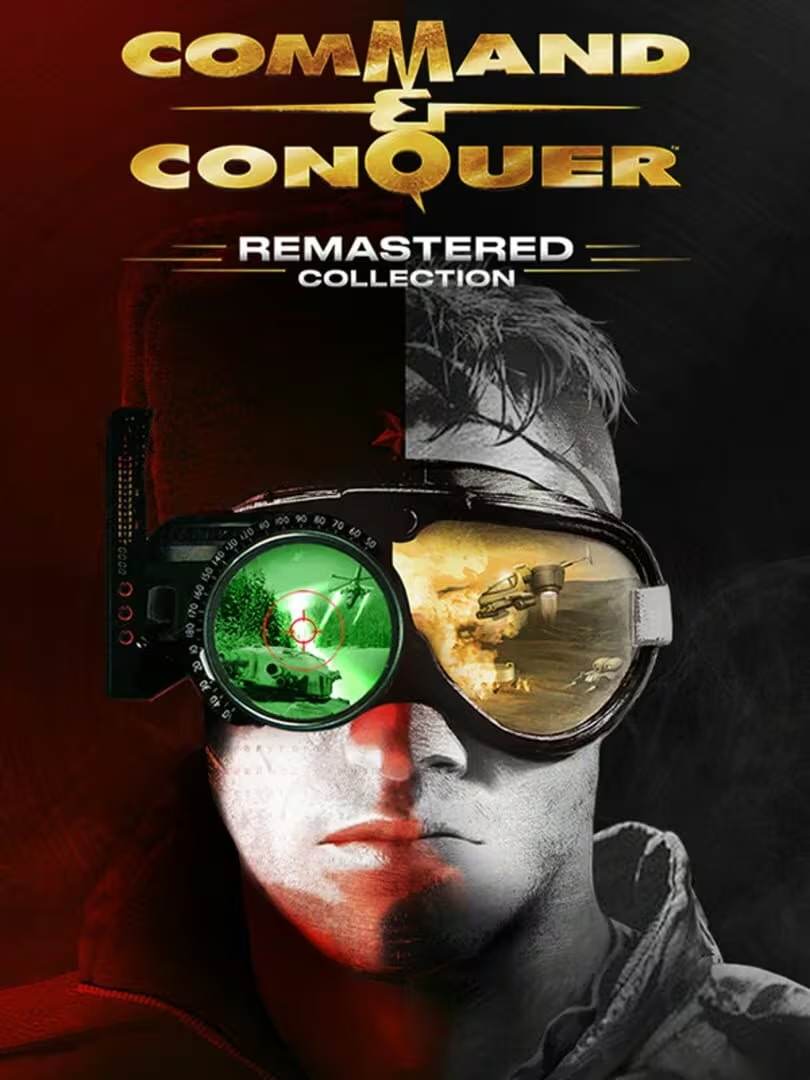
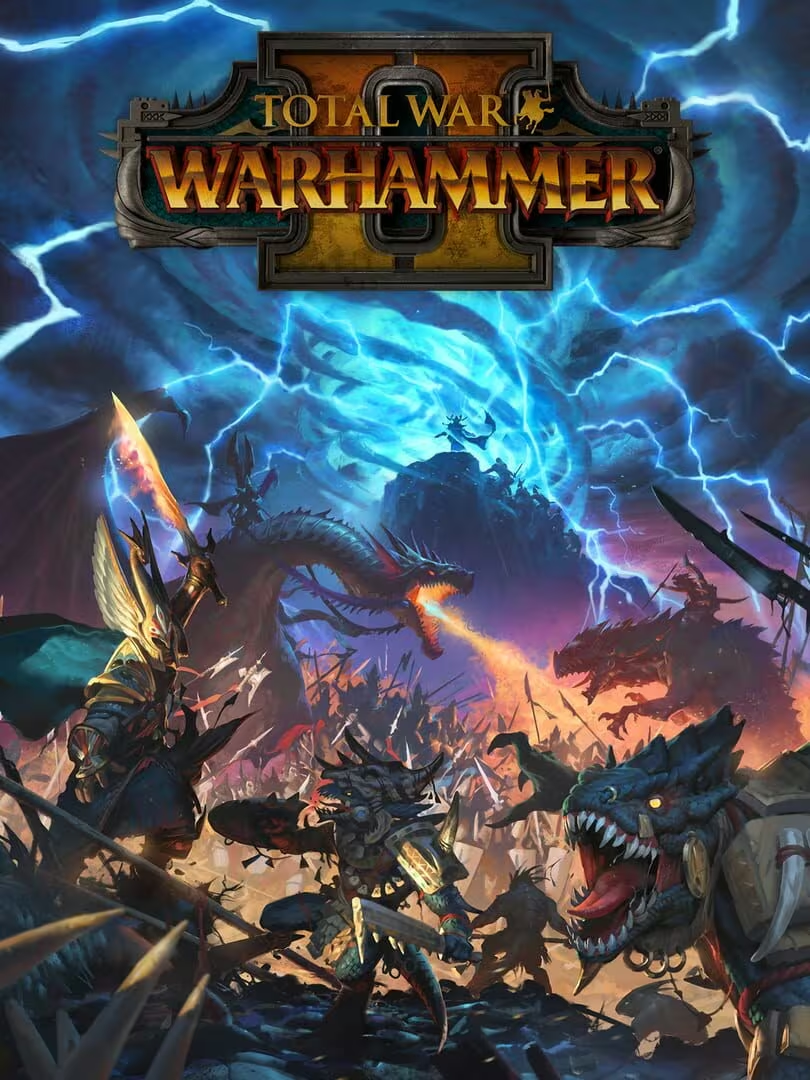
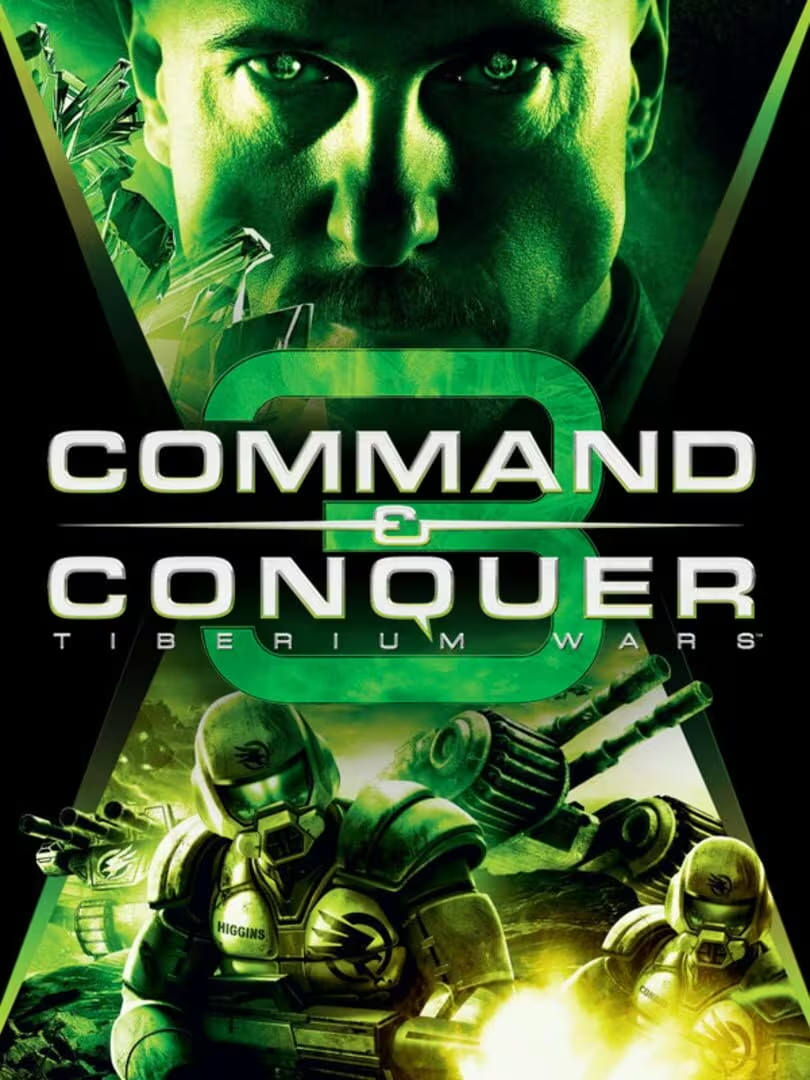
Age of Mythology: Retold Thumbnail

Age of Mythology: Retold similar games & best alternatives

Age of Mythology: Retold

PC (Microsoft Windows), Xbox Series X|S, PlayStation 5 • 2024

Related articles

Quick resume

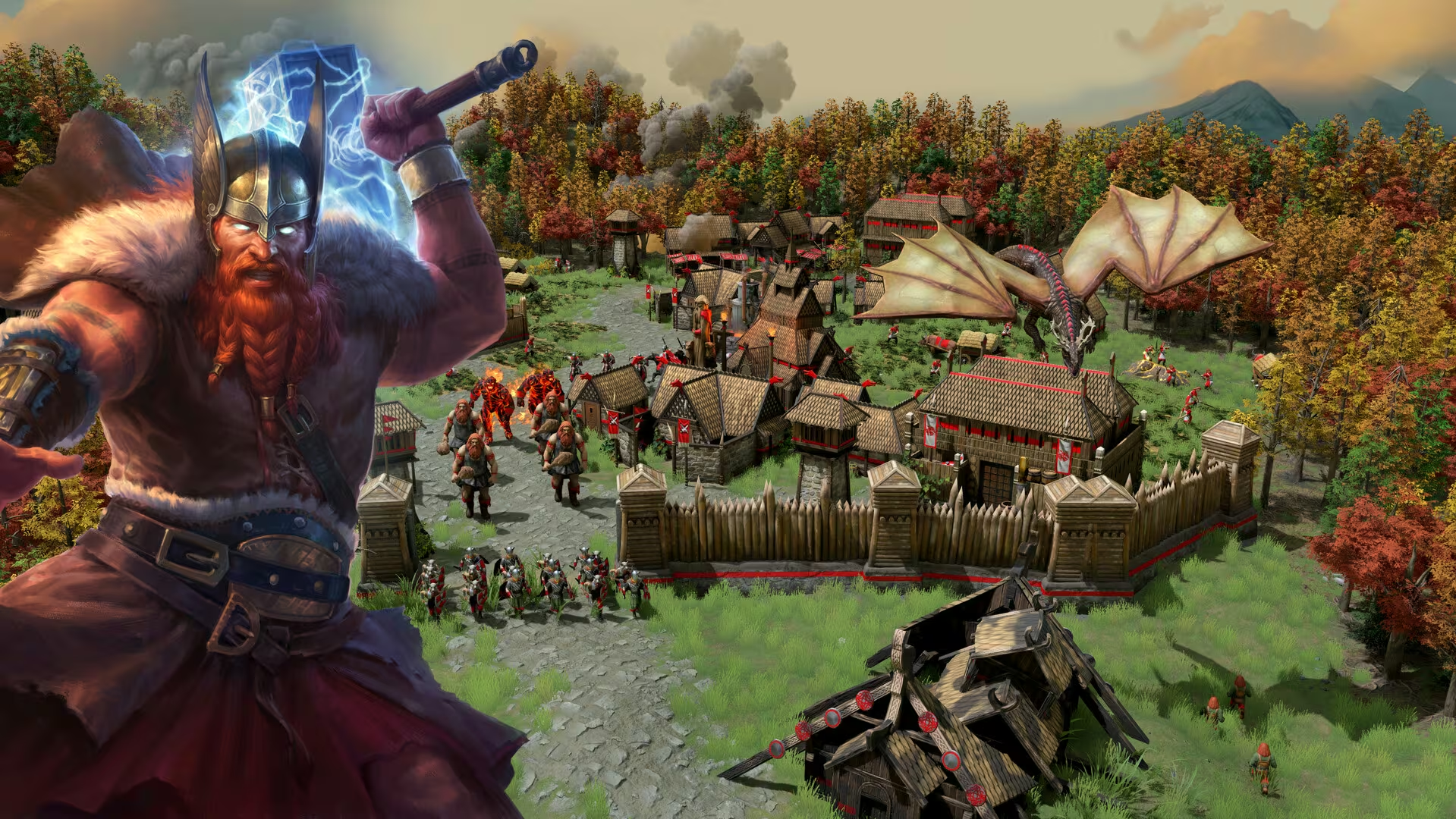
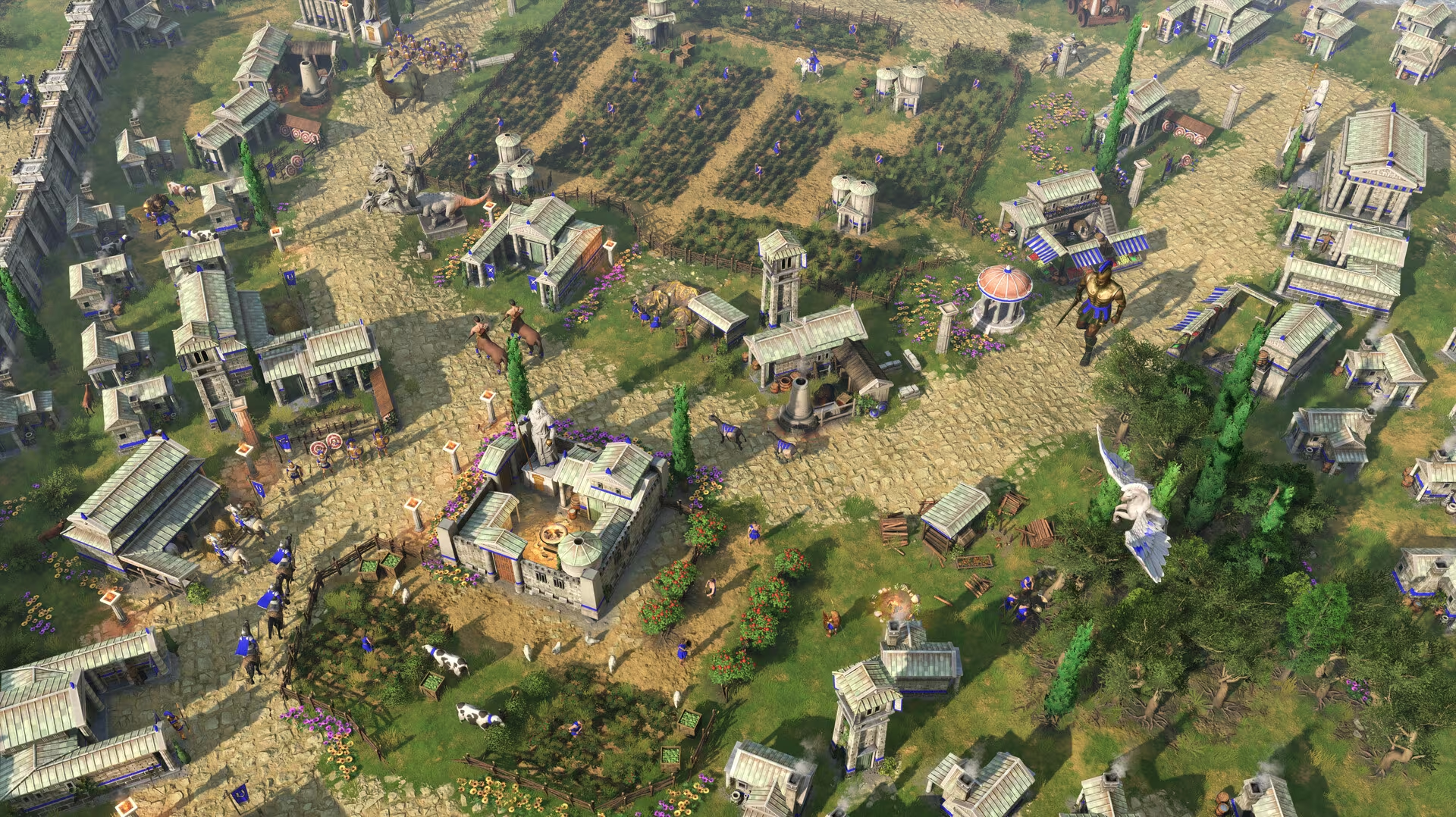
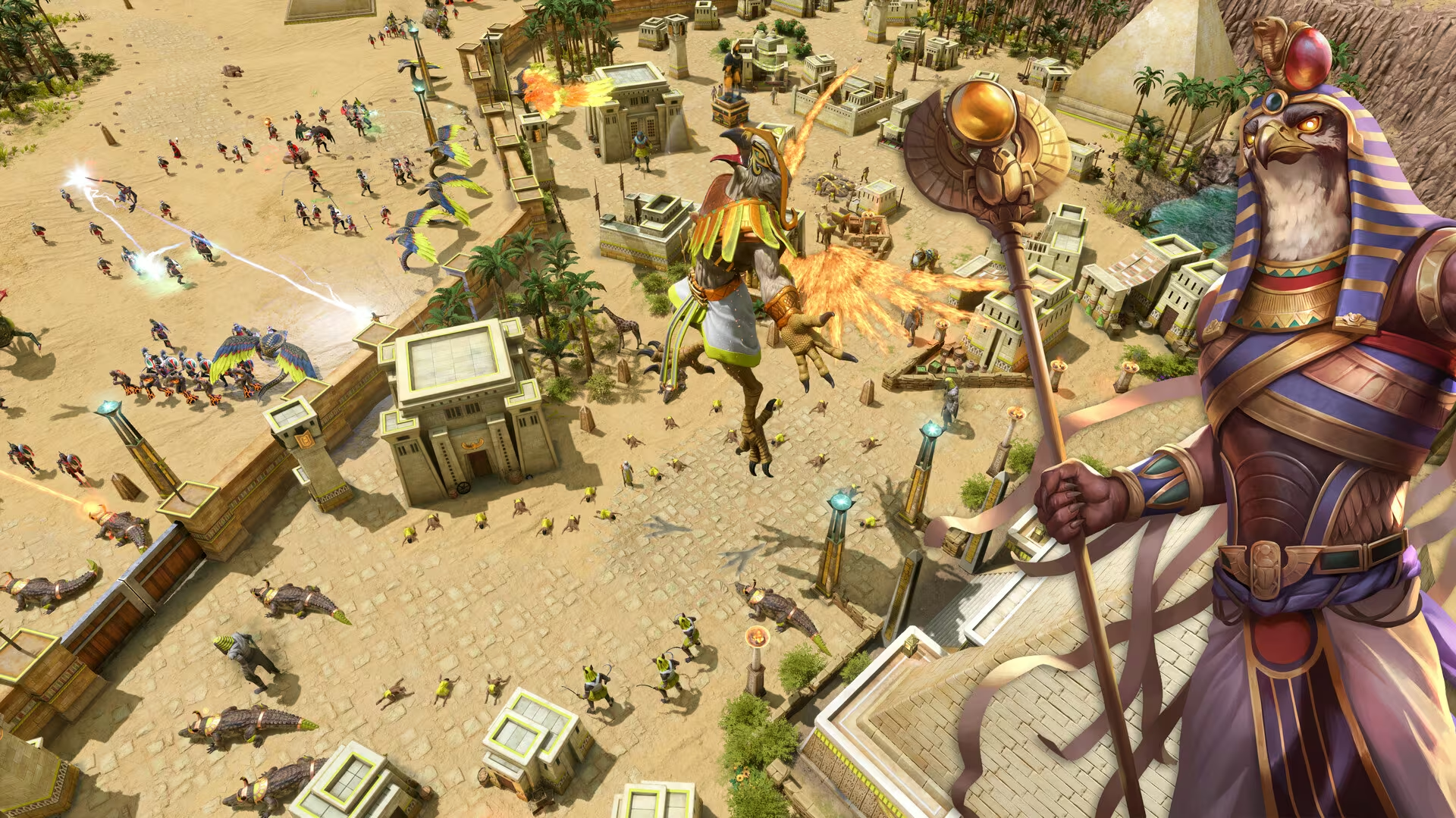
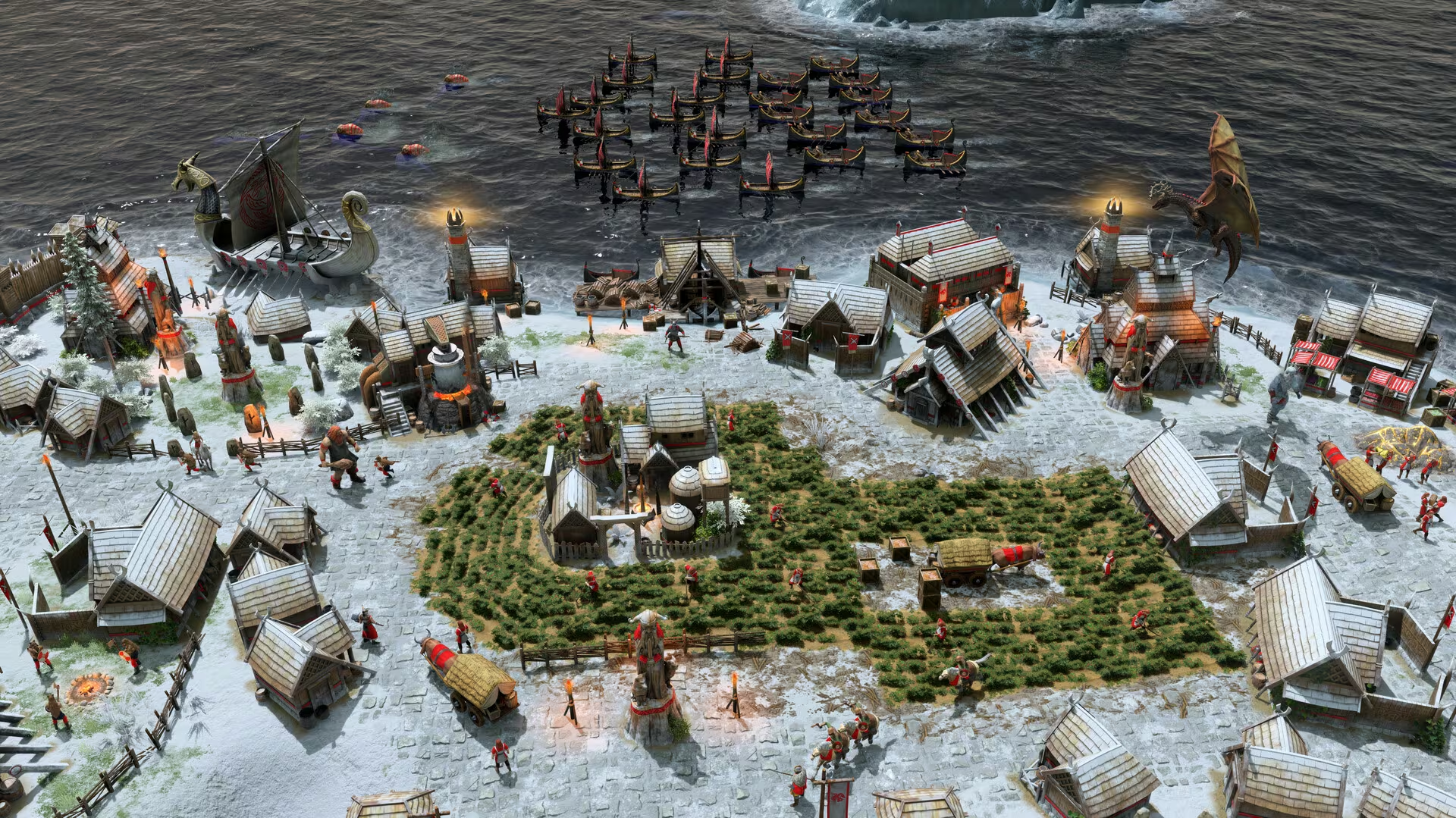
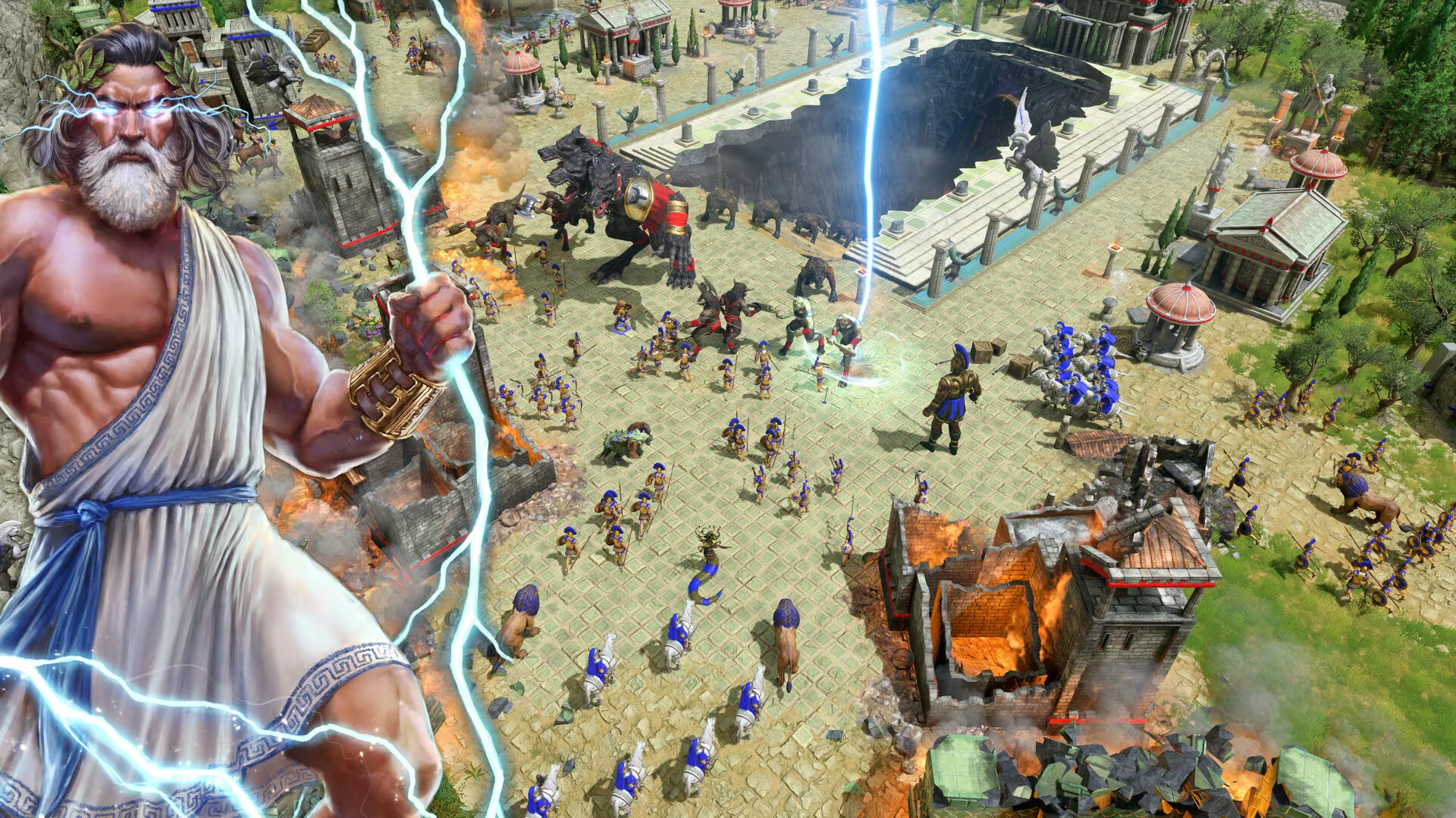
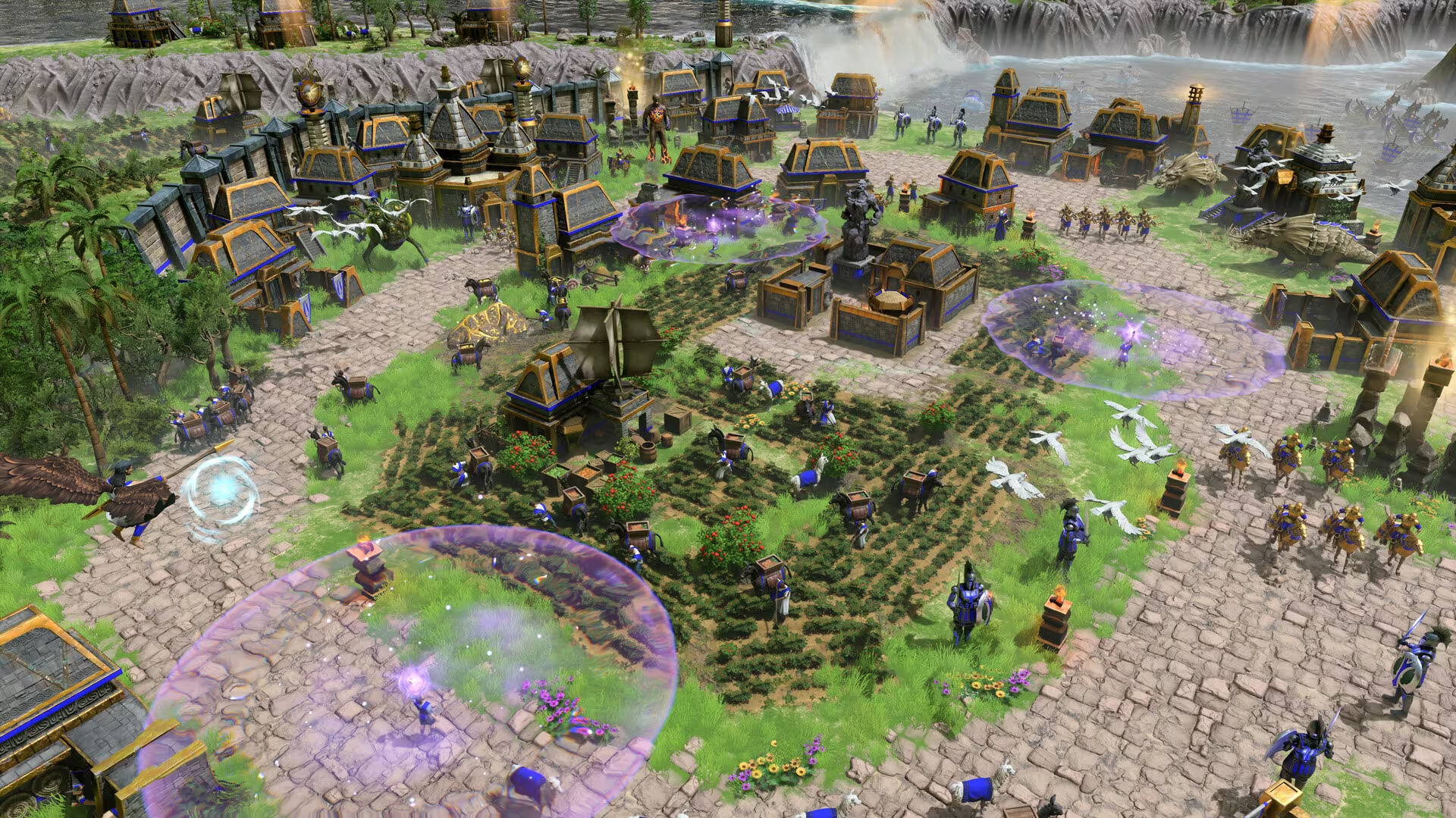
Play as mythological Gods and smite your enemies in this award-winning, mythological Real-Time Strategy classic given new life. Wage war across timeless campaigns, fierce skirmishes, and god-powered multiplayer modes.

Global score

90/100

Genres

Strategy, Real Time Strategy (RTS)

Similar games

    Pros

    • Faithful and polished remake with modern graphics
    • Engaging mythological campaigns and multiplayer
    • Quality of life improvements and balance updates
    • Active developer support and community engagement
    • Mod support and map editor for creativity

    Cons

    • New voice acting less favored by some players
    • Minor bugs and occasional graphical glitches
    • Some ui elements feel bare-bones or awkward
    • Multiplayer stability issues reported
    • Some content (e.g. chinese pantheon) delayed or dlc

    Analysis

    A very typical example of its motivational profile. Motivations that often define this kind of title include Cooperation, Fellowship, Intimacy, Leadership. Here, the score leans higher than usual among comparable games on Competition, Status, Story.

    How to use the graph
    Similar games map

    Each dot is a game. They are arranged from the same motivation profile as in the “Motivations” section below. Closer dots usually mean more similar reasons to play (exploration, competition, relaxation, etc.)—not that one game is “better” than another.

    • Larger dot with a light outline: the game you are viewing.
    • Colour: groups of games with comparable motivation patterns (statistical clusters).
    • Hover a dot to see the game name; click to open its page.
    • Scroll or double-click the chart to zoom out and see more games.

    Why don’t the axes read like a score? This view uses t-SNE: it only keeps who is close to whom. The scales are not “good to bad” or hours played—they separate groups on the map. Read distance between dots, not the axis numbers.

    Motivations

    • Autonomy
      4

      "Players have freedom to choose civilizations, gods, strategies, and manage armies with quality of life improvements enhancing control."

    • Competence
      4

      "The game offers significant brain usage, strategic depth, and skill-based challenges in both singleplayer and multiplayer."

    • Competition
      3

      "Includes ranked multiplayer, leaderboards, and competitive skirmishes, though some players focus on casual or co-op modes."

    • Continuation
      4

      "Players report long sessions, habitual play, and high engagement with campaigns, skirmishes, and multiplayer."

    • Cooperation
      3

      "Supports cooperative multiplayer modes like Arena of the Gods and team play, encouraging collaboration."

    • Creativity
      4

      "Map editor, mod support, and scenario creation enable player creativity and customization."

    • Domination
      -2

      "Community feedback highlights balanced gameplay and mutual respect; some toxic players exist but not dominant."

    • Escapism
      4

      "Players use the game for nostalgia, stress relief, and immersive mythological fantasy worlds."

    • Expectation
      -4

      "Players engage voluntarily out of personal desire and nostalgia, not obligation or pressure."

    • Experimenting
      3

      "Players try new gods, strategies, and game modes, with ongoing expansions and balance changes encouraging experimentation."

    • Exploration
      2

      "Campaigns and new content provide some discovery, though much gameplay occurs in familiar RTS environments."

    • Expression
      3

      "Customization through mods, map editor, and some cosmetic options allow player expression."

    • Fantasy
      5

      "Strong mythological theme with gods, heroes, and mythical creatures central to gameplay and narrative."

    • Fellowship
      3

      "Community engagement, multiplayer, and cooperative modes foster a sense of belonging."

    • Growth
      3

      "Players develop strategic skills, learn new mechanics, and improve through gameplay and community interaction."

    • Health
      -4

      "Typical sedentary RTS gameplay with no physical activity elements."

    • Idle
      -4

      "Requires continuous attention and focus during gameplay, especially in competitive modes."

    • Intimacy
      1

      "Some social interaction in multiplayer and co-op, but limited close emotional connections."

    • Leadership
      2

      "Players lead armies and coordinate in team games, though no strong emphasis on formal leadership roles."

    • Progression
      4

      "Players accumulate resources, upgrades, and unlock new gods and units, with expansions adding content."

    • Relaxation
      2

      "Some players find the game relaxing and nostalgic, though RTS tension exists in competitive play."

    • Sensation
      3

      "Enhanced graphics, sound, and effects provide sensory stimulation and enjoyment."

    • Status
      2

      "Competitive multiplayer and leaderboards offer recognition, though not a dominant motivation."

    • Story
      4

      "Engaging mythological campaigns with narrative immersion and character interaction."

    • Strategy
      5

      "Core gameplay revolves around mental challenge, planning, and tactical problem solving."

    • Thrill
      3

      "Players enjoy suspense and excitement from battles, god powers, and competitive matches."

    • Value
      4

      "Players perceive good return on investment with extensive content, replayability, and ongoing updates."

    • Violence
      3

      "Combat and destruction are central, with mythic battles and unit combat emphasized."

    • Survival
      3

      "Players manage resources and avoid defeat, with strategic defense and survival elements."

    Last update: 29/04/2026