Creaks Thumbnail

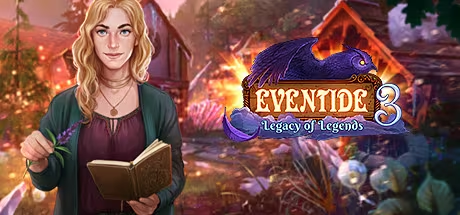
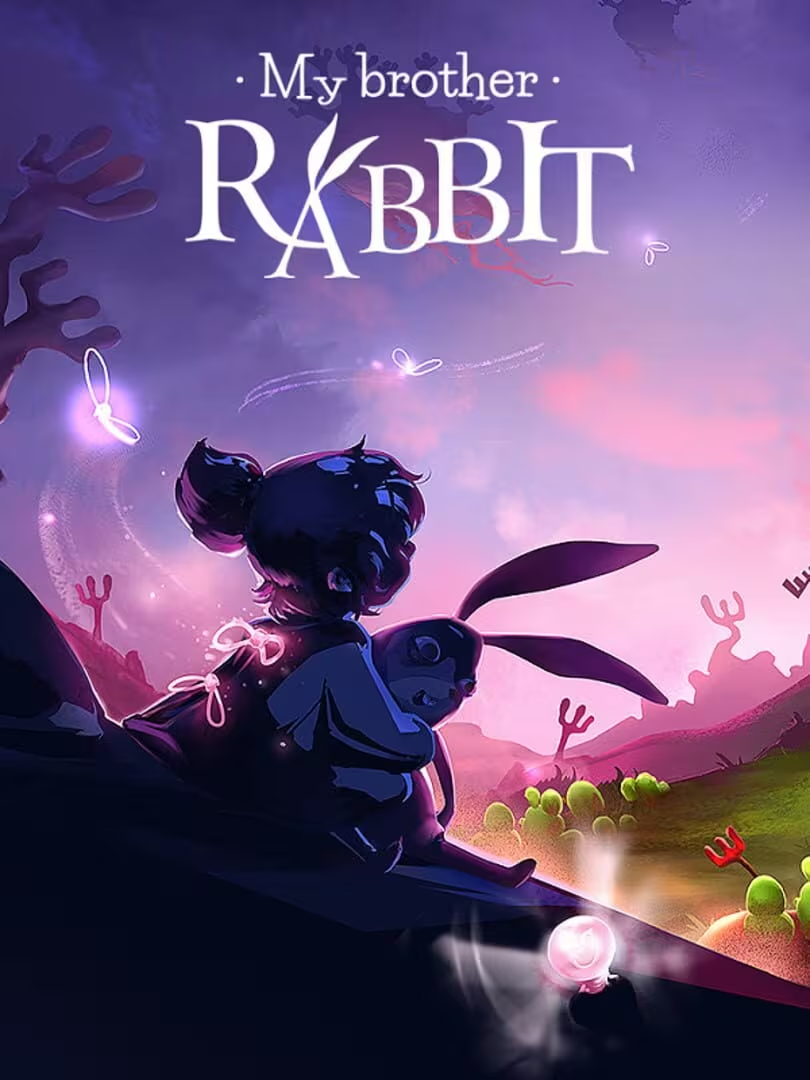
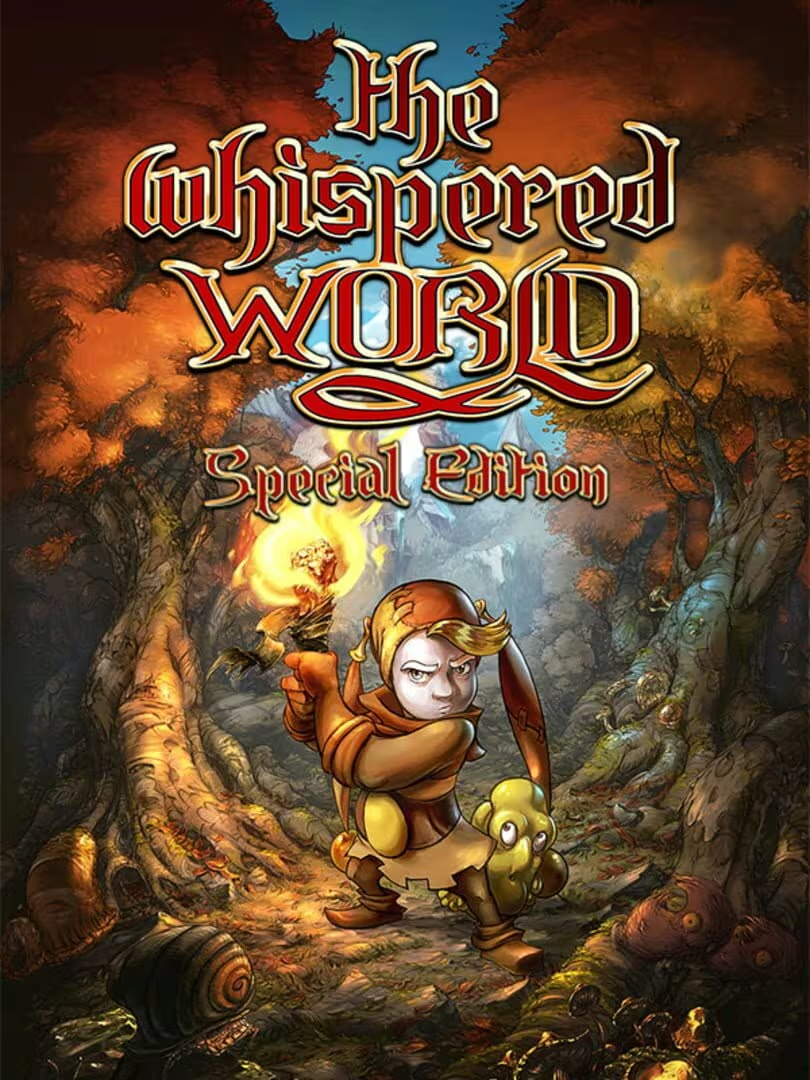
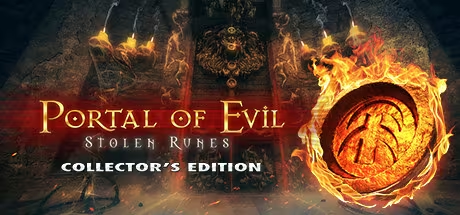
Creaks similar games & best alternatives
Creaks

PC (Microsoft Windows), Mac, iOS, Xbox One, PlayStation 4, Nintendo Switch • 2020

Related articles

Quick resume

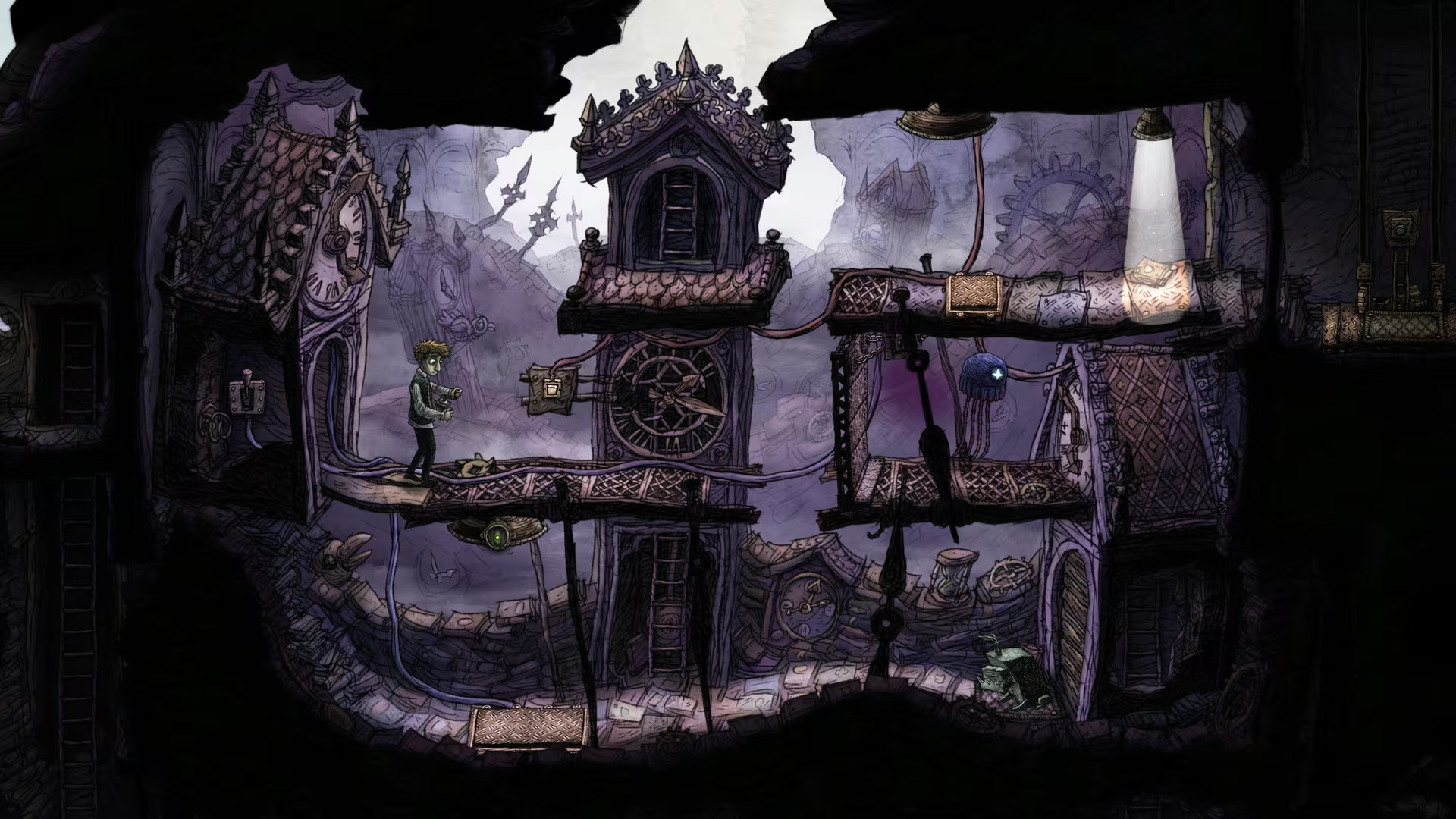
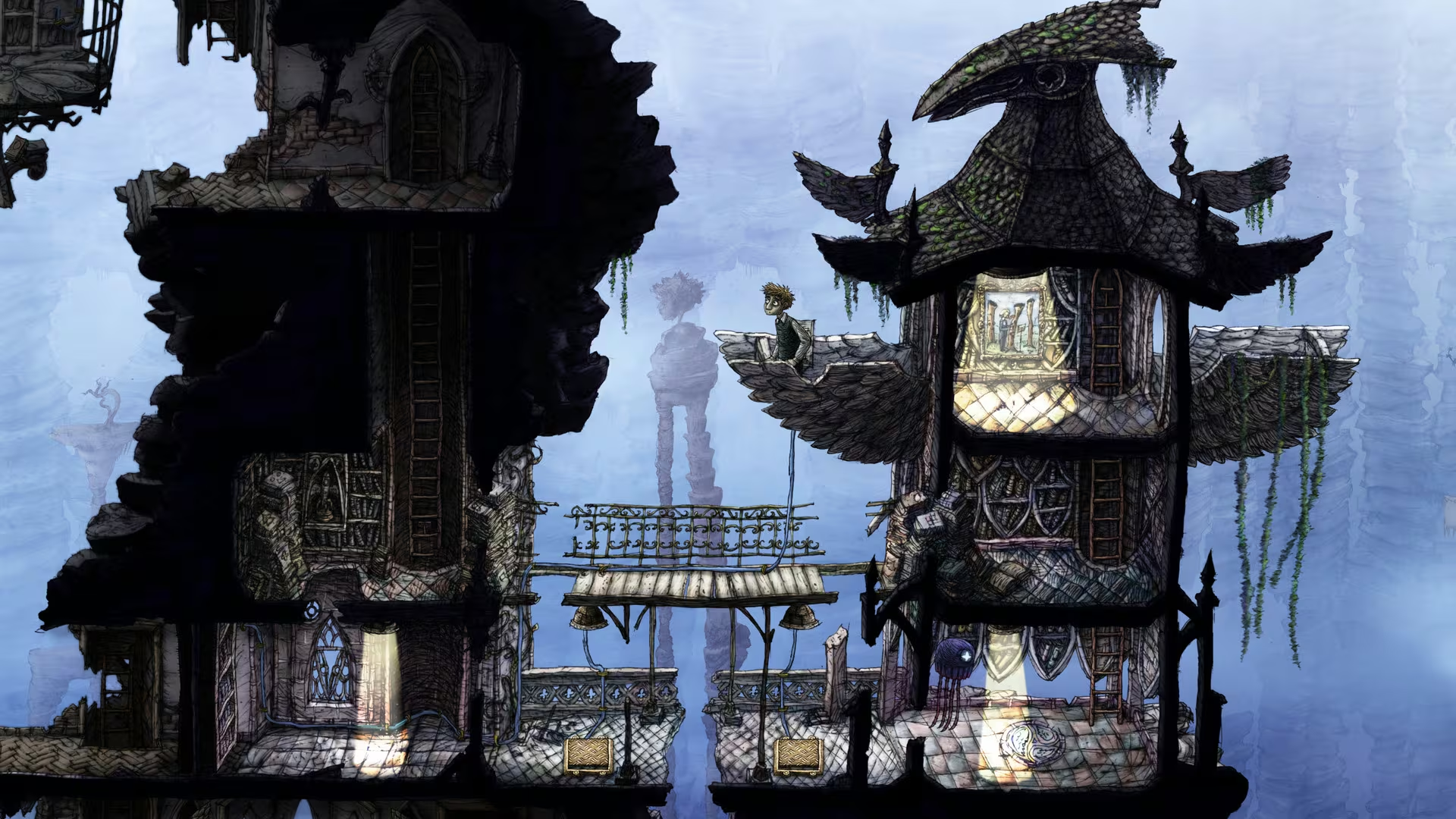
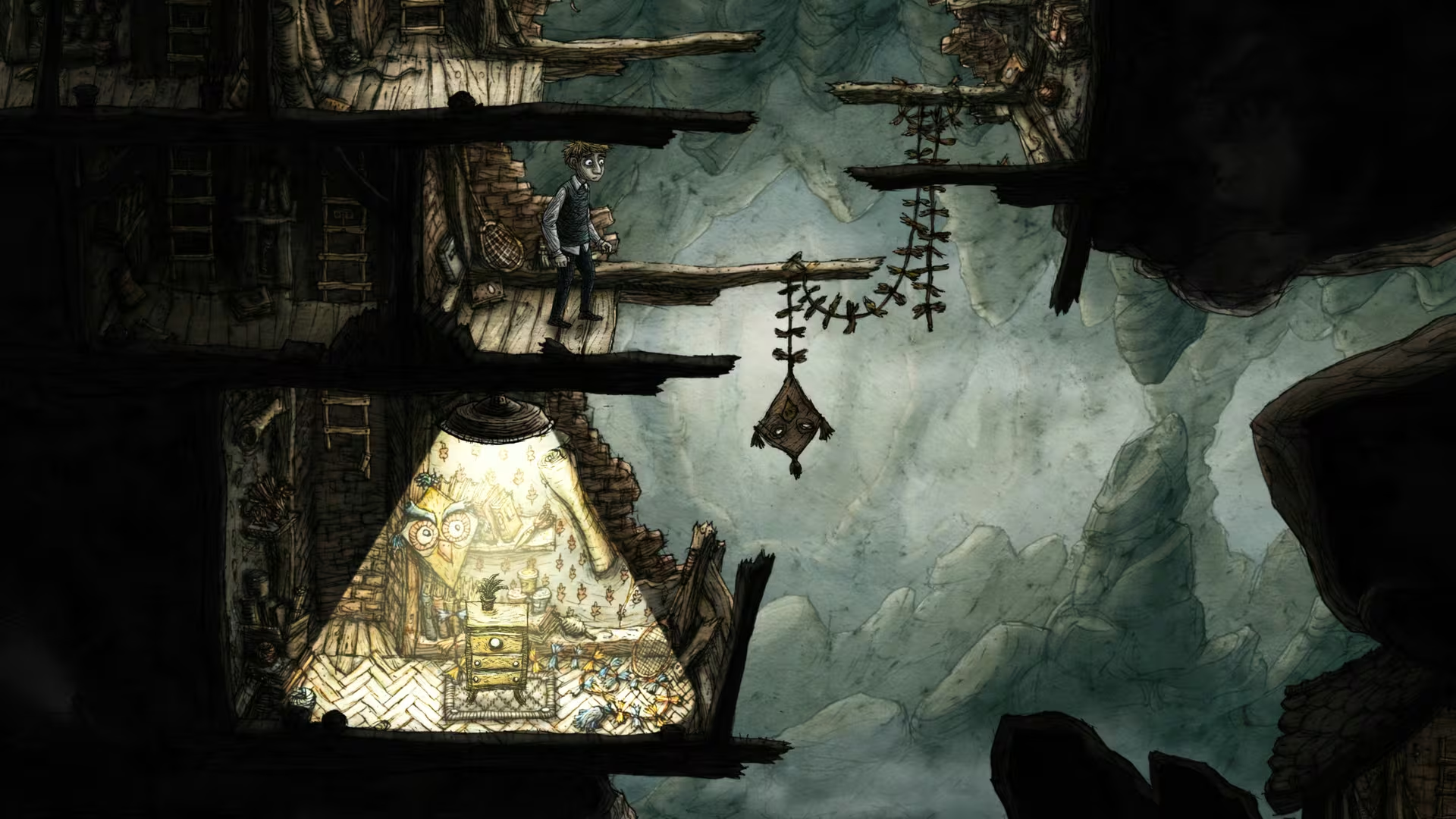
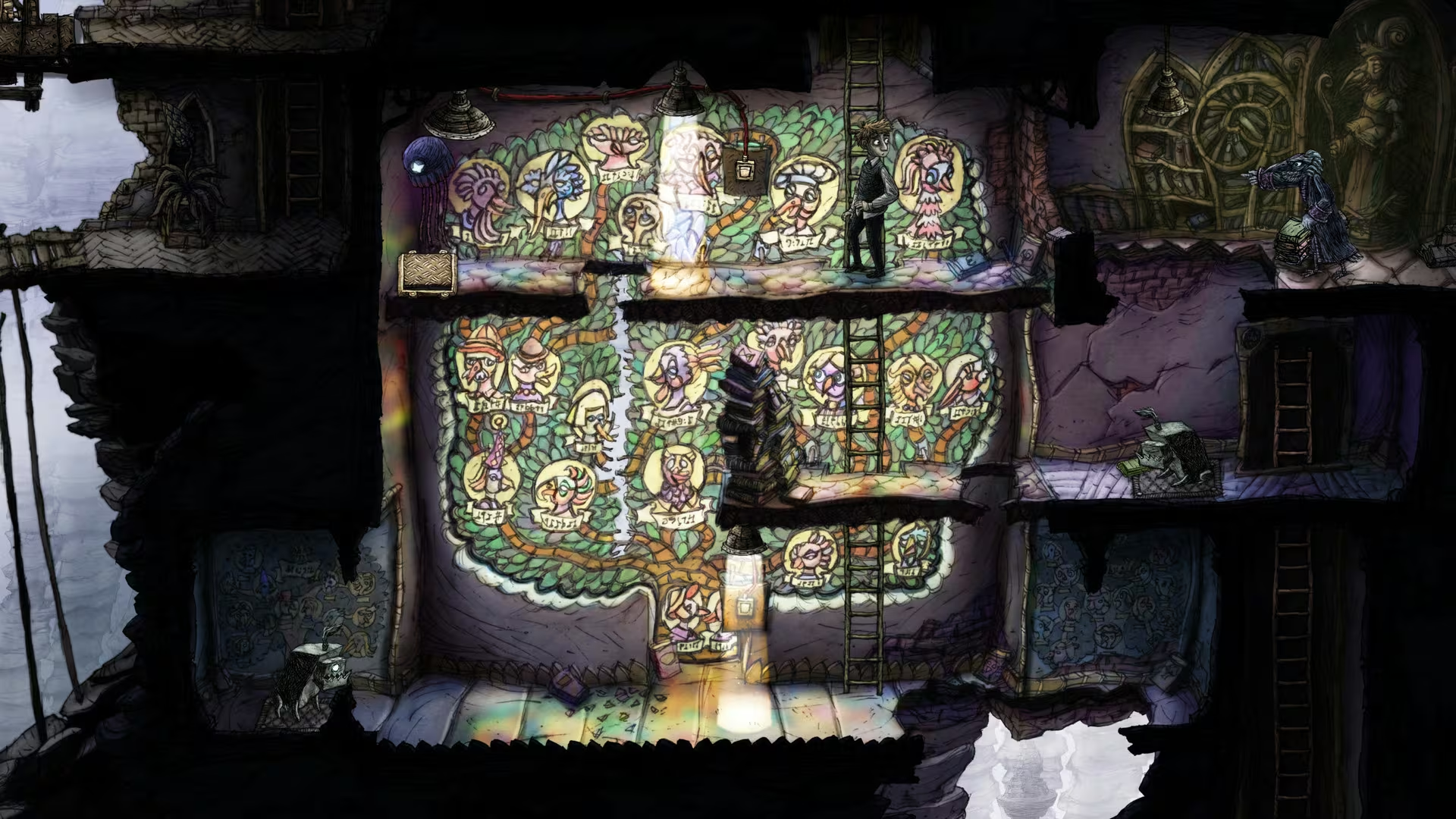
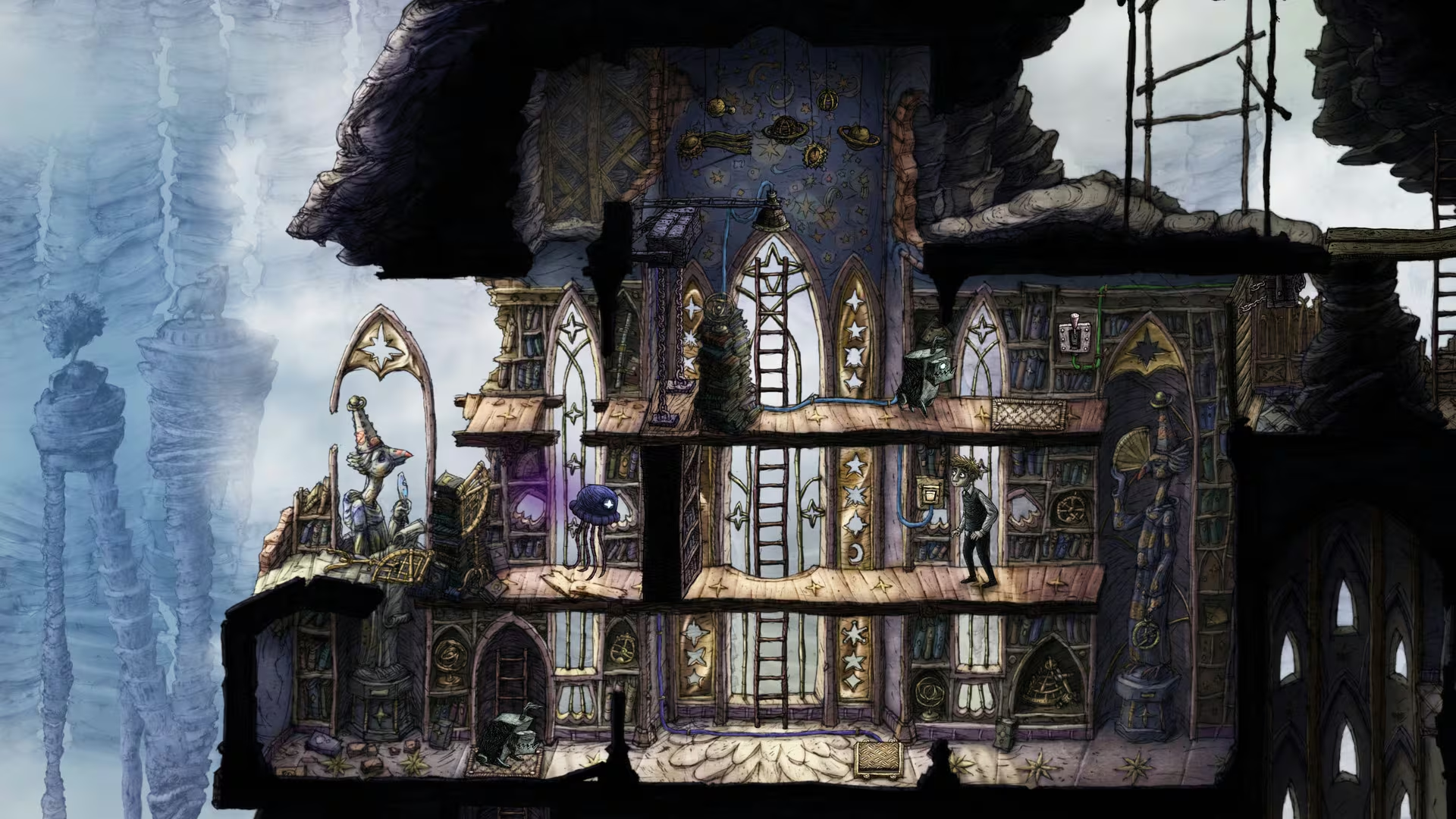
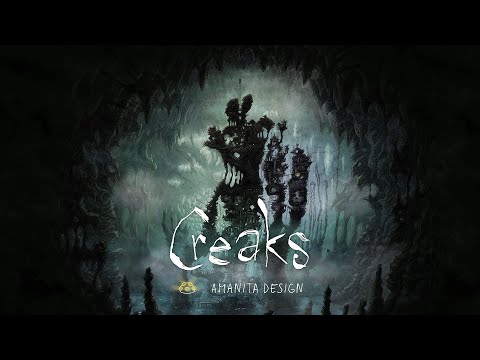
The ground starts shaking, light bulbs are breaking - and something rather unusual is happening right behind the walls of your very room. Equipped with nothing but wit and courage, you slowly descend into a world inhabited by avian folk and seemingly deadly furniture monsters.

Global score

95/100

Genres

Adventure, Casual, Indie, Point-and-click, Platform, Puzzle

Similar games

    Pros

    • Beautiful hand-drawn art and animation
    • Engaging and fair puzzle design
    • Immersive and atmospheric music
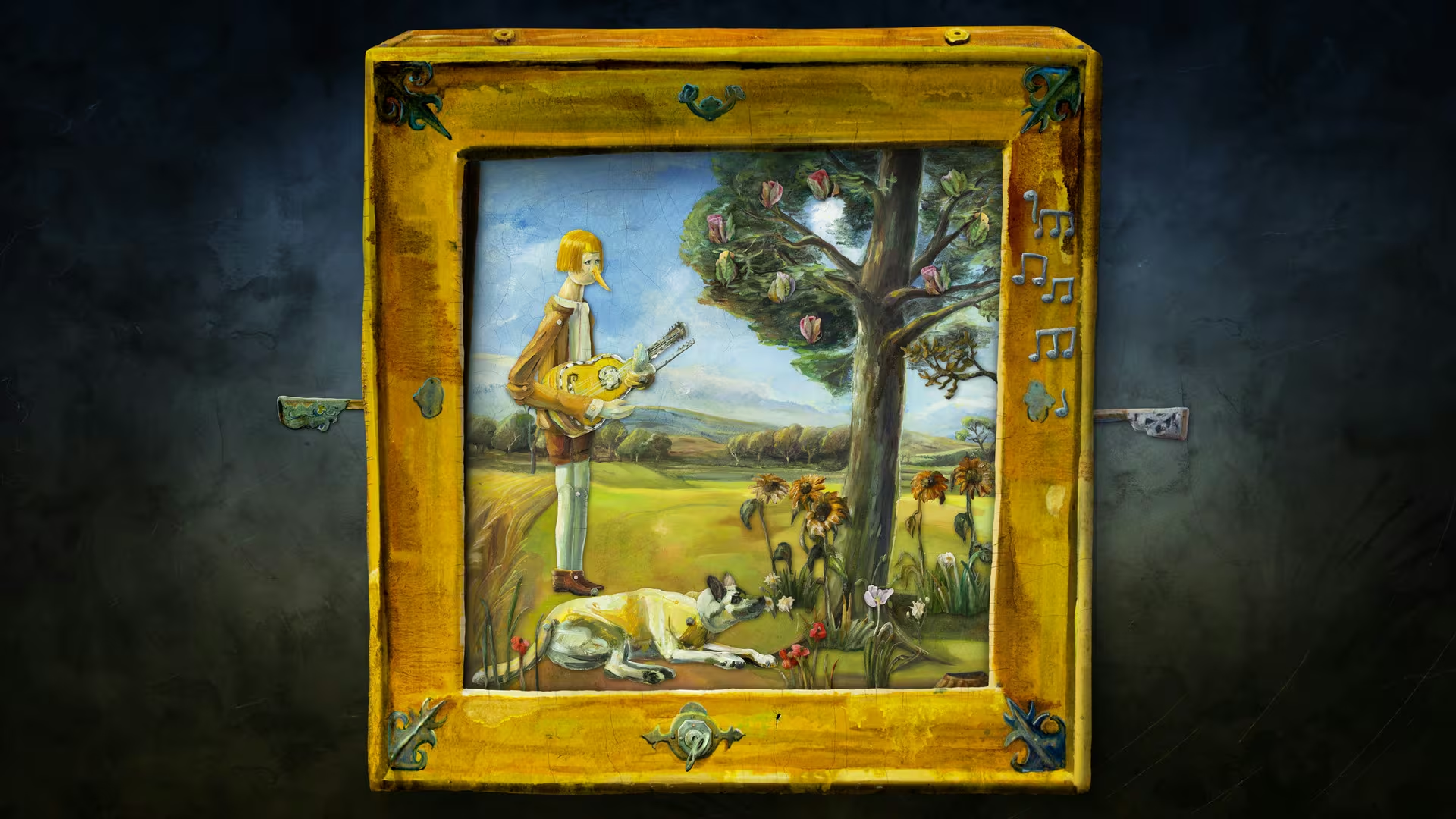
    • Unique interactive paintings and mini-games
    • Subtle and charming storytelling

    Cons

    • Linear progression with limited exploration
    • Some puzzle repetition and early monotony
    • Shorter length for completionists
    • Lack of player customization
    • No multiplayer or social features

    Analysis

    Broadly representative of its motivational profile, with a few distinct shifts. Motivations that often define this kind of title include Survival, Violence, Fellowship, Expression. Here, the score leans higher than usual among comparable games on Expression, Fantasy. It leans lower than usual among comparable games on Thrill.

    How to use the graph
    Similar games map

    Each dot is a game. They are arranged from the same motivation profile as in the “Motivations” section below. Closer dots usually mean more similar reasons to play (exploration, competition, relaxation, etc.)—not that one game is “better” than another.

    • Larger dot with a light outline: the game you are viewing.
    • Colour: groups of games with comparable motivation patterns (statistical clusters).
    • Hover a dot to see the game name; click to open its page.
    • Scroll or double-click the chart to zoom out and see more games.

    Why don’t the axes read like a score? This view uses t-SNE: it only keeps who is close to whom. The scales are not “good to bad” or hours played—they separate groups on the map. Read distance between dots, not the axis numbers.

    Motivations

    • Autonomy
      3

      "Players control the character directly and solve puzzles with freedom in approach, though progression is linear through puzzle rooms."

    • Competence
      4

      "Puzzles provide a satisfying challenge with a fair difficulty curve and rewarding problem solving."

    • Competition
      -4

      "Focus is on individual puzzle solving at personal pace without competitive elements."

    • Continuation
      3

      "Players tend to engage in multiple sessions and revisit puzzles or paintings, showing attachment and replay interest."

    • Cooperation
      -5

      "Entirely single-player experience with no multiplayer or cooperative gameplay."

    • Creativity
      4

      "Strong emphasis on artistic creation, hand-drawn visuals, and interactive paintings; players engage with unique puzzle mechanics."

    • Domination
      -5

      "No elements of exerting control or superiority over others; cooperative and equal interactions are absent."

    • Escapism
      4

      "Immersive fantasy world and atmospheric experience provide a strong escape from reality."

    • Expectation
      -4

      "Players engage voluntarily out of intrinsic interest and appreciation for puzzles and art."

    • Experimenting
      3

      "Players explore puzzle mechanics and interactive elements, experimenting with solutions and game features."

    • Exploration
      2

      "Some exploration of interconnected rooms and hidden paintings, though overall progression is linear."

    • Expression
      2

      "Limited player customization, but interactive paintings and art style allow some personal engagement."

    • Fantasy
      5

      "Strongly imaginative and surreal fantasy setting with nonverbal storytelling and whimsical characters."

    • Fellowship
      -5

      "No social or community features; strictly a solo experience."

    • Growth
      3

      "Players develop puzzle-solving skills and understanding of mechanics progressively."

    • Health
      -5

      "Typical sedentary gameplay with no physical activity or health-related features."

    • Idle
      -3

      "Requires focused attention and problem solving; not designed for idle or background play."

    • Intimacy
      -5

      "No social or emotional relationship building; interactions are limited to game characters."

    • Leadership
      -5

      "No leadership or group management elements; single-player puzzle focus."

    • Progression
      3

      "Progression through puzzles and unlocking paintings and achievements provides a sense of advancement."

    • Relaxation
      4

      "Atmospheric music and art create a calming experience balanced with engaging puzzles."

    • Sensation
      4

      "Rich sensory experience through detailed visuals, animations, and adaptive music."

    • Status
      -5

      "No social recognition or status systems present."

    • Story
      3

      "Narrative is subtle and conveyed nonverbally through environment and characters, providing moderate story immersion."

    • Strategy
      3

      "Puzzles require logical thinking, planning, and problem solving, though not deeply complex."

    • Thrill
      -2

      "Low suspense or risk; gameplay is calm and puzzle-focused rather than thrilling."

    • Value
      3

      "Players generally feel the game offers good value for its price and playtime."

    • Violence
      -5

      "No violent or destructive gameplay; focus is on puzzle solving and interaction."

    • Survival
      -4

      "Minimal threat or failure conditions; gameplay is low-risk and puzzle oriented."

    Last update: 29/04/2026