Dale & Dawson Stationery Supplies Thumbnail

Dale & Dawson Stationery Supplies similar games & best alternatives

Dale & Dawson Stationery Supplies

PC (Microsoft Windows) • 2024

Related articles

Quick resume

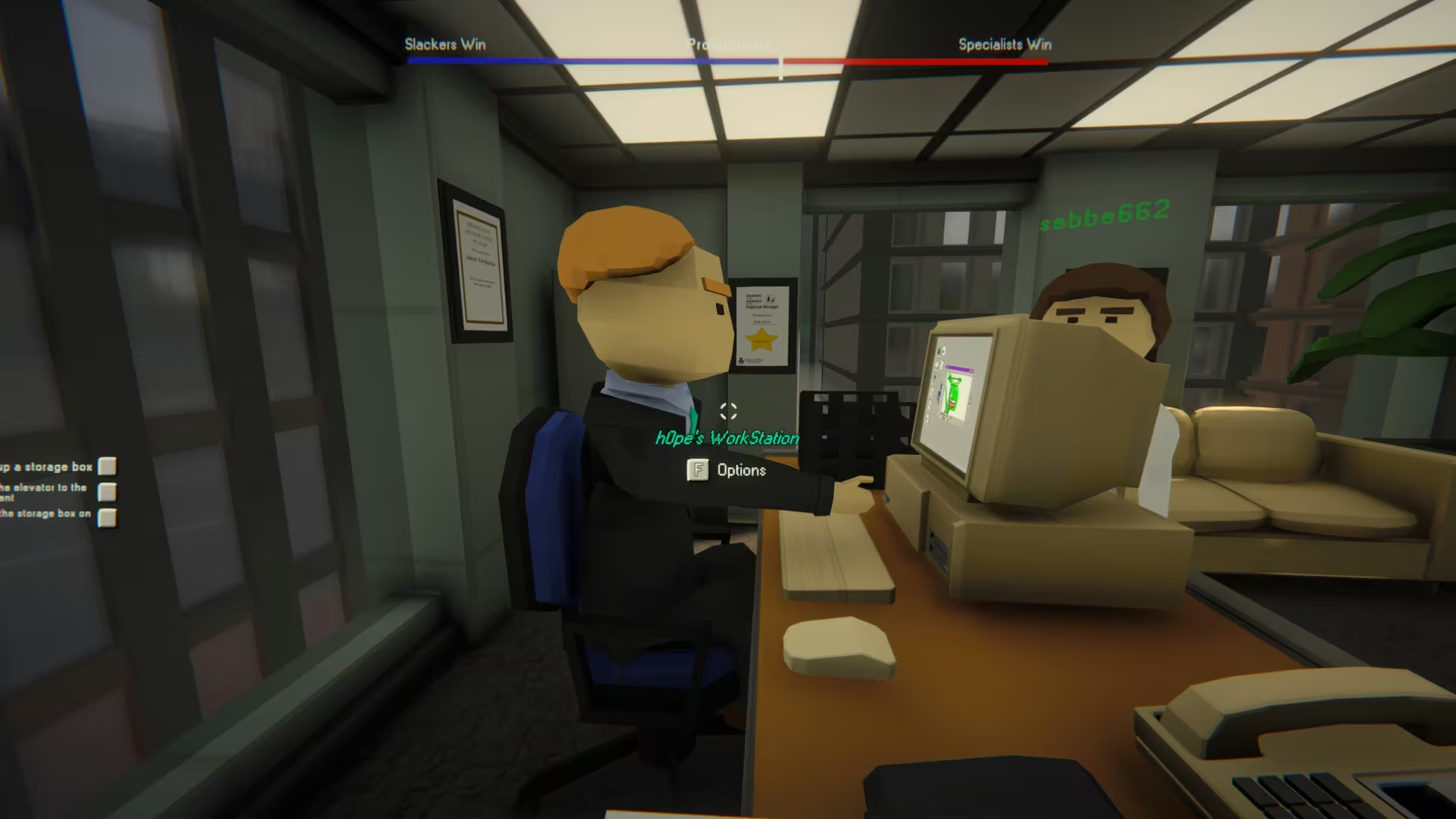
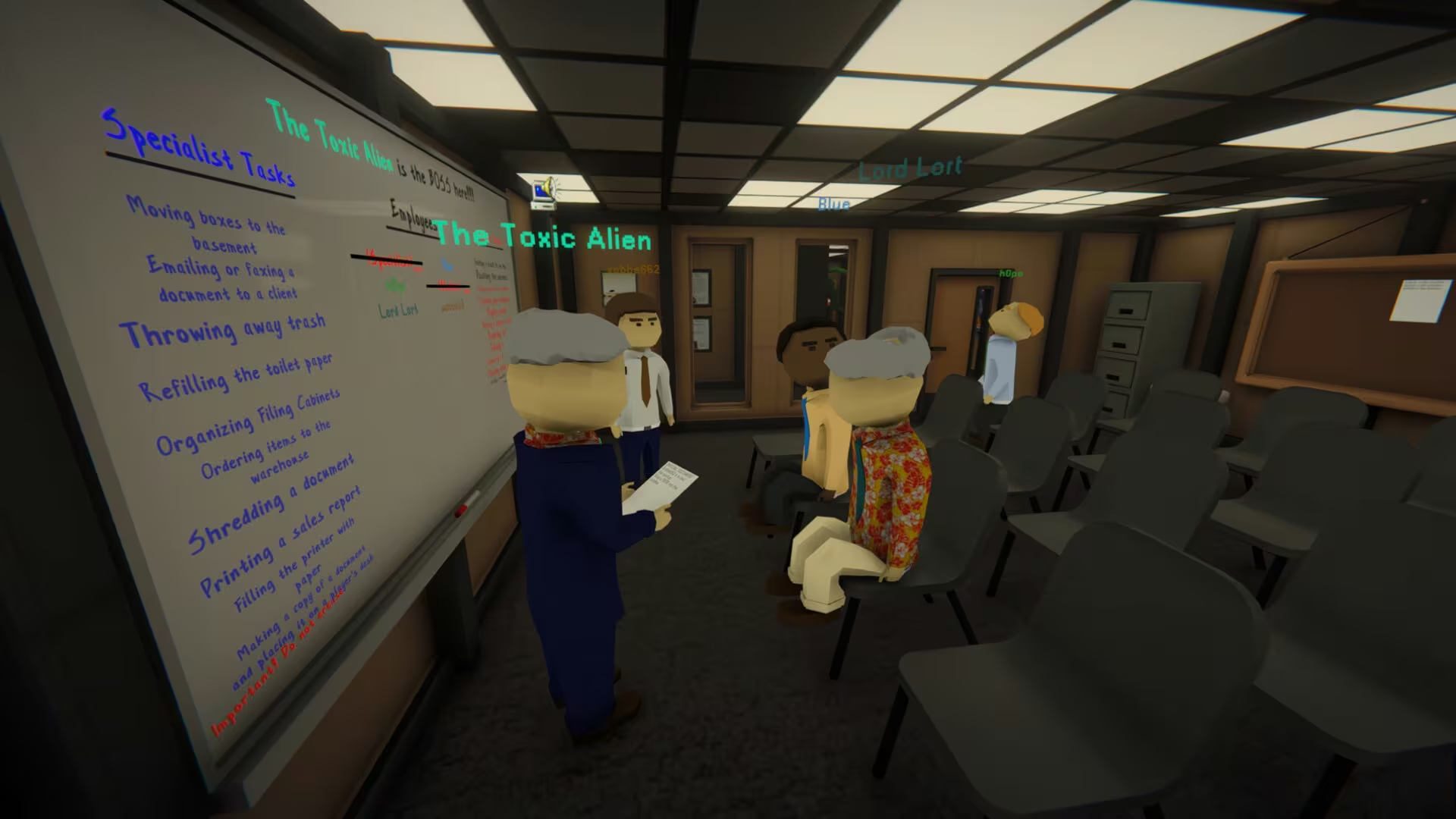
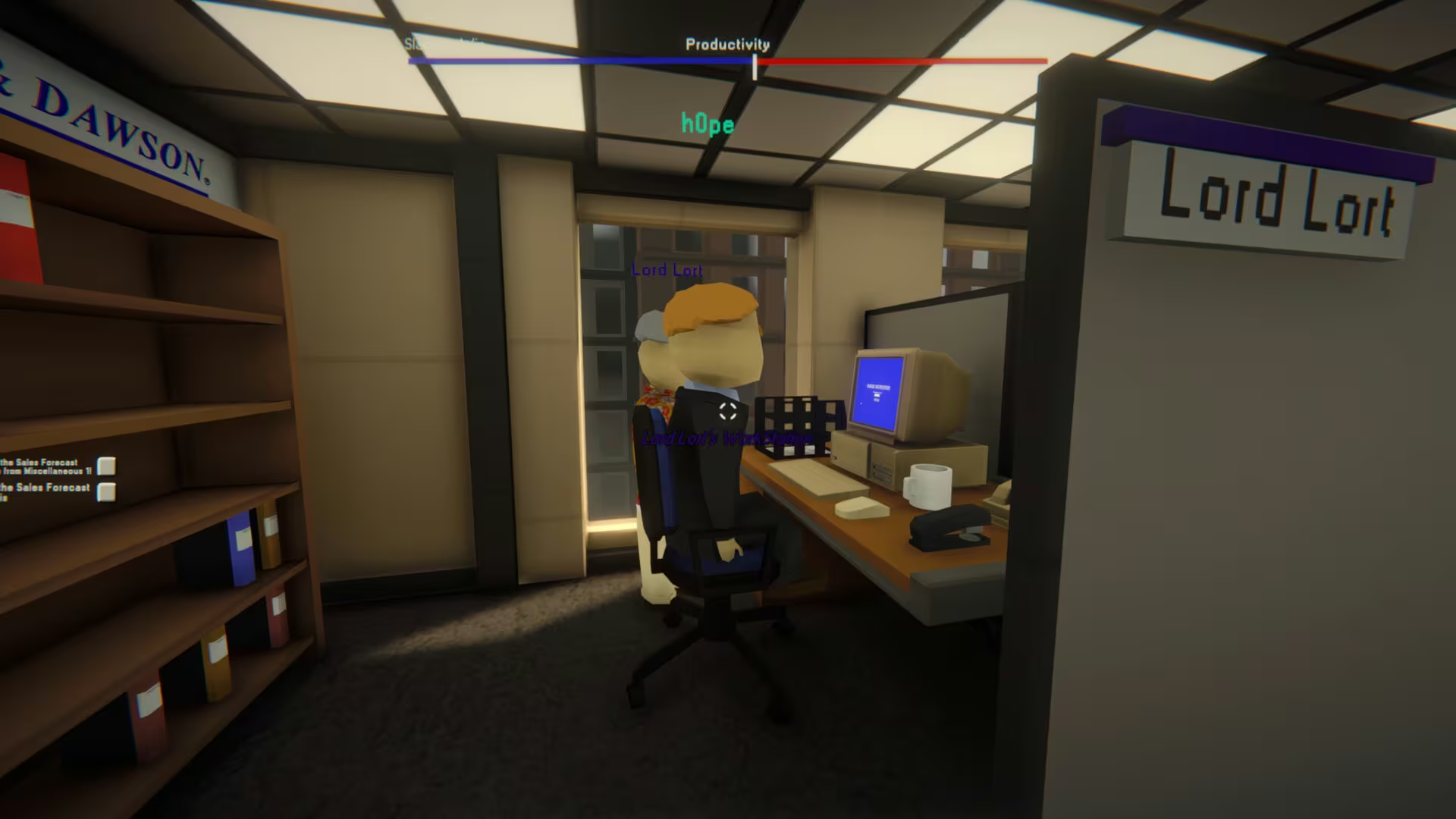
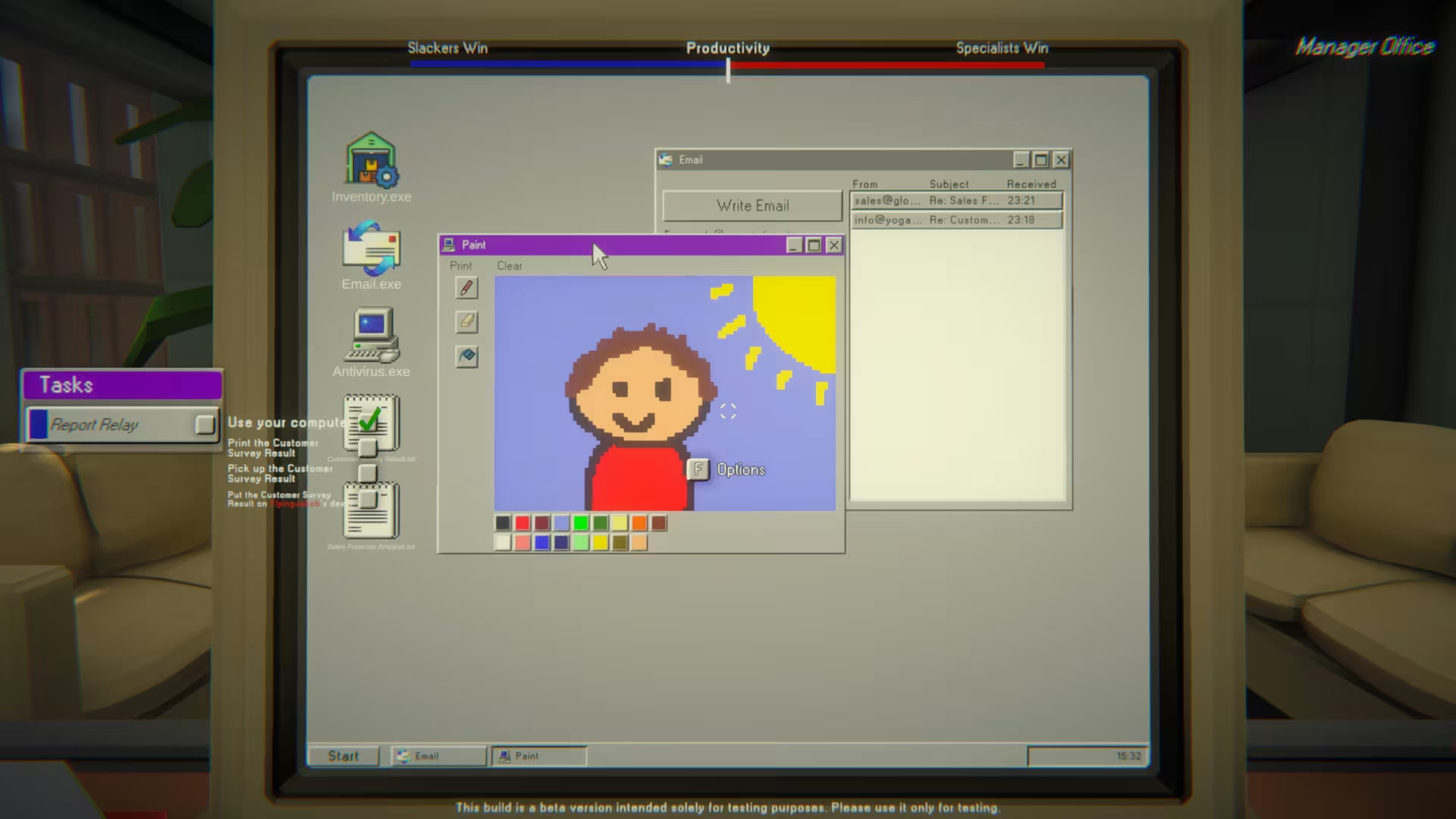
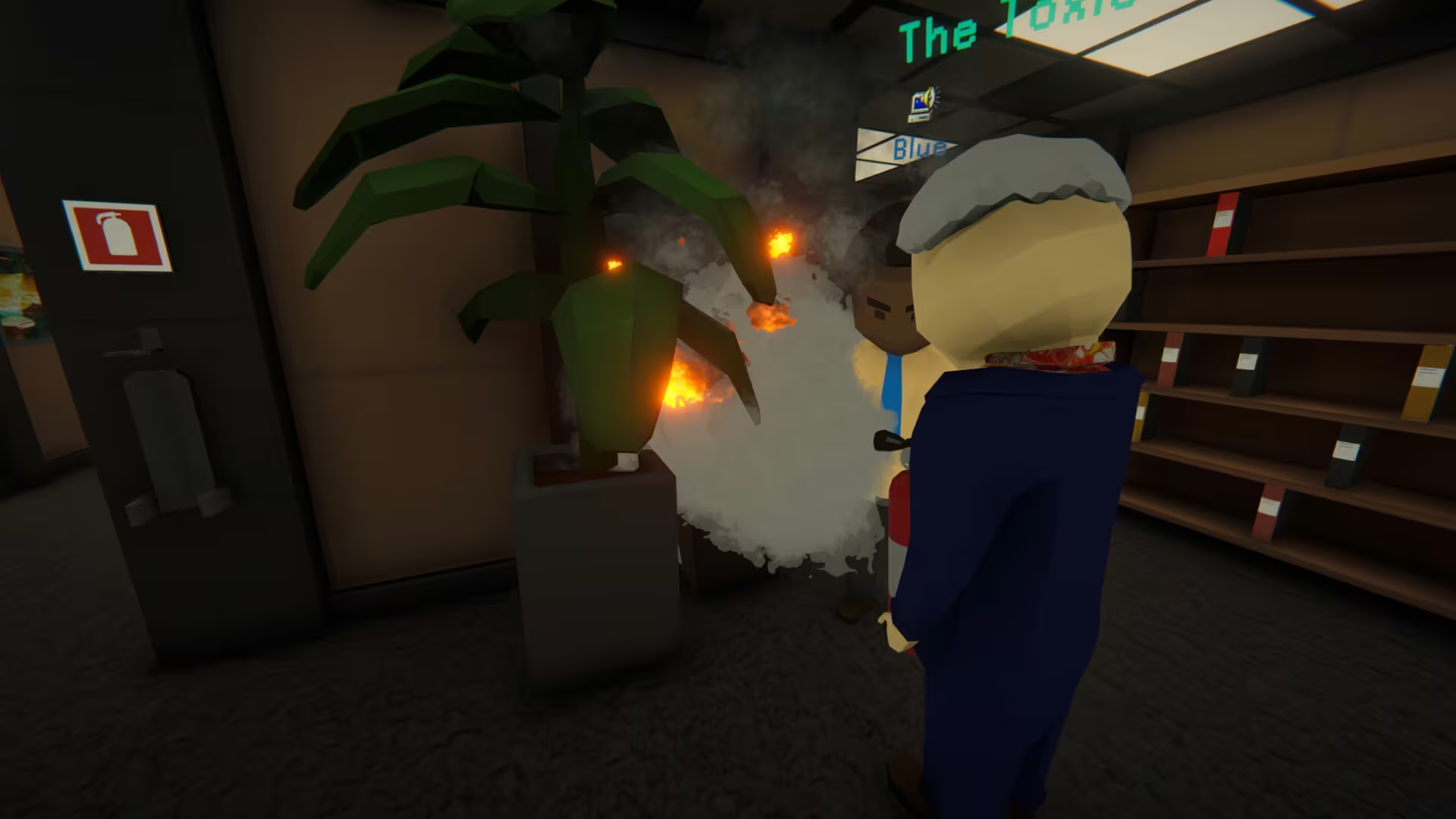
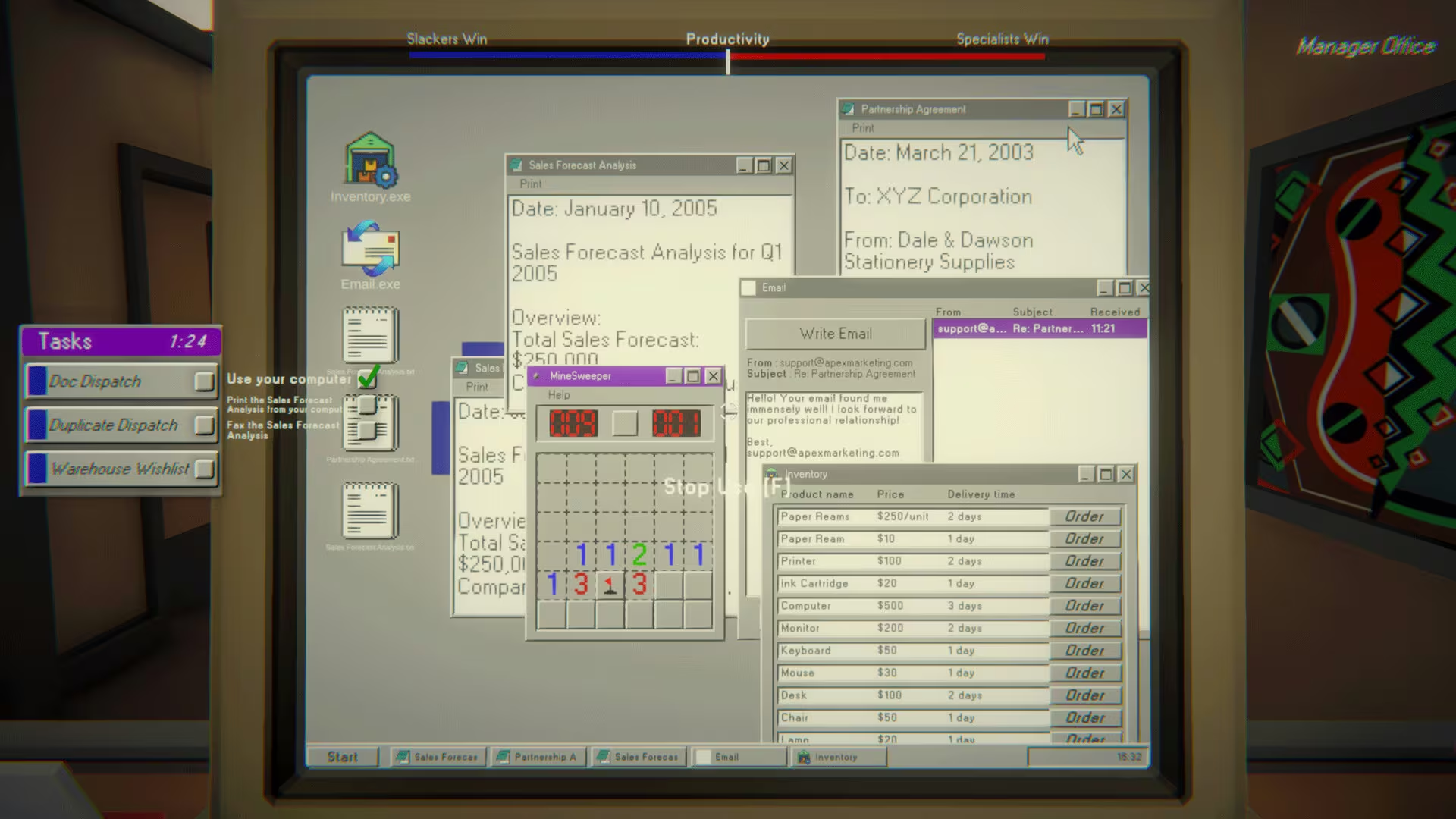
In "Dale & Dawson Stationery Supplies," play as a Manager, Specialist, or Slacker in an office setting. Slackers blend in, mimicking Specialists to avoid the Manager's suspicion. Uncover or cause deception to win.

Global score

92/100

Genres

Casual, Role-playing (RPG), Strategy, Indie

Similar games

    Pros

    • Fun and innovative social deduction gameplay
    • Strong roleplay and emergent storytelling
    • Good value for price
    • Enjoyable with friends
    • Frequent developer updates and community engagement

    Cons

    • Toxic and harassing behavior in public lobbies
    • Lack of moderation tools initially
    • Bugs and occasional crashes
    • Limited map variety and tasks
    • Some ui clunkiness

    Analysis

    Less representative of its motivational profile, with noticeable differences. Motivations that often define this kind of title include Competition, Fellowship, Domination, Status. Here, the score leans higher than usual among comparable games on Story. It leans lower than usual among comparable games on Violence, Progression.

    How to use the graph
    Similar games map

    Each dot is a game. They are arranged from the same motivation profile as in the “Motivations” section below. Closer dots usually mean more similar reasons to play (exploration, competition, relaxation, etc.)—not that one game is “better” than another.

    • Larger dot with a light outline: the game you are viewing.
    • Colour: groups of games with comparable motivation patterns (statistical clusters).
    • Hover a dot to see the game name; click to open its page.
    • Scroll or double-click the chart to zoom out and see more games.

    Why don’t the axes read like a score? This view uses t-SNE: it only keeps who is close to whom. The scales are not “good to bad” or hours played—they separate groups on the map. Read distance between dots, not the axis numbers.

    Motivations

    • Autonomy
      4

      "Players have freedom to roleplay, choose actions like pranks, tasks, and social interactions with few fixed routines."

    • Competence
      2

      "Game involves completing tasks and social deduction, requiring some skill and strategy but also includes chaotic and unpredictable player behavior."

    • Competition
      3

      "There is a competitive element in identifying slackers and managing office politics, but focus is often on social interaction rather than pure competition."

    • Continuation
      4

      "Players report long sessions, habitual play, and repeated engagement especially with friends."

    • Cooperation
      3

      "Players cooperate to complete office tasks and manage productivity, though there is also deception and sabotage."

    • Creativity
      4

      "Strong creative expression through roleplay, drawing, pranks, and emergent storytelling."

    • Domination
      2

      "Manager role allows some authority and control, but interactions often emphasize playful social dynamics rather than harsh domination."

    • Escapism
      4

      "Players use the game to escape real life stress through humor, roleplay, and social interaction."

    • Expectation
      -3

      "Players engage voluntarily for fun and social reasons rather than obligation or pressure."

    • Experimenting
      4

      "Players frequently try new social strategies, pranks, and roleplay scenarios."

    • Exploration
      1

      "Some exploration of office environment and tasks, but maps and settings are limited."

    • Expression
      4

      "Customization and self-expression through character roleplay, drawing, and social behavior."

    • Fantasy
      2

      "Game is grounded in a realistic office setting but with exaggerated and humorous fictional elements."

    • Fellowship
      4

      "Strong sense of community and social bonding, especially when playing with friends."

    • Growth
      2

      "Some learning and skill development in social deduction and roleplay, but limited formal progression."

    • Health
      -4

      "Game is sedentary with no physical activity; some players report long hours of play."

    • Idle
      -3

      "Requires active attention and social interaction; not suited for background or idle play."

    • Intimacy
      1

      "Some close social interactions and roleplay relationships, but also surface-level and toxic interactions reported."

    • Leadership
      3

      "Manager role involves leading and decision-making, though leadership can be challenged or undermined."

    • Progression
      1

      "Some task completion and role advancement (e.g. promotions), but no deep item or upgrade systems."

    • Relaxation
      2

      "Players find humor and flow in social interactions, though some tension from toxic players exists."

    • Sensation
      2

      "Enjoyment from humorous and chaotic social situations; moderate sensory stimulation."

    • Status
      2

      "Recognition through social roles like manager or promotions, but limited formal status systems."

    • Story
      4

      "Strong emergent narrative and roleplay-driven storylines created by players."

    • Strategy
      3

      "Social deduction and tactical deception require mental challenge and planning."

    • Thrill
      3

      "Suspense from social deception, risk of being fired, and chaotic events create excitement."

    • Value
      4

      "Players report high enjoyment and value for the low price, especially with friends."

    • Violence
      -4

      "No combat or destruction; gameplay centers on social interaction and office tasks."

    • Survival
      3

      "Players must avoid being fired and manage social threats to stay in the game."

    Last update: 29/04/2026