Democracy 3 Africa Thumbnail

Democracy 3 Africa similar games & best alternatives

Democracy 3 Africa

PC (Microsoft Windows), Mac • 2016

Related articles

Quick resume

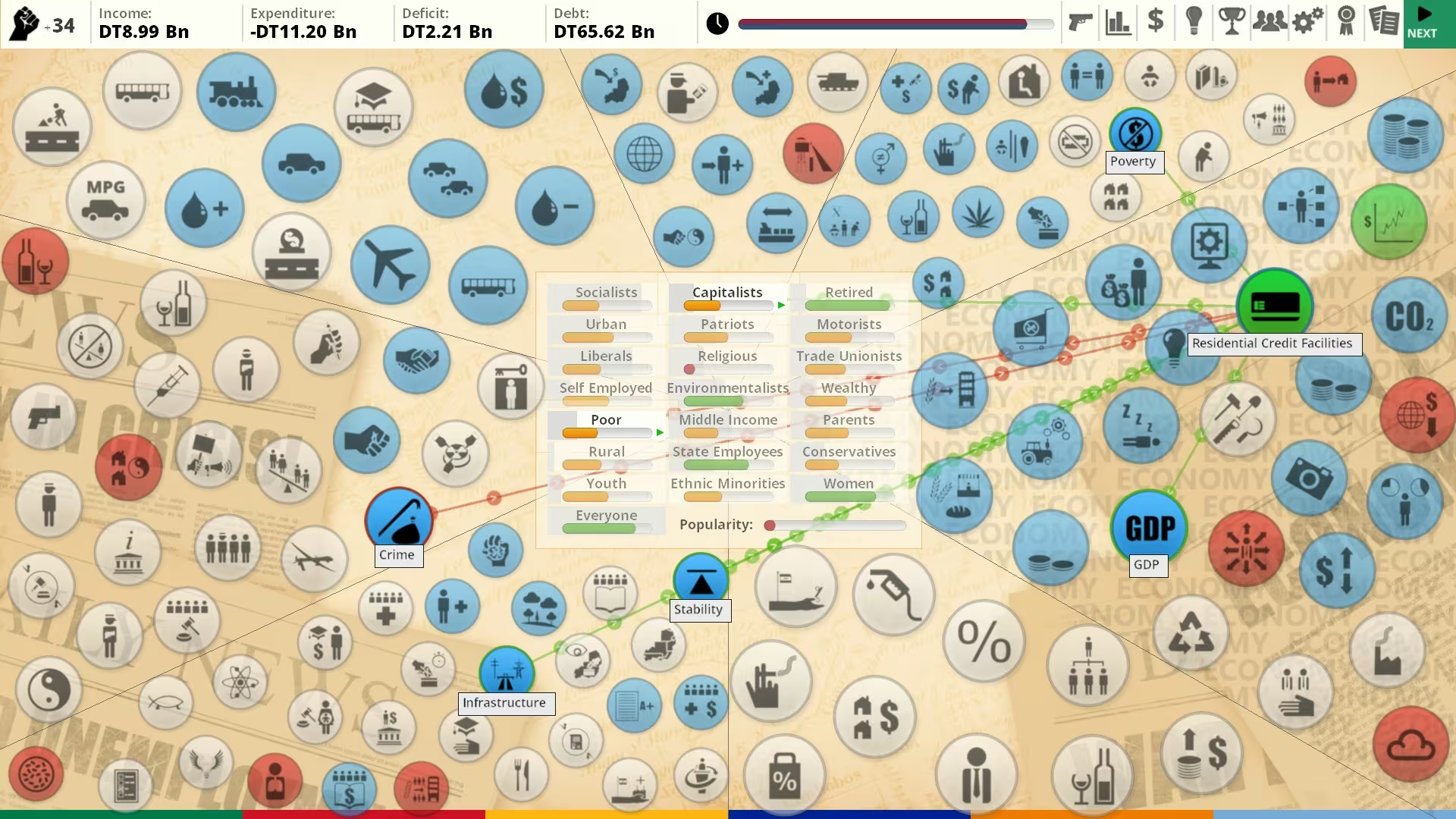
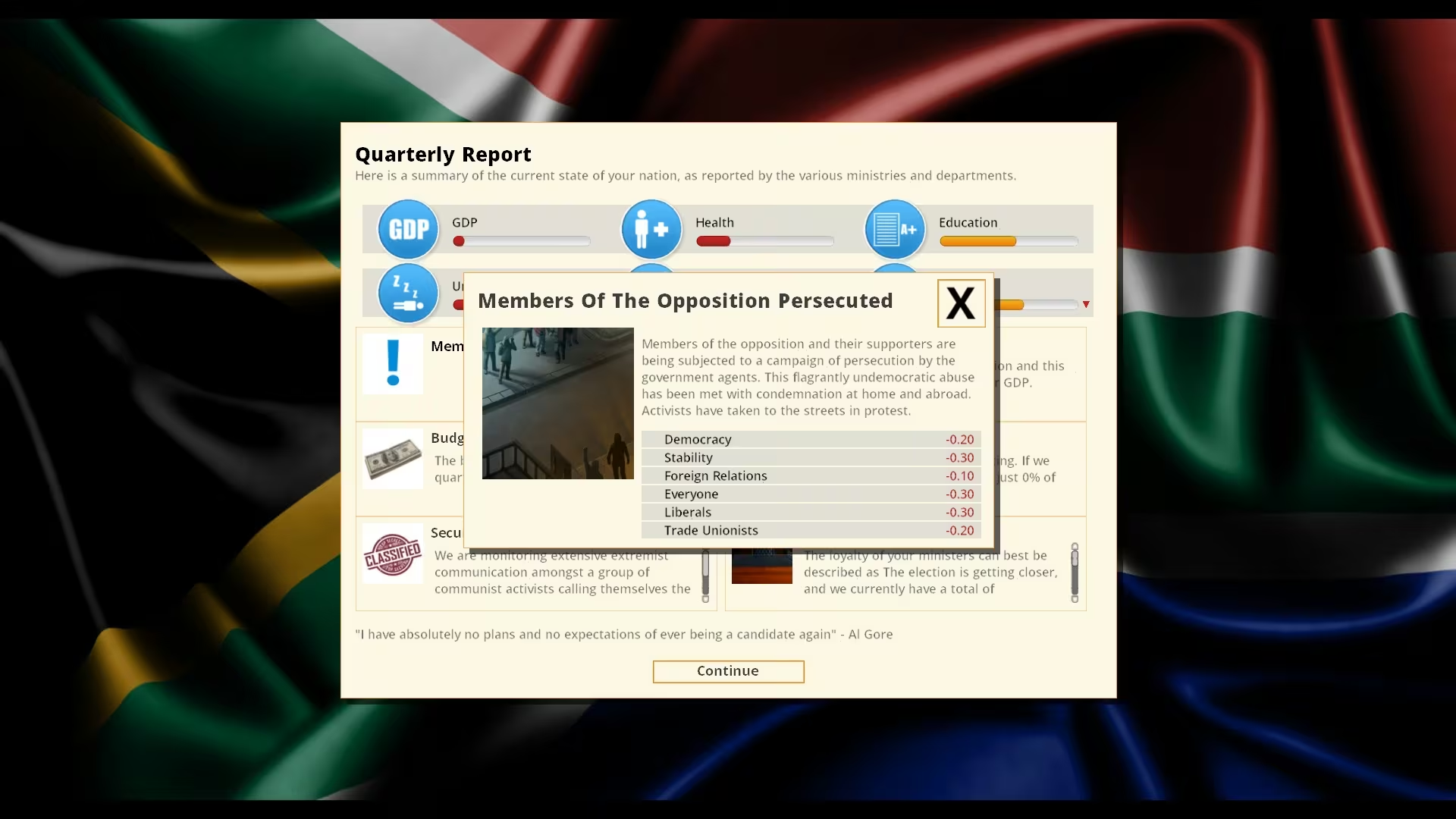
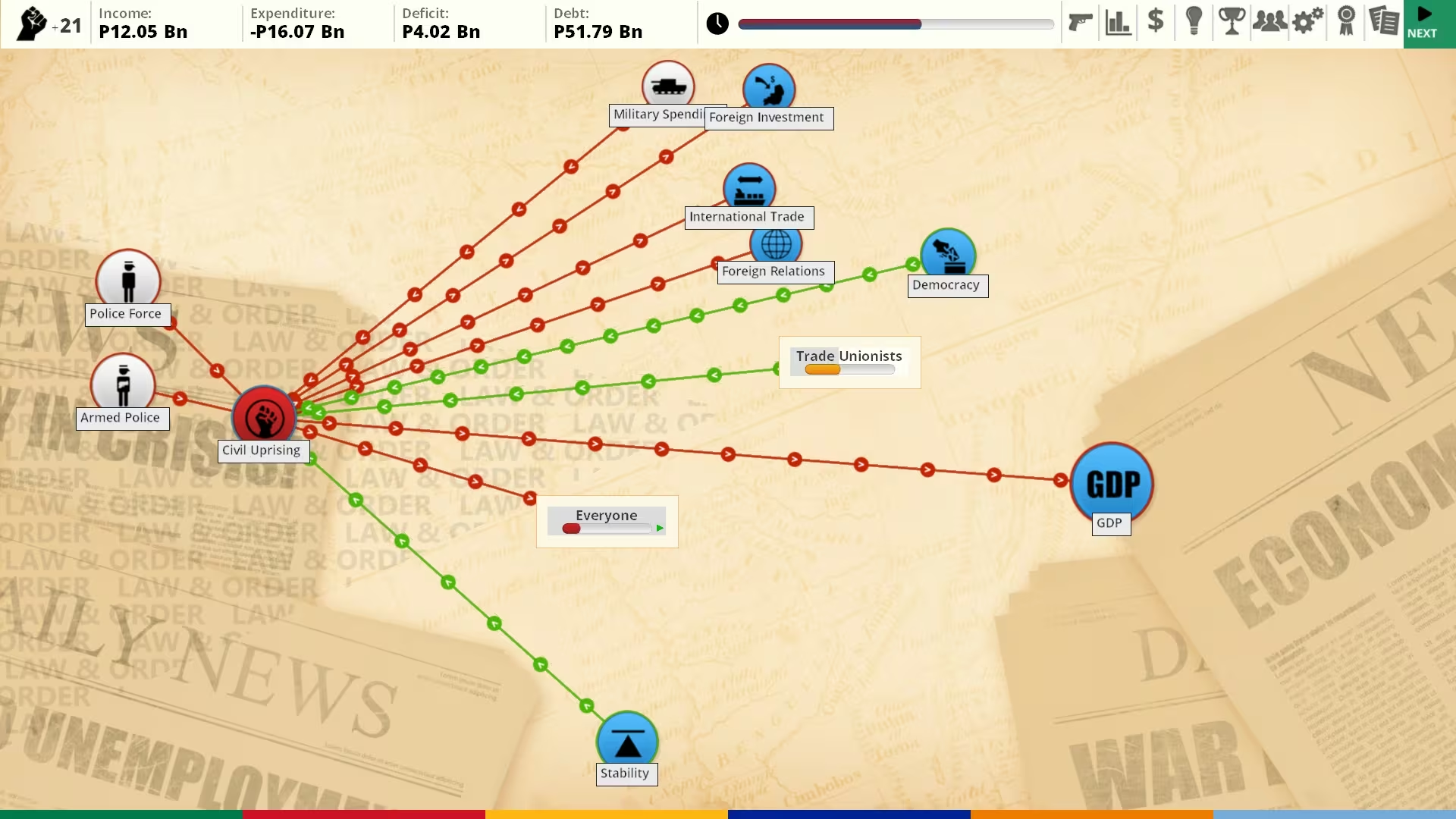
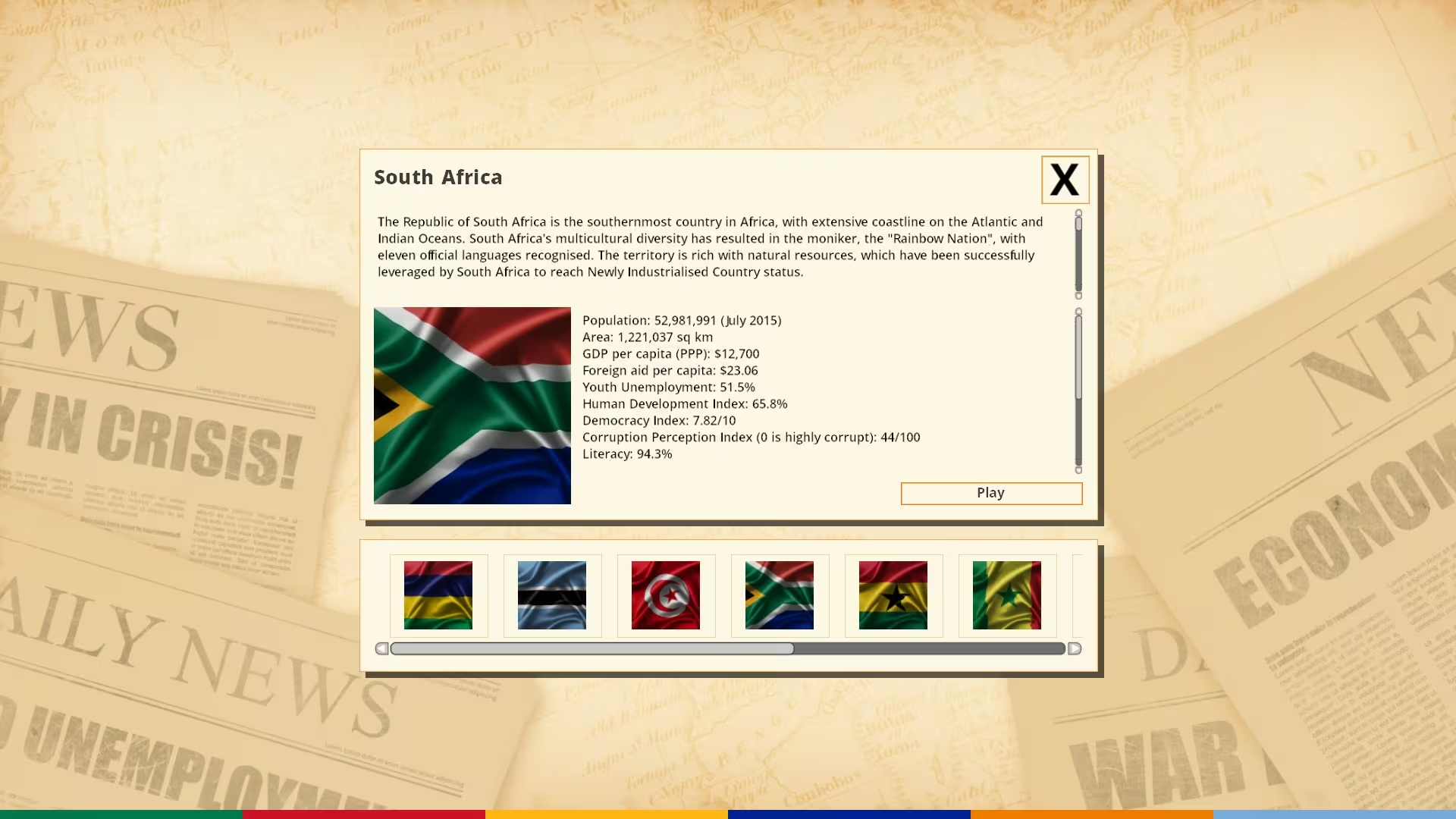
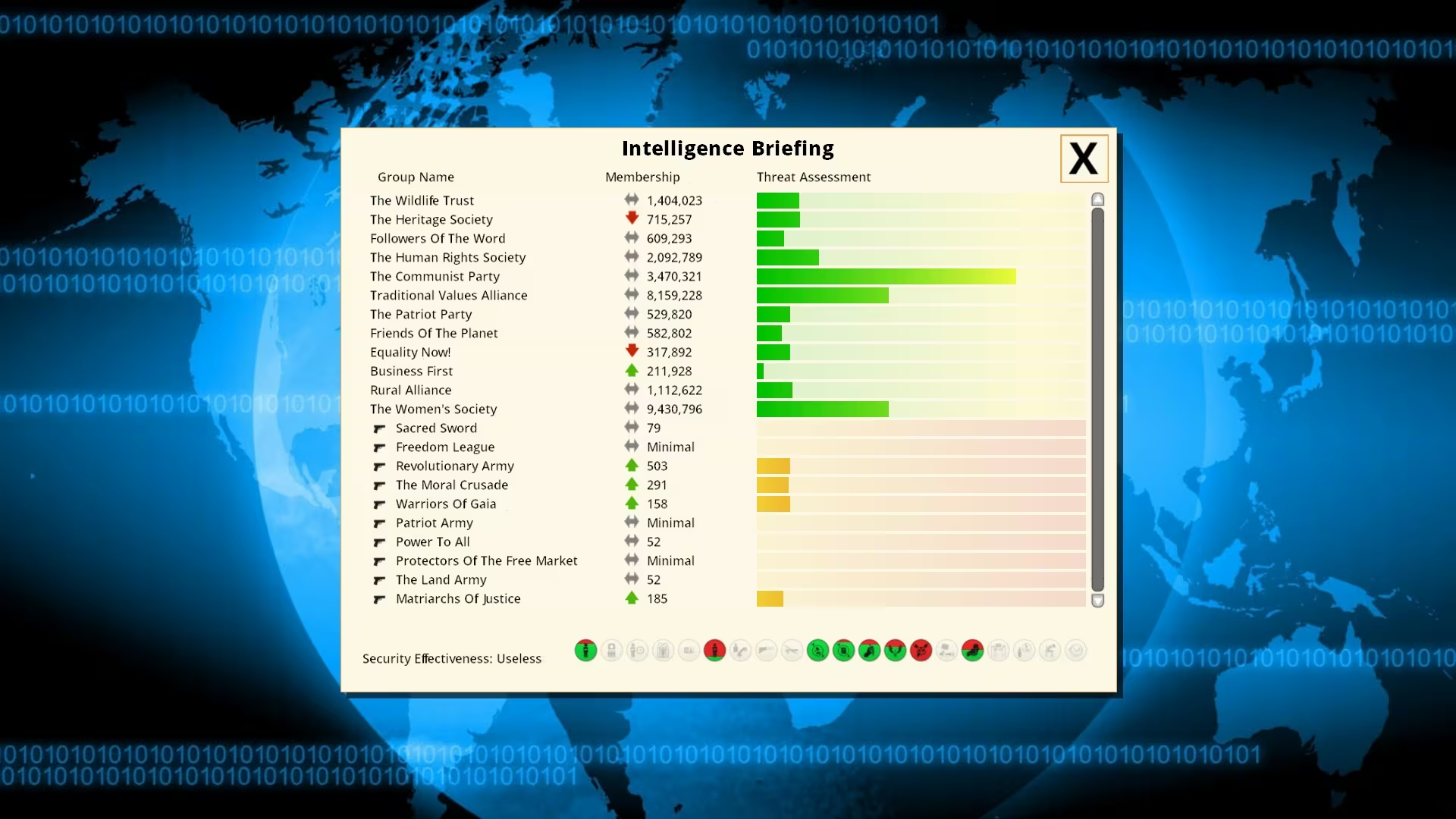
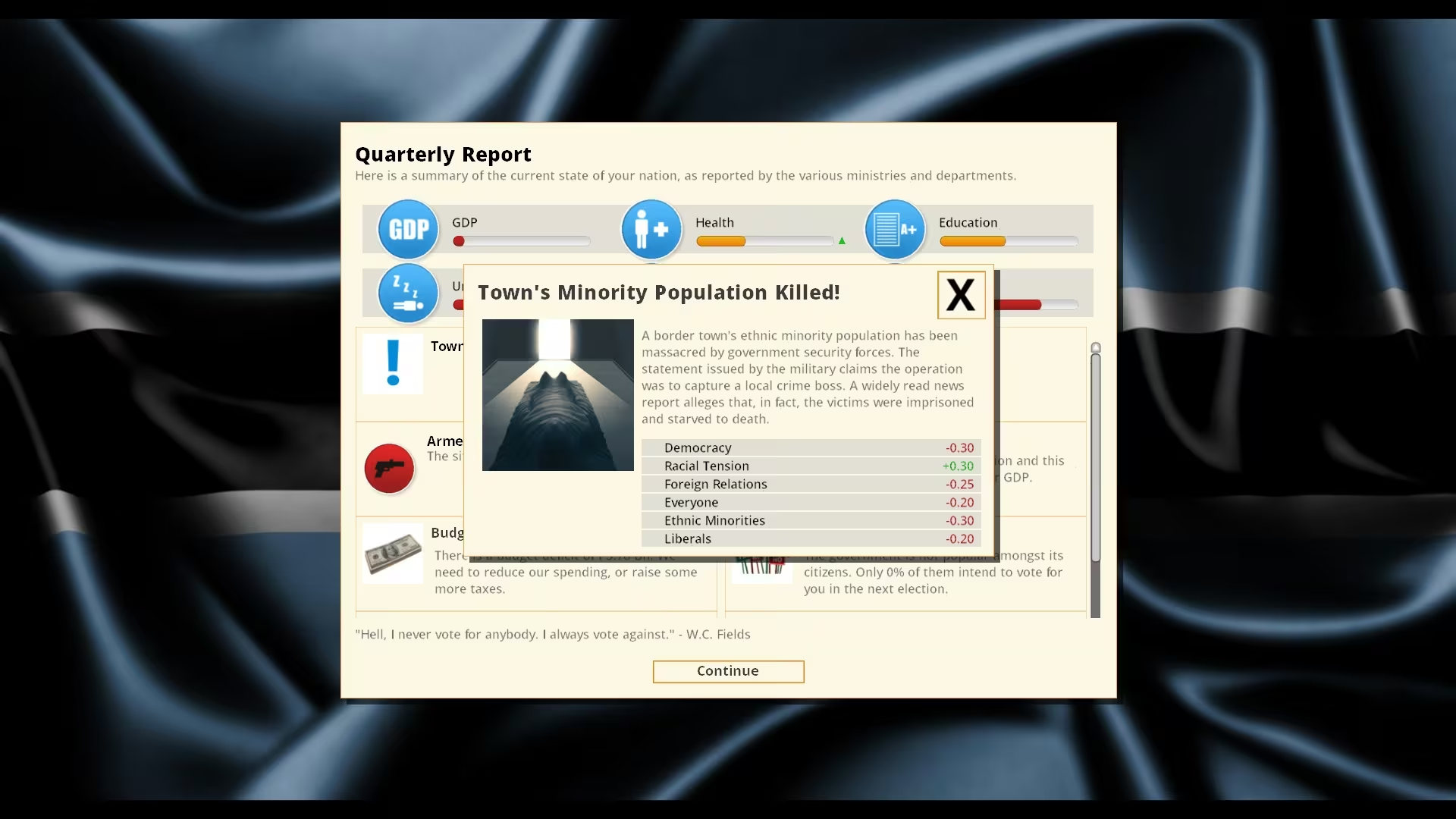
Democracy 3: Africa is the new standalone 're-imagining' of the hit political strategy game 'Democracy 3'. Set entirely in countries on the continent of Africa, D3:A puts you in charge of these countries and challenges you to stay in power whilst fixing each country's problems, improving the quality of life for your electorate, and...

Global score

73/100

Genres

Indie, Simulator, Strategy

Similar games

    Pros

    • Challenging and engaging political simulation
    • Diverse countries with unique problems
    • Deep strategic planning and policy management
    • Roleplaying different ideologies and leadership styles
    • Compatible with democracy 3 expansions and mods

    Cons

    • Steep difficulty curve and frequent assassinations
    • Feels like a reskin or dlc rather than a full new game
    • Some unrealistic or unbalanced game mechanics
    • Limited visual and social features
    • Price considered high by some players

    Analysis

    Less representative of its motivational profile, with noticeable differences. Motivations that often define this kind of title include Leadership, Survival, Violence, Strategy. It leans lower than usual among comparable games on Fantasy, Sensation, Expression.

    How to use the graph
    Similar games map

    Each dot is a game. They are arranged from the same motivation profile as in the “Motivations” section below. Closer dots usually mean more similar reasons to play (exploration, competition, relaxation, etc.)—not that one game is “better” than another.

    • Larger dot with a light outline: the game you are viewing.
    • Colour: groups of games with comparable motivation patterns (statistical clusters).
    • Hover a dot to see the game name; click to open its page.
    • Scroll or double-click the chart to zoom out and see more games.

    Why don’t the axes read like a score? This view uses t-SNE: it only keeps who is close to whom. The scales are not “good to bad” or hours played—they separate groups on the map. Read distance between dots, not the axis numbers.

    Motivations

    • Autonomy
      4

      "Players have high control over policies, strategic planning, and decision-making to shape their country's future."

    • Competence
      4

      "Game requires strategic thinking, planning multiple turns ahead, and managing complex systems with feedback."

    • Competition
      -3

      "Focus is on managing a country and winning elections rather than direct player-vs-player competition."

    • Continuation
      3

      "Players tend to invest many hours mastering the game and replaying with different countries and strategies."

    • Cooperation
      -4

      "Gameplay is primarily single-player and individual, with no evidence of cooperative multiplayer."

    • Creativity
      3

      "Players can experiment with various policy combinations and political ideologies to create unique outcomes."

    • Domination
      -4

      "Interactions are with simulated voter groups and political factions, emphasizing balance over domination."

    • Escapism
      3

      "Players use the game as a challenging political simulation to immerse themselves in complex scenarios."

    • Expectation
      -4

      "Players engage voluntarily out of interest and personal challenge, not due to obligation or external pressure."

    • Experimenting
      4

      "Game encourages trying different policies, ideologies, and strategies to overcome diverse challenges."

    • Exploration
      2

      "Players explore different countries with unique problems, though environments are abstract and menu-based."

    • Expression
      -2

      "Limited customization beyond naming parties; focus is on policy management rather than avatar expression."

    • Fantasy
      -3

      "Game simulates plausible political scenarios, focusing on realistic challenges of African nations."

    • Fellowship
      -4

      "No social or community features; gameplay is solitary and focused on individual decision-making."

    • Growth
      4

      "Players develop skills in political strategy, economic management, and understanding complex systems."

    • Health
      -5

      "Game is sedentary and does not involve physical activity or health-related gameplay."

    • Idle
      -3

      "Requires focused attention to manage policies and consequences; not suited for casual or background play."

    • Intimacy
      -5

      "No evidence of close social relationships or emotional sharing in gameplay."

    • Leadership
      5

      "Players assume the role of national leader, making authoritative decisions and guiding the country."

    • Progression
      4

      "Players accumulate political capital, enact policies, and improve country metrics over time."

    • Relaxation
      -2

      "Game is challenging and tense, with frequent threats like assassination and political instability."

    • Sensation
      -3

      "Visuals are minimal and functional; stimulation comes from strategic complexity rather than sensory input."

    • Status
      -4

      "Achievements and recognition are mostly internal; no social status or popularity among other players."

    • Story
      2

      "Game includes narrative elements through events and political developments, but no strong overarching plot."

    • Strategy
      5

      "Core gameplay revolves around strategic planning, problem solving, and managing complex political systems."

    • Thrill
      3

      "Tension from assassination threats and political instability creates suspense and excitement."

    • Value
      0

      "Mixed opinions on price; some feel it is worth it for content and challenge, others see it as overpriced."

    • Violence
      1

      "Violence is abstract, represented by political assassinations and unrest rather than direct combat."

    • Survival
      4

      "Players must manage threats, maintain stability, and avoid failure states like assassination or losing elections."

    Last update: 29/04/2026