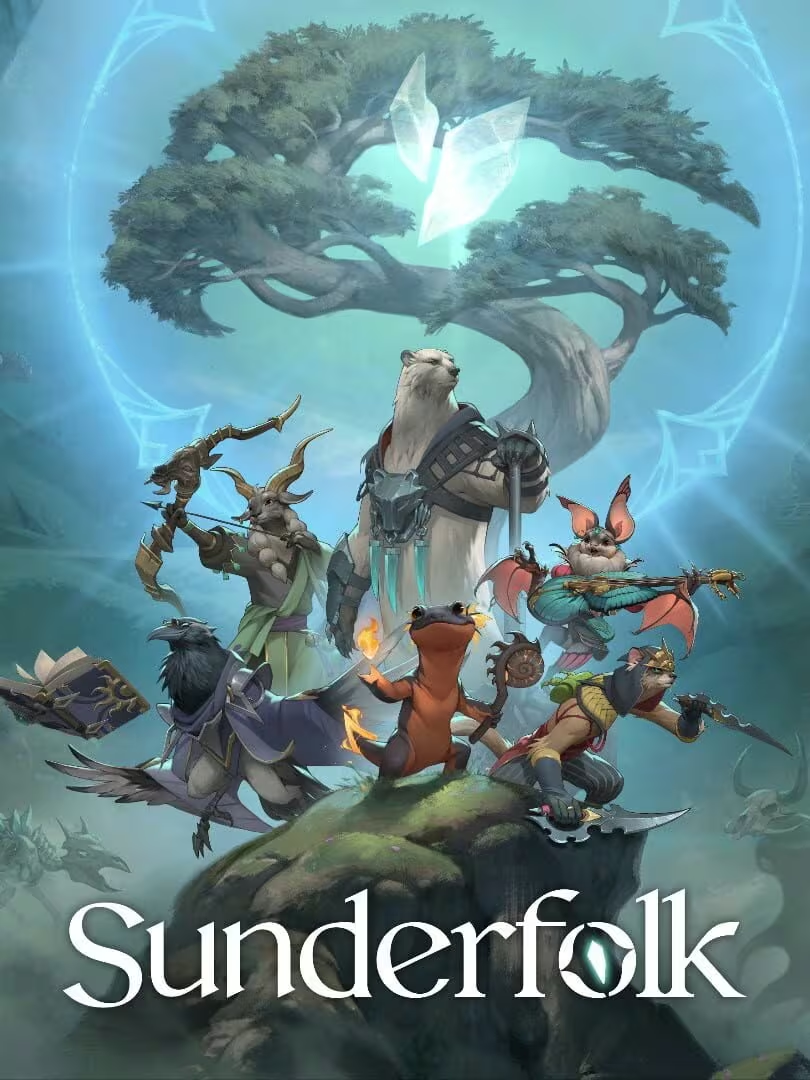
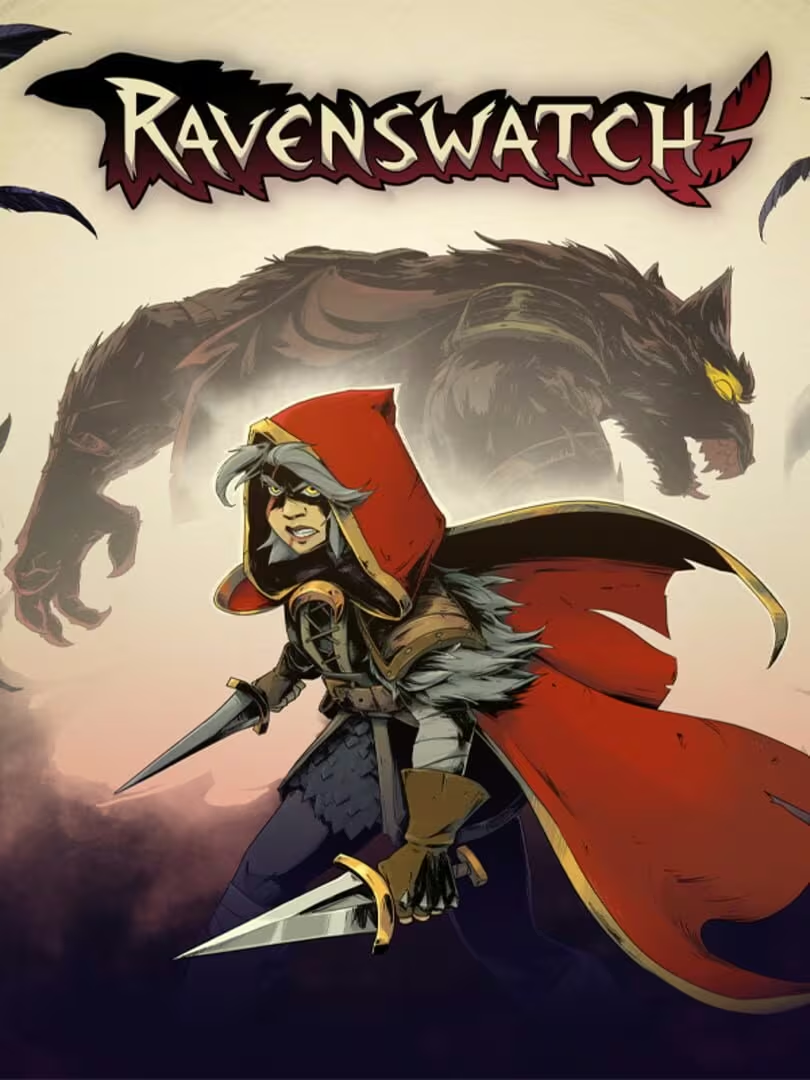
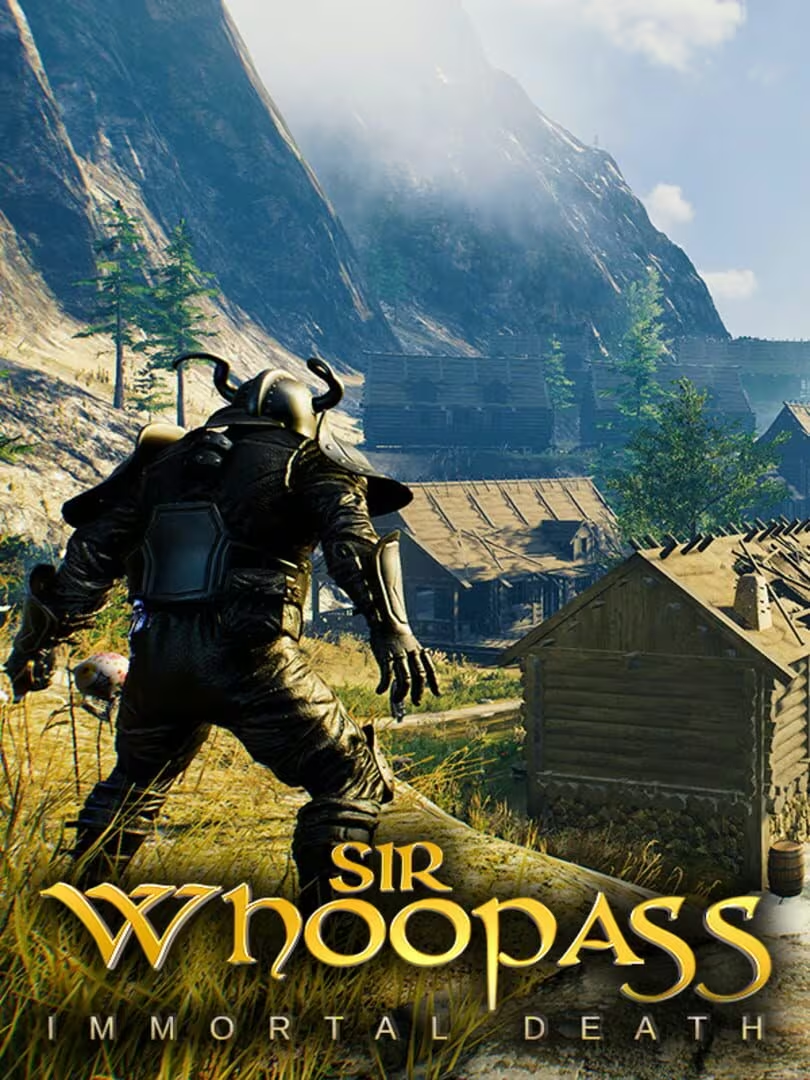
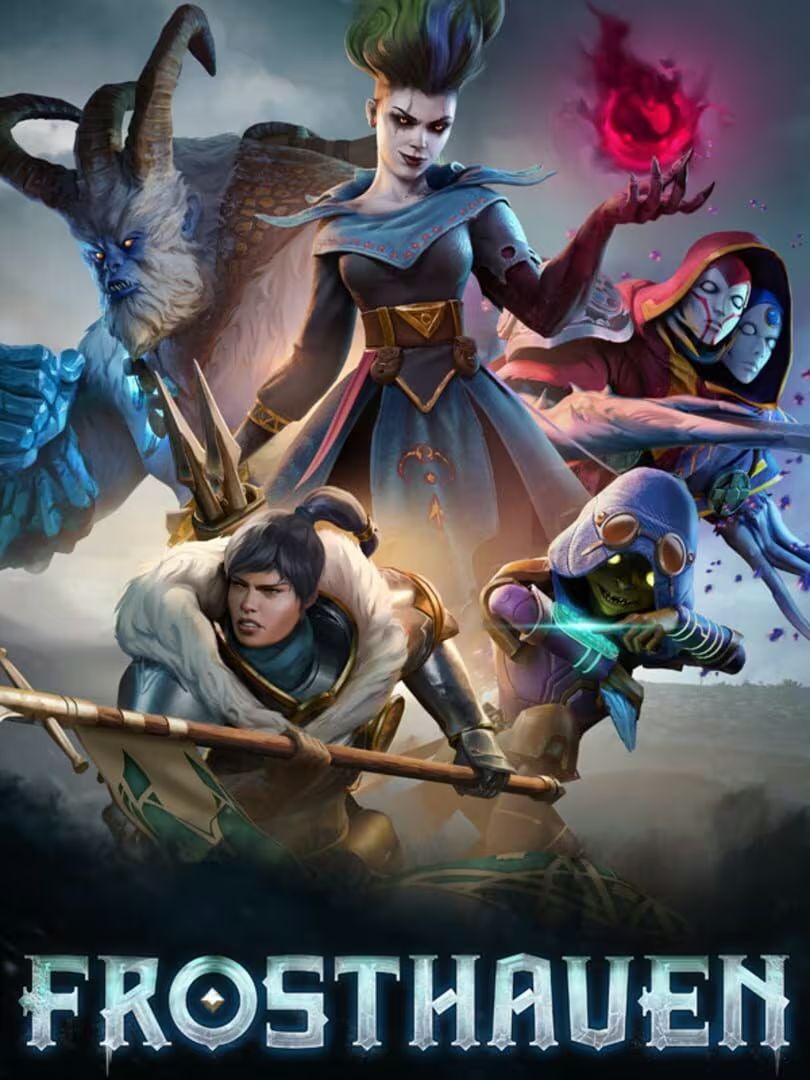
Eon Altar Thumbnail

Eon Altar similar games & best alternatives
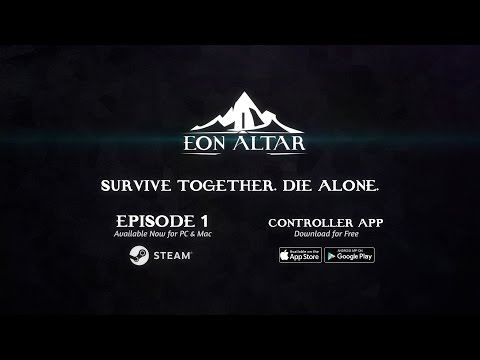
Eon Altar

PC (Microsoft Windows), Mac • 2016

Related articles

Quick resume

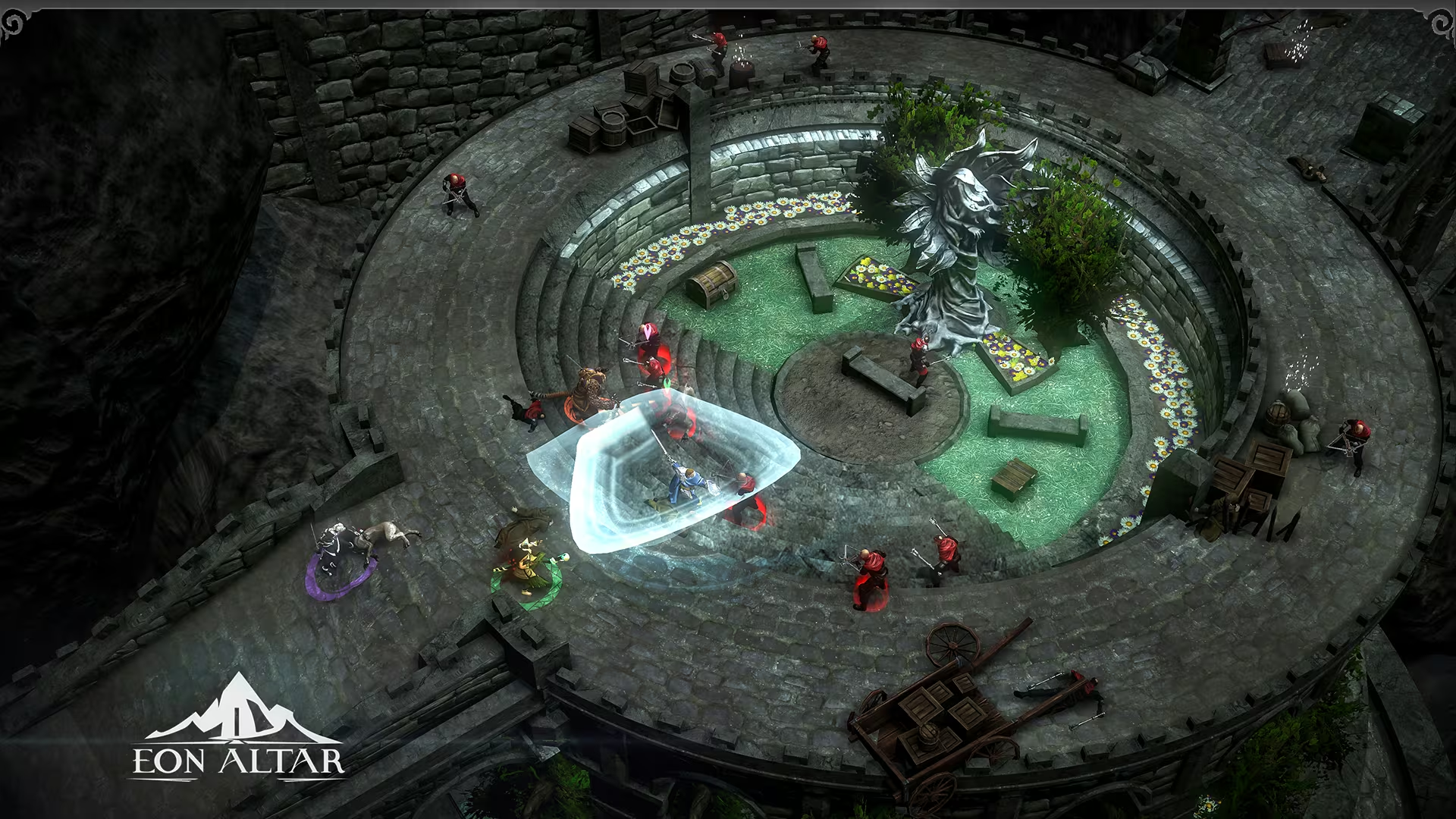
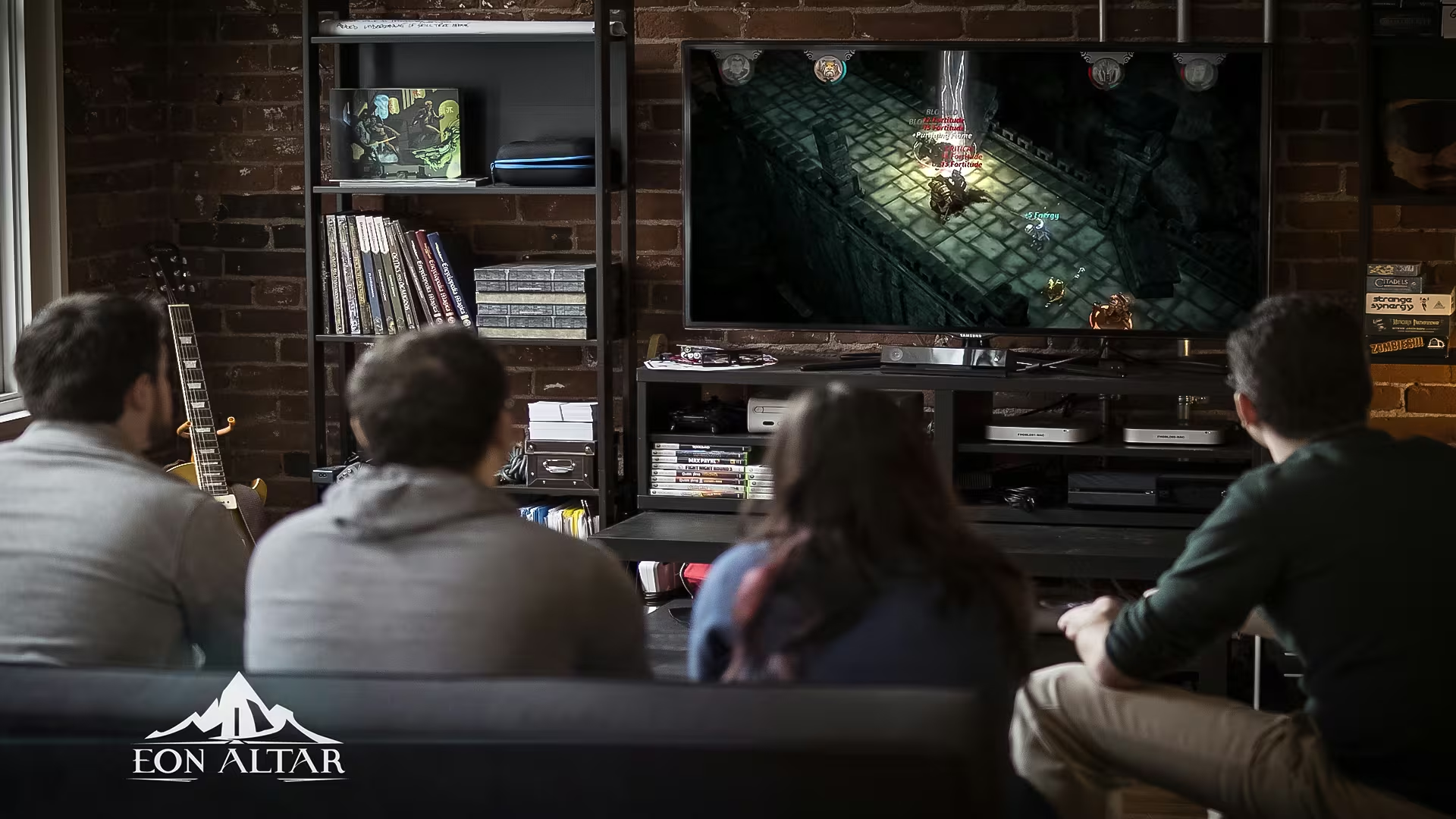
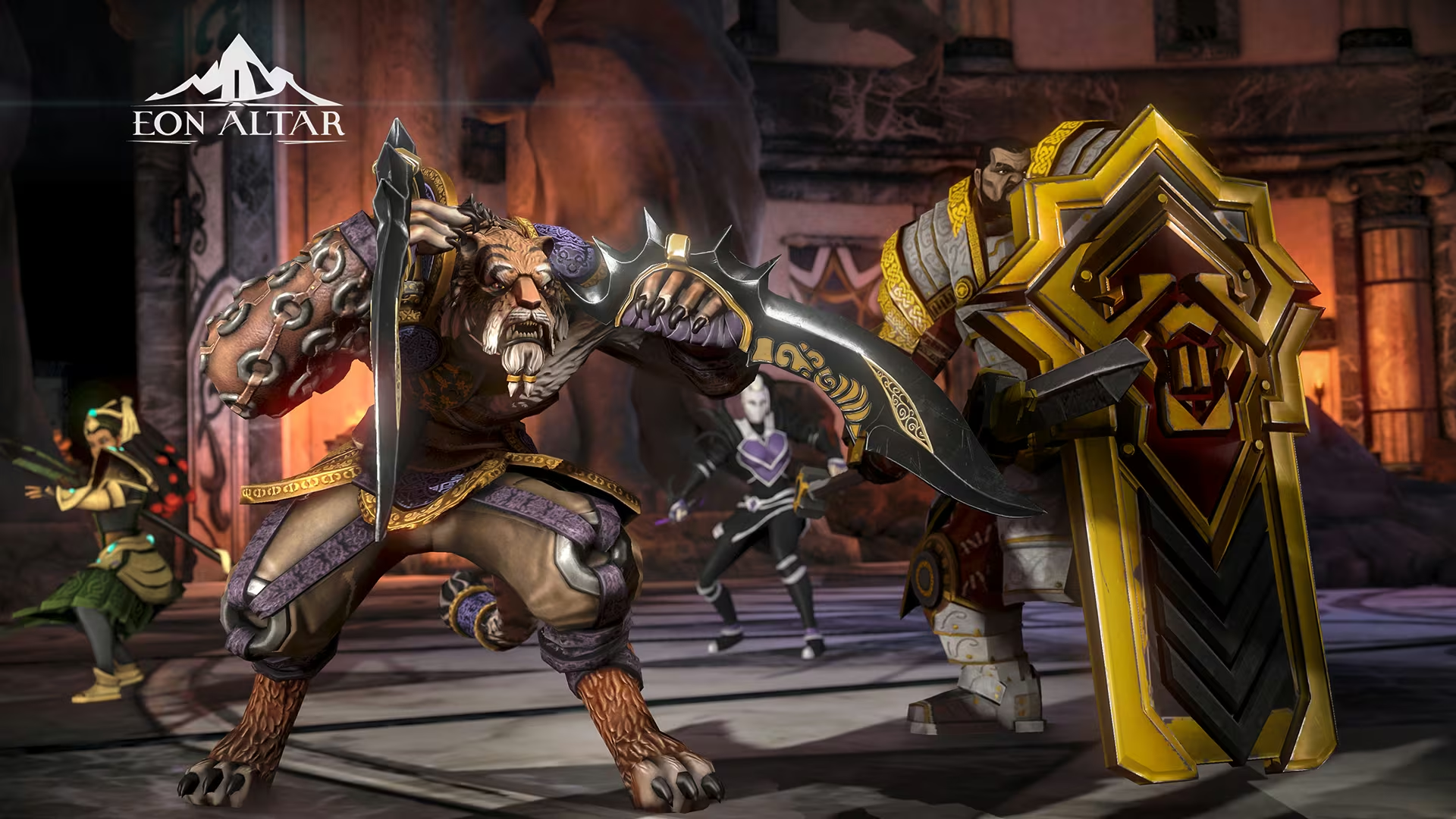
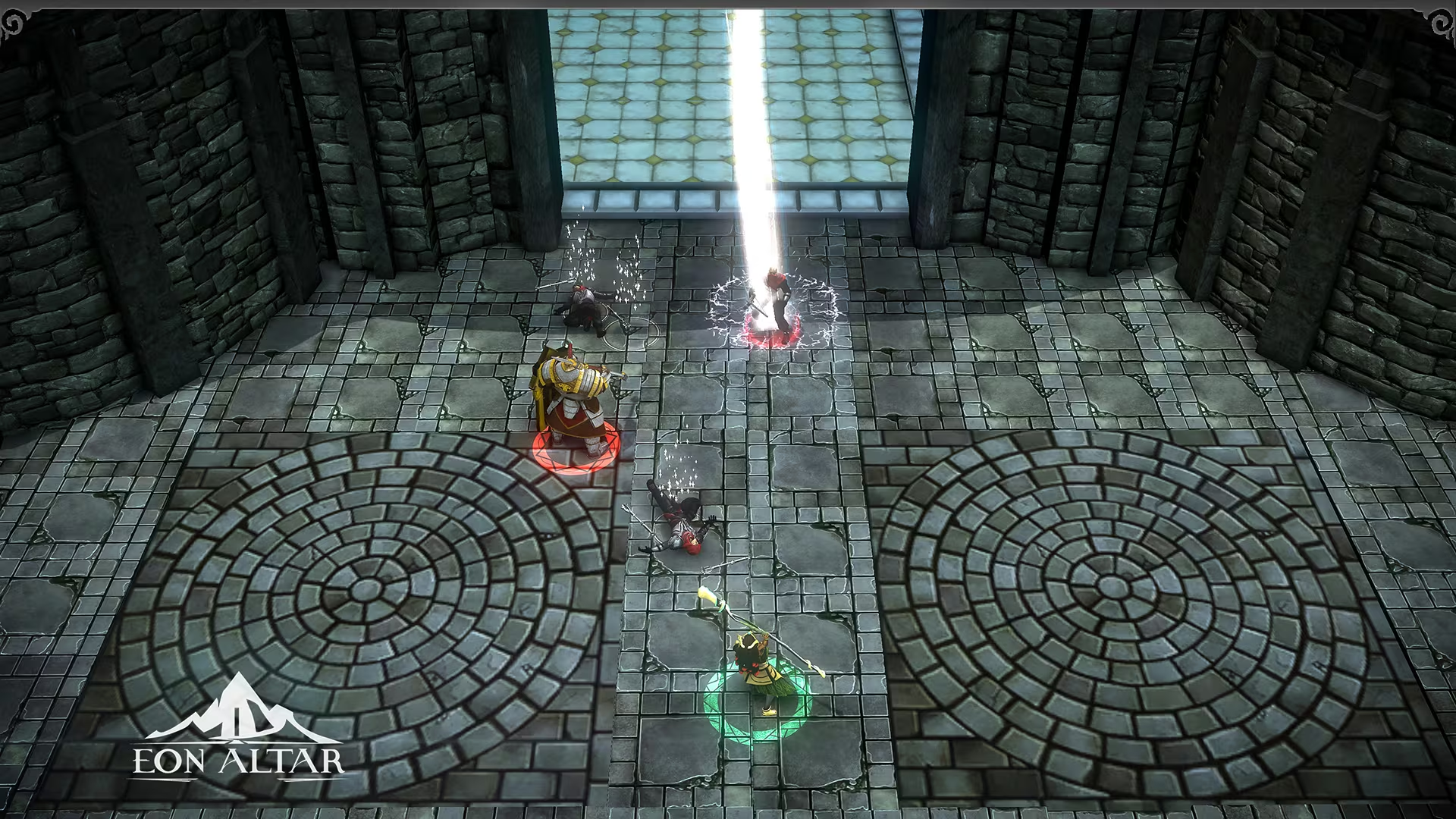
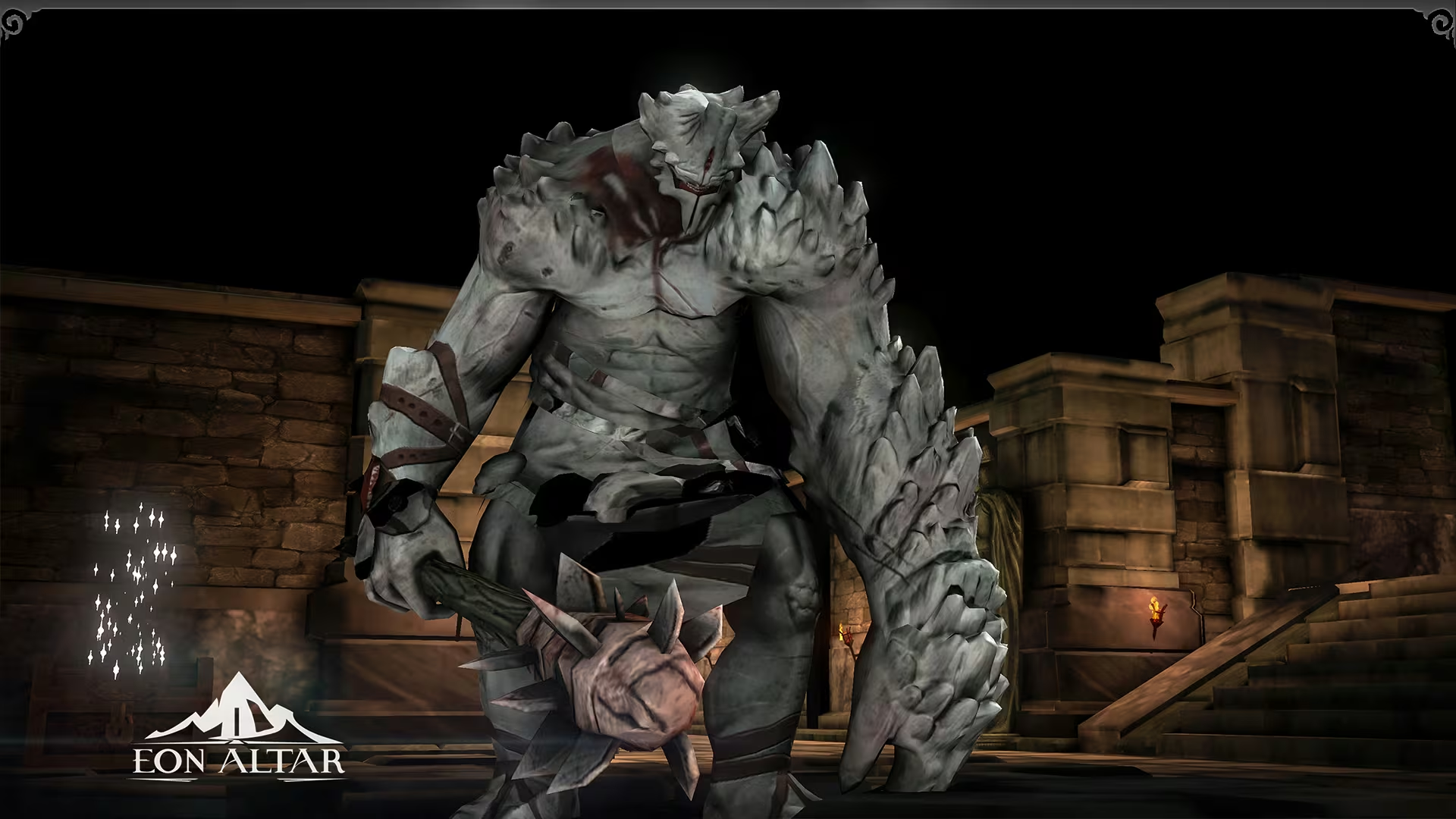
A role-playing game like no other. Your smartphone is your character! Eon Altar brings modern technology to the social experience of couch co-op gaming. Voice your character, choose which secrets to keep and what lies to tell. Gather your friends, order a pizza and descend to the depths of Eon Altar!

Global score

81/100

Genres

Action, Adventure, Indie, Role-playing (RPG)

Similar games

    Pros

    • Innovative smartphone controller integration
    • Engaging local cooperative gameplay
    • Strong roleplaying and social interaction
    • Accessible for casual and experienced players
    • Good value for price

    Cons

    • Early access bugs and performance issues
    • Lack of minimap and occasional navigation frustration
    • Limited character customization
    • Incomplete story and no further episodes planned
    • Controls can feel clunky at times

    Analysis

    A very typical example of its motivational profile. Motivations that often define this kind of title include Cooperation, Fellowship, Intimacy, Leadership. Here, the score leans higher than usual among comparable games on Intimacy, Fellowship, Story.

    How to use the graph
    Similar games map

    Each dot is a game. They are arranged from the same motivation profile as in the “Motivations” section below. Closer dots usually mean more similar reasons to play (exploration, competition, relaxation, etc.)—not that one game is “better” than another.

    • Larger dot with a light outline: the game you are viewing.
    • Colour: groups of games with comparable motivation patterns (statistical clusters).
    • Hover a dot to see the game name; click to open its page.
    • Scroll or double-click the chart to zoom out and see more games.

    Why don’t the axes read like a score? This view uses t-SNE: it only keeps who is close to whom. The scales are not “good to bad” or hours played—they separate groups on the map. Read distance between dots, not the axis numbers.

    Motivations

    • Autonomy
      4

      "Players have freedom to make personal decisions, secret quests, and roleplay their characters independently using their phones."

    • Competence
      3

      "Combat requires tactical thinking and skillful coordination; upgrading characters involves meaningful choices."

    • Competition
      -3

      "Focus is on cooperative play and personal goals rather than direct competition or leaderboards."

    • Continuation
      4

      "Players report long sessions and eagerness to continue playing despite early access state."

    • Cooperation
      5

      "Game is designed for local co-op with strong emphasis on teamwork, communication, and shared objectives."

    • Creativity
      3

      "Players customize characters through skill trees and make roleplaying choices; limited character creation but meaningful personalization."

    • Domination
      -4

      "Interactions emphasize equal participation and mutual respect; no evidence of dominance or power imposition."

    • Escapism
      4

      "Players use the game as a social, immersive escape with roleplaying and storytelling elements."

    • Expectation
      -4

      "Players engage voluntarily out of interest and enjoyment, no obligation or pressure reported."

    • Experimenting
      3

      "Players explore different characters, strategies, and roleplaying options; some repetition noted but overall novelty valued."

    • Exploration
      2

      "Game involves navigating maps and uncovering secrets, though some complaints about lack of minimap and maze-like areas."

    • Expression
      4

      "Players express themselves by voicing character dialogue and choosing what information to share or hide."

    • Fantasy
      4

      "Set in a fantasy world with RPG tropes, magic, and mythical elements; strong roleplaying focus."

    • Fellowship
      5

      "Strong sense of community and shared experience through local multiplayer and cooperative storytelling."

    • Growth
      3

      "Players develop characters through skill trees and upgrades, learning game mechanics and strategies."

    • Health
      -4

      "Sedentary gameplay typical of PC RPGs; no physical activity involved."

    • Idle
      -3

      "Requires focused attention during combat and dialogue; some idle time managing skills but generally active engagement."

    • Intimacy
      3

      "Encourages social interaction and emotional engagement through roleplaying and shared storytelling."

    • Leadership
      2

      "Some players may lead the group or coordinate strategy, but overall balanced participation is emphasized."

    • Progression
      4

      "Character progression through skill and upgrade trees; resource collection and crafting important."

    • Relaxation
      3

      "Turn-based combat allows thoughtful pacing; some tension in battles but overall enjoyable flow."

    • Sensation
      2

      "Visuals and audio are modest but pleasant; focus is on social and narrative experience rather than sensory stimulation."

    • Status
      -3

      "No social ranking or recognition systems; focus is on cooperative play without status competition."

    • Story
      4

      "Rich narrative with character-specific quests and dialogue; story immersion is a key feature."

    • Strategy
      4

      "Combat and character builds require planning, coordination, and tactical decision-making."

    • Thrill
      2

      "Combat has tension and challenge but is not high-risk or adrenaline-focused."

    • Value
      4

      "Players perceive strong value for price, especially given multiplayer and replayability."

    • Violence
      2

      "Combat involves fighting enemies with spells and weapons; violence is present but not gratuitous."

    • Survival
      3

      "Players manage health and resources to survive battles; death and respawn mechanics exist."

    Last update: 29/04/2026