Eternal Card Game similar games & best alternatives
Eternal Card Game
2018
Related articles
Quick resume
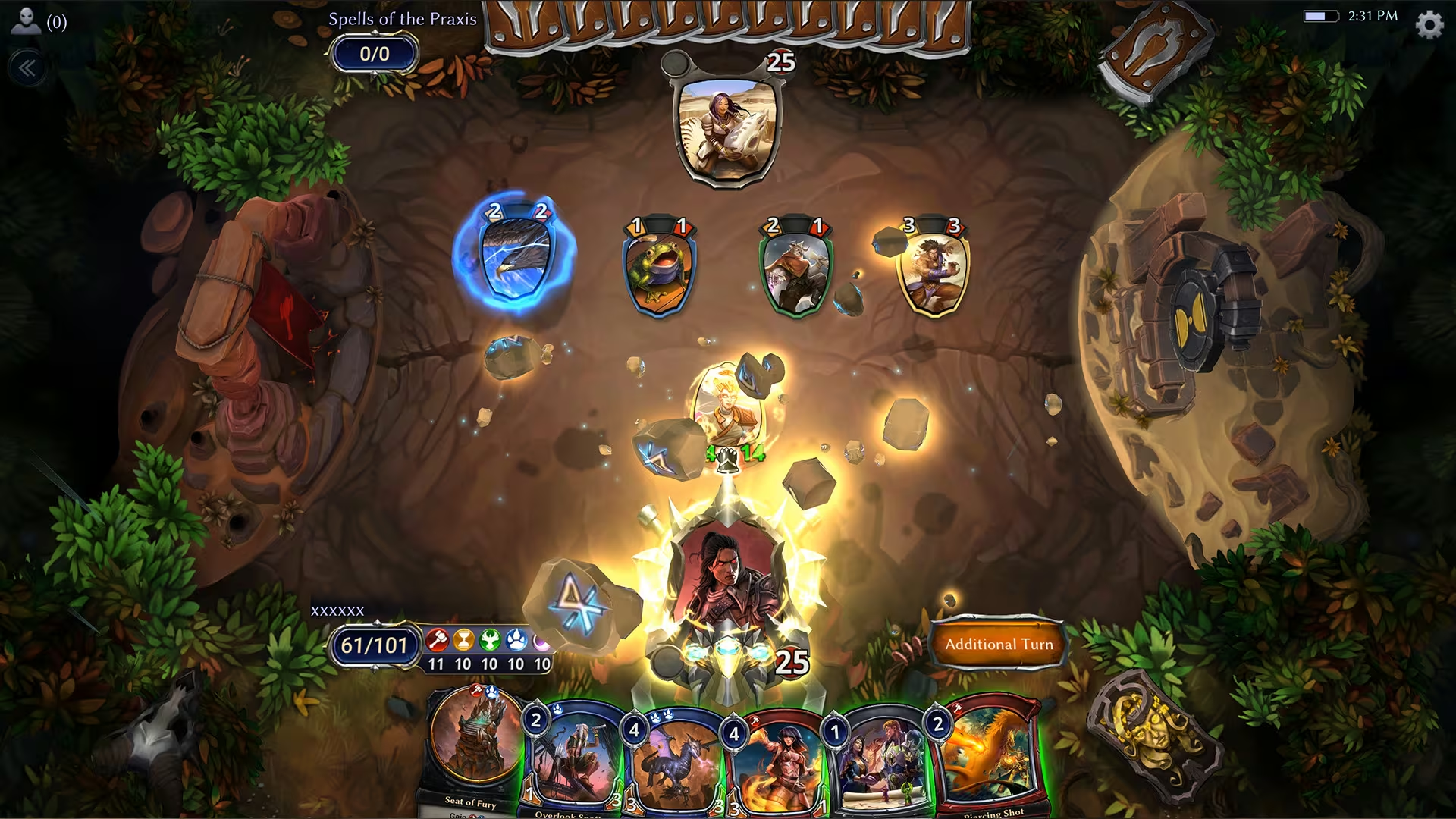
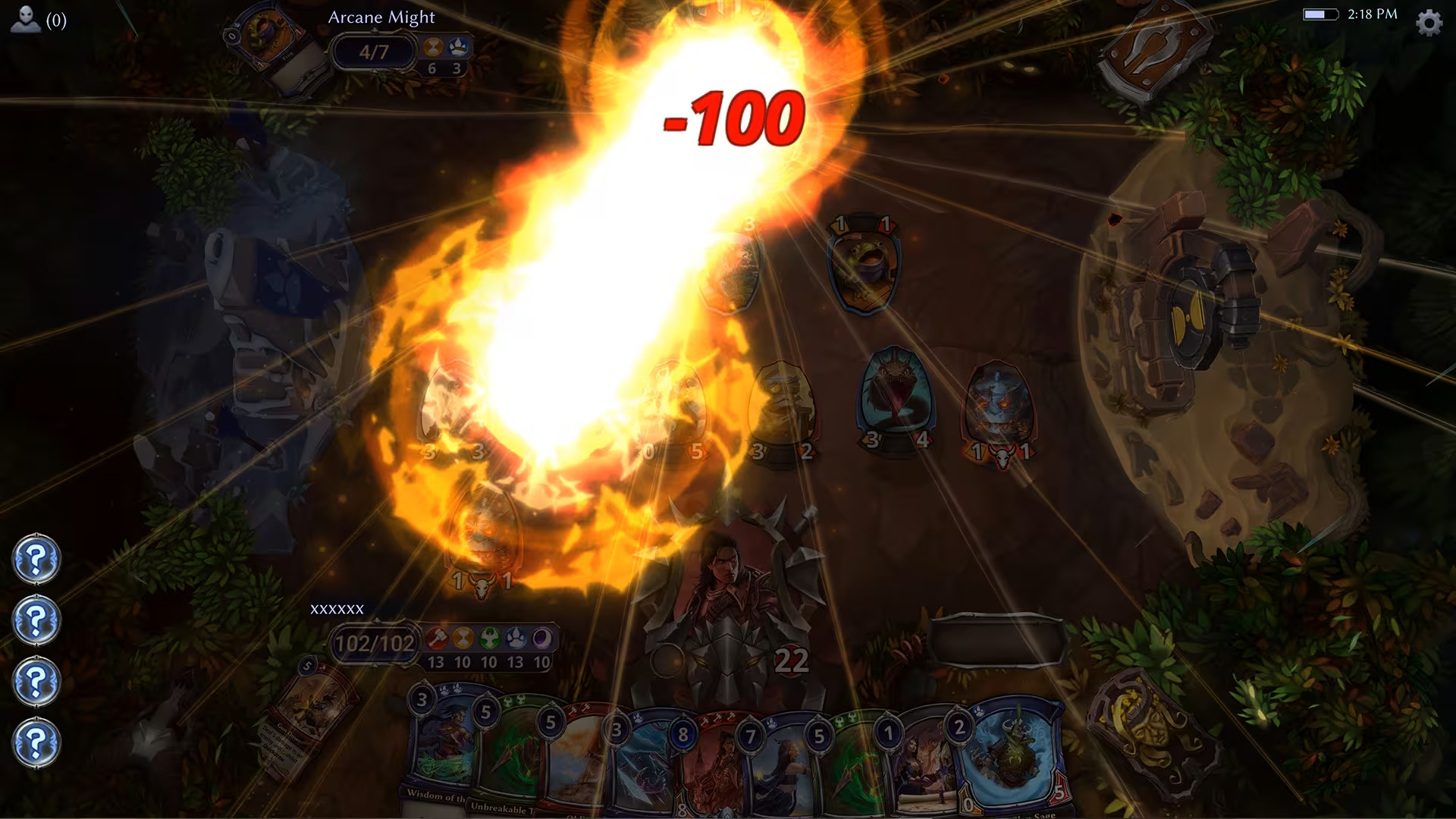
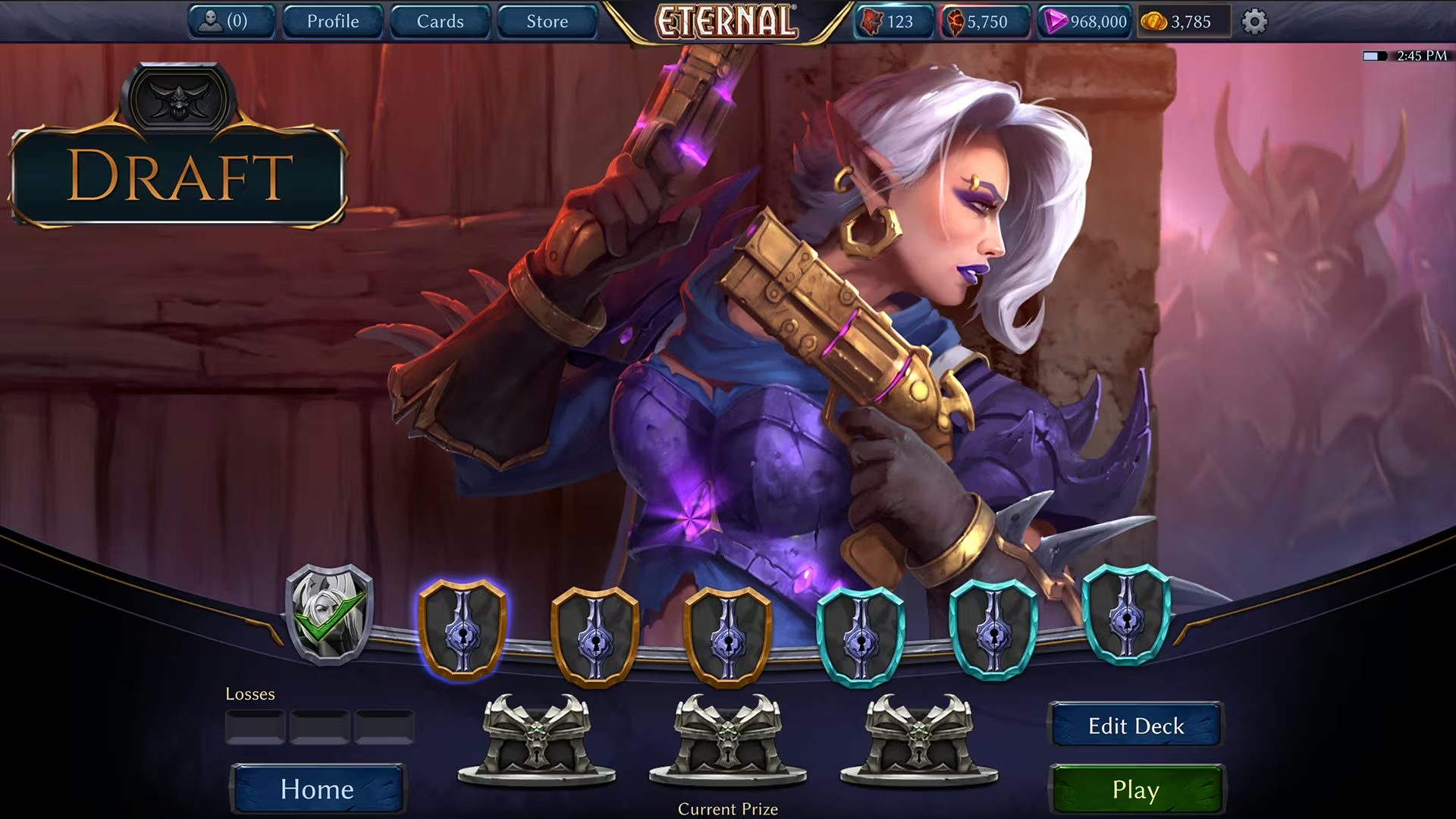
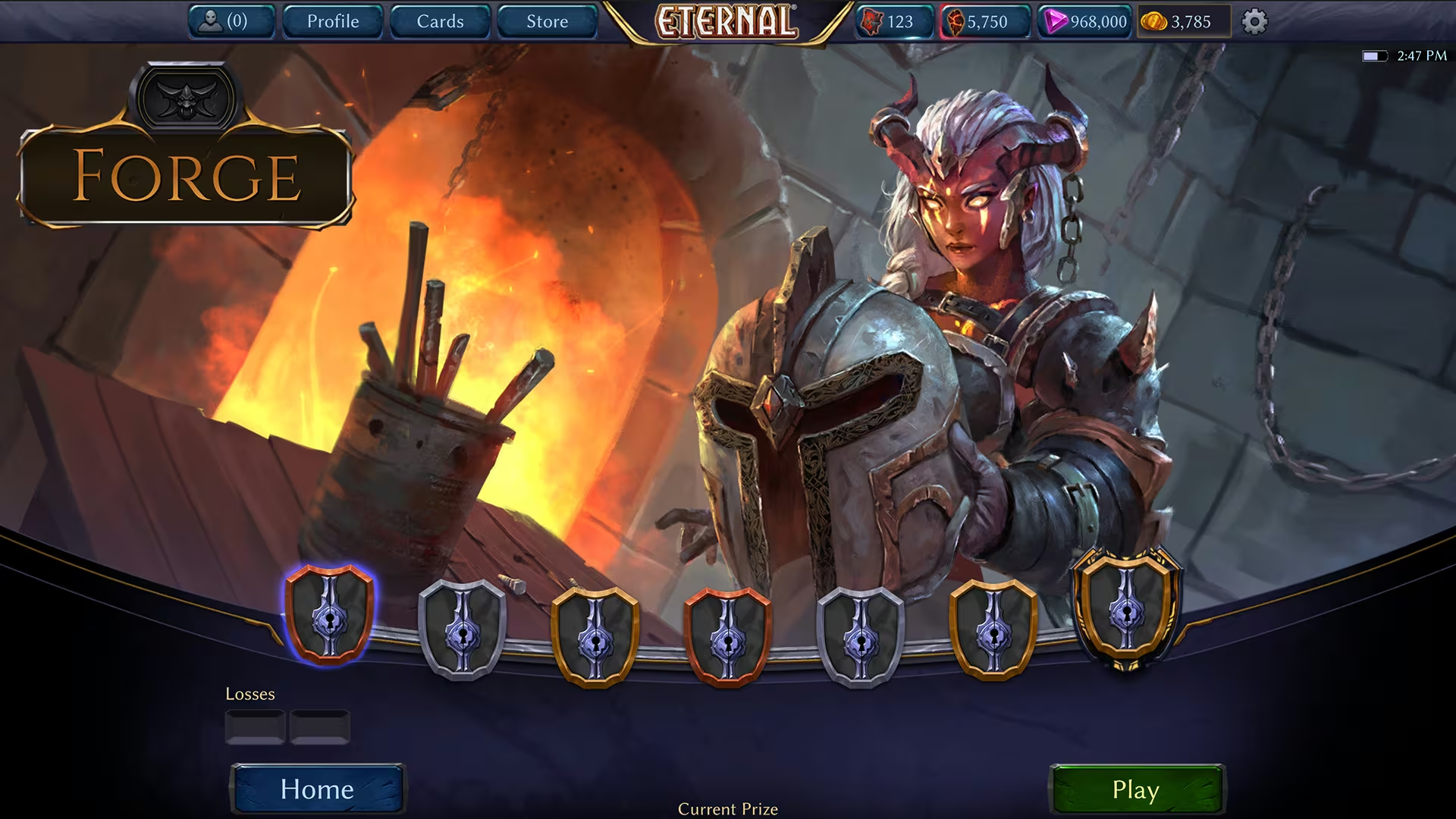
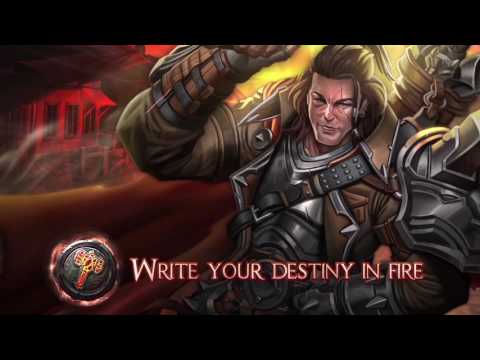
Six-guns and sorcery collide in Eternal, the new strategy card game of unlimited choices and unbelievable fun. Eternal brings AAA pace and polish to the infinite possibilities of a deep strategy card game. The only limits are your own creativity.
Global score
77/100
Genres
Casual, Massively Multiplayer, Strategy, Free To Play, Turn-based strategy (TBS), Role-playing (RPG), Puzzle, Card & Board Game
Similar games
Pros
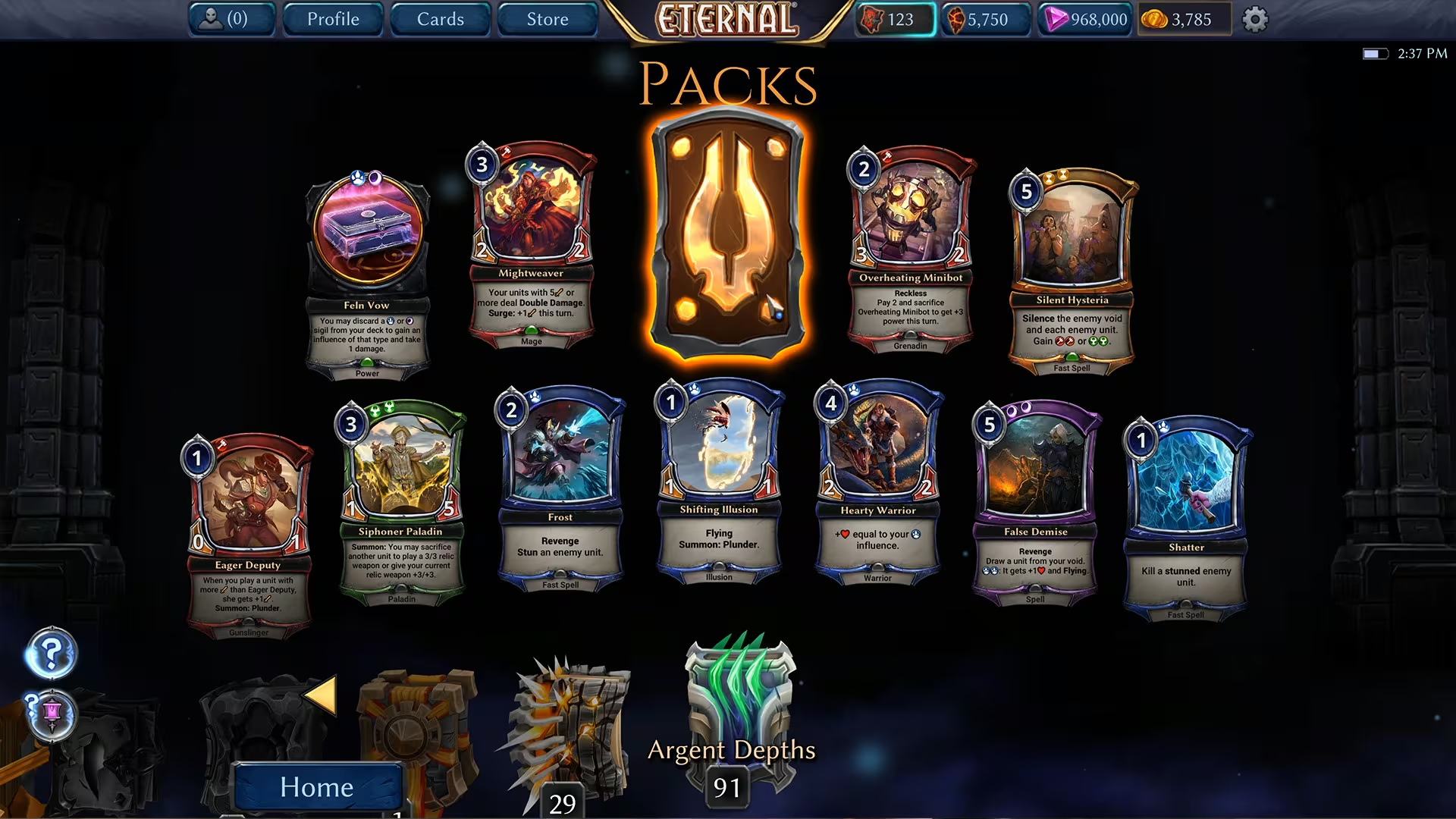
- Generous free-to-play model with frequent rewards
- Deep strategic gameplay combining magic and hearthstone elements
- Multiple game modes including single-player and multiplayer
- Strong deckbuilding creativity and variety
- Smooth and intuitive user interface
Cons
- Resource randomness (mana/sigil draw) can be frustrating
- Long and tedious tutorial campaign
- Limited social and cooperative features
- Some balance issues and occasional meta stagnation
- Presentation and sound design less polished than top competitors
Analysis
A very typical example of its motivational profile. Motivations that often define this kind of title include Competition, Status, Story, Expression. Here, the score leans higher than usual among comparable games on Story, Fantasy. It leans lower than usual among comparable games on Fellowship.
How to use the graph
Similar games map
Each dot is a game. They are arranged from the same motivation profile as in the “Motivations” section below. Closer dots usually mean more similar reasons to play (exploration, competition, relaxation, etc.)—not that one game is “better” than another.
- Larger dot with a light outline: the game you are viewing.
- Colour: groups of games with comparable motivation patterns (statistical clusters).
- Hover a dot to see the game name; click to open its page.
- Scroll or double-click the chart to zoom out and see more games.
Why don’t the axes read like a score? This view uses t-SNE: it only keeps who is close to whom. The scales are not “good to bad” or hours played—they separate groups on the map. Read distance between dots, not the axis numbers.
Motivations
-
Autonomy4
"Players have freedom to build decks with multiple colors and diverse strategies, and can choose from various game modes including single-player and multiplayer."
-
Competence4
"Game offers strategic depth with skillful deck building and tactical play; AI and ranked modes provide meaningful challenge and feedback."
-
Competition3
"Includes ranked multiplayer modes and draft competitions, but also supports single-player modes; competition is present but balanced with casual play."
-
Continuation4
"Players report habitual play and addiction to the game, with long sessions and repeated returns due to engaging gameplay and generous rewards."
-
Cooperation-4
"Focus is primarily on individual play and deck building; multiplayer modes are competitive rather than cooperative."
-
Creativity4
"Strong deckbuilding and card combination creativity; players experiment with diverse strategies and hybrid decks."
-
Domination-3
"Interactions emphasize balanced competition and skill rather than exerting control or superiority over others."
-
Escapism3
"Players use the game as a distraction and stress relief, enjoying immersive fantasy gameplay and engaging mechanics."
-
Expectation-4
"Players engage voluntarily out of intrinsic interest and enjoyment; no evidence of obligation or pressure to play."
-
Experimenting4
"Players try new deck builds, explore card synergies, and experiment with different strategies and game modes."
-
Exploration2
"Some exploration of new cards, combos, and strategies, but limited physical environment exploration."
-
Expression3
"Players customize decks and strategies to express their play style; some cosmetic customization noted but limited."
-
Fantasy4
"Strong fantasy theme with imaginative cards, lore, and settings; players experience a rich fictional world."
-
Fellowship-3
"Social interaction is limited to competitive multiplayer; minimal emphasis on community or cooperative identity."
-
Growth4
"Players develop skills in deck building, strategy, and gameplay; learning curve appreciated and encouraged."
-
Health-4
"Game is a sedentary digital card game with no physical activity or health-related features."
-
Idle-3
"Requires focused attention during matches; not designed for passive or background play."
-
Intimacy-4
"Social interactions are limited and surface-level; no evidence of close relationships formed through the game."
-
Leadership-4
"No leadership or group management roles; gameplay is individual and competitive."
-
Progression5
"Strong progression through card acquisition, deck building, and ranked advancement; generous rewards support growth."
-
Relaxation3
"Players find the game addictive and enjoyable, balancing challenge and flow; some tension from RNG but overall relaxing."
-
Sensation3
"Visuals and sound design are appealing though not top-tier; animations and effects provide sensory enjoyment."
-
Status2
"Ranked modes and leaderboards provide some social recognition, but not a dominant motivation."
-
Story2
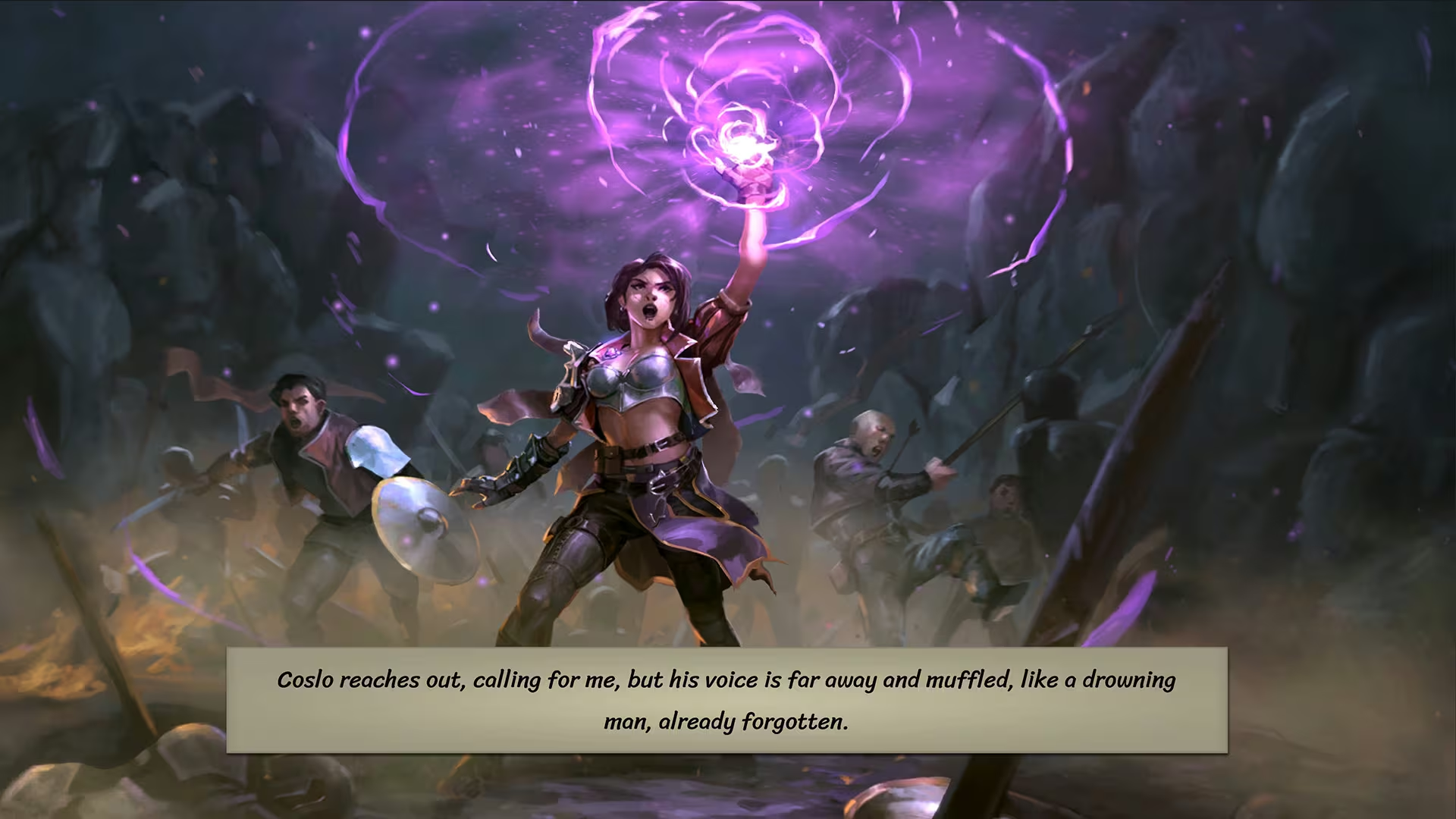
"Some narrative elements and campaign content exist but are limited; story is not the main focus."
-
Strategy5
"High emphasis on strategic deck building, tactical play, and problem solving; core to player experience."
-
Thrill3
"Some thrill from suspenseful matches and risk of RNG; players enjoy tension and relief cycles."
-
Value4
"Highly praised free-to-play model with generous rewards and good return on time invested."
-
Violence-3
"Combat is abstract and card-based with no graphic violence; focus on constructive deck building rather than destruction."
-
Survival1
"Some resource management and threat avoidance elements exist but are not dominant survival mechanics."
Last update: 29/04/2026