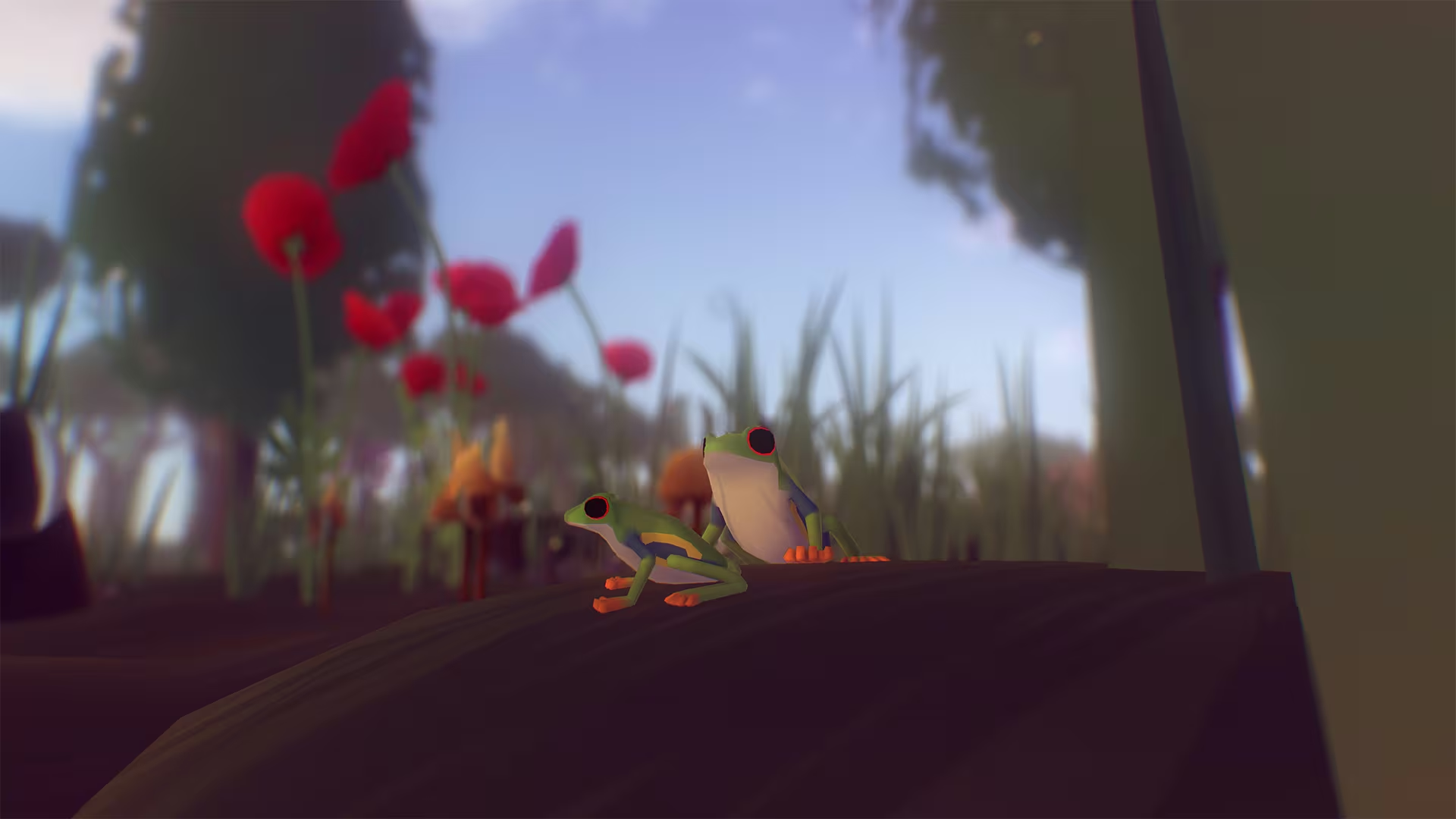
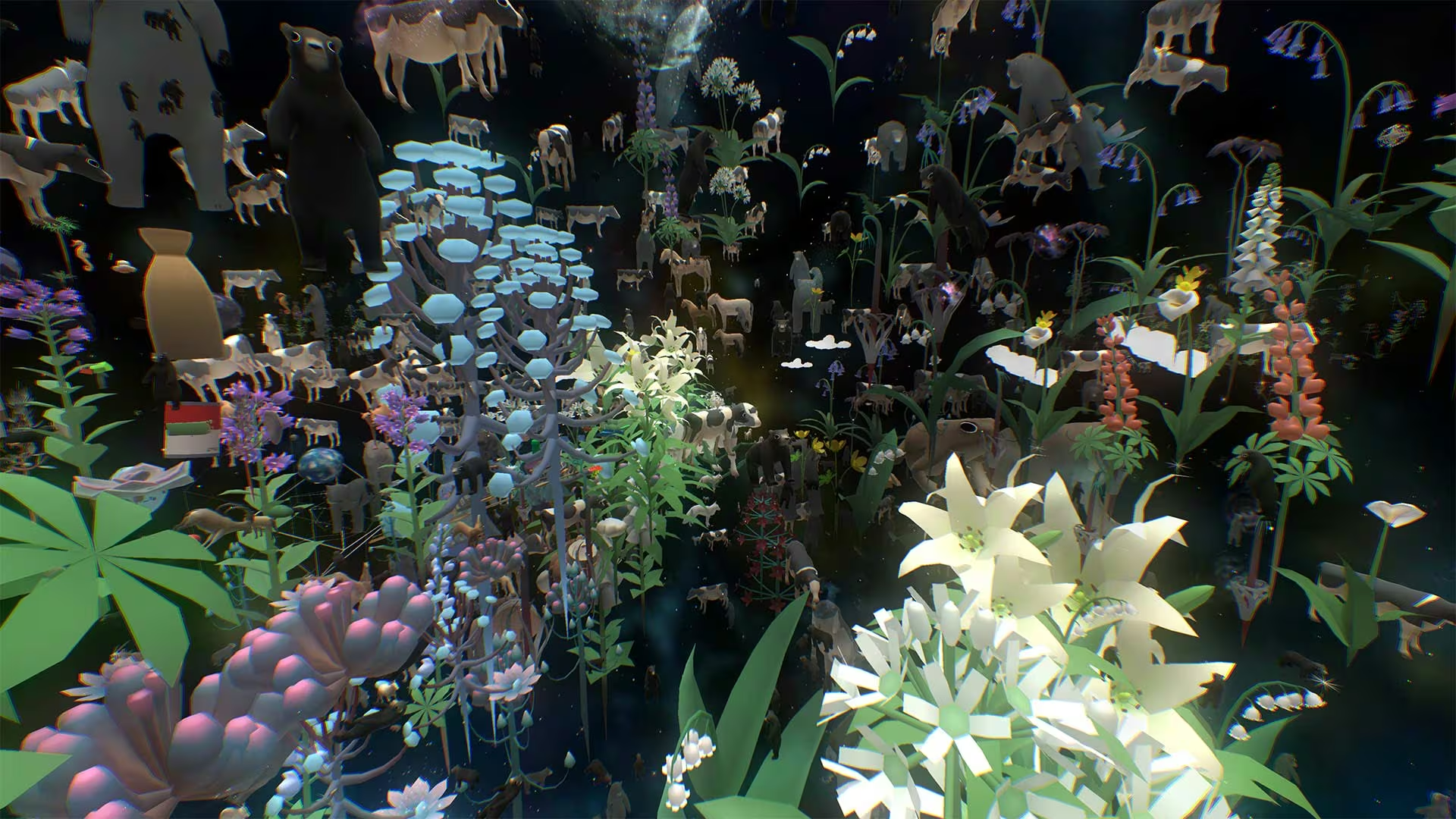
Everything Thumbnail

Everything similar games & best alternatives

Everything

PC (Microsoft Windows), Mac, PlayStation 4, PlayStation Vita, Nintendo Switch, Linux • 2017

Related articles

Quick resume

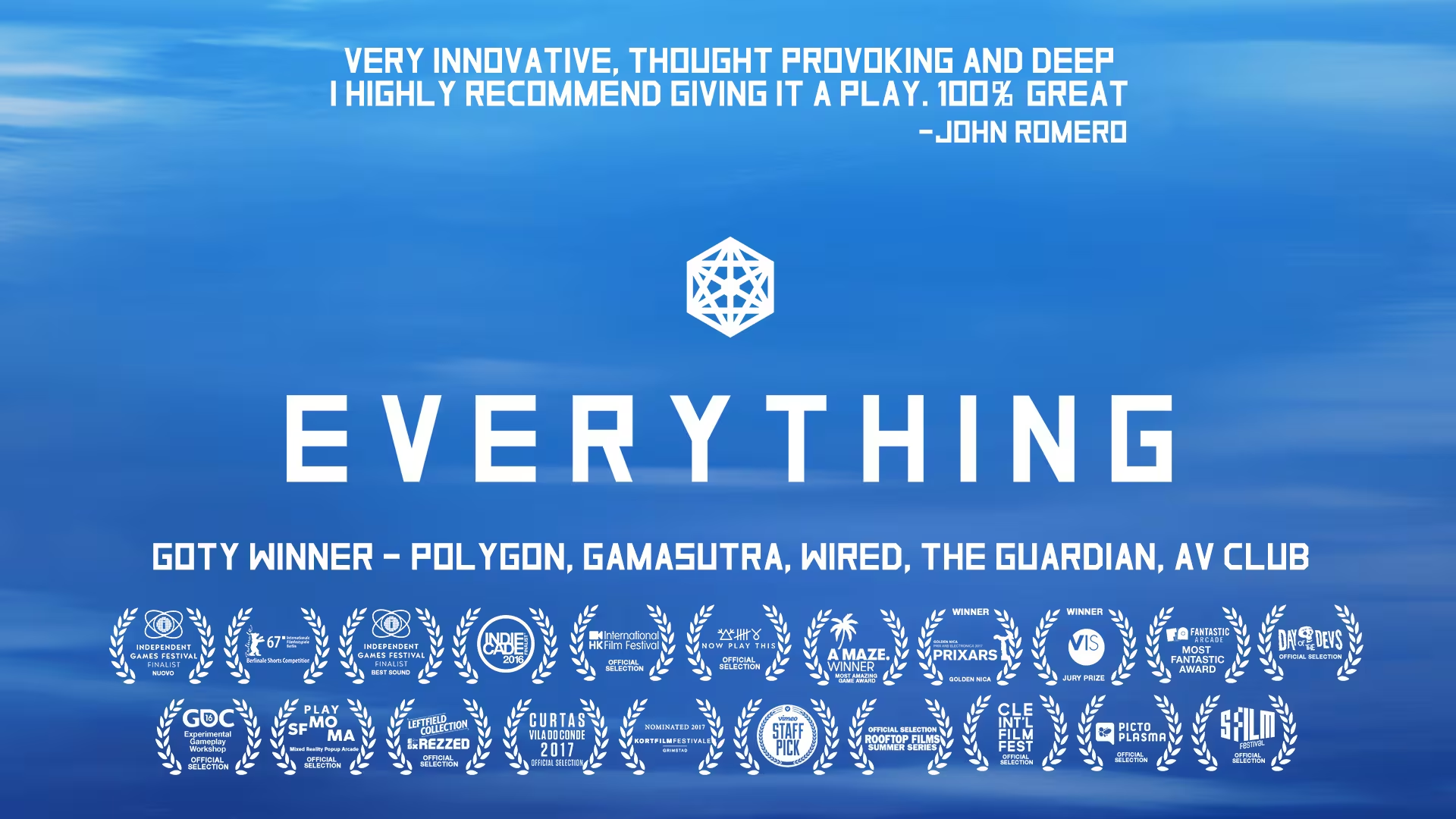
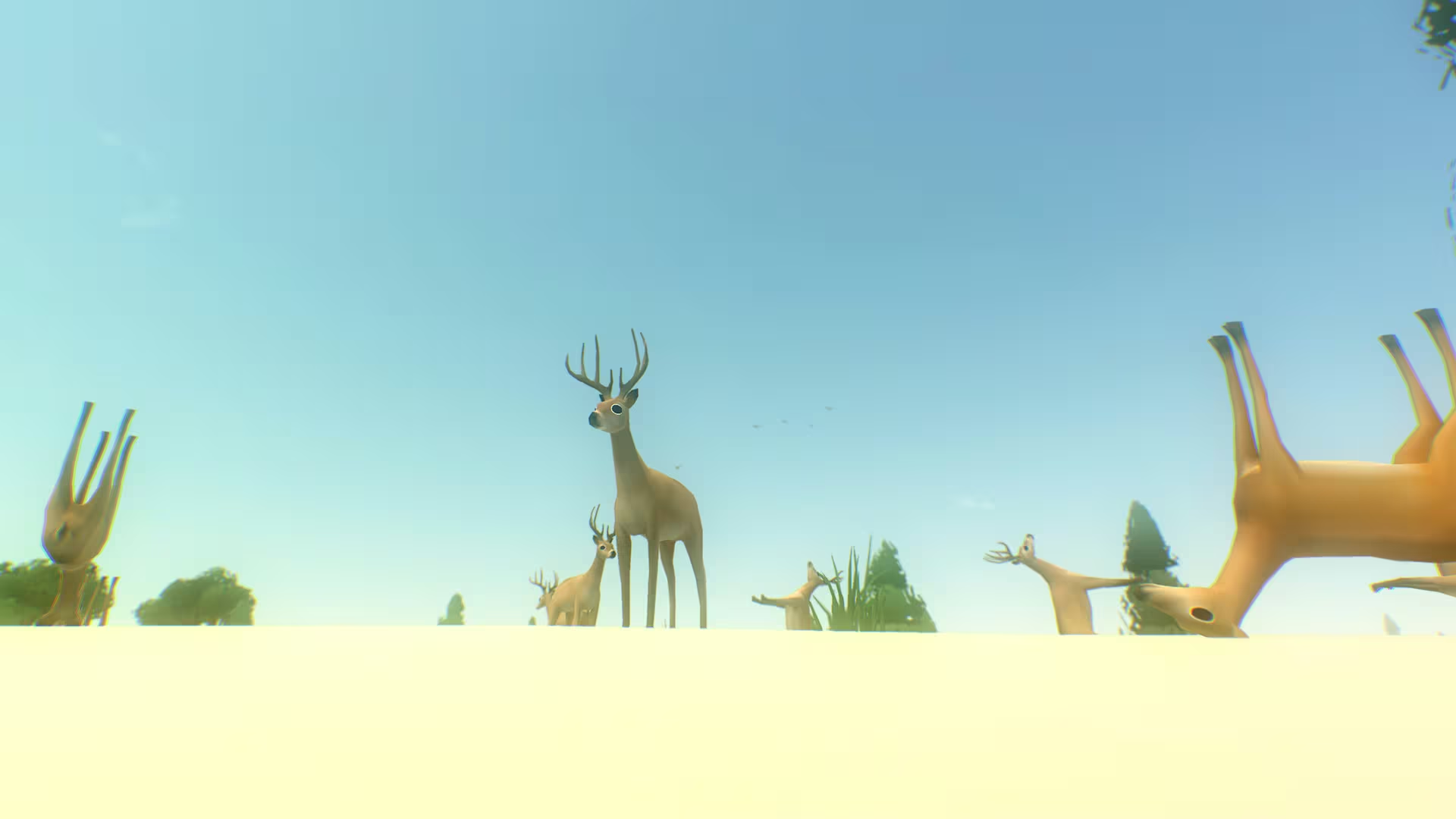
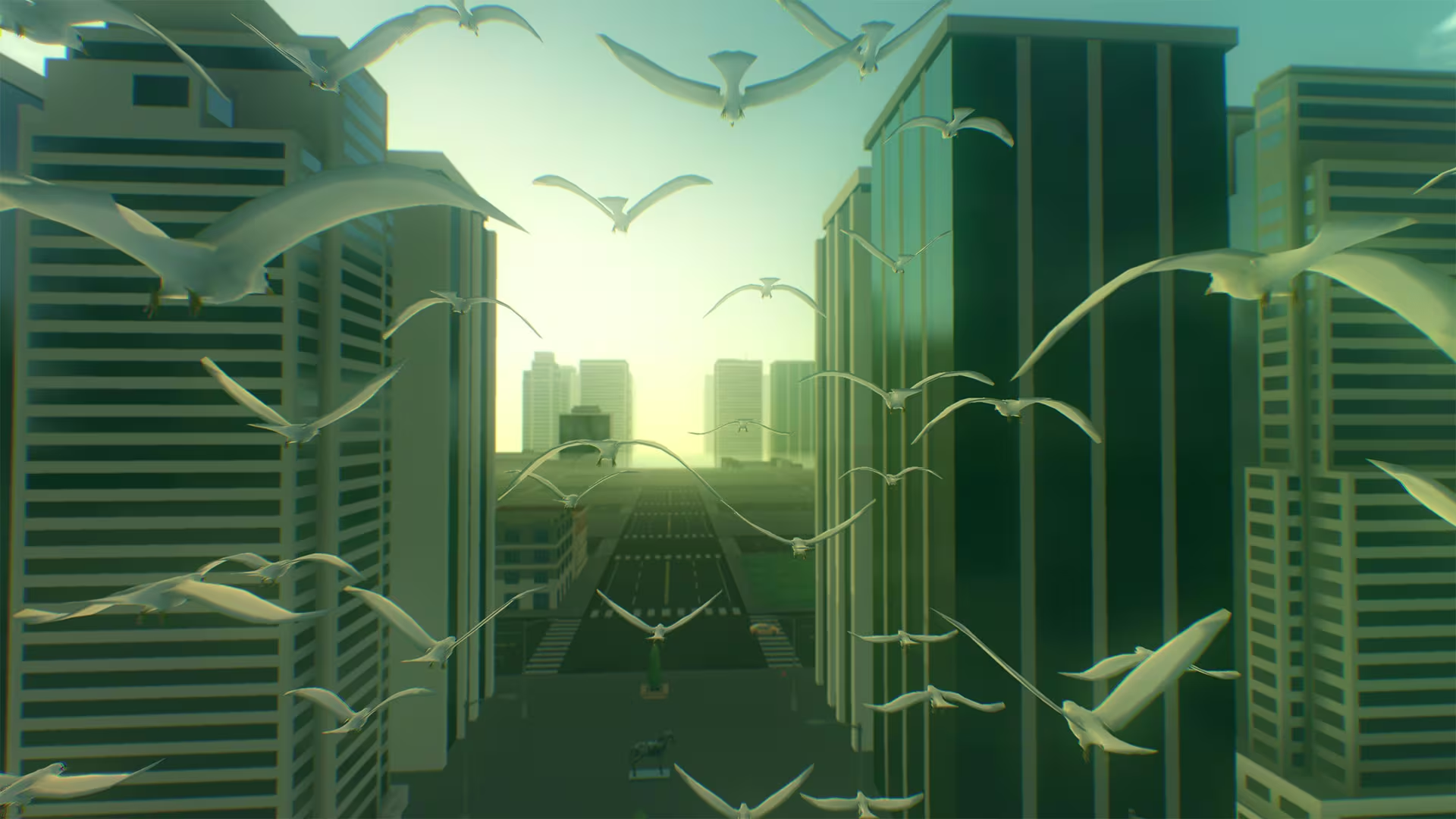
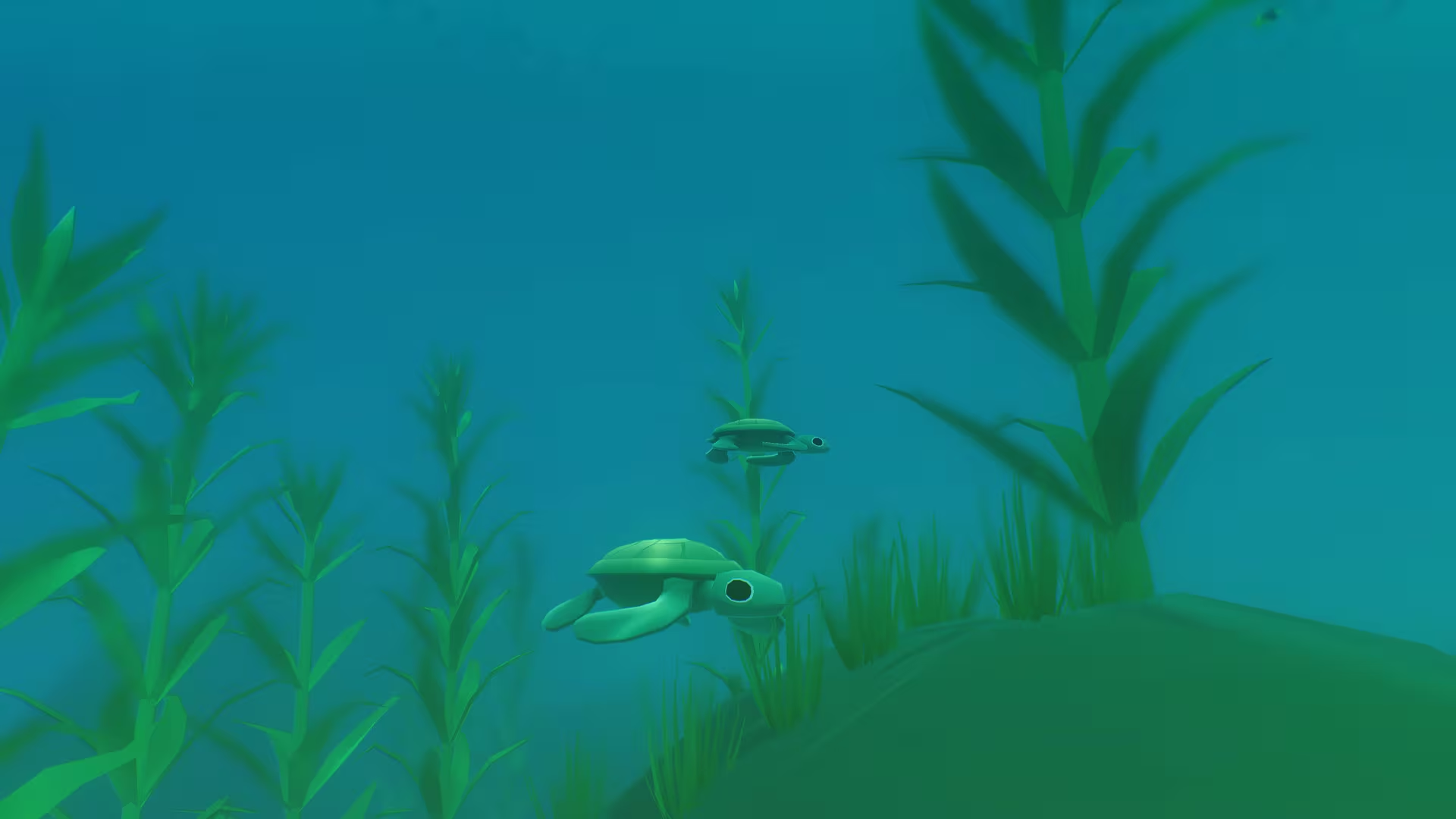
Be the Universe in this epic, award-winning reality simulation game - featuring thousands of playable characters, endless exploration, an extraordinary soundtrack and narration from Alan Watts.

Global score

83/100

Genres

Casual, Indie, Role-playing (RPG), Simulator, Adventure

Similar games

    Pros

    • Unique philosophical and meditative experience
    • Freedom to become and explore everything
    • Relaxing and stress-relieving gameplay
    • Beautiful and varied scale of environments
    • Alan watts narration adds depth

    Cons

    • Limited gameplay mechanics and interaction
    • Repetitive and slow-paced
    • Animal movement can feel awkward
    • Lack of traditional goals or challenges
    • Not suitable for players seeking action or competition

    Analysis

    Less representative of its motivational profile, with noticeable differences. Motivations that often define this kind of title include Idle, Thrill, Violence, Survival. Here, the score leans higher than usual among comparable games on Cooperation. It leans lower than usual among comparable games on Strategy, Competence.

    How to use the graph
    Similar games map

    Each dot is a game. They are arranged from the same motivation profile as in the “Motivations” section below. Closer dots usually mean more similar reasons to play (exploration, competition, relaxation, etc.)—not that one game is “better” than another.

    • Larger dot with a light outline: the game you are viewing.
    • Colour: groups of games with comparable motivation patterns (statistical clusters).
    • Hover a dot to see the game name; click to open its page.
    • Scroll or double-click the chart to zoom out and see more games.

    Why don’t the axes read like a score? This view uses t-SNE: it only keeps who is close to whom. The scales are not “good to bad” or hours played—they separate groups on the map. Read distance between dots, not the axis numbers.

    Motivations

    • Autonomy
      5

      "Players can freely choose to become and control any object or creature in the universe, exploring at their own pace without fixed goals."

    • Competence
      -2

      "Gameplay involves simple movement and exploration with minimal skill challenge; interactions are limited and repetitive."

    • Competition
      -5

      "No competitive elements or comparison to others; focus is on personal exploration and experience."

    • Continuation
      3

      "Many players report returning repeatedly for the relaxing and philosophical experience despite some repetitiveness."

    • Cooperation
      1

      "Players can form groups (herds) of creatures and interact with them, but this is a solo experience without multiplayer cooperation."

    • Creativity
      3

      "Players can create and modify worlds by growing groups, dancing to spawn new creatures, and shaping environments."

    • Domination
      -5

      "No elements of exerting control or superiority over others; interactions are equal and non-aggressive."

    • Escapism
      5

      "Strongly used for relaxation, meditation, and escaping real-life stress through philosophical and immersive experience."

    • Expectation
      -5

      "Players engage voluntarily out of intrinsic interest and curiosity, with no obligation or pressure."

    • Experimenting
      4

      "Encourages exploration of different scales, objects, and perspectives, fostering novelty and discovery."

    • Exploration
      5

      "Core gameplay is discovering new objects, environments, and scales from microscopic to cosmic."

    • Expression
      2

      "Some self-expression through customizing worlds and creating herds, though limited by simple mechanics."

    • Fantasy
      3

      "Players inhabit imaginative and surreal forms, including abstract objects and cosmic entities."

    • Fellowship
      -3

      "Primarily a solitary experience with minimal social interaction or community involvement."

    • Growth
      2

      "Players learn new mechanics and philosophical ideas, though gameplay skill growth is minimal."

    • Health
      -5

      "Sedentary gameplay with no physical activity or health-related features."

    • Idle
      4

      "Supports casual, low-attention play and has an autopilot mode for passive experience."

    • Intimacy
      -4

      "No close social relationships or emotional sharing; interactions are limited and impersonal."

    • Leadership
      -3

      "No leadership roles; players control their own experience without managing others."

    • Progression
      3

      "Progression through discovering and cataloguing all objects and unlocking new scales and forms."

    • Relaxation
      5

      "Highly relaxing and meditative experience praised for stress relief and calm atmosphere."

    • Sensation
      2

      "Enjoyable audiovisual presentation with soothing music and unique visuals, though not intense sensory stimulation."

    • Status
      -5

      "No social recognition or status systems; focus is on personal experience without external evaluation."

    • Story
      -4

      "No traditional narrative; experience is abstract and philosophical without plot or characters."

    • Strategy
      -3

      "Minimal strategic or problem-solving elements; gameplay is straightforward exploration and interaction."

    • Thrill
      -5

      "No suspense or risk; experience is calm and predictable without tension."

    • Value
      3

      "Many players find good value in the unique experience and philosophical content, especially on sale."

    • Violence
      -5

      "No violence or destructive gameplay; interactions are peaceful and constructive."

    • Survival
      -5

      "No survival mechanics or threats; environment is stable and safe."

    Last update: 29/04/2026