Evil Democracy: 1932 Thumbnail

Evil Democracy: 1932 similar games & best alternatives

Evil Democracy: 1932

PC (Microsoft Windows) • 2020

Related articles

Quick resume

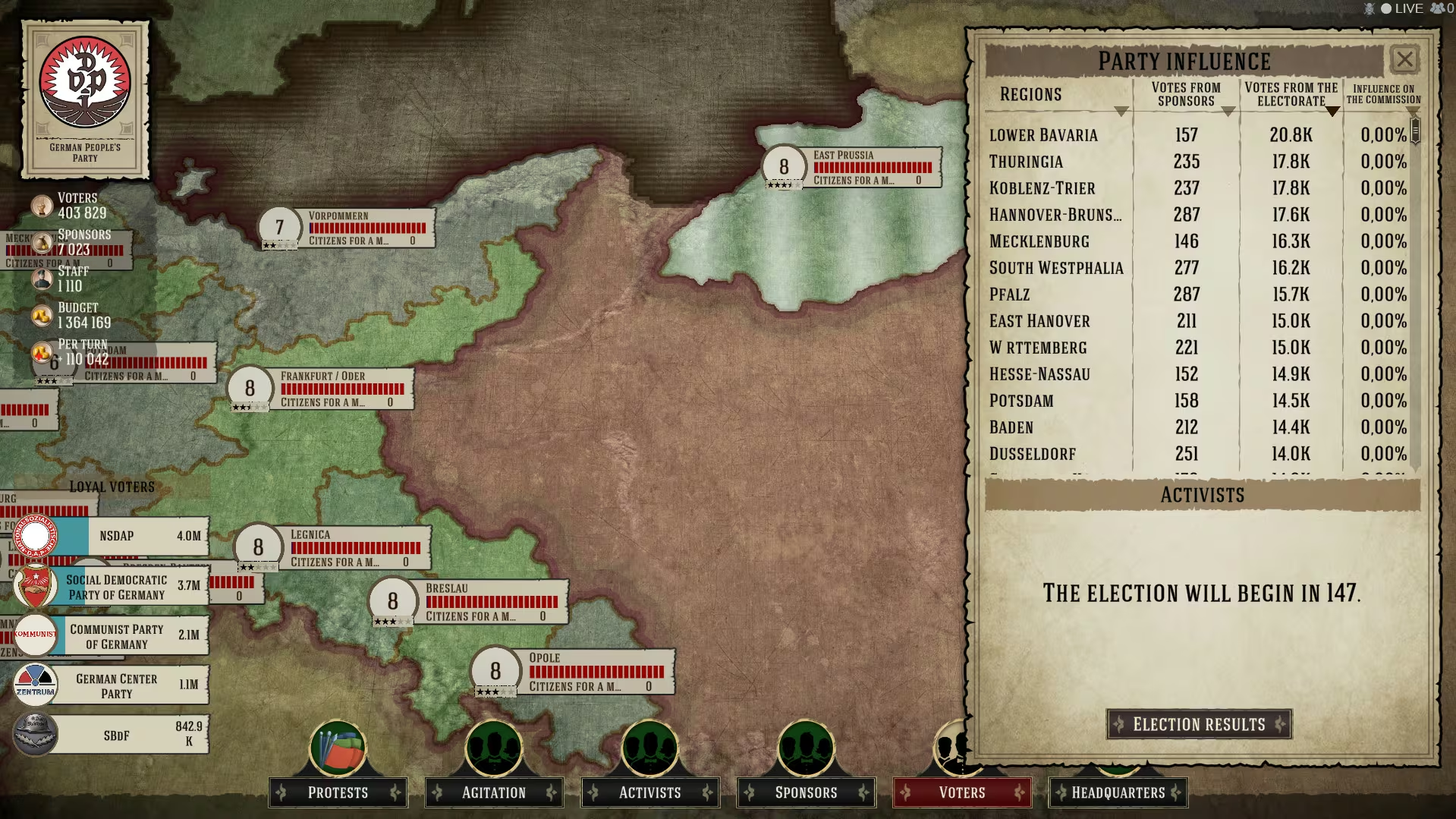
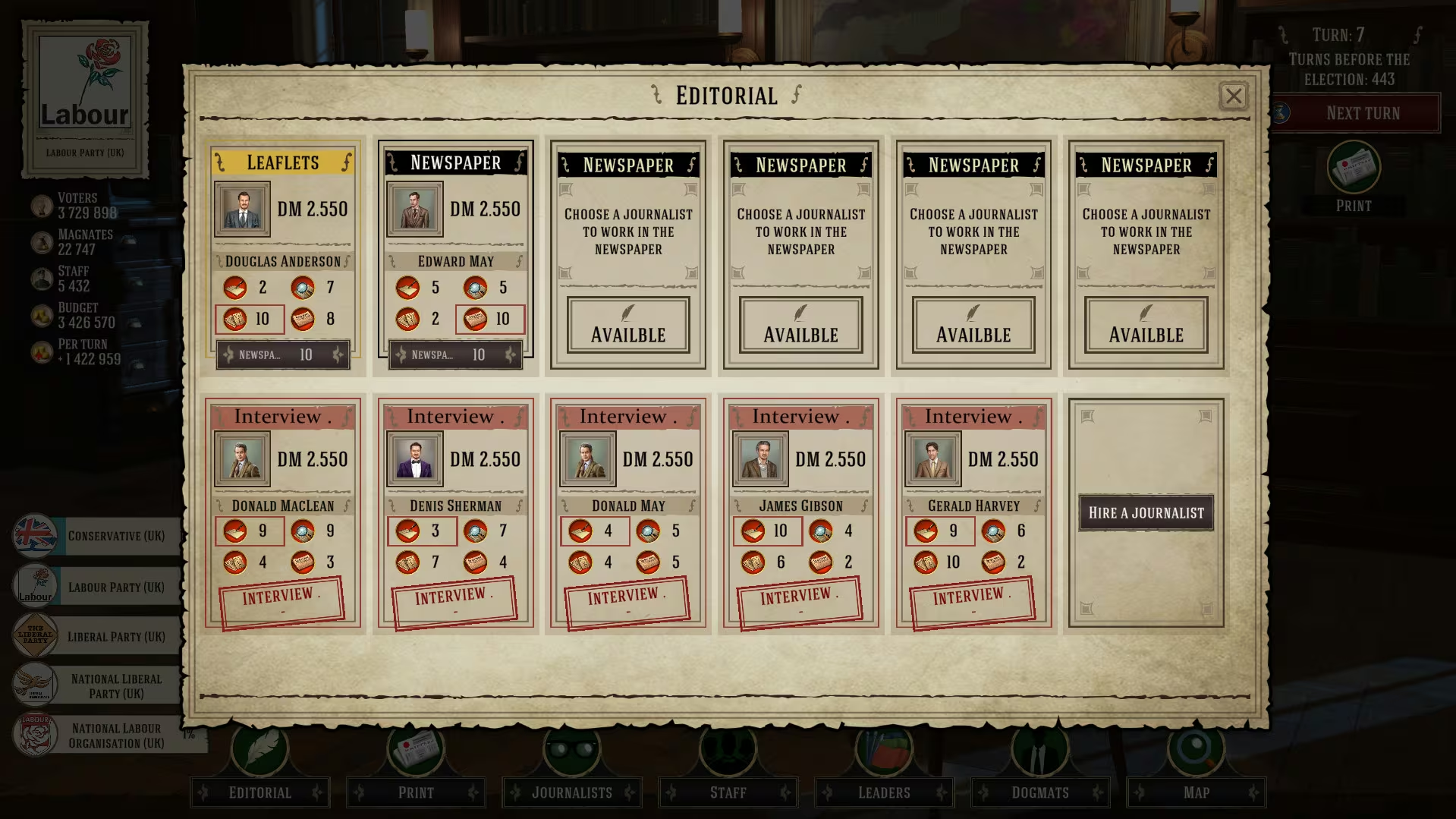
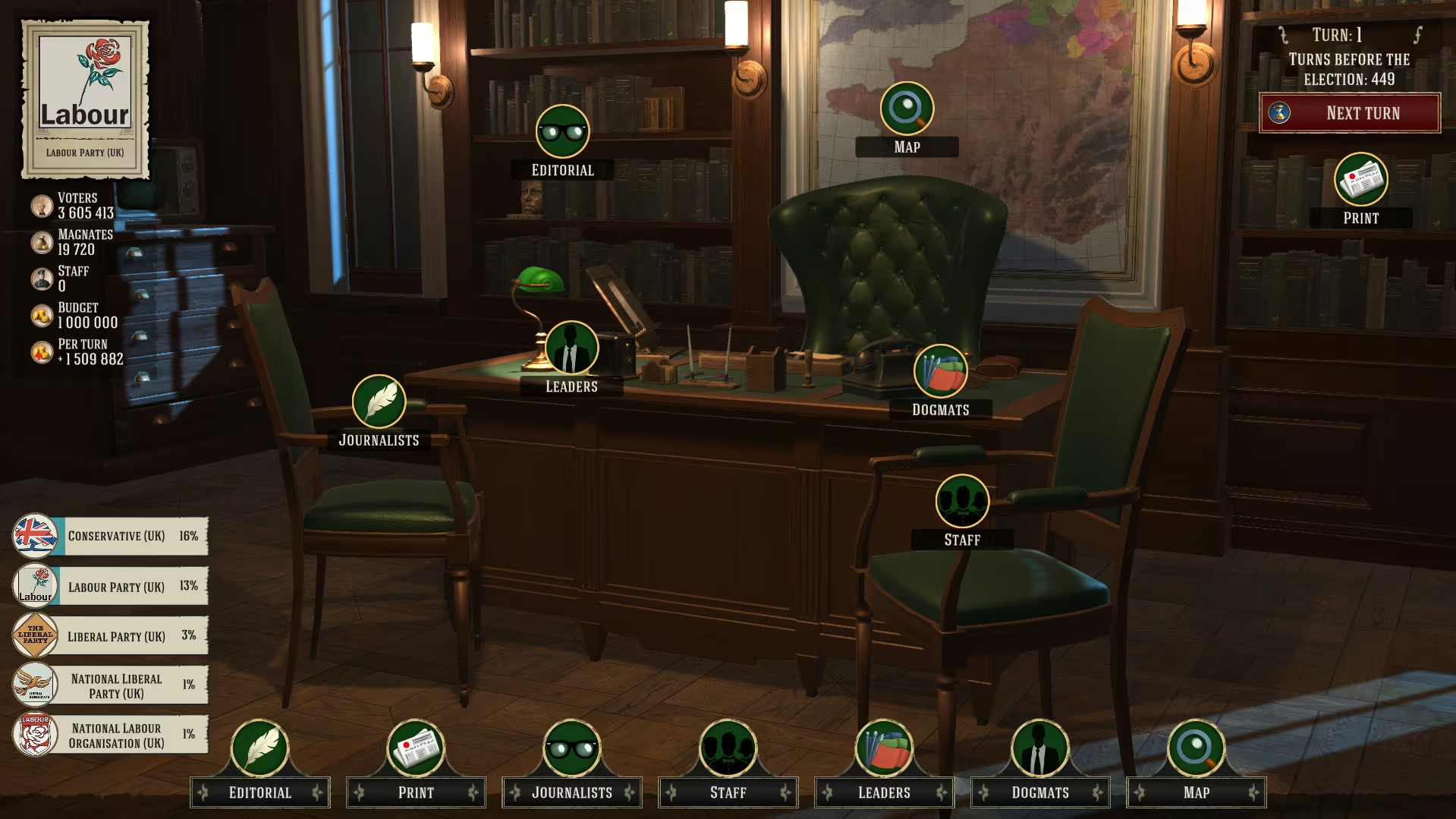
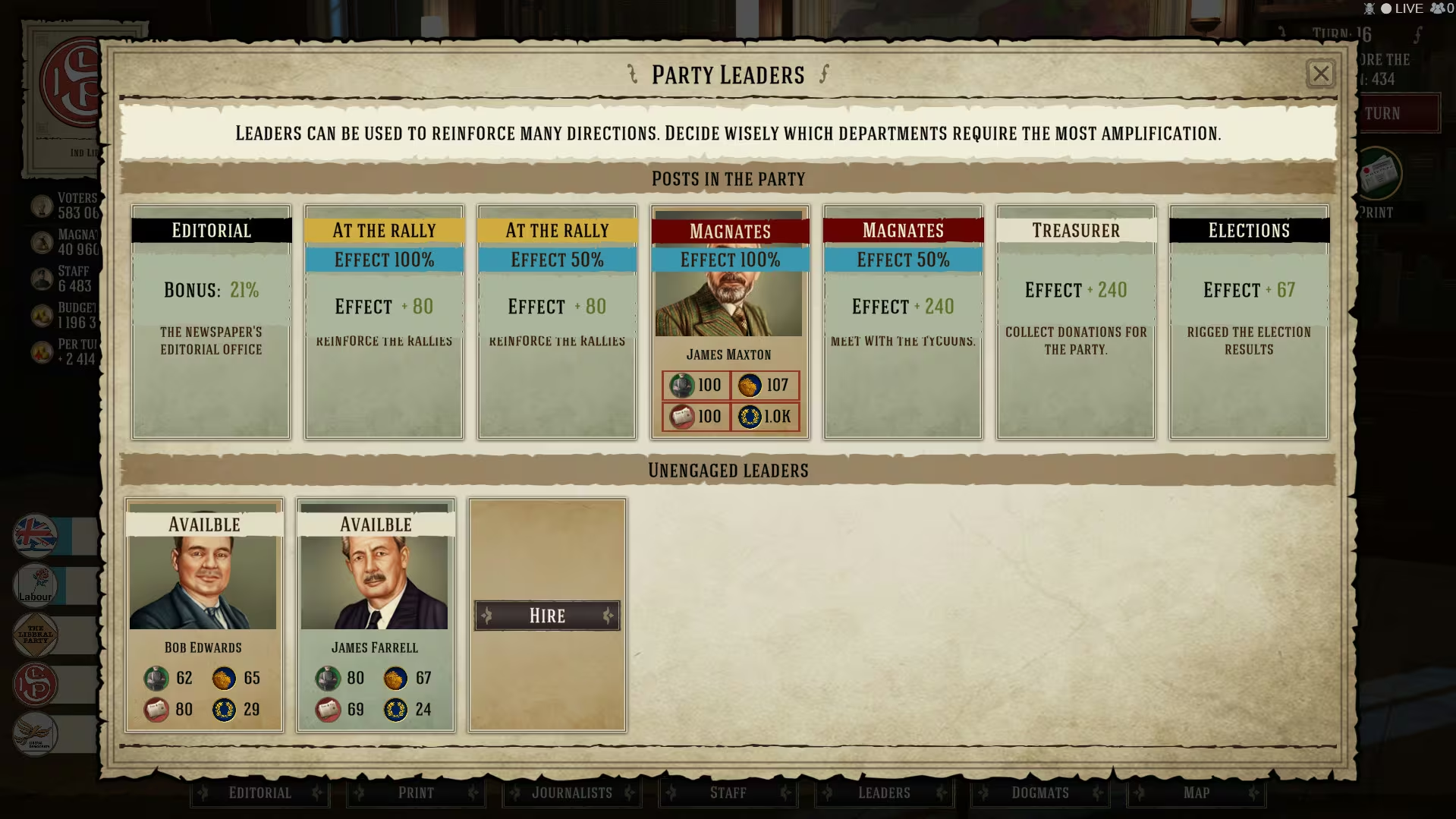
In the unique world of this political simulator, you travel to Europe, 1932-1935, to become the party leader in one of the following countries: Germany, France, or England. You have a real chance to become the winner of WWII even before it begins...

Global score

75/100

Genres

Indie, Simulator, Strategy

Pros

  • Unique political simulation
  • Historical setting and scenarios
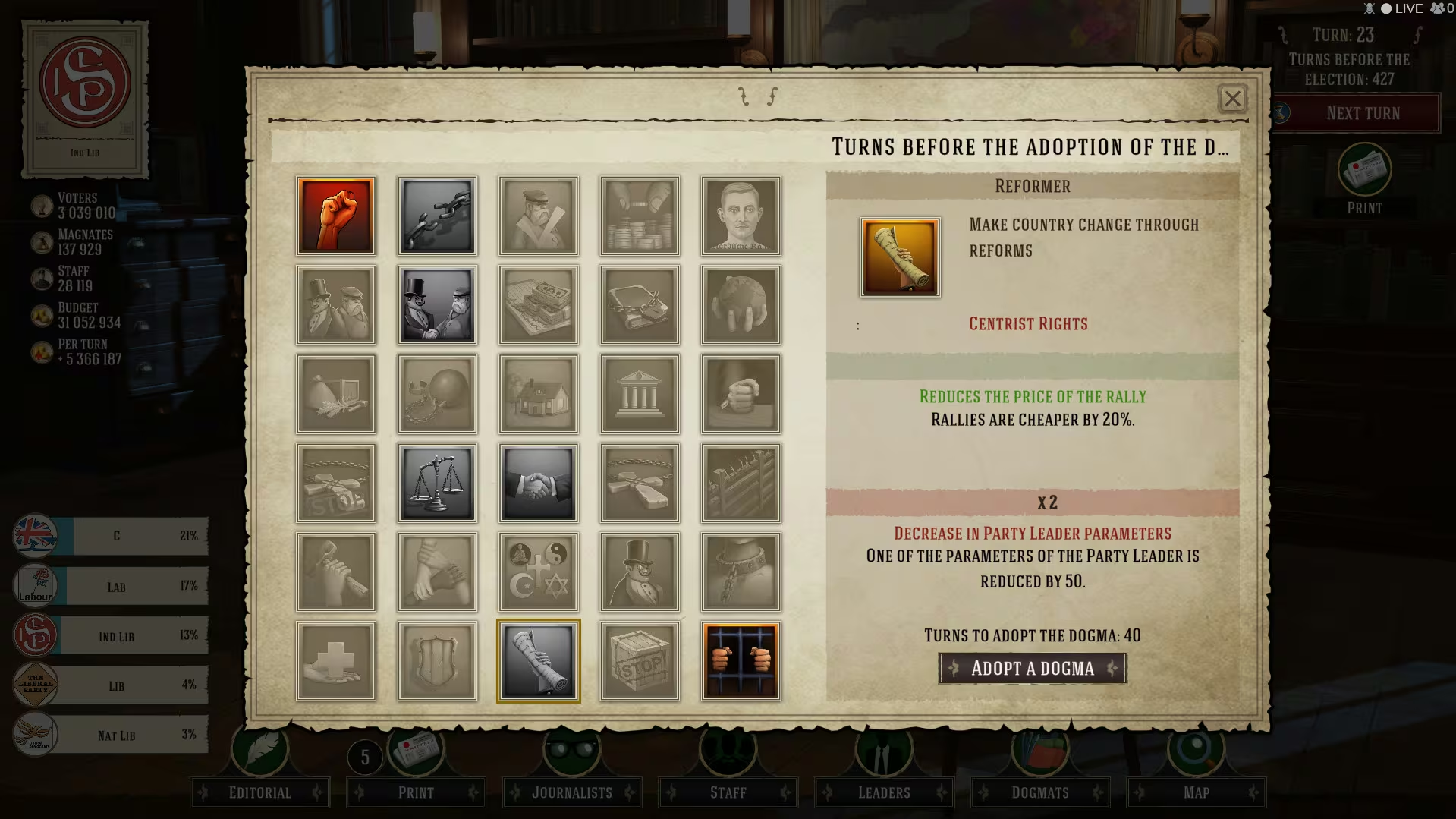
  • Customizable parties and dogmas
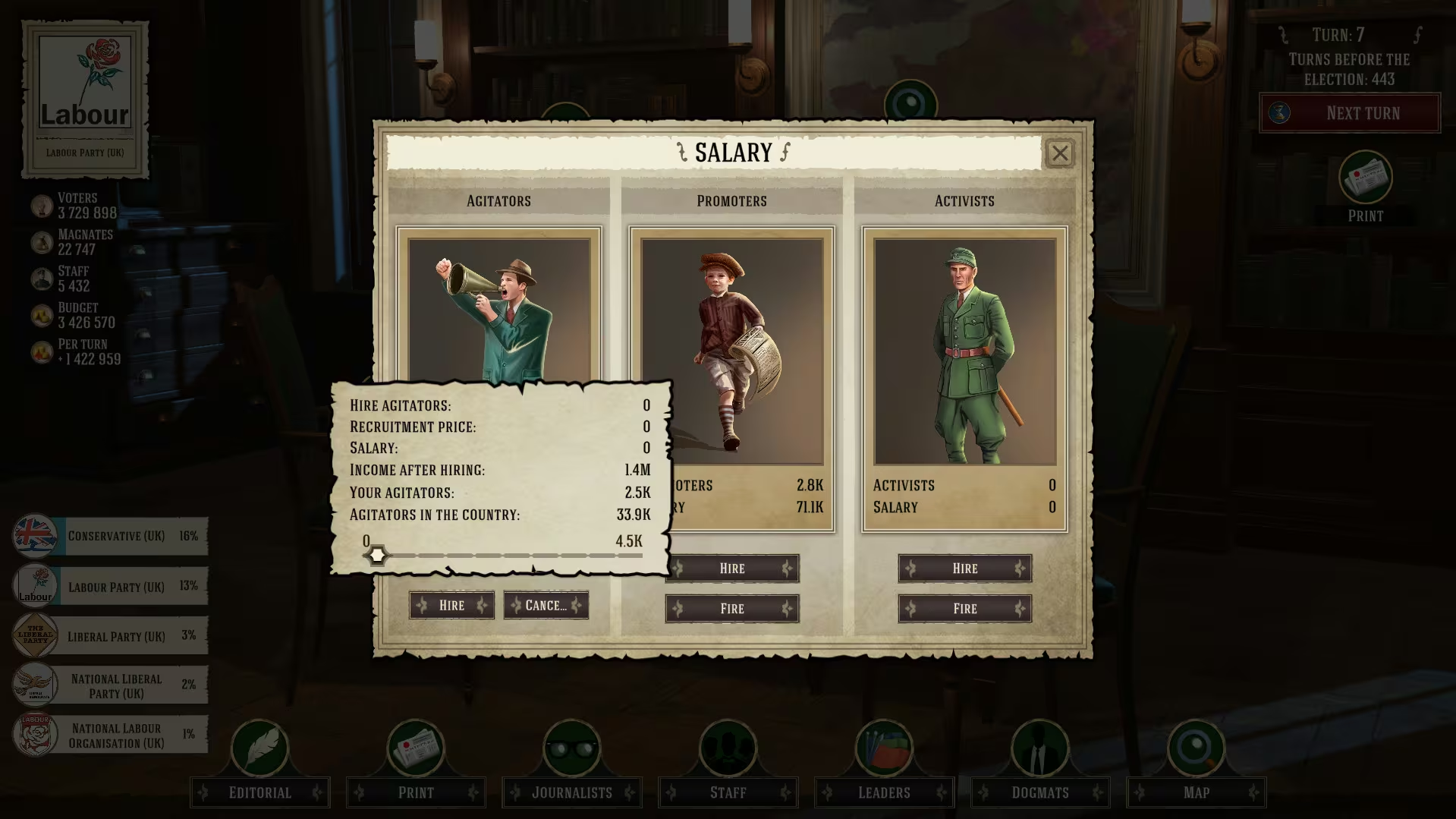
  • Strategic and absorbing gameplay
  • Active developer updates

Cons

  • Limited content and replayability
  • Simple and repetitive mechanics
  • Weak tutorial and guidance
  • Lack of multiplayer or social features
  • Modest graphics and audio

Motivations

  • Autonomy
    4

    "Players have freedom to choose country, party, dogmas, and strategies to win elections, indicating high control over decisions."

  • Competence
    3

    "Game involves managing resources, balancing budgets, and strategic planning, providing moderate skill challenge and feedback."

  • Competition
    4

    "Focus on winning elections against other parties and outperforming opponents in political campaigns."

  • Continuation
    1

    "Some players report moderate replayability and engagement, but the game can be completed in a few hours and may become repetitive."

  • Cooperation
    -3

    "Gameplay centers on individual party management and competition; limited evidence of cooperative multiplayer or teamwork."

  • Creativity
    3

    "Players can create unique parties by selecting dogmas and ideologies, customizing strategies and party composition."

  • Domination
    3

    "Players exert control over political landscape and opponents through manipulation, propaganda, and election rigging."

  • Escapism
    3

    "Players use the game as a distraction and to explore alternative historical scenarios, providing a form of escapism."

  • Expectation
    -4

    "Players engage voluntarily out of personal interest in politics and strategy without external pressure."

  • Experimenting
    3

    "Players try different parties, dogmas, and strategies to explore various election outcomes and game mechanics."

  • Exploration
    1

    "Some exploration of different scenarios and political parties, but limited discovery of new areas or secrets."

  • Expression
    2

    "Customization of party dogmas and ideologies allows some self-expression within the political simulation."

  • Fantasy
    -3

    "Game is grounded in historical realism and plausible political scenarios of 1930s Europe."

  • Fellowship
    -4

    "Primarily a single-player experience with minimal social or community interaction reported."

  • Growth
    2

    "Players learn political mechanics and improve strategies over time, though complexity is moderate."

  • Health
    -5

    "Typical sedentary gameplay without physical activity or health-related features."

  • Idle
    -2

    "Requires focused attention on resource management and strategic decisions rather than passive or idle play."

  • Intimacy
    -5

    "No evidence of close social relationships or emotional sharing in gameplay."

  • Leadership
    3

    "Players lead political parties, manage leaders, and make authoritative decisions to guide their party to victory."

  • Progression
    3

    "Players accumulate resources, influence, and voter support to progress through elections."

  • Relaxation
    1

    "Some players find the game meditative and absorbing, though others note it can be repetitive."

  • Sensation
    1

    "Visuals and music are modest; some players appreciate atmosphere but sensory stimulation is moderate."

  • Status
    -3

    "Focus is on internal game success rather than social recognition or popularity."

  • Story
    2

    "Game includes historical context and scenarios with narrative elements related to 1930s politics."

  • Strategy
    4

    "Strong emphasis on strategic planning, resource allocation, and tactical decision-making."

  • Thrill
    1

    "Some tension from election competition, but overall gameplay is controlled and predictable."

  • Value
    2

    "Players find value in unique political simulation and historical setting, especially at discounted prices."

  • Violence
    -4

    "Gameplay focuses on political maneuvering and campaigning rather than physical violence or destruction."

  • Survival
    2

    "Players must manage threats to party success and avoid failure in elections, involving risk management."

Similar games

    Last update: 06/03/2026