Fate of the World similar games & best alternatives
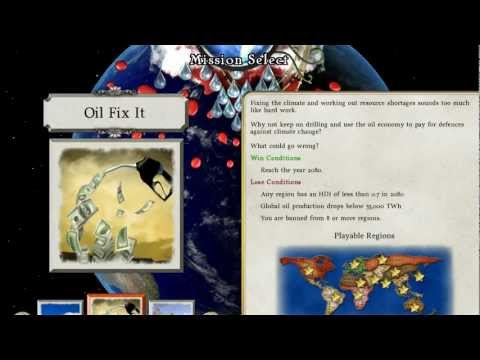
Fate of the World
2011
Related articles
Quick resume
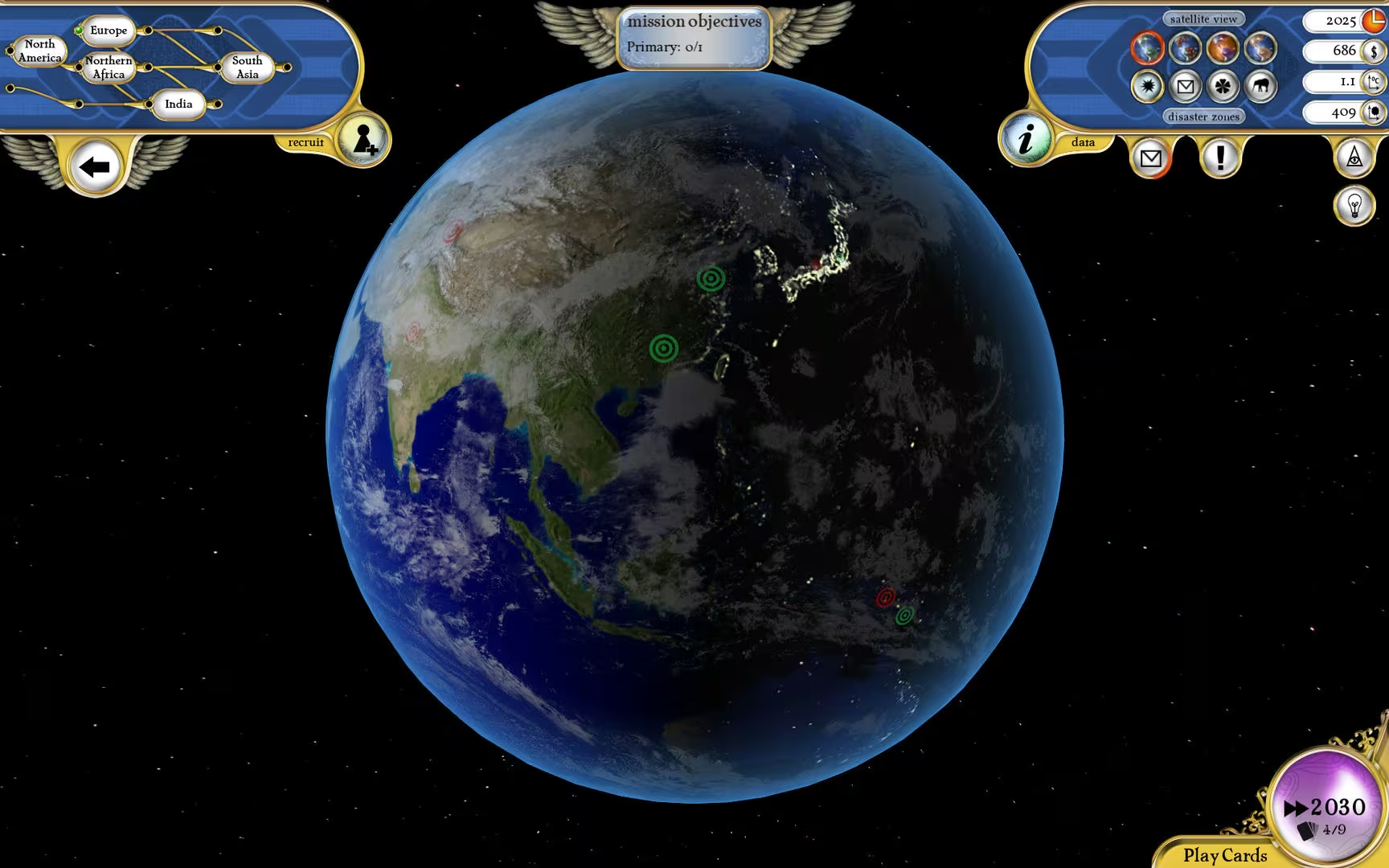
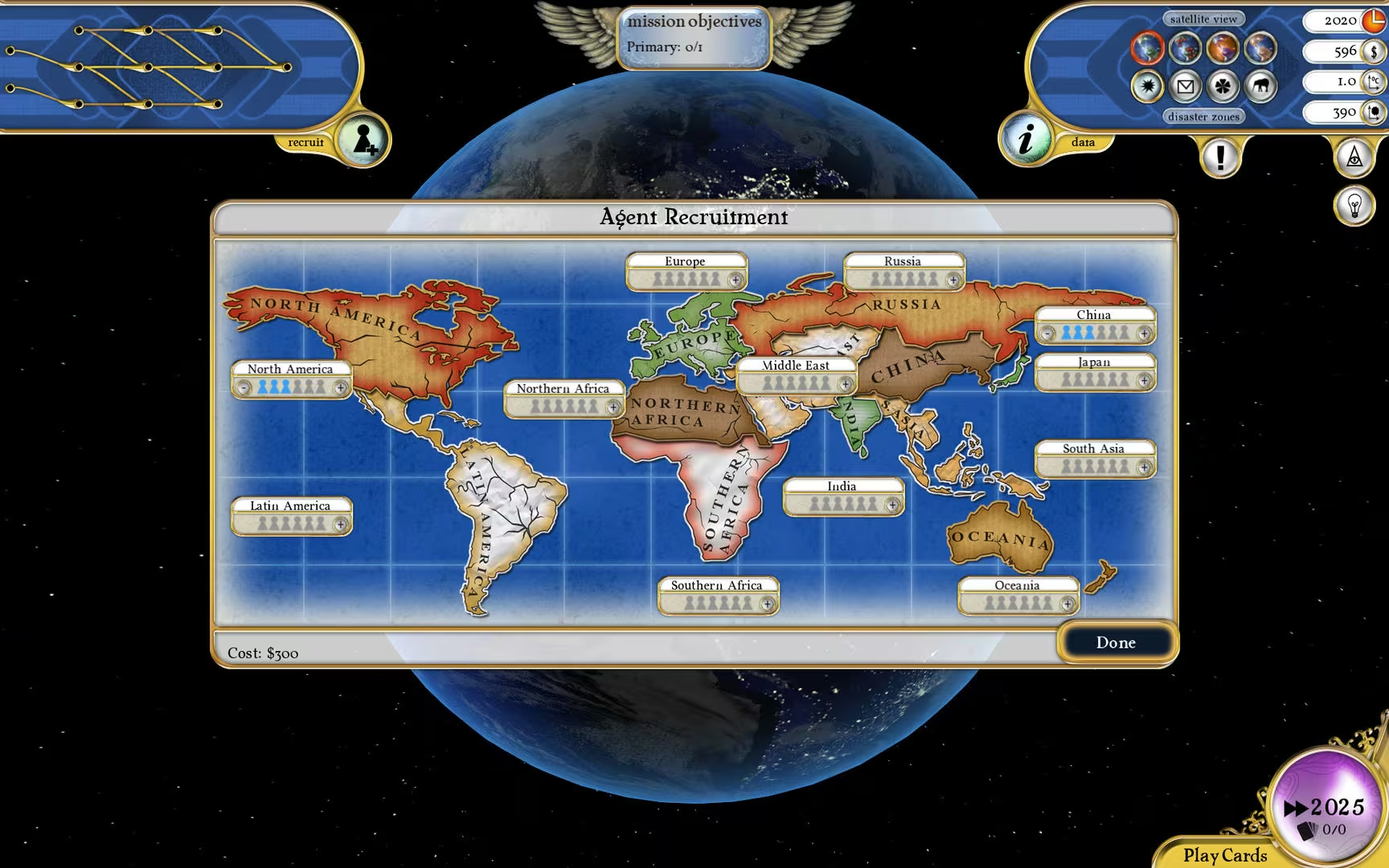
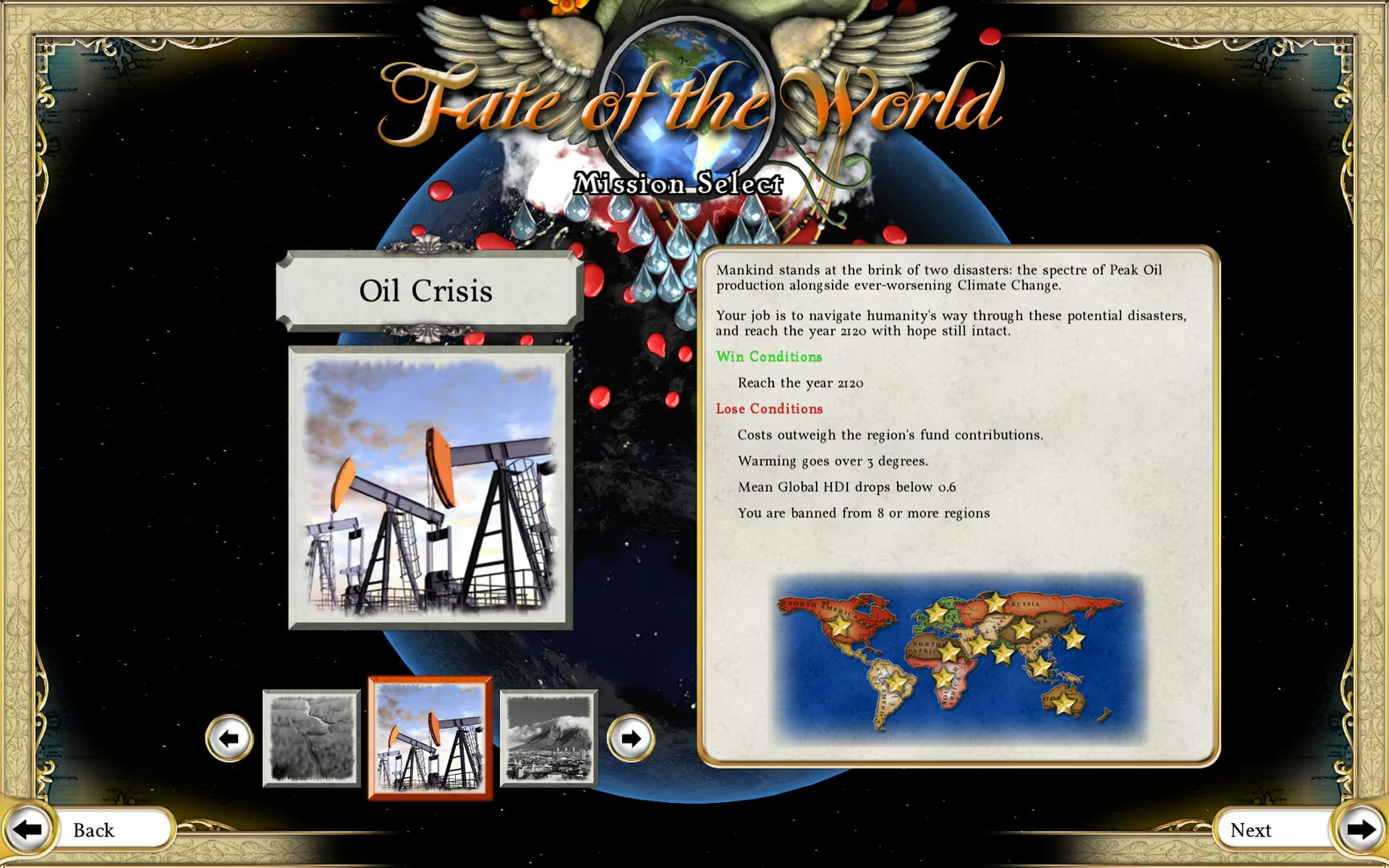
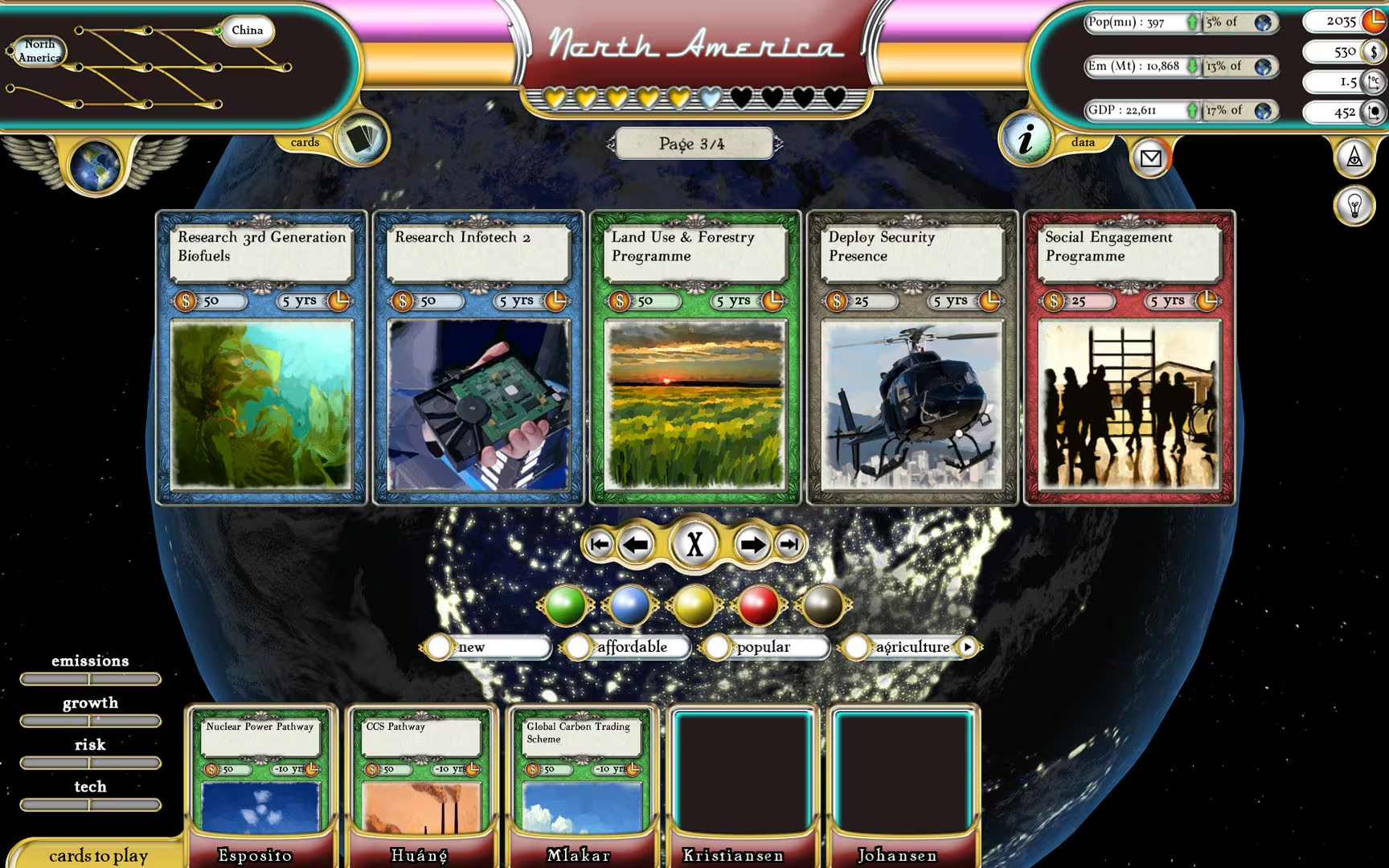
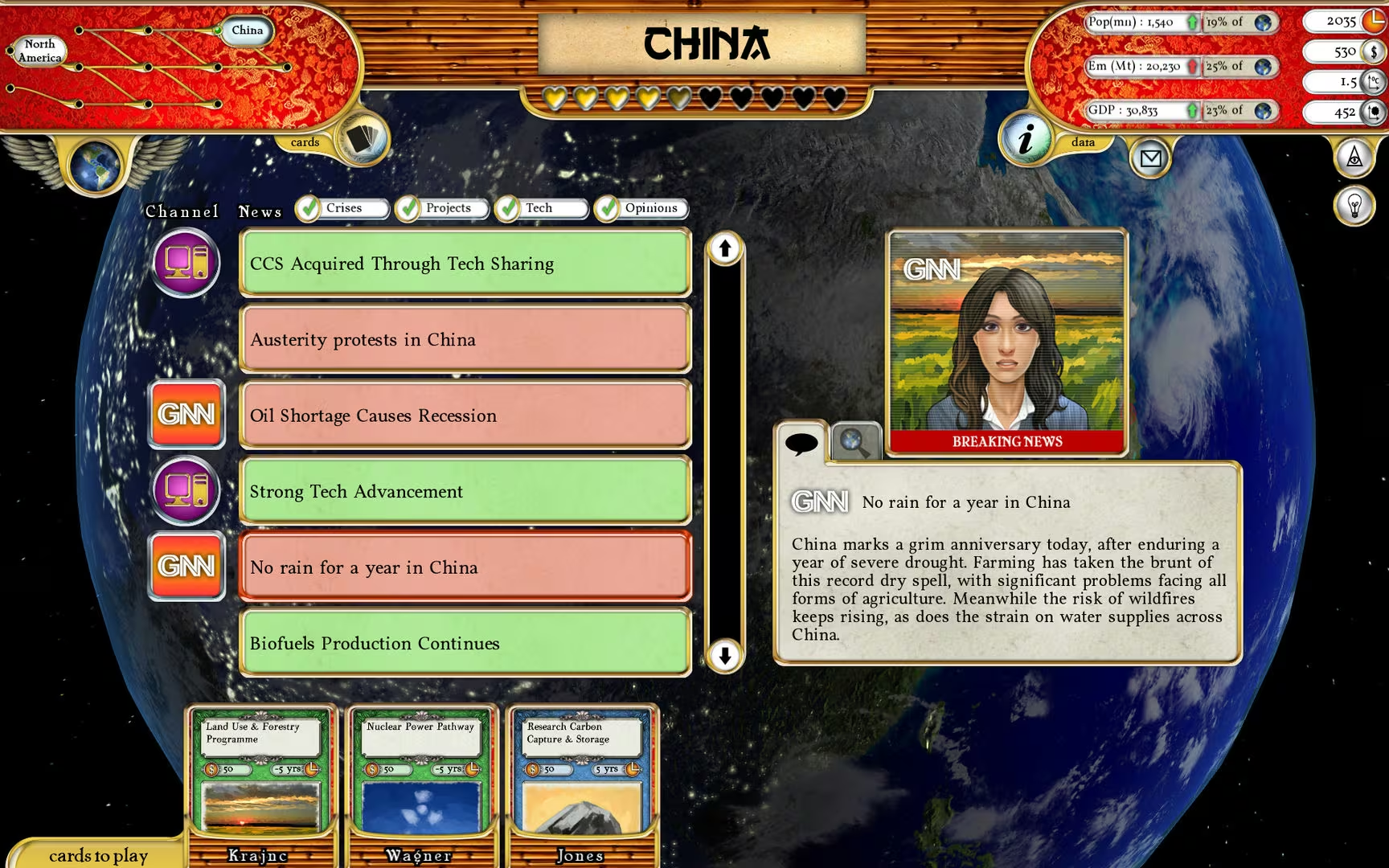
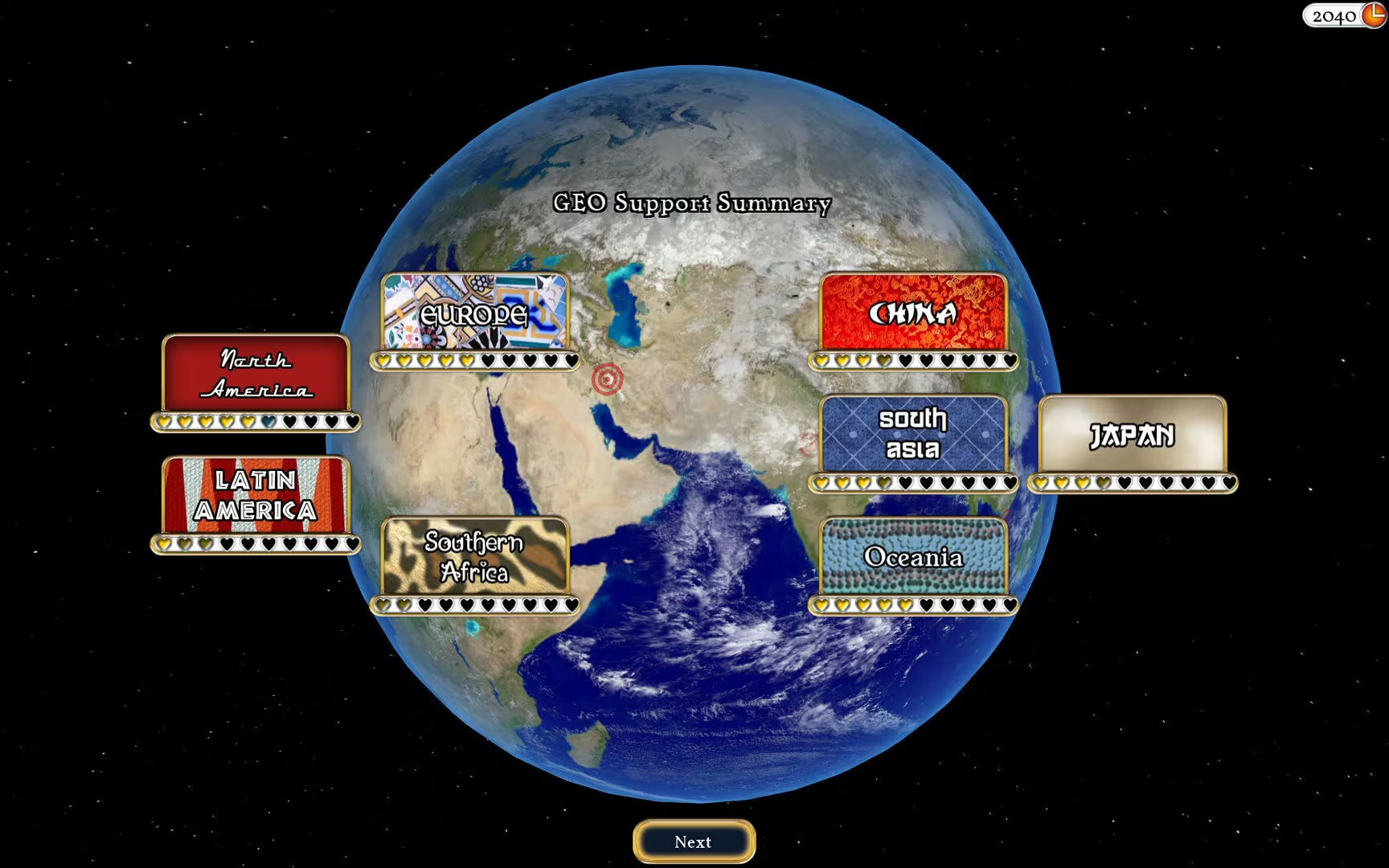
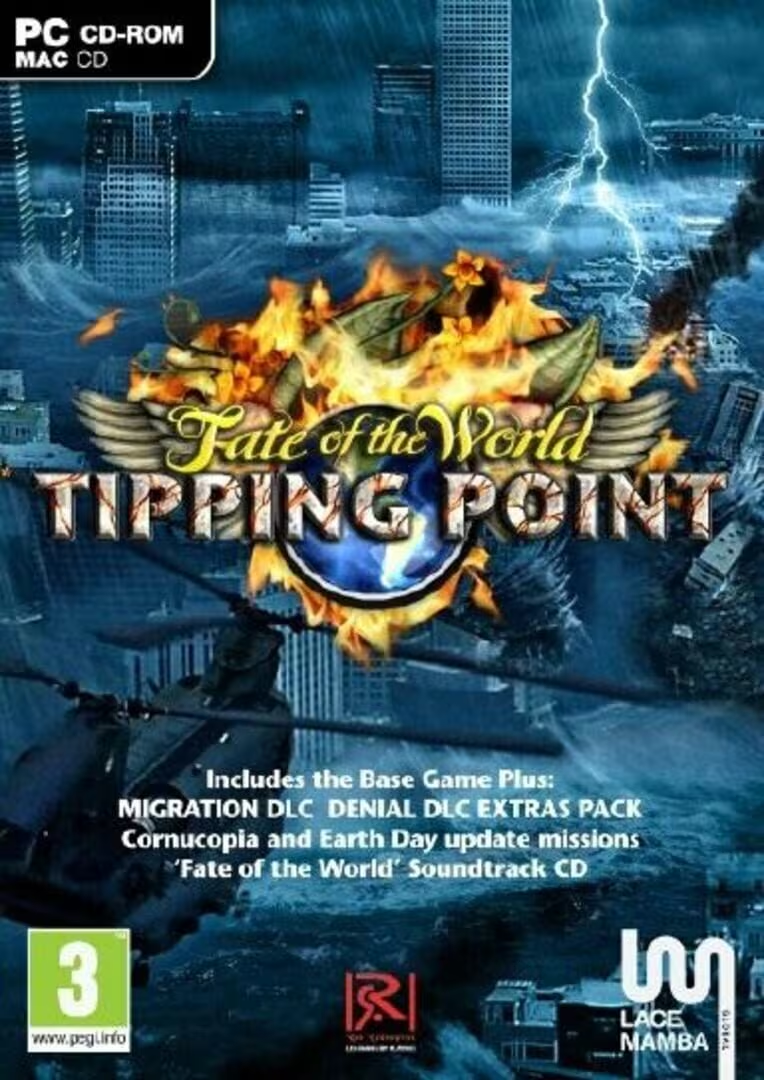
Fate of the World is a dramatic global strategy game that puts all our futures in your hands. The game features a dramatic set of scenarios based on the latest science covering the next two centuries. You must manage a balancing act of protecting the Earth’s resources and climate versus the needs of an ever-growing world population, who...
Global score
78/100
Genres
Casual, Indie, Simulator, Strategy
Similar games
Pros
- Deep and challenging strategic gameplay
- Realistic simulation of climate and geopolitical issues
- Educational value about global warming and policy impacts
- Multiple scenarios with replayability
- Unofficial patch improves balance and transparency
Cons
- Steep learning curve and complex interface
- Limited tutorial and unclear feedback on actions
- Some mechanics and data are opaque or unrealistic
- Lack of multiplayer or social features
- Dated graphics and ui design
Analysis
Less representative of its motivational profile, with noticeable differences. Motivations that often define this kind of title include Leadership, Survival, Violence, Strategy. It leans lower than usual among comparable games on Violence, Fantasy, Expression.
How to use the graph
Similar games map
Each dot is a game. They are arranged from the same motivation profile as in the “Motivations” section below. Closer dots usually mean more similar reasons to play (exploration, competition, relaxation, etc.)—not that one game is “better” than another.
- Larger dot with a light outline: the game you are viewing.
- Colour: groups of games with comparable motivation patterns (statistical clusters).
- Hover a dot to see the game name; click to open its page.
- Scroll or double-click the chart to zoom out and see more games.
Why don’t the axes read like a score? This view uses t-SNE: it only keeps who is close to whom. The scales are not “good to bad” or hours played—they separate groups on the map. Read distance between dots, not the axis numbers.
Motivations
-
Autonomy4
"Players have control over global policies and decisions, directing actions and strategies freely to influence world outcomes."
-
Competence4
"The game is challenging and requires skillful management of complex systems and strategic planning to succeed."
-
Competition-3
"Focus is on individual strategic play against the game’s systems rather than competing against other players."
-
Continuation3
"Players often engage in repeated attempts and long sessions to improve strategies and achieve success."
-
Cooperation-4
"Gameplay is primarily single-player and independent, with no multiplayer or teamwork elements."
-
Creativity3
"Players experiment with different policy combinations and strategies to solve complex problems."
-
Domination1
"Players act as a global authority with power over regions, but interactions are with systems rather than other players."
-
Escapism2
"The game offers a way to engage with real-world issues in a simulated environment, providing thoughtful distraction."
-
Expectation-4
"Players engage voluntarily out of interest and curiosity rather than obligation or external pressure."
-
Experimenting4
"Trial and error is a core gameplay element, encouraging players to test policies and learn from outcomes."
-
Exploration1
"Exploration is limited to discovering effects of policies and scenarios rather than physical world exploration."
-
Expression-3
"The game uses predefined cards and regions with minimal customization or avatar personalization."
-
Fantasy-2
"The game is grounded in realistic scenarios and scientific data rather than imaginative fiction."
-
Fellowship-4
"The experience is solitary with minimal social or community interaction."
-
Growth4
"Players learn complex systems, develop strategies, and improve understanding of climate and geopolitical issues."
-
Health-4
"The game is sedentary and does not involve physical activity or health-related mechanics."
-
Idle-3
"Requires focused attention and strategic thinking throughout play sessions."
-
Intimacy-5
"No social or emotional relationship building; gameplay is individual and system-focused."
-
Leadership4
"Players lead global organizations and make high-level decisions affecting multiple regions."
-
Progression3
"Players accumulate resources, develop technologies, and unlock policies to advance through scenarios."
-
Relaxation-2
"The game is tense and challenging, often inducing stress rather than relaxation."
-
Sensation1
"Visuals and audio are functional but not highly stimulating; focus is on data and strategy."
-
Status-4
"Achievements and recognition are minimal and mostly personal rather than social."
-
Story2
"The game includes narrative elements through scenarios and news updates but is primarily data-driven."
-
Strategy5
"Core gameplay revolves around complex strategic planning and problem solving."
-
Thrill2
"Tension arises from managing crises and avoiding failure, providing suspenseful moments."
-
Value3
"Players find value in educational content and challenging gameplay relative to price."
-
Violence-3
"While some destructive options exist, the focus is on constructive policy and management."
-
Survival4
"Players must manage threats and avoid catastrophic failure to keep humanity alive."
Last update: 29/04/2026