Fate of the World: Tipping Point Thumbnail

Fate of the World: Tipping Point similar games & best alternatives
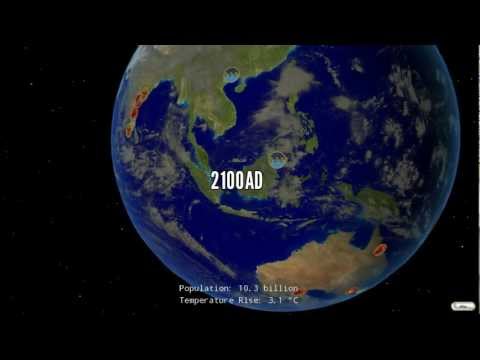
Fate of the World: Tipping Point

PC (Microsoft Windows), Linux • 2011

Related articles

Quick resume

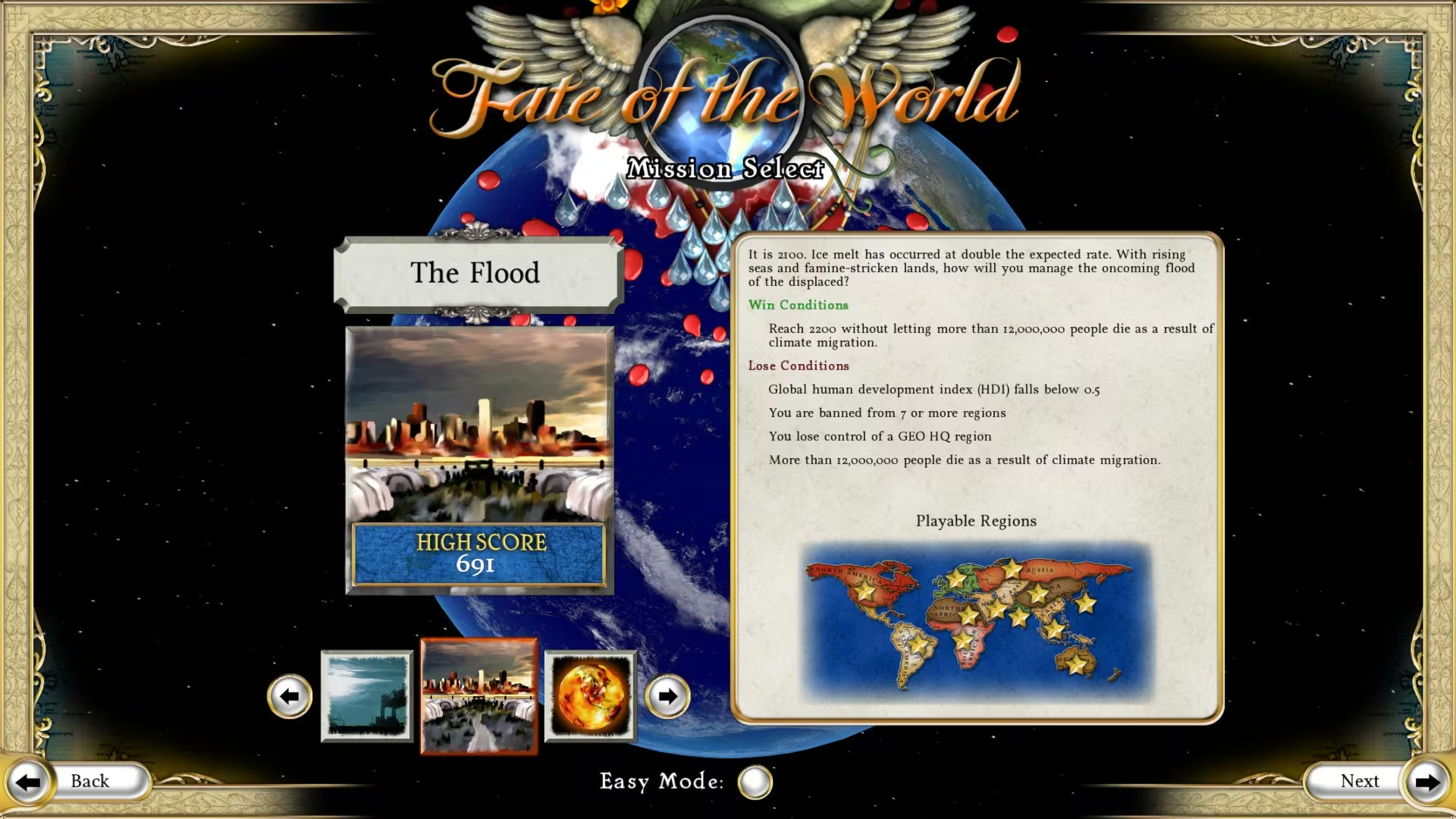
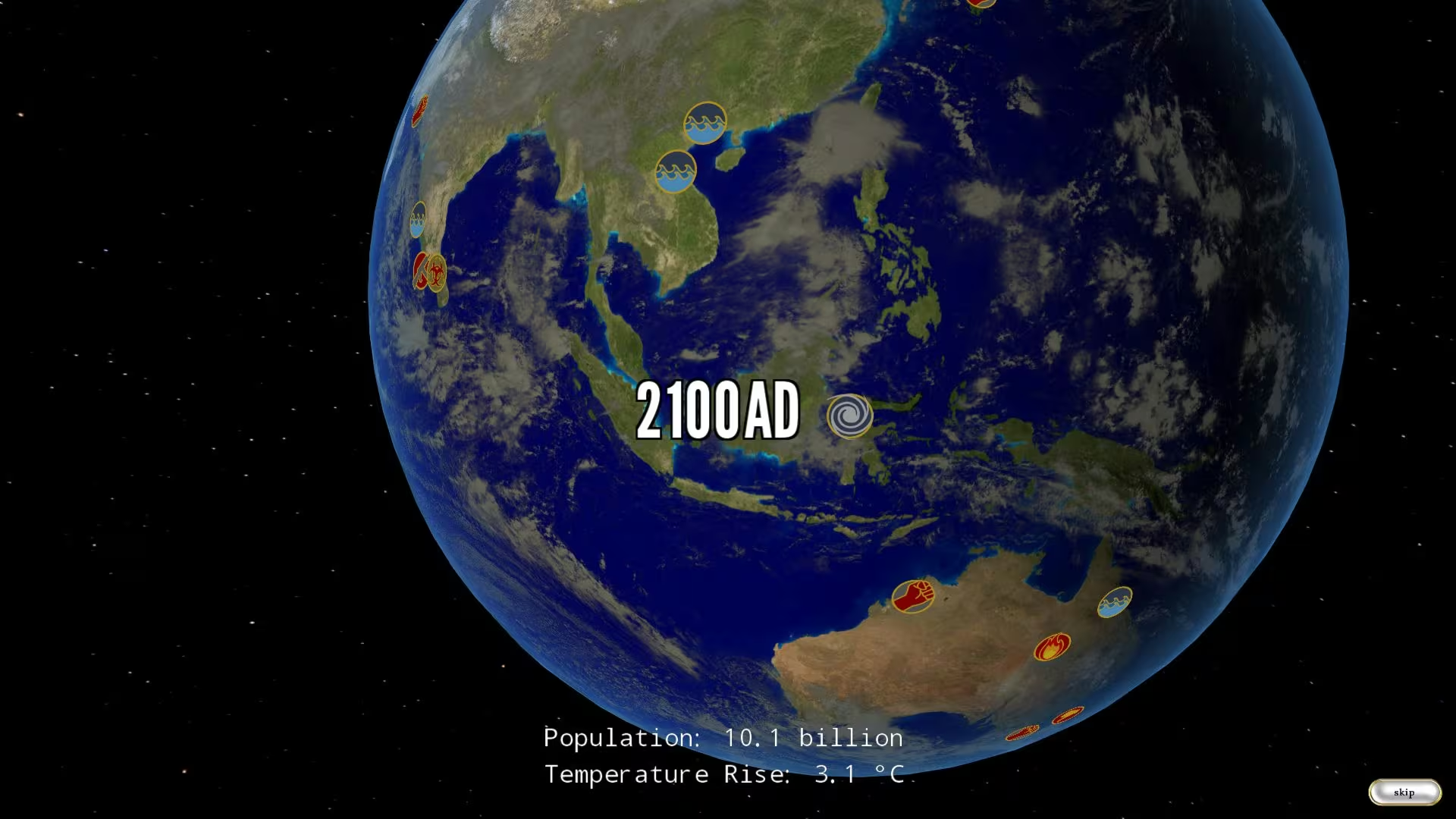
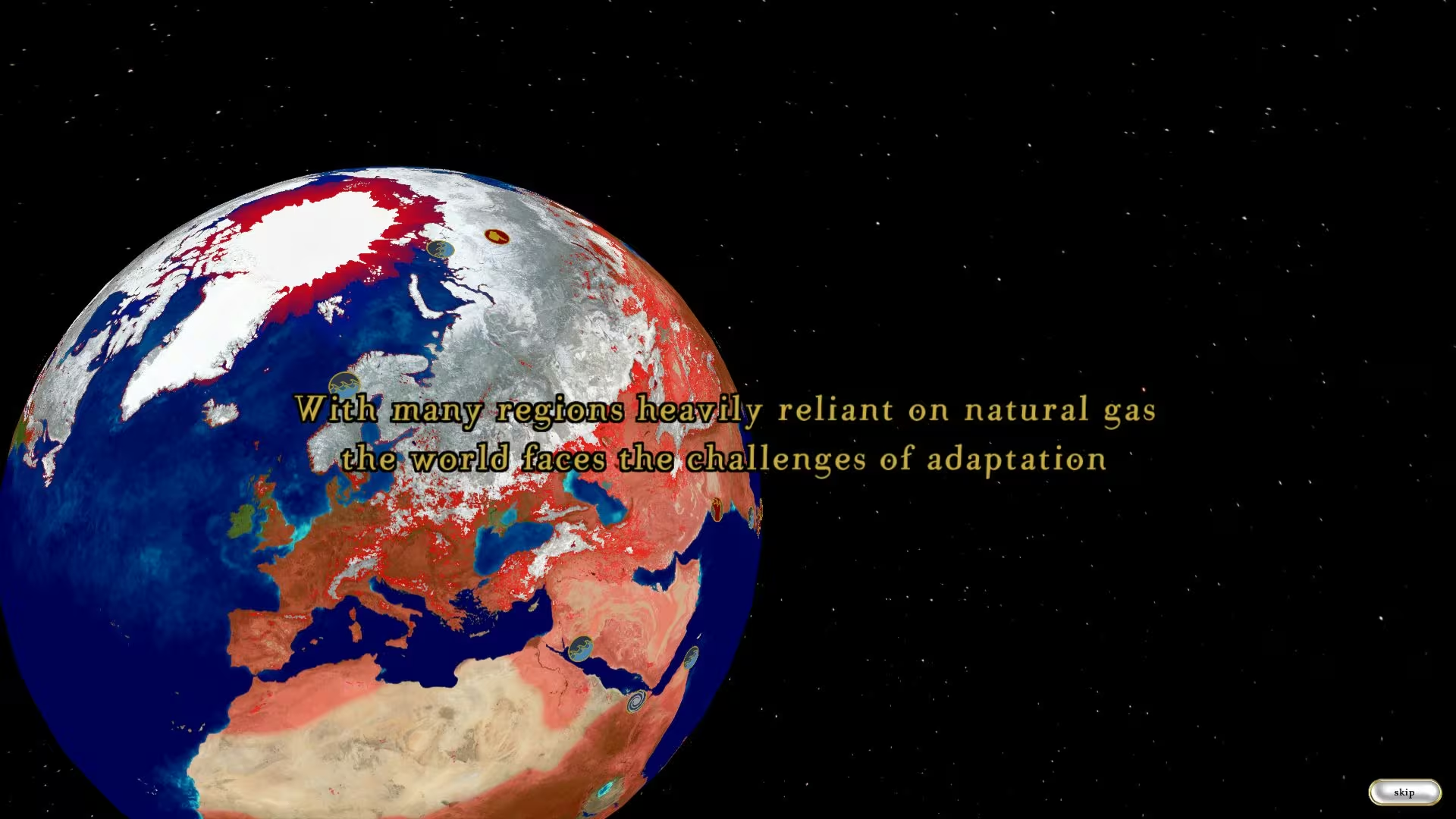
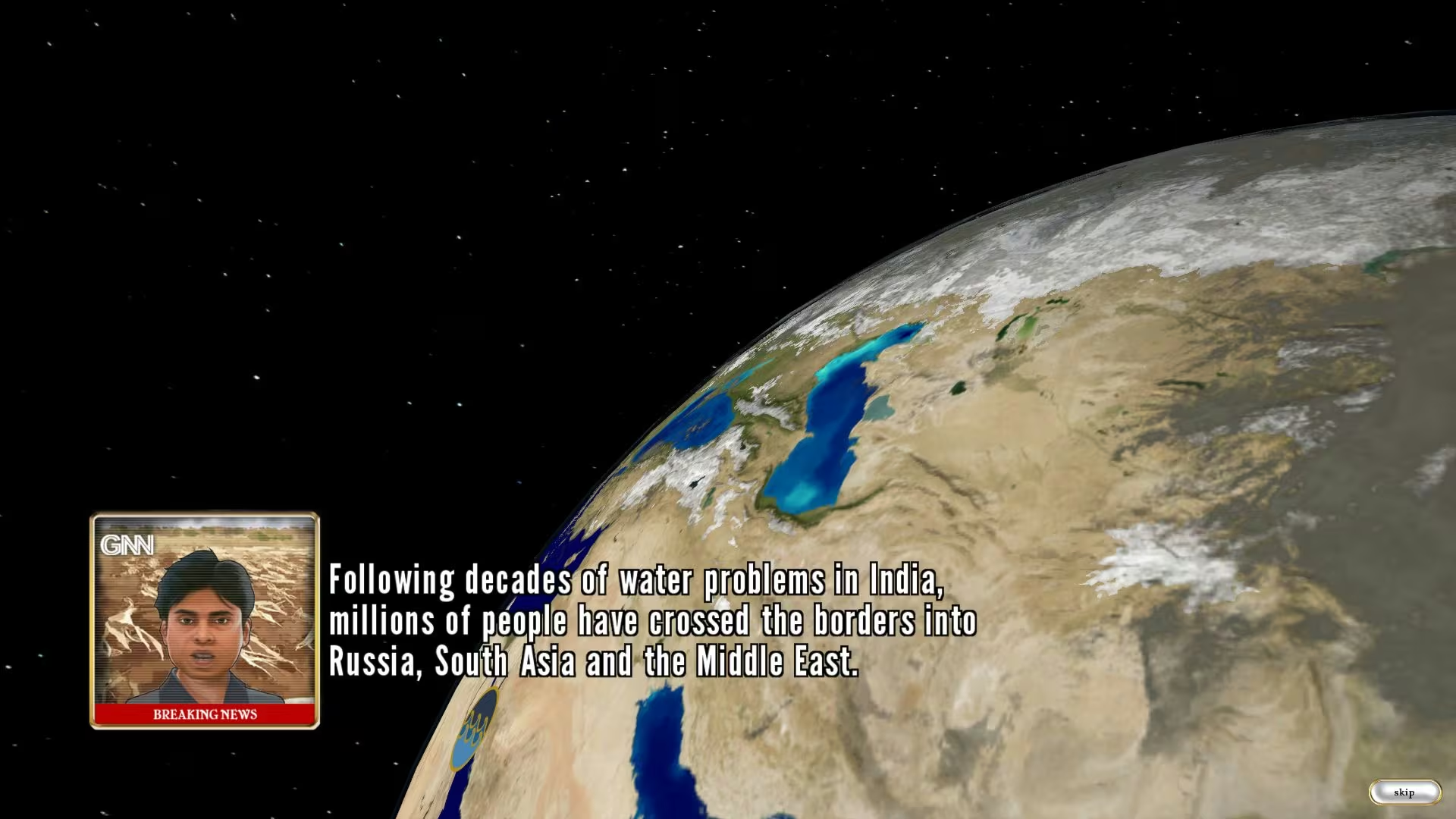
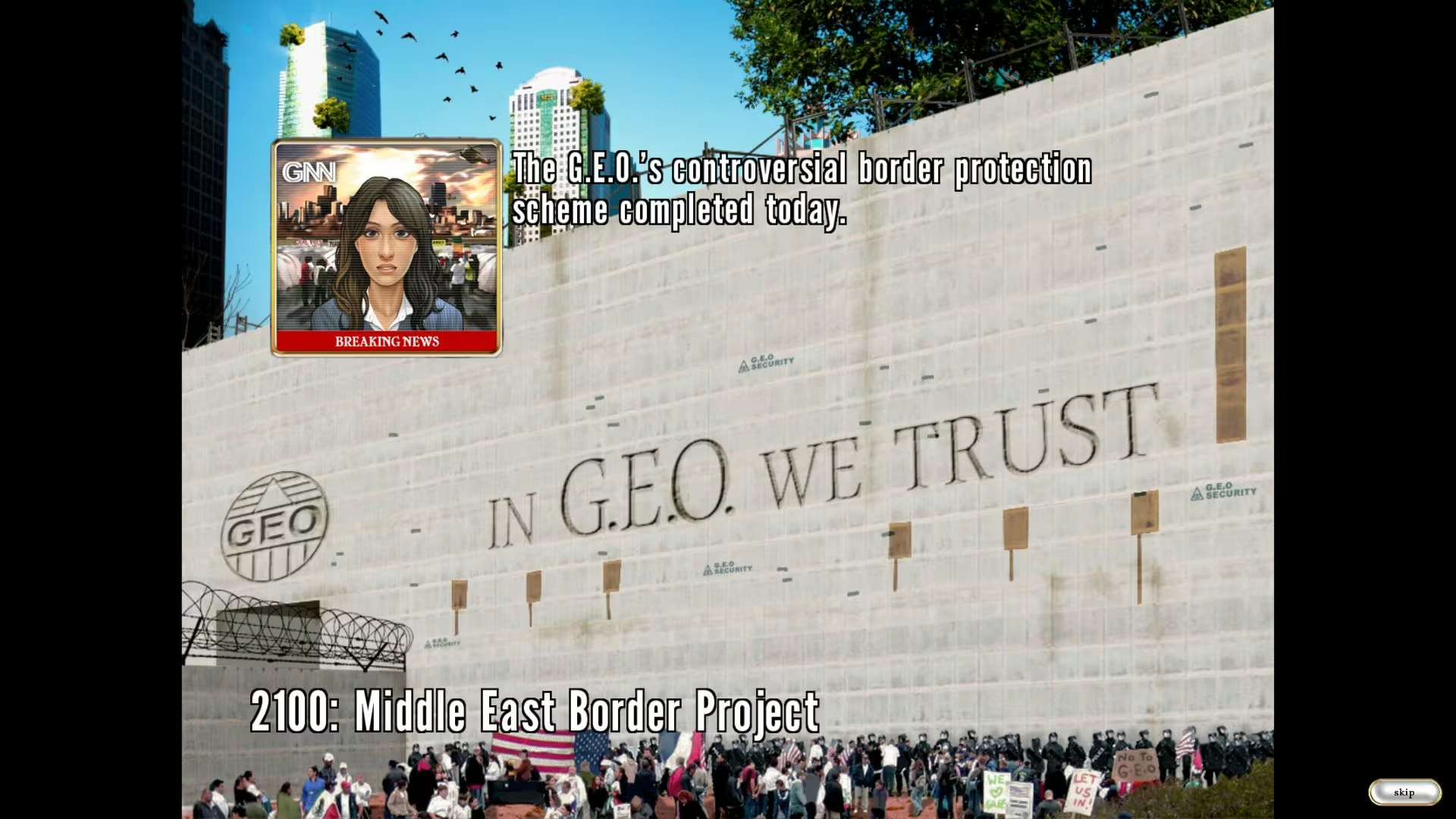
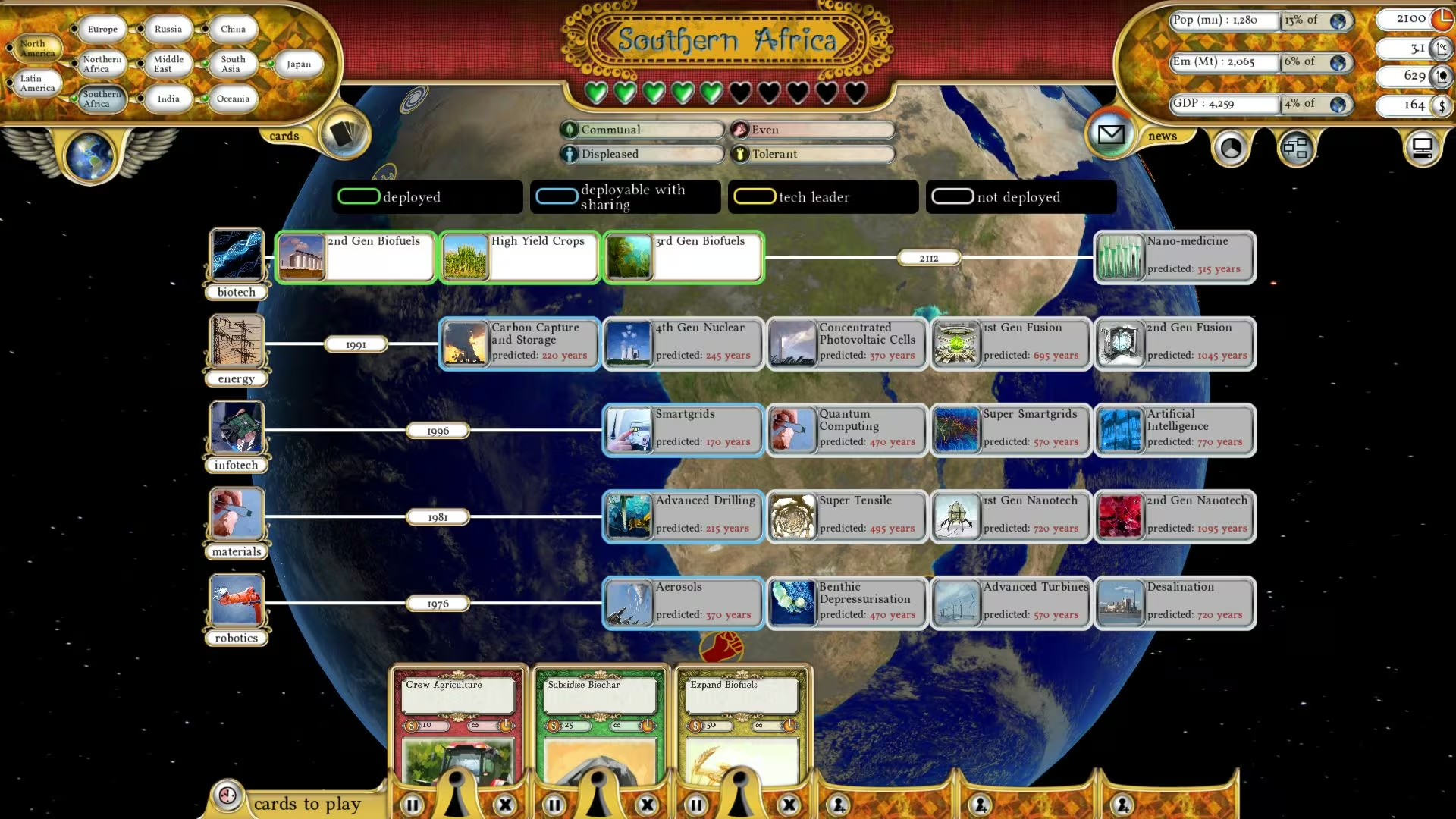
Experience Fate of the World as it's meant to be played. Take control of the GEO through the five original missions, plus the “Denial”, “Migration” and “Extras Pack” DLCs.

Global score

78/100

Genres

Strategy, Indie, Casual, Simulator

Similar games

    Pros

    • Deep and challenging strategic gameplay
    • Realistic simulation of global climate and socio-economic issues
    • Educational value on climate change and policy impacts
    • Addictive trial-and-error learning
    • Multiple scenarios with varied approaches

    Cons

    • Steep learning curve and opaque mechanics
    • Poor user interface and information presentation
    • Lack of multiplayer or social features
    • Some balance and realism issues without unofficial patch
    • Game can feel depressing and emotionally heavy

    Analysis

    Less representative of its motivational profile, with noticeable differences. Motivations that often define this kind of title include Leadership, Survival, Violence, Strategy. It leans lower than usual among comparable games on Violence, Fantasy, Expression.

    How to use the graph
    Similar games map

    Each dot is a game. They are arranged from the same motivation profile as in the “Motivations” section below. Closer dots usually mean more similar reasons to play (exploration, competition, relaxation, etc.)—not that one game is “better” than another.

    • Larger dot with a light outline: the game you are viewing.
    • Colour: groups of games with comparable motivation patterns (statistical clusters).
    • Hover a dot to see the game name; click to open its page.
    • Scroll or double-click the chart to zoom out and see more games.

    Why don’t the axes read like a score? This view uses t-SNE: it only keeps who is close to whom. The scales are not “good to bad” or hours played—they separate groups on the map. Read distance between dots, not the axis numbers.

    Motivations

    • Autonomy
      4

      "Players have control over global policies and strategies, making complex decisions to influence world outcomes."

    • Competence
      5

      "The game is challenging with a steep learning curve requiring skillful management and strategic thinking."

    • Competition
      -4

      "Focus is on personal strategy and problem-solving rather than competing against other players."

    • Continuation
      3

      "Players report addictive gameplay with repeated attempts to improve strategies and replay scenarios."

    • Cooperation
      -3

      "Gameplay is primarily single-player with limited or no multiplayer cooperative elements."

    • Creativity
      3

      "Players experiment with different policy combinations and strategies to influence outcomes."

    • Domination
      -4

      "Interactions are with simulated regions rather than other players; no social dominance expressed."

    • Escapism
      3

      "Players use the game as a way to engage with complex real-world issues, sometimes as a mental escape."

    • Expectation
      -4

      "Players engage voluntarily out of interest in climate and strategy, not due to external pressure."

    • Experimenting
      5

      "Trial and error is a core gameplay element; players try new policies and strategies to learn effects."

    • Exploration
      2

      "Players explore different scenarios and policy outcomes, though within a fixed global map."

    • Expression
      -3

      "Limited customization; focus is on strategic decisions rather than personal or aesthetic expression."

    • Fantasy
      -2

      "The game simulates realistic global issues and scenarios rather than imaginative or fictional worlds."

    • Fellowship
      -4

      "Primarily a solo experience with minimal social or community interaction."

    • Growth
      4

      "Players develop understanding of complex systems and improve strategic skills over time."

    • Health
      -5

      "No physical activity involved; sedentary gameplay."

    • Idle
      -3

      "Requires focused attention and strategic planning; not a casual or background game."

    • Intimacy
      -5

      "No social or emotional relationship building; gameplay is solitary and analytical."

    • Leadership
      5

      "Players act as global leaders making high-level decisions affecting multiple regions."

    • Progression
      3

      "Players unlock technologies and policies, progressing through scenarios with evolving capabilities."

    • Relaxation
      -2

      "Game is tense and challenging, often inducing stress rather than relaxation."

    • Sensation
      1

      "Visuals and music support mood but sensory stimulation is moderate and functional."

    • Status
      -4

      "No social status or recognition systems; achievements are personal and not publicly ranked."

    • Story
      2

      "Narrative elements exist through scenarios and news updates, but focus is on strategic simulation."

    • Strategy
      5

      "Core gameplay revolves around complex strategic planning and problem solving."

    • Thrill
      3

      "Tension and suspense arise from managing crises and avoiding catastrophic failures."

    • Value
      4

      "Players find value in educational content and challenging gameplay relative to price."

    • Violence
      -3

      "Violence is abstract and limited to policy effects; focus is on management rather than combat."

    • Survival
      5

      "Central theme is survival of humanity and the planet through managing threats and crises."

    Last update: 29/04/2026