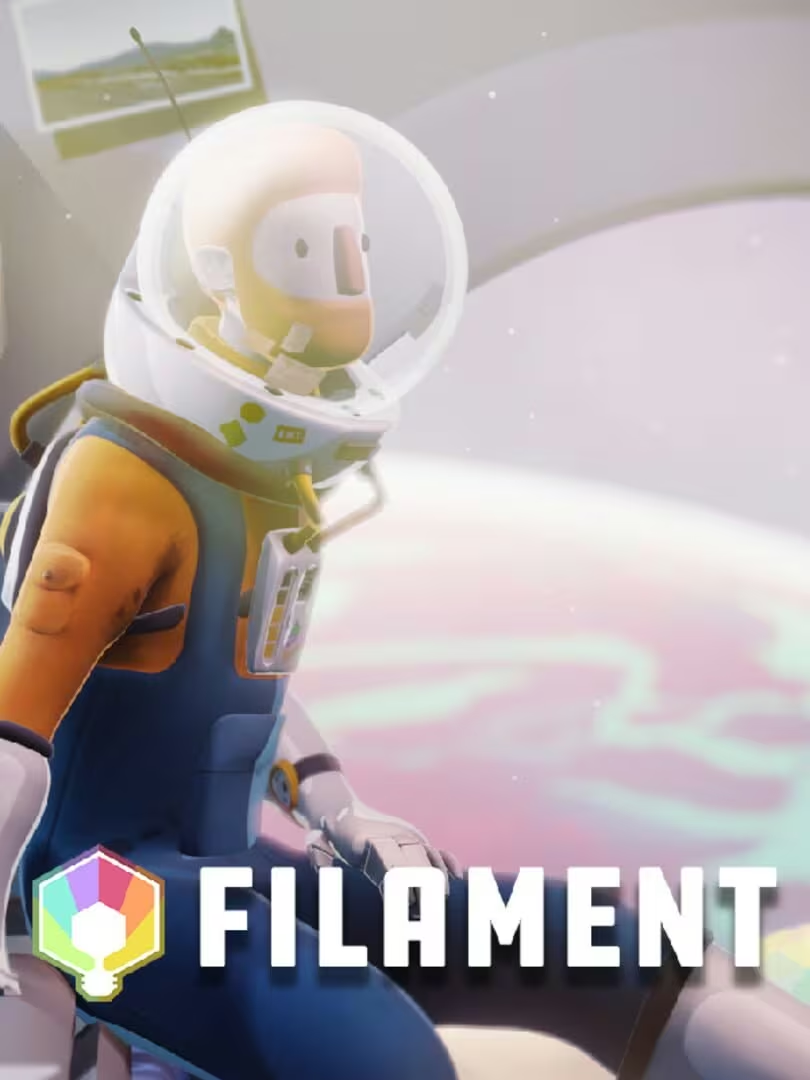
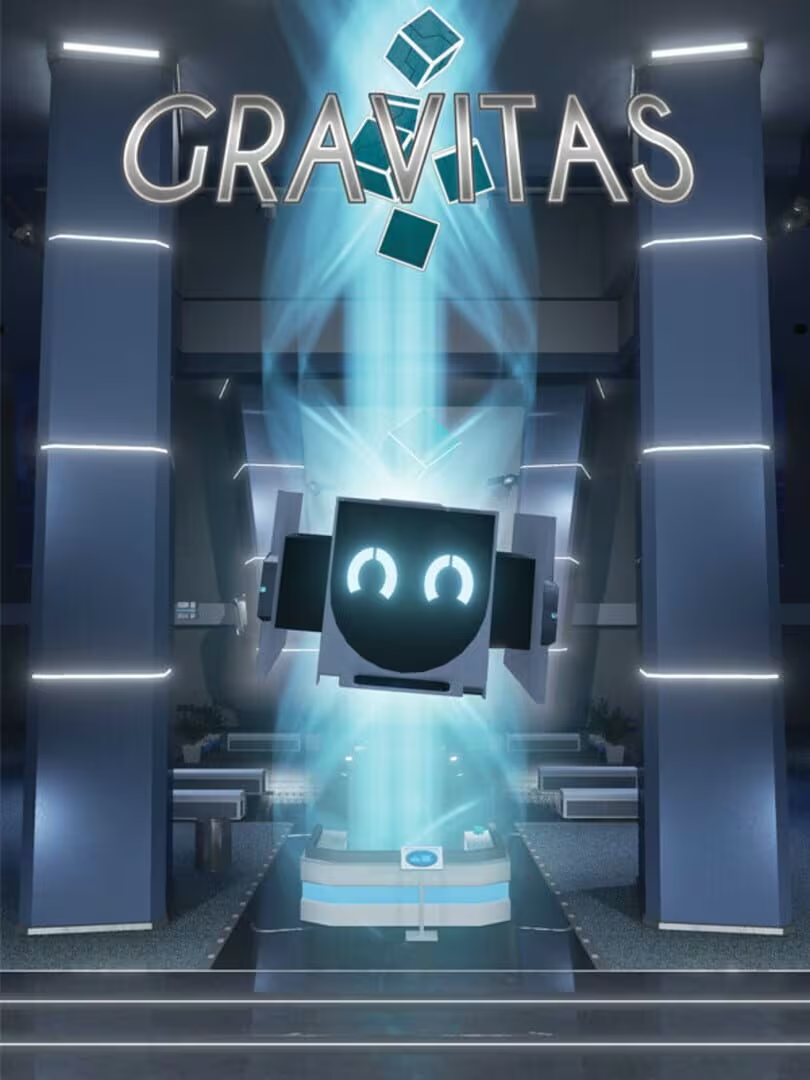
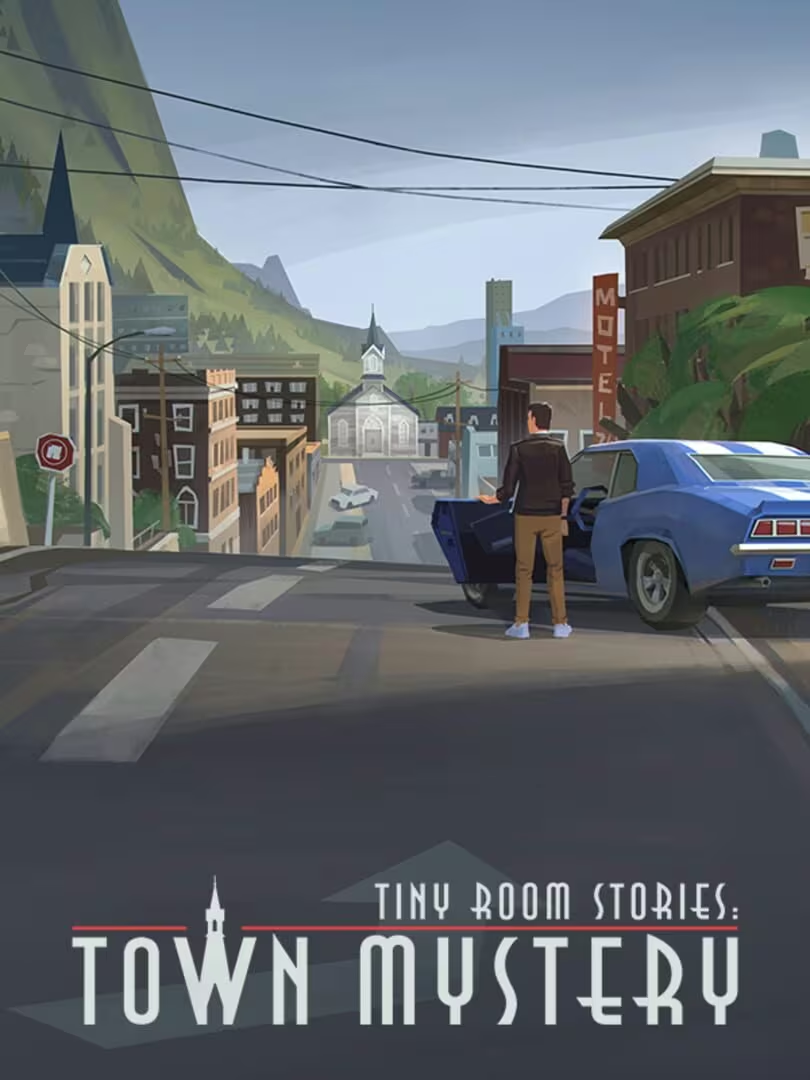
Glitchspace Thumbnail

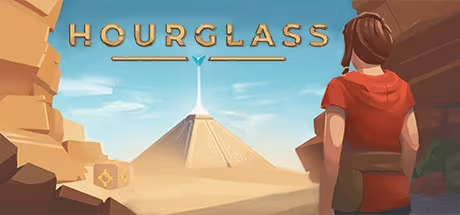
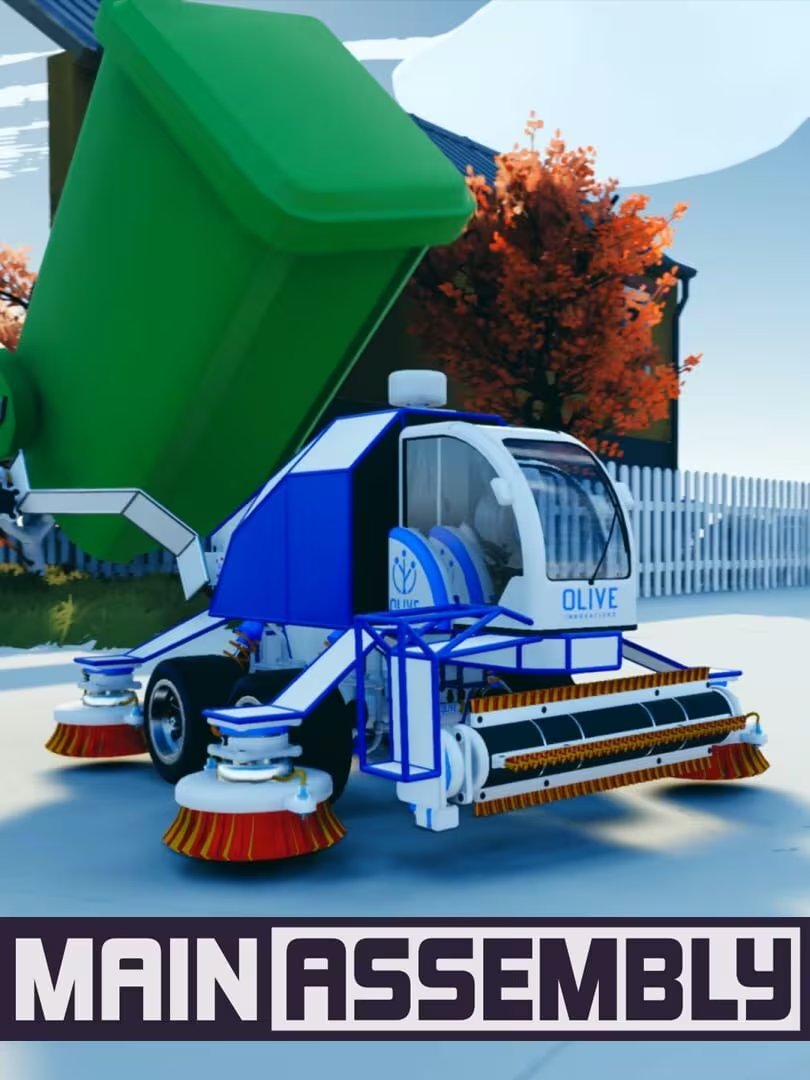
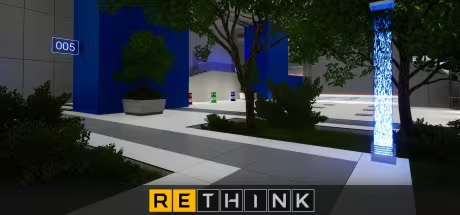
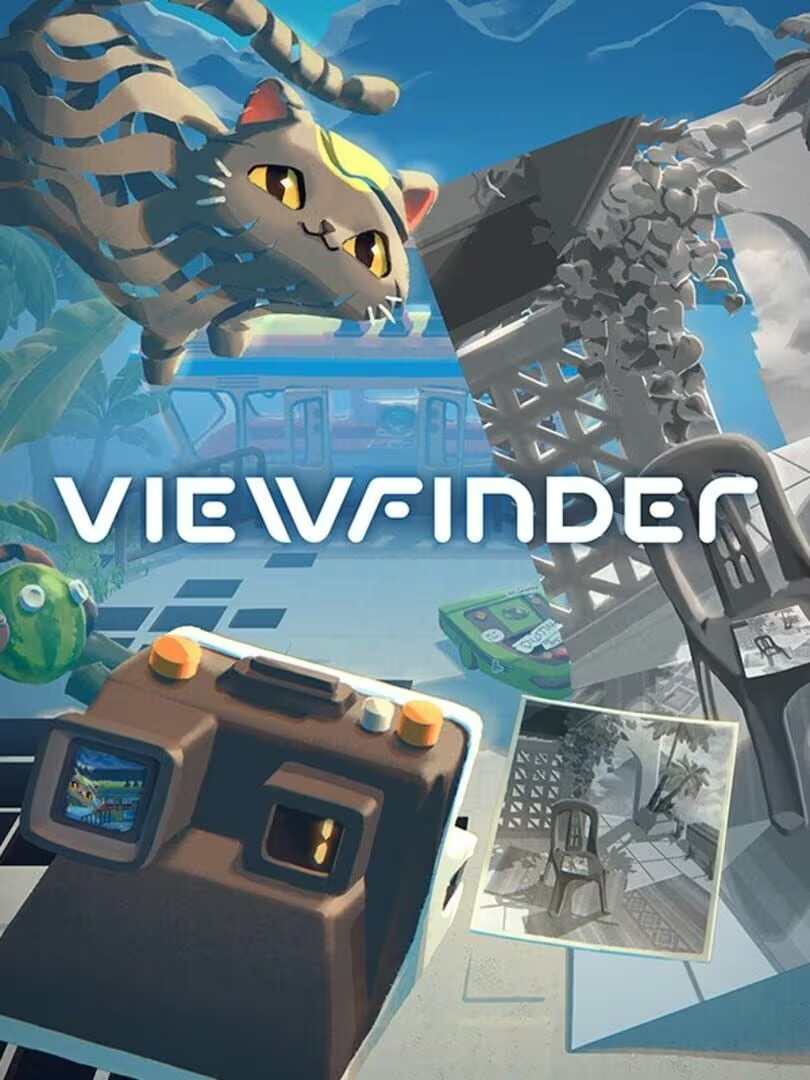
Glitchspace similar games & best alternatives

Glitchspace

PC (Microsoft Windows), Mac, Linux • 2016

Related articles

Quick resume

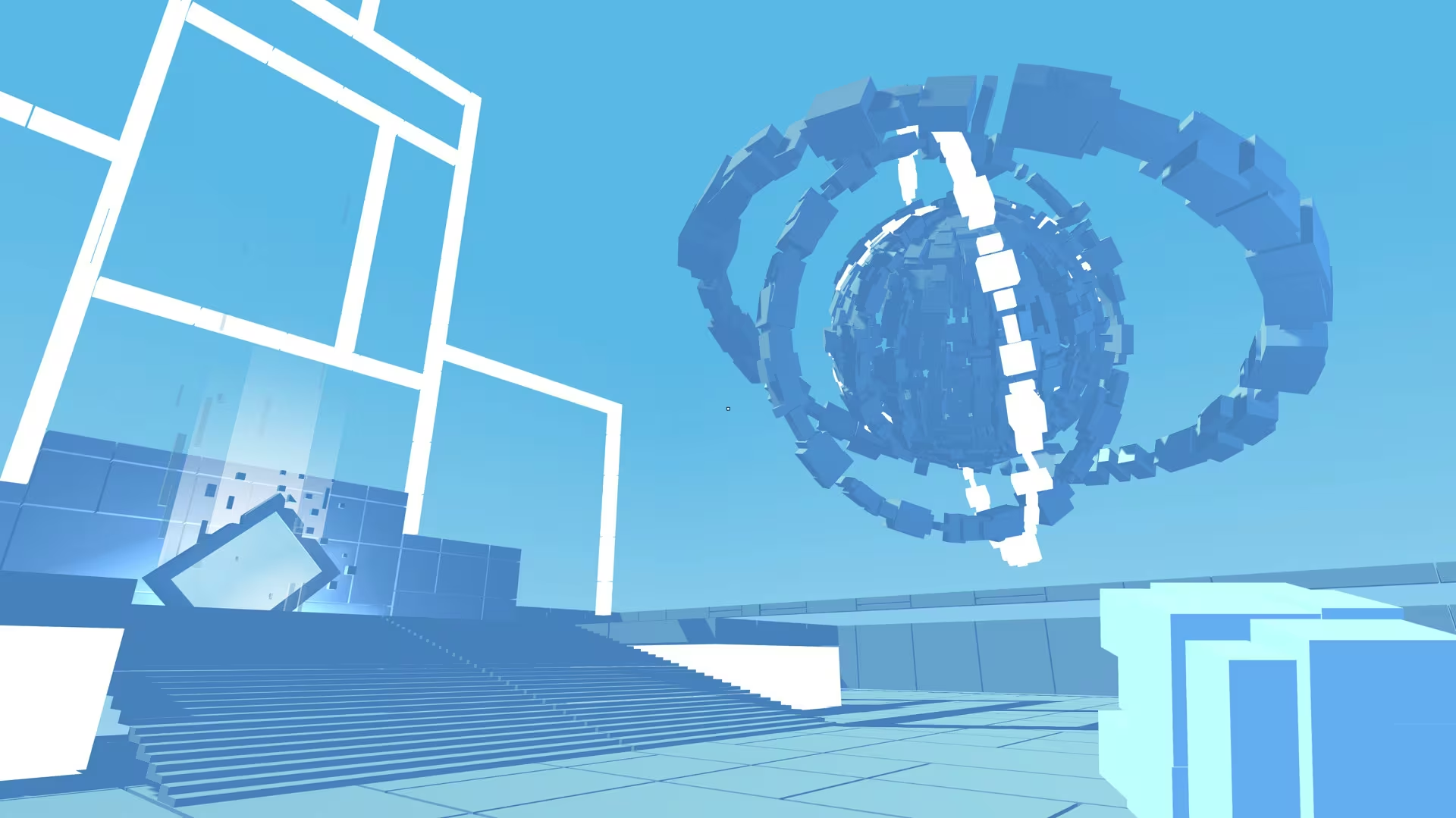
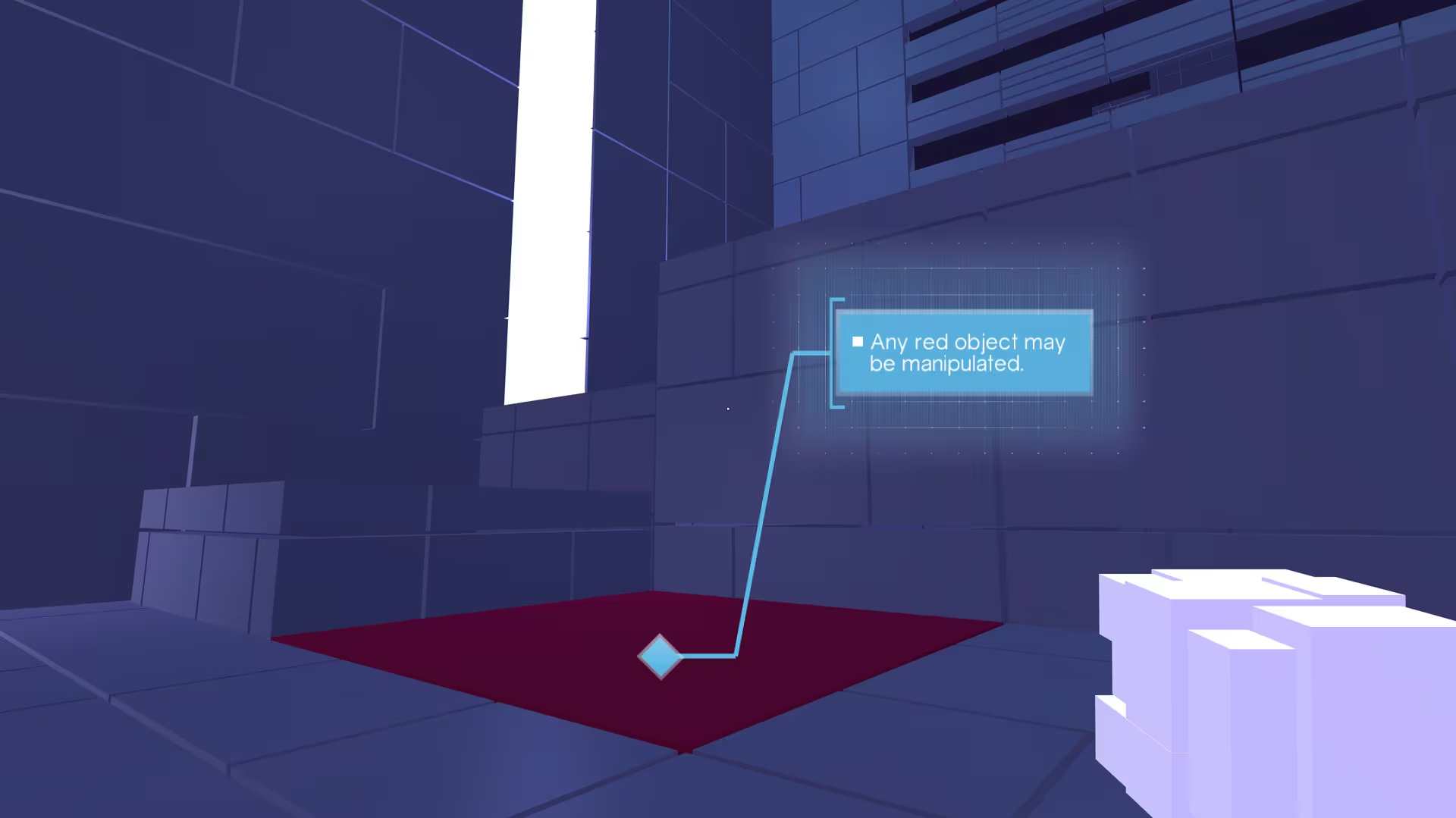
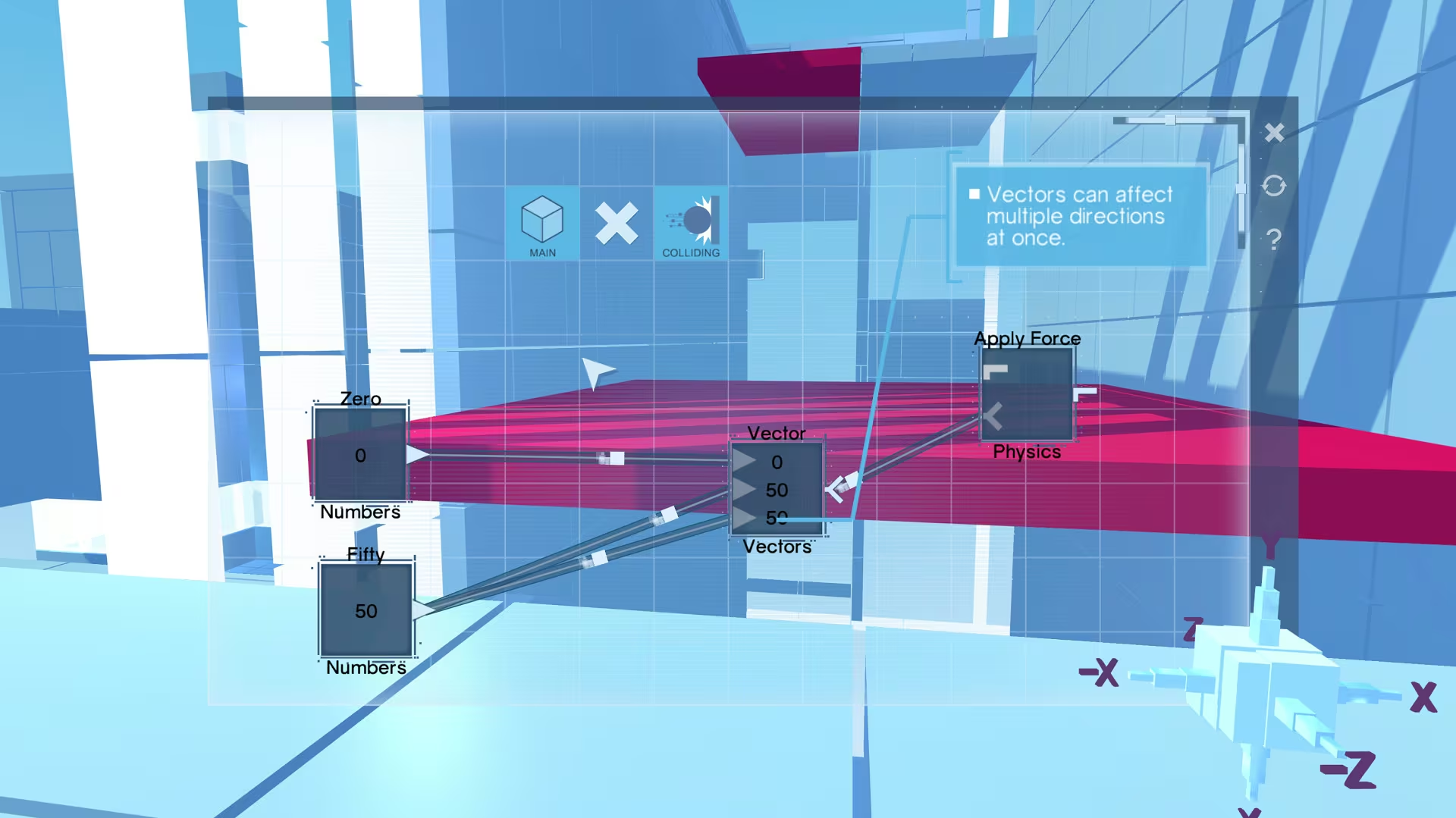
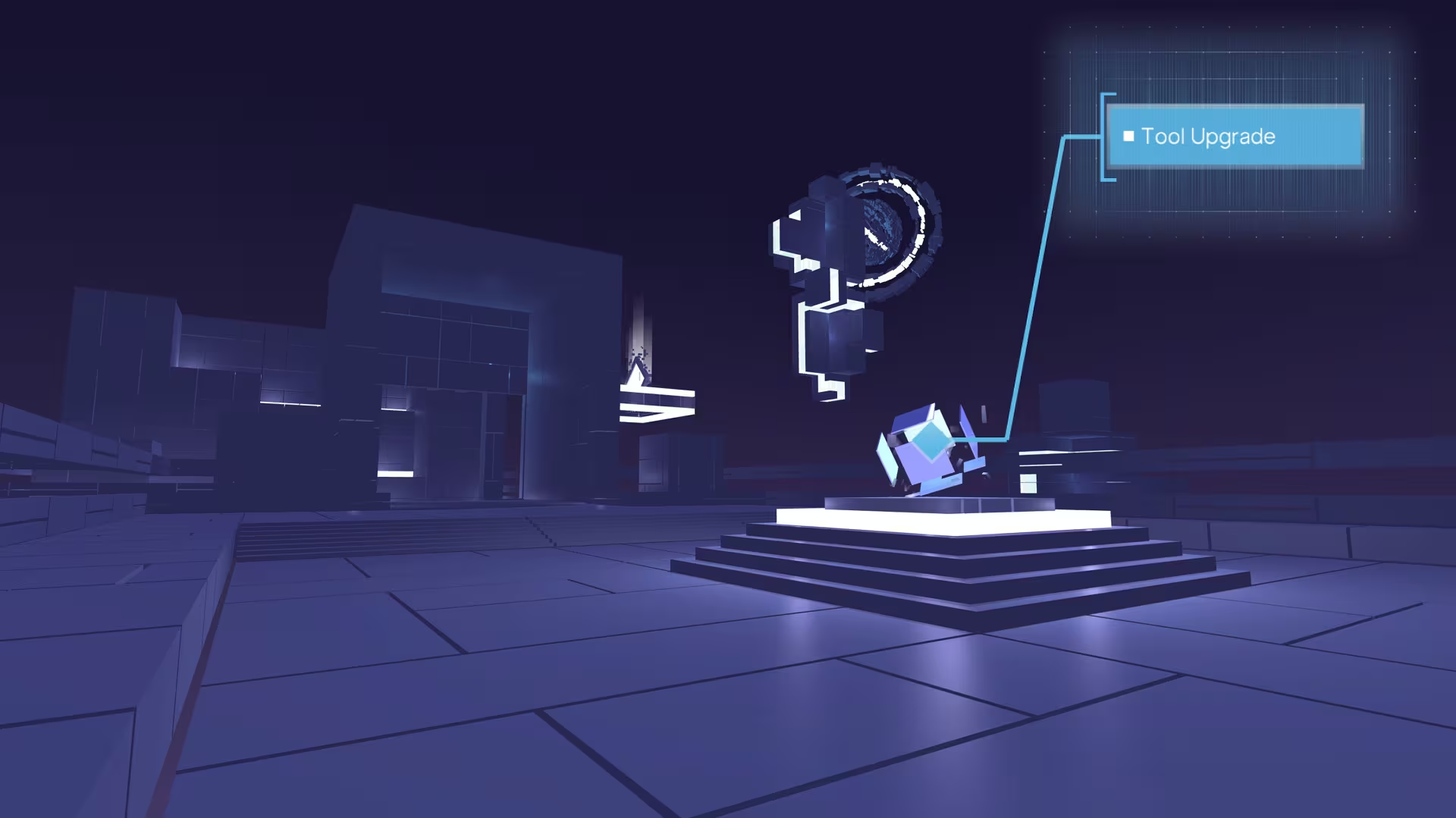
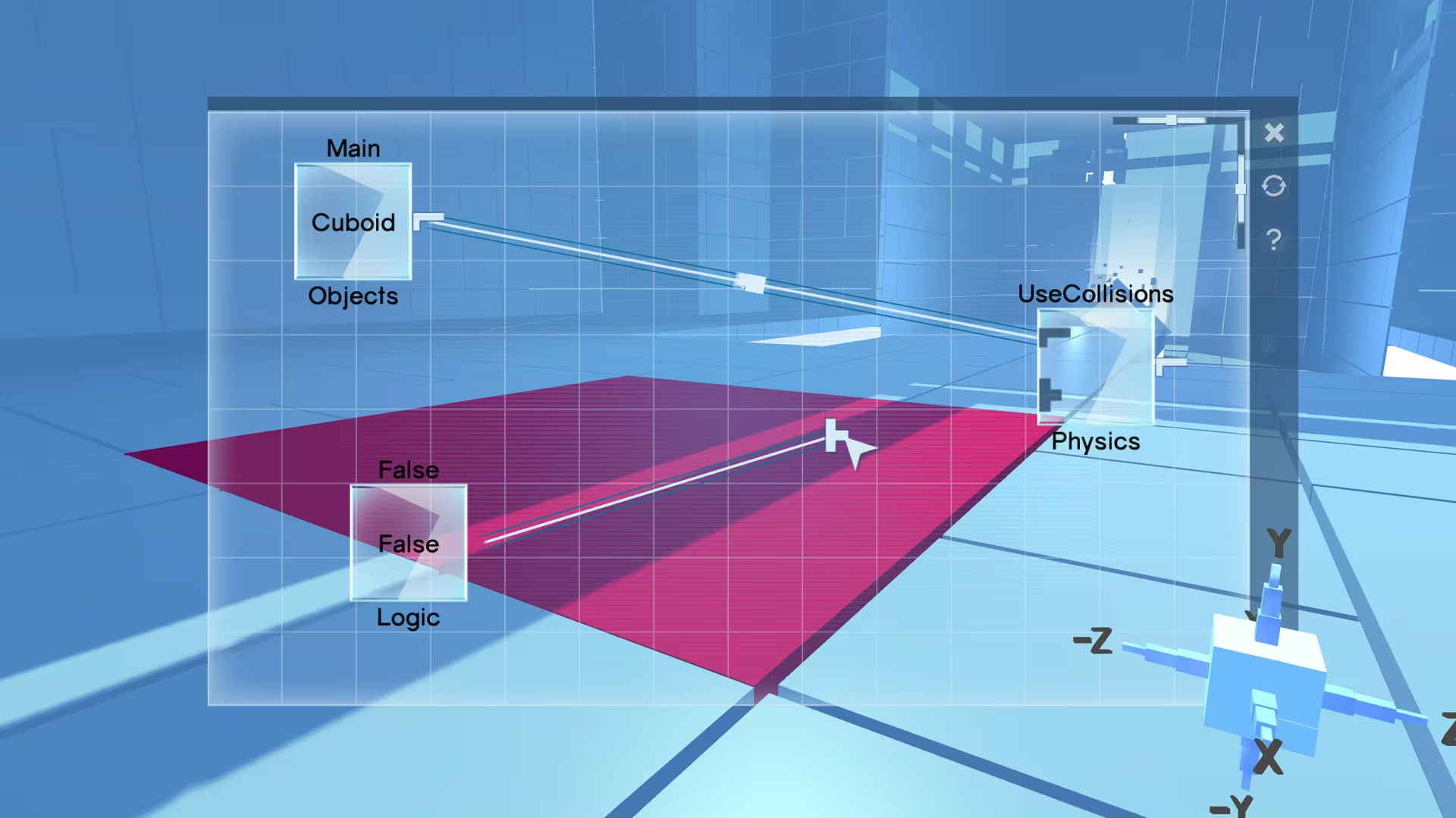
Glitchspace is about reprogramming the game to solve puzzles. Trapped in an abstract cyberspace world, your way forward uses visual programming to edit environmental geometry, whilst unlocking key programming concepts along the way.

Global score

73/100

Genres

Adventure, Indie, Puzzle

Similar games

    Pros

    • Innovative programming-based puzzle mechanics
    • Good learning curve for programming concepts
    • Relaxing ambient soundtrack and atmosphere
    • Creative freedom in sandbox mode
    • Minimalist and appealing visual style

    Cons

    • Short story mode with limited content
    • Lack of narrative or story depth
    • No multiplayer or social features
    • Some bugs and occasional frustrating respawns
    • Limited level editor or user-generated content

    Analysis

    Broadly representative of its motivational profile, with a few distinct shifts. Motivations that often define this kind of title include Fantasy, Violence, Story, Thrill. Here, the score leans higher than usual among comparable games on Fantasy, Expression. It leans lower than usual among comparable games on Continuation.

    How to use the graph
    Similar games map

    Each dot is a game. They are arranged from the same motivation profile as in the “Motivations” section below. Closer dots usually mean more similar reasons to play (exploration, competition, relaxation, etc.)—not that one game is “better” than another.

    • Larger dot with a light outline: the game you are viewing.
    • Colour: groups of games with comparable motivation patterns (statistical clusters).
    • Hover a dot to see the game name; click to open its page.
    • Scroll or double-click the chart to zoom out and see more games.

    Why don’t the axes read like a score? This view uses t-SNE: it only keeps who is close to whom. The scales are not “good to bad” or hours played—they separate groups on the map. Read distance between dots, not the axis numbers.

    Motivations

    • Autonomy
      4

      "Players have significant control over programming blocks and solving puzzles with freedom to experiment and find multiple solutions."

    • Competence
      4

      "The game challenges players to learn and apply programming logic and puzzle-solving skills with increasing complexity."

    • Competition
      -3

      "Focus is on individual puzzle solving and personal progress without competitive elements or leaderboards."

    • Continuation
      -2

      "The game is relatively short and some players disengage after completing the limited story mode; sandbox mode offers extended play but less structured."

    • Cooperation
      -5

      "Gameplay is entirely single-player with no cooperative or multiplayer features."

    • Creativity
      4

      "Players create and modify programming logic and manipulate objects creatively to solve puzzles and explore sandbox mode."

    • Domination
      -5

      "No elements of exerting control or superiority over others; purely individual experience."

    • Escapism
      3

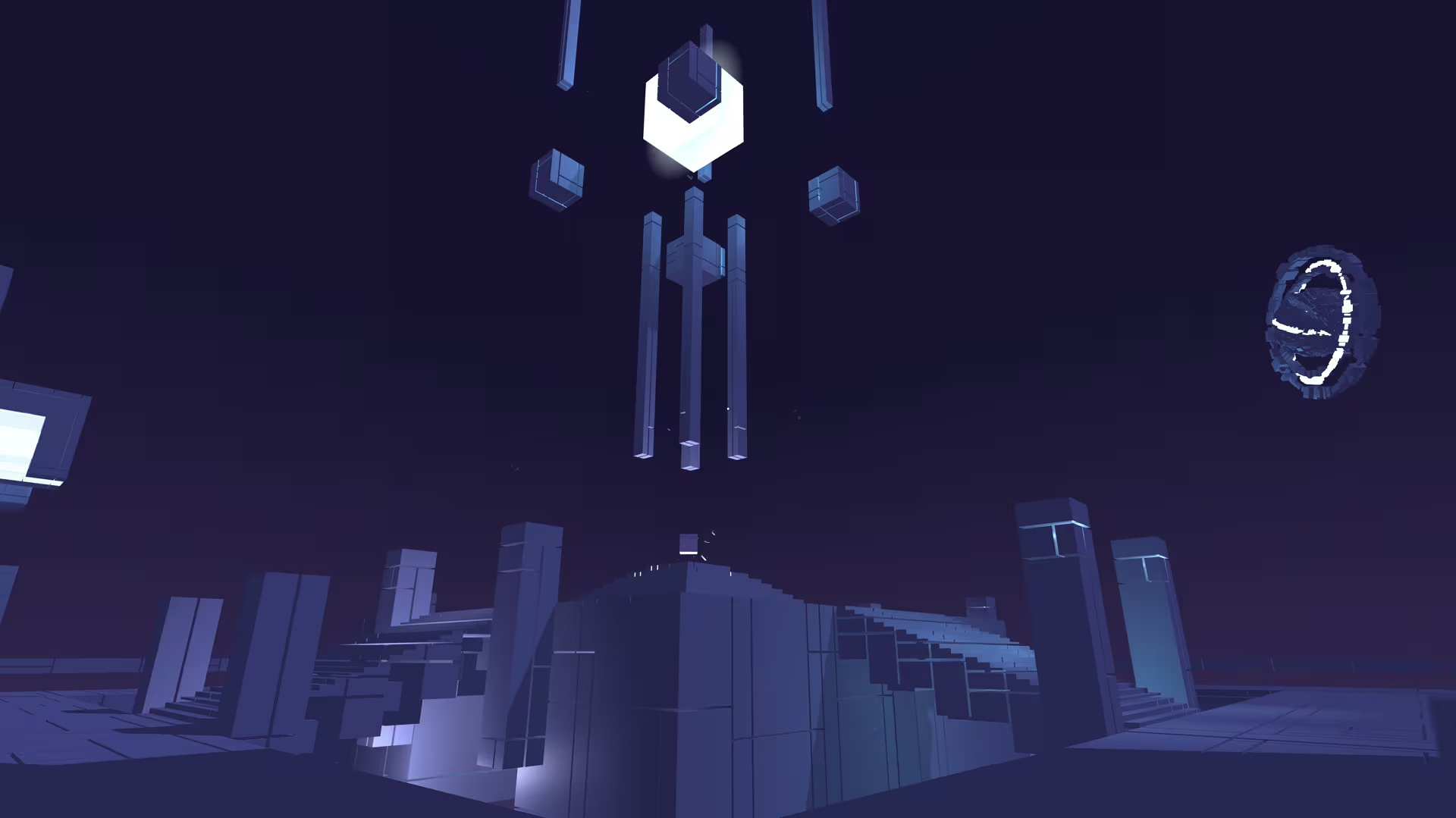
      "The abstract, Tron-like environment and programming puzzles provide an immersive escape from real life."

    • Expectation
      -4

      "Players engage voluntarily out of interest in programming and puzzles, with no external pressure or obligation."

    • Experimenting
      5

      "Strong emphasis on experimenting with programming nodes and puzzle solutions, including sandbox mode for open-ended tinkering."

    • Exploration
      2

      "Players explore abstract environments and new programming mechanics, though level design is linear and limited in scope."

    • Expression
      3

      "Players express problem-solving style through programming logic and manipulation of objects, though no avatar customization."

    • Fantasy
      2

      "The game features an imaginative sci-fi cyberspace setting, but grounded in programming logic rather than high fantasy."

    • Fellowship
      -5

      "No social or community features; experience is solitary."

    • Growth
      4

      "Players learn programming concepts and improve problem-solving skills progressively through the game."

    • Health
      -5

      "Typical sedentary computer gameplay with no physical activity component."

    • Idle
      -3

      "Requires focused attention and active problem solving; not suited for passive or background play."

    • Intimacy
      -5

      "No social or emotional relationship-building features."

    • Leadership
      -5

      "No leadership or group management roles; purely individual puzzle solving."

    • Progression
      3

      "Players progress by unlocking new programming functions and completing puzzles, though no item collection or upgrades."

    • Relaxation
      3

      "Calming ambient music and contemplative puzzle solving create a relaxing flow state for many players."

    • Sensation
      2

      "Visuals are minimalist but pleasing; sound design is ambient and subtle, providing moderate sensory stimulation."

    • Status
      -5

      "No social recognition or status systems present."

    • Story
      -3

      "Minimal narrative or story elements; focus is on puzzles and programming mechanics rather than plot."

    • Strategy
      4

      "Players engage in logical reasoning and planning to solve programming puzzles and optimize solutions."

    • Thrill
      -2

      "Puzzle solving is cerebral and calm rather than suspenseful or thrilling."

    • Value
      3

      "Generally considered good value especially given the free or low price, though some note short length."

    • Violence
      -5

      "No combat or destructive gameplay; focus is on constructive programming and puzzle solving."

    • Survival
      -4

      "No survival or threat mechanics; gameplay is stable and low-risk."

    Last update: 29/04/2026