Griftlands Thumbnail

Griftlands similar games & best alternatives
Griftlands

PC (Microsoft Windows), Mac, PlayStation 4, Xbox One, Xbox Series X|S, Nintendo Switch, Linux • 2021

Related articles

Quick resume

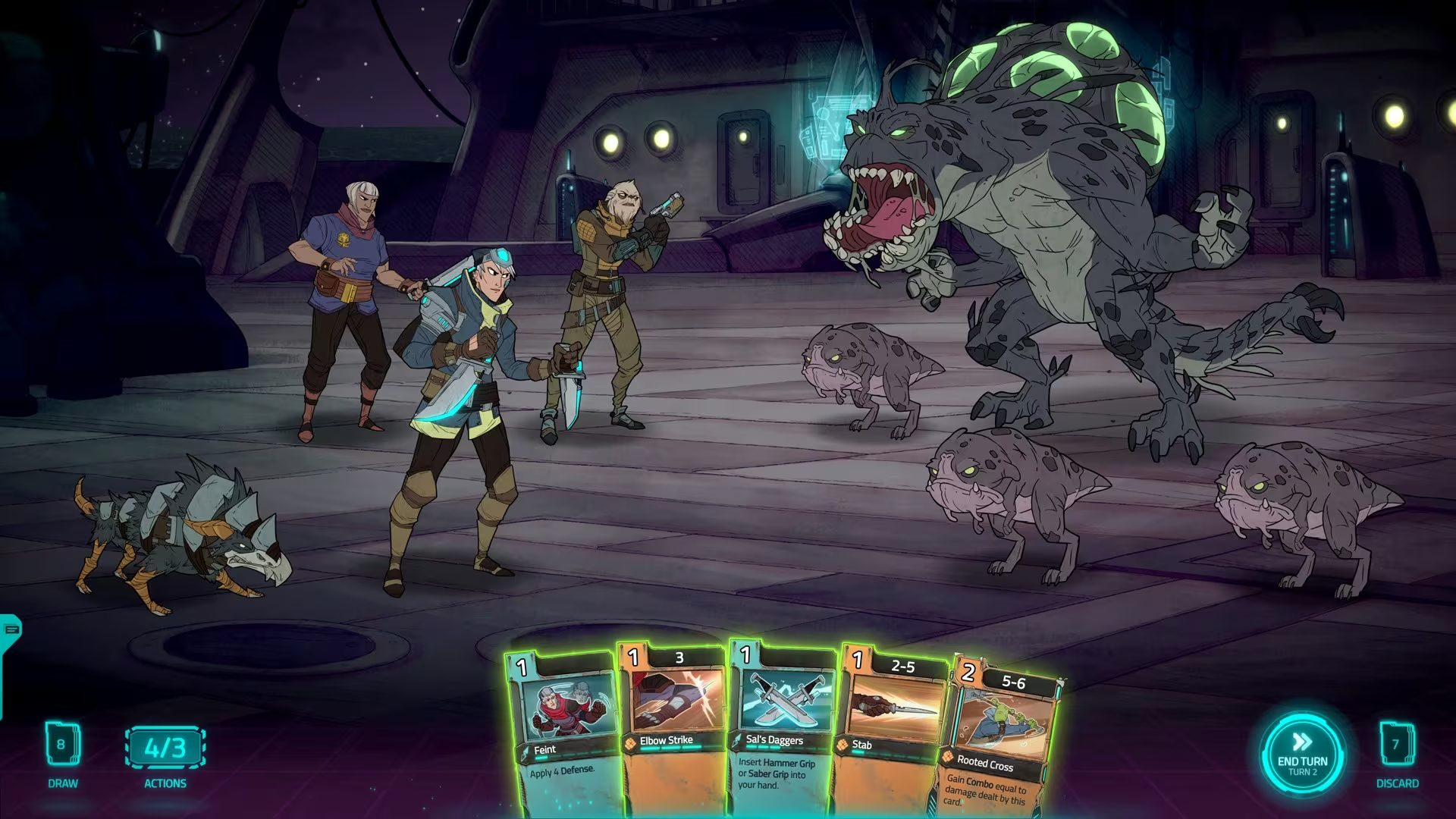
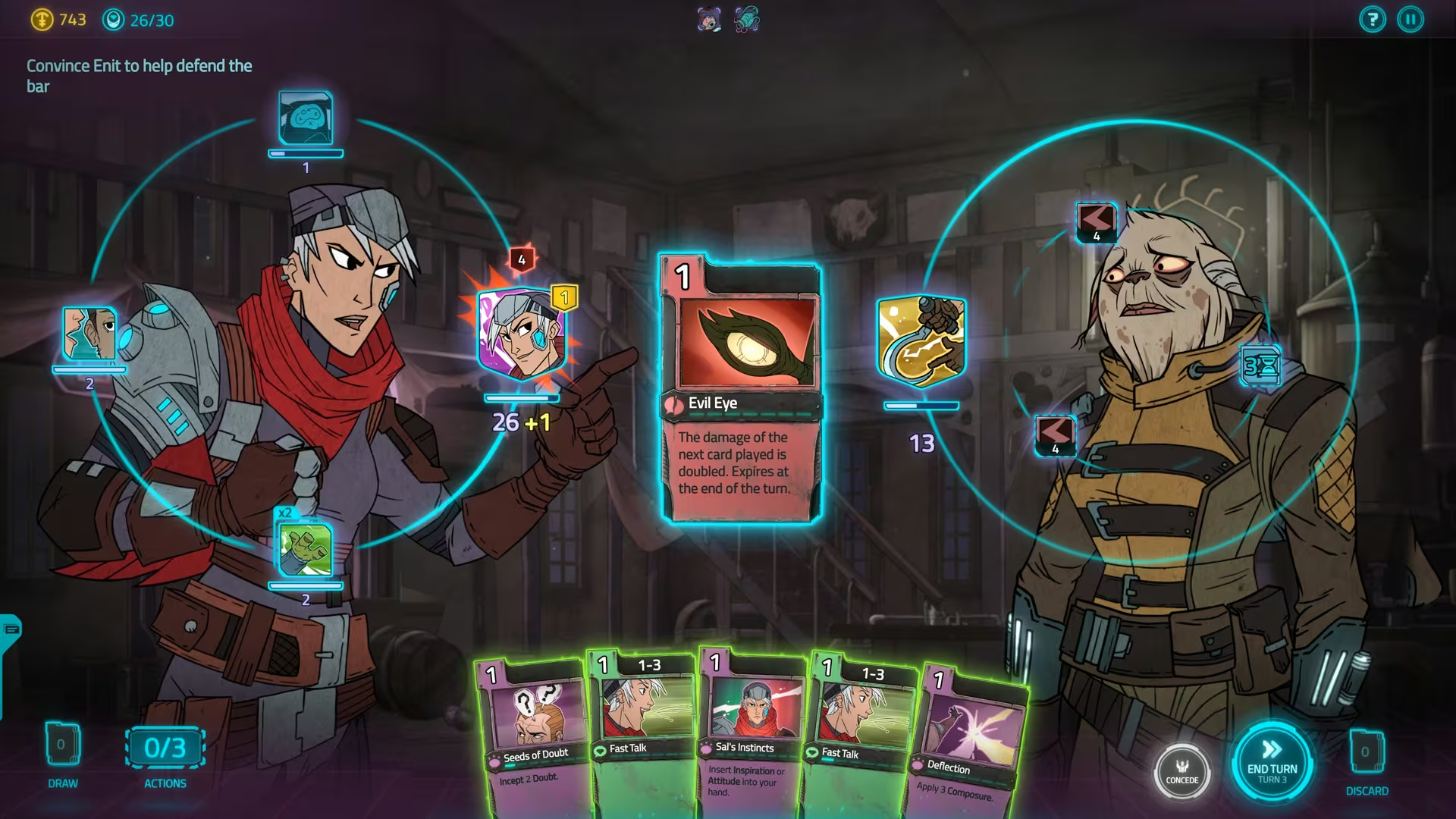
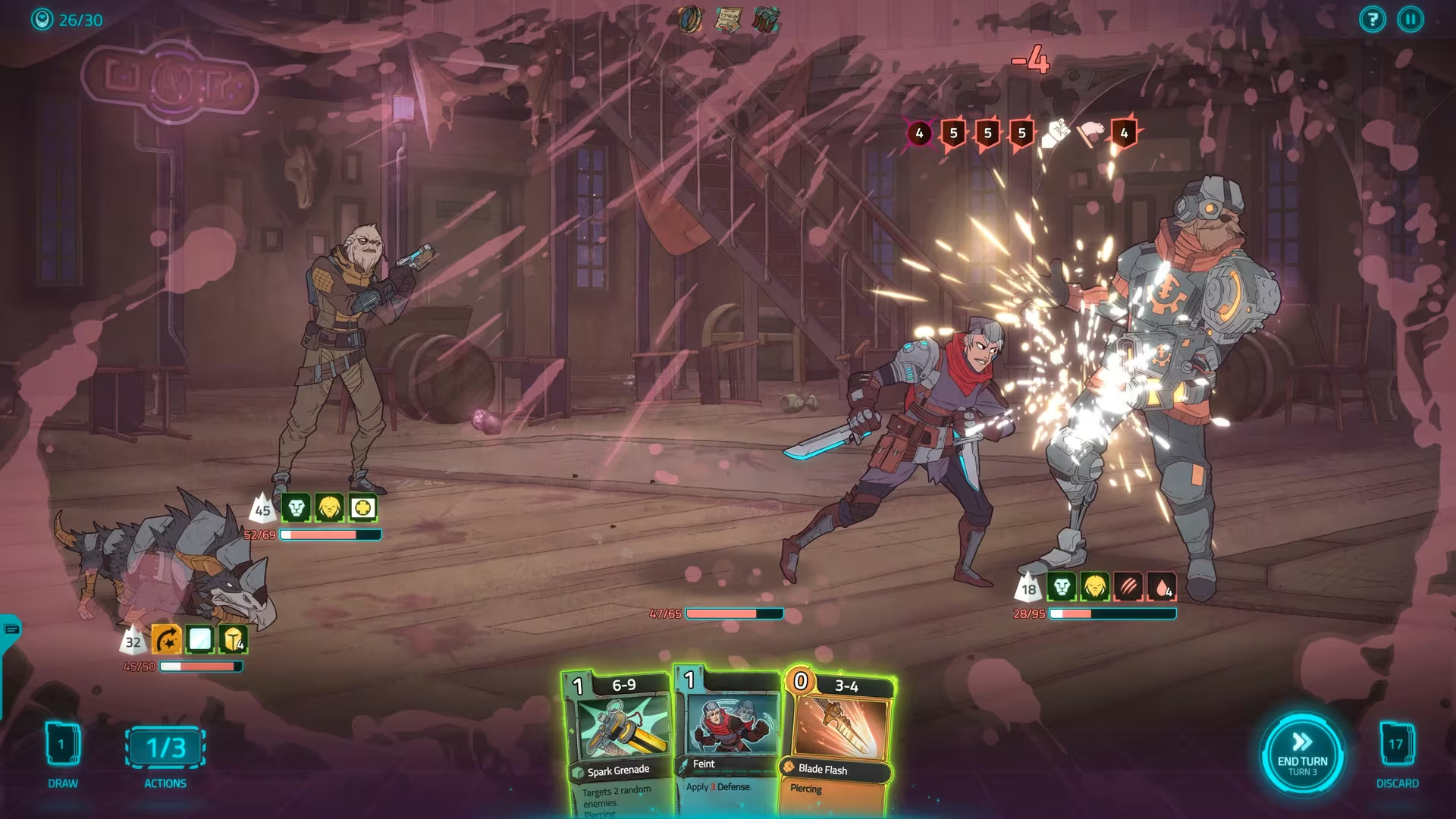
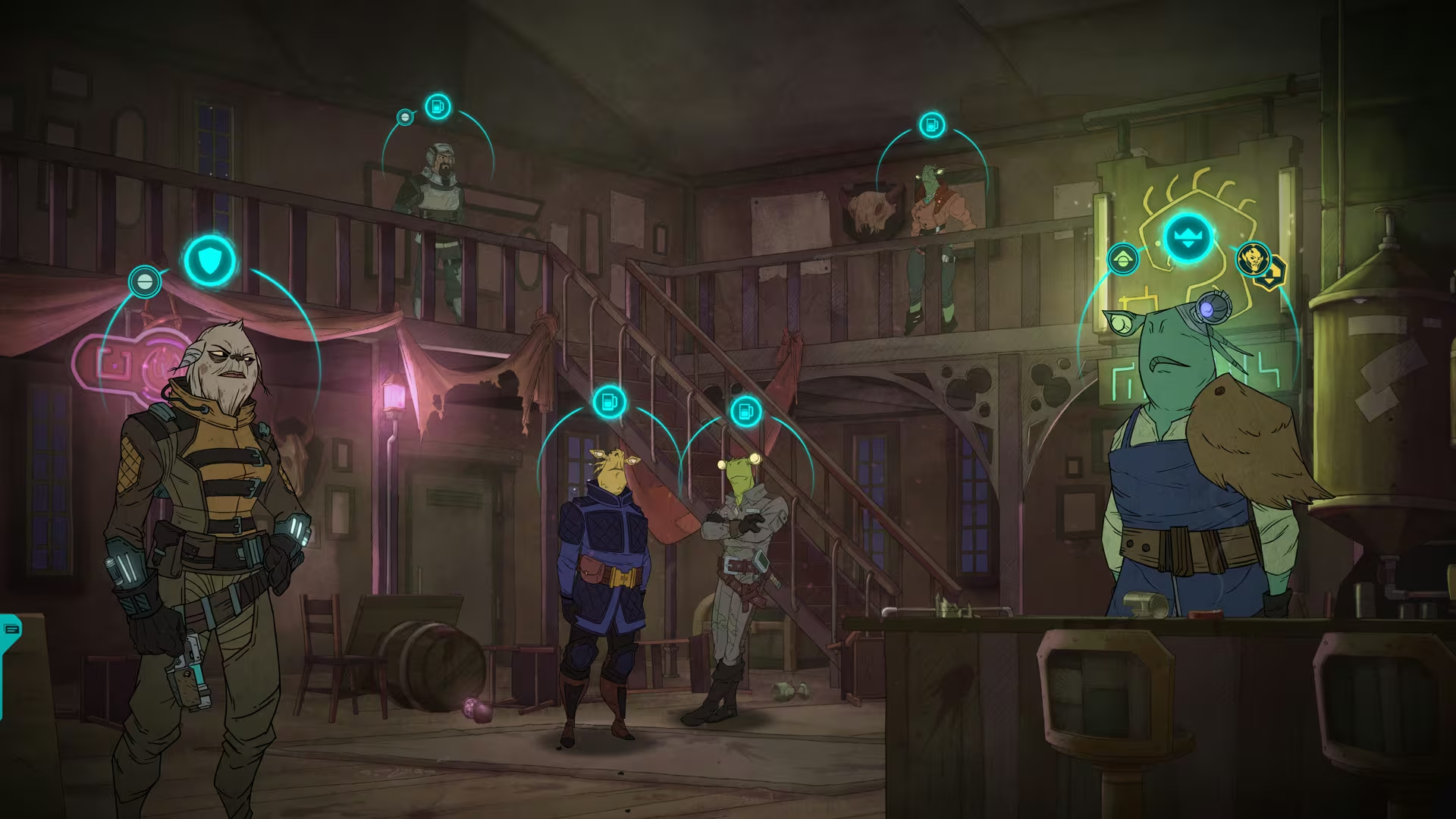
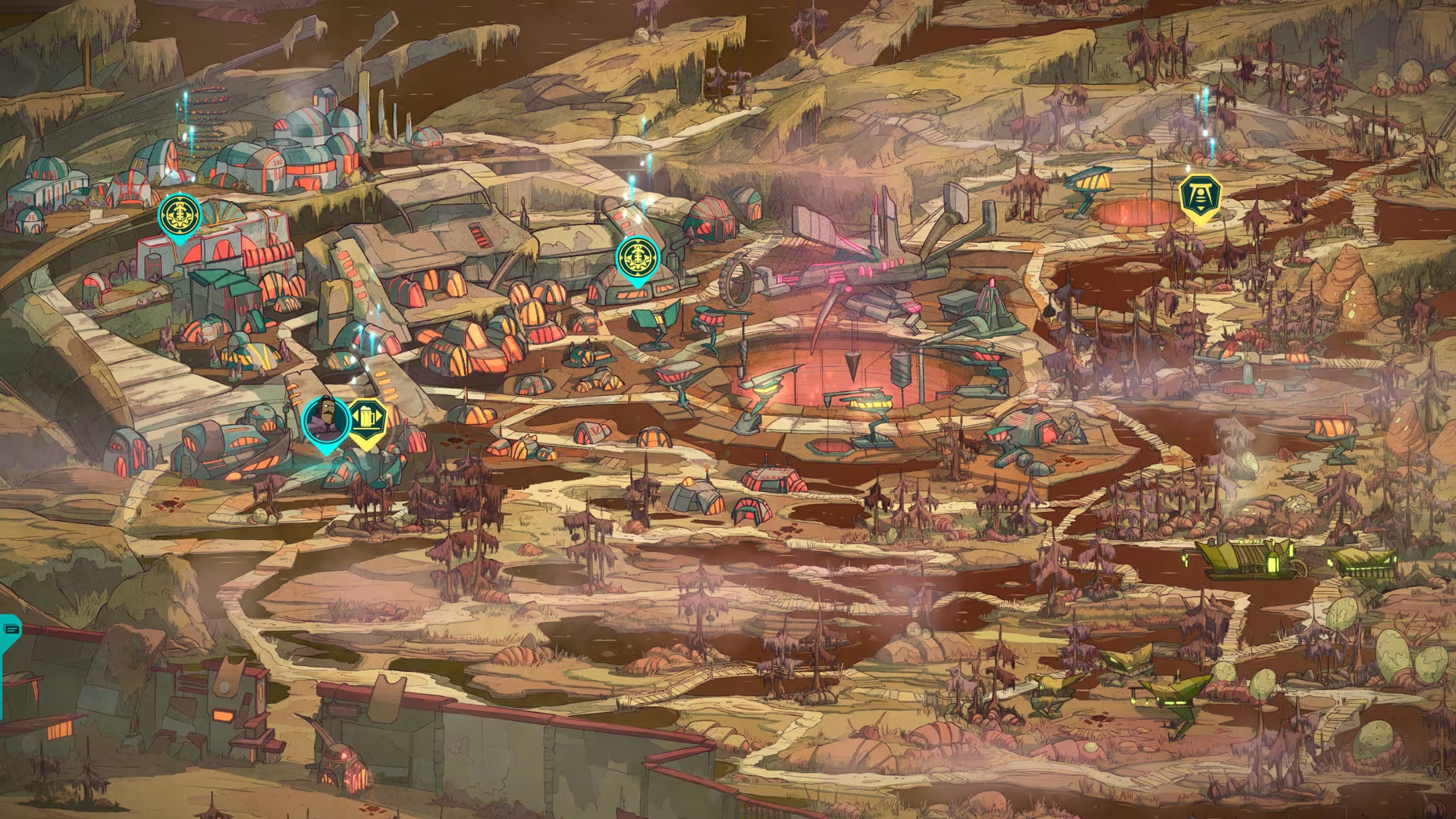
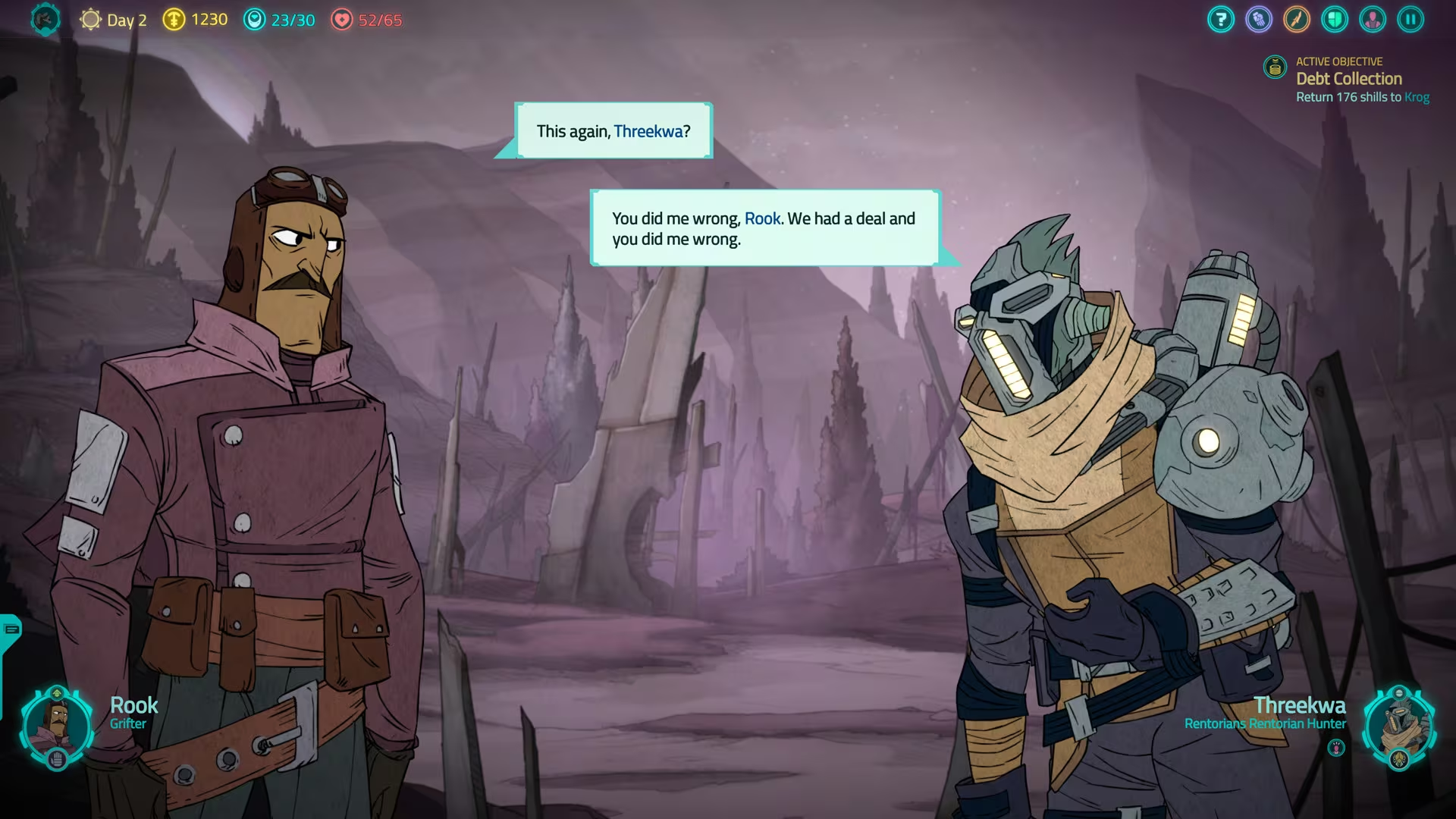
Griftlands is a deck-building roguelite where you negotiate, fight, steal or otherwise persuade others to get your way. Every decision is important, be it the jobs you take, the friends you make, or the cards you collect.

Global score

94/100

Genres

Indie, Turn-based strategy (TBS), Strategy, Role-playing (RPG), Card & Board Game

Similar games

    Pros

    • Unique dual deck combat and negotiation system
    • Deep narrative with branching storylines
    • Strong character and worldbuilding
    • Polished art and animations
    • Meaningful player choices and progression

    Cons

    • Runs can be lengthy and repetitive
    • Some difficulty spikes and balance issues
    • Limited multiplayer or cooperative play
    • Story dialogue can be overwhelming for some
    • Lack of recent content updates or dlc

    Analysis

    Broadly representative of its motivational profile, with a few distinct shifts. Motivations that often define this kind of title include Fellowship, Cooperation, Leadership, Violence. Here, the score leans higher than usual among comparable games on Fellowship, Intimacy, Story.

    How to use the graph
    Similar games map

    Each dot is a game. They are arranged from the same motivation profile as in the “Motivations” section below. Closer dots usually mean more similar reasons to play (exploration, competition, relaxation, etc.)—not that one game is “better” than another.

    • Larger dot with a light outline: the game you are viewing.
    • Colour: groups of games with comparable motivation patterns (statistical clusters).
    • Hover a dot to see the game name; click to open its page.
    • Scroll or double-click the chart to zoom out and see more games.

    Why don’t the axes read like a score? This view uses t-SNE: it only keeps who is close to whom. The scales are not “good to bad” or hours played—they separate groups on the map. Read distance between dots, not the axis numbers.

    Motivations

    • Autonomy
      4

      "Players have meaningful choices affecting story, quests, and deckbuilding; multiple paths and strategies available"

    • Competence
      3

      "Requires strategic deckbuilding and mastery of two distinct combat systems; some players find difficulty spikes challenging"

    • Competition
      -3

      "Focus is on personal story progression and self-improvement rather than direct competition or leaderboards"

    • Continuation
      3

      "Players report long sessions and repeated playthroughs due to story and deckbuilding depth, though some find runs lengthy"

    • Cooperation
      -4

      "Primarily single-player experience with limited multiplayer or cooperative elements"

    • Creativity
      4

      "Players customize decks, choose upgrades, and influence story outcomes; unique dual deck system encourages creative strategies"

    • Domination
      -4

      "Interactions emphasize consequences and relationships rather than exerting superiority or control over others"

    • Escapism
      4

      "Immersive sci-fi world, narrative depth, and engaging mechanics provide strong escape from real life"

    • Expectation
      -4

      "Players engage voluntarily for enjoyment and narrative interest, not out of obligation or pressure"

    • Experimenting
      4

      "Encourages trying different decks, negotiation vs combat approaches, and story branches"

    • Exploration
      2

      "Some exploration of story branches and side quests, but world is relatively small and somewhat linear"

    • Expression
      3

      "Players express themselves through deckbuilding choices and narrative decisions affecting relationships"

    • Fantasy
      4

      "Set in a sci-fi dystopian world with imaginative characters and scenarios"

    • Fellowship
      2

      "Strong narrative focus on relationships with NPCs, but social interaction is single-player and indirect"

    • Growth
      4

      "Players develop skills, unlock cards, and improve characters through meta-progression"

    • Health
      -4

      "Typical sedentary gameplay with no physical activity elements"

    • Idle
      -3

      "Requires focused attention during runs; not designed for casual or background play"

    • Intimacy
      1

      "Narrative includes relationship building with NPCs, but limited to game context without deep emotional sharing"

    • Leadership
      -3

      "Player controls own character; no leadership or group management roles"

    • Progression
      4

      "Strong meta-progression with unlocks, card upgrades, and character development across runs"

    • Relaxation
      1

      "Game balances challenge and flow, but some difficulty spikes and long runs can cause tension"

    • Sensation
      3

      "Stylized art, animations, and soundtrack provide engaging sensory experience"

    • Status
      -4

      "Focus is on personal achievement and story, with little emphasis on social recognition or popularity"

    • Story
      5

      "Narrative-driven gameplay with branching storylines, character arcs, and worldbuilding"

    • Strategy
      4

      "Requires planning and tactical decision-making in deckbuilding, combat, and negotiation"

    • Thrill
      2

      "Some suspense from difficult encounters and consequences, but generally controlled gameplay"

    • Value
      4

      "Players find strong value in gameplay depth, story, and replayability relative to price"

    • Violence
      0

      "Violence is present but balanced with negotiation and non-lethal options; neither dominant nor absent"

    • Survival
      3

      "Players manage resources and avoid defeat through strategic combat and negotiation"

    Last update: 29/04/2026