Hatsune Miku VR Thumbnail

Hatsune Miku VR similar games & best alternatives

Hatsune Miku VR

PC (Microsoft Windows), Oculus Quest, PlayStation 4, Meta Quest 2 • 2018

Related articles

Quick resume

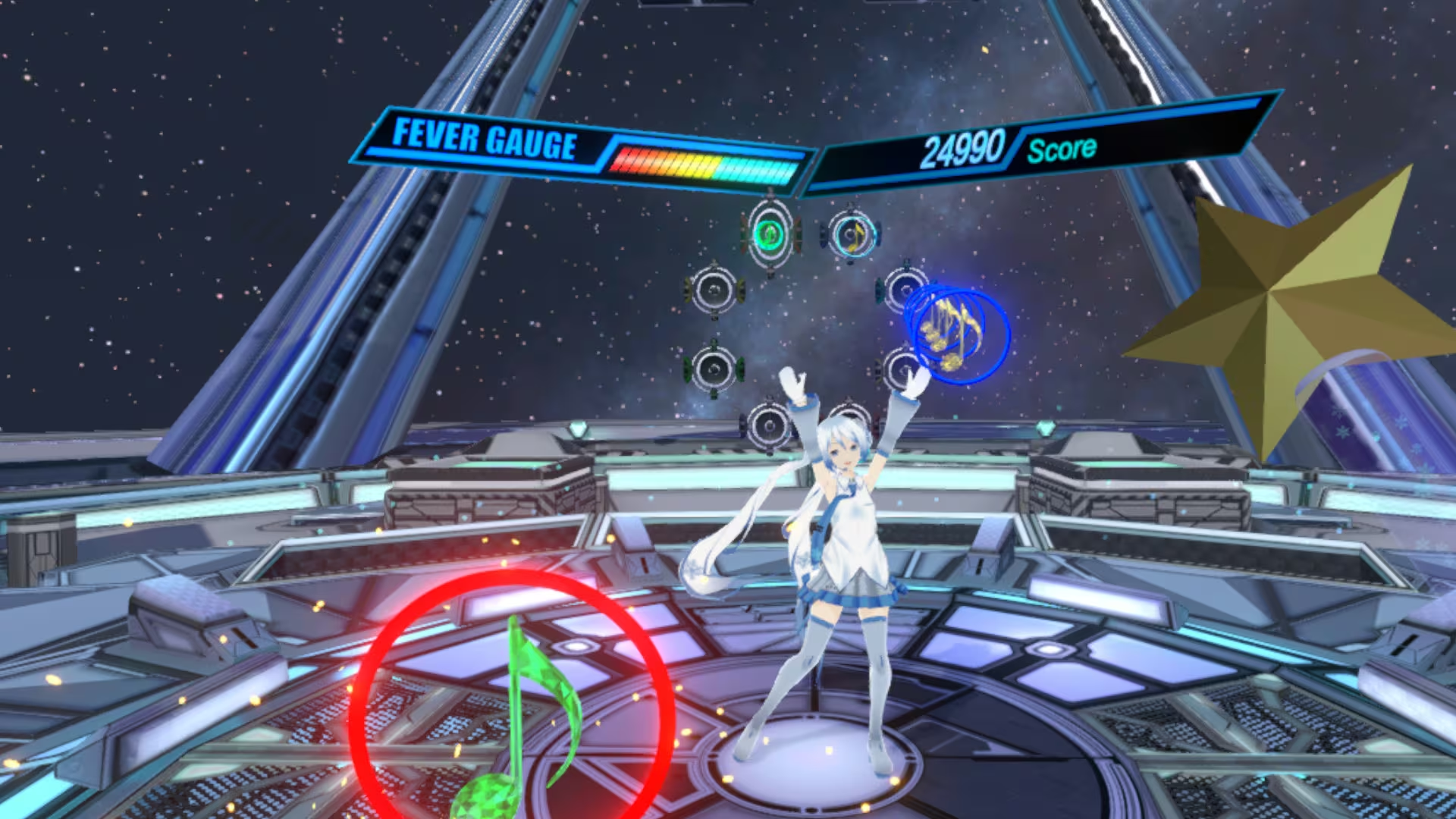
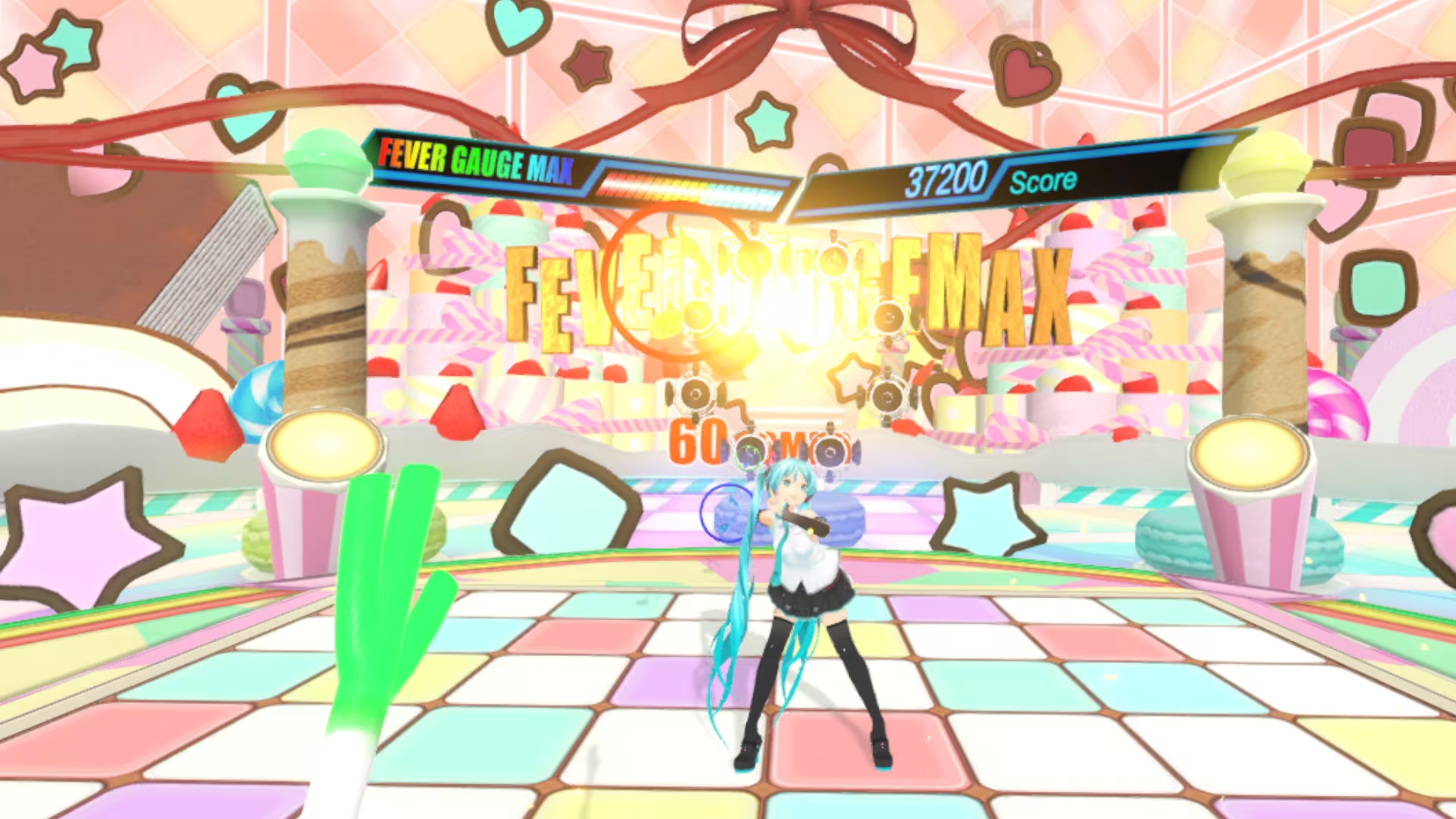
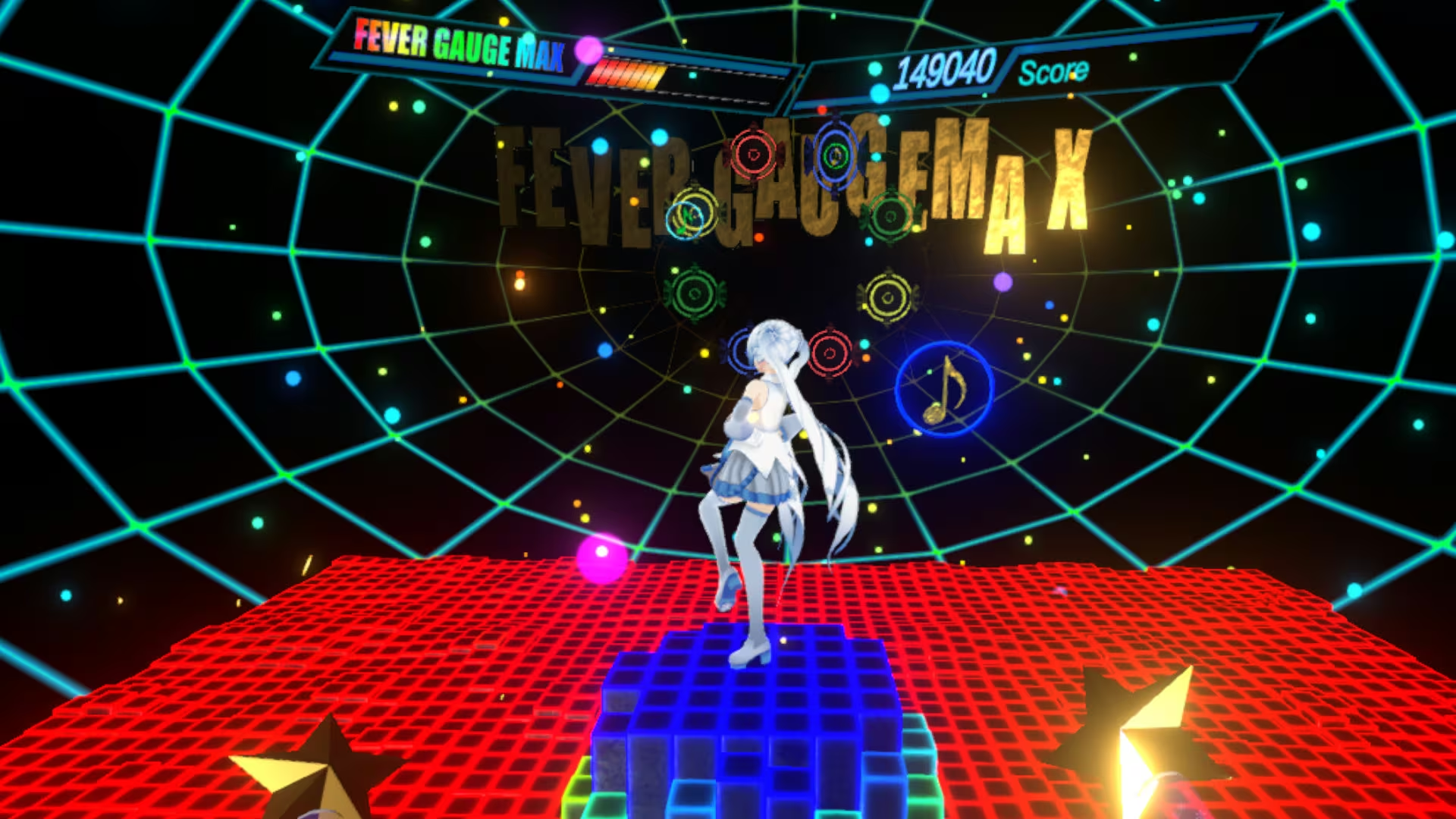
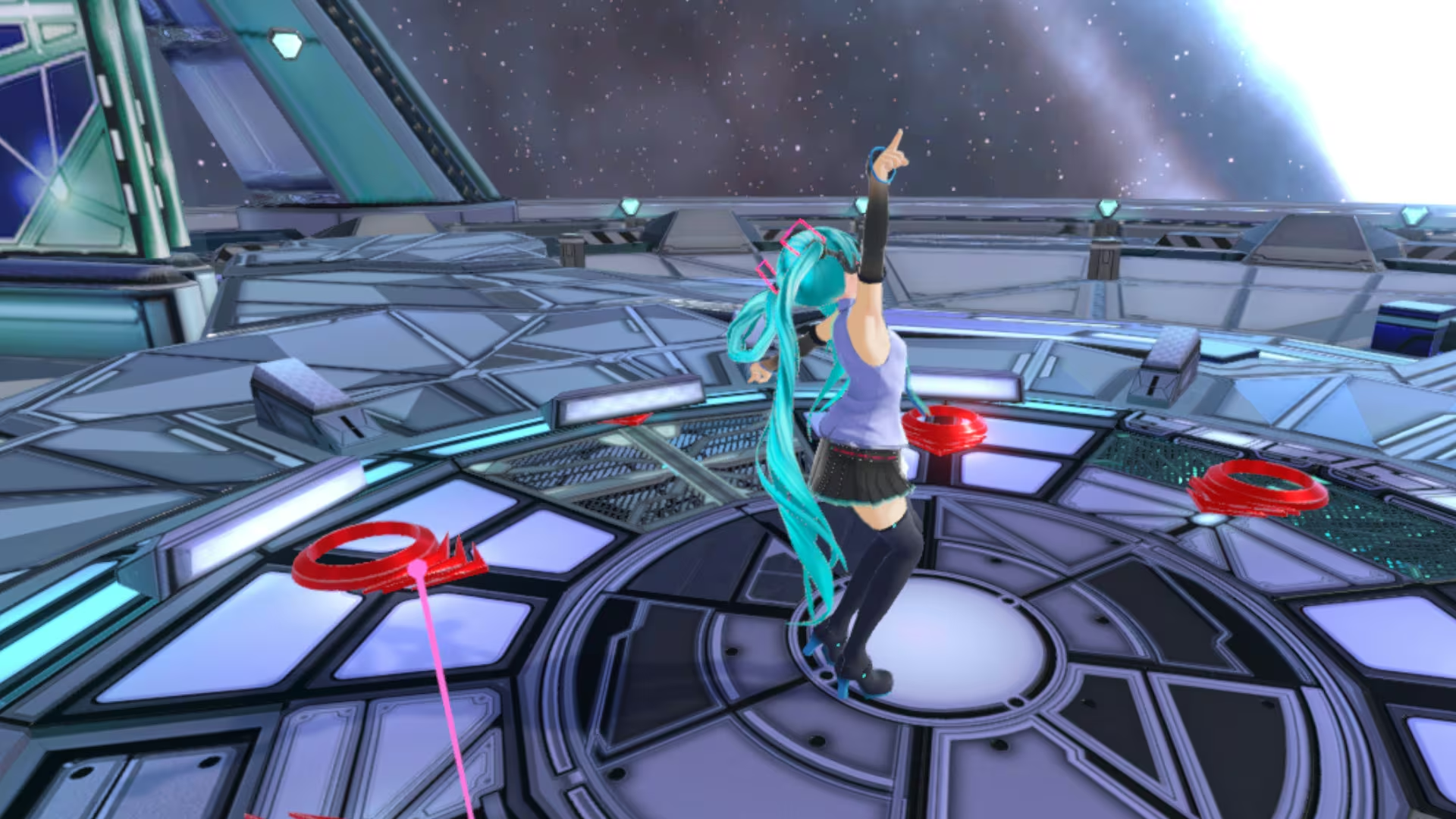
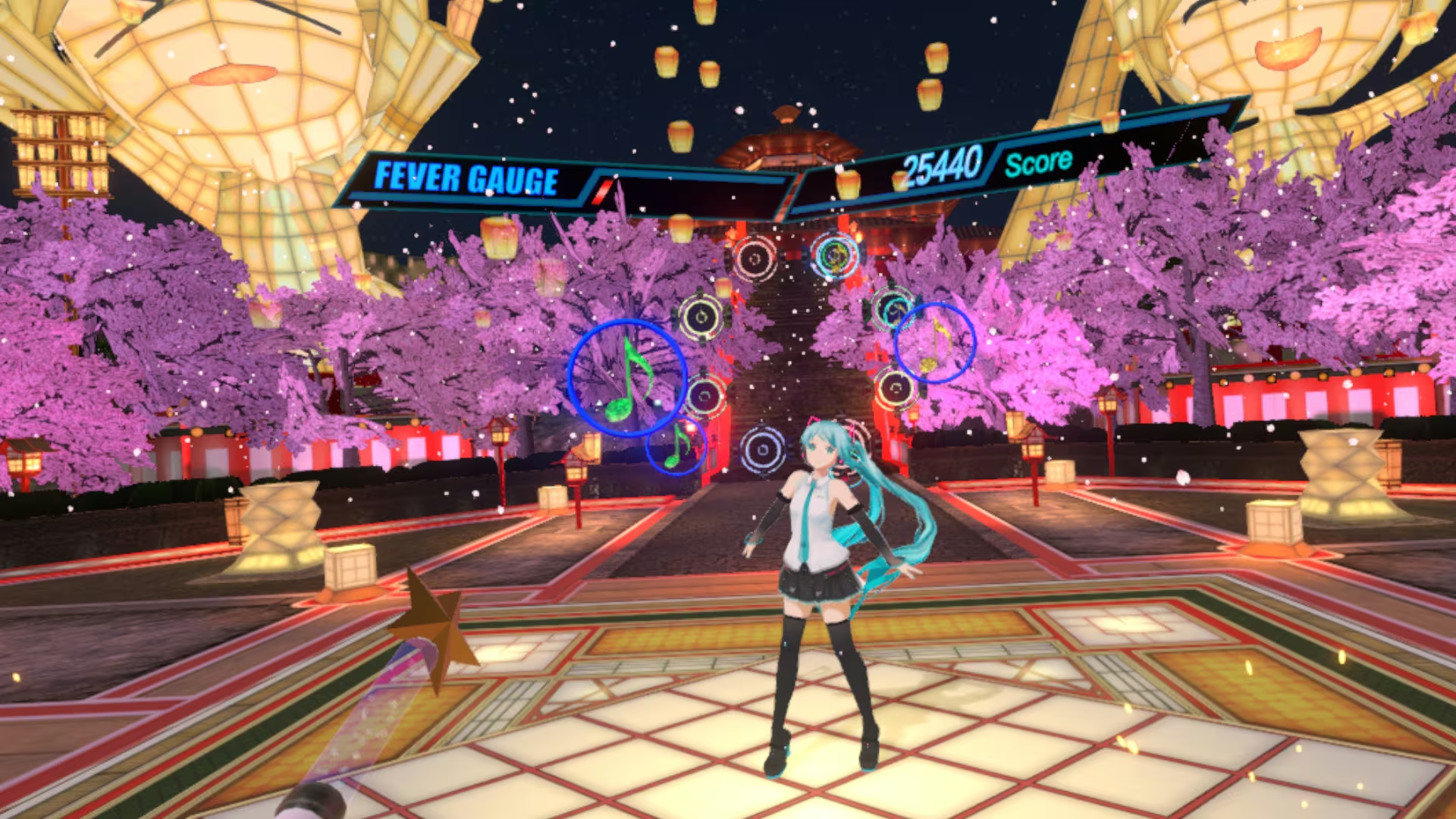
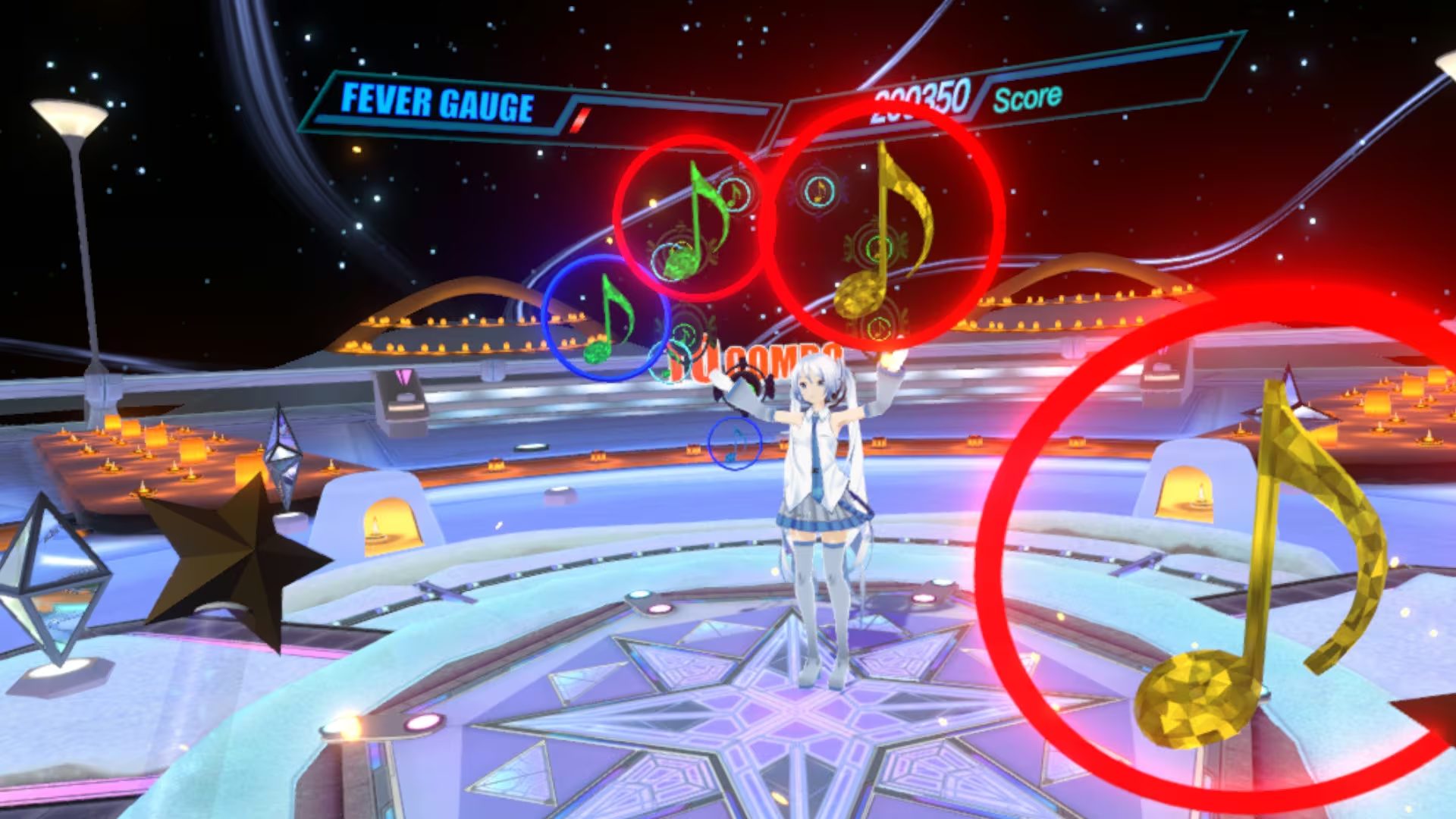
World-famous virtual singer Hatsune Miku invites you to join her on stage in in this VR music game! Aim for a perfect score as she sings and dances to some of her most iconic songs.

Global score

72/100

Genres

Action, Music

Similar games

    Pros

    • Appealing to hatsune miku and vocaloid fans
    • Fun vr rhythm gameplay with haptic feedback
    • Good music selection with dlc options
    • Miku dancing and concert mode
    • Physical activity benefits

    Cons

    • Limited song count and content
    • Gameplay mechanics are simple and repetitive
    • Visual and ui design issues
    • Overpriced for the amount of content
    • Lack of multiplayer or social features

    Analysis

    Less representative of its motivational profile, with noticeable differences. Motivations that often define this kind of title include Health, Story, Competition, Status. It leans lower than usual among comparable games on Value, Strategy, Survival.

    How to use the graph
    Similar games map

    Each dot is a game. They are arranged from the same motivation profile as in the “Motivations” section below. Closer dots usually mean more similar reasons to play (exploration, competition, relaxation, etc.)—not that one game is “better” than another.

    • Larger dot with a light outline: the game you are viewing.
    • Colour: groups of games with comparable motivation patterns (statistical clusters).
    • Hover a dot to see the game name; click to open its page.
    • Scroll or double-click the chart to zoom out and see more games.

    Why don’t the axes read like a score? This view uses t-SNE: it only keeps who is close to whom. The scales are not “good to bad” or hours played—they separate groups on the map. Read distance between dots, not the axis numbers.

    Motivations

    • Autonomy
      3

      "Players can freely choose songs, stages, and some customization options like wand types and Miku outfits, though gameplay is simple and follows set note patterns."

    • Competence
      2

      "Gameplay involves catching notes with some skill and timing, especially on harder difficulties, but overall mechanics are simple and lack depth."

    • Competition
      2

      "Includes leaderboards and score challenges, encouraging players to improve and compare scores globally."

    • Continuation
      1

      "Players report some replay value due to music and Miku dancing, but limited song count and repetitive gameplay reduce long-term engagement."

    • Cooperation
      -5

      "Game is primarily single-player with no cooperative or multiplayer modes mentioned."

    • Creativity
      1

      "Limited customization with a few outfits and wand types; no user-generated content or level editors."

    • Domination
      -5

      "No evidence of dominating others; interactions are individual and respectful."

    • Escapism
      4

      "Players enjoy escaping into a virtual concert experience with Miku, using the game for stress relief and entertainment."

    • Expectation
      -3

      "Players mostly engage voluntarily out of fandom and interest rather than obligation."

    • Experimenting
      -2

      "Gameplay is consistent with established rhythm game mechanics; little novelty or experimentation."

    • Exploration
      -4

      "Game environments and stages are fixed with no exploration or discovery elements."

    • Expression
      1

      "Some avatar customization with different Miku outfits and wand types, but limited overall."

    • Fantasy
      4

      "Strong fantasy element as players interact with a virtual idol in an imaginative VR setting."

    • Fellowship
      -4

      "Minimal social interaction; mostly solo play with little community engagement in-game."

    • Growth
      2

      "Players develop rhythm skills and improve scores, though limited complexity restricts deep learning."

    • Health
      3

      "Physical arm movements provide light exercise and workout benefits during play."

    • Idle
      -3

      "Requires active attention and physical movement; not suitable for passive or background play."

    • Intimacy
      -4

      "No close social or emotional relationships formed within the game; interactions are surface-level."

    • Leadership
      -5

      "No leadership or group management features present."

    • Progression
      2

      "Players accumulate scores and unlock DLC songs; limited in-game progression or upgrades."

    • Relaxation
      2

      "Some players find the game relaxing and enjoyable, though others find it physically tiring or frustrating."

    • Sensation
      3

      "VR visuals, music, and haptic feedback provide sensory stimulation and enjoyment."

    • Status
      1

      "Leaderboards offer some recognition, but social status effects are limited."

    • Story
      -5

      "No narrative or story elements; gameplay is context-free rhythm challenges."

    • Strategy
      -3

      "Gameplay involves simple timing and positioning with minimal strategic depth."

    • Thrill
      1

      "Some excitement from achieving high scores and completing difficult songs, but limited suspense."

    • Value
      -3

      "Many players feel the game is overpriced for its limited content and features."

    • Violence
      -5

      "No violent or destructive gameplay; focus is on music and dancing."

    • Survival
      -5

      "No survival or threat avoidance mechanics; stable and safe gameplay environment."

    Last update: 29/04/2026