HD Poker: Texas Hold'em Thumbnail

HD Poker: Texas Hold'em similar games & best alternatives

HD Poker: Texas Hold'em

PC (Microsoft Windows) • 2018

Related articles

Quick resume

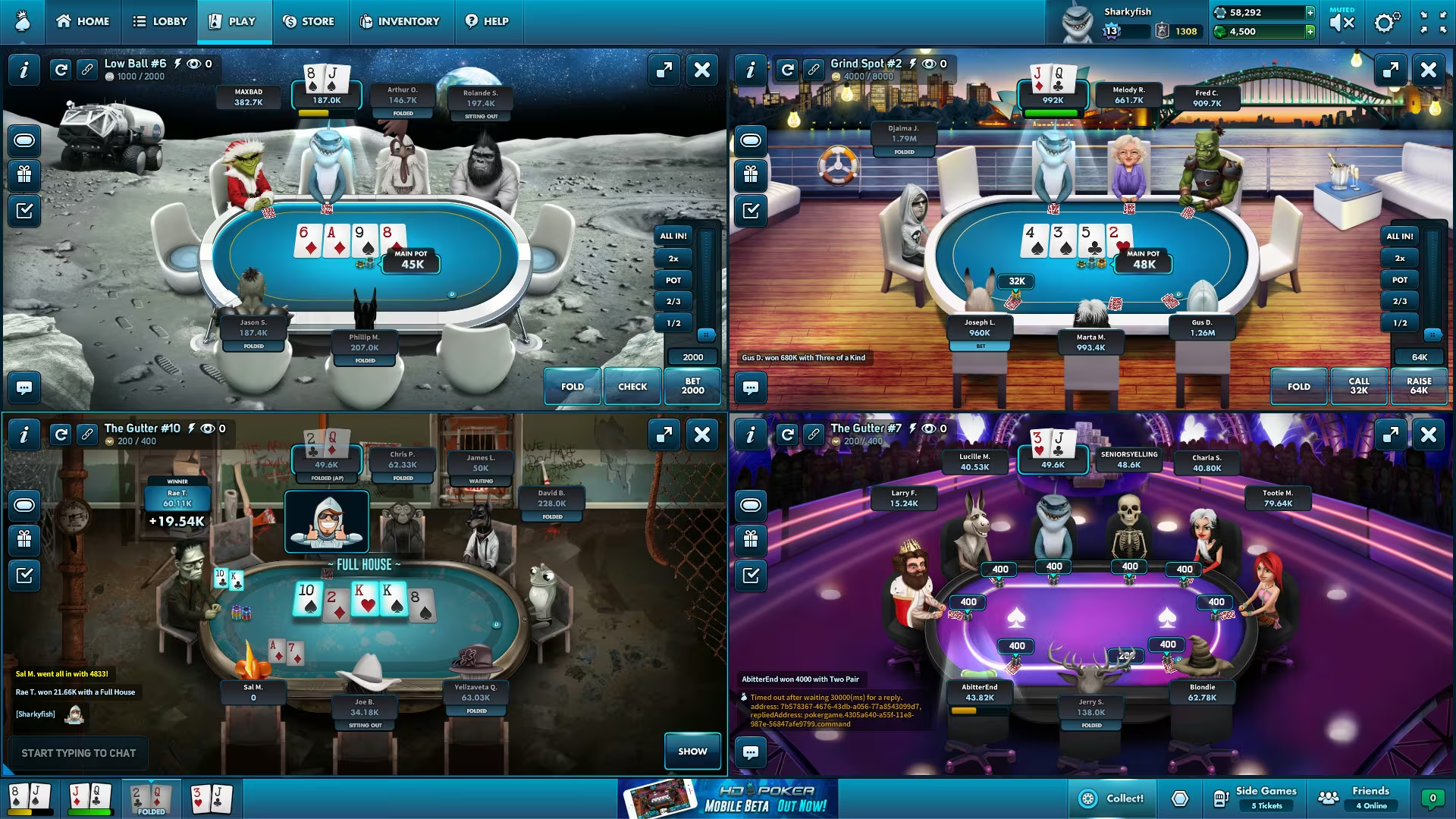
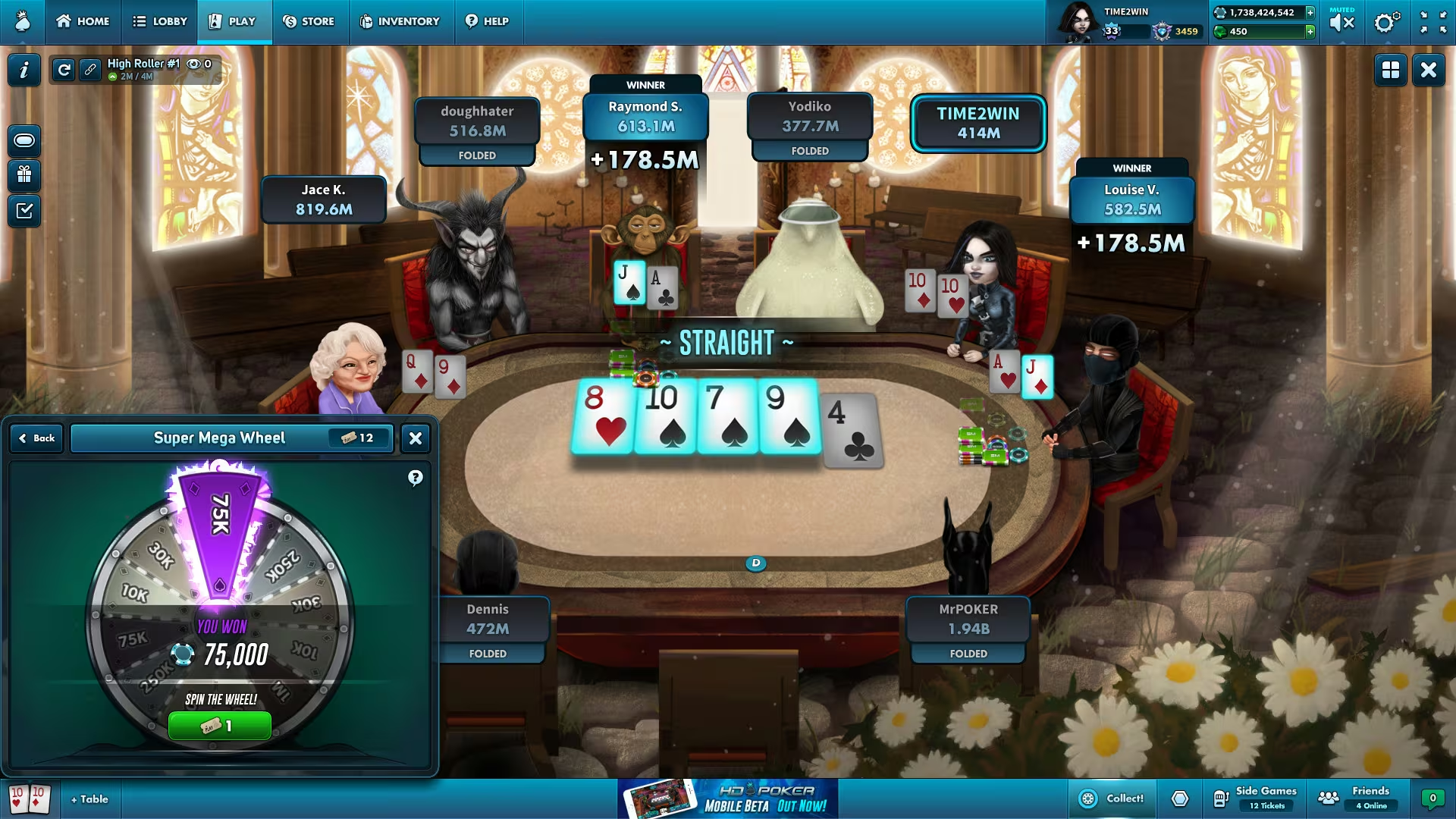
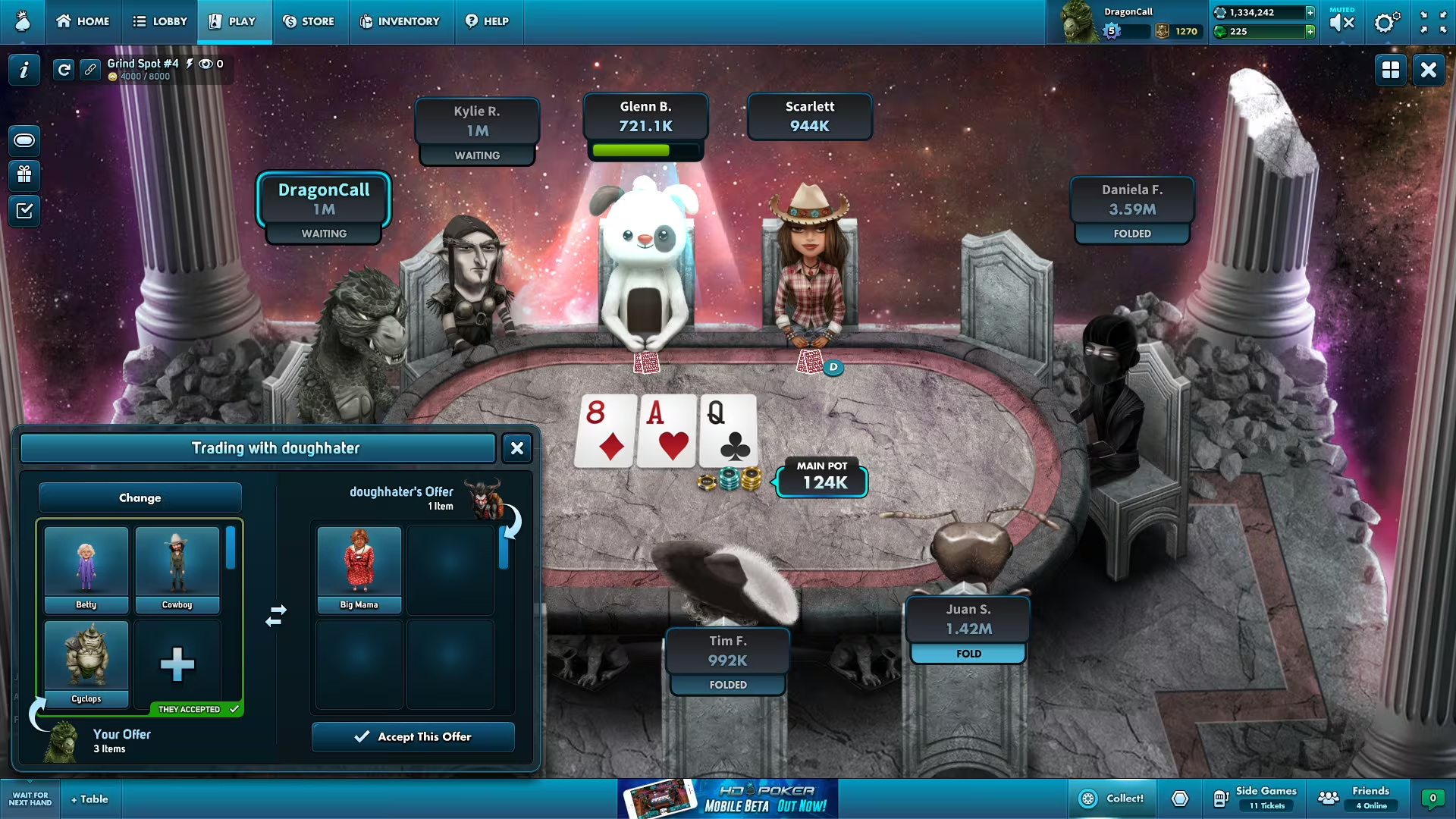
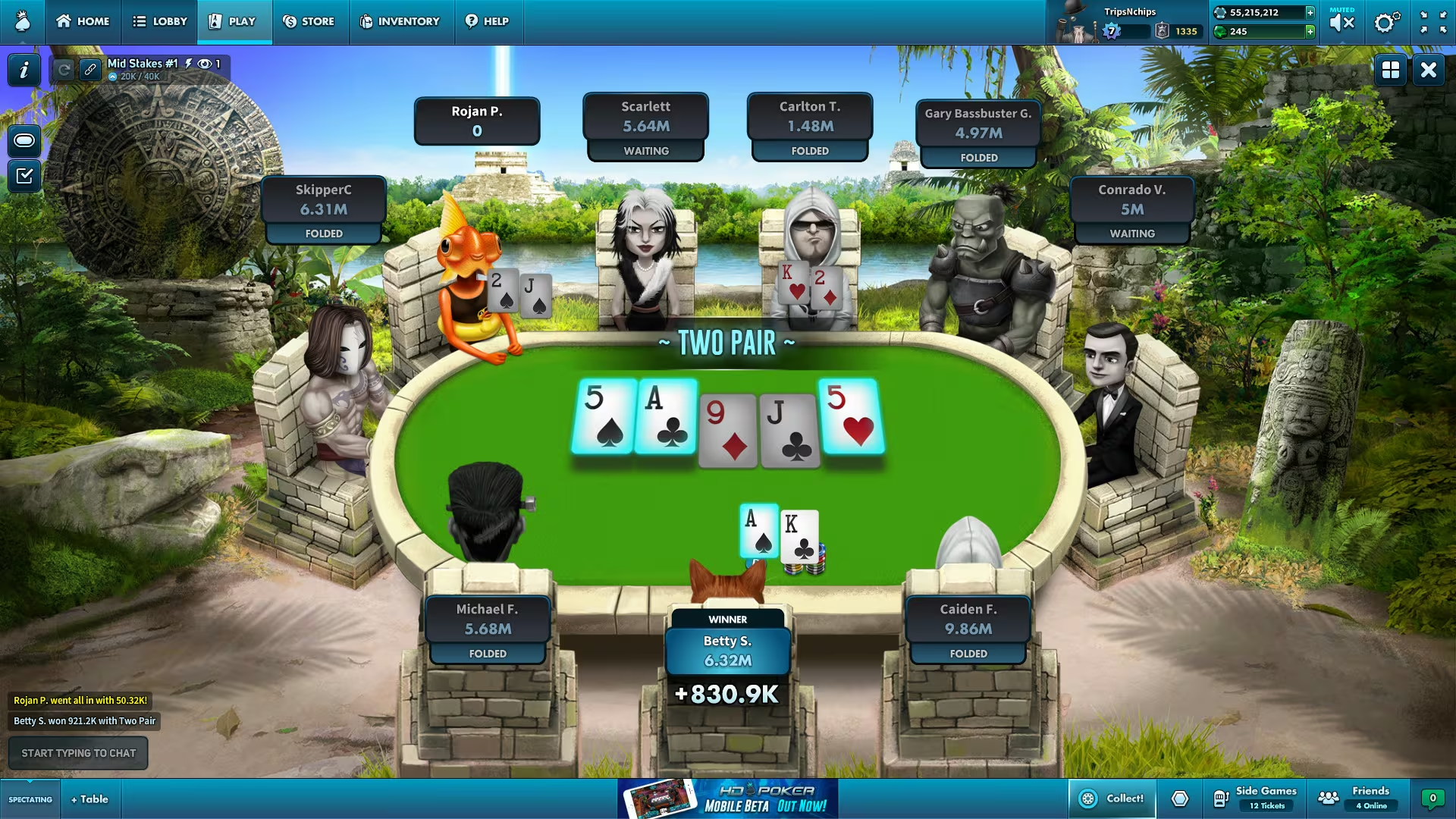
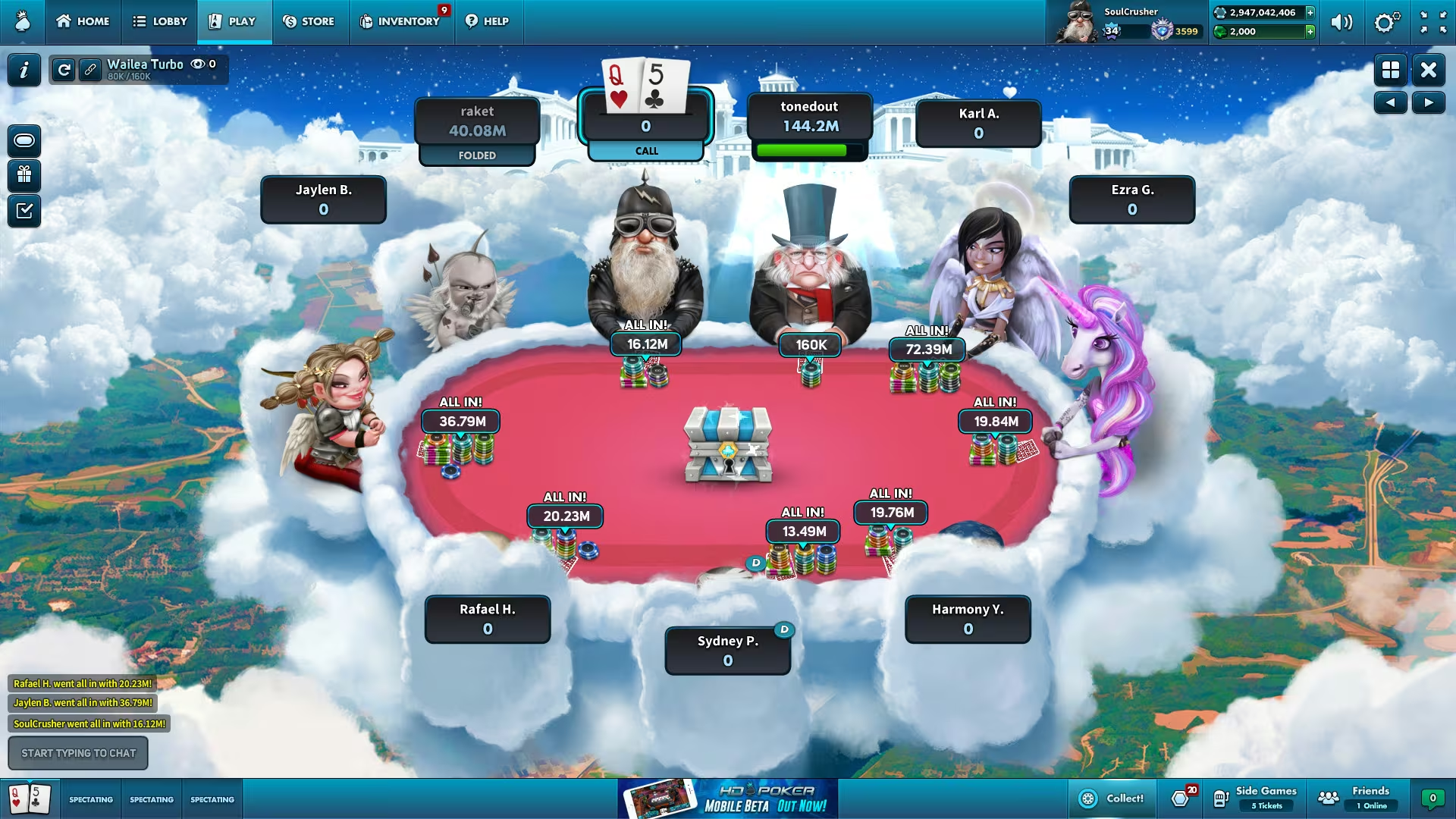
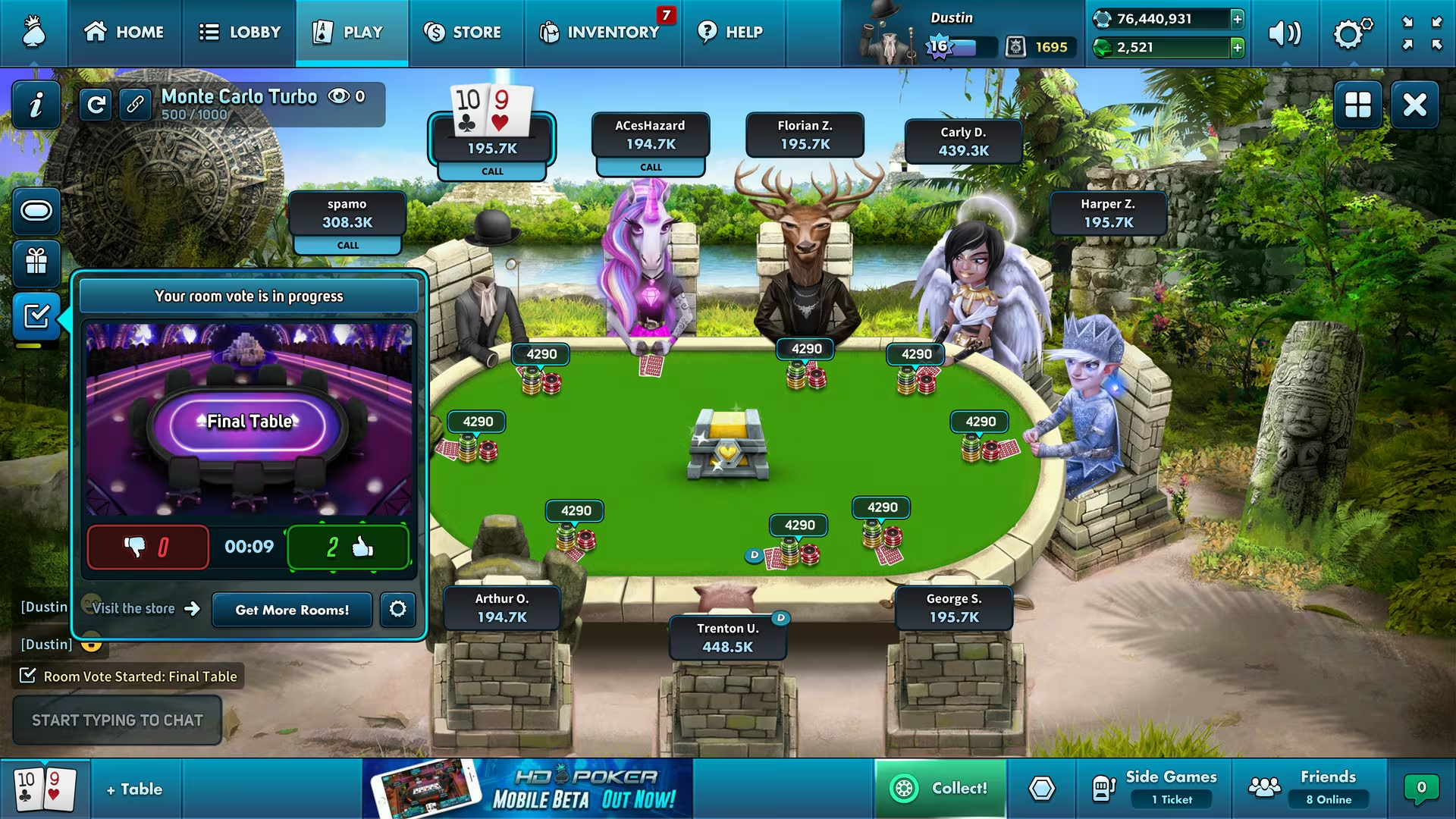
HD Poker - The High Def Poker experience! Crush the competition with the newest FREE poker game.

Global score

80/100

Genres

Casual, Free To Play, Massively Multiplayer, Simulator, Strategy

Similar games

    Pros

    • Free to play with generous daily rewards
    • Smooth and polished graphics and interface
    • Variety of tables and tournament modes
    • Avatar customization and social features
    • Active and sizable player base

    Cons

    • Toxic and immature community behavior
    • Perceived rigging or unfair rng by some players
    • All-in spammers reducing strategic depth
    • Microtransactions can be expensive and pushy
    • Lack of narrative or immersive story elements

    Analysis

    Less representative of its motivational profile, with noticeable differences. Motivations that often define this kind of title include Competition, Status, Story, Expression. Here, the score leans higher than usual among comparable games on Domination, Idle. It leans lower than usual among comparable games on Fantasy.

    How to use the graph
    Similar games map

    Each dot is a game. They are arranged from the same motivation profile as in the “Motivations” section below. Closer dots usually mean more similar reasons to play (exploration, competition, relaxation, etc.)—not that one game is “better” than another.

    • Larger dot with a light outline: the game you are viewing.
    • Colour: groups of games with comparable motivation patterns (statistical clusters).
    • Hover a dot to see the game name; click to open its page.
    • Scroll or double-click the chart to zoom out and see more games.

    Why don’t the axes read like a score? This view uses t-SNE: it only keeps who is close to whom. The scales are not “good to bad” or hours played—they separate groups on the map. Read distance between dots, not the axis numbers.

    Motivations

    • Autonomy
      4

      "Players have freedom to choose tables, customize avatars, and decide their betting strategies."

    • Competence
      3

      "Game offers skill-based poker play with challenges and tournaments, though some randomness and all-in spammers reduce skill impact."

    • Competition
      4

      "Strong competitive elements with multiplayer tables, ranked modes, leaderboards, and tournaments."

    • Continuation
      4

      "Players report habitual play, long sessions, daily rewards, and frequent return to the game."

    • Cooperation
      -3

      "Focus is on individual poker play; limited cooperation except social chat and friendly interactions."

    • Creativity
      2

      "Customization of avatars and rooms allows some creative expression, but gameplay follows fixed poker rules."

    • Domination
      2

      "Some players exhibit dominance through aggressive betting and trash talk, but overall interactions vary."

    • Escapism
      3

      "Many players use the game as a stress relief and distraction from real life."

    • Expectation
      -4

      "Engagement is voluntary and driven by personal interest rather than obligation."

    • Experimenting
      2

      "Players try different tables, strategies, and multi-table play, though core gameplay is standard poker."

    • Exploration
      -2

      "Limited exploration; mostly familiar poker environments and repeated table types."

    • Expression
      3

      "Avatar customization and emotes provide avenues for self-expression."

    • Fantasy
      -3

      "Realistic poker simulation with no fantasy or fictional elements."

    • Fellowship
      2

      "Some community interaction and social chat, though toxicity is reported and social bonds vary."

    • Growth
      3

      "Players develop poker skills and strategies over time through practice and tournaments."

    • Health
      -4

      "Sedentary gameplay with reports of addiction and negative mental health effects."

    • Idle
      1

      "Can be played casually or in short bursts, but some modes require sustained attention."

    • Intimacy
      -3

      "Social interactions are mostly surface-level with limited emotional sharing."

    • Leadership
      -4

      "No formal leadership roles; players mostly act independently or in peer groups."

    • Progression
      4

      "Strong progression through chip accumulation, unlocking avatars, and tournament rankings."

    • Relaxation
      2

      "Some players find the game relaxing and enjoyable, though others experience frustration and tension."

    • Sensation
      2

      "Visuals and animations are praised, providing sensory enjoyment."

    • Status
      3

      "Leaderboards, rankings, and rare avatar collections provide social recognition."

    • Story
      -5

      "No narrative or story elements; purely gameplay focused."

    • Strategy
      4

      "Poker requires strategic thinking, bluffing, and decision-making under uncertainty."

    • Thrill
      3

      "Risk and suspense from betting and bluffing create excitement and thrill."

    • Value
      3

      "Free to play with optional purchases; many players feel they get good value without spending."

    • Violence
      -5

      "No violence; gameplay is constructive and competitive card play."

    • Survival
      2

      "Players manage chips and avoid elimination in tournaments, reflecting survival elements."

    Last update: 29/04/2026