Imagine Earth Thumbnail

Imagine Earth similar games & best alternatives
Imagine Earth

PC (Microsoft Windows), PlayStation 4, Xbox One, Xbox Series X|S, Nintendo Switch, PlayStation 5, Linux • 2021

Related articles

Quick resume

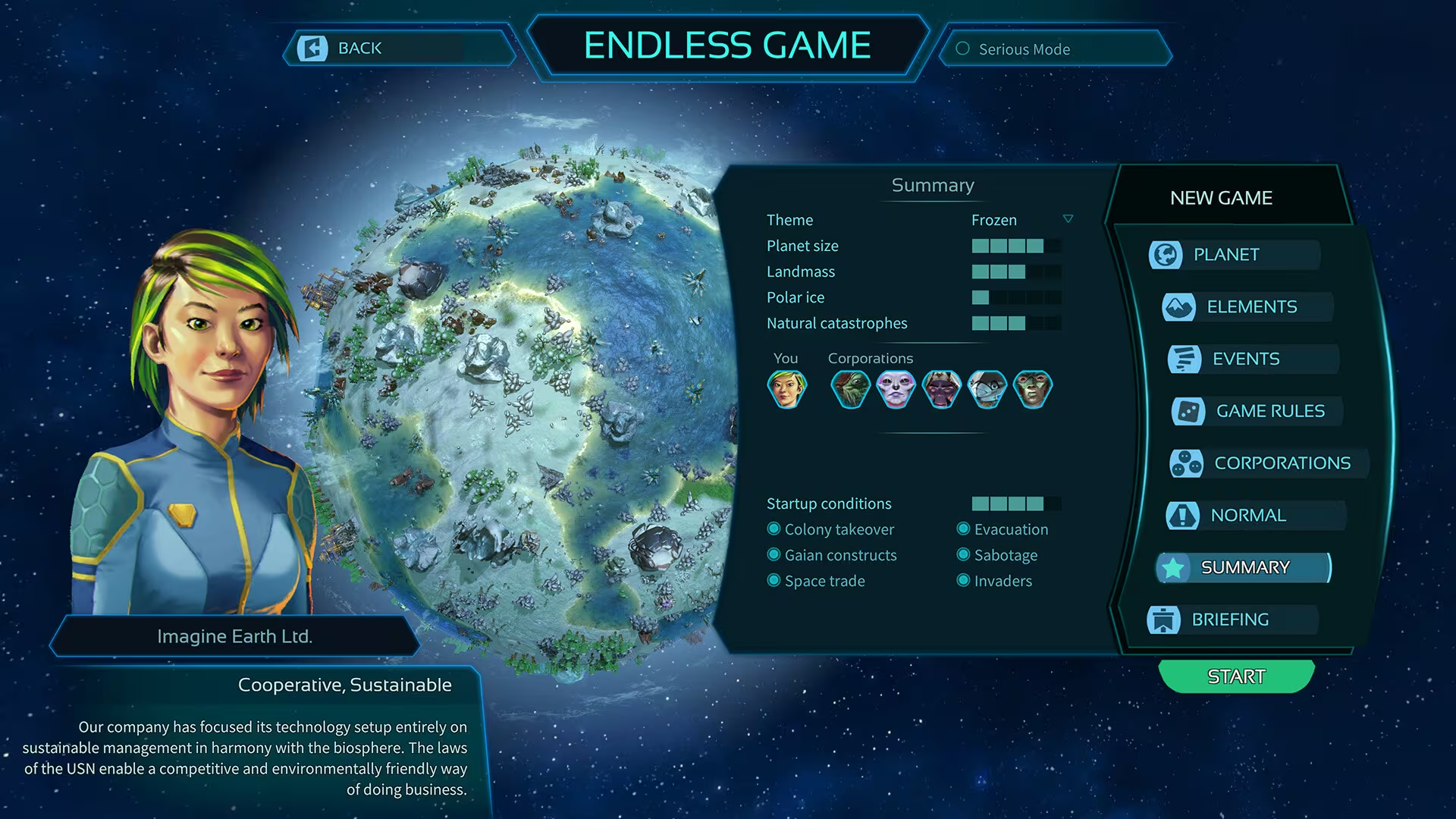
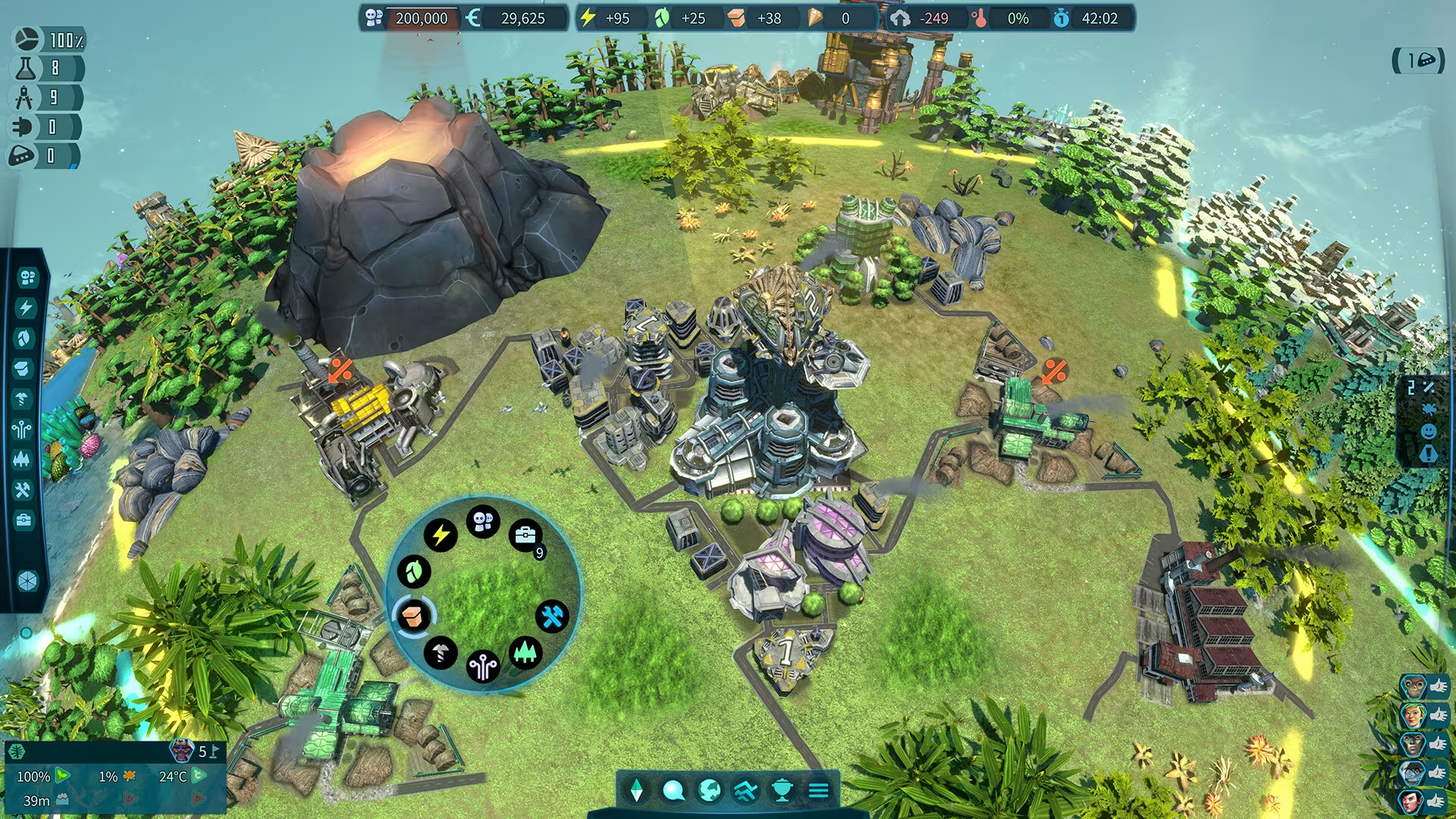
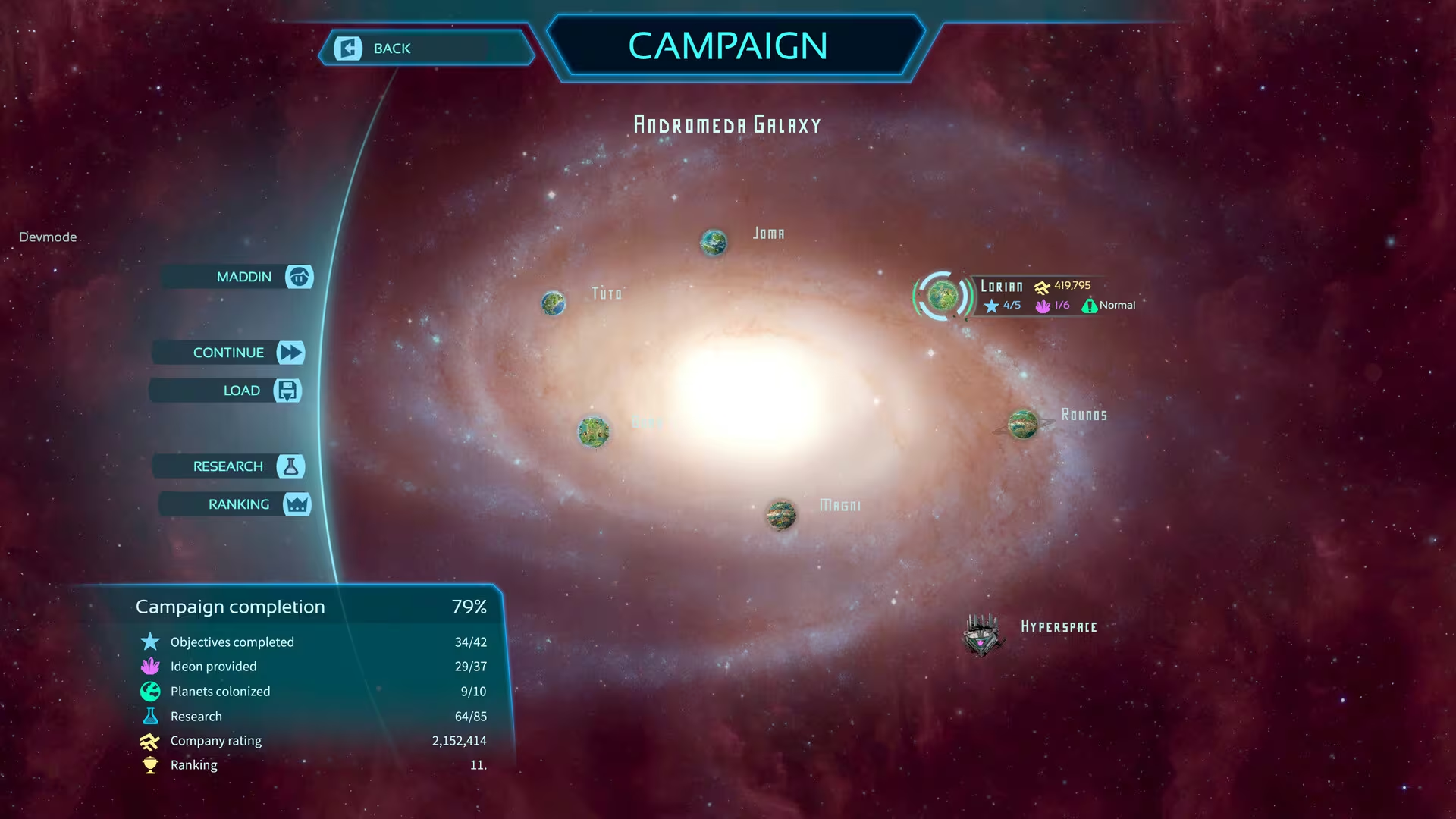
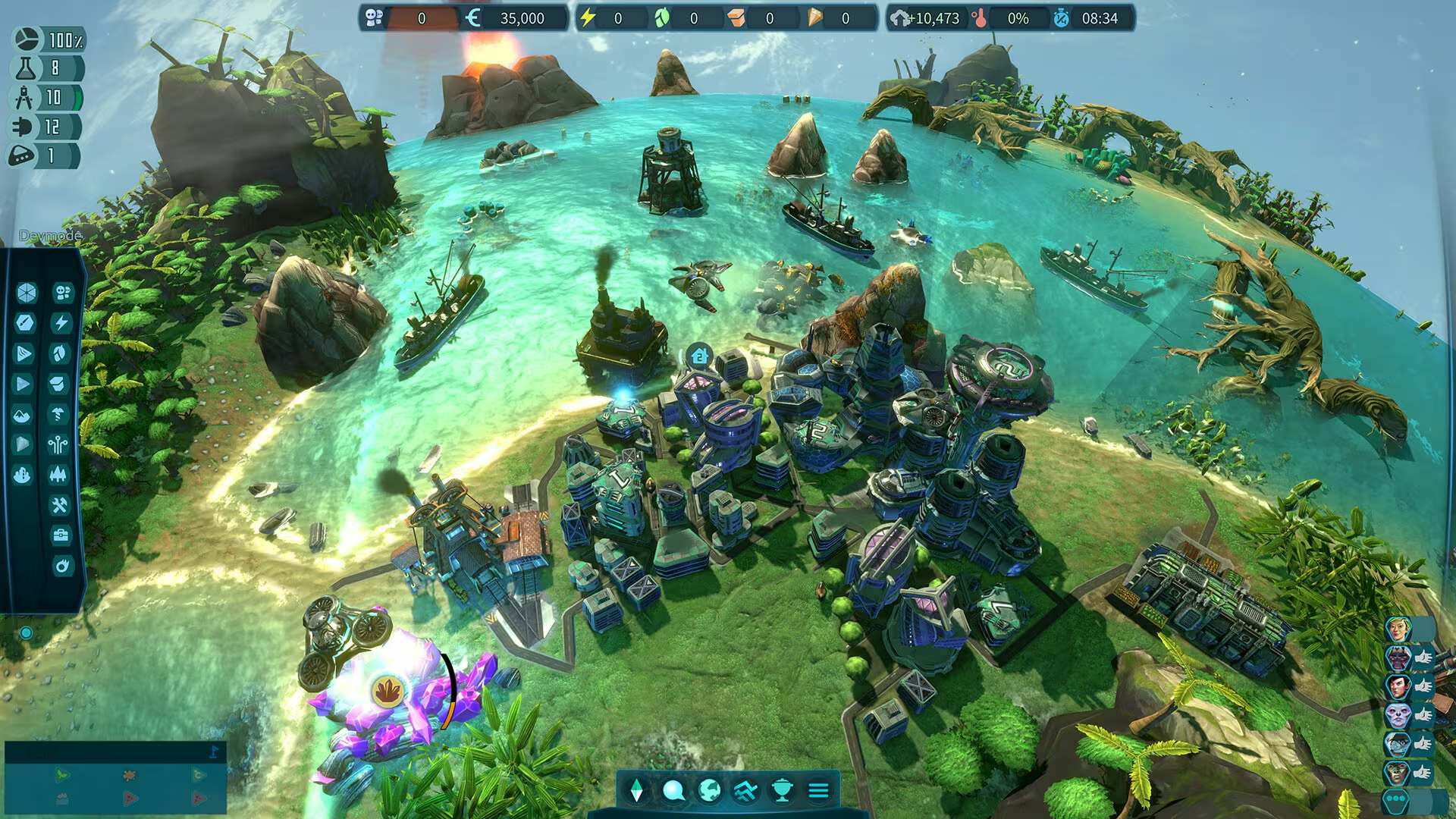
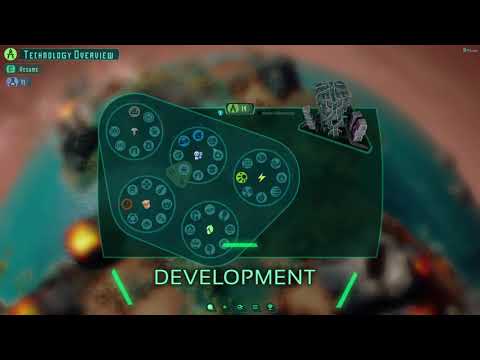
Build your own global colonies on distant worlds. Manage energy and resource supplies and produce goods for space trade. Form economic and diplomatic alliances or take over competing corporations. Conduct research to protect your colonists from disasters and avoid a climate crisis.

Global score

82/100

Genres

Casual, Indie, Simulator, Strategy, Real Time Strategy (RTS), Puzzle

Similar games

    Pros

    • Unique blend of city building and ecological simulation
    • Frequent developer updates and community engagement
    • Challenging yet accessible gameplay
    • Multiple game modes including campaign and sandbox
    • Engaging environmental and economic balance mechanics

    Cons

    • Lack of multiplayer or cooperative modes
    • Some ui and control clunkiness reported
    • Graphics and animations could be improved
    • Campaign length and replayability limited
    • Ai can be simplistic and unchallenging

    Analysis

    Less representative of its motivational profile, with noticeable differences. Motivations that often define this kind of title include Competition, Status, Story, Expression. Here, the score leans higher than usual among comparable games on Leadership, Domination, Story.

    How to use the graph
    Similar games map

    Each dot is a game. They are arranged from the same motivation profile as in the “Motivations” section below. Closer dots usually mean more similar reasons to play (exploration, competition, relaxation, etc.)—not that one game is “better” than another.

    • Larger dot with a light outline: the game you are viewing.
    • Colour: groups of games with comparable motivation patterns (statistical clusters).
    • Hover a dot to see the game name; click to open its page.
    • Scroll or double-click the chart to zoom out and see more games.

    Why don’t the axes read like a score? This view uses t-SNE: it only keeps who is close to whom. The scales are not “good to bad” or hours played—they separate groups on the map. Read distance between dots, not the axis numbers.

    Motivations

    • Autonomy
      4

      "Players have freedom to choose building placement, strategies, and tech upgrades with multiple approaches to objectives."

    • Competence
      3

      "Game requires skillful resource management, strategic planning, and balancing ecological and economic factors."

    • Competition
      3

      "Includes competitive modes against AI and leaderboards, with players racing to expand and score higher."

    • Continuation
      3

      "Addictive gameplay and frequent updates encourage long sessions and repeated playthroughs."

    • Cooperation
      -3

      "Focus is mainly on individual colony management; multiplayer or cooperative play is absent."

    • Creativity
      4

      "Players create and customize colonies on procedurally generated or custom planets with diverse layouts."

    • Domination
      2

      "Competitive elements include out-expanding and sabotaging rivals, but interactions are balanced and respectful."

    • Escapism
      3

      "Players engage in an imaginative sci-fi setting to escape real life and explore planetary colonization."

    • Expectation
      -4

      "Players engage voluntarily out of intrinsic interest and enjoyment, not obligation or pressure."

    • Experimenting
      4

      "Game encourages trying different strategies, building layouts, and tech choices to solve challenges."

    • Exploration
      3

      "Players explore different planets and biomes, discovering resources and adapting to environmental conditions."

    • Expression
      3

      "Customization of colonies and building upgrades allows for personal expression within gameplay."

    • Fantasy
      3

      "Set in a fictional sci-fi universe with imaginative planetary colonization and environmental challenges."

    • Fellowship
      -3

      "Minimal social interaction; primarily single-player experience with limited community features."

    • Growth
      4

      "Players learn and develop skills in resource management, strategy, and ecological balance."

    • Health
      -4

      "Sedentary gameplay typical of city builders with no physical activity component."

    • Idle
      -3

      "Requires focused attention and micromanagement rather than passive or background play."

    • Intimacy
      -4

      "Limited social or emotional connections; interactions are surface-level and functional."

    • Leadership
      2

      "Players lead their own colonies and make strategic decisions, but no formal group leadership roles."

    • Progression
      4

      "Players accumulate resources, unlock techs, and upgrade buildings to expand colonies."

    • Relaxation
      2

      "Generally chill and laid-back gameplay, though some missions impose time pressure and challenges."

    • Sensation
      2

      "Pleasant visuals and music provide moderate sensory stimulation fitting the game's style."

    • Status
      2

      "Leaderboards and rankings offer some social recognition, though limited in scope."

    • Story
      2

      "Campaign provides narrative context and motivation, though story is not deeply immersive."

    • Strategy
      4

      "Strong emphasis on strategic planning, resource allocation, and problem solving."

    • Thrill
      1

      "Some suspense from environmental disasters and competitive pressure, but overall controlled."

    • Value
      2

      "Good value for price considering gameplay depth and frequent updates, though some find price steep."

    • Violence
      -4

      "No combat units; focus on constructive building and environmental management."

    • Survival
      3

      "Players must manage threats like disasters and rival companies to keep colonies alive."

    Last update: 29/04/2026