JudgeSim Thumbnail

JudgeSim similar games & best alternatives

JudgeSim

PC (Microsoft Windows) • 2024

Related articles

Quick resume

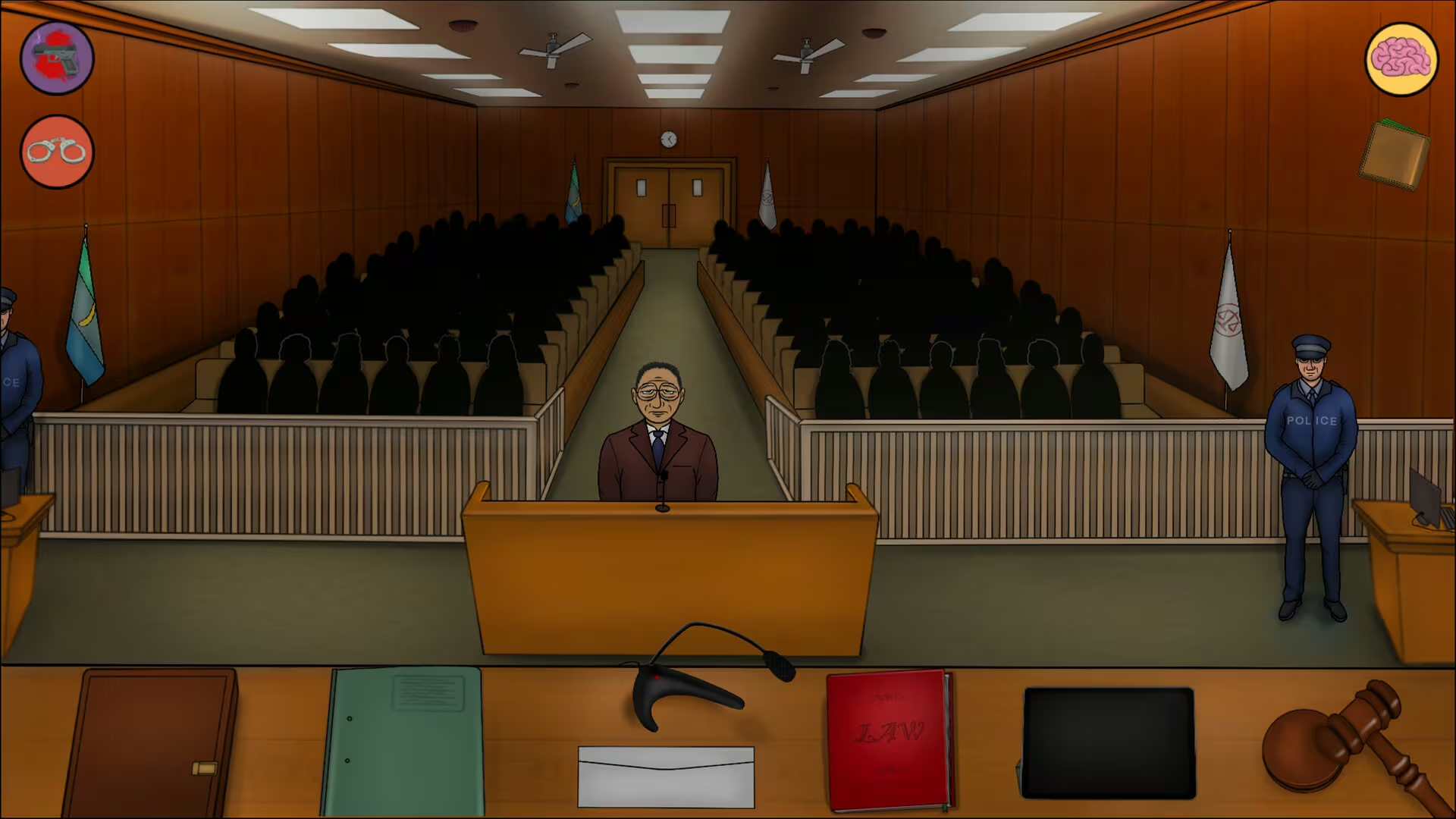
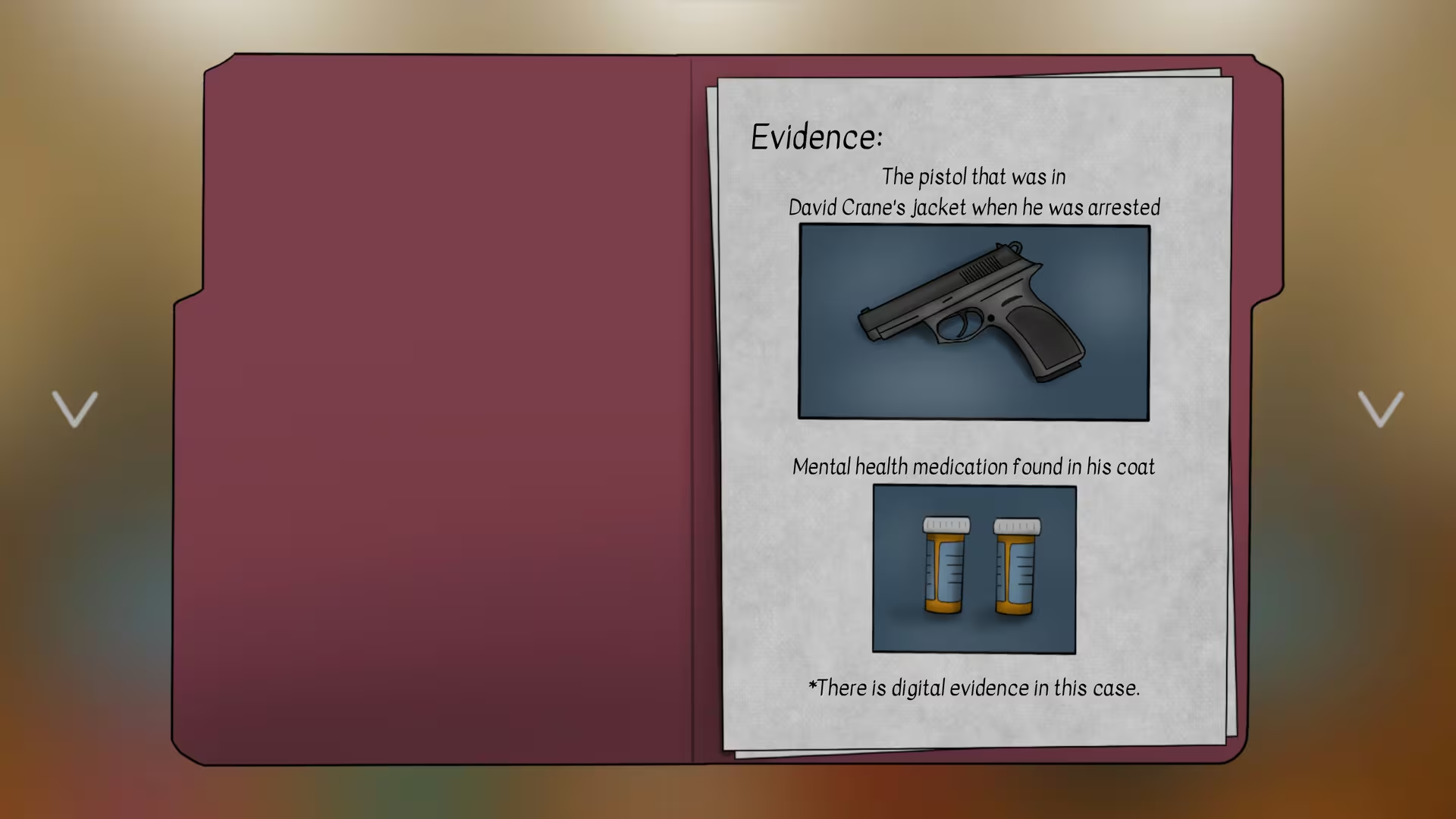
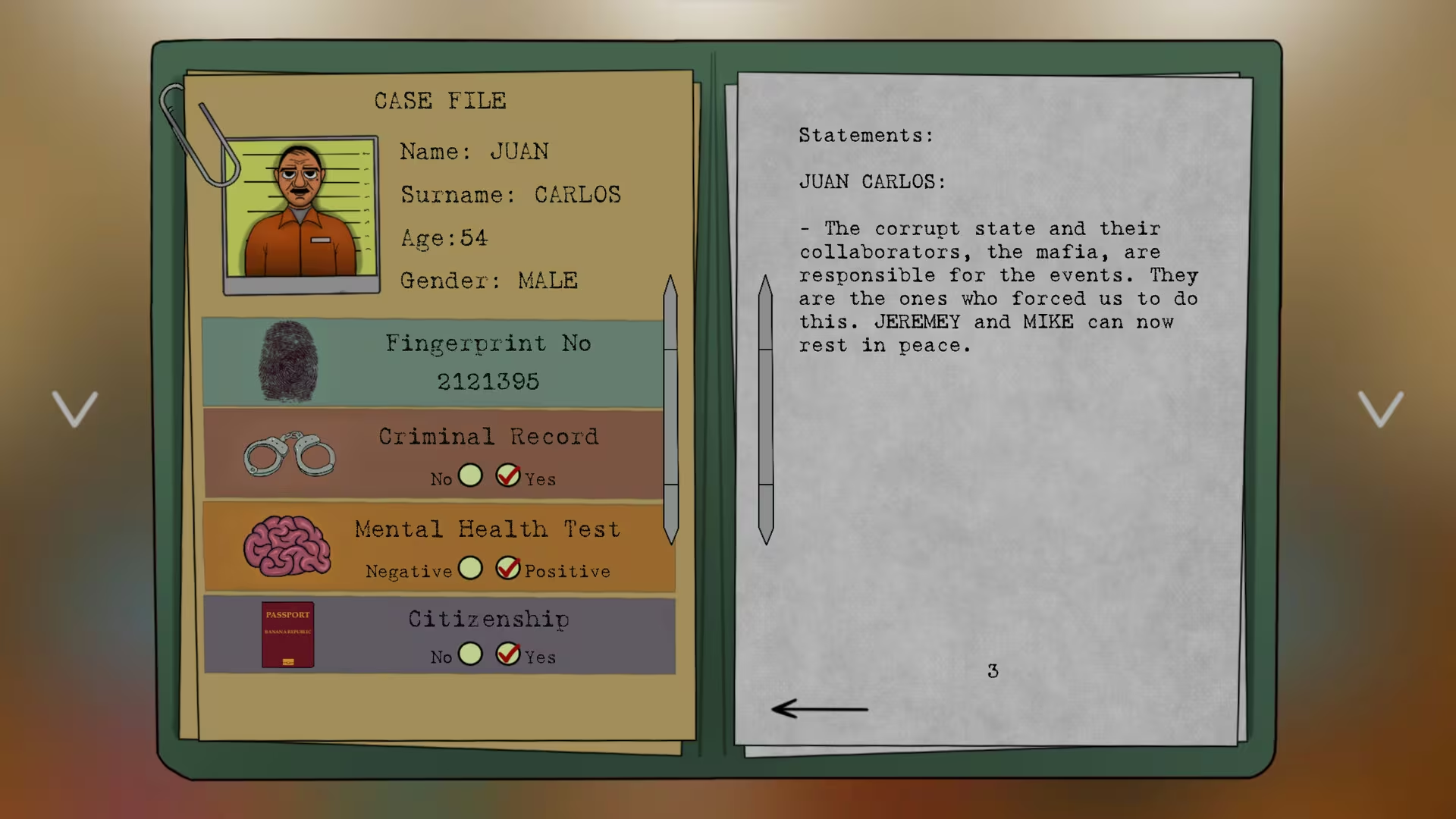
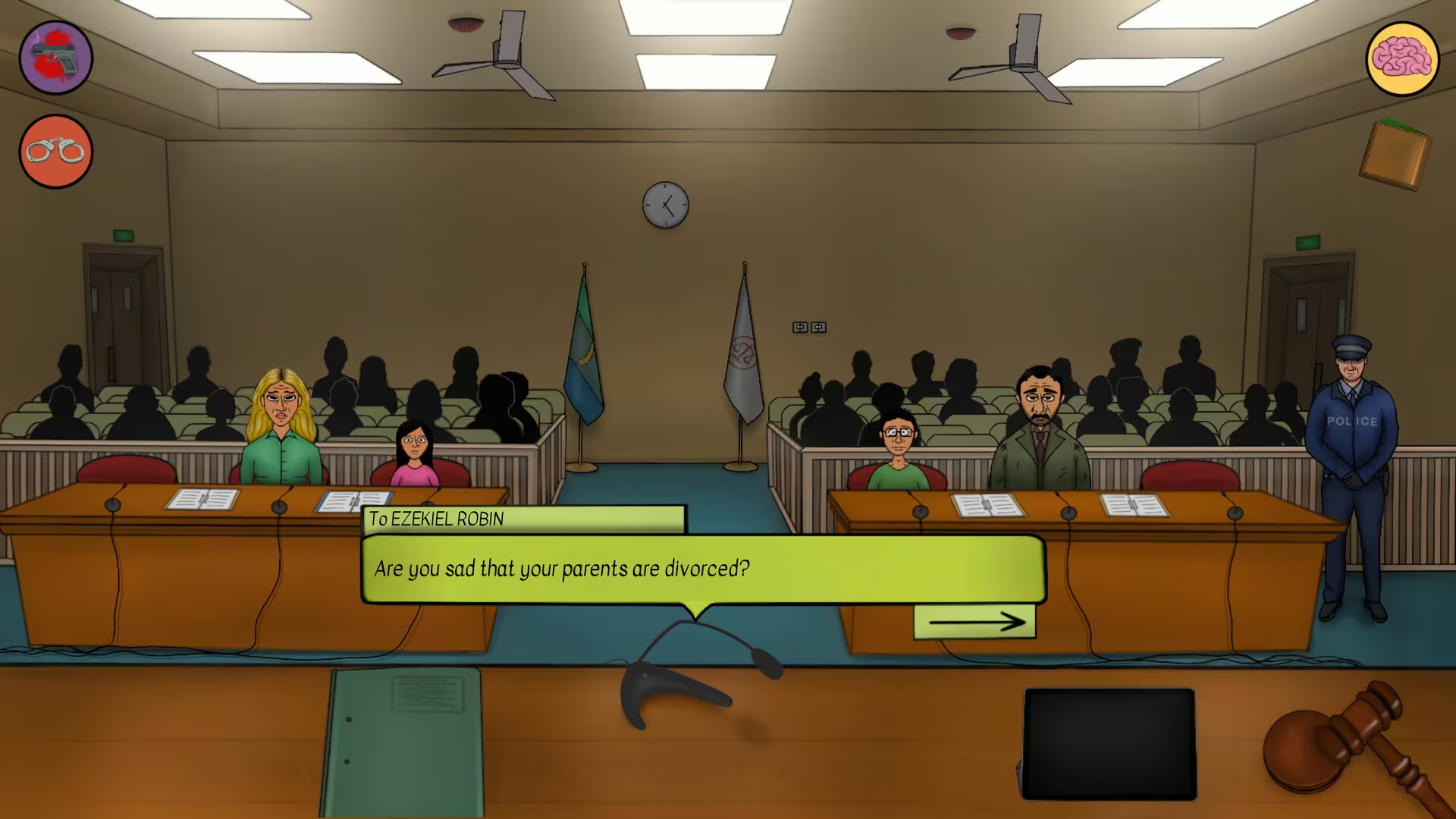
Things were worse than ever in Banana Republic, a somber island country. While anarchists roamed the streets, corruption was running deeper due to economic crisis and rising crime rates. Bearing these burdens were "judges" who tried to make things right with honesty...

Global score

85/100

Genres

Casual, Indie, Simulator, Strategy

Similar games

    Pros

    • Engaging and varied cases
    • Immersive story and atmosphere
    • Good value for price
    • Frequent developer updates
    • Relaxing gameplay experience

    Cons

    • Annoying dice roll rng mechanic
    • Repetitive cases limit replayability
    • Family and sanity mechanics frustrating
    • Some translation and grammar issues
    • Limited customization and social features

    Analysis

    Less representative of its motivational profile, with noticeable differences. Motivations that often define this kind of title include Fantasy, Violence, Story, Thrill. Here, the score leans higher than usual among comparable games on Violence, Story, Leadership.

    How to use the graph
    Similar games map

    Each dot is a game. They are arranged from the same motivation profile as in the “Motivations” section below. Closer dots usually mean more similar reasons to play (exploration, competition, relaxation, etc.)—not that one game is “better” than another.

    • Larger dot with a light outline: the game you are viewing.
    • Colour: groups of games with comparable motivation patterns (statistical clusters).
    • Hover a dot to see the game name; click to open its page.
    • Scroll or double-click the chart to zoom out and see more games.

    Why don’t the axes read like a score? This view uses t-SNE: it only keeps who is close to whom. The scales are not “good to bad” or hours played—they separate groups on the map. Read distance between dots, not the axis numbers.

    Motivations

    • Autonomy
      3

      "Players make independent judgments on cases, deciding sentences and handling family and personal choices, though within a structured legal framework."

    • Competence
      3

      "Players engage in varied case-solving tasks requiring attention to evidence and law, though some mechanics like dice rolls reduce skill impact."

    • Competition
      -4

      "Focus is on personal decision-making and story progression without leaderboards or direct player comparison."

    • Continuation
      2

      "Many players report addictive gameplay and desire to continue, though some frustration with RNG and repetition may limit long-term engagement."

    • Cooperation
      -5

      "Gameplay is primarily single-player and independent, with no cooperative or team-based elements."

    • Creativity
      1

      "Players can customize judgments and make moral choices, but cases and storylines are fixed and repetitive."

    • Domination
      -5

      "Interactions are balanced with no evidence of exerting power over other players or social dominance."

    • Escapism
      3

      "Players use the game as a relaxing, immersive experience to escape real-life stress, with some enjoying the story and atmosphere."

    • Expectation
      -4

      "Players engage voluntarily out of personal interest and intrinsic motivation, often inspired by streamers."

    • Experimenting
      2

      "Some desire for randomized cases and new modes indicates interest in experimenting, though core gameplay is repetitive."

    • Exploration
      -3

      "Cases and environments are fixed and repeated; limited discovery or new areas."

    • Expression
      1

      "Limited cosmetic customization and some personalization of judgments, but mostly standardized presentation."

    • Fantasy
      -2

      "Game simulates a judge in a corrupt banana republic with some fictional elements, but grounded in realistic legal scenarios."

    • Fellowship
      -5

      "Minimal social connection; primarily solo play without community or group identity."

    • Growth
      2

      "Players learn legal concepts and improve judgment skills, though some mechanics are simplistic."

    • Health
      -5

      "Sedentary gameplay with no physical activity or health-related features."

    • Idle
      -3

      "Requires focused attention on cases and decisions; not designed for background or idle play."

    • Intimacy
      -4

      "Limited emotional or social interactions; family interactions are minimal and often frustrating."

    • Leadership
      2

      "Players lead judicial decisions and manage personal affairs, but no leadership over others."

    • Progression
      3

      "Players accumulate money, unlock cases, and gain achievements, though some progression resets on arrest or death."

    • Relaxation
      3

      "Many players find the game relaxing and a good way to unwind despite some frustration with RNG."

    • Sensation
      1

      "Visuals and audio are simple but effective; some players enjoy the atmosphere and soundtrack."

    • Status
      -5

      "No social recognition or status systems present."

    • Story
      3

      "Narrative and case storylines engage players, though some find the story short and desire more content."

    • Strategy
      3

      "Players use logic and reasoning to solve cases and manage resources, though some randomness reduces strategic depth."

    • Thrill
      1

      "Some suspense from assassination/arrest risk, but randomness can reduce tension and player control."

    • Value
      3

      "Players generally feel the game offers good value for price and content, especially with free updates."

    • Violence
      2

      "Game involves sentencing criminals including executions, but no direct violent gameplay."

    • Survival
      2

      "Players manage risk of assassination and arrest, balancing decisions to avoid failure."

    Last update: 29/04/2026