Learn Japanese To Survive! Katakana War similar games & best alternatives
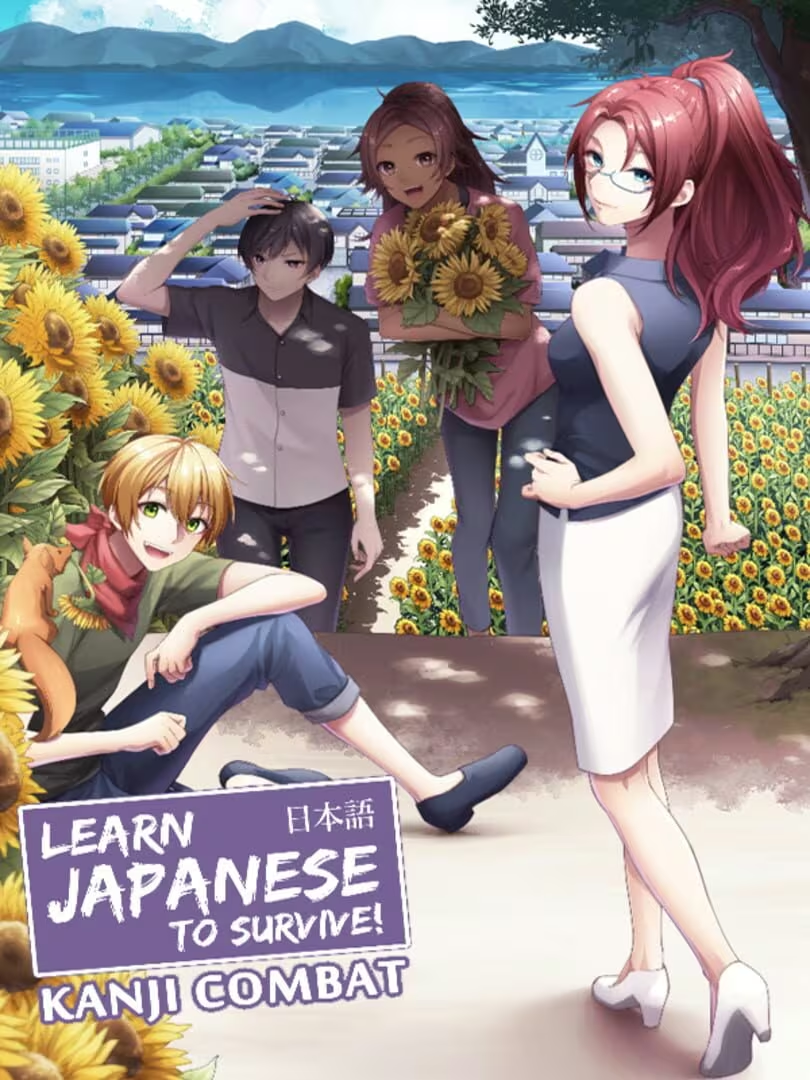
Learn Japanese To Survive! Katakana War
2017
Related articles
Quick resume
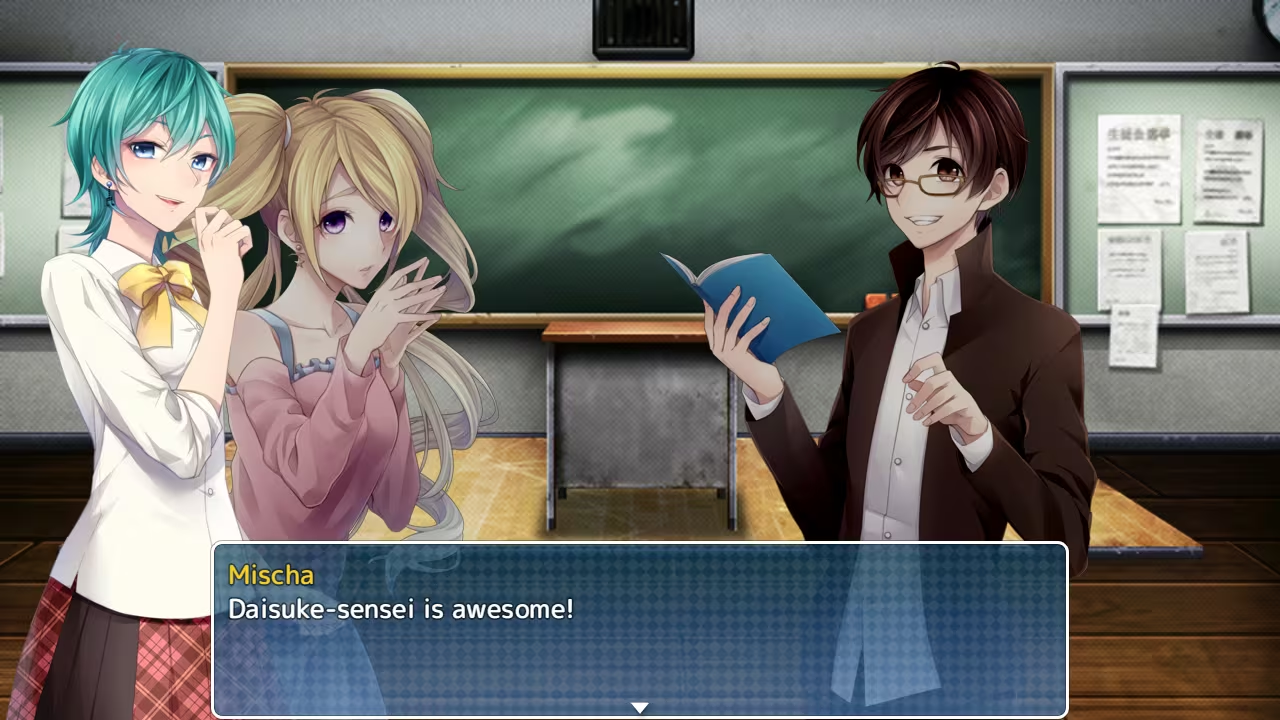
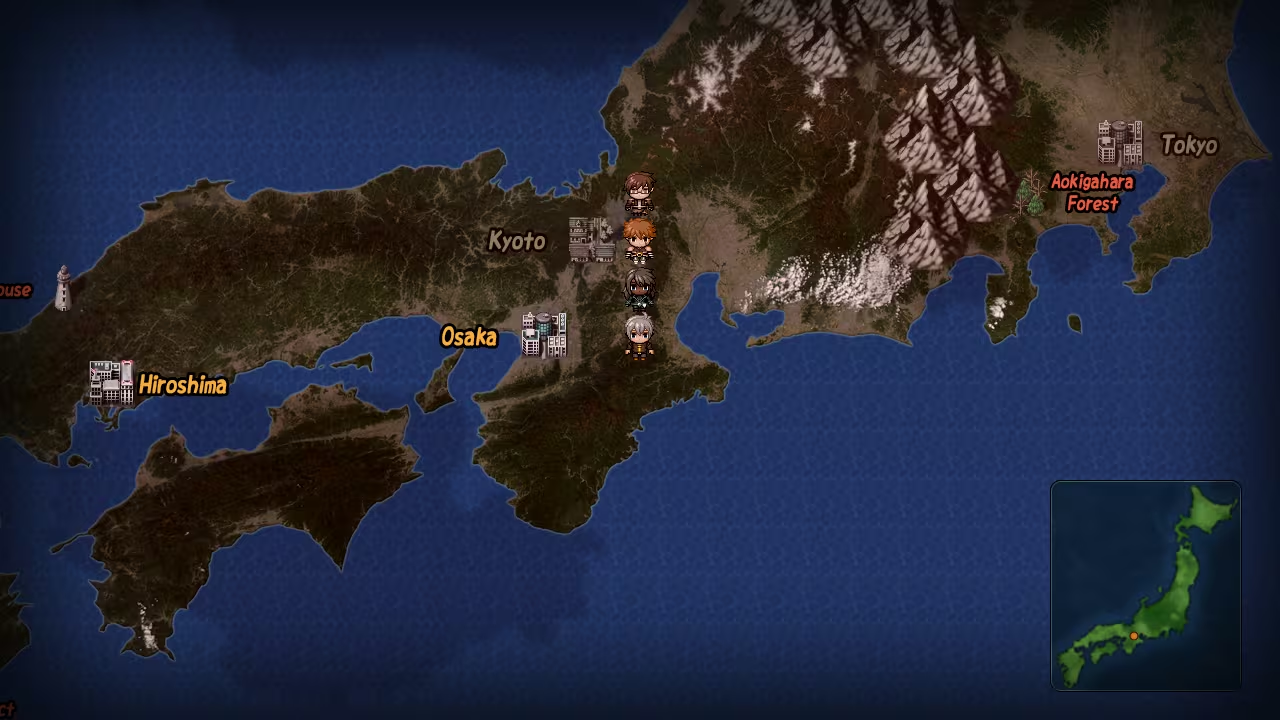
Learn the basics of Japanese in this interactive role-playing game! No experience needed – start reading and writing in Japanese!
Global score
92/100
Genres
Adventure, Indie, Role-playing (RPG), Strategy, Visual Novel
Similar games
Pros
- Effective language learning tool
- Engaging gamified education
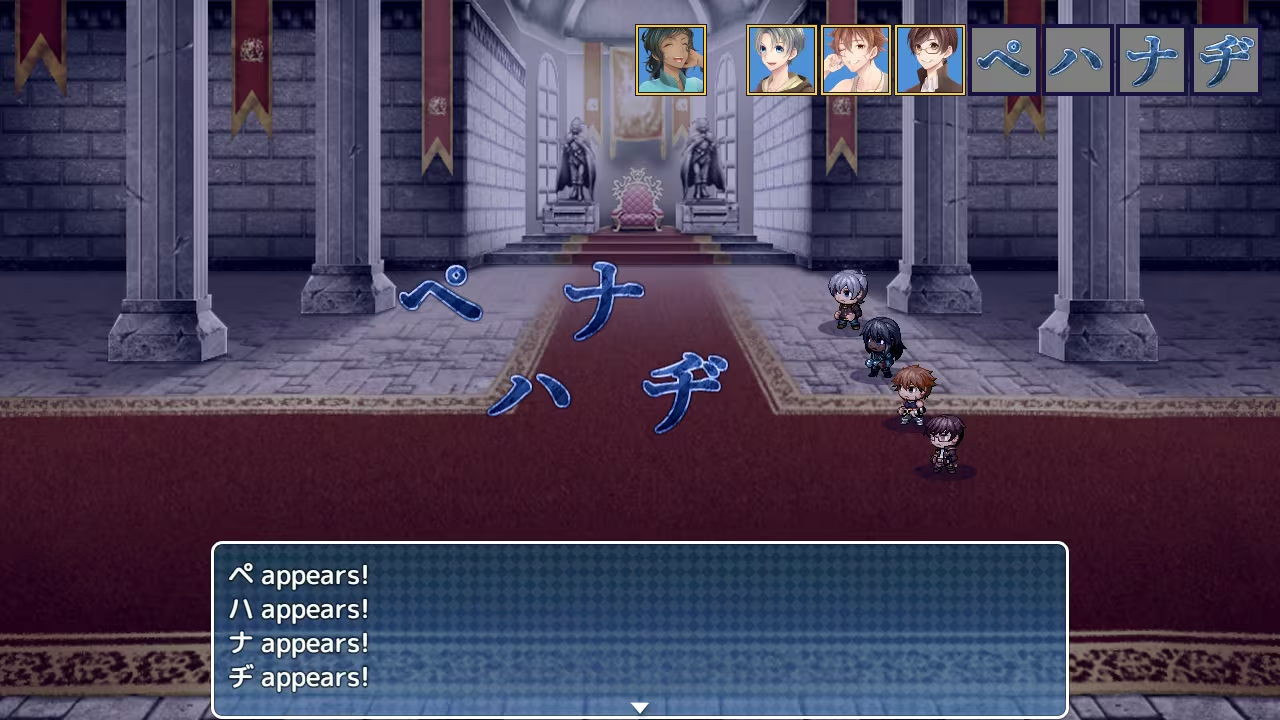
- Improved combat and ui
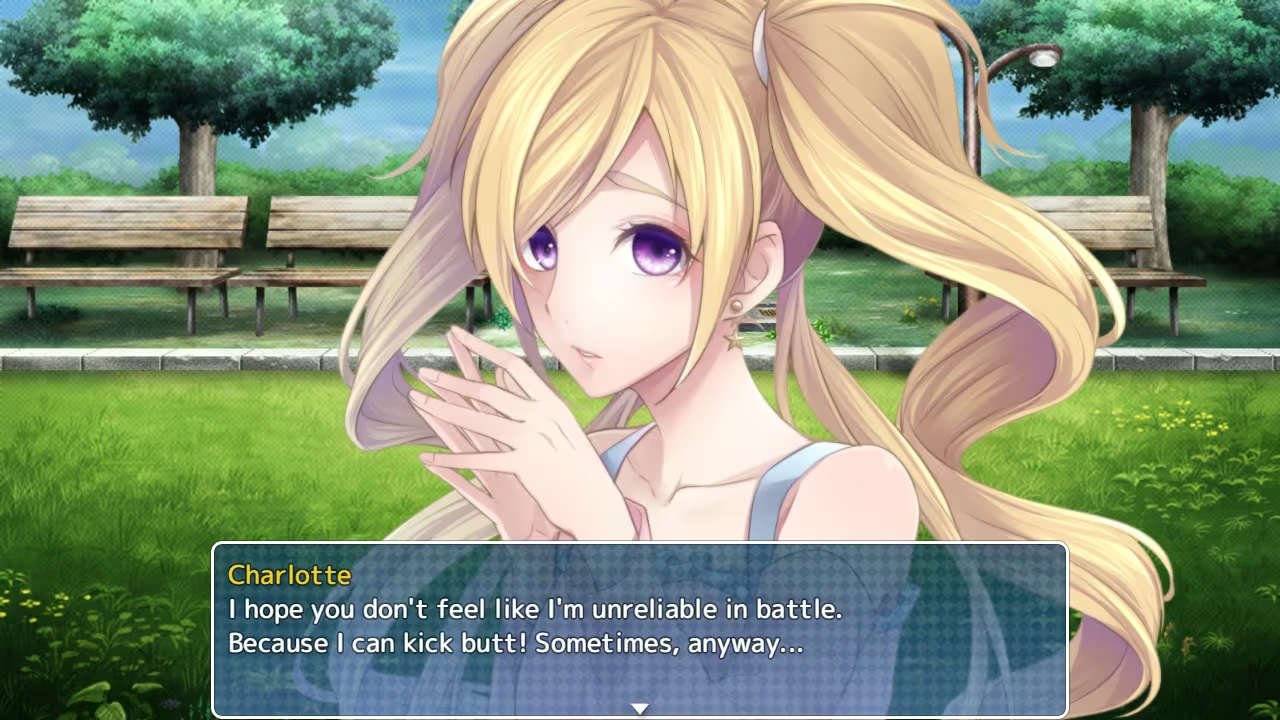
- Cute characters and voice acting
- Affordable price
Cons
- Campy and weak story
- Some voice acting is cringy
- Repetitive gameplay
- Minor bugs and performance issues
- Limited depth beyond learning
Analysis
Less representative of its motivational profile, with noticeable differences. Motivations that often define this kind of title include Fantasy, Violence, Story, Thrill. Here, the score leans higher than usual among comparable games on Intimacy, Fellowship, Cooperation.
How to use the graph
Similar games map
Each dot is a game. They are arranged from the same motivation profile as in the “Motivations” section below. Closer dots usually mean more similar reasons to play (exploration, competition, relaxation, etc.)—not that one game is “better” than another.
- Larger dot with a light outline: the game you are viewing.
- Colour: groups of games with comparable motivation patterns (statistical clusters).
- Hover a dot to see the game name; click to open its page.
- Scroll or double-click the chart to zoom out and see more games.
Why don’t the axes read like a score? This view uses t-SNE: it only keeps who is close to whom. The scales are not “good to bad” or hours played—they separate groups on the map. Read distance between dots, not the axis numbers.
Motivations
-
Autonomy3
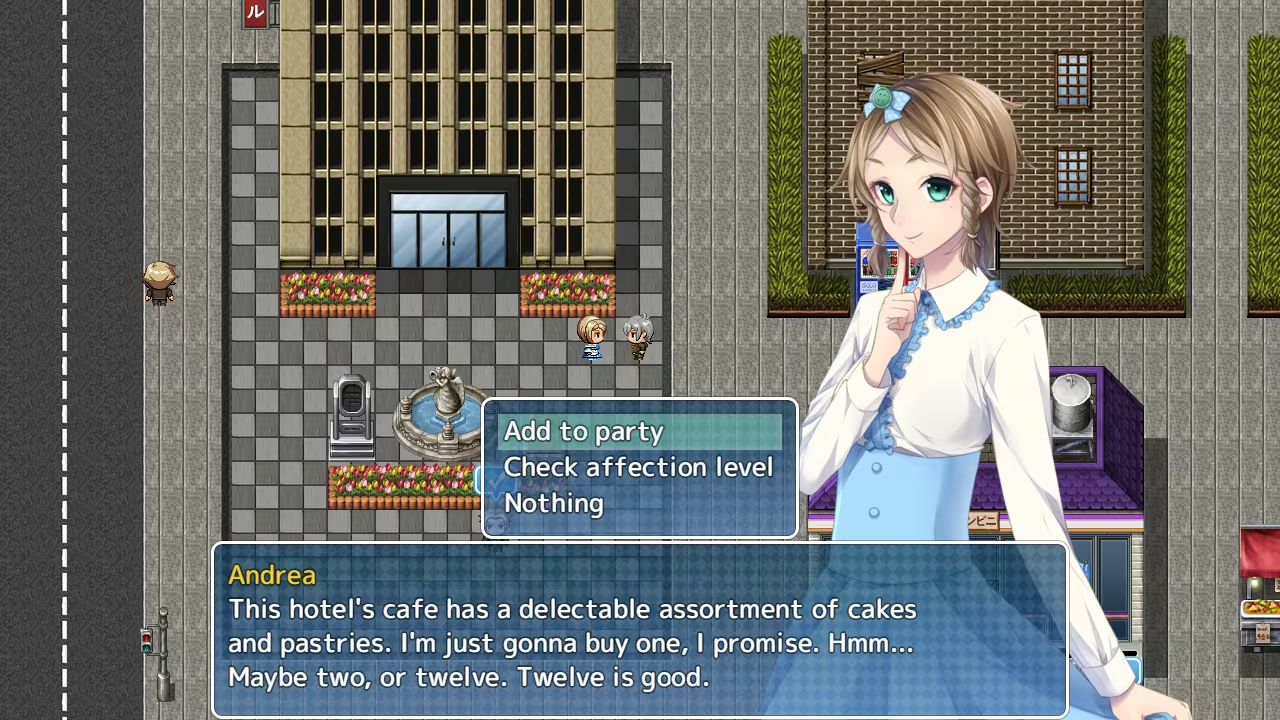
"Players create their own character and choose party members, with some freedom in combat and exploration."
-
Competence4
"Game challenges players to memorize and recognize Katakana characters, with feedback and progression."
-
Competition-3
"Focus is on personal learning and practice rather than competing against others."
-
Continuation4
"Many players report long play sessions and repeated practice to reinforce learning."
-
Cooperation2
"Players manage a party of characters with some interaction and affection systems, but no multiplayer."
-
Creativity1
"Some customization in party composition and character interaction, but mostly structured gameplay."
-
Domination-4
"Interactions emphasize equality and friendship rather than control or superiority."
-
Escapism3
"Players use the game as a fun way to escape and engage with language learning."
-
Expectation-4
"Players engage voluntarily out of interest in learning Japanese and personal desire."
-
Experimenting2
"Players try different party setups and strategies, but core gameplay is repetitive for learning."
-
Exploration2
"Players explore maps with visible enemies and quests, but environments are familiar and limited."
-
Expression1
"Some character personalization and affection dialogue, but limited avatar customization."
-
Fantasy2
"Game features a fictional story with monsters and RPG elements, though grounded in language learning."
-
Fellowship3
"Players feel part of a small party and community through character interactions and affection."
-
Growth5
"Strong emphasis on learning, memorization, and personal development of Japanese language skills."
-
Health-5
"Sedentary gameplay with no physical activity or health-related features."
-
Idle-3
"Requires focused attention and active engagement to learn and progress."
-
Intimacy2
"Some emotional connection through affection system and character dialogue."
-
Leadership2
"Players lead a party and make decisions about team composition and strategy."
-
Progression4
"Players accumulate items, upgrades, and affection levels as they advance."
-
Relaxation3
"Many players find the game relaxing and enjoyable despite some repetitive elements."
-
Sensation1
"Visual and auditory feedback present but not intense; voice acting is mixed in quality."
-
Status-4
"Focus is on individual learning rather than social recognition or competition."
-
Story1
"Story is present but considered campy and secondary to educational content."
-
Strategy3
"Turn-based combat requires some planning and use of character abilities."
-
Thrill-2
"Gameplay is low risk and predictable, focused on learning rather than suspense."
-
Value4
"Players perceive good educational value and entertainment for the price."
-
Violence-3
"Combat is symbolic and educational rather than violent or destructive."
-
Survival-2
"Low threat environment; failure is minimal and forgiving."
Last update: 29/04/2026