Love, Sam Thumbnail

Love, Sam similar games & best alternatives
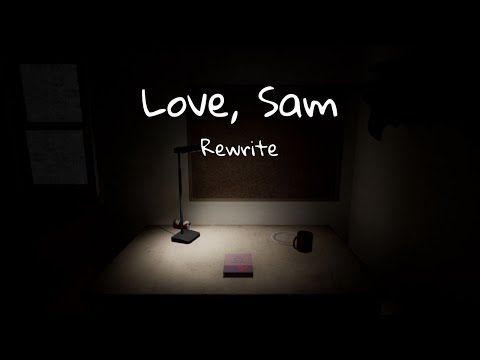
Love, Sam

PC (Microsoft Windows) • 2019

Related articles

Quick resume

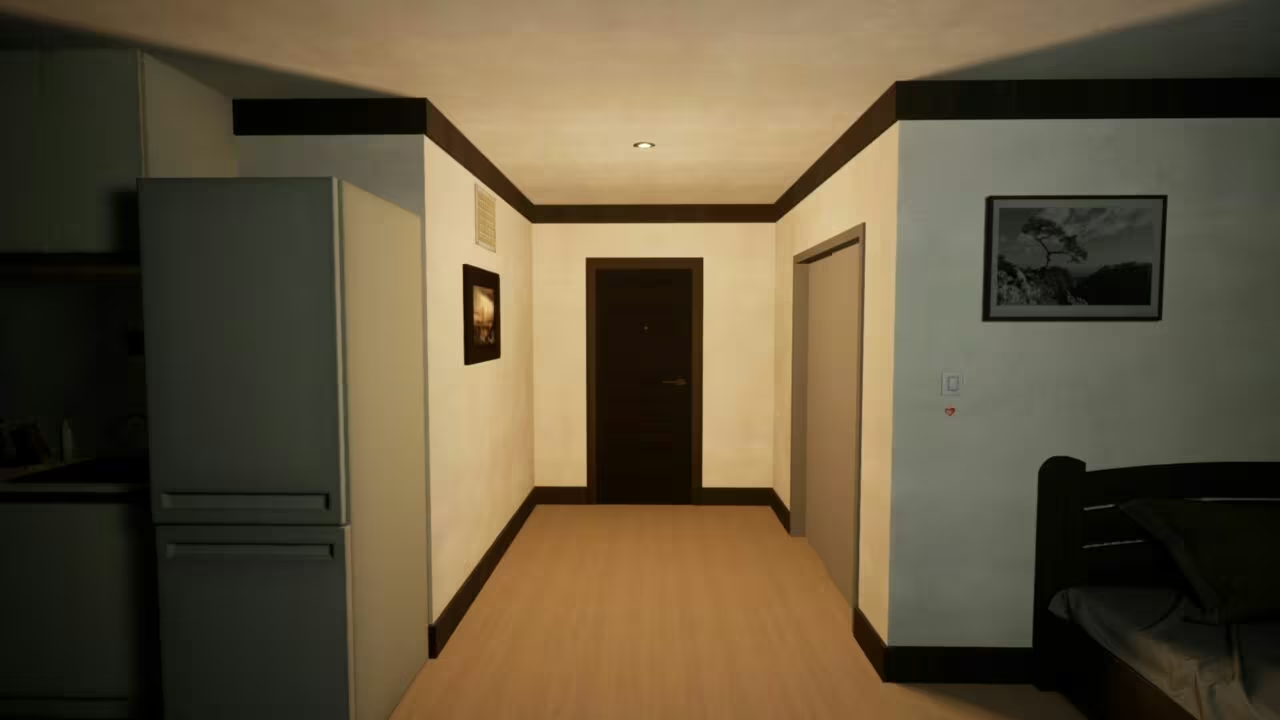
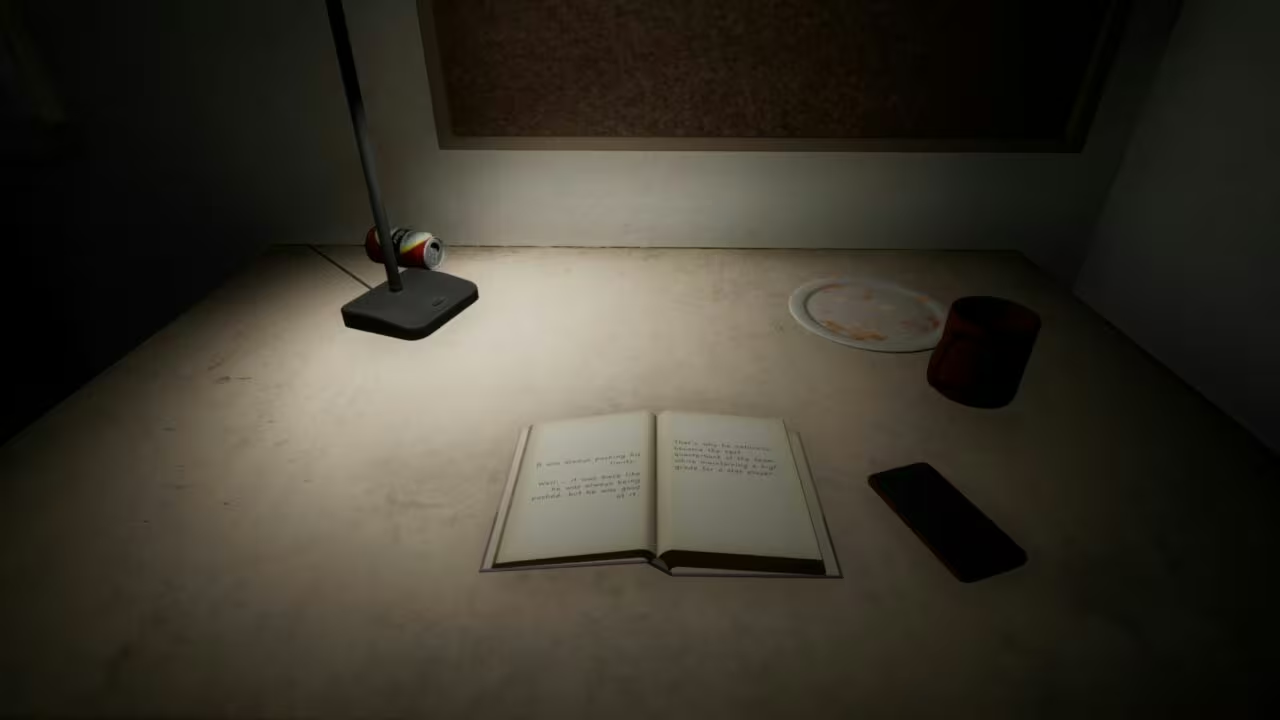
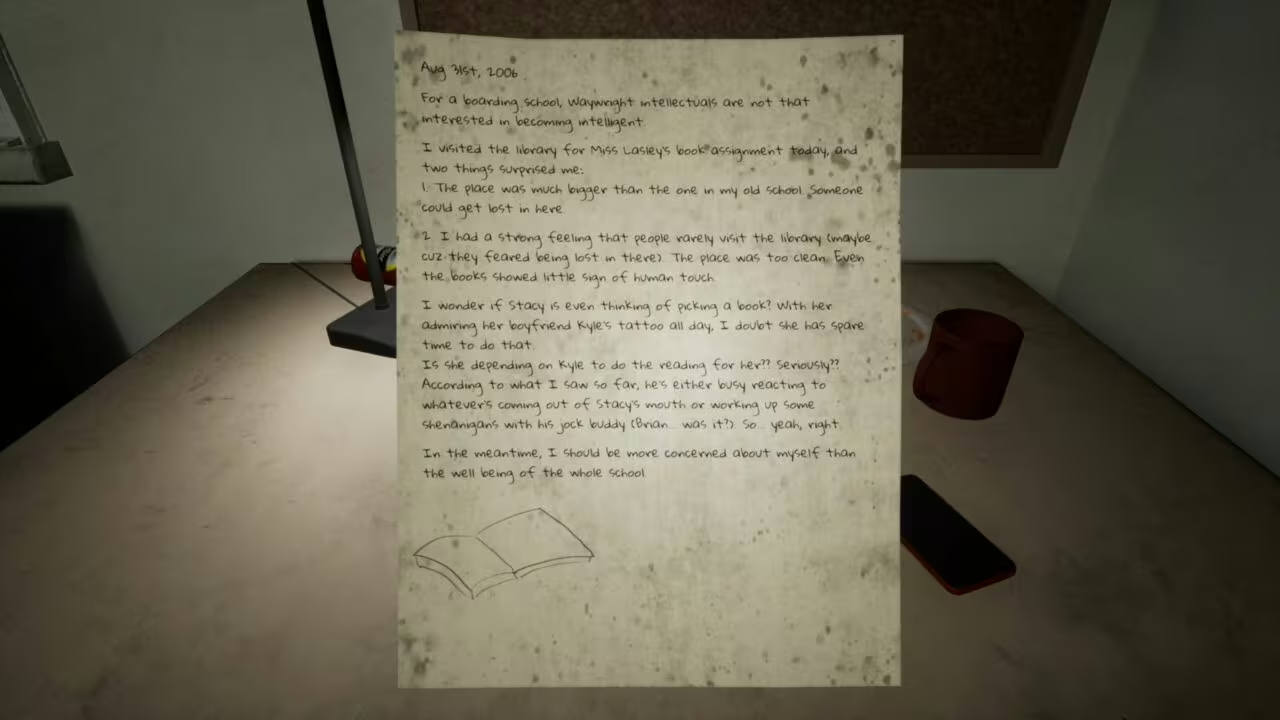
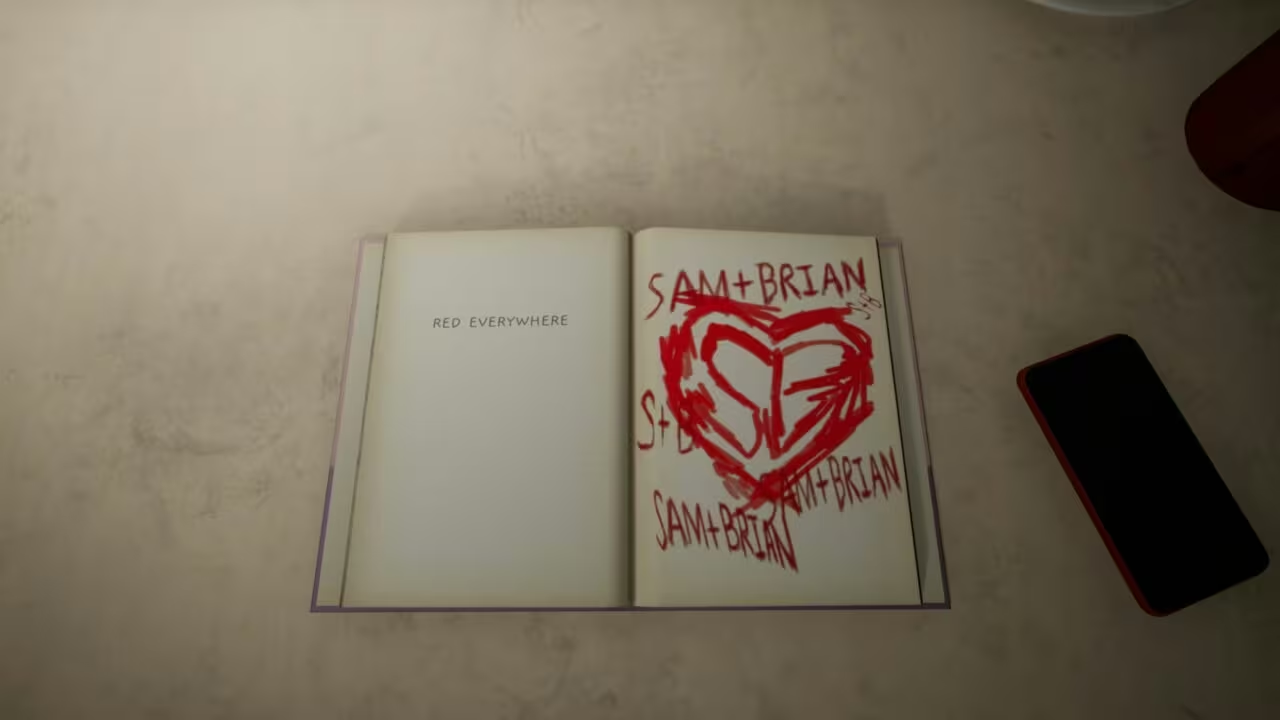
Alone in your room, you see a diary sitting on your desk. It wants to tell you a story: a story about a high school crush. A story about small town romance. A story about how everyone is against you and nobody will ever love you again.

Global score

95/100

Genres

Adventure, Indie

Similar games

    Pros

    • Compelling and well-written story
    • Effective psychological horror and atmosphere
    • Good value for price
    • Engaging puzzles and multiple endings
    • Excellent sound design

    Cons

    • Some puzzles are finicky or frustrating
    • Controls and hitboxes can be imprecise
    • Gameplay segments occasionally break immersion
    • Motion sickness issues for some players
    • Short length limits replayability

    Analysis

    A very typical example of its motivational profile. Motivations that often define this kind of title include Expression, Fellowship, Cooperation, Competition. Here, the score leans higher than usual among comparable games on Value. It leans lower than usual among comparable games on Violence, Relaxation.

    How to use the graph
    Similar games map

    Each dot is a game. They are arranged from the same motivation profile as in the “Motivations” section below. Closer dots usually mean more similar reasons to play (exploration, competition, relaxation, etc.)—not that one game is “better” than another.

    • Larger dot with a light outline: the game you are viewing.
    • Colour: groups of games with comparable motivation patterns (statistical clusters).
    • Hover a dot to see the game name; click to open its page.
    • Scroll or double-click the chart to zoom out and see more games.

    Why don’t the axes read like a score? This view uses t-SNE: it only keeps who is close to whom. The scales are not “good to bad” or hours played—they separate groups on the map. Read distance between dots, not the axis numbers.

    Motivations

    • Autonomy
      3

      "Players have control over reading diary entries and interacting with puzzles, with some freedom in exploration within the apartment."

    • Competence
      2

      "Puzzles provide moderate challenge and require problem-solving, though some are considered finicky or obtuse."

    • Competition
      -5

      "Single-player narrative experience with no competitive elements."

    • Continuation
      3

      "Players report being engaged enough to play through in one sitting and replay for multiple endings."

    • Cooperation
      -5

      "Entirely single-player with no cooperative gameplay."

    • Creativity
      3

      "Creative storytelling through diary reading and environmental changes; some player interaction with puzzles and environment."

    • Domination
      -5

      "No elements of exerting control or superiority over others."

    • Escapism
      4

      "Players use the game to immerse themselves in a psychological horror story, escaping real life through narrative and atmosphere."

    • Expectation
      -4

      "Players engage voluntarily out of interest in horror and story; no obligation or external pressure noted."

    • Experimenting
      1

      "Some experimentation with puzzle solutions and exploration of diary entries, but mostly linear progression."

    • Exploration
      1

      "Limited exploration within a single apartment environment that changes as story progresses."

    • Expression
      -4

      "No character customization or self-expression; players follow a fixed narrative and environment."

    • Fantasy
      3

      "Psychological horror with some supernatural or surreal elements, but grounded in a realistic setting."

    • Fellowship
      -5

      "Solo experience with minimal social interaction or community involvement."

    • Growth
      3

      "Players develop understanding of story and improve puzzle-solving skills throughout the game."

    • Health
      -5

      "Sedentary gameplay with no physical activity involved."

    • Idle
      -3

      "Requires focused attention and reading; not suited for background or casual play."

    • Intimacy
      -4

      "Minimal social interaction; emotional engagement is with story rather than other players."

    • Leadership
      -5

      "No leadership or group management elements."

    • Progression
      2

      "Progression through story and puzzle completion; some collection of diary pages."

    • Relaxation
      -2

      "Tense and suspenseful atmosphere with jump scares; not primarily relaxing."

    • Sensation
      3

      "Effective use of sound design and atmospheric visuals to create emotional and sensory impact."

    • Status
      -5

      "No social recognition or status systems."

    • Story
      5

      "Strong narrative focus with immersive storytelling and multiple endings."

    • Strategy
      1

      "Some puzzle solving requires reasoning but overall straightforward gameplay."

    • Thrill
      4

      "Psychological tension and jump scares create suspense and thrill."

    • Value
      4

      "Players feel the game offers excellent value for its price and length."

    • Violence
      -3

      "No emphasis on combat or destruction; focus is on psychological horror and story."

    • Survival
      2

      "Some sequences involve avoiding threats and managing limited interactions, but low risk overall."

    Last update: 29/04/2026