Mad Games Tycoon similar games & best alternatives
Mad Games Tycoon
2016
Related articles
Quick resume
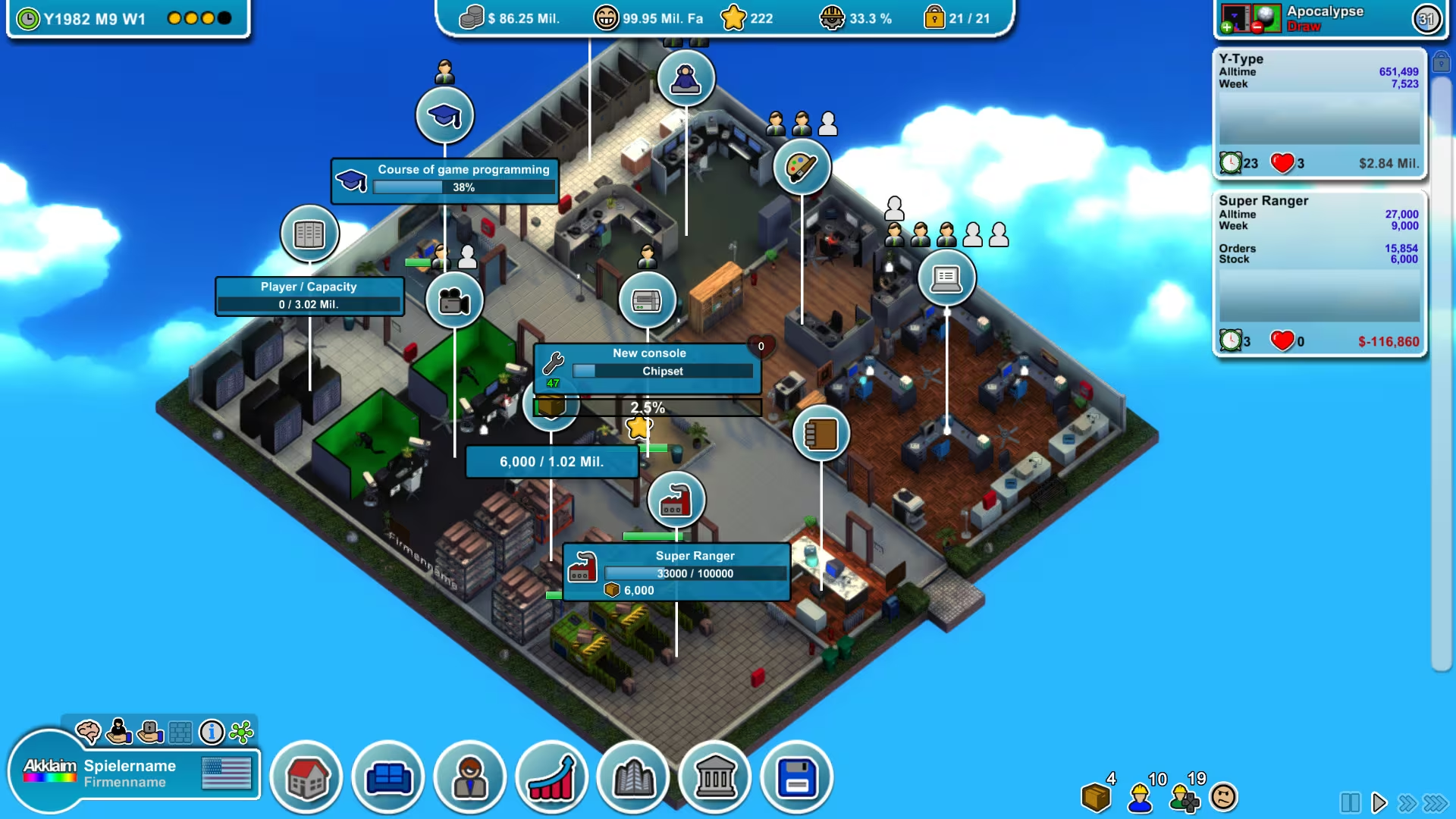
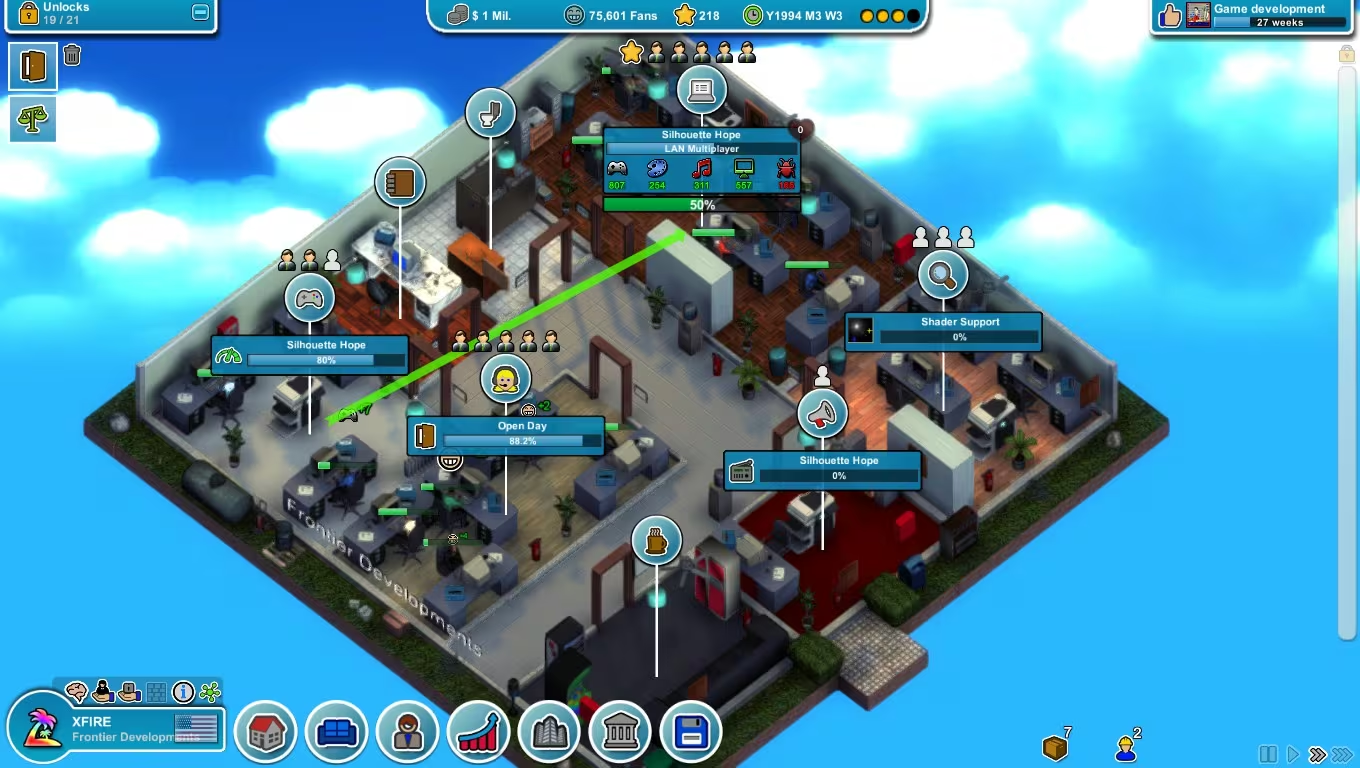
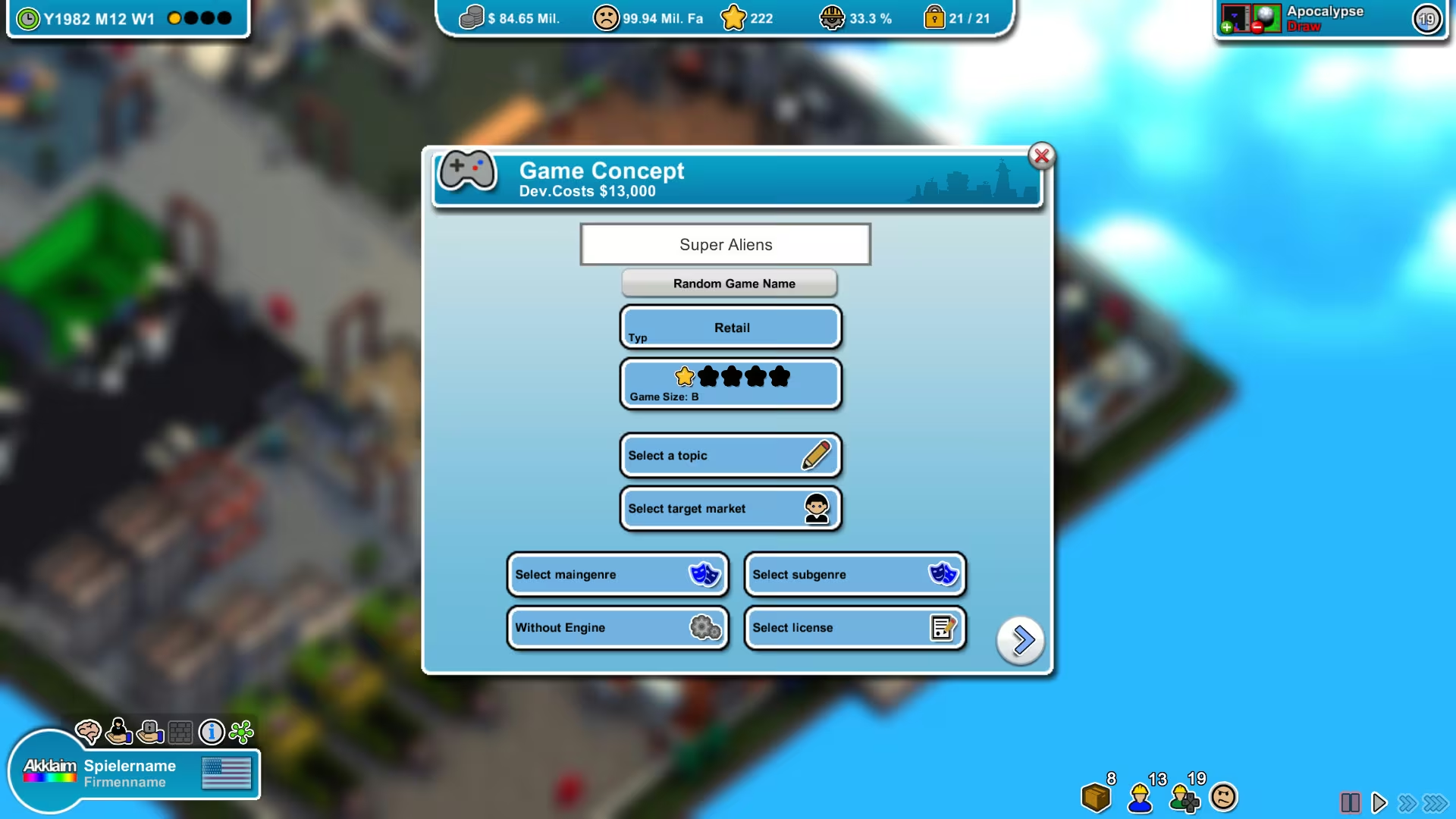
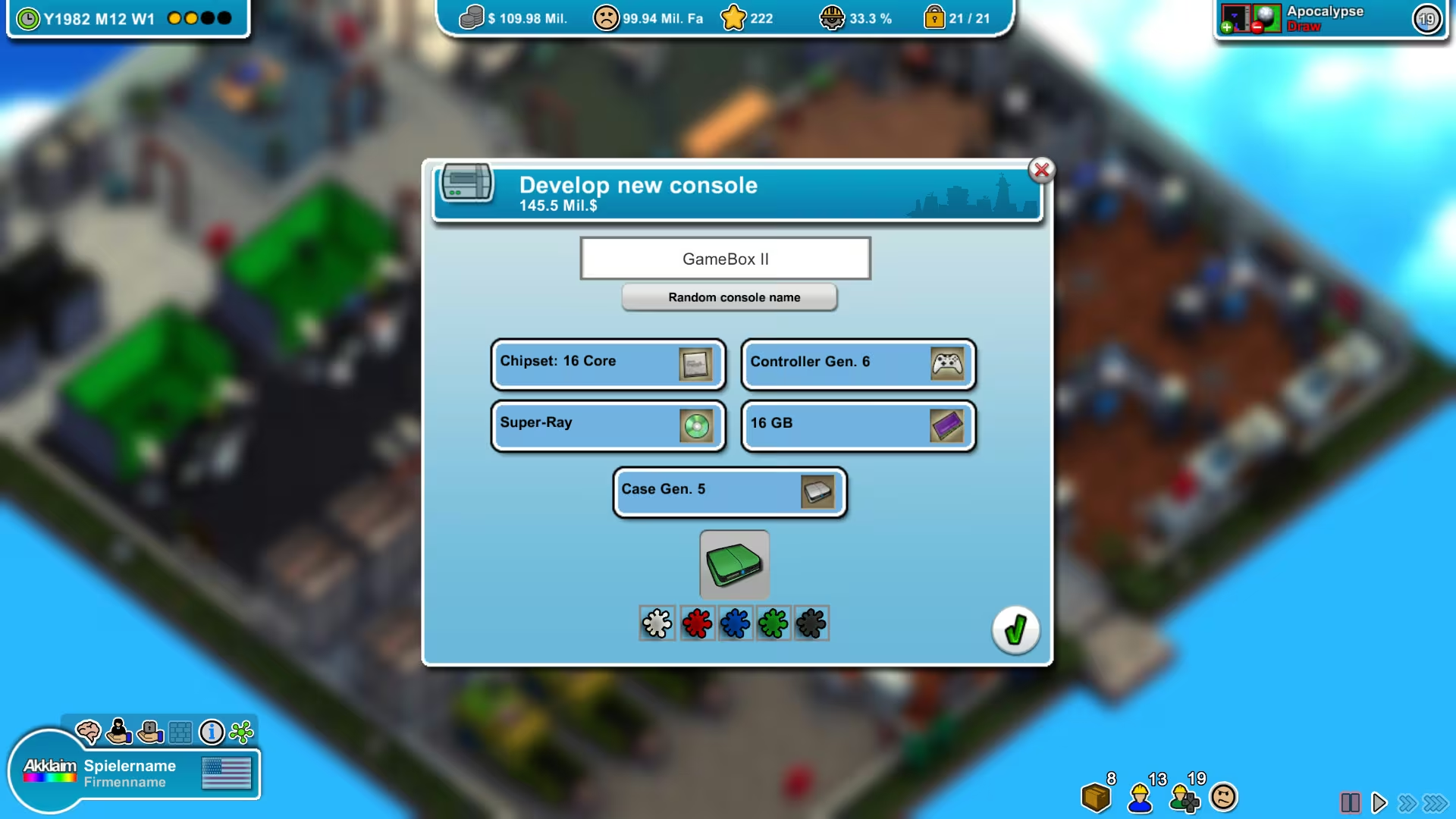
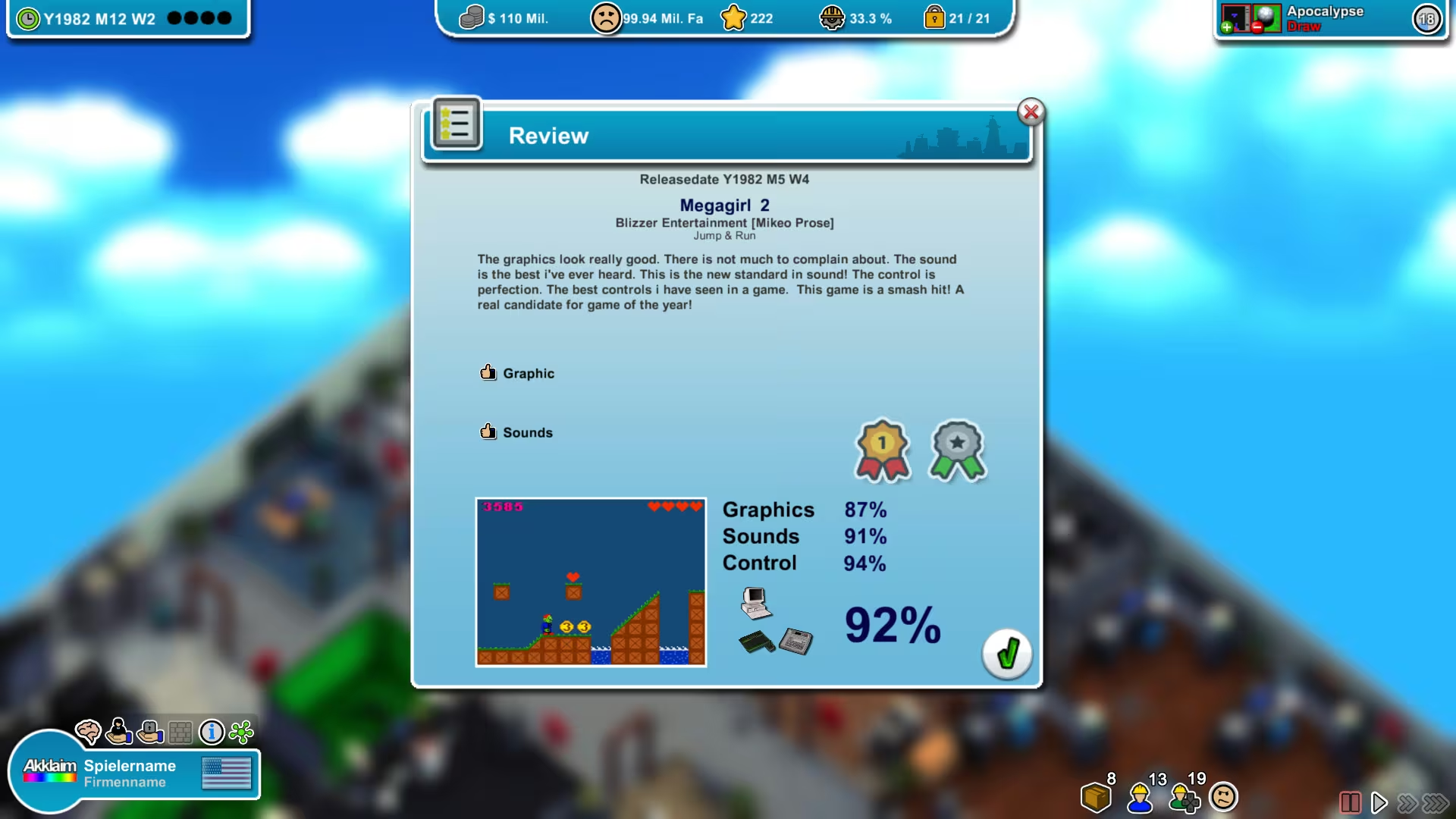
Form your own game studio set in the early 1980s in a small garage. Develop your own game ideas, create a team and develop megahit video games. Research new technologies, train your staff and upgrade your office space, going from a lowly garage to a huge building. Expand your business and dominate the world market for video games!
Global score
91/100
Genres
Casual, Indie, Simulator, Strategy
Pros
- Deep and engaging game development simulation
- Extensive office and staff customization
- Frequent updates and active developer support
- Historical timeline with many game genres and features
- High replayability and long play sessions
Cons
- Early access with some bugs and performance issues late game
- Ui and staff management can be cumbersome with large teams
- Graphics and sound are simple and repetitive
- Lack of multiplayer or cooperative modes
- Some players find late game repetitive and formulaic
Motivations
-
Autonomy4
"Players have broad freedom to direct their own game studio, including office layout, staff management, and business focus (development, publishing, console production)."
-
Competence3
"Players engage in complex management tasks requiring skillful balancing of resources, staff, and game development, with feedback on performance."
-
Competition2
"There is competition with other AI companies and possibility to buy out competitors, but mostly single-player focus without ranked modes."
-
Continuation3
"Players report long play sessions and high engagement, though some note eventual repetitiveness after reaching late game."
-
Cooperation-3
"Game is primarily single-player with limited social interaction; no multiplayer or cooperative gameplay."
-
Creativity4
"Players can design office layouts, customize rooms and furniture, create game engines, and develop games with various features."
-
Domination1
"Players can buy out competitors and dominate market, but interactions are mostly economic and balanced rather than aggressive."
-
Escapism3
"Players use the game as a deep simulation to immerse and escape into managing a game development empire."
-
Expectation-4
"Players engage voluntarily out of personal interest and enjoyment, with no external obligation or pressure."
-
Experimenting3
"Players try different office designs, game genres, and business strategies, though some note eventual formulaic play."
-
Exploration1
"Exploration is limited to discovering new technologies and game features over time, with no open-world or map exploration."
-
Expression4
"Players express themselves through office customization, game design choices, and company branding."
-
Fantasy-2
"Game simulates realistic game development industry scenarios based on historical timelines and plausible business activities."
-
Fellowship-4
"Minimal social connection; primarily solo play with little community interaction in-game."
-
Growth4
"Players learn and develop strategies for game development, staff management, and business growth."
-
Health-5
"Sedentary gameplay with no physical activity involved."
-
Idle-3
"Requires continuous attention and management; not designed for idle or background play."
-
Intimacy-5
"No close relationships or emotional sharing; interactions are purely economic and management focused."
-
Leadership3
"Players lead and manage a growing company and staff, making strategic decisions and assigning roles."
-
Progression5
"Strong focus on accumulating staff, technologies, offices, game engines, and market share over time."
-
Relaxation2
"Generally relaxing with some tension from managing finances and development, but not highly stressful."
-
Sensation1
"Moderate sensory stimulation with simple graphics and sound; focus is on management rather than sensory excitement."
-
Status2
"Players gain recognition through in-game awards, market dominance, and industry reputation."
-
Story1
"There is a historical timeline and some events, but no strong narrative or character-driven story."
-
Strategy4
"Game requires strategic planning in development, marketing, staff assignment, and business expansion."
-
Thrill1
"Some suspense in managing finances and game success, but overall controlled and predictable environment."
-
Value4
"Players report high value for time and money with many hours of gameplay and frequent updates."
-
Violence-5
"No violence; gameplay centers on constructive management and development."
-
Survival2
"Players must avoid bankruptcy and manage risks, but threats are economic and strategic rather than physical."
Similar games
Last update: 06/03/2026