Mahjong Thumbnail

Mahjong similar games & best alternatives

Mahjong

PC (Microsoft Windows), PlayStation, PlayStation Portable, PlayStation 3 • 2017

Related articles

Quick resume

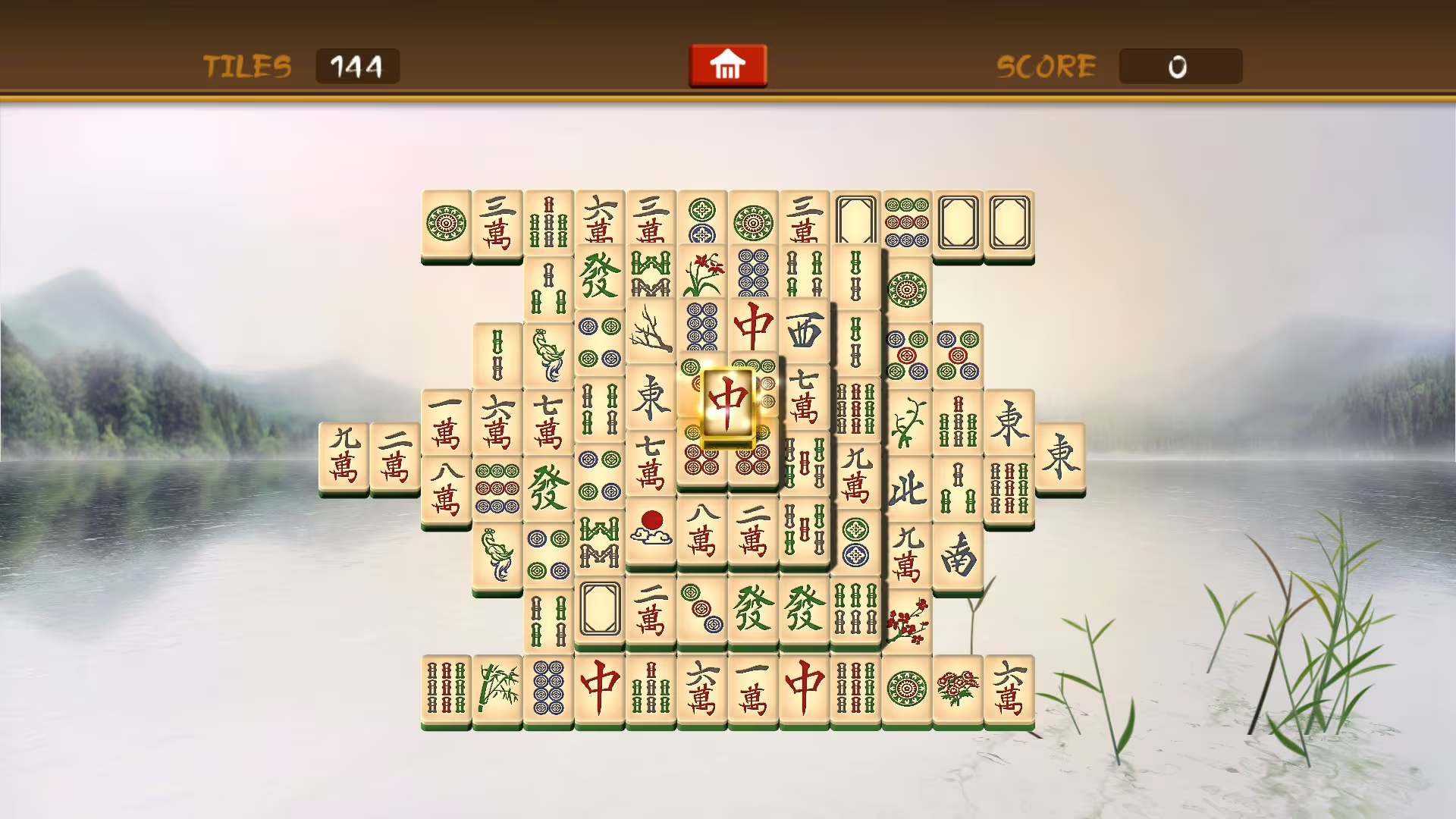
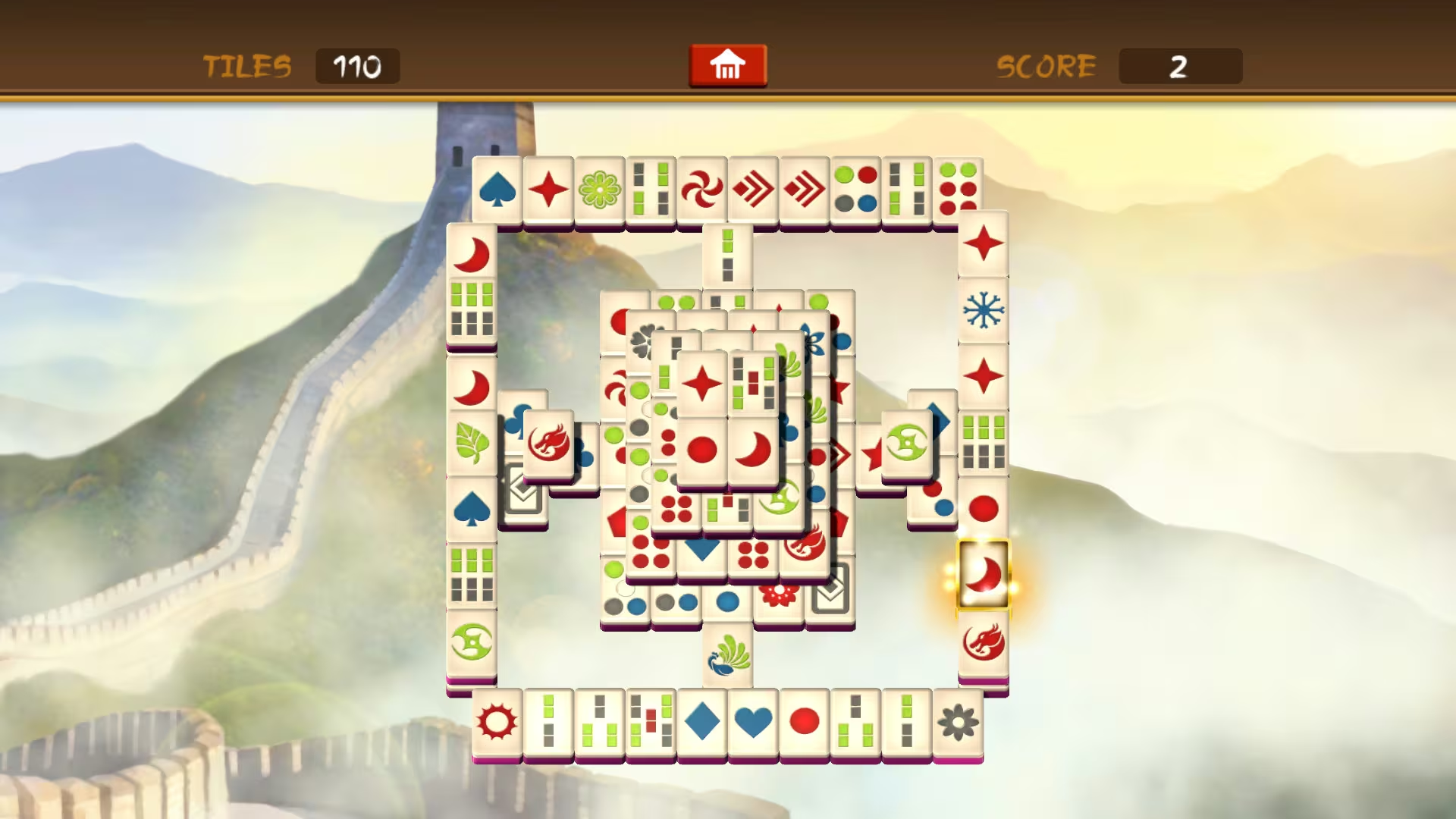
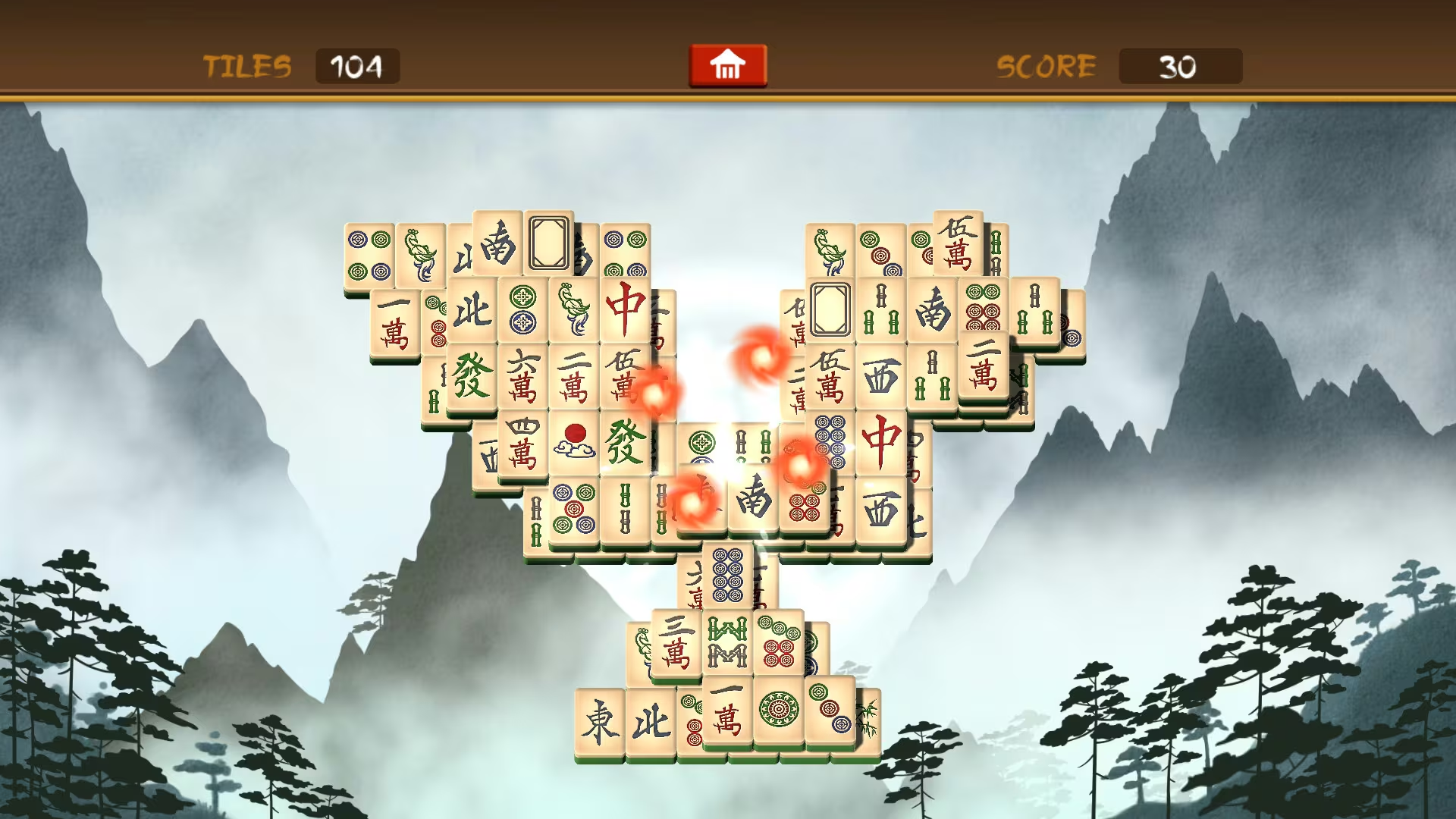
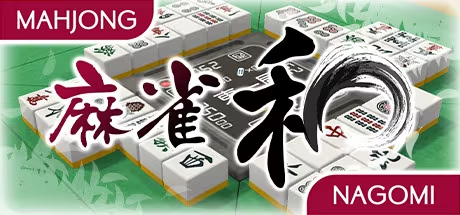
Play a Zen game! Rediscover the famous traditional Chinese game. Find all the matching pairs of tiles, being careful not to become blocked in, to get to the end of each level. Concentration and perceptiveness are needed to finish the gorgeous boards that we have produced for you.

Global score

84/100

Genres

Casual, Strategy, Card & Board Game

Similar games

    Pros

    • Relaxing and zen atmosphere
    • Challenging and strategic puzzles
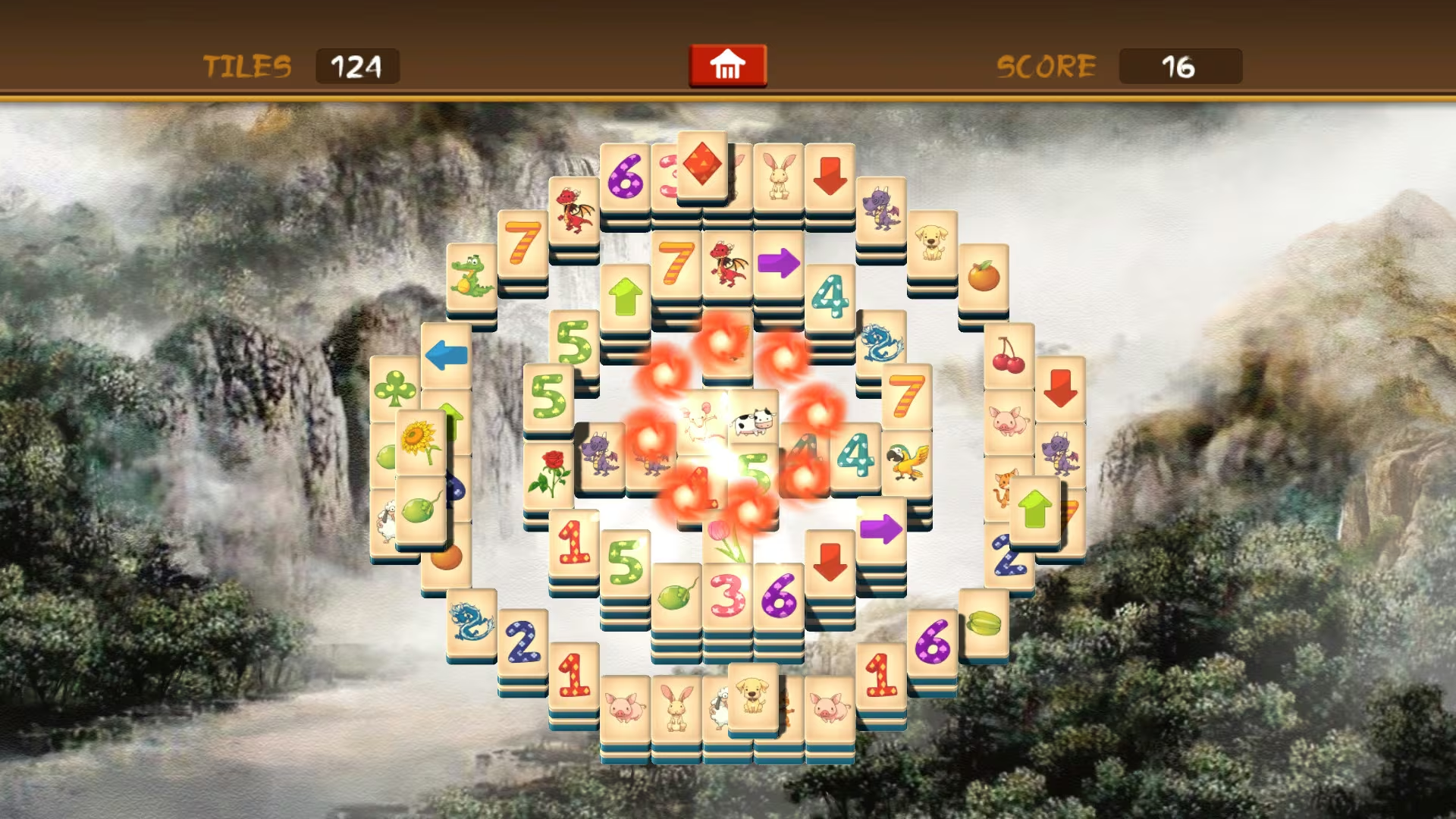
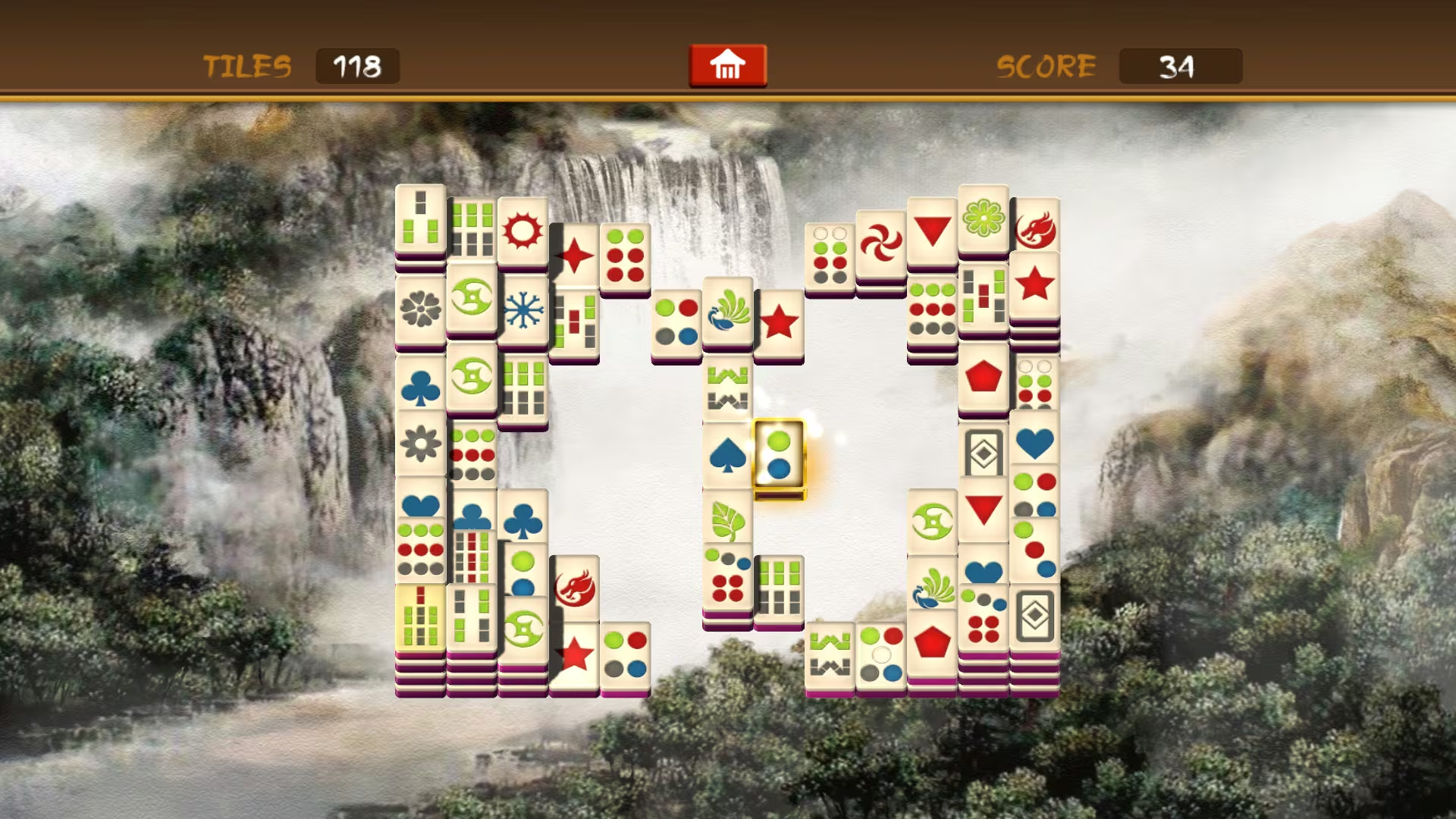
    • Variety of tile sets and backgrounds
    • No ads or microtransactions
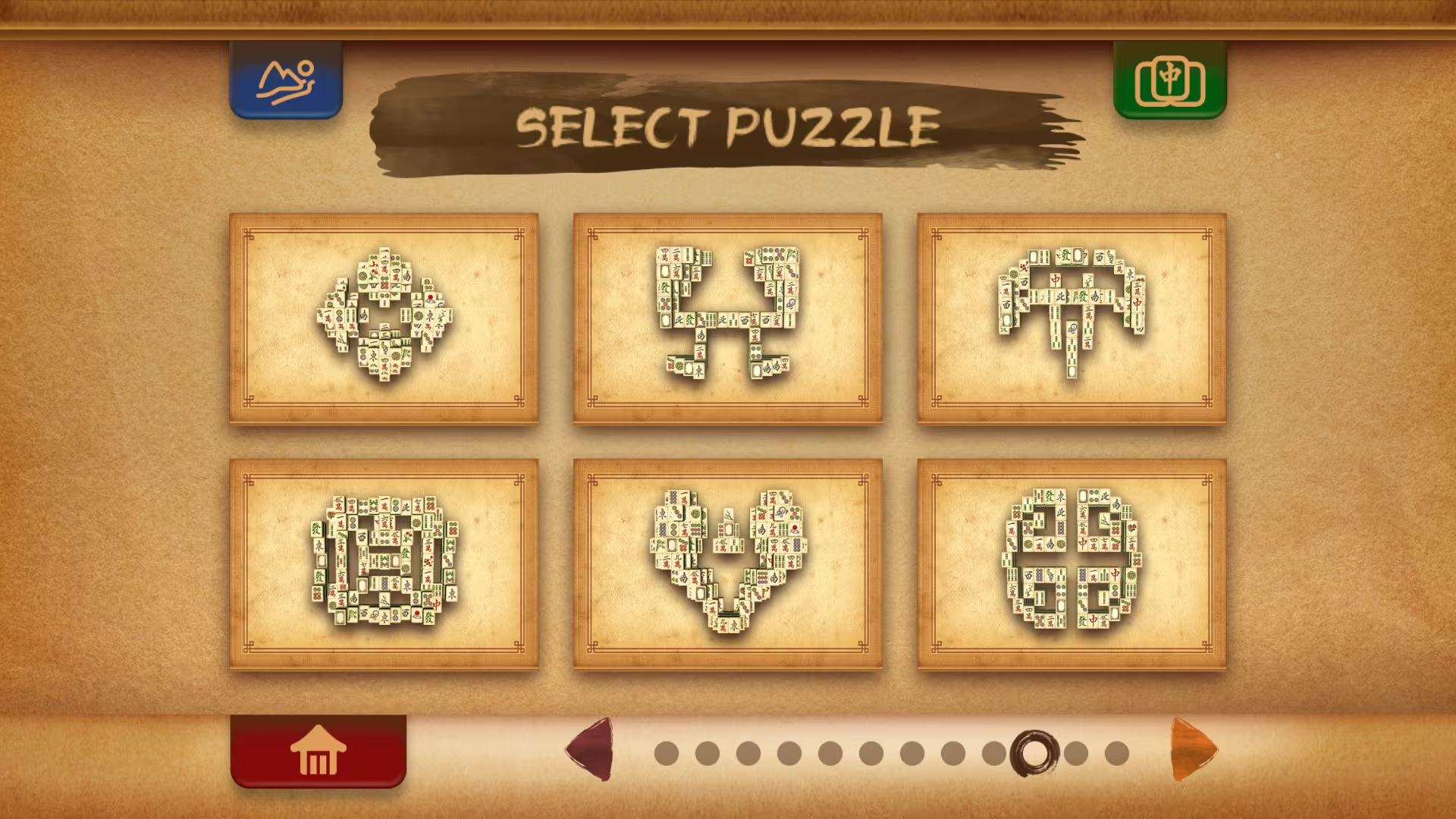
    • Long playtime with 70 levels

    Cons

    • No shuffle or undo options
    • Slow and laggy menus
    • Music volume not adjustable
    • Levels locked sequentially
    • Annoying leaderboard prompts

    Analysis

    Broadly representative of its motivational profile, with a few distinct shifts. Motivations that often define this kind of title include Fantasy, Violence, Story, Thrill. Here, the score leans higher than usual among comparable games on Competition, Status. It leans lower than usual among comparable games on Exploration.

    How to use the graph
    Similar games map

    Each dot is a game. They are arranged from the same motivation profile as in the “Motivations” section below. Closer dots usually mean more similar reasons to play (exploration, competition, relaxation, etc.)—not that one game is “better” than another.

    • Larger dot with a light outline: the game you are viewing.
    • Colour: groups of games with comparable motivation patterns (statistical clusters).
    • Hover a dot to see the game name; click to open its page.
    • Scroll or double-click the chart to zoom out and see more games.

    Why don’t the axes read like a score? This view uses t-SNE: it only keeps who is close to whom. The scales are not “good to bad” or hours played—they separate groups on the map. Read distance between dots, not the axis numbers.

    Motivations

    • Autonomy
      3

      "Players can choose tile sets, backgrounds, and select levels sequentially, but must follow preset board layouts and unlock levels in order."

    • Competence
      4

      "Game requires strategic thinking and skill to avoid deadlocks; players improve over time and feel rewarded by overcoming challenging boards."

    • Competition
      1

      "Leaderboards exist for comparing scores globally and with friends, but competition is optional and not central to gameplay."

    • Continuation
      2

      "Players report long playtimes and repeated attempts on difficult boards, indicating habitual engagement and desire to progress."

    • Cooperation
      -5

      "Single-player solitaire game with no cooperative or multiplayer elements."

    • Creativity
      1

      "Customization limited to tile sets and backgrounds; no creation or modification of game content."

    • Domination
      -5

      "No elements of exerting control over others; gameplay is individual and non-confrontational."

    • Escapism
      3

      "Players use the relaxing and zen-like qualities of the game to unwind and distract from real life stress."

    • Expectation
      -4

      "Players engage voluntarily for relaxation and challenge, not out of obligation or external pressure."

    • Experimenting
      1

      "Some experimentation with tile matching strategies and puzzle solving, though within fixed board layouts."

    • Exploration
      -3

      "No new areas or secrets; gameplay involves known tile layouts with no procedural generation or discovery."

    • Expression
      1

      "Limited self-expression through choice of tile and background aesthetics."

    • Fantasy
      -4

      "Game simulates realistic Mahjong solitaire with traditional tiles and layouts; no fantasy or fictional elements."

    • Fellowship
      -4

      "Minimal social interaction; primarily a solo experience with optional leaderboard comparison."

    • Growth
      4

      "Players develop strategic thinking and improve skill over time to solve increasingly difficult puzzles."

    • Health
      -5

      "Sedentary gameplay with no physical activity or health-related features."

    • Idle
      -3

      "Requires focused attention and strategic thinking; not suited for passive or background play."

    • Intimacy
      -5

      "No social or emotional relationship building; purely individual gameplay."

    • Leadership
      -5

      "No leadership or group management elements."

    • Progression
      3

      "Players unlock levels sequentially and earn achievements, showing accumulation of progress."

    • Relaxation
      4

      "Game praised for soothing music, calming visuals, and therapeutic tile matching experience."

    • Sensation
      1

      "Visual and auditory stimuli are pleasant but not intense; animations sometimes considered distracting."

    • Status
      0

      "Leaderboards provide some recognition, but social status is not a major focus."

    • Story
      -5

      "No narrative or plot; gameplay is context-free puzzle solving."

    • Strategy
      4

      "Strong emphasis on planning moves and avoiding deadlocks; strategic thinking is key to success."

    • Thrill
      0

      "Game is relaxing with low suspense; occasional frustration from difficult boards but no high-risk thrills."

    • Value
      2

      "Generally considered good value when purchased on sale; some complaints about price at full cost."

    • Violence
      -5

      "No violent or destructive content; gameplay is constructive and peaceful."

    • Survival
      0

      "No survival or threat avoidance mechanics; failure results in restarting puzzles."

    Where to buy

    Last update: 29/04/2026