Make Good Choices Thumbnail

Make Good Choices similar games & best alternatives
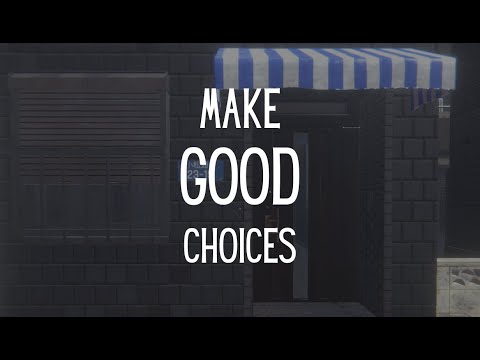
Make Good Choices

PC (Microsoft Windows) • 2025

Related articles

Quick resume

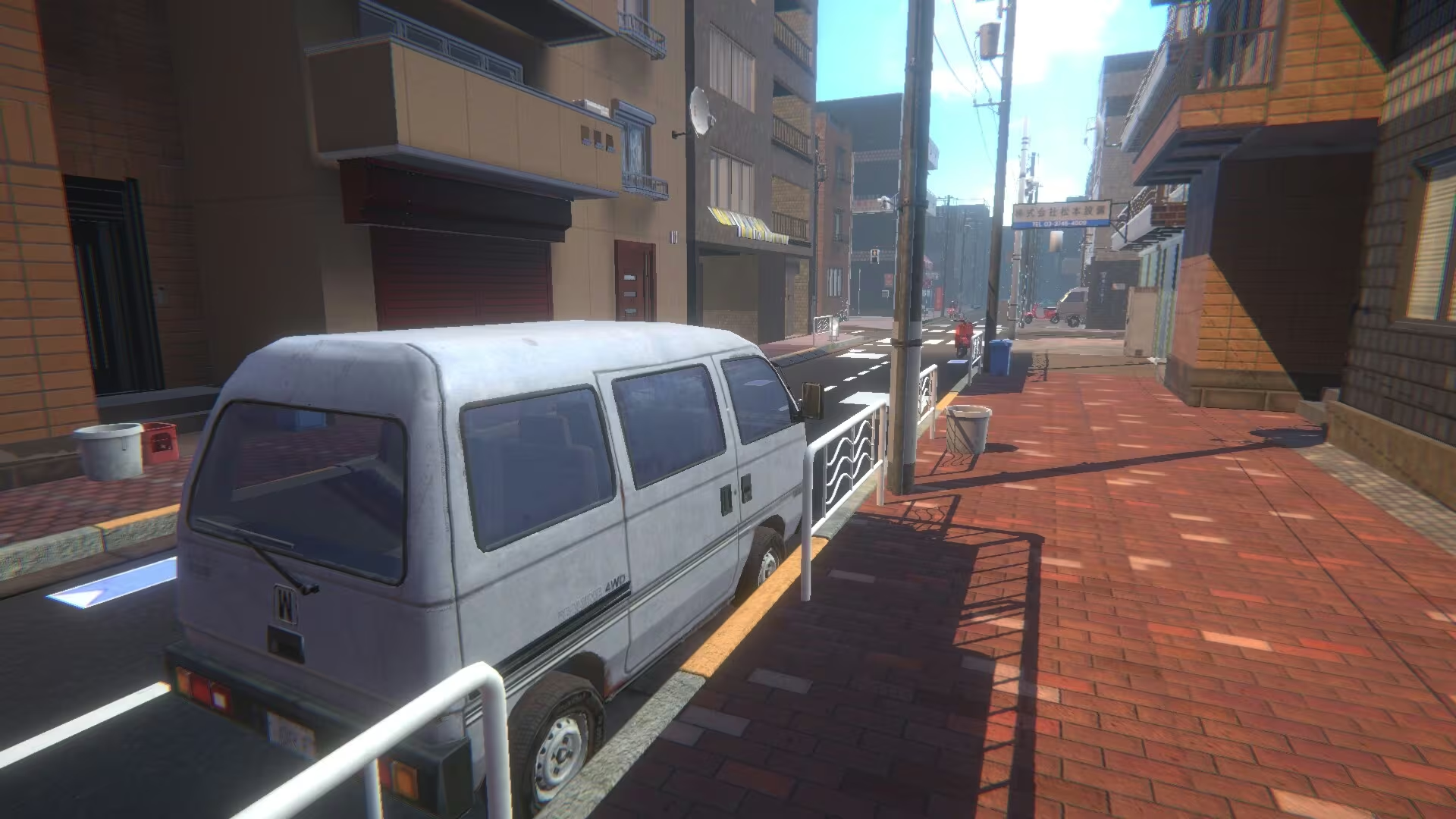
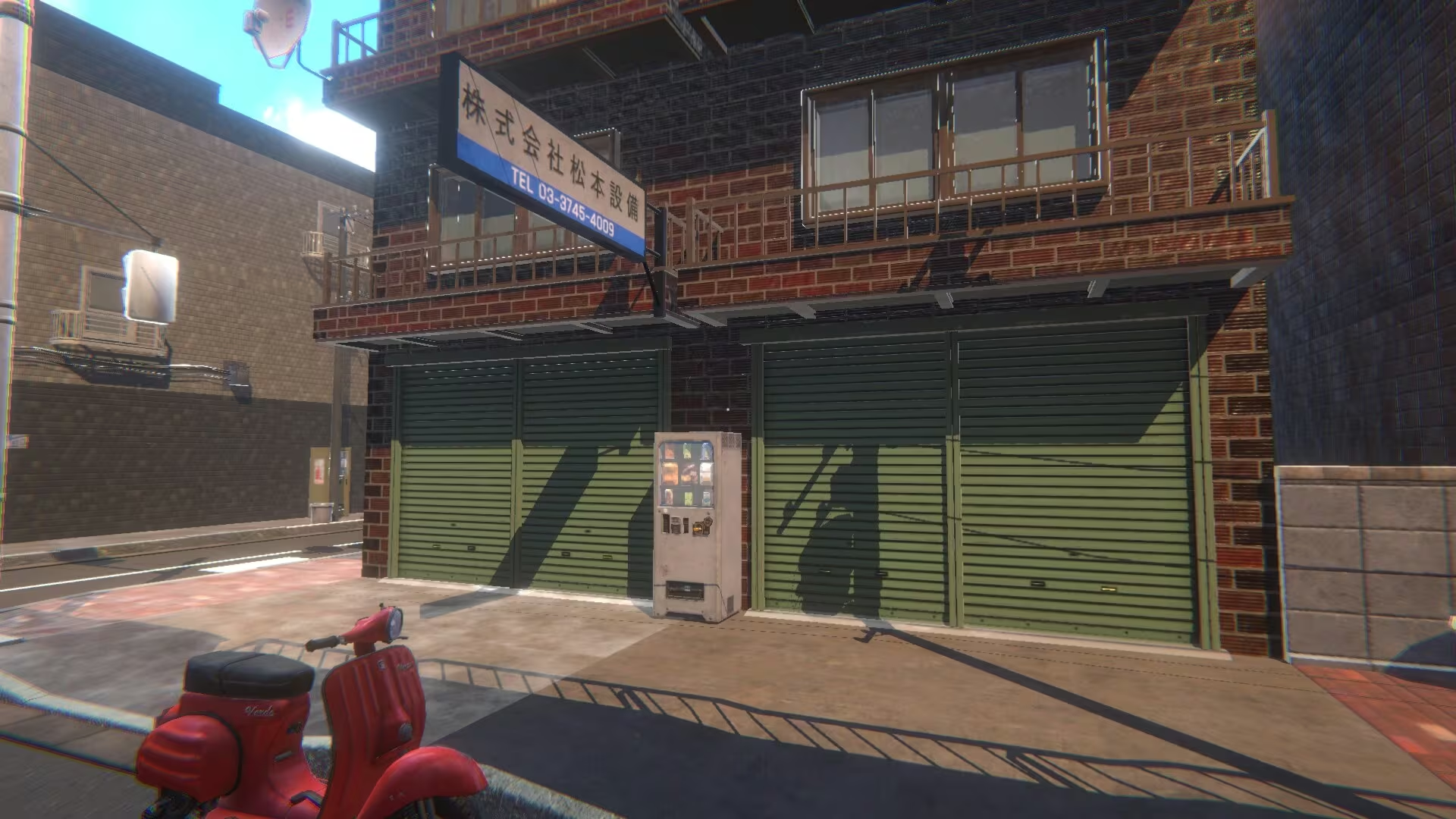
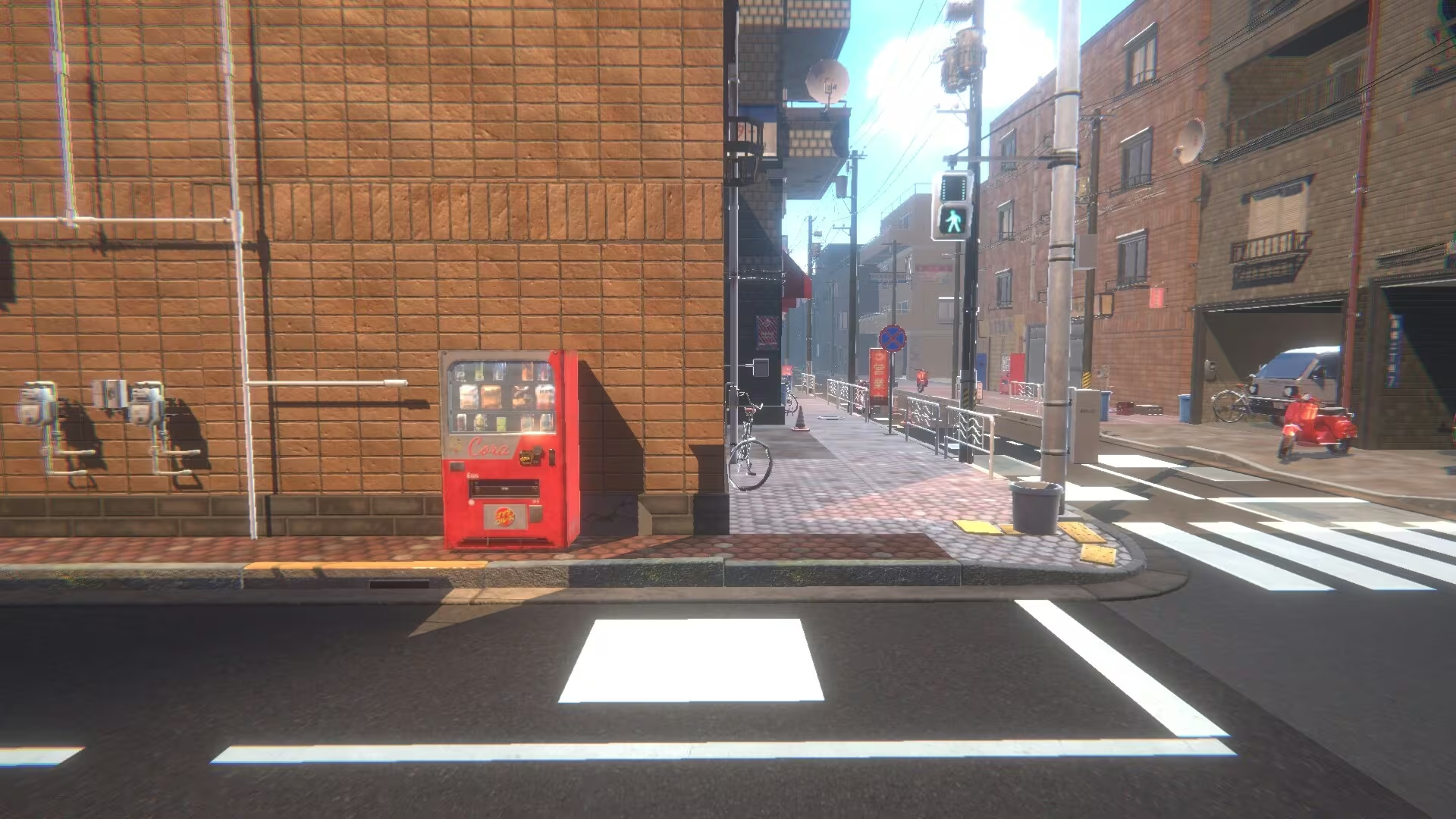
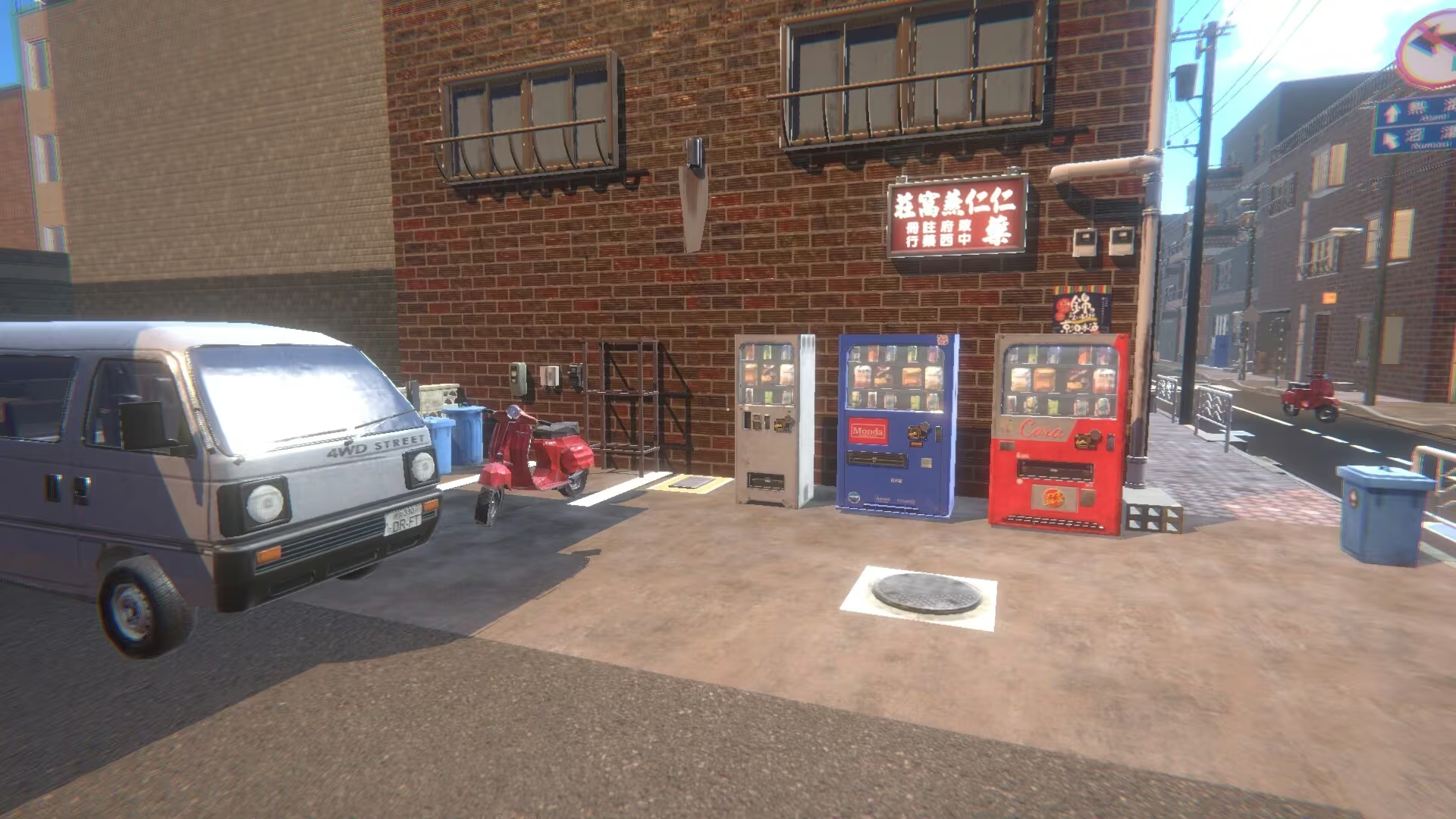
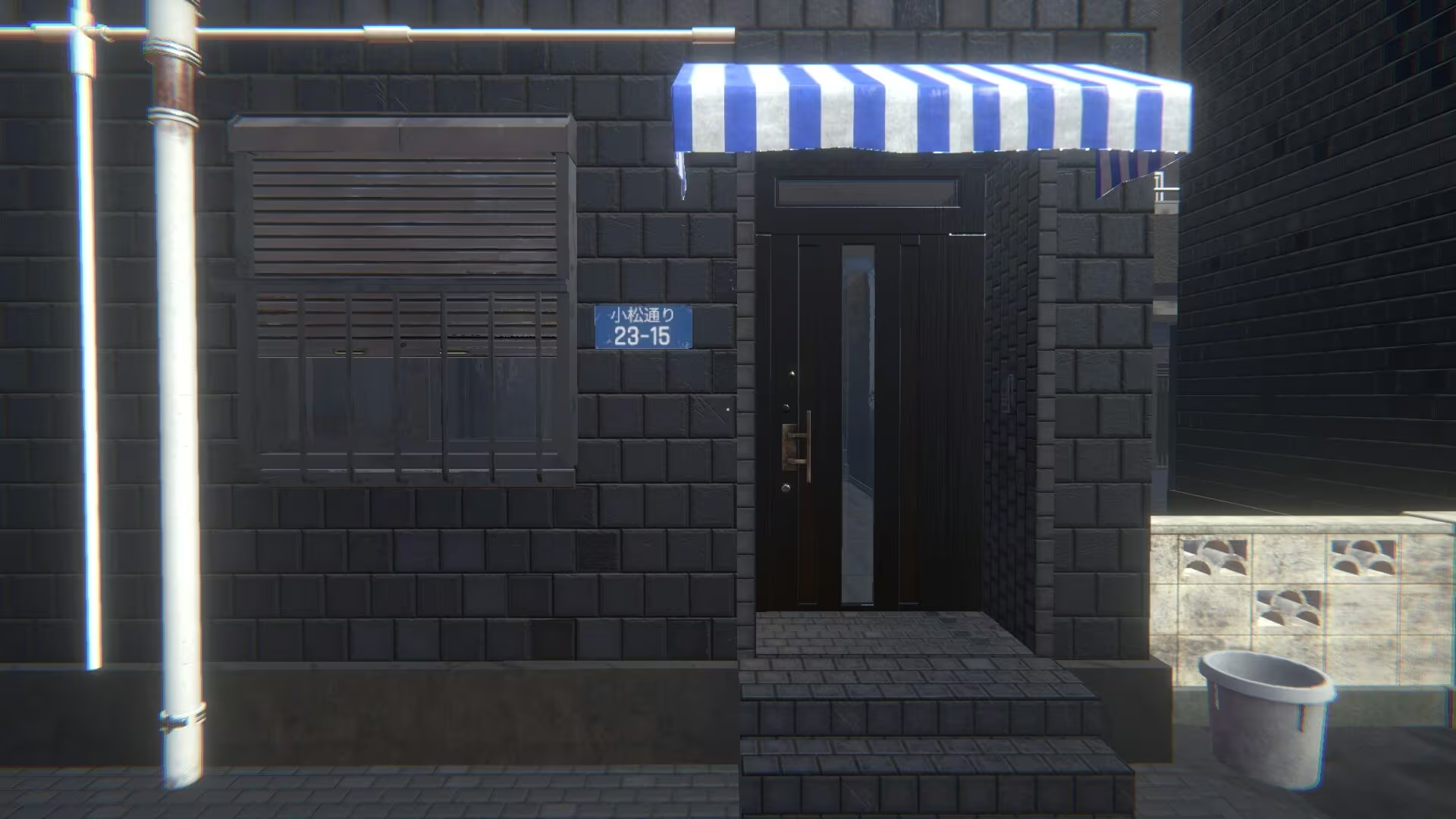
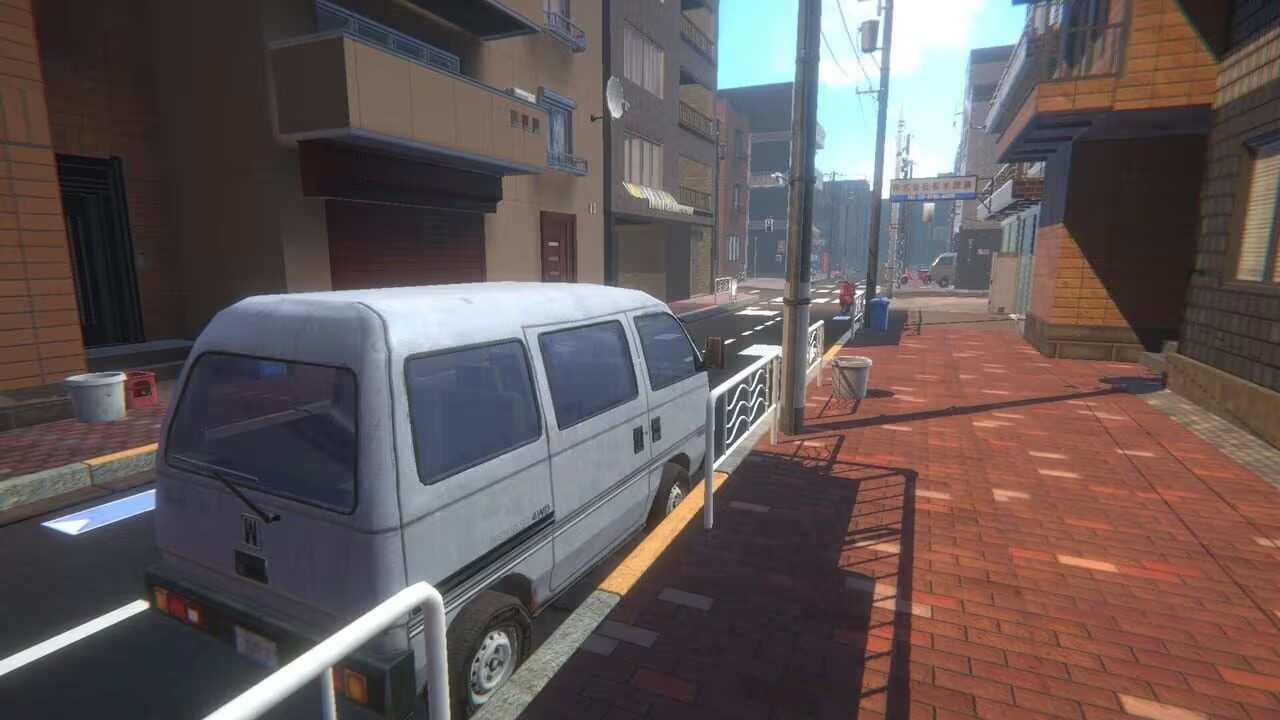
You’re just trying to get home. It’s only a quarter mile. One street. What could go wrong.

Global score

87/100

Genres

Casual, Indie

Similar games

    Pros

    • Unique and challenging gameplay
    • Engaging observation and memory test
    • Good value for price
    • Short and replayable
    • Developer interaction and updates

    Cons

    • Frustrating and stressful experience
    • Some rng elements perceived as unfair
    • Lack of controller support
    • Limited content and short length
    • Hitbox and visual clarity issues

    Analysis

    Less representative of its motivational profile, with noticeable differences. Motivations that often define this kind of title include Relaxation, Survival, Violence, Fellowship. It leans lower than usual among comparable games on Fantasy, Expression, Creativity.

    How to use the graph
    Similar games map

    Each dot is a game. They are arranged from the same motivation profile as in the “Motivations” section below. Closer dots usually mean more similar reasons to play (exploration, competition, relaxation, etc.)—not that one game is “better” than another.

    • Larger dot with a light outline: the game you are viewing.
    • Colour: groups of games with comparable motivation patterns (statistical clusters).
    • Hover a dot to see the game name; click to open its page.
    • Scroll or double-click the chart to zoom out and see more games.

    Why don’t the axes read like a score? This view uses t-SNE: it only keeps who is close to whom. The scales are not “good to bad” or hours played—they separate groups on the map. Read distance between dots, not the axis numbers.

    Motivations

    • Autonomy
      4

      "Players must make their own decisions to avoid traps and find safe paths, with freedom to explore different routes."

    • Competence
      3

      "The game challenges players to learn and master observation and memory skills to progress, with clear feedback from deaths."

    • Competition
      -3

      "Focus is on personal challenge and self-improvement rather than competing against others."

    • Continuation
      3

      "Players tend to keep retrying despite frustration, showing habitual engagement and desire to complete the game."

    • Cooperation
      -4

      "The game is primarily a solo experience with no indication of cooperative play."

    • Creativity
      -2

      "Players follow established paths and patterns rather than creating or modifying game elements."

    • Domination
      -5

      "No evidence of exerting control or superiority over others; interactions are individual and non-confrontational."

    • Escapism
      4

      "Players use the game as a way to experience anxiety and stress relief through a challenging, immersive environment."

    • Expectation
      -4

      "Players engage voluntarily out of curiosity and personal interest, not due to obligation or pressure."

    • Experimenting
      3

      "Players experiment with different routes and learn from repeated attempts to find safe paths."

    • Exploration
      2

      "There is some discovery involved in finding new safe routes, though the environment is limited and repeated."

    • Expression
      -5

      "No customization or personalization options reported; presentation is standardized."

    • Fantasy
      -3

      "The game simulates a realistic street environment with plausible hazards, though exaggerated for effect."

    • Fellowship
      -4

      "Minimal social connection; mostly a solitary experience despite some streaming and sharing."

    • Growth
      4

      "Players develop observation, memory, and patience skills through repeated play and learning."

    • Health
      -5

      "Sedentary gameplay with no physical activity; some players report stress and anxiety."

    • Idle
      -4

      "Requires focused attention and continuous engagement due to challenge and frequent deaths."

    • Intimacy
      -5

      "No evidence of close relationships or emotional sharing; interactions are limited to individual play."

    • Leadership
      -5

      "No leadership or group management roles present."

    • Progression
      2

      "Progression is through overcoming challenges and unlocking achievements, but no item collection or upgrades."

    • Relaxation
      -4

      "The game induces tension and stress rather than relaxation or flow."

    • Sensation
      2

      "Some sensory stimulation through suspenseful audio and visual cues, but not intense or highly varied."

    • Status
      -4

      "No social recognition or status systems; achievements are personal milestones."

    • Story
      1

      "Some narrative elements and lore are present but minimal; focus is on gameplay challenge."

    • Strategy
      3

      "Players must use reasoning and planning to memorize safe routes and avoid hazards."

    • Thrill
      4

      "High suspense and tension from risk of sudden death and repeated failure."

    • Value
      3

      "Players generally feel the game offers good value for its low price and short playtime."

    • Violence
      3

      "The game involves frequent deaths and explosions as core mechanics, emphasizing destructive hazards."

    • Survival
      4

      "Central motivation is to avoid death and survive the hazardous environment to reach the goal."

    Last update: 29/04/2026