Making History II: The War of the World Thumbnail

Making History II: The War of the World similar games & best alternatives

Making History II: The War of the World

PC (Microsoft Windows), Mac, Linux • 2010

Related articles

Quick resume

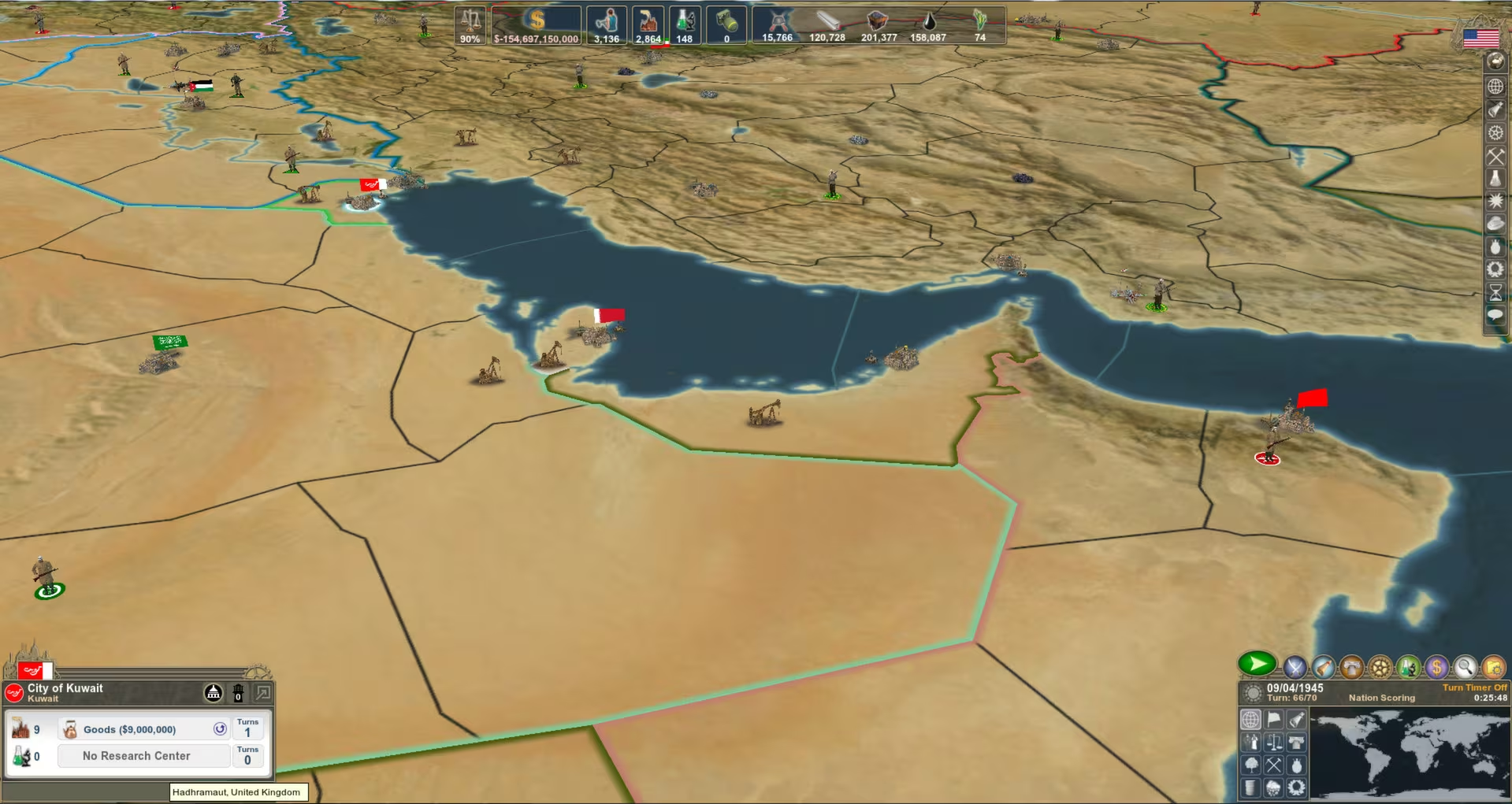
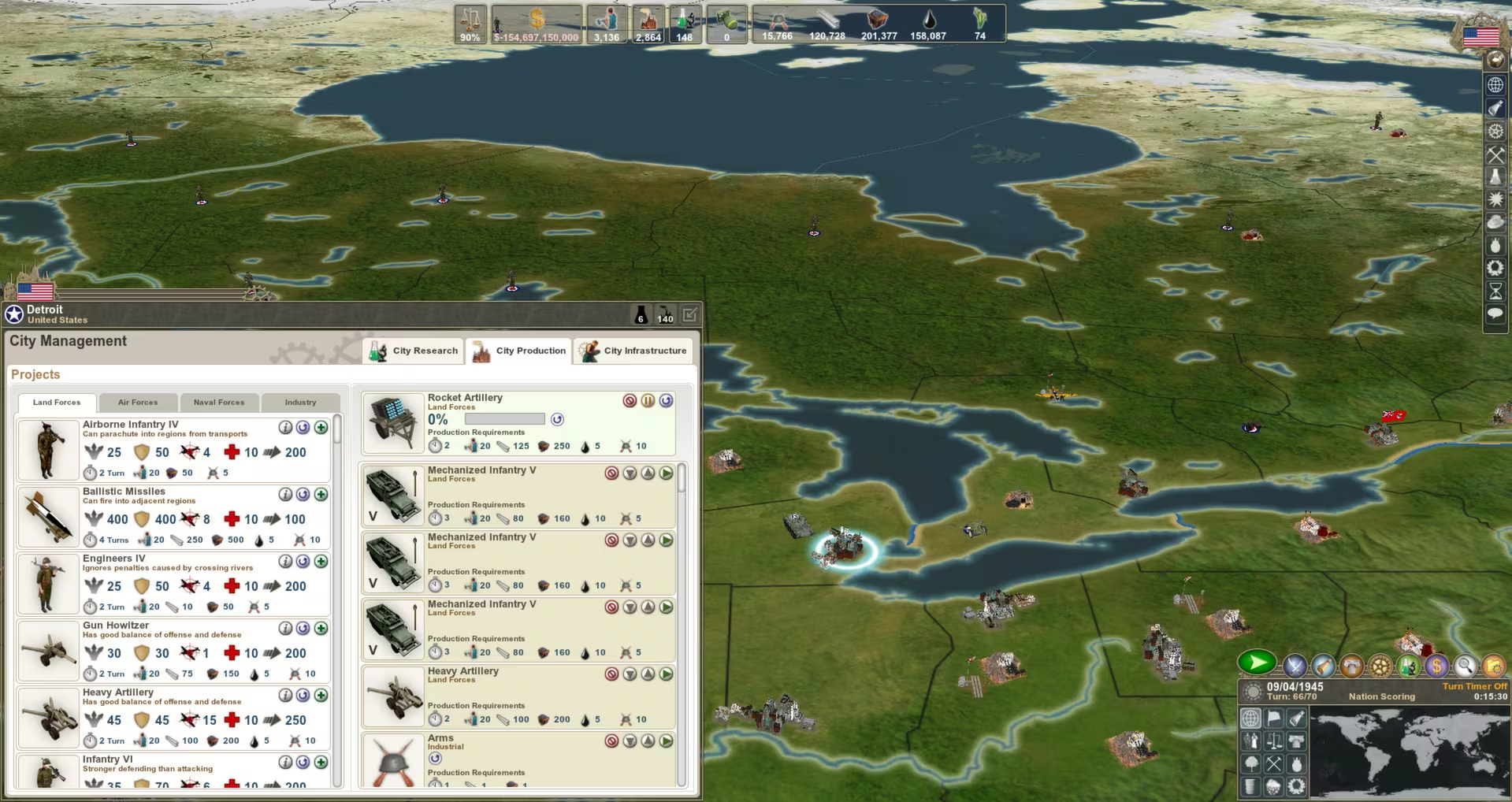
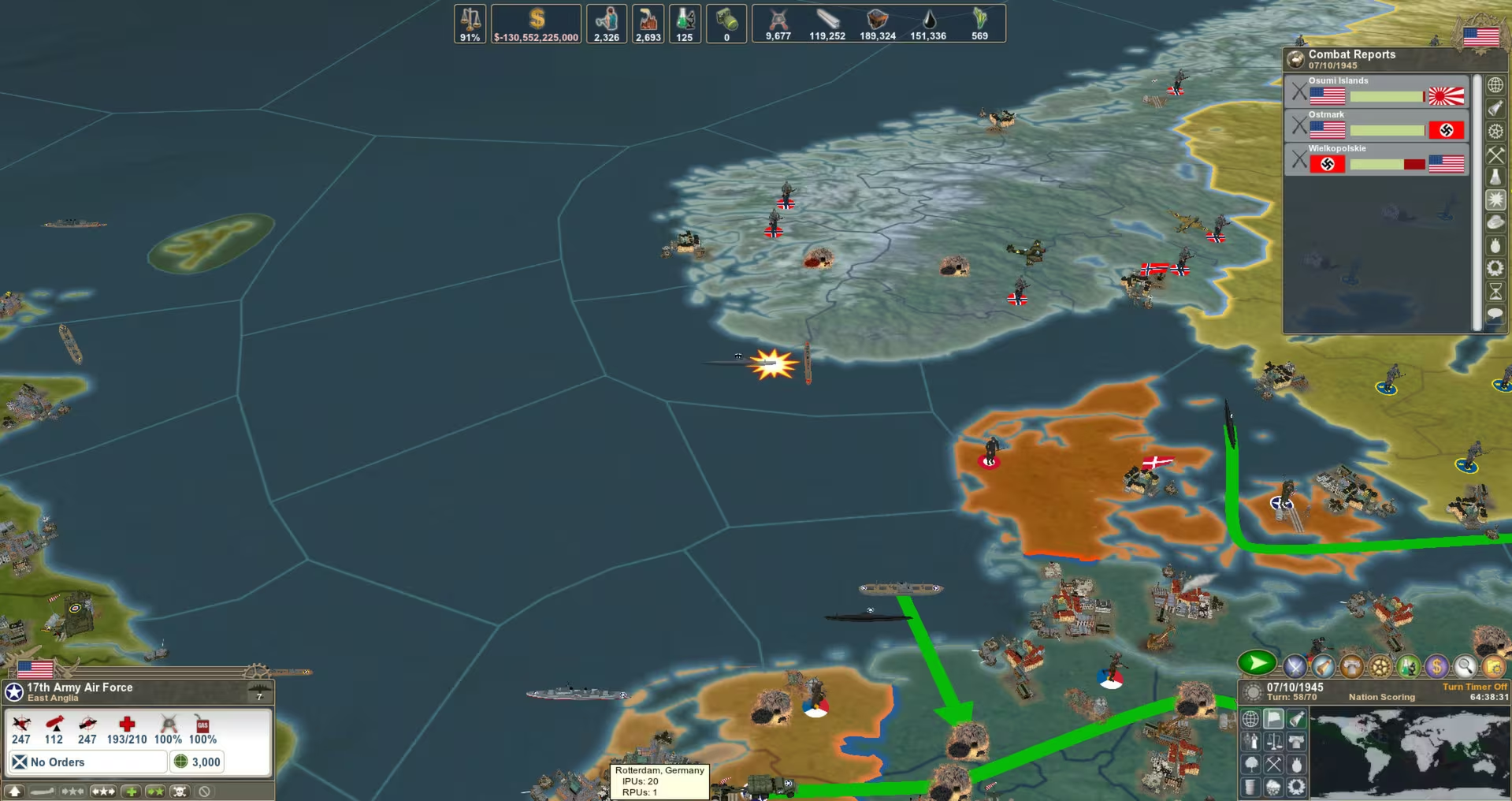
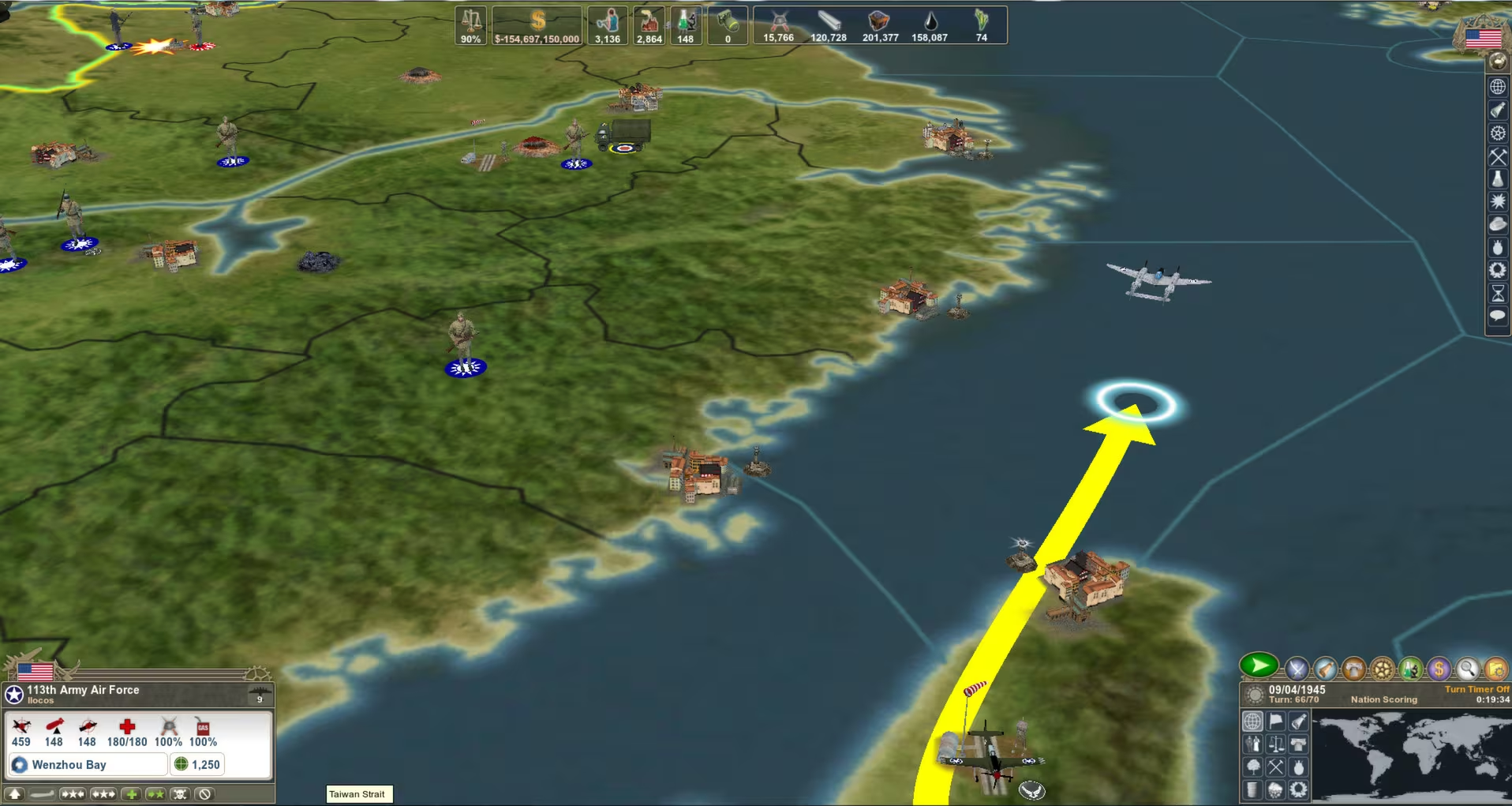
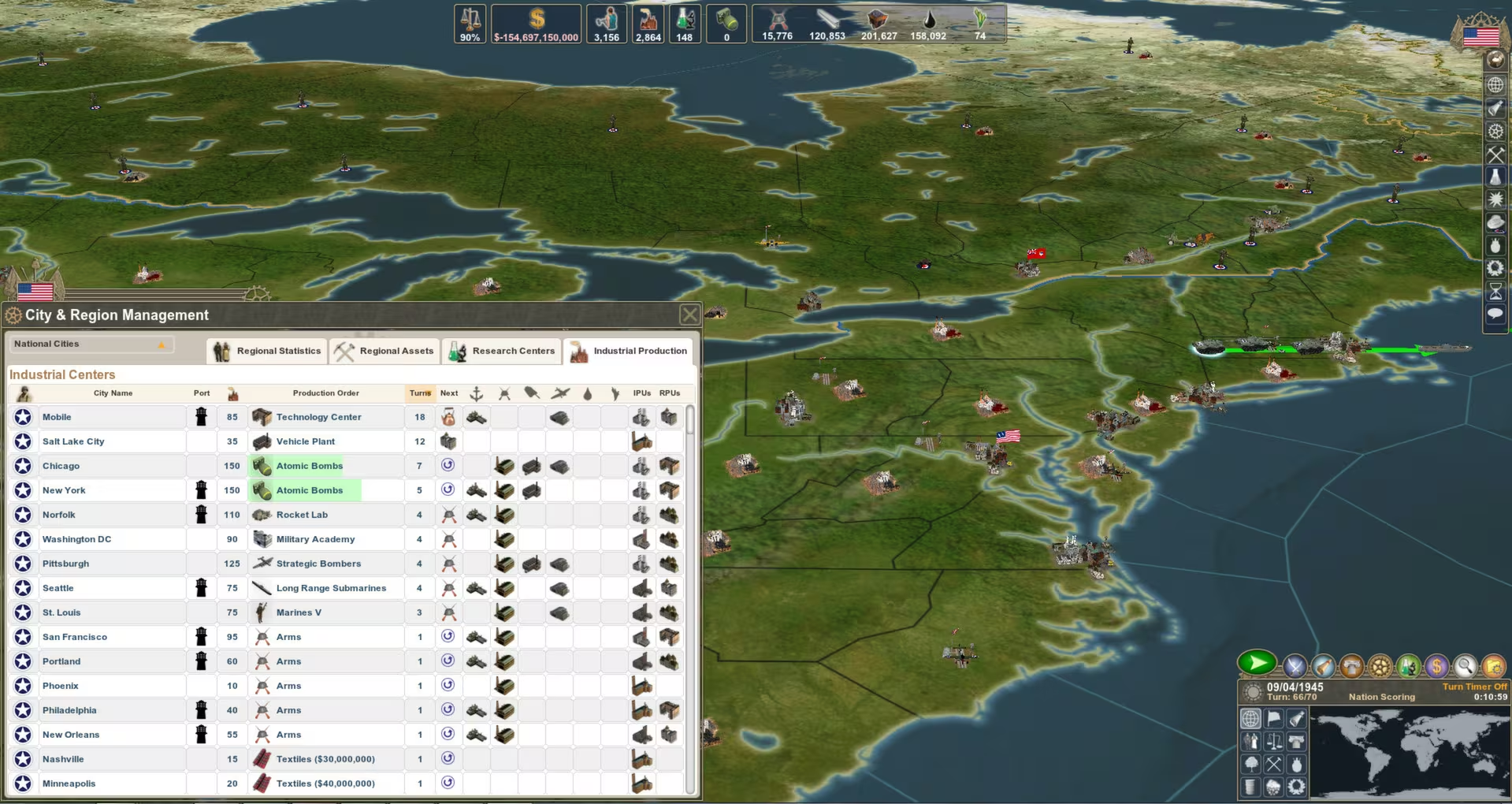
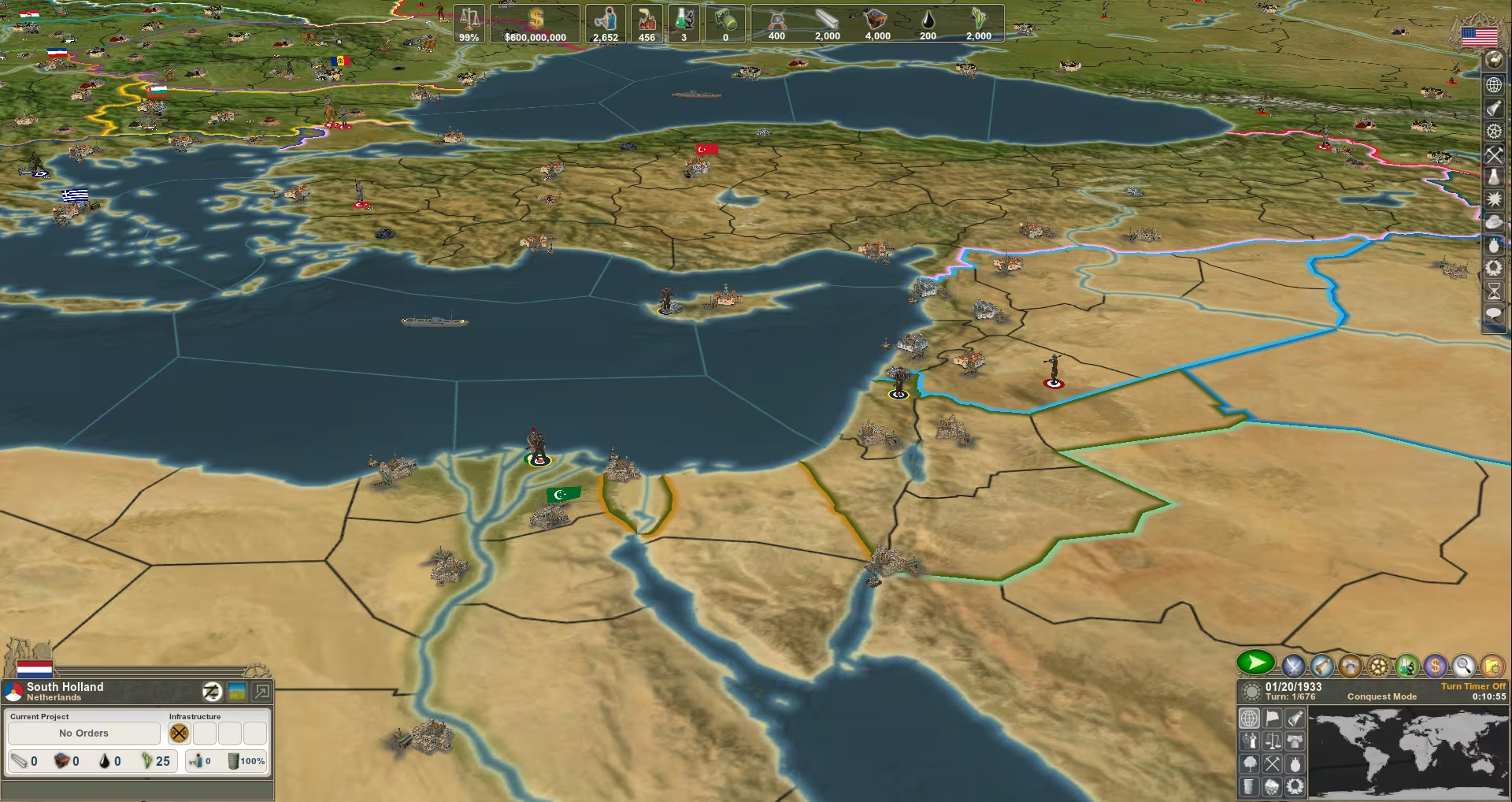
What if Germany won the Battle of Britain? What if Moscow fell in 1942?You’re in charge. Anything can happen and history will never repeat itself in this classic WWII grand strategy game MAKING HISTORY II: The War of the World. Are you ready to battle for global dominance?

Global score

80/100

Genres

Indie, Simulator, Strategy

Similar games

    Pros

    • Highly replayable with alternate history possibilities
    • Deep economic, military, and diplomatic systems
    • Strong modding and scenario editor support
    • Freedom to play any nation and rewrite history
    • Engaging strategic gameplay with challenging ai

    Cons

    • Steep learning curve and limited tutorial
    • Clunky and outdated interface
    • Late game lag and crashes reported
    • Multiplayer limited and sometimes unstable
    • Ai can behave unpredictably or illogically

    Analysis

    Broadly representative of its motivational profile, with a few distinct shifts. Motivations that often define this kind of title include Competition, Fellowship, Domination, Status. Here, the score leans higher than usual among comparable games on Leadership. It leans lower than usual among comparable games on Intimacy, Story.

    How to use the graph
    Similar games map

    Each dot is a game. They are arranged from the same motivation profile as in the “Motivations” section below. Closer dots usually mean more similar reasons to play (exploration, competition, relaxation, etc.)—not that one game is “better” than another.

    • Larger dot with a light outline: the game you are viewing.
    • Colour: groups of games with comparable motivation patterns (statistical clusters).
    • Hover a dot to see the game name; click to open its page.
    • Scroll or double-click the chart to zoom out and see more games.

    Why don’t the axes read like a score? This view uses t-SNE: it only keeps who is close to whom. The scales are not “good to bad” or hours played—they separate groups on the map. Read distance between dots, not the axis numbers.

    Motivations

    • Autonomy
      5

      "Players have full control over their nation's actions, decisions, alliances, wars, and economic policies, with freedom to rewrite history."

    • Competence
      4

      "The game has a steep learning curve and requires skillful management of economy, military, and diplomacy to succeed."

    • Competition
      3

      "Includes multiplayer and AI opponents with competitive war and diplomacy, but some players focus on single-player personal pacing."

    • Continuation
      4

      "Players report long sessions and habitual play, with some games lasting hundreds of turns and many hours."

    • Cooperation
      2

      "Diplomacy and alliances are important, but multiplayer is limited and cooperation mostly occurs in alliances rather than deep teamwork."

    • Creativity
      4

      "Strong modding support, scenario editor, and freedom to create alternate histories and custom nations."

    • Domination
      2

      "Players can exert military superiority and control over others, but interactions are mostly balanced and respectful."

    • Escapism
      3

      "Players use the game to immerse in alternate WWII scenarios and escape real life through strategic gameplay."

    • Expectation
      -3

      "Players engage voluntarily for enjoyment and interest rather than obligation or external pressure."

    • Experimenting
      4

      "High experimentation with alternate history, different nations, strategies, and modded scenarios."

    • Exploration
      2

      "Exploration of alternate geopolitical outcomes and scenarios, though map geography is fixed."

    • Expression
      3

      "Players express themselves through custom scenarios, nation choices, and modding."

    • Fantasy
      2

      "Alternate history and improbable events allow imaginative fiction within a WWII setting."

    • Fellowship
      1

      "Some community interaction via multiplayer and mod sharing, but many play solo."

    • Growth
      4

      "Players develop skills in strategy, resource management, and planning over long play sessions."

    • Health
      -5

      "Sedentary gameplay with no physical activity involved."

    • Idle
      -3

      "Requires focused attention and micromanagement, especially in late game."

    • Intimacy
      -4

      "Limited social interaction, mostly surface-level multiplayer or community sharing."

    • Leadership
      3

      "Players lead nations, manage resources and military, and guide diplomatic decisions."

    • Progression
      4

      "Players accumulate resources, build units, research technologies, and expand territory."

    • Relaxation
      1

      "Some players find the game immersive and rewarding, but others note frustration with AI and micromanagement."

    • Sensation
      1

      "Visuals and sound are functional but dated; sensory stimulation is moderate."

    • Status
      1

      "Some recognition within niche community and multiplayer, but limited broader social status."

    • Story
      -2

      "Sandbox gameplay with player-driven narrative rather than scripted storylines."

    • Strategy
      5

      "Heavy emphasis on strategic planning, resource management, and tactical warfare."

    • Thrill
      2

      "Tense moments in warfare and diplomacy provide suspense and excitement."

    • Value
      4

      "Players report high replayability and value for price, especially on sale."

    • Violence
      3

      "Combat and military conquest are central gameplay elements."

    • Survival
      3

      "Players must manage threats, maintain stability, and avoid defeat."

    Last update: 29/04/2026