Mars Horizon Thumbnail

Mars Horizon similar games & best alternatives

Mars Horizon

PC (Microsoft Windows), Mac, Xbox One, PlayStation 4, Nintendo Switch • 2020

Related articles

Quick resume

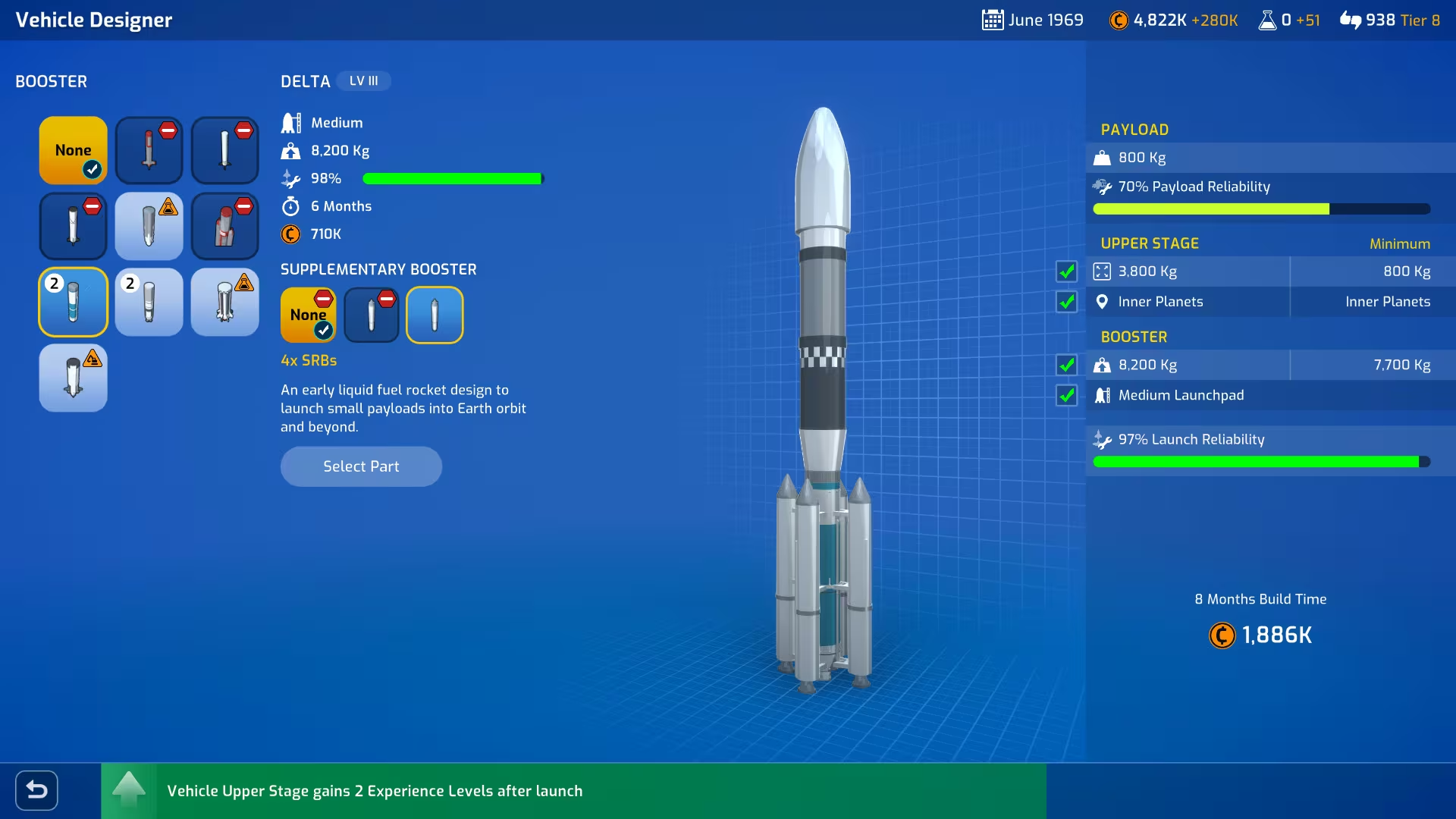
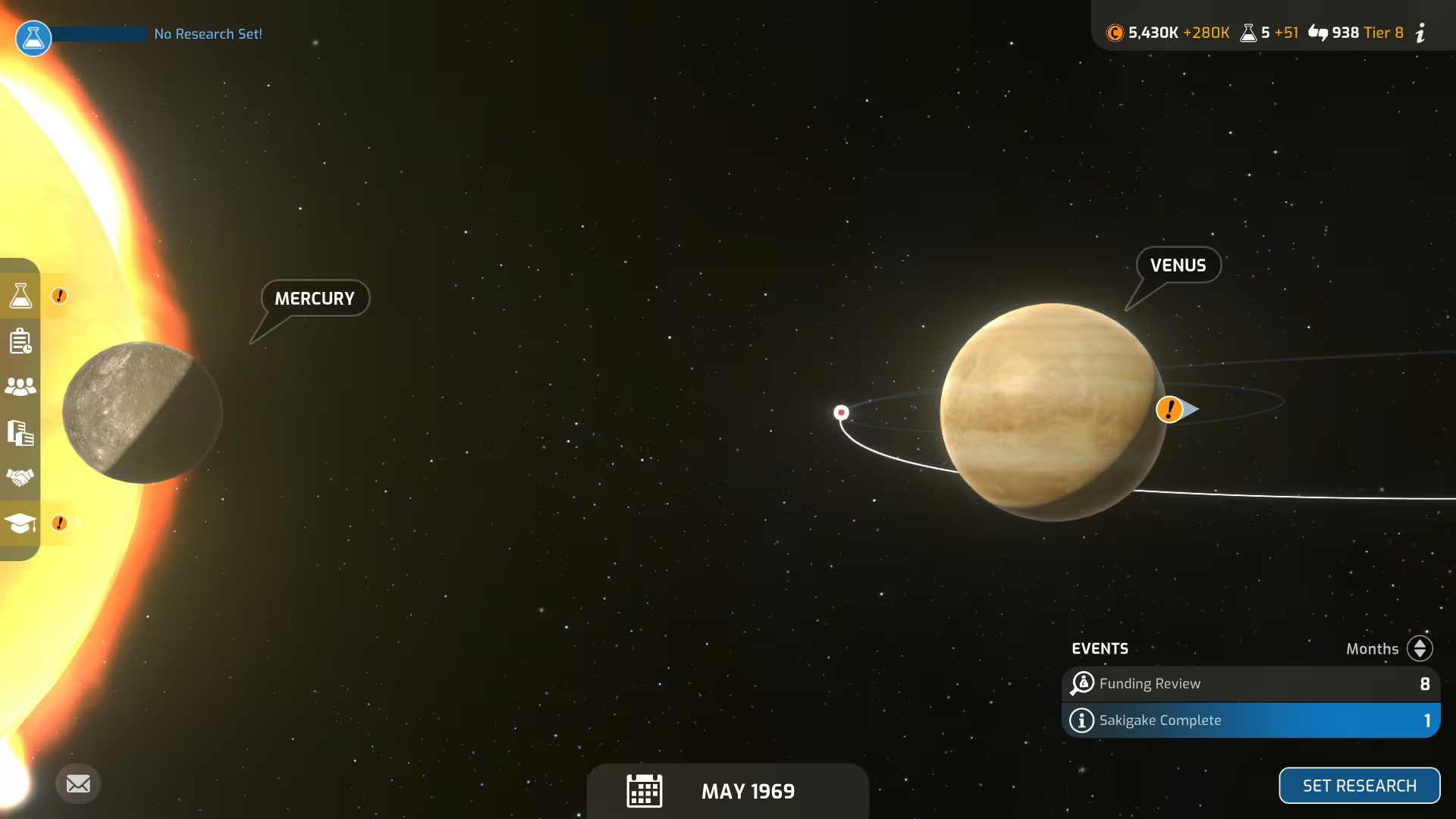
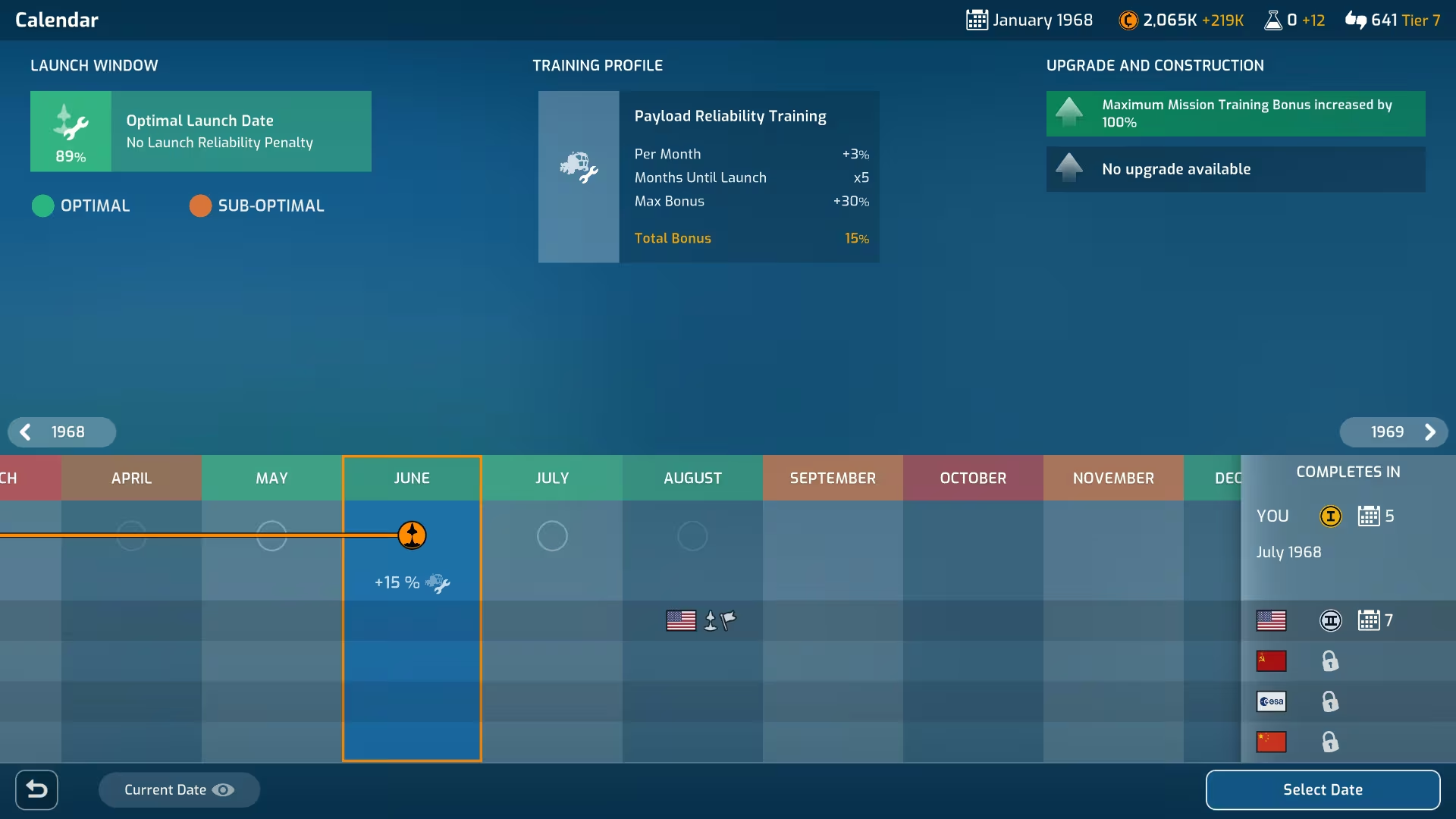
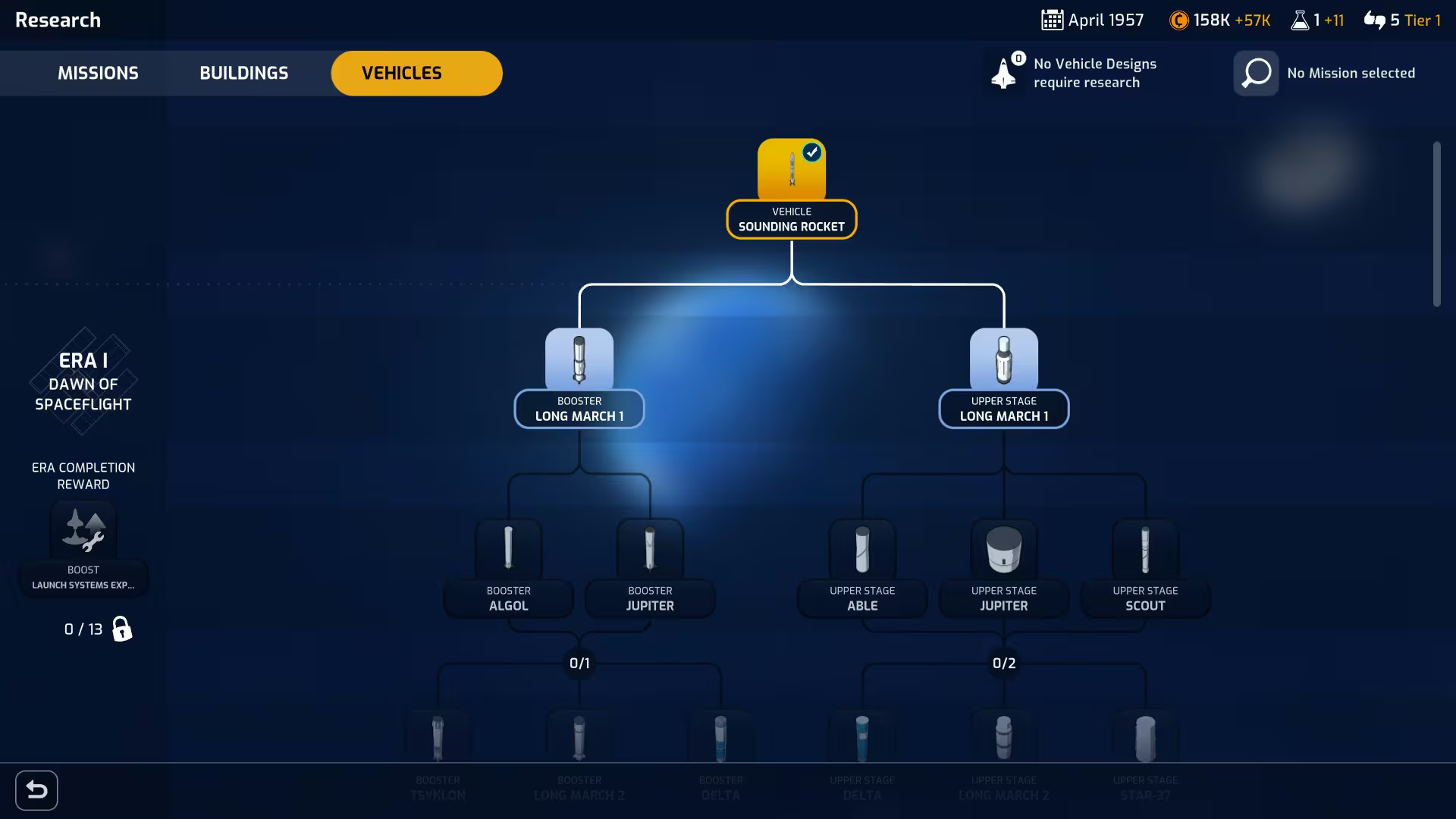
Lead a major space agency as you guide humanity to Mars in this strategy simulation game. Construct a base, design and build rockets, conduct missions throughout the Solar System, and write your own history of Space exploration. Created with support from the European Space Agency.

Global score

84/100

Genres

Indie, Simulator, Strategy

Similar games

    Pros

    • Engaging space race competition
    • Educational and historically grounded
    • Accessible yet strategic gameplay
    • Good replay value with multiple agencies
    • Polished and bug-free experience

    Cons

    • Repetitive mission minigames
    • Late game can feel grindy
    • Limited rocket design creativity
    • Some ui and information scattered
    • Ai can feel unfair or cheat

    Analysis

    Less representative of its motivational profile, with noticeable differences. Motivations that often define this kind of title include Competition, Status, Story, Expression. Here, the score leans higher than usual among comparable games on Leadership, Story, Cooperation.

    How to use the graph
    Similar games map

    Each dot is a game. They are arranged from the same motivation profile as in the “Motivations” section below. Closer dots usually mean more similar reasons to play (exploration, competition, relaxation, etc.)—not that one game is “better” than another.

    • Larger dot with a light outline: the game you are viewing.
    • Colour: groups of games with comparable motivation patterns (statistical clusters).
    • Hover a dot to see the game name; click to open its page.
    • Scroll or double-click the chart to zoom out and see more games.

    Why don’t the axes read like a score? This view uses t-SNE: it only keeps who is close to whom. The scales are not “good to bad” or hours played—they separate groups on the map. Read distance between dots, not the axis numbers.

    Motivations

    • Autonomy
      4

      "Players manage research, base building, mission planning, and rocket design with freedom to choose strategies and missions."

    • Competence
      3

      "Game involves strategic decision-making, resource management, and puzzle minigames that require skill and planning."

    • Competition
      4

      "Core gameplay revolves around racing against AI space agencies to complete milestones first."

    • Continuation
      3

      "Players report long play sessions and a 'just one more turn' feeling, though some find late game repetitive."

    • Cooperation
      2

      "Game features joint missions and alliances with other agencies, but mostly competitive play."

    • Creativity
      1

      "Some customization in base building and rocket stage selection, but limited rocket design creativity."

    • Domination
      -3

      "Interactions emphasize competition but with mutual respect; no evidence of trash talk or domination."

    • Escapism
      3

      "Players use the game as a relaxing distraction and to immerse in space exploration history."

    • Expectation
      -4

      "Players engage voluntarily out of interest and intrinsic motivation, not obligation."

    • Experimenting
      2

      "Players explore different mission strategies and agency choices, though minigames are repetitive."

    • Exploration
      4

      "Game encourages discovering new missions across the solar system and unlocking new technologies."

    • Expression
      1

      "Some avatar and agency customization, but limited self-expression beyond functional choices."

    • Fantasy
      -2

      "Game is grounded in realistic historical and near-future space exploration scenarios."

    • Fellowship
      2

      "Players feel part of a community through shared space race competition and cooperation with AI agencies."

    • Growth
      3

      "Players learn about space history, technology, and develop strategic skills over time."

    • Health
      -5

      "Game is sedentary with no physical activity involved."

    • Idle
      -2

      "Requires attention during turns and minigames; some waiting involved but not purely idle play."

    • Intimacy
      -4

      "Social interactions are limited to AI agencies with no evidence of close relationships or emotional sharing."

    • Leadership
      4

      "Players lead their space agency, make strategic decisions, and guide progress toward Mars landing."

    • Progression
      4

      "Game features research, base building, rocket upgrades, and mission milestones as progression elements."

    • Relaxation
      3

      "Many players find the game relaxing and a good way to unwind, despite some tension in competition."

    • Sensation
      2

      "Visuals and animations provide moderate sensory enjoyment; not highly stimulating but pleasant."

    • Status
      3

      "Recognition comes from being first in milestones and competing successfully against other agencies."

    • Story
      3

      "Game includes historical context, lore, and narrative elements about space exploration milestones."

    • Strategy
      4

      "Strong emphasis on strategic planning, resource management, and problem solving."

    • Thrill
      3

      "Tension arises from mission risks, random failures, and competition to be first in the space race."

    • Value
      4

      "Players report good value for time and money, especially on sale, with many hours of gameplay."

    • Violence
      -4

      "Game focuses on constructive space exploration and management, not combat or destruction."

    • Survival
      2

      "Players manage risks of mission failure and resource constraints to ensure success and agency survival."

    Last update: 29/04/2026