MHRD similar games & best alternatives

MHRD
2017
Related articles
Quick resume
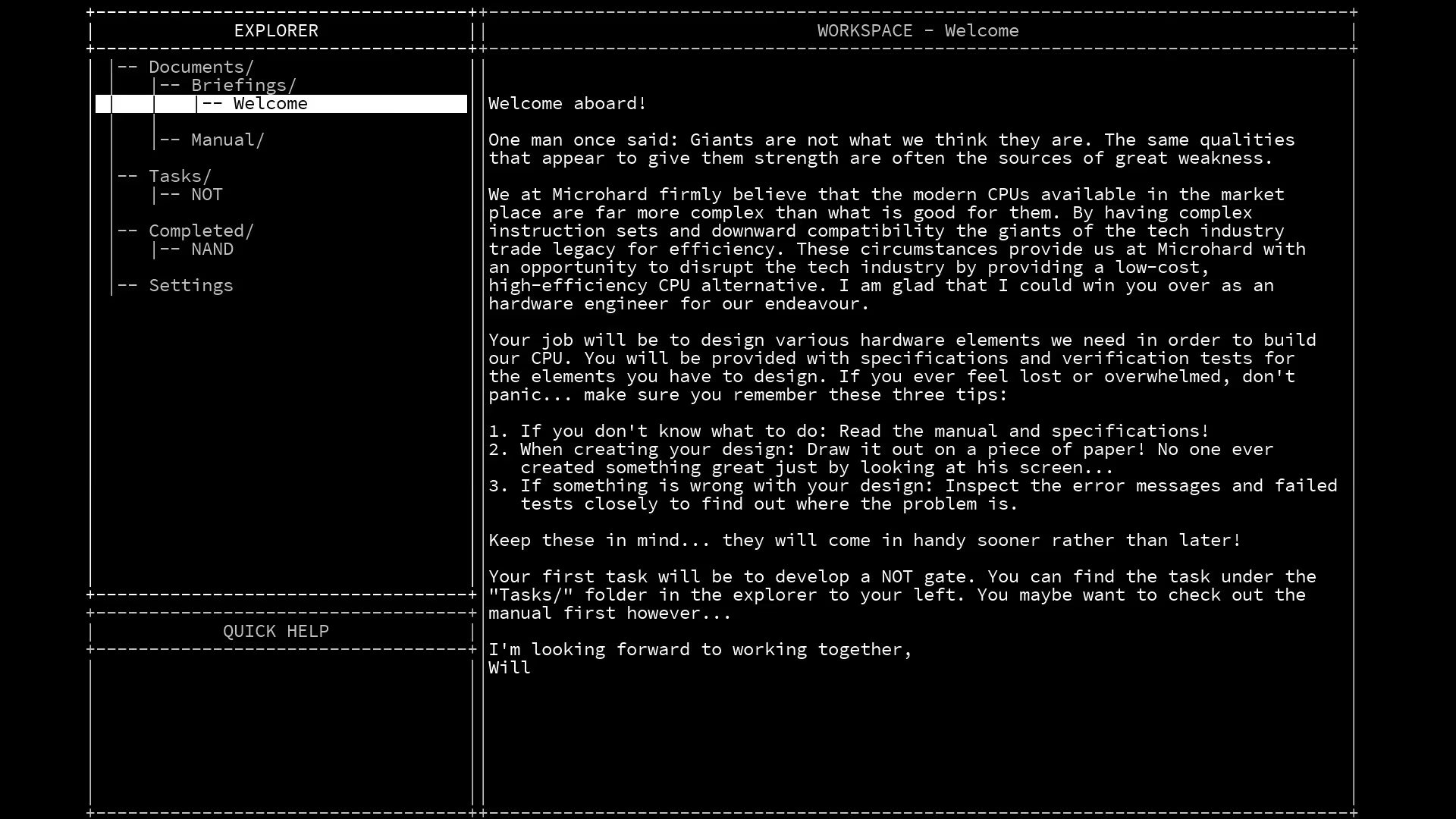
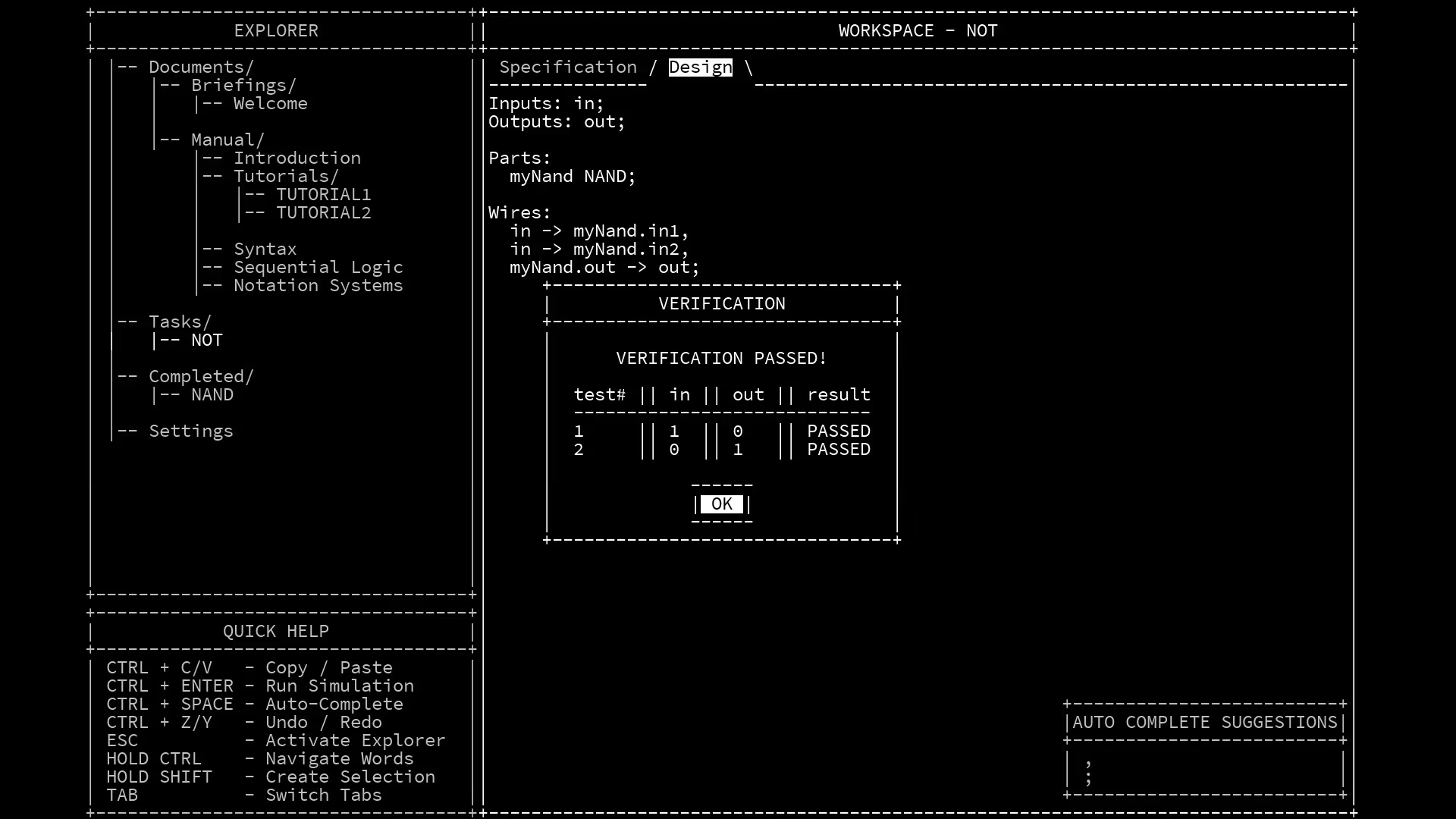
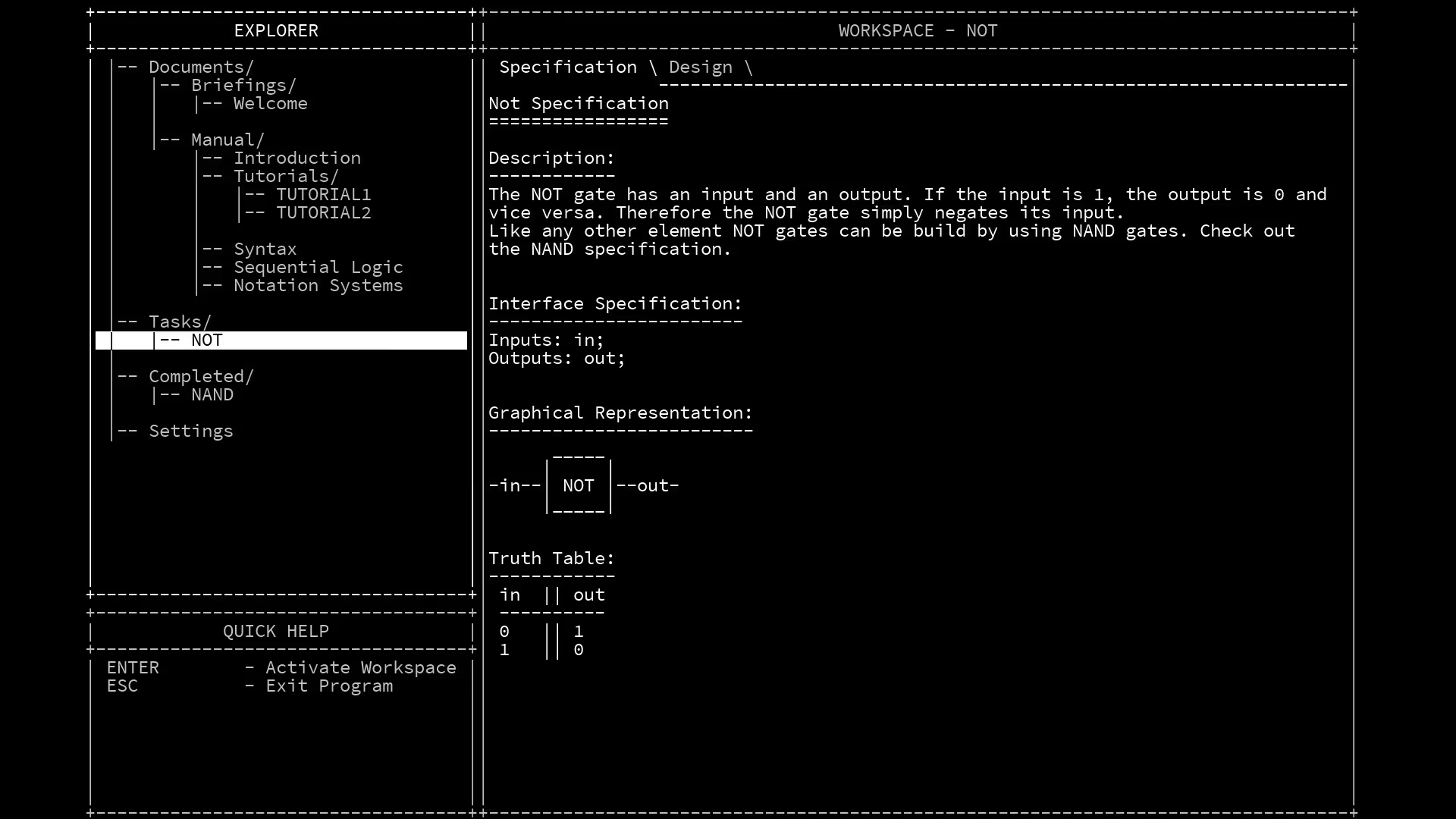
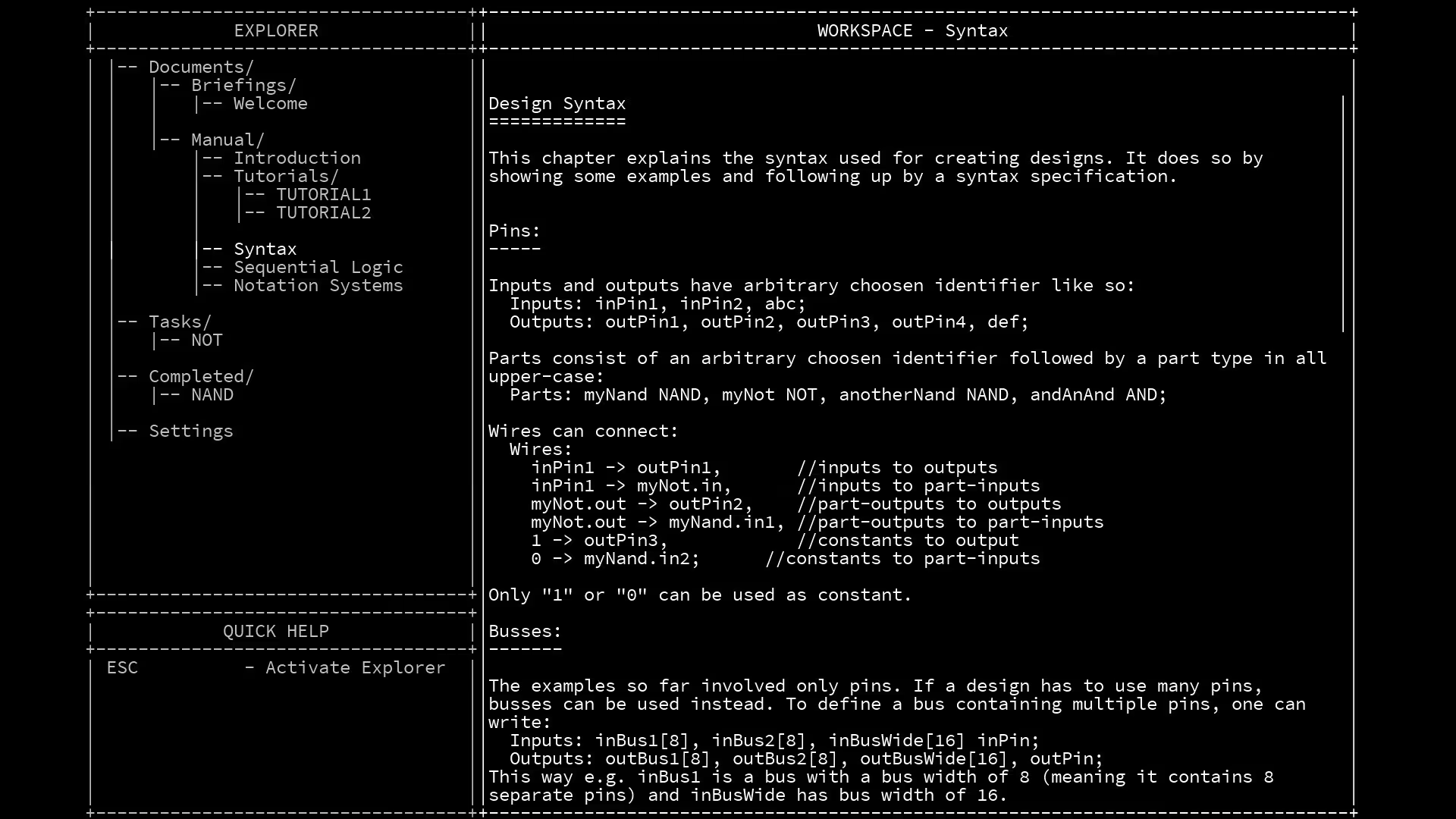
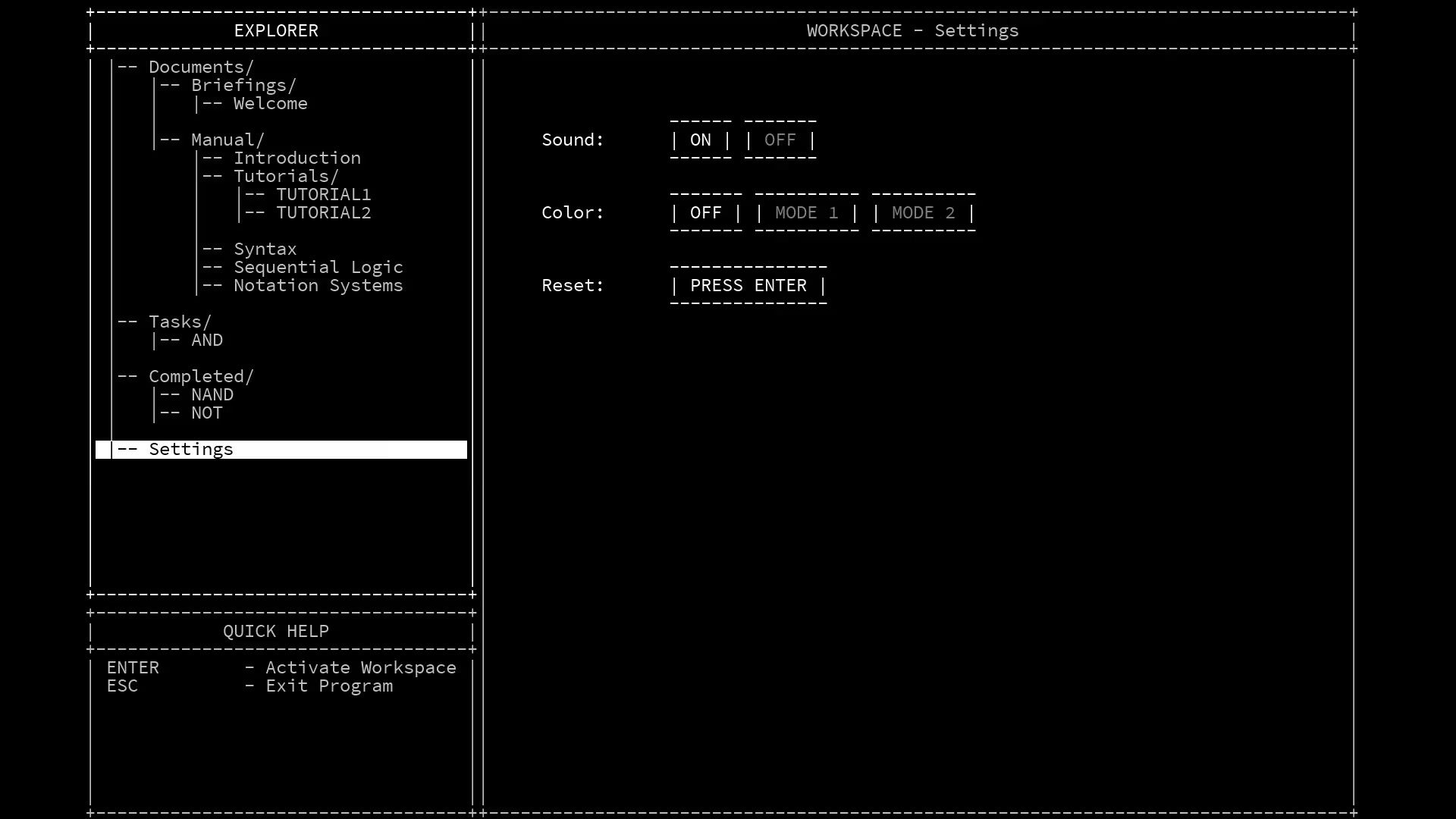
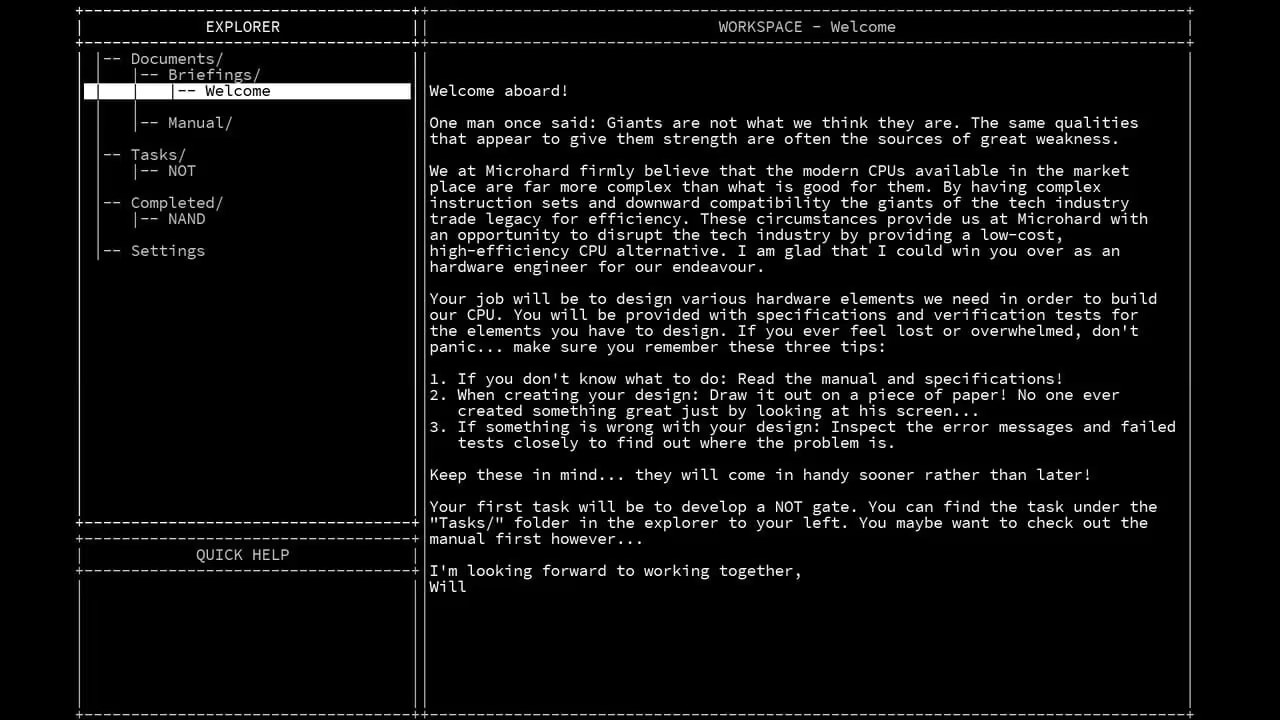
MHRD is a hardware design game, in which you design various hardware circuits in a hardware description language. The hardware circuits you design get more complex as you go until you create a fully functional CPU design.
Global score
89/100
Genres
Indie, Simulator, Puzzle
Pros
- Educational and instructive on digital logic and cpu design
- Engaging logical puzzles with progressive difficulty
- Freedom to design and optimize circuits
- Retro aesthetic and immersive sound design
- Leaderboards for solution comparison
Cons
- Short gameplay length with limited replay value
- Minimal user interface and editor limitations
- Lack of debugging tools and visualization
- No multiplayer or social features
- Some lag and input issues reported
Motivations
-
Autonomy4
"Players have control over designing circuits and solutions, with freedom to optimize and revise designs."
-
Competence5
"Strong emphasis on mastering logic design, solving progressively complex puzzles, and receiving feedback on correctness."
-
Competition2
"Includes leaderboards and comparisons of solutions (e.g. NAND count) but competition is secondary to learning and puzzle solving."
-
Continuation-2
"Game is relatively short and some players finish quickly; limited replay value beyond optimization."
-
Cooperation-5
"Entirely single-player with no cooperative or multiplayer elements."
-
Creativity4
"Players create and refine their own circuit designs from basic components."
-
Domination-5
"No elements of exerting control or superiority over others; respectful and individual-focused."
-
Escapism3
"Players use the game as a mental challenge and distraction, enjoying focused problem solving."
-
Expectation-4
"Players engage voluntarily out of interest and intrinsic motivation to learn and solve puzzles."
-
Experimenting4
"Encourages trying new circuit designs, testing optimizations, and exploring hardware description language."
-
Exploration-3
"Focused on known tasks and puzzles in a fixed progression rather than open-ended discovery."
-
Expression-4
"Uses standardized textual hardware description language; minimal cosmetic customization or self-expression."
-
Fantasy-5
"Grounded in realistic digital logic and hardware design concepts; no fictional or fantastical elements."
-
Fellowship-5
"No social or community features; strictly individual gameplay."
-
Growth5
"Strong focus on learning digital logic, hardware design, and personal skill development."
-
Health-5
"Sedentary gameplay with no physical activity components."
-
Idle-3
"Requires focused attention and problem solving; not suitable for casual or background play."
-
Intimacy-5
"No social or emotional relationship building; purely individual experience."
-
Leadership-5
"No leadership or group management roles; individual puzzle solving only."
-
Progression4
"Players accumulate increasingly complex circuit components culminating in building a CPU."
-
Relaxation1
"Some players find the logical puzzles relaxing, though others find it challenging and intense."
-
Sensation-3
"Minimal sensory stimulation; text-based interface with simple sounds and retro aesthetic."
-
Status2
"Leaderboards provide some recognition for efficient solutions, but social status is limited."
-
Story-4
"Minimal narrative or plot; focus is on technical puzzles rather than story immersion."
-
Strategy5
"High mental challenge requiring logical reasoning, planning, and problem solving."
-
Thrill-4
"Low suspense or risk; steady intellectual challenge without emotional highs or lows."
-
Value3
"Players perceive good educational and entertainment value for the price despite short length."
-
Violence-5
"No violence or destructive gameplay; constructive and educational focus."
-
Survival-5
"No survival or threat elements; stable, low-risk puzzle environment."
Similar games
Last update: 06/03/2026