Ninja Kiwi Archive Thumbnail

Ninja Kiwi Archive similar games & best alternatives

Ninja Kiwi Archive

PC (Microsoft Windows) • 2020

Related articles

Quick resume

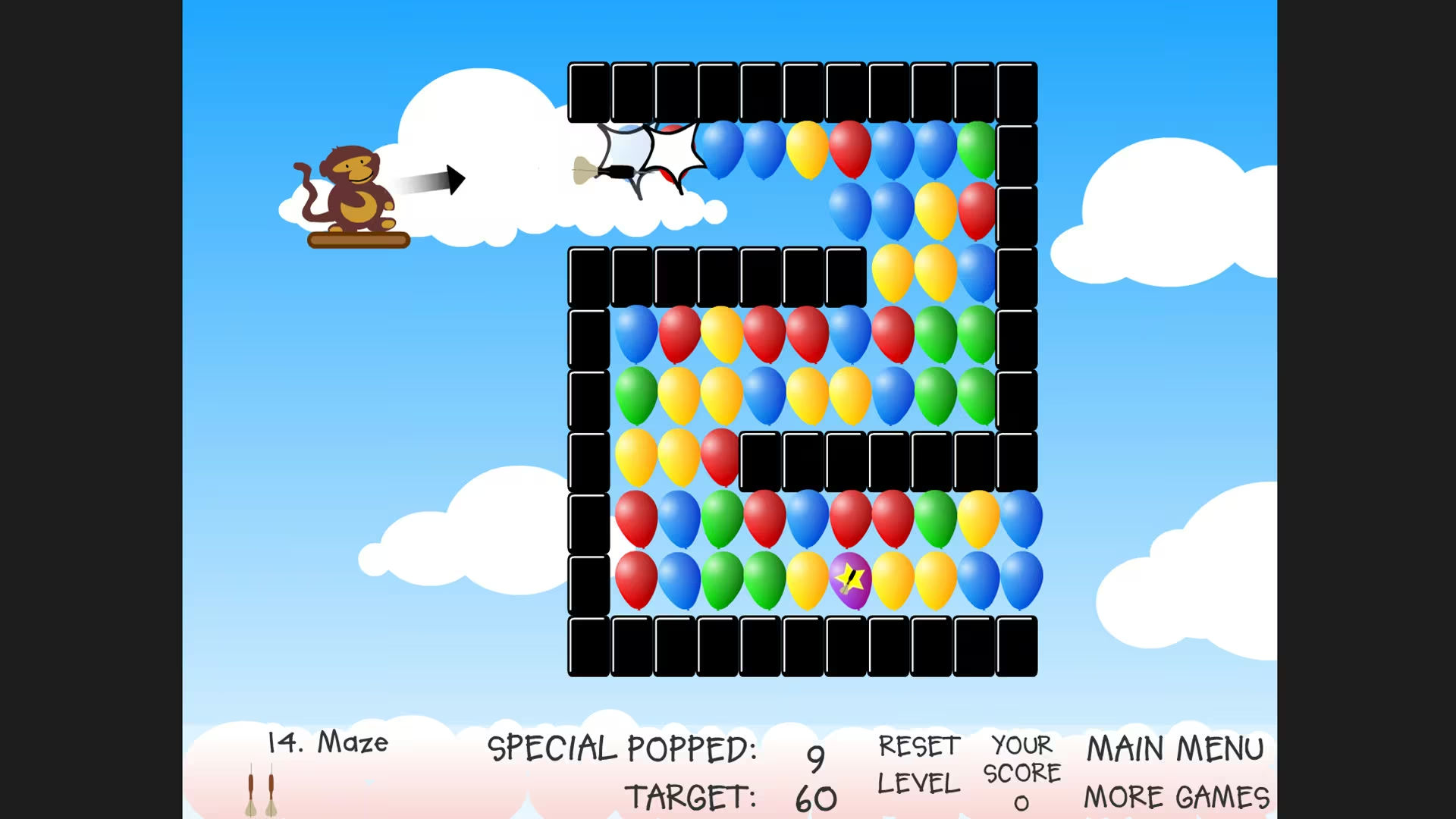
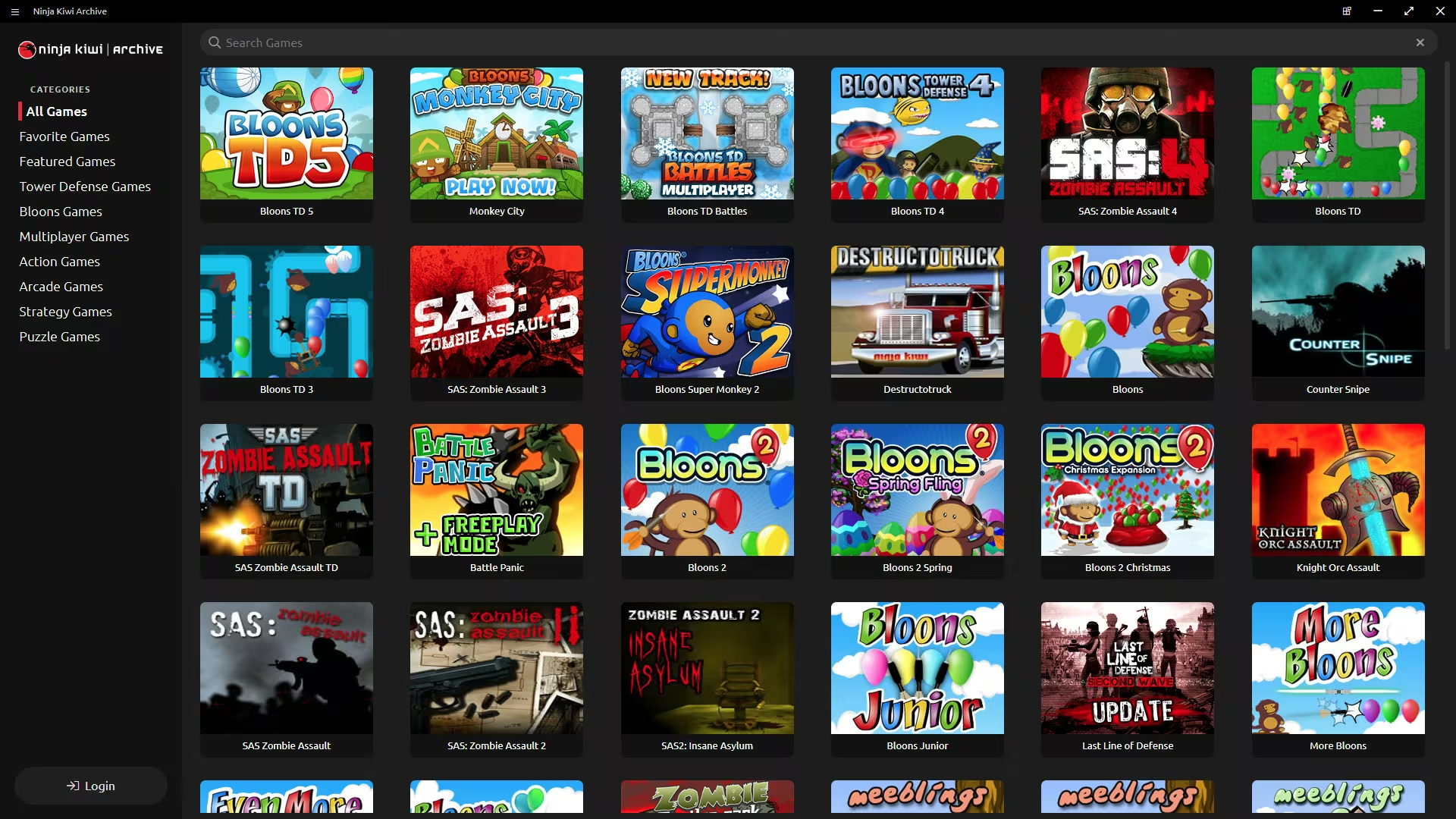
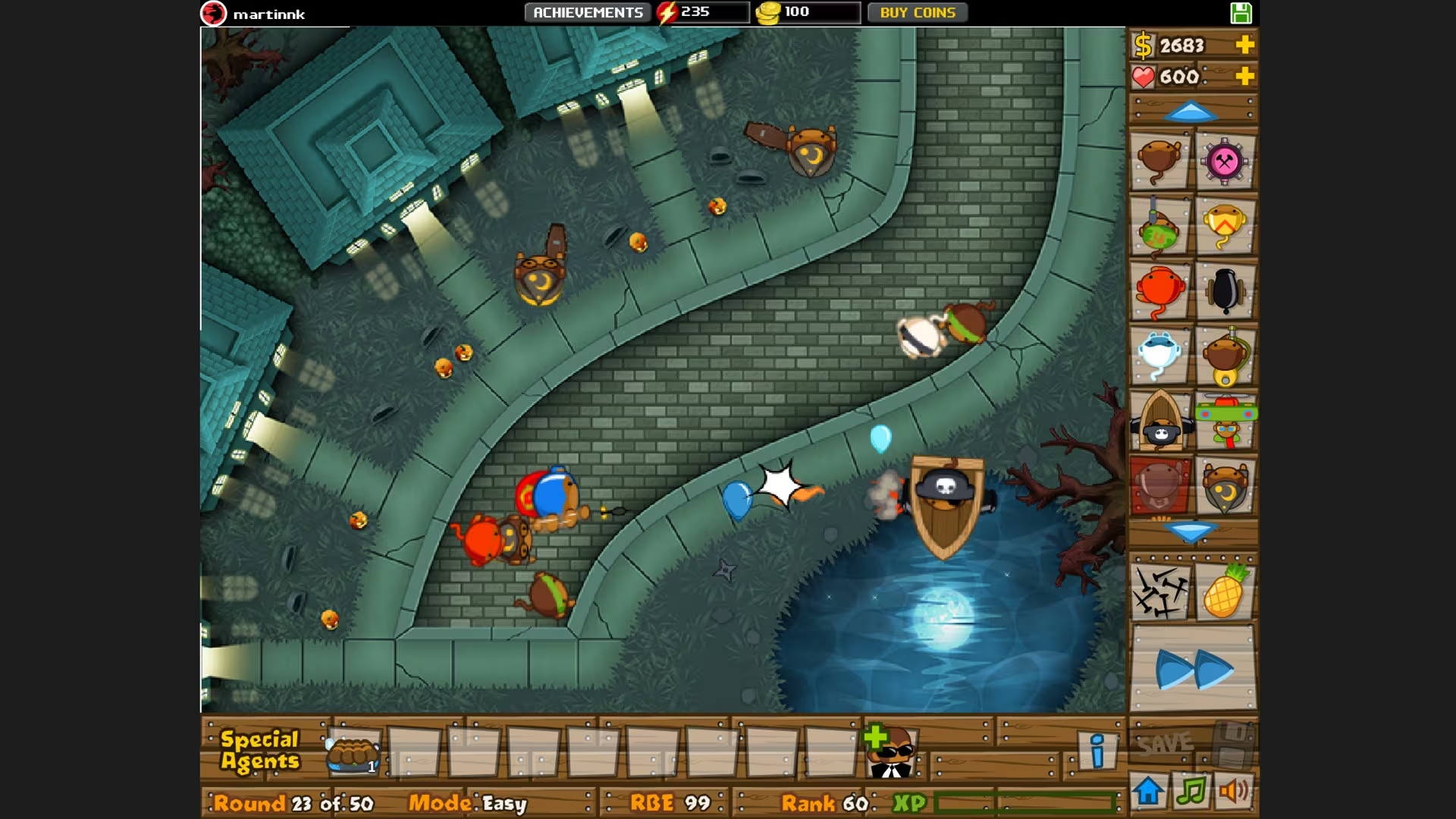
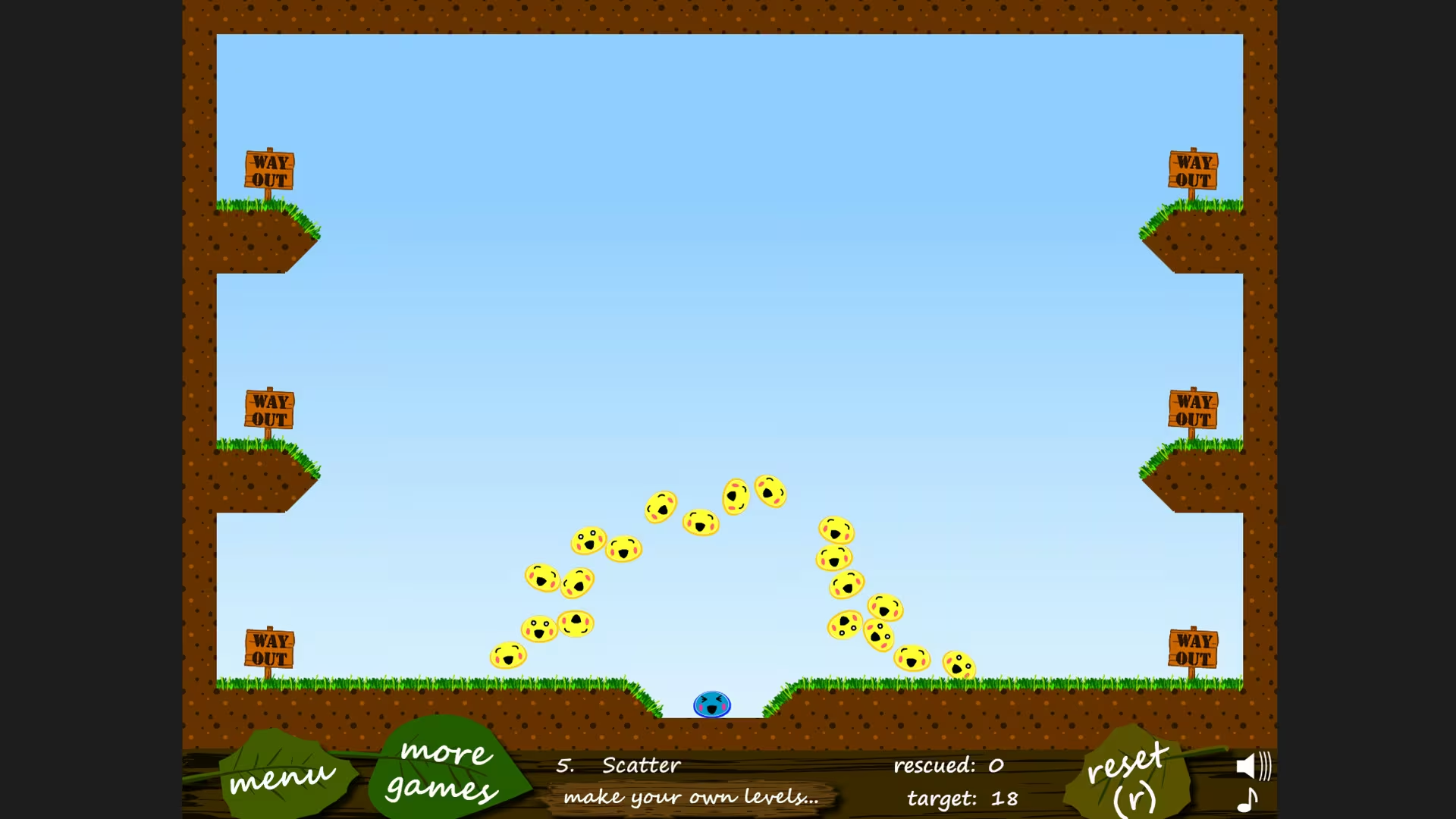
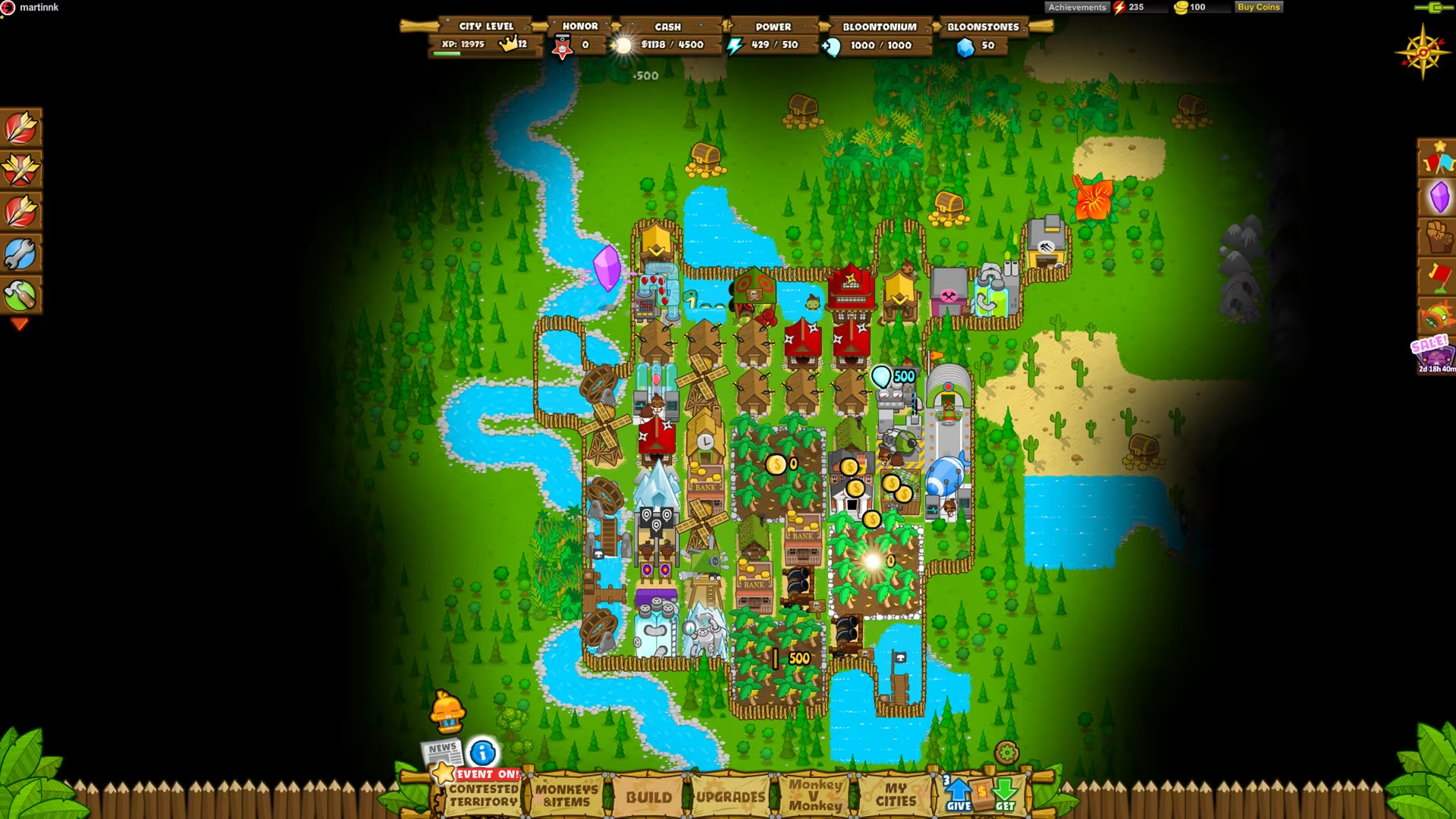
Enjoy some of the best loved Flash games of the past in this awesome time capsule of over 60 Ninja Kiwi classics. Experience a piece of history and play the original Flash games that spawned the worldwide phenomenon of Bloons TD.

Global score

93/100

Genres

Action, Casual, Strategy, Arcade

Similar games

    Pros

    • Free access to a large archive of classic ninja kiwi flash games
    • Strong nostalgia and childhood memories evoked
    • Variety of game genres including tower defense, shooters, puzzles
    • Runs well on low-end pcs
    • Preserves games that would otherwise be lost after flash shutdown

    Cons

    • Some games have broken or missing features (e.g. multiplayer, premium content)
    • Requires installation of flash player emulator
    • Limited social and customization features
    • Graphics and audio are dated
    • Occasional bugs and glitches reported

    Analysis

    A very typical example of its motivational profile. Motivations that often define this kind of title include Competition, Status, Story, Expression. Here, the score leans higher than usual among comparable games on Cooperation. It leans lower than usual among comparable games on Creativity, Expression.

    How to use the graph
    Similar games map

    Each dot is a game. They are arranged from the same motivation profile as in the “Motivations” section below. Closer dots usually mean more similar reasons to play (exploration, competition, relaxation, etc.)—not that one game is “better” than another.

    • Larger dot with a light outline: the game you are viewing.
    • Colour: groups of games with comparable motivation patterns (statistical clusters).
    • Hover a dot to see the game name; click to open its page.
    • Scroll or double-click the chart to zoom out and see more games.

    Why don’t the axes read like a score? This view uses t-SNE: it only keeps who is close to whom. The scales are not “good to bad” or hours played—they separate groups on the map. Read distance between dots, not the axis numbers.

    Motivations

    • Autonomy
      4

      "Players can freely choose from a large variety of games and play styles within the archive, allowing self-directed gameplay."

    • Competence
      3

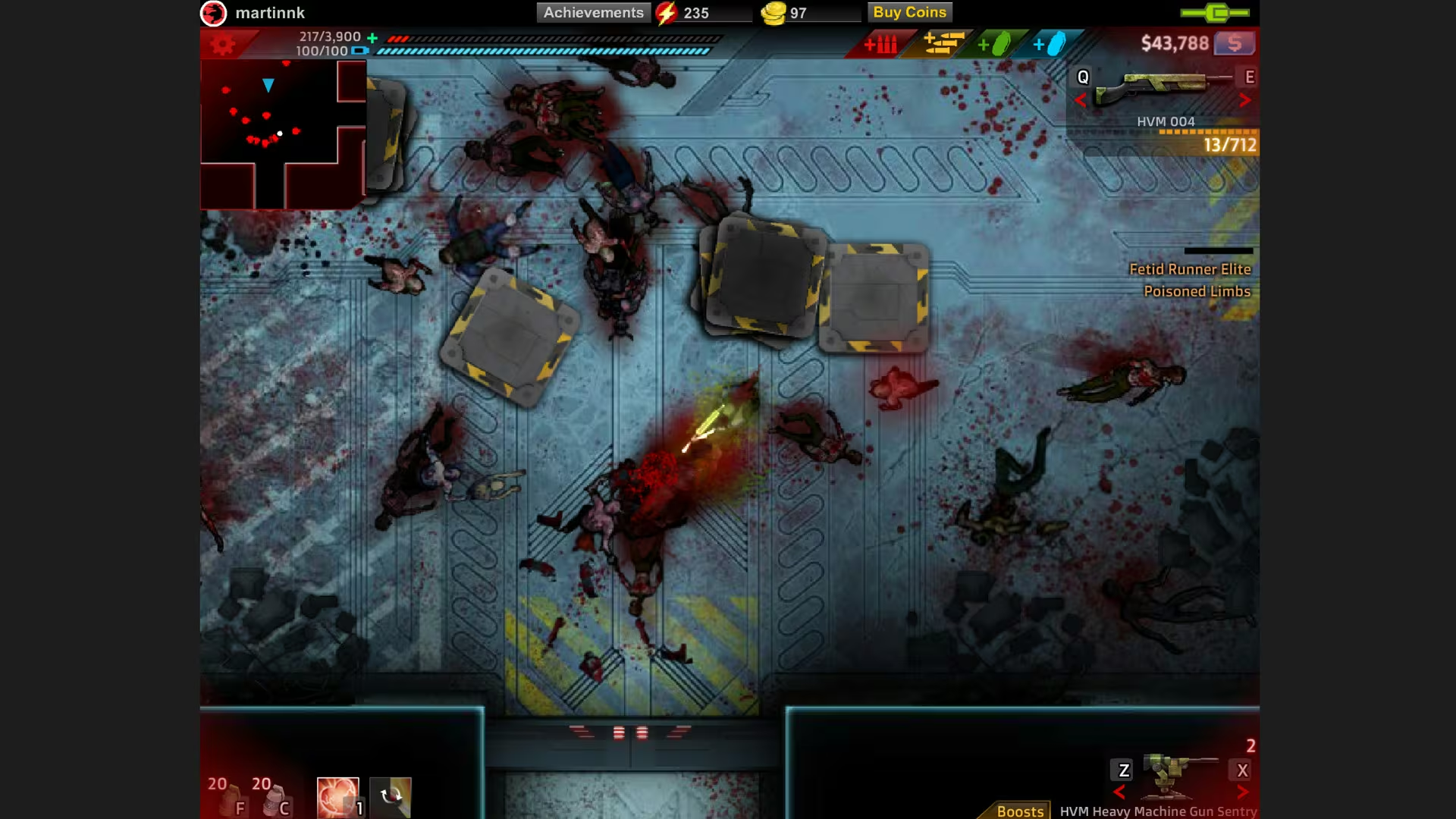
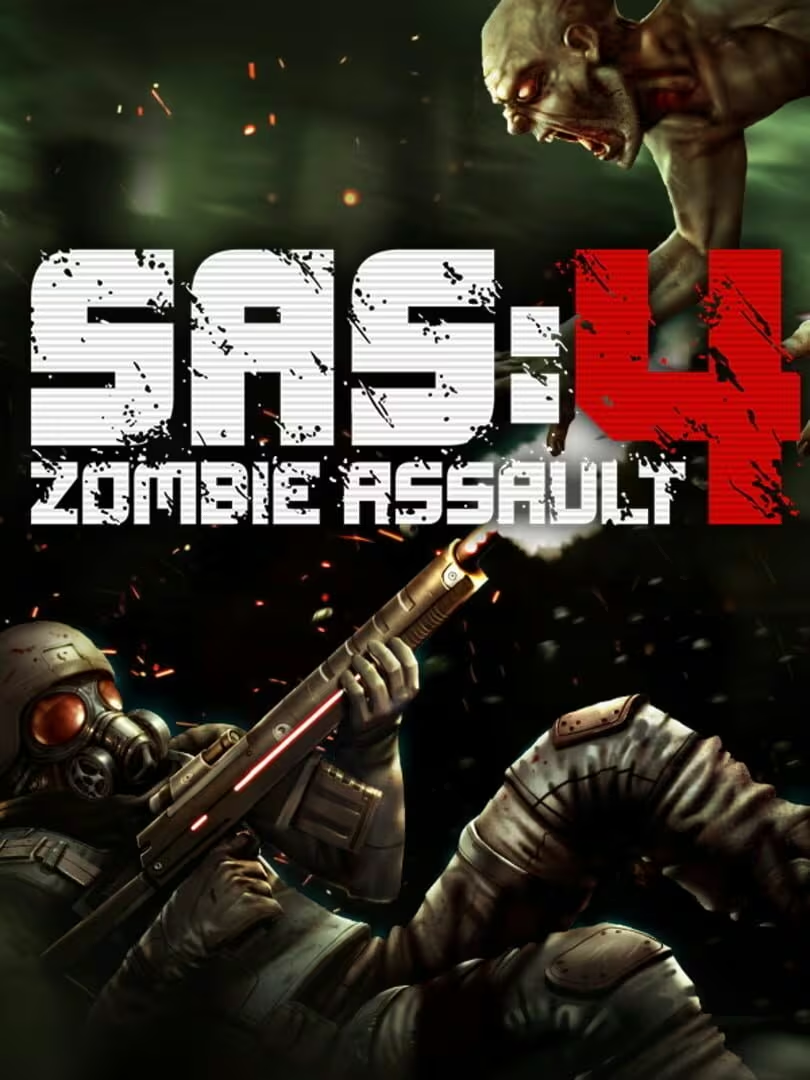
      "Games like Bloons TD series and SAS Zombie Assault offer skill challenges and progression, providing a sense of mastery."

    • Competition
      1

      "Some games have multiplayer or leaderboards but many are single-player and focus on personal achievement."

    • Continuation
      4

      "Many users report long play sessions and habitual return to nostalgic games, indicating strong continuation motivation."

    • Cooperation
      1

      "Some multiplayer games exist but the majority of games are played independently."

    • Creativity
      1

      "Limited creativity; mostly playing predefined games though some games have level editors or modifiable elements."

    • Domination
      -2

      "Interactions tend to be balanced or cooperative rather than focused on exerting control or superiority."

    • Escapism
      4

      "Strong nostalgia and stress relief reported; players use the archive to escape real-life pressures."

    • Expectation
      -4

      "Players engage voluntarily for fun and nostalgia, not out of obligation or pressure."

    • Experimenting
      2

      "Players explore many different games and mechanics within the archive, encouraging experimentation."

    • Exploration
      2

      "Players discover various games and hidden features, though mostly familiar titles from childhood."

    • Expression
      0

      "Minimal evidence of character or environment customization beyond standard game options."

    • Fantasy
      3

      "Games involve imaginative themes like monkeys popping balloons and zombie assaults, offering fictional experiences."

    • Fellowship
      1

      "Some community and multiplayer aspects exist, but many players enjoy games solo."

    • Growth
      3

      "Players develop skills and strategies especially in tower defense and shooter games."

    • Health
      -5

      "Sedentary gameplay typical of flash games with no physical activity involved."

    • Idle
      -3

      "Games generally require active attention and engagement rather than passive or background play."

    • Intimacy
      -3

      "Limited social interaction; mostly surface-level or anonymous multiplayer."

    • Leadership
      -4

      "No strong evidence of leadership roles; players mostly follow game mechanics or play independently."

    • Progression
      4

      "Many games feature item collection, upgrades, and level completion as core motivators."

    • Relaxation
      3

      "Players report enjoyment and nostalgia that provide relaxation and stress relief."

    • Sensation
      2

      "Bright visuals and satisfying sound effects contribute to sensory enjoyment."

    • Status
      0

      "Little emphasis on social recognition or status within the archive games."

    • Story
      0

      "Most games have minimal or no narrative; focus is on gameplay rather than story immersion."

    • Strategy
      4

      "Tower defense and tactical games require planning and problem solving."

    • Thrill
      2

      "Some games provide excitement and tension through challenges and survival modes."

    • Value
      5

      "Highly valued as a free collection preserving beloved flash games, offering great return for time."

    • Violence
      1

      "Some combat and destruction present in games like SAS Zombie Assault, but overall mild cartoon violence."

    • Survival
      3

      "Several games involve survival mechanics and avoiding failure under pressure."

    Last update: 29/04/2026