Oblivity - Find your perfect Sensitivity similar games & best alternatives
Oblivity - Find your perfect Sensitivity
2022
Related articles
Quick resume
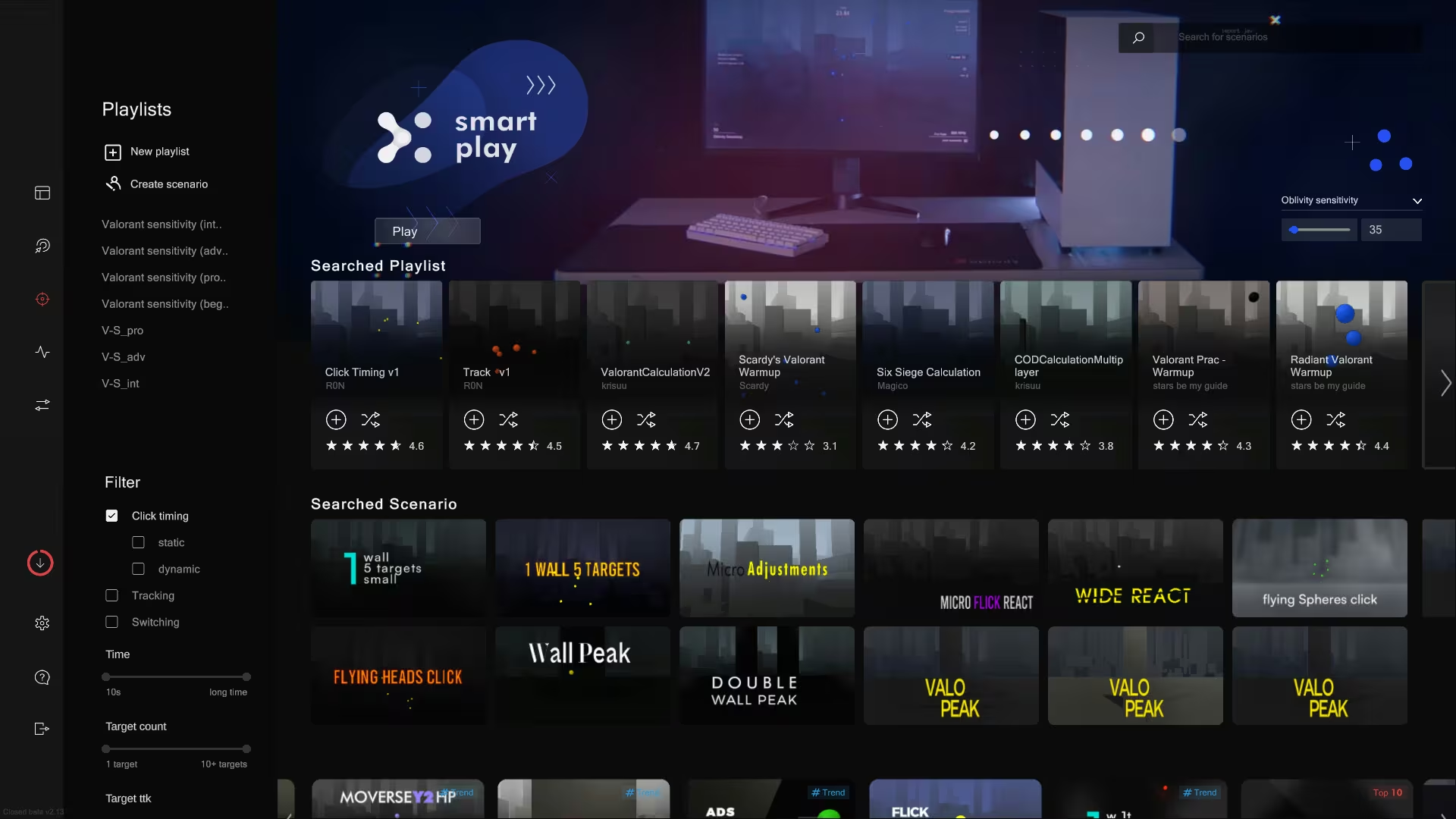
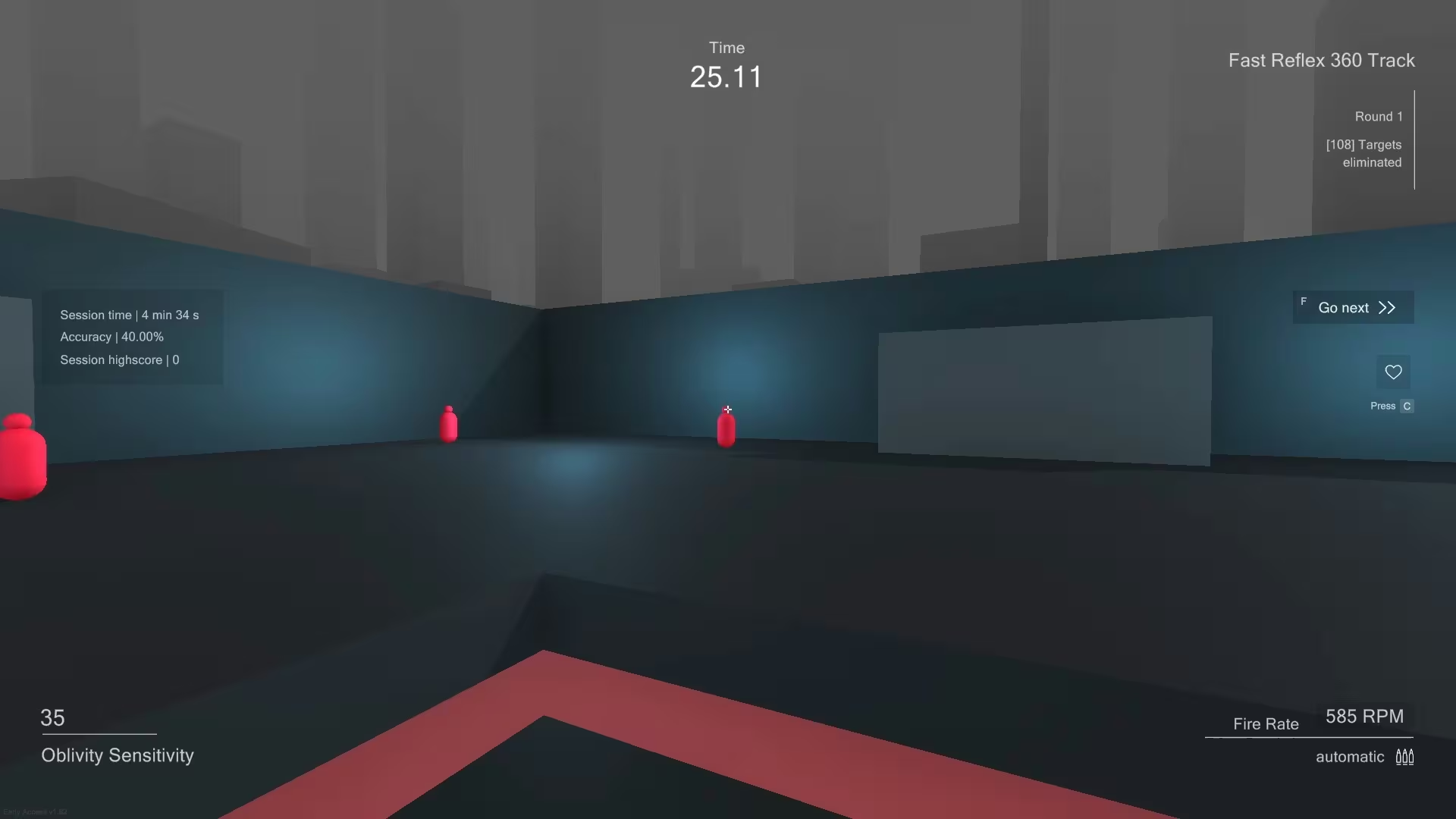
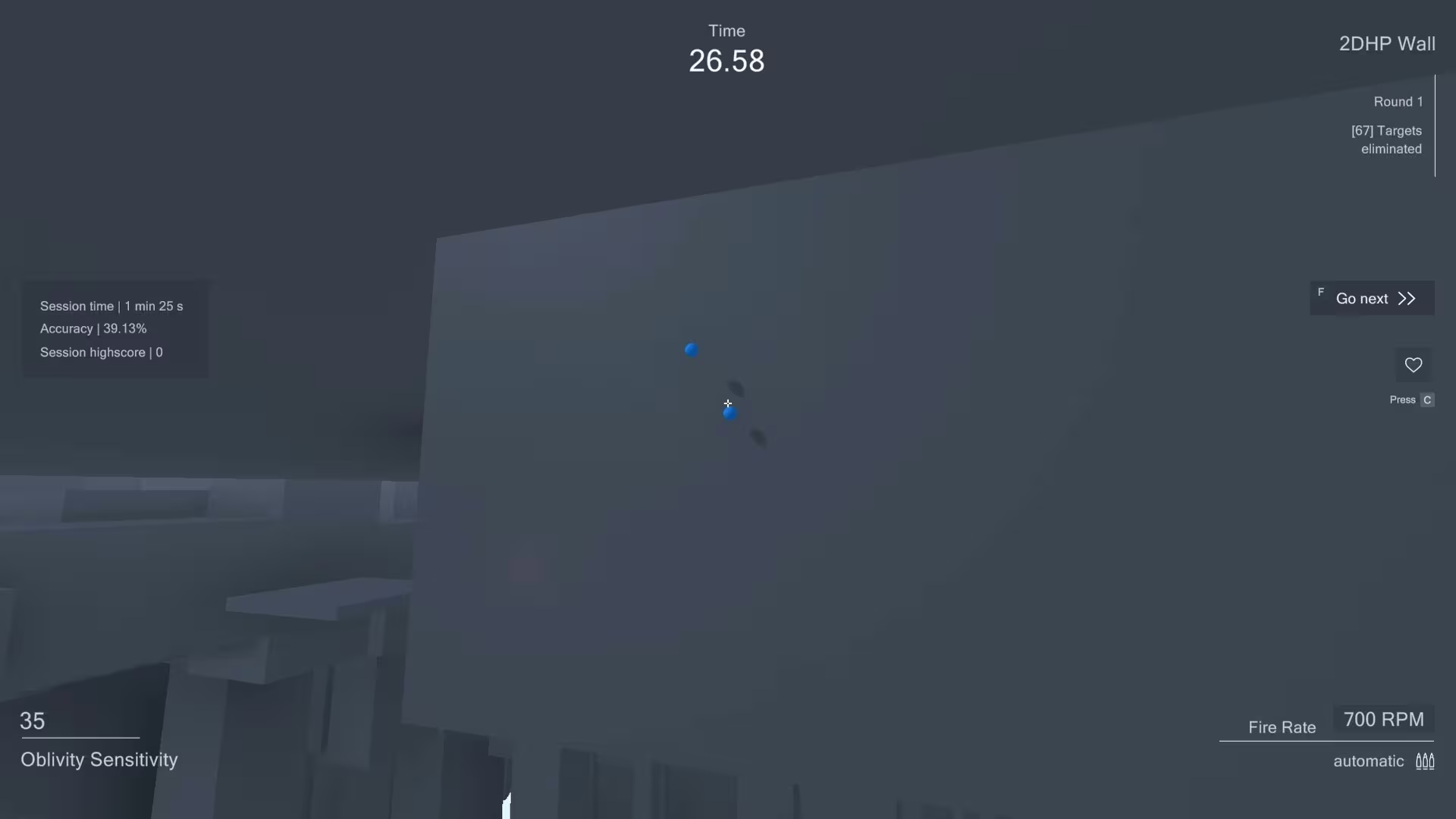
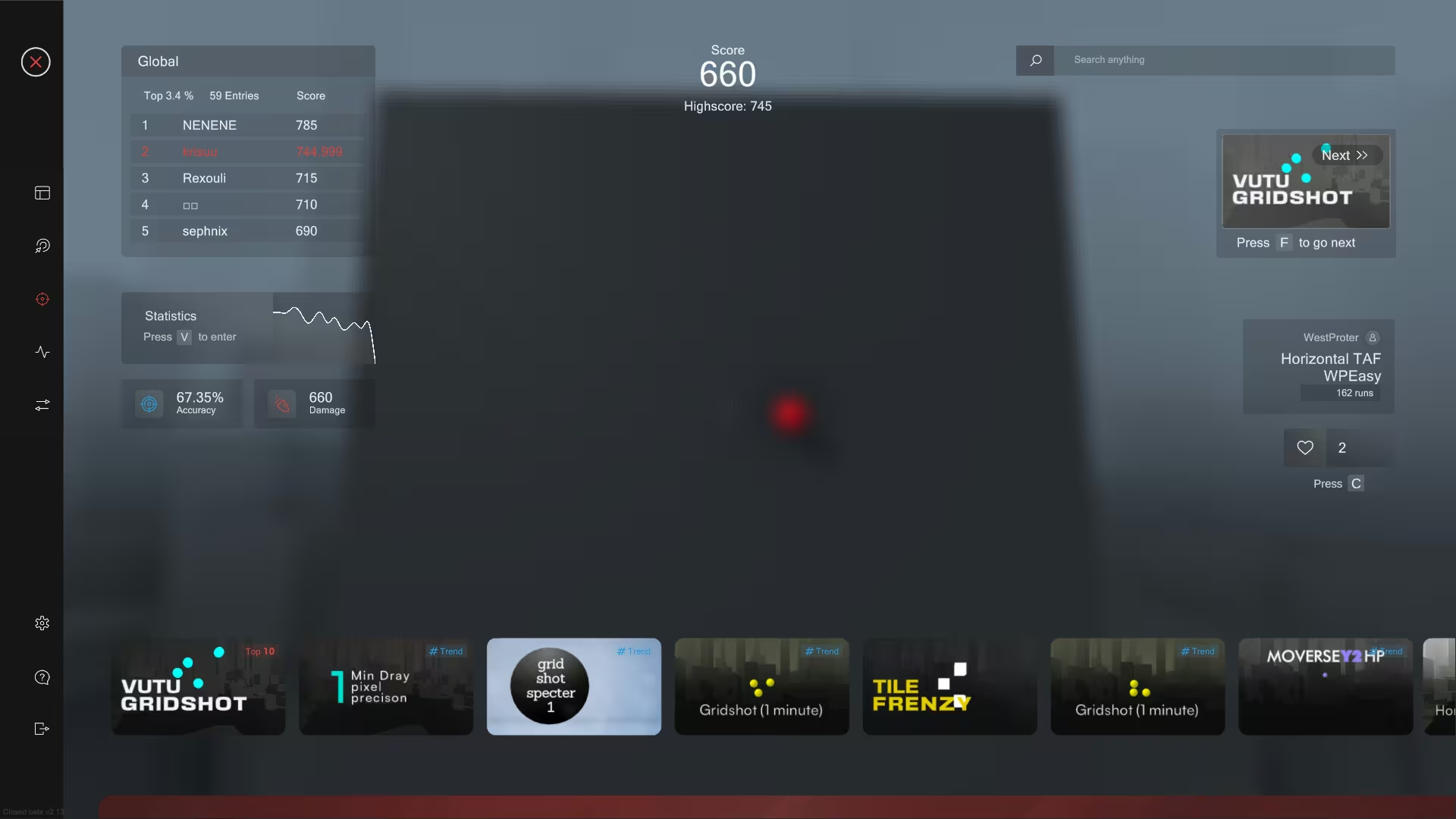
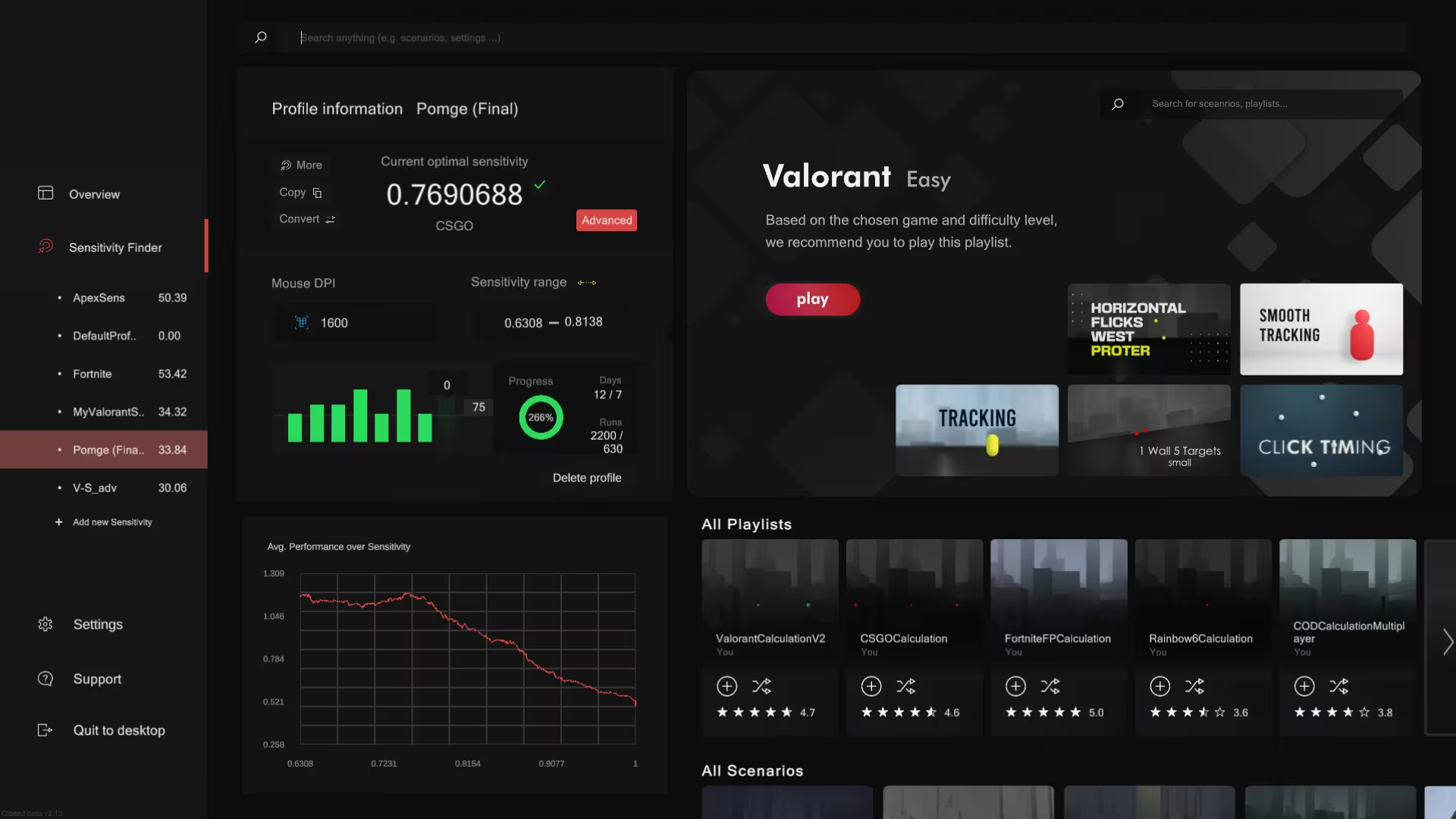
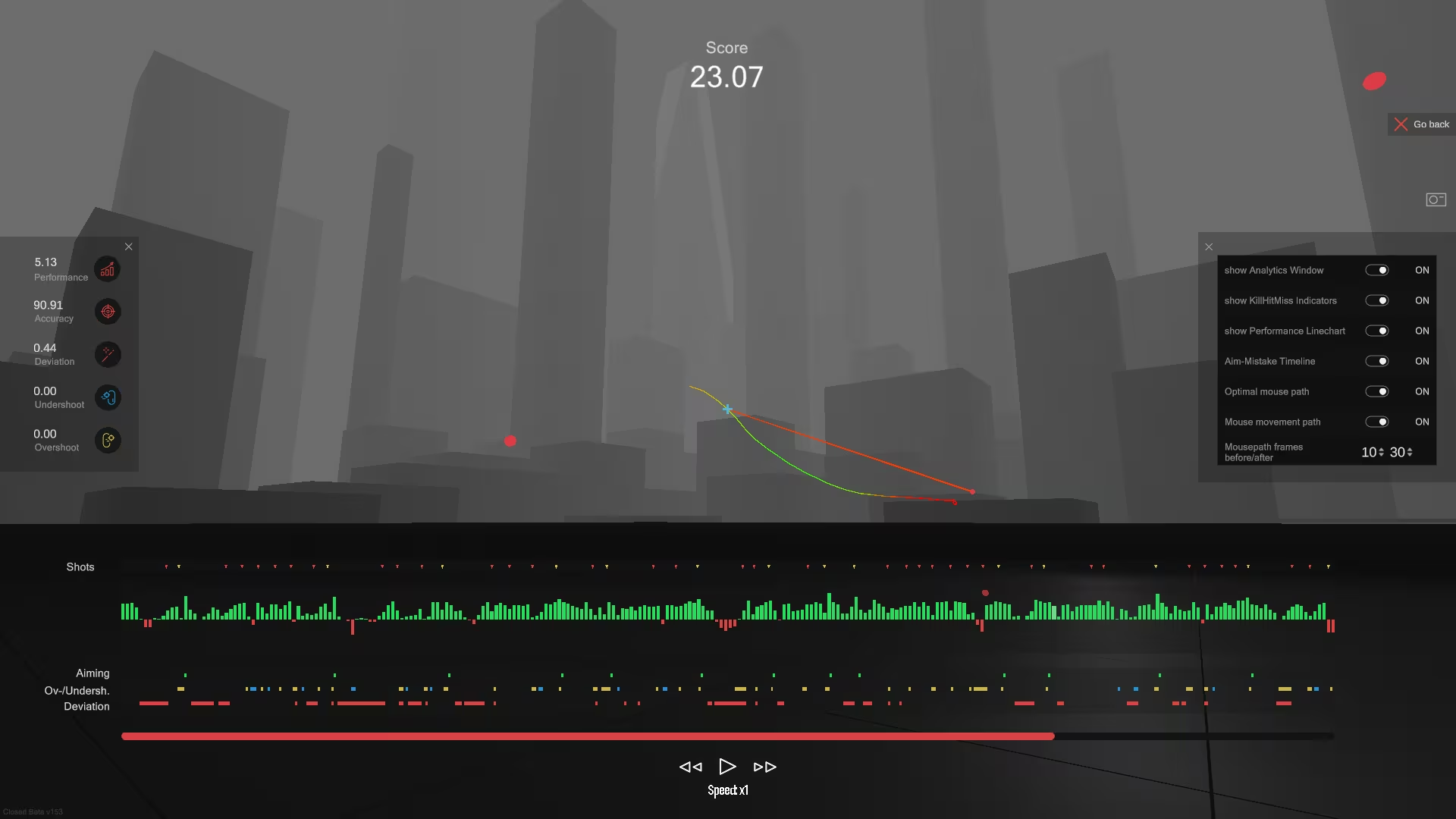
Oblivity is an advanced aim training software that provides everything you need to improve your aim! Find your perfect, intuitive mouse sensitivity with Oblivity's sensitivity finder. Or detect your bad aiming habits in the extensive analysis and replay space.
Global score
82/100
Genres
Action, Casual, Indie, Simulator
Similar games
Pros
- Effective sensitivity finder
- Detailed statistical feedback and replays
- Customization options
- Improves aiming skills
- Active developer support and updates
Cons
- Ui can be cluttered and confusing
- Performance issues like frame drops and stutters
- Limited social and community features
- Relatively high price compared to free alternatives
- Lack of narrative or immersive elements
Analysis
Broadly representative of its motivational profile, with a few distinct shifts. Motivations that often define this kind of title include Fantasy, Violence, Story, Thrill. It leans lower than usual among comparable games on Fantasy, Survival, Story.
How to use the graph
Similar games map
Each dot is a game. They are arranged from the same motivation profile as in the “Motivations” section below. Closer dots usually mean more similar reasons to play (exploration, competition, relaxation, etc.)—not that one game is “better” than another.
- Larger dot with a light outline: the game you are viewing.
- Colour: groups of games with comparable motivation patterns (statistical clusters).
- Hover a dot to see the game name; click to open its page.
- Scroll or double-click the chart to zoom out and see more games.
Why don’t the axes read like a score? This view uses t-SNE: it only keeps who is close to whom. The scales are not “good to bad” or hours played—they separate groups on the map. Read distance between dots, not the axis numbers.
Motivations
-
Autonomy4
"Players have control over their training routines, sensitivity ranges, and customization options, allowing personal freedom in how they engage with the game."
-
Competence4
"The game provides detailed statistical feedback, replays, and performance analysis that help players feel effective and improve their aiming skills."
-
Competition-3
"Focus is primarily on personal improvement and sensitivity finding rather than direct competition or leaderboards."
-
Continuation3
"Players report habitual use and long sessions to gather enough data for accurate sensitivity finding, indicating sustained engagement."
-
Cooperation-4
"The game is designed for individual training and improvement with minimal social or cooperative gameplay elements."
-
Creativity2
"Players can customize crosshairs, sounds, and create or download community playlists, offering some creative expression."
-
Domination-5
"Interactions are equal and focused on self-improvement without exerting control or superiority over others."
-
Escapism3
"Players use the game as a focused training tool and distraction from real life, often investing time to improve their skills."
-
Expectation-4
"Engagement is driven by intrinsic motivation to improve aim and find optimal sensitivity, not external pressure or obligation."
-
Experimenting4
"Players experiment with different sensitivities, training modes, and settings to find what works best for them."
-
Exploration-2
"The environment is mostly static with limited new areas; exploration is more about testing different sensitivity ranges and scenarios."
-
Expression2
"Customization of HUD elements, crosshairs, and sounds allows some degree of personal expression."
-
Fantasy-5
"The game is grounded in realistic aiming practice and sensitivity calibration without fictional or imaginative elements."
-
Fellowship-4
"Social features are minimal; community playlists exist but the experience is largely solitary."
-
Growth5
"Strong emphasis on learning, skill acquisition, and personal development through detailed feedback and training."
-
Health-3
"The game involves sedentary play with no physical activity or rehab components."
-
Idle-4
"Requires focused attention and active participation; not designed for passive or background play."
-
Intimacy-5
"No evidence of close social relationships or emotional sharing; interactions are individual and task-focused."
-
Leadership-5
"No leadership or group management roles; players engage independently."
-
Progression3
"Players accumulate data, improve stats, and unlock better sensitivity settings over time."
-
Relaxation1
"Some players find the training calming and rewarding, but the focus on improvement can also create tension."
-
Sensation2
"Visual and auditory feedback is present but minimal; some players desire more polish and sound options."
-
Status-4
"The game lacks social recognition systems like leaderboards or popularity metrics."
-
Story-5
"No narrative or plot; purely focused on training and sensitivity finding."
-
Strategy3
"Players analyze data and plan training routines to optimize sensitivity and aiming performance."
-
Thrill-3
"The experience is controlled and methodical rather than suspenseful or risky."
-
Value3
"Players perceive good return on investment through improved aim and sensitivity calibration, though some note the price is high for an aim trainer."
-
Violence-5
"No combat or destruction; focus is on constructive skill development."
-
Survival-5
"No threats or failure states; stable and safe training environment."
Last update: 29/04/2026