Occupy Mars: The Game Thumbnail

Occupy Mars: The Game similar games & best alternatives
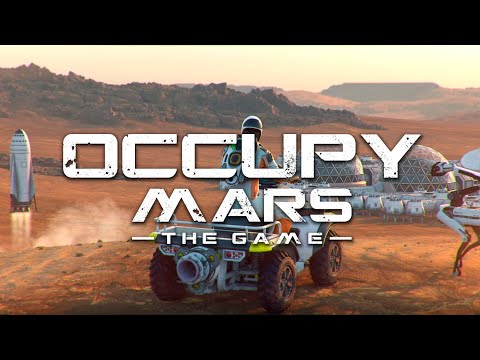
Occupy Mars: The Game

PC (Microsoft Windows) • 2026

Related articles

Quick resume

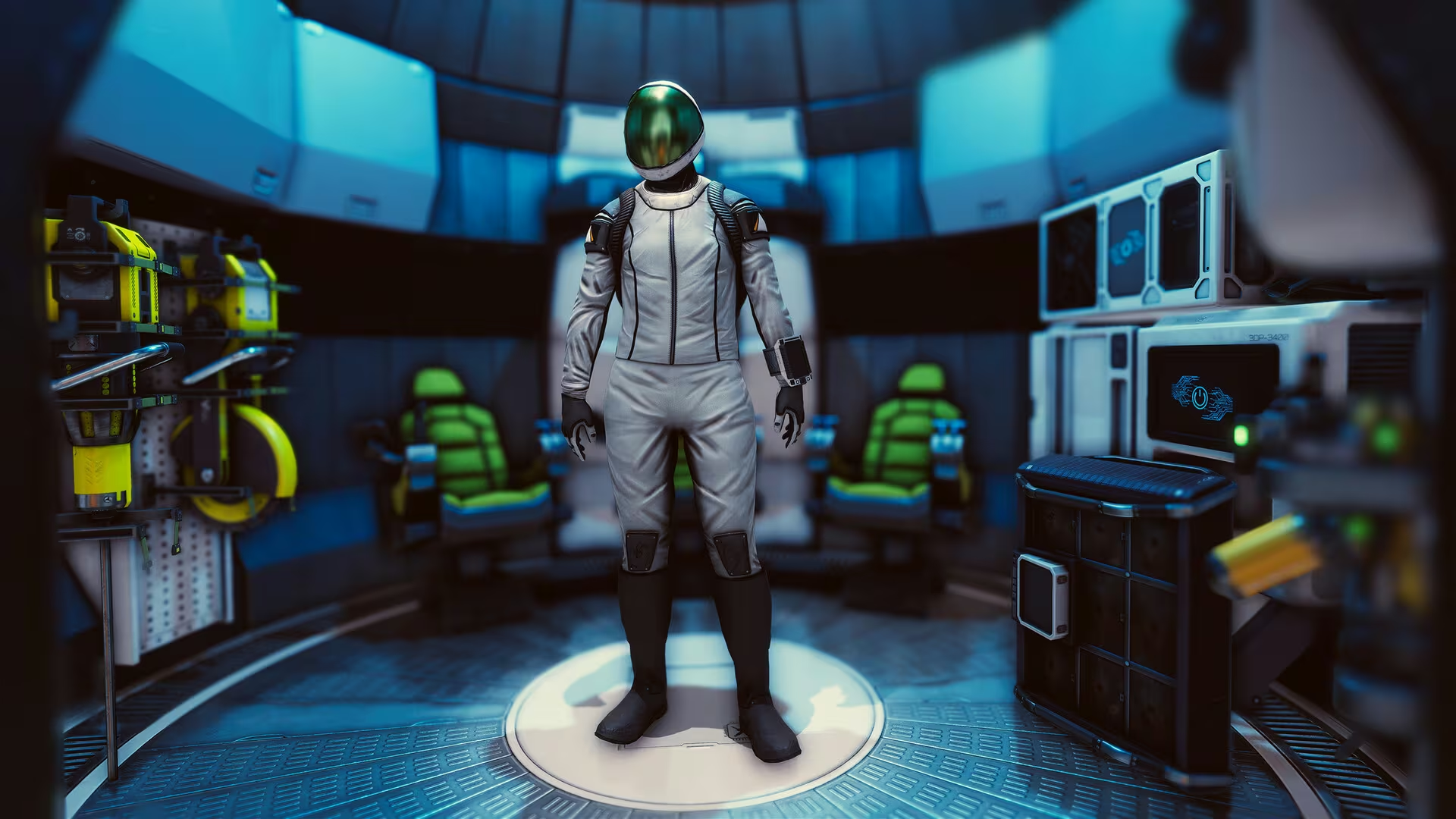
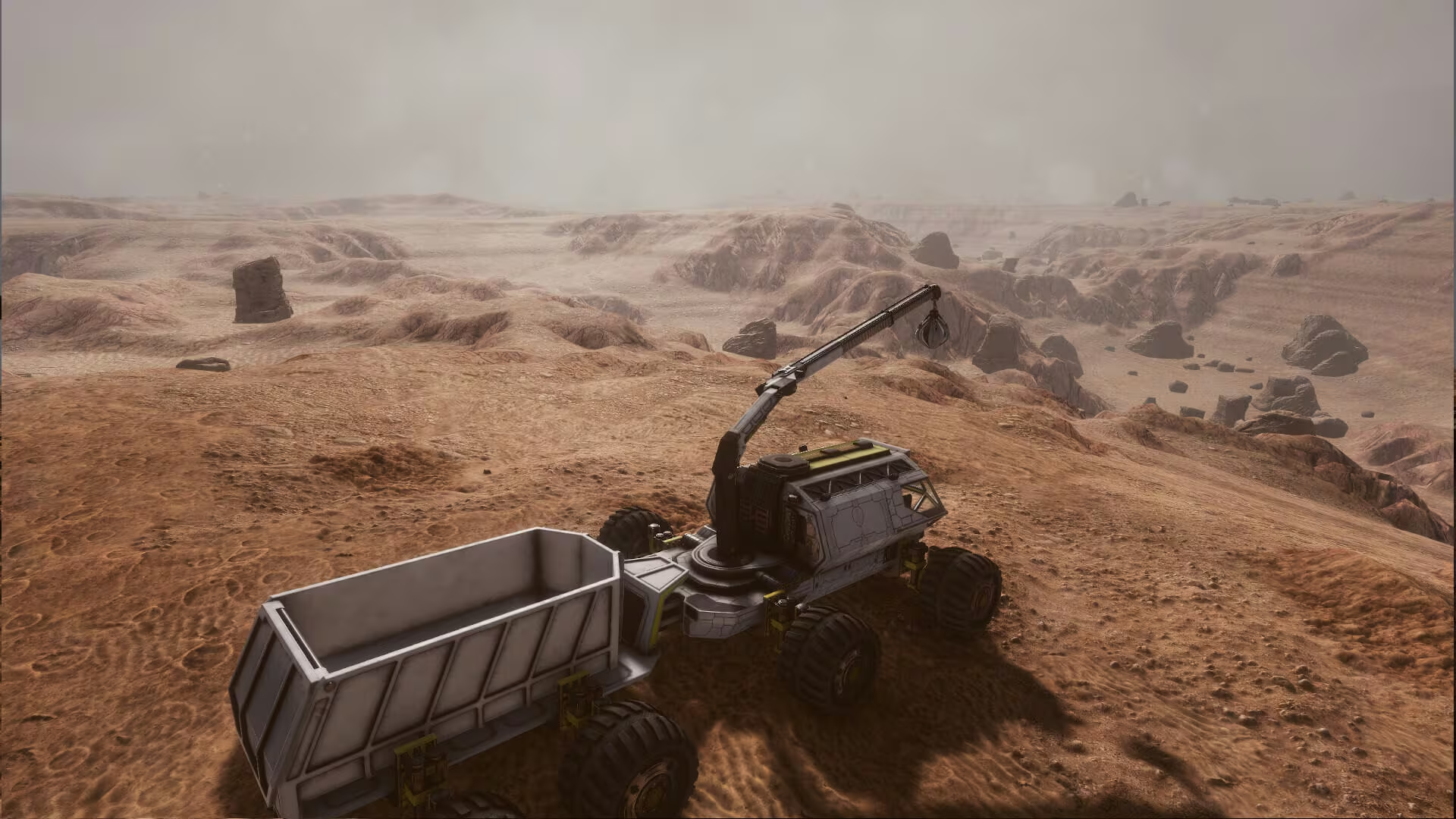
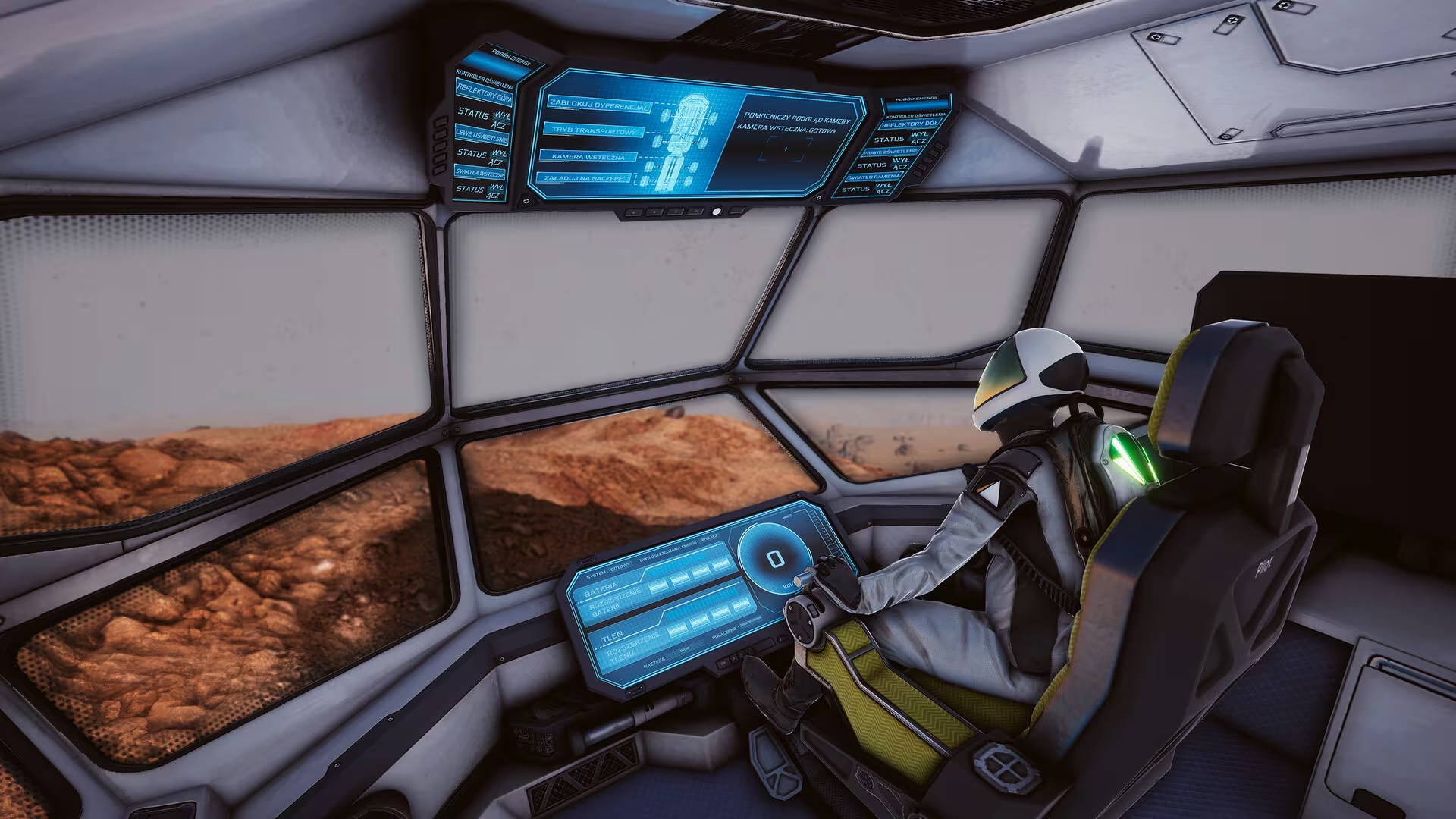
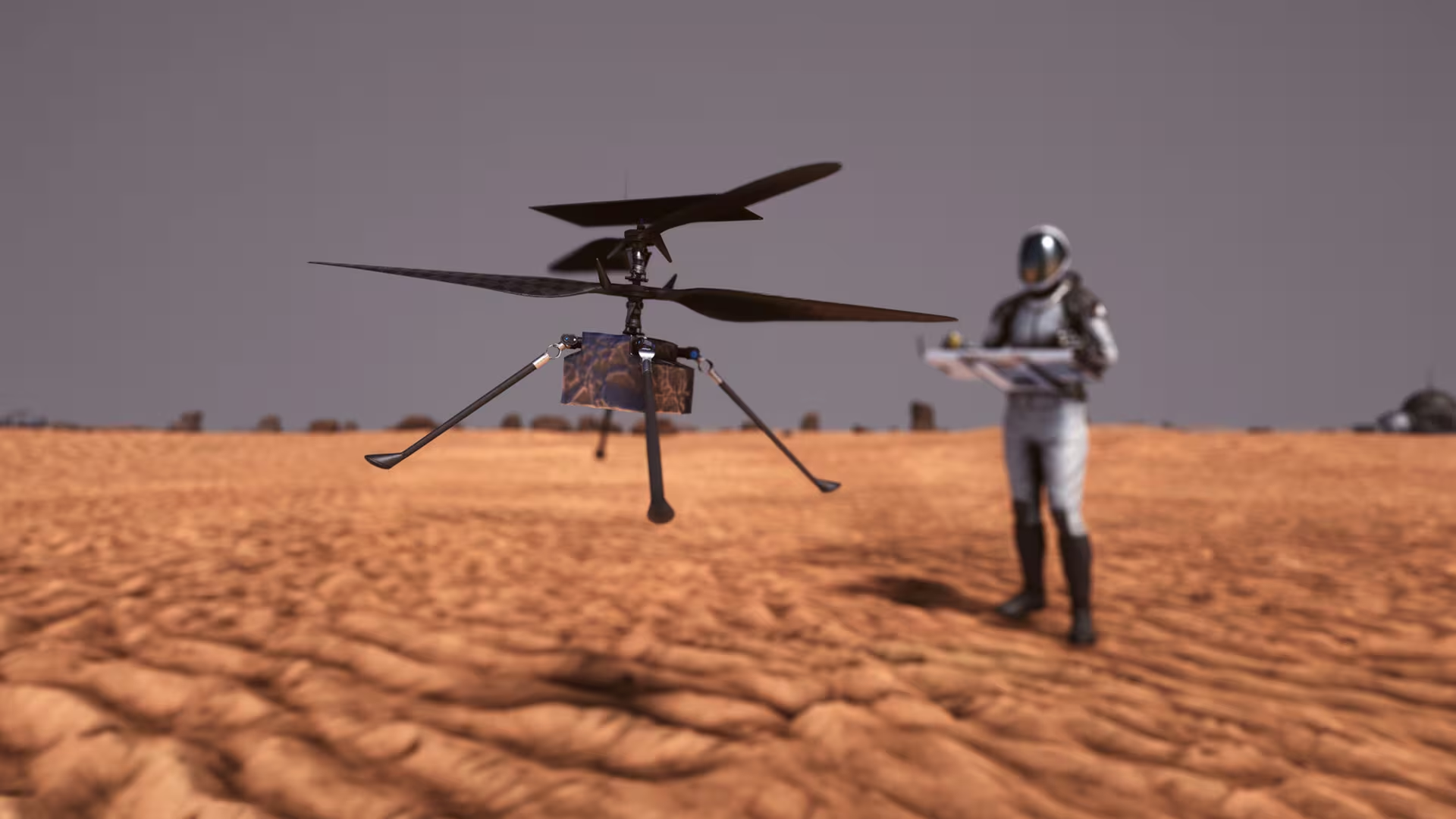
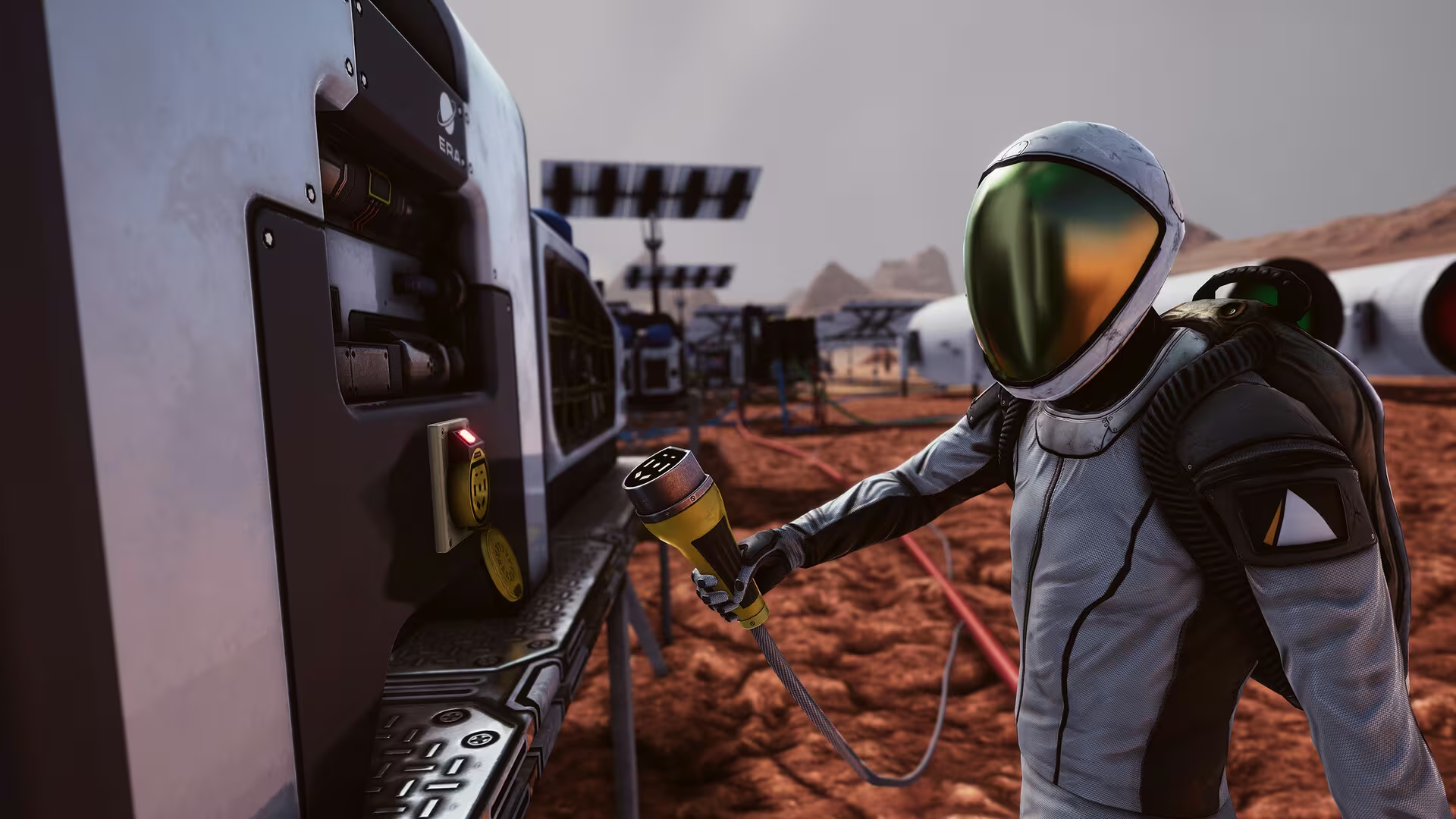
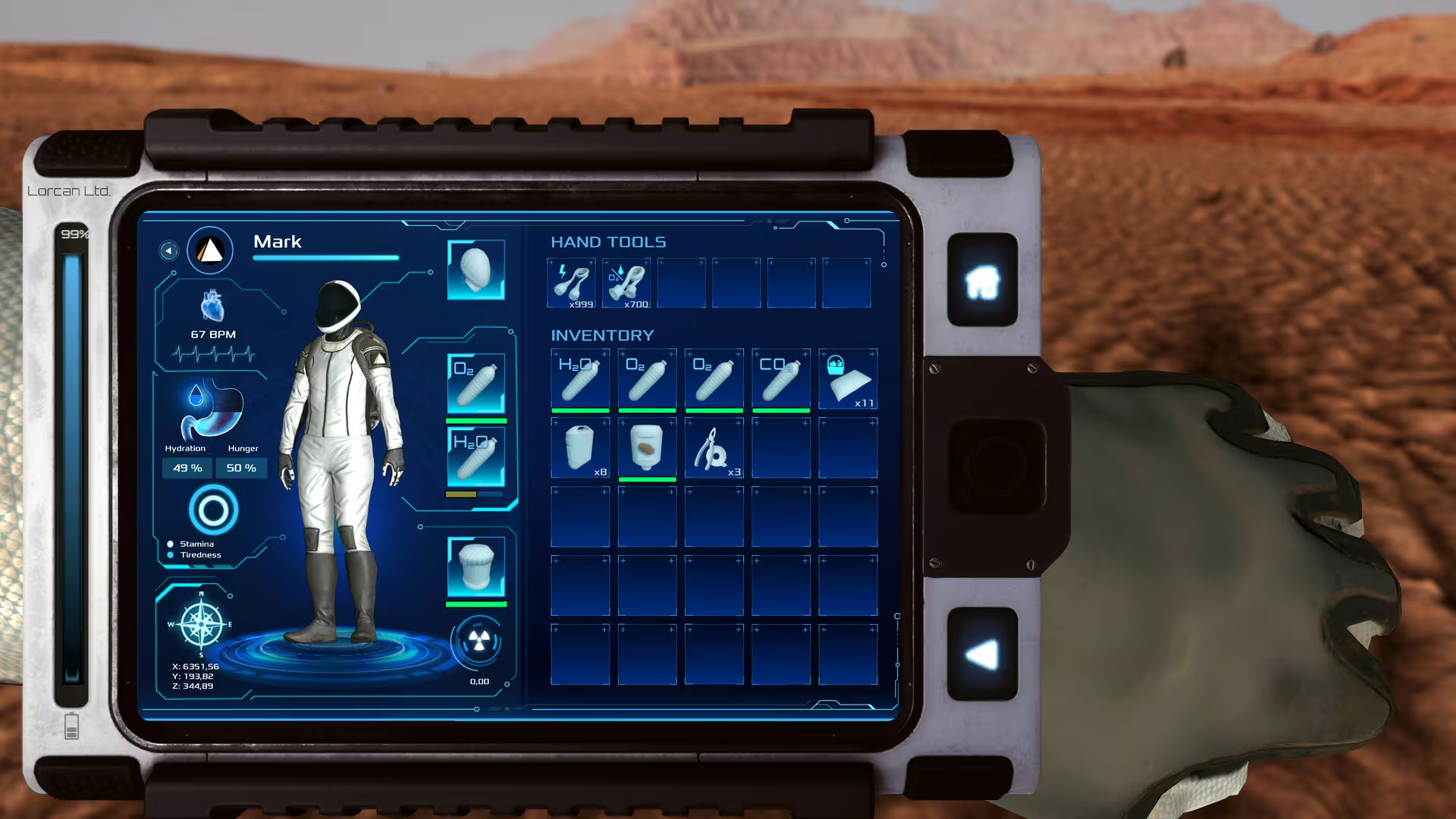
Survive and colonize Mars in a highly technical, open-world sandbox game. Build and upgrade your base, discover new regions, conduct mining operations, retrieve water, generate oxygen, grow crops, and fix broken parts.

Global score

70/100

Genres

Adventure, Indie, Simulator, Free To Play

Similar games

    Pros

    • Immersive mars survival experience
    • Complex base building and resource management
    • Active developer support and frequent updates
    • Challenging and rewarding progression
    • Large explorable environment with ruins

    Cons

    • Early access bugs and performance issues
    • Tedious grinding and slow progression pacing
    • Clunky controls and animations
    • Limited guidance and tutorial clarity
    • Lack of multiplayer/co-op at present

    Analysis

    Less representative of its motivational profile, with noticeable differences. Motivations that often define this kind of title include Relaxation, Survival, Violence, Fellowship. Here, the score leans higher than usual among comparable games on Cooperation, Expression. It leans lower than usual among comparable games on Violence.

    How to use the graph
    Similar games map

    Each dot is a game. They are arranged from the same motivation profile as in the “Motivations” section below. Closer dots usually mean more similar reasons to play (exploration, competition, relaxation, etc.)—not that one game is “better” than another.

    • Larger dot with a light outline: the game you are viewing.
    • Colour: groups of games with comparable motivation patterns (statistical clusters).
    • Hover a dot to see the game name; click to open its page.
    • Scroll or double-click the chart to zoom out and see more games.

    Why don’t the axes read like a score? This view uses t-SNE: it only keeps who is close to whom. The scales are not “good to bad” or hours played—they separate groups on the map. Read distance between dots, not the axis numbers.

    Motivations

    • Autonomy
      4

      "Players have freedom to explore, build, and manage their base with minimal handholding, especially in free play mode."

    • Competence
      4

      "The game involves technical challenges, resource management, and skill progression through research and crafting."

    • Competition
      -4

      "Focus is on personal survival and base building without competitive or ranked multiplayer elements."

    • Continuation
      3

      "Many players report long play sessions and repeated restarts due to challenge and progression."

    • Cooperation
      1

      "Currently single-player focused but multiplayer/co-op is requested and planned, minimal cooperation now."

    • Creativity
      3

      "Players build and customize bases, manage power and life support systems with some freedom in design."

    • Domination
      -5

      "No evidence of exerting control or superiority over others; interactions are individual and survival focused."

    • Escapism
      4

      "Players use the game to immerse in a Mars survival experience, escaping real life through exploration and building."

    • Expectation
      -3

      "Players engage voluntarily out of interest and intrinsic motivation rather than obligation."

    • Experimenting
      3

      "Players experiment with base layouts, power setups, and survival strategies to optimize progress."

    • Exploration
      4

      "Exploration of ruins and the Martian landscape is a key gameplay element and progression mechanic."

    • Expression
      2

      "Some customization of base and equipment is possible, but limited cosmetic personalization."

    • Fantasy
      3

      "Set in a near-future Mars colonization scenario with some fictionalized elements and survival challenges."

    • Fellowship
      -4

      "Primarily a solo experience with minimal social connection; multiplayer/co-op not yet implemented."

    • Growth
      4

      "Players learn complex systems, improve skills, and unlock technologies over time."

    • Health
      -4

      "Sedentary gameplay with no physical activity; focus on mental challenge rather than physical health."

    • Idle
      -3

      "Requires sustained attention and active management; waiting periods are frustrating rather than relaxing."

    • Intimacy
      -5

      "No evidence of close relationships or emotional sharing; gameplay is solitary and task-focused."

    • Leadership
      -5

      "No leadership or group management roles; players act independently."

    • Progression
      4

      "Strong progression through research, crafting, base expansion, and unlocking new technologies."

    • Relaxation
      -2

      "Gameplay can be tense and challenging with survival pressures and resource management stress."

    • Sensation
      2

      "Visuals and sound design contribute to immersion but are not highly stimulating or intense."

    • Status
      -4

      "No social recognition or leaderboards; achievements are personal and not publicly ranked."

    • Story
      1

      "Campaign and lore exist but many players focus on sandbox mode; story is minimal and secondary."

    • Strategy
      4

      "Requires planning, problem solving, and logical thinking to manage resources and base systems."

    • Thrill
      2

      "Some suspense from environmental hazards and survival threats, but overall controlled gameplay."

    • Value
      4

      "Players feel they get good entertainment value for the price and hours invested."

    • Violence
      -5

      "No combat or destruction for its own sake; focus is on constructive survival and building."

    • Survival
      5

      "Core gameplay revolves around managing threats, resources, and staying alive on Mars."

    Last update: 29/04/2026