Occupy White Walls Thumbnail

Occupy White Walls similar games & best alternatives
Occupy White Walls

PC (Microsoft Windows) • 2022

Related articles

Quick resume

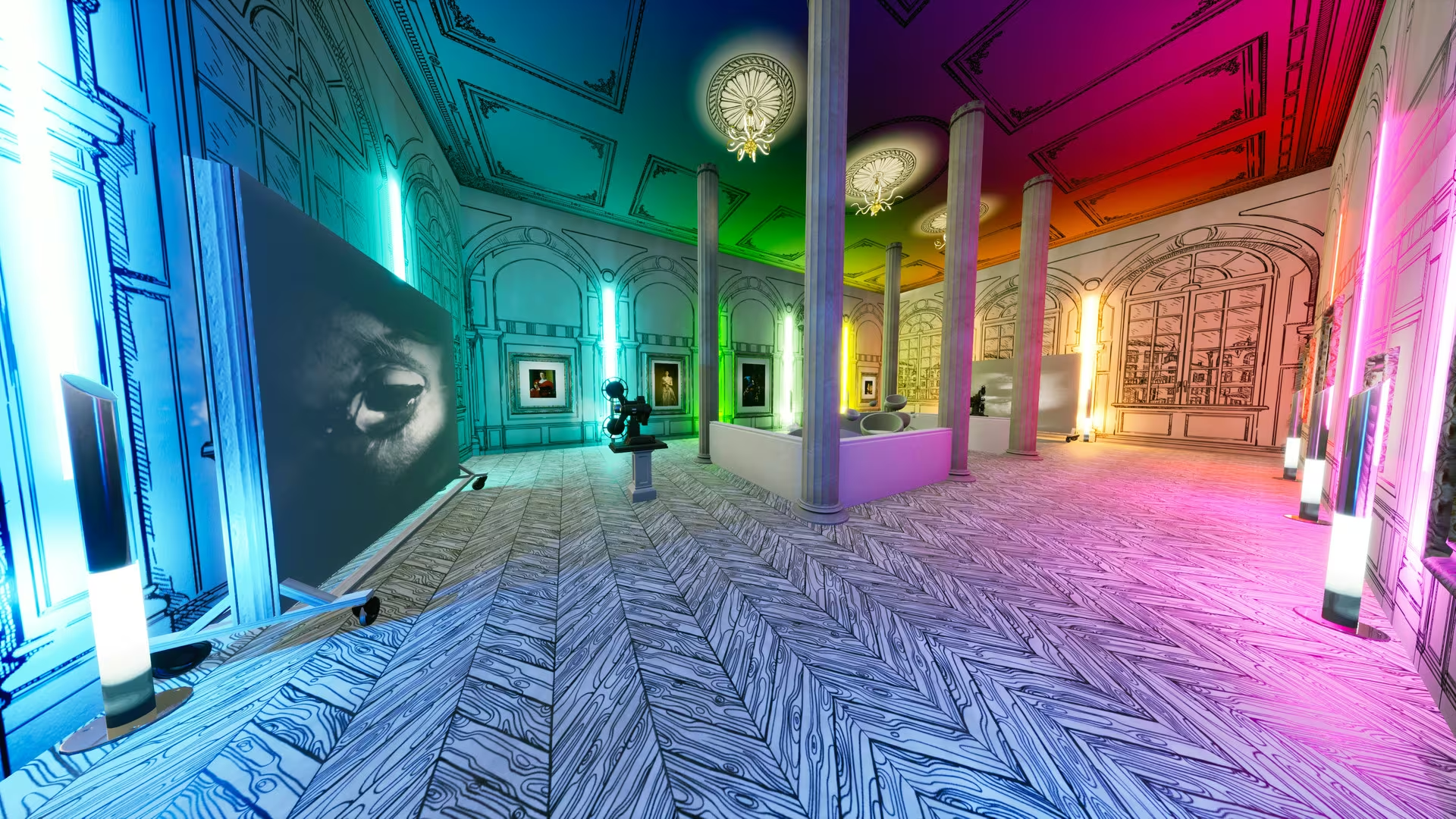
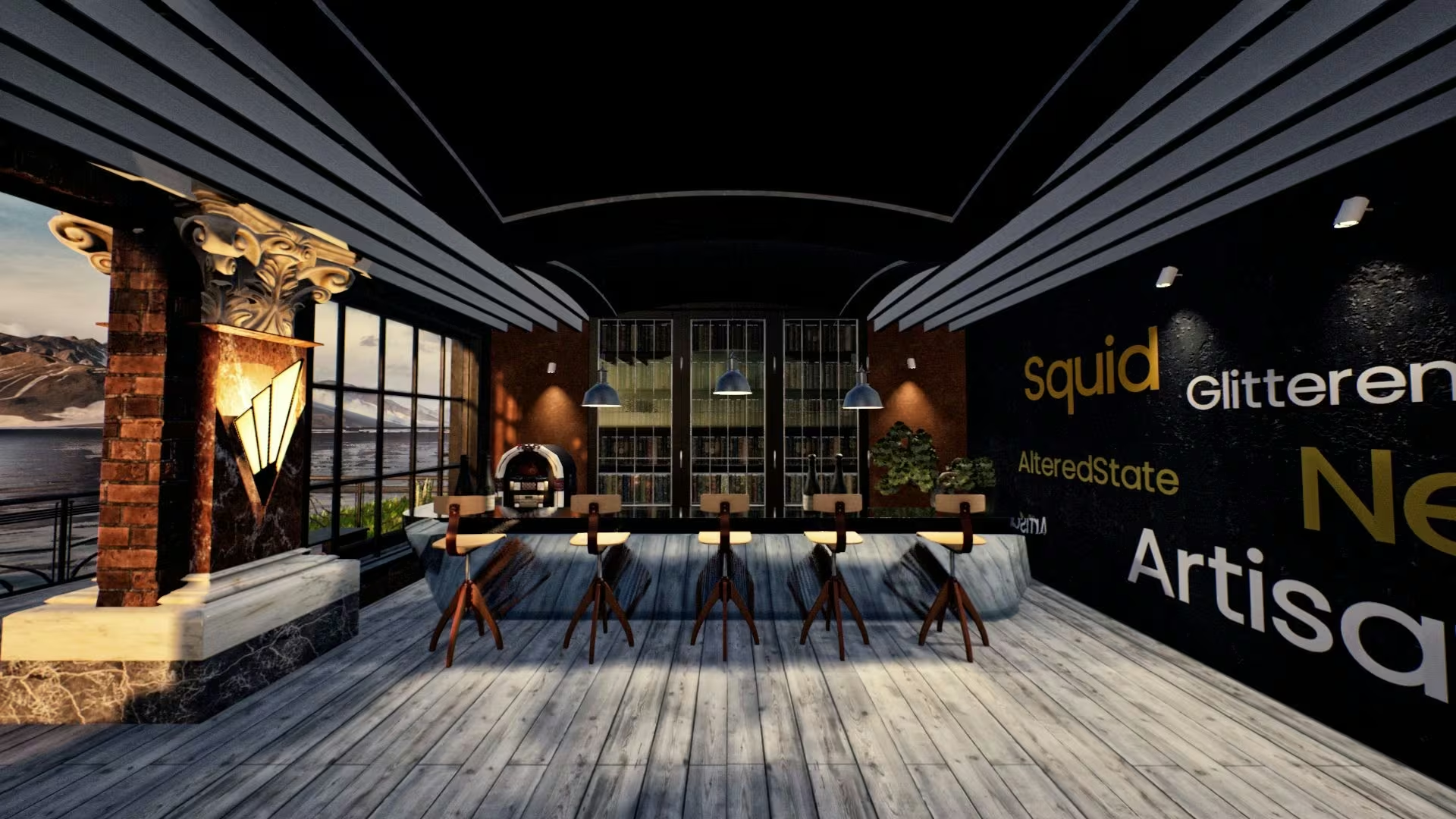
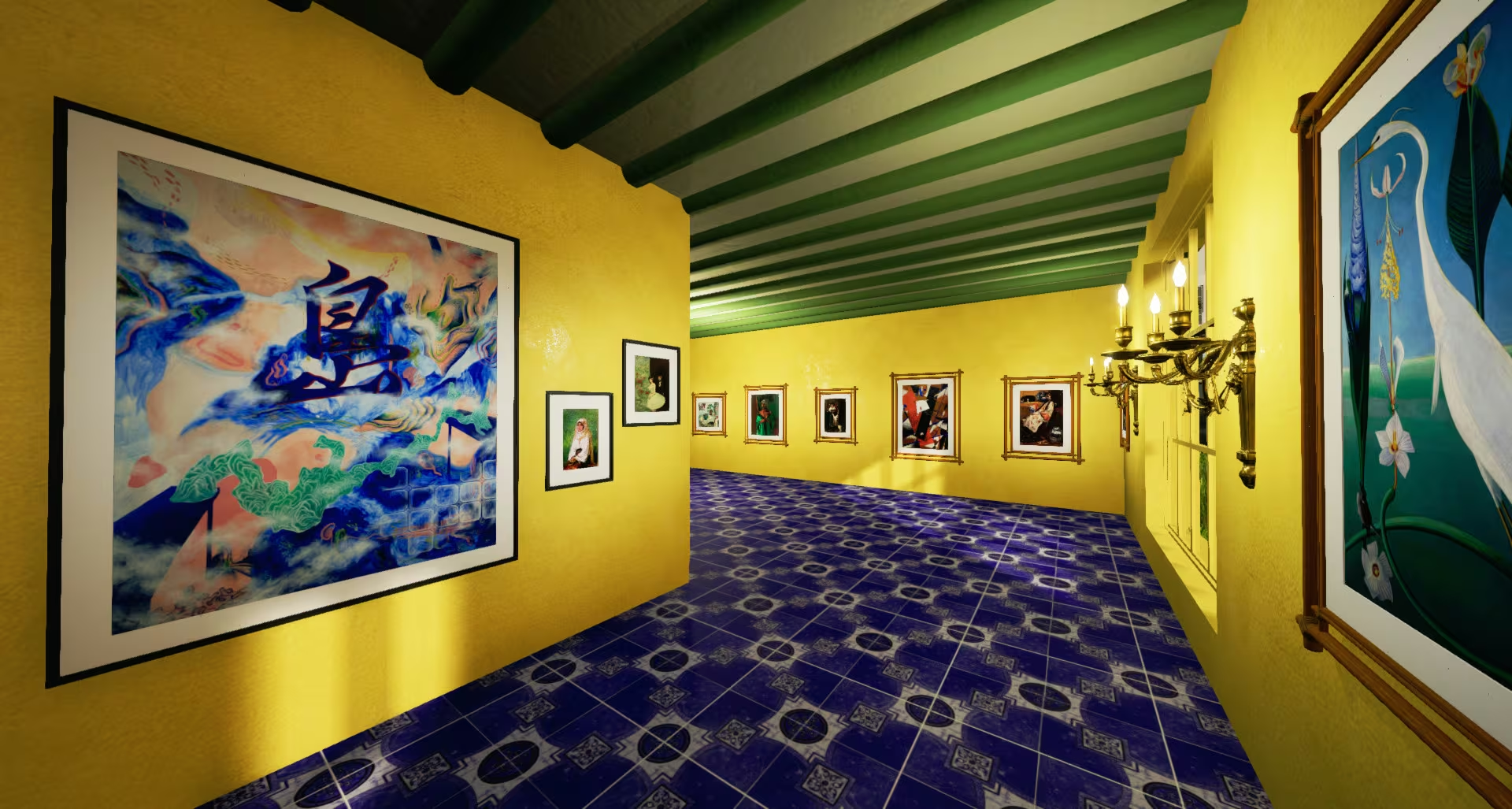
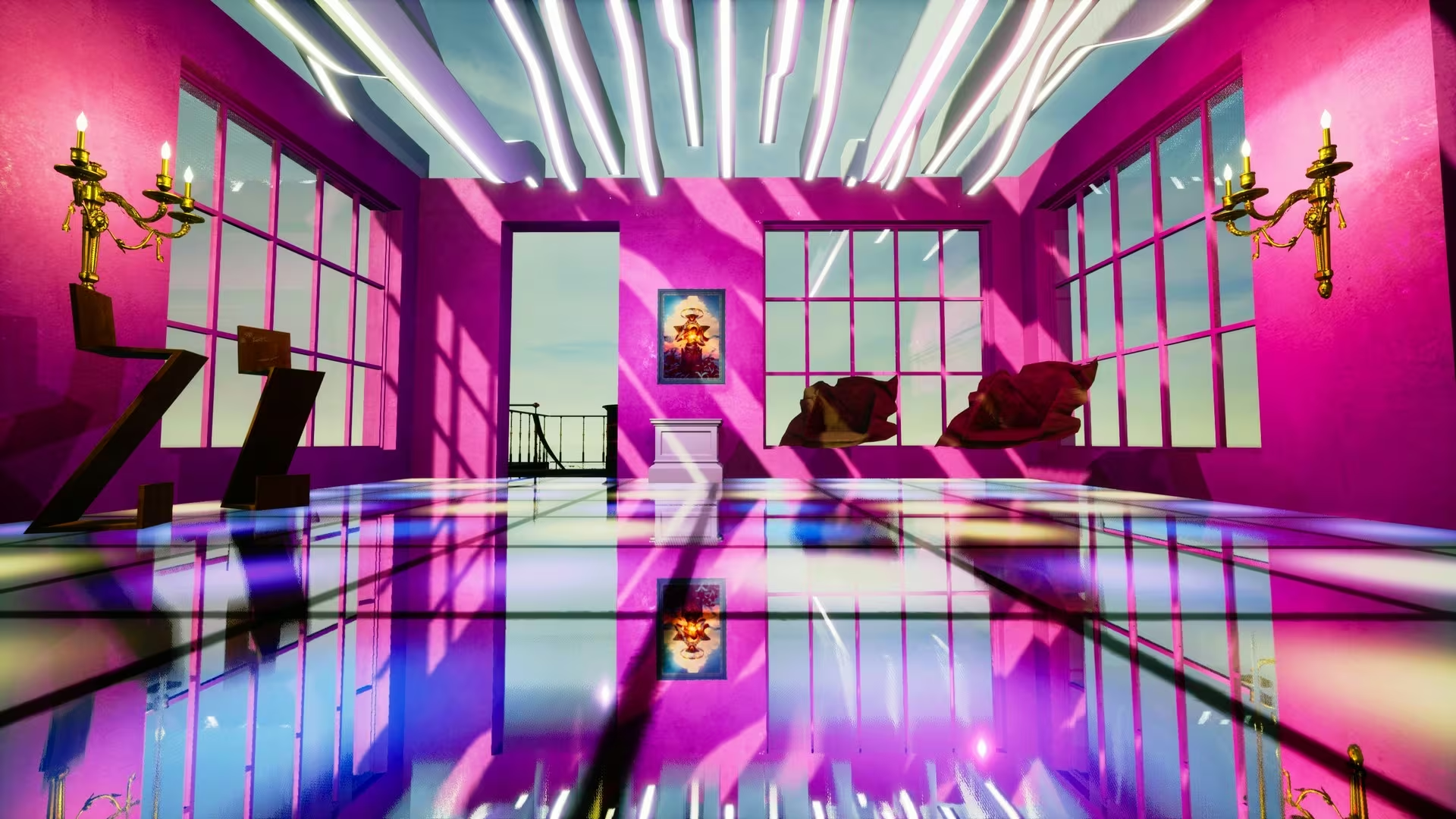
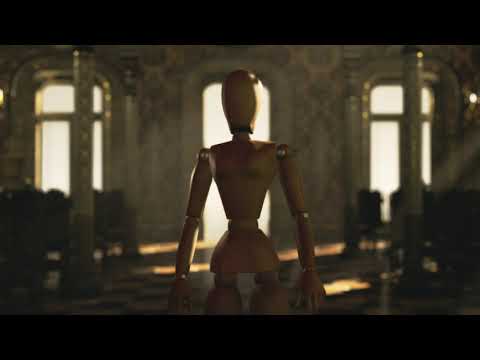
A game about building art galleries may sound boring until you realise that just about anything can be an art gallery... Add in cutting edge AI, extremely creative community, Unreal graphics, and did we mention it's free?

Global score

92/100

Genres

Casual, Indie, Massively Multiplayer, Simulator, Free To Play

Similar games

    Pros

    • Free to play with no microtransactions
    • Unique creative building and art curation gameplay
    • Friendly and supportive community
    • Relaxing and calming atmosphere
    • Large collection of real-world art

    Cons

    • Limited social features and collaboration
    • Some bugs and server instability reported
    • Building tools could be more flexible
    • Small player base limits multiplayer interaction
    • Art search and discovery interface could improve

    Analysis

    Less representative of its motivational profile, with noticeable differences. Motivations that often define this kind of title include Intimacy, Survival, Violence, Competition. Here, the score leans higher than usual among comparable games on Status. It leans lower than usual among comparable games on Story, Fantasy.

    How to use the graph
    Similar games map

    Each dot is a game. They are arranged from the same motivation profile as in the “Motivations” section below. Closer dots usually mean more similar reasons to play (exploration, competition, relaxation, etc.)—not that one game is “better” than another.

    • Larger dot with a light outline: the game you are viewing.
    • Colour: groups of games with comparable motivation patterns (statistical clusters).
    • Hover a dot to see the game name; click to open its page.
    • Scroll or double-click the chart to zoom out and see more games.

    Why don’t the axes read like a score? This view uses t-SNE: it only keeps who is close to whom. The scales are not “good to bad” or hours played—they separate groups on the map. Read distance between dots, not the axis numbers.

    Motivations

    • Autonomy
      5

      "Players have full freedom to design and build their own galleries, choose art, and customize their space without rigid constraints."

    • Competence
      2

      "There is a progression system and some building skill involved, but gameplay is mostly relaxed and not highly challenging."

    • Competition
      -4

      "Focus is on personal creativity and exploration rather than competing against others."

    • Continuation
      4

      "Many players report long sessions and habitual play due to creative engagement and social interaction."

    • Cooperation
      2

      "Social features allow visiting others' galleries, chatting, and commenting, but collaboration is limited."

    • Creativity
      5

      "Core gameplay revolves around creative building, designing galleries, and curating art collections."

    • Domination
      -5

      "Interactions are friendly and equal; no evidence of power imposition or dominance."

    • Escapism
      4

      "Players use the game as a relaxing, stress-relieving creative outlet and escape from competitive games."

    • Expectation
      -5

      "Players engage voluntarily out of interest and enjoyment, with no pressure or obligation."

    • Experimenting
      4

      "Players experiment with different art styles, gallery layouts, and aesthetics to express themselves."

    • Exploration
      4

      "Exploring other players' galleries and discovering new art is a key part of the experience."

    • Expression
      5

      "Strong emphasis on self-expression through gallery design, art curation, and music selection."

    • Fantasy
      -3

      "Focus on real-world art and plausible gallery building rather than fictional or fantastical themes."

    • Fellowship
      3

      "Community is described as friendly and supportive, with social chat and shared interests."

    • Growth
      3

      "Players learn about art, building techniques, and develop creative skills over time."

    • Health
      -5

      "No physical activity involved; sedentary gameplay."

    • Idle
      -3

      "Requires active engagement in building and exploring rather than passive or background play."

    • Intimacy
      2

      "Social interactions are friendly and supportive but mostly surface-level without deep emotional sharing."

    • Leadership
      Insufficient data
    • Progression
      3

      "Players accumulate art pieces, unlock building assets, and expand galleries as they progress."

    • Relaxation
      5

      "Game is frequently described as relaxing, calming, and a stress reliever."

    • Sensation
      3

      "Enjoyable visuals, music, and atmosphere provide sensory pleasure without overwhelming stimulation."

    • Status
      1

      "Some recognition through community comments and gallery visits, but no competitive ranking."

    • Story
      -5

      "No narrative or plot; gameplay is context-free sandbox building and art curation."

    • Strategy
      1

      "Some planning involved in gallery layout and art selection, but no complex problem solving."

    • Thrill
      -5

      "No suspense or risk; gameplay is calm and predictable."

    • Value
      5

      "Free to play with no microtransactions; players feel they get great value for their time."

    • Violence
      -5

      "No violence; focus on constructive building and art appreciation."

    • Survival
      -5

      "No threats or failure states; stable and safe environment."

    Last update: 29/04/2026