Order of Battle: World War II Thumbnail

Order of Battle: World War II similar games & best alternatives
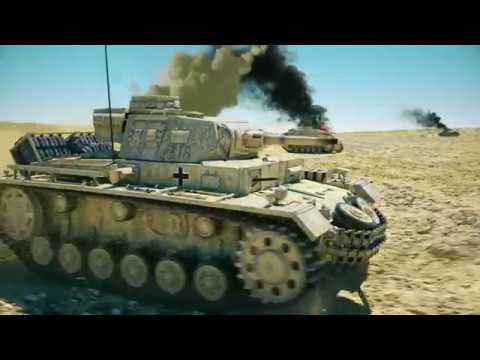
Order of Battle: World War II

PC (Microsoft Windows), Xbox One, PlayStation 4, Mac • 2015

Related articles

Quick resume

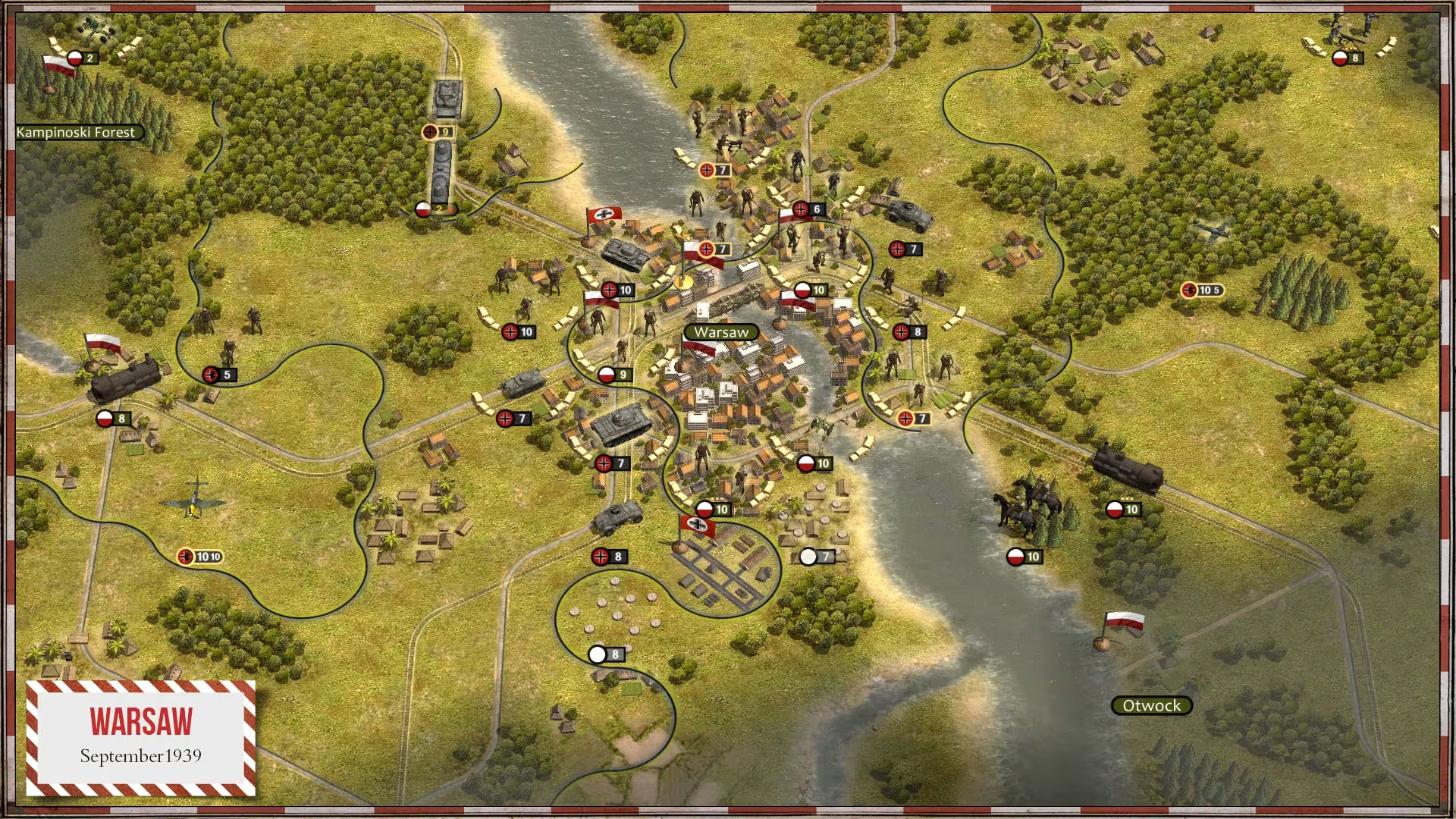
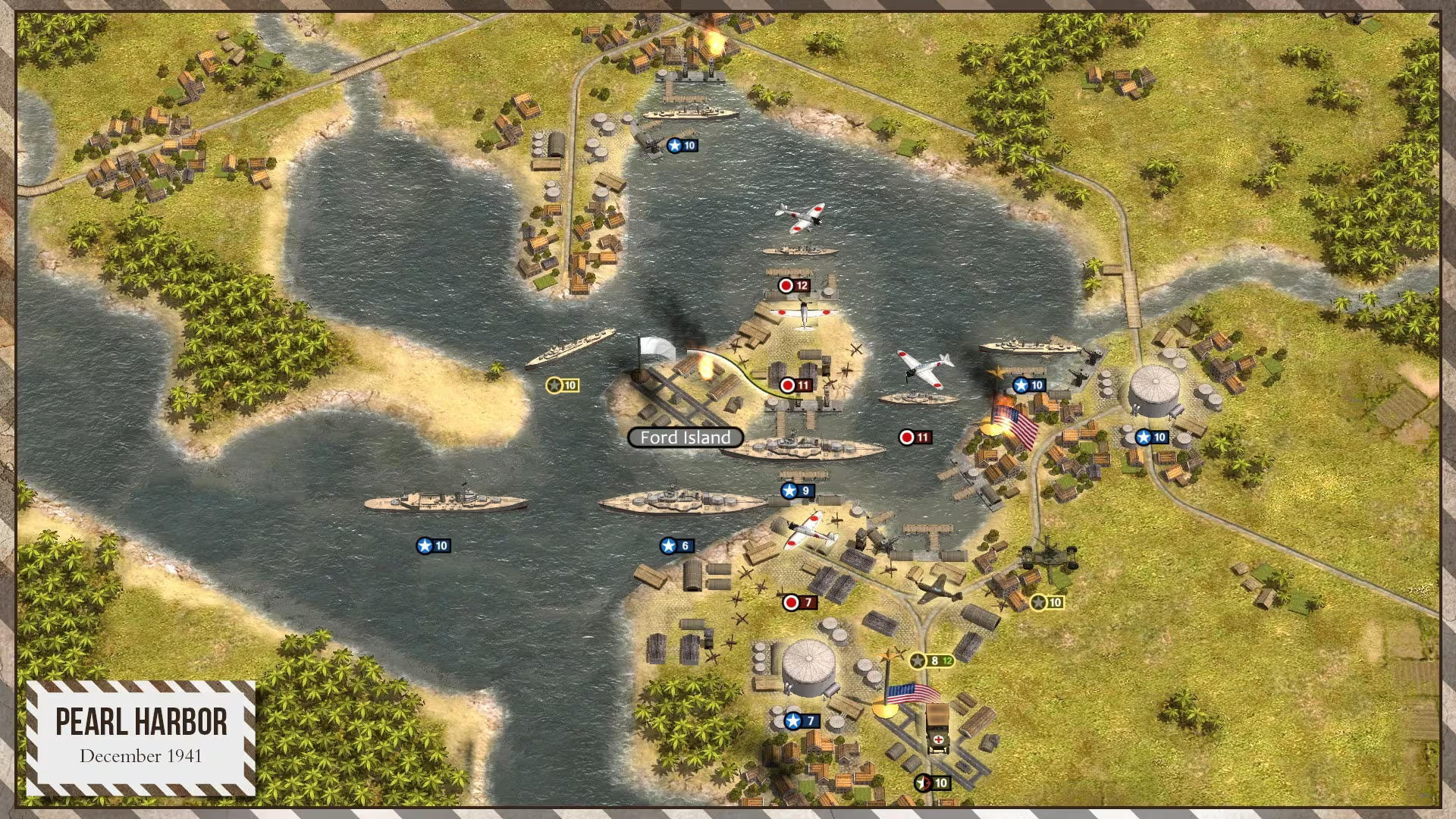
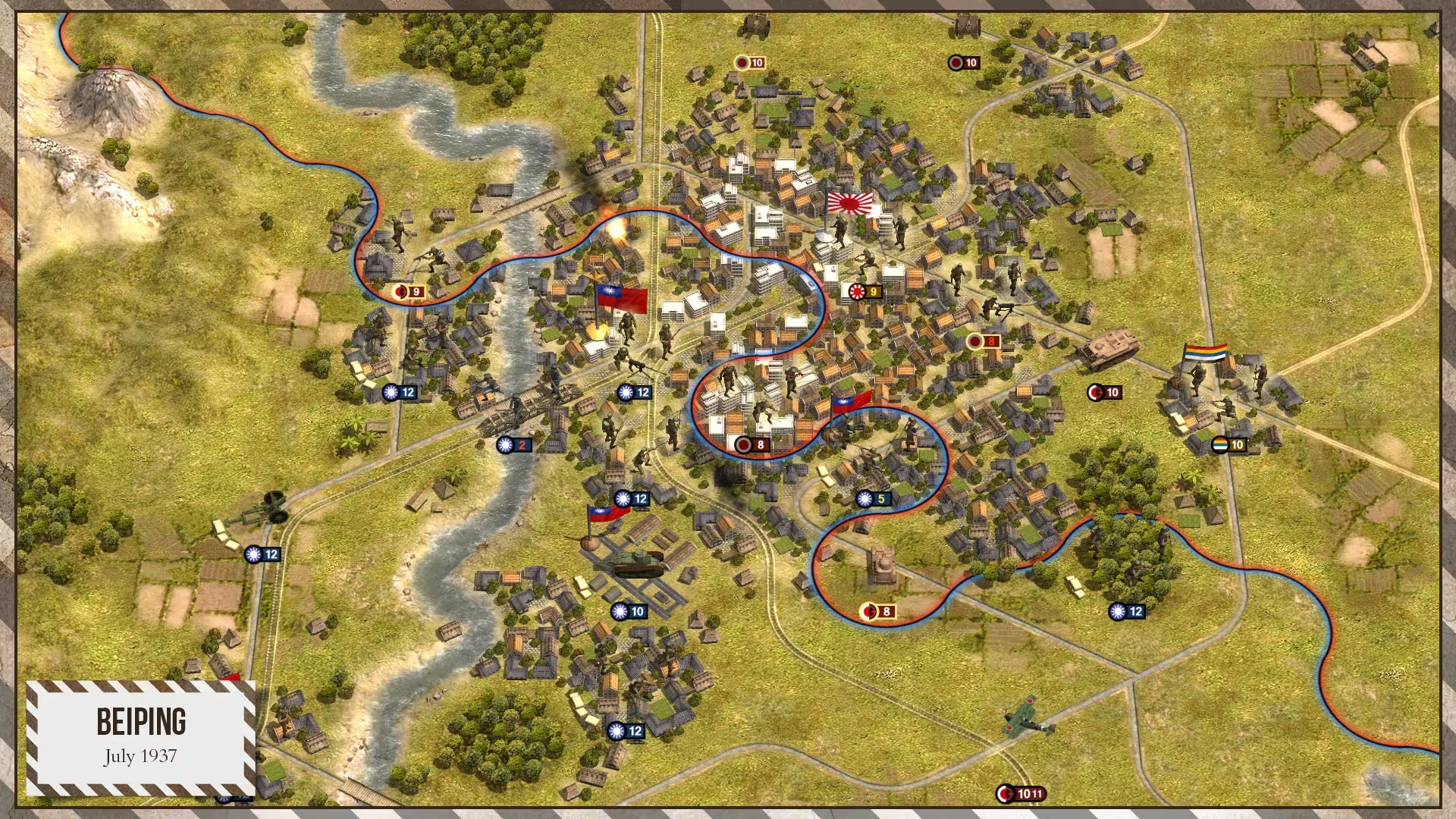
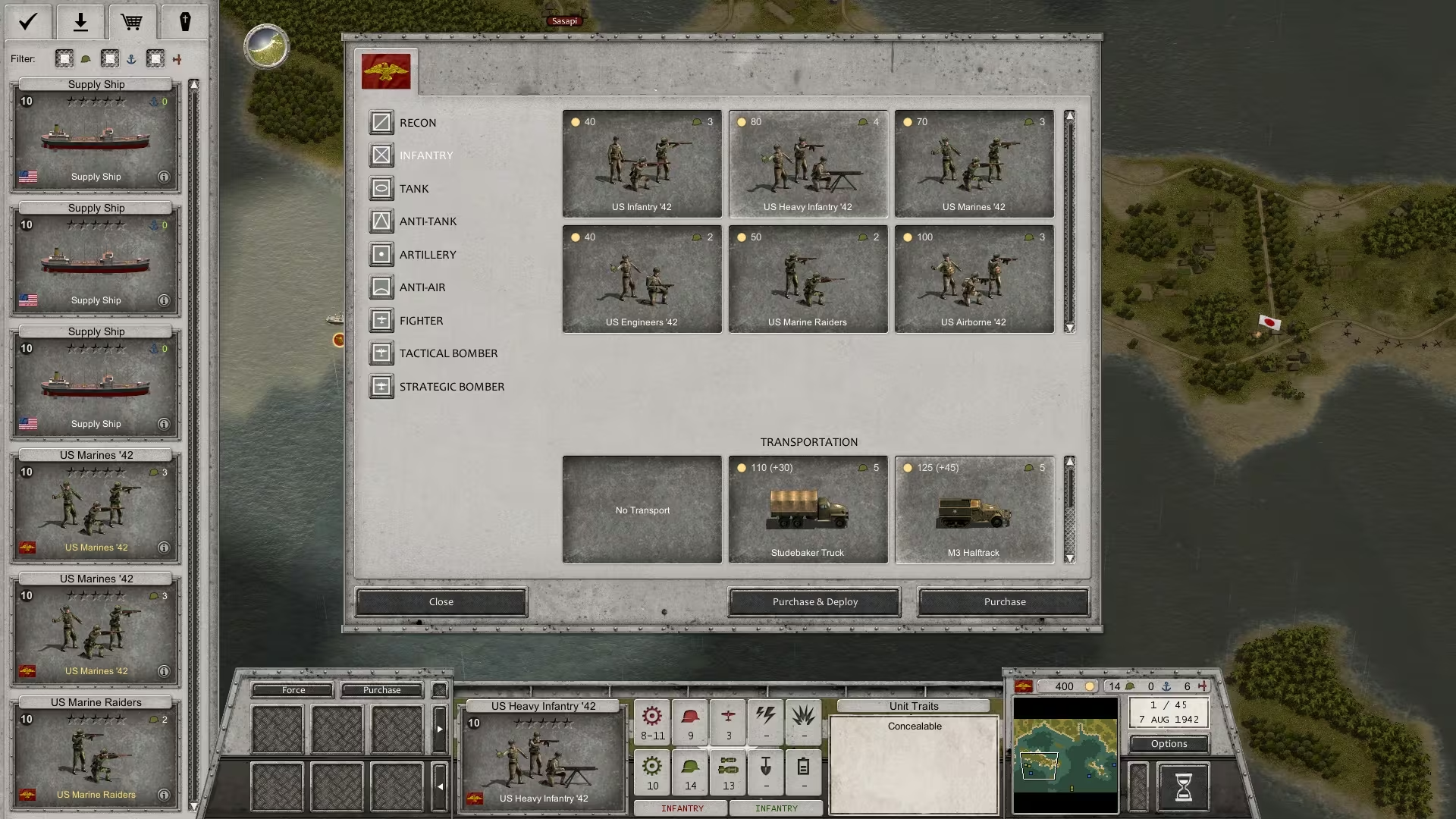
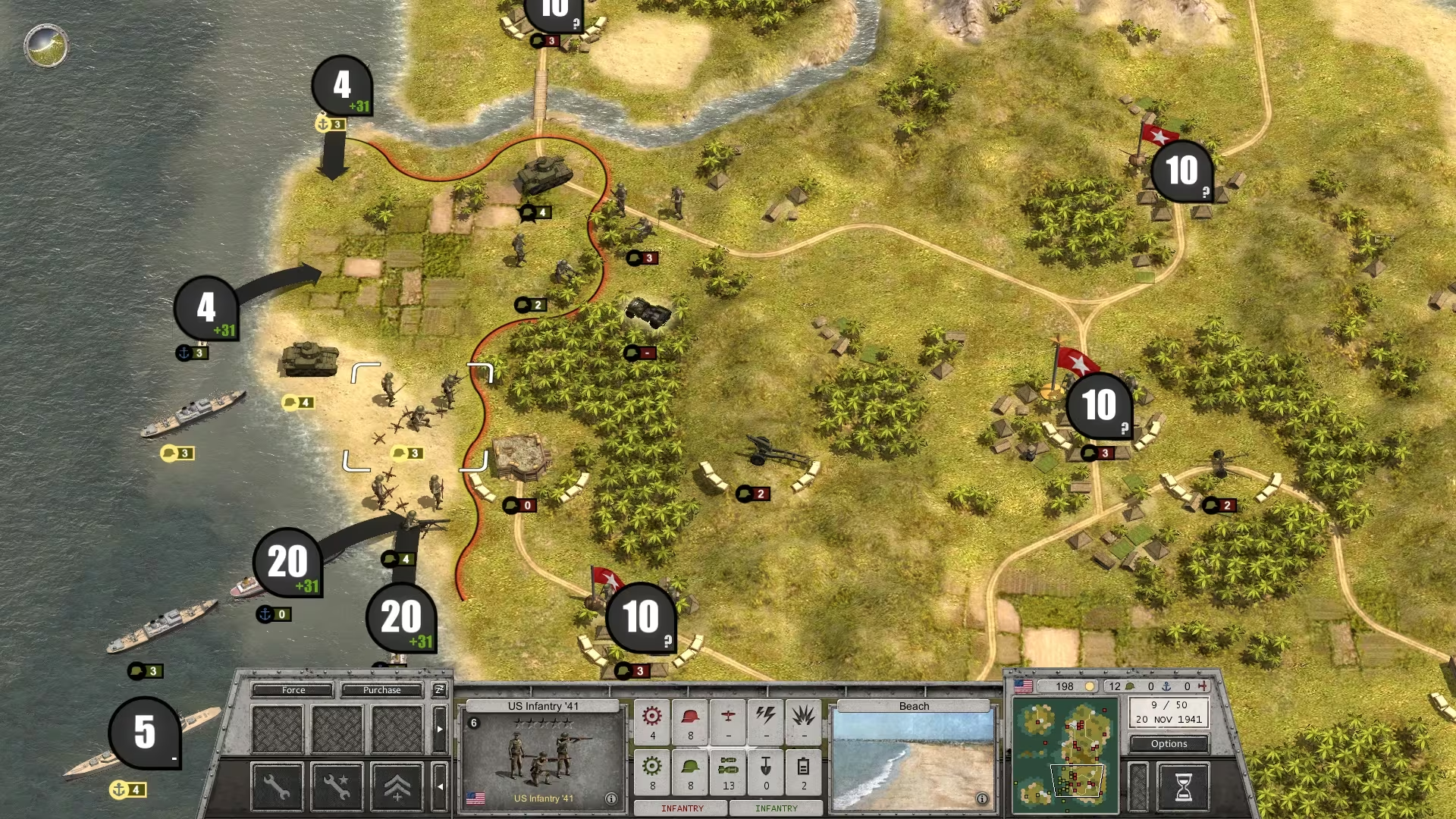
Order of Battle: World War II is a breath of fresh air for all strategy fans. It is a game that takes wargaming to a new level by upgrading every single game element and rebooting the genre for a new generation of players.

Global score

78/100

Genres

Simulator, Strategy, Free To Play, Turn-based strategy (TBS), Tactical

Similar games

    Pros

    • Deep and engaging wwii strategy gameplay
    • Integrated land, air, and naval combat
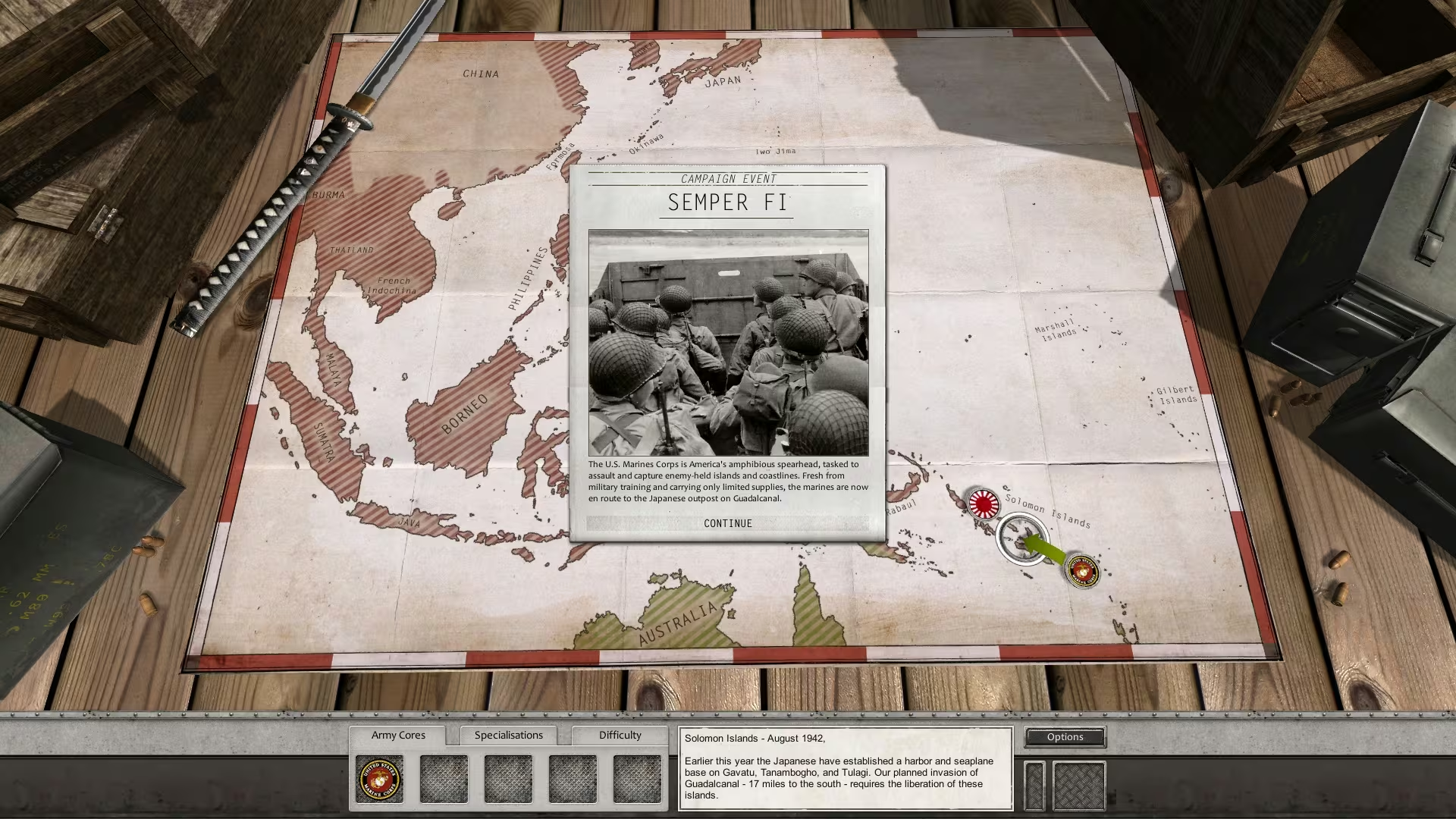
    • Historical and less common theaters covered
    • Unit progression and commander system
    • Scenario editor and community content

    Cons

    • High dlc cost and fragmented content
    • Ai can be scripted and sometimes predictable
    • Long ai turn times and occasional lag
    • Limited multiplayer features
    • Some ui and usability issues

    Analysis

    Broadly representative of its motivational profile, with a few distinct shifts. Motivations that often define this kind of title include Leadership, Survival, Violence, Strategy. Here, the score leans higher than usual among comparable games on Competition, Violence. It leans lower than usual among comparable games on Fantasy.

    How to use the graph
    Similar games map

    Each dot is a game. They are arranged from the same motivation profile as in the “Motivations” section below. Closer dots usually mean more similar reasons to play (exploration, competition, relaxation, etc.)—not that one game is “better” than another.

    • Larger dot with a light outline: the game you are viewing.
    • Colour: groups of games with comparable motivation patterns (statistical clusters).
    • Hover a dot to see the game name; click to open its page.
    • Scroll or double-click the chart to zoom out and see more games.

    Why don’t the axes read like a score? This view uses t-SNE: it only keeps who is close to whom. The scales are not “good to bad” or hours played—they separate groups on the map. Read distance between dots, not the axis numbers.

    Motivations

    • Autonomy
      4

      "Players choose which units to deploy, assign commanders, select objectives, and manage supply lines freely, showing high control over decisions."

    • Competence
      4

      "The game requires strategic thinking, managing supply, unit positioning, and adapting to AI tactics, providing skill challenges and feedback."

    • Competition
      1

      "Mostly single-player focused with some multiplayer modes; competition exists but is not the primary motivation."

    • Continuation
      4

      "Players report long play sessions, addictive gameplay, and repeated replays of campaigns and scenarios."

    • Cooperation
      -3

      "Focus is on individual strategic play; multiplayer exists but is limited and not a major feature."

    • Creativity
      3

      "Players can customize units, assign commanders, and create scenarios with the editor, allowing creative expression."

    • Domination
      -4

      "Gameplay emphasizes balanced tactical engagements and mutual respect for game mechanics rather than dominance over others."

    • Escapism
      3

      "Players use the game as a deep strategic diversion from real life, engaging in historical WWII scenarios."

    • Expectation
      -4

      "Players engage voluntarily out of interest and enjoyment, not obligation or external pressure."

    • Experimenting
      3

      "Players try different strategies, unit compositions, and objectives, exploring game mechanics and scenario variations."

    • Exploration
      2

      "Players discover new scenarios and campaigns, including less common WWII theaters, but maps are mostly known and scenario-based."

    • Expression
      3

      "Unit renaming, commander assignments, and scenario editor allow personal expression within the game."

    • Fantasy
      -3

      "Game focuses on realistic WWII historical settings and plausible military operations."

    • Fellowship
      -2

      "Limited multiplayer and community interaction; mostly solo play with some social elements via forums and scenario sharing."

    • Growth
      4

      "Players develop strategic skills, learn game mechanics, and improve through repeated play and scenario mastery."

    • Health
      -4

      "Turn-based, sedentary gameplay with no physical activity involved."

    • Idle
      -3

      "Requires focused attention and strategic planning; not a casual or background game."

    • Intimacy
      -4

      "Minimal social or emotional connection; interactions are mostly tactical and impersonal."

    • Leadership
      3

      "Players lead units and assign commanders, making strategic decisions and guiding forces."

    • Progression
      4

      "Units gain experience, can be upgraded, and players accumulate resources and unlock abilities across campaigns."

    • Relaxation
      2

      "Game provides engaging flow but also sustained challenge and tension in battles."

    • Sensation
      2

      "Visual and audio effects enhance immersion but are moderate and functional rather than intense sensory stimulation."

    • Status
      -3

      "Achievements and recognition exist but social status or popularity is not a major motivation."

    • Story
      3

      "Narrative campaigns with historical context and evolving objectives provide story immersion."

    • Strategy
      5

      "Core gameplay revolves around tactical and strategic planning, problem solving, and decision making."

    • Thrill
      3

      "Players experience suspense and tension from challenging battles and risk of defeat."

    • Value
      2

      "Players perceive good value in gameplay hours and content, though some note high DLC prices."

    • Violence
      4

      "Combat and destruction are central gameplay elements, including land, air, and naval battles."

    • Survival
      3

      "Players must manage resources and avoid unit losses to survive and succeed in scenarios."

    Last update: 29/04/2026