Passpartout: The Starving Artist Thumbnail

Passpartout: The Starving Artist similar games & best alternatives
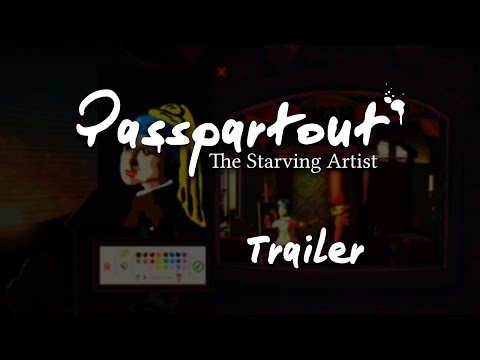
Passpartout: The Starving Artist

PC (Microsoft Windows), iOS, Mac, Nintendo Switch, Linux • 2017

Related articles

Quick resume

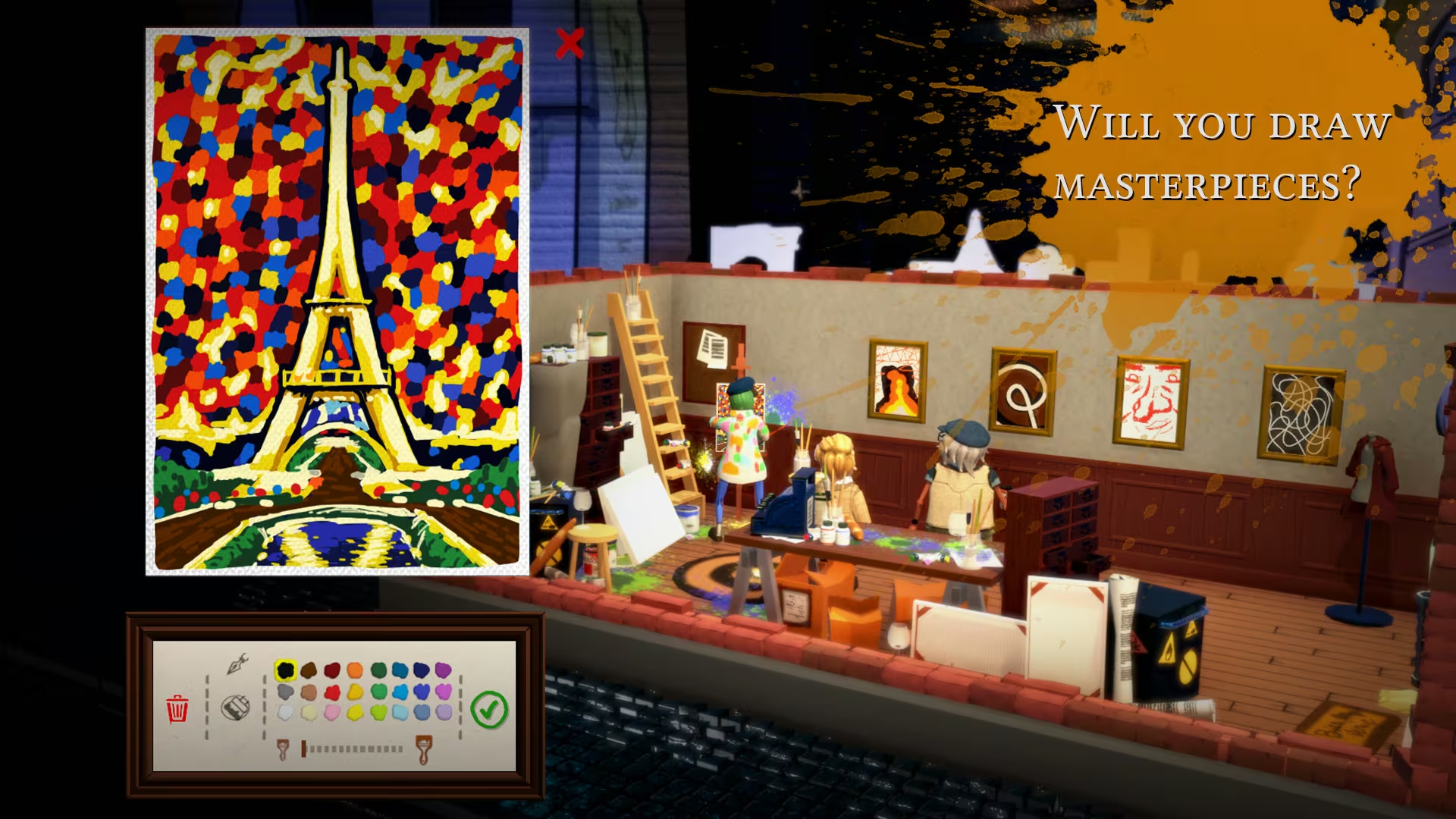
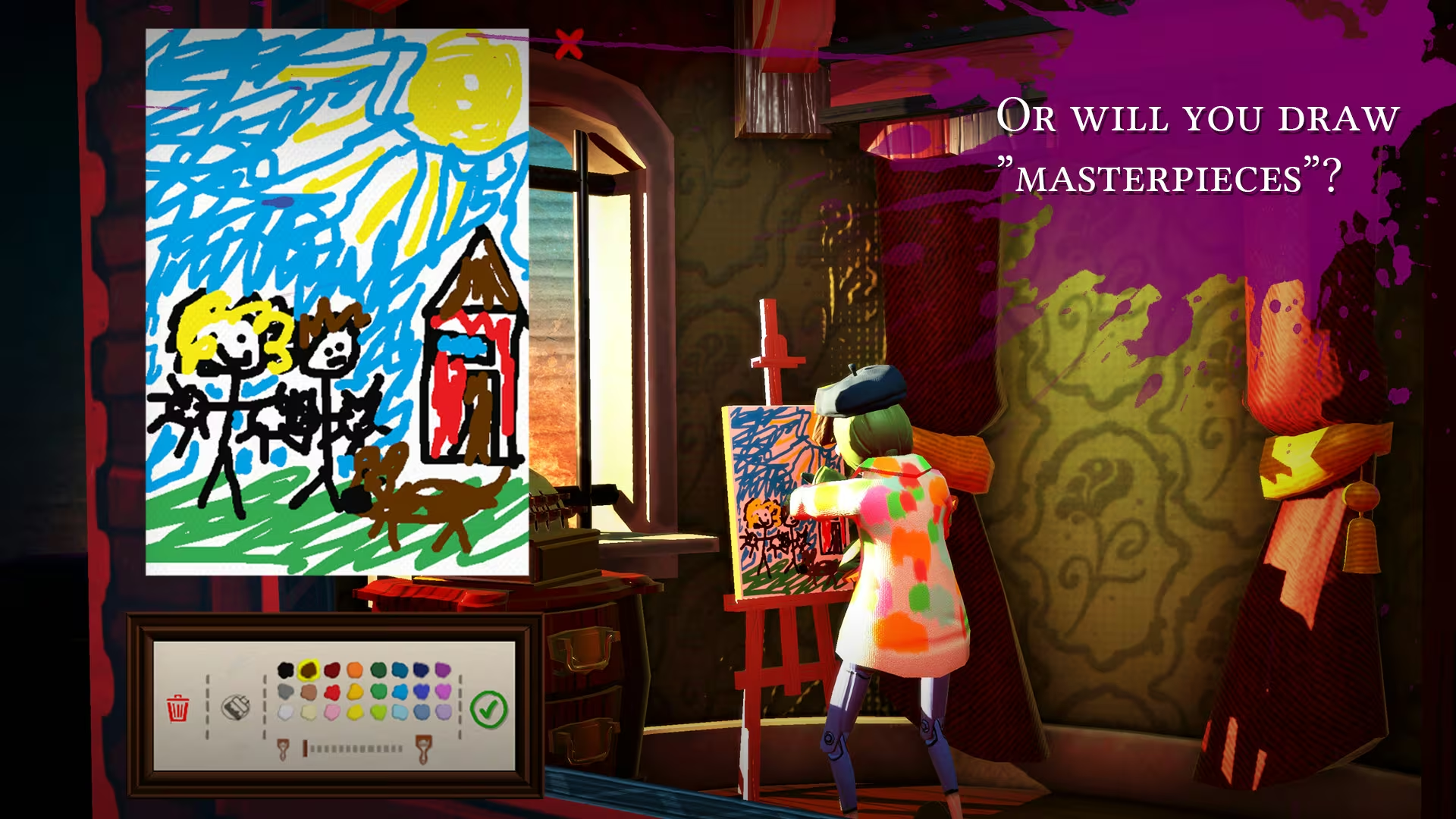
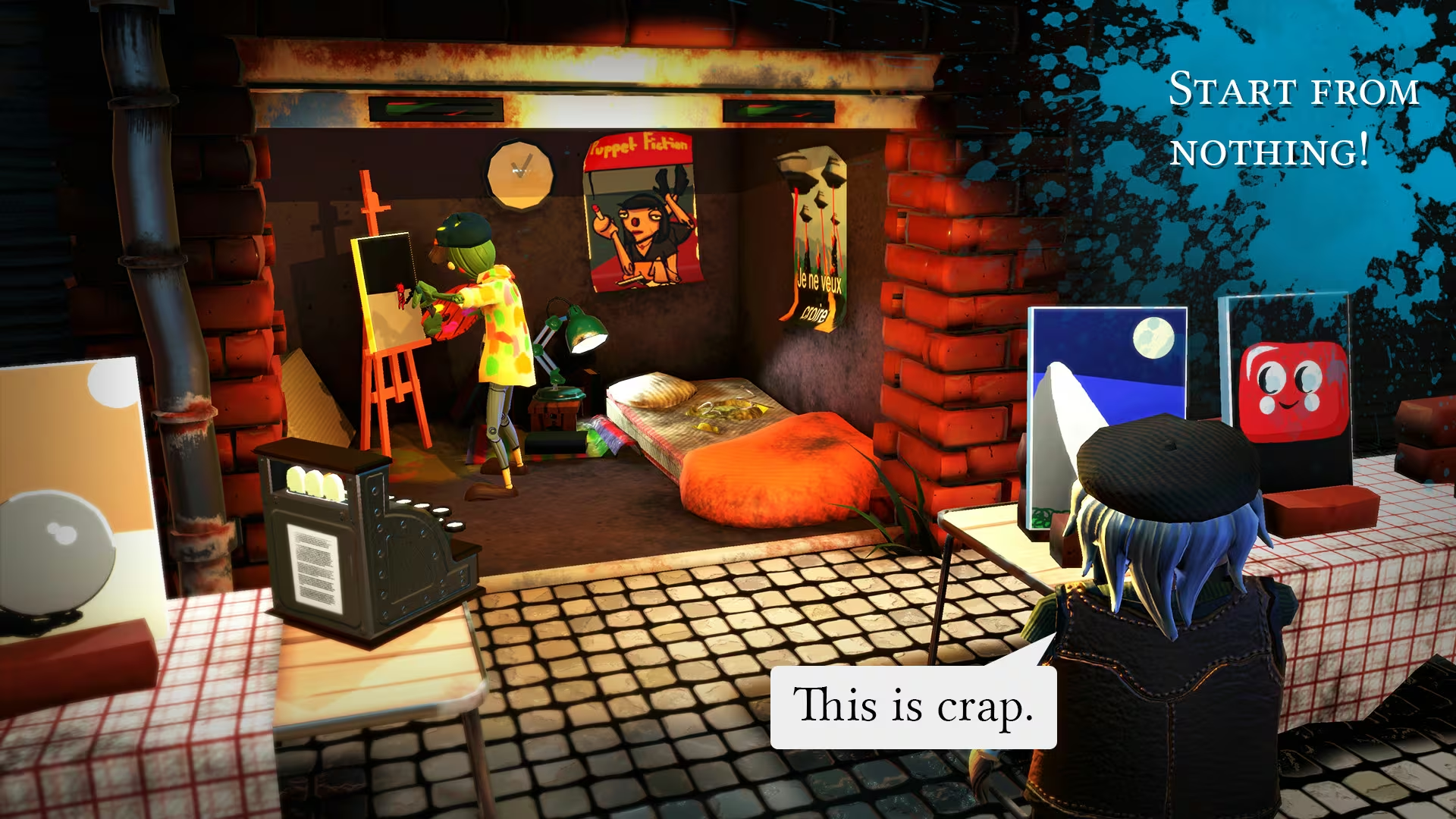
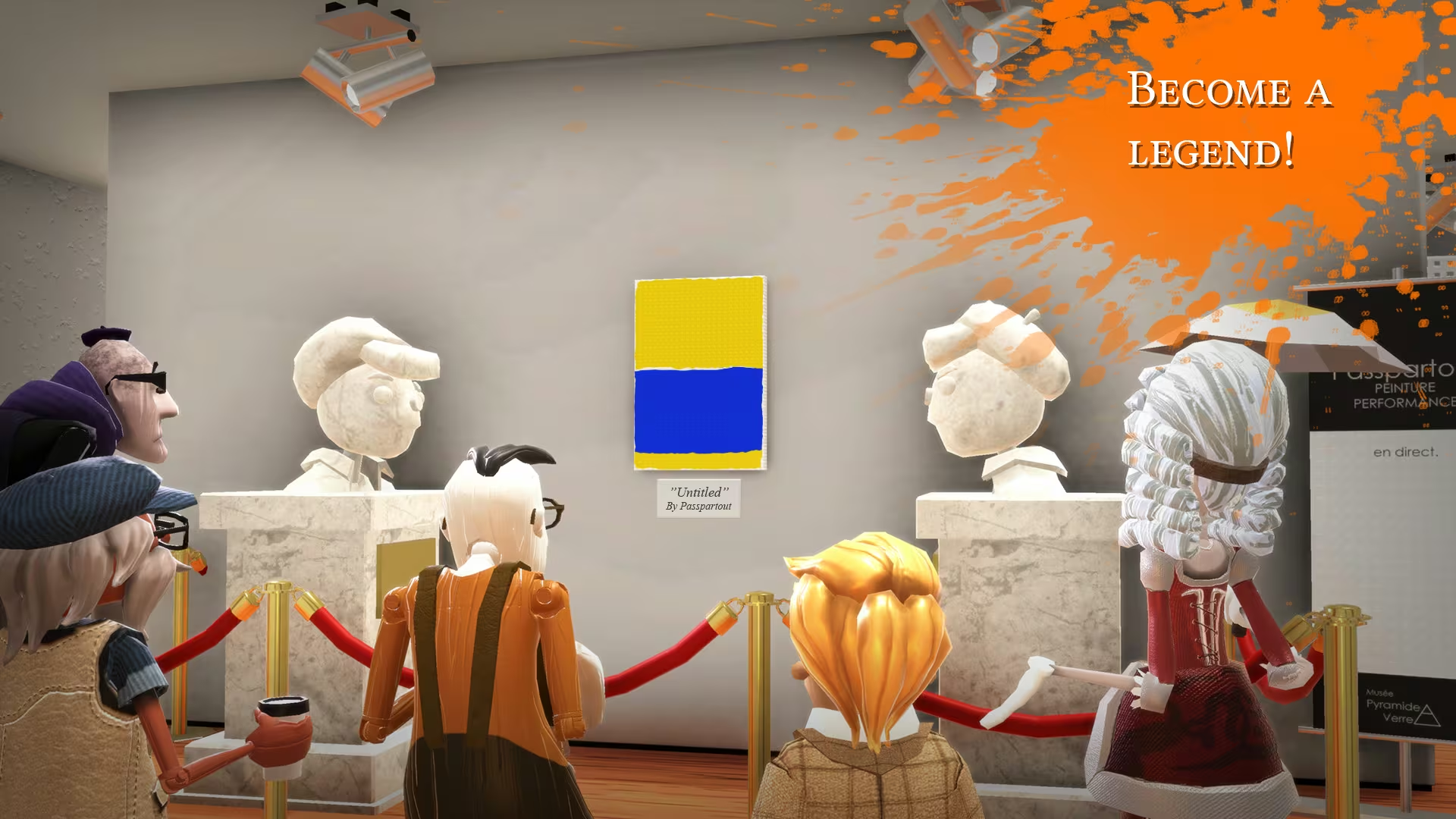
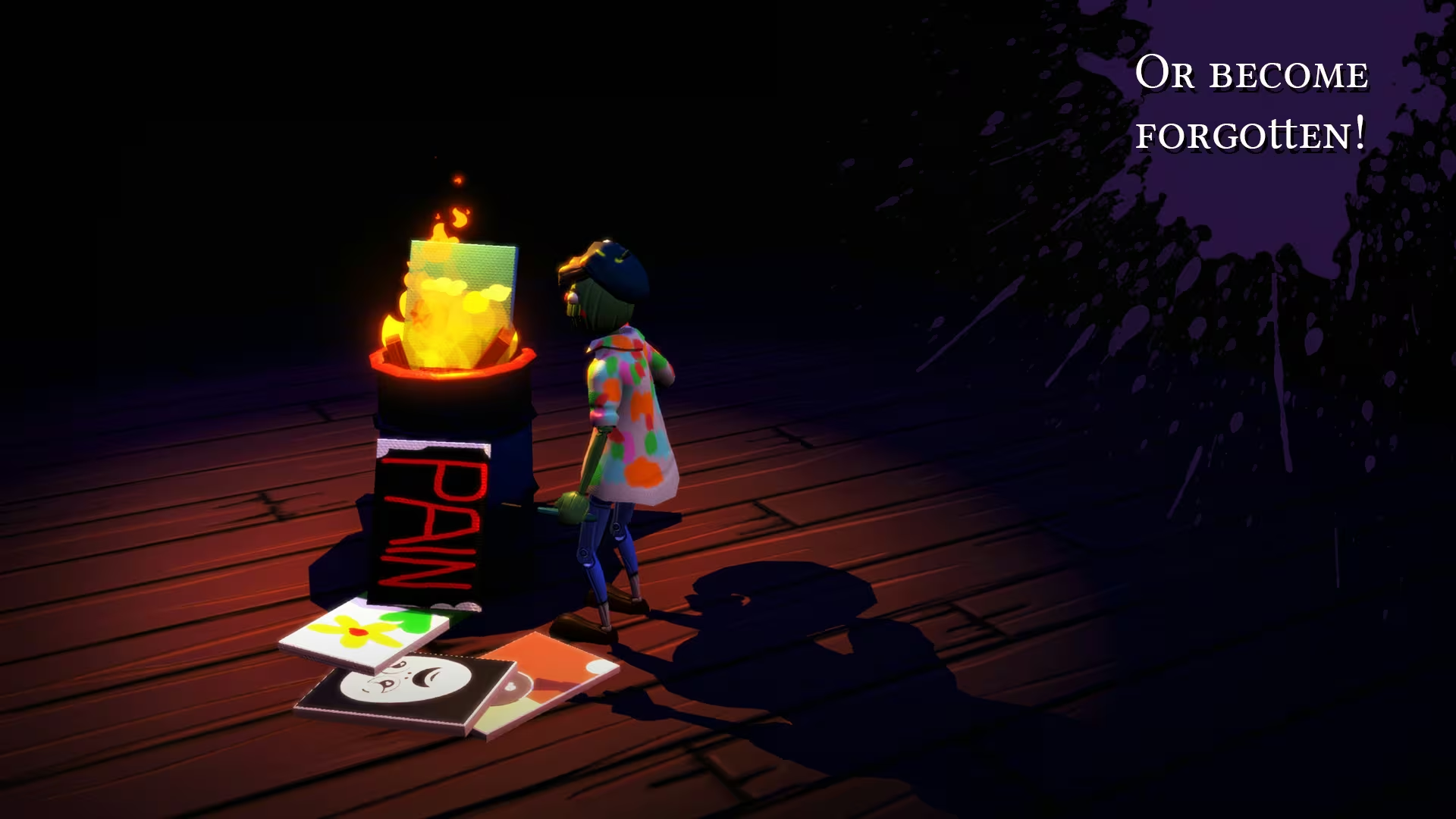
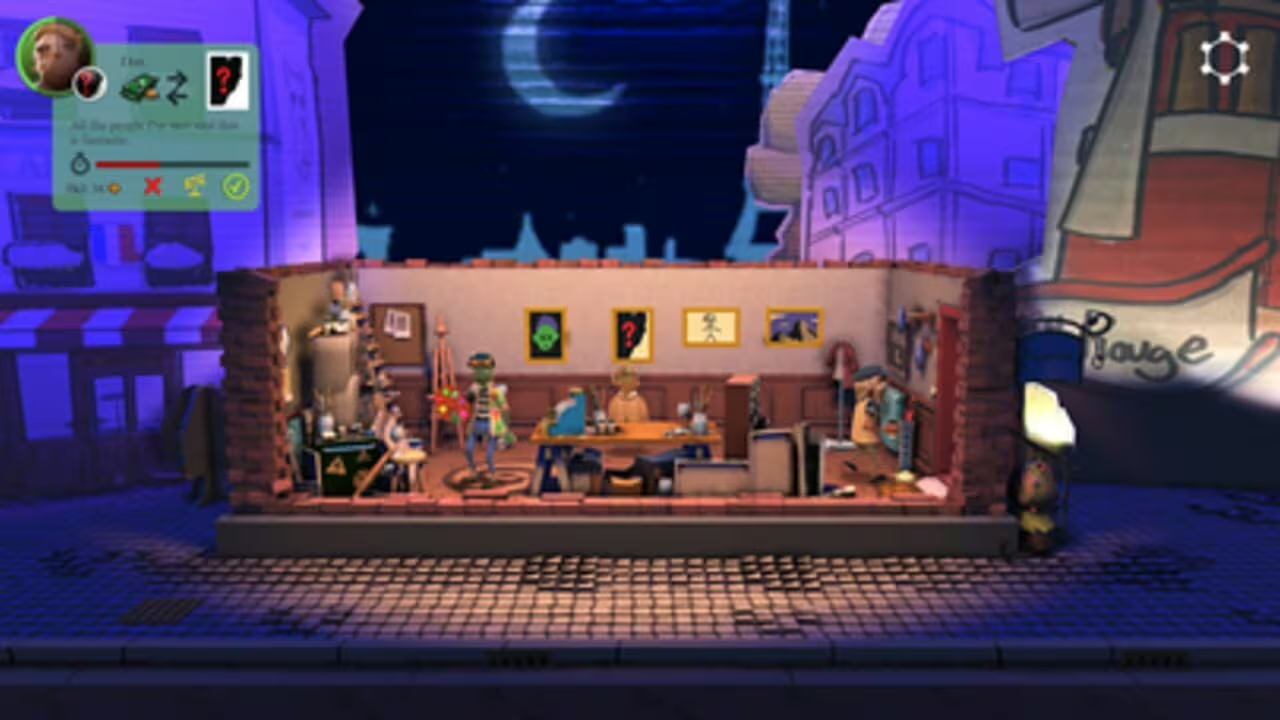
Even you can become a great artist! Wrestle subjectivity as you attempt to sell your art to rude customers in order to progress in this confusing art scene. The only thing threatening you is your expensive wine and baguette addiction! Will your art end up in the Louvre or on your parents' fridge?

Global score

88/100

Genres

Casual, Indie, Simulator, Adventure

Similar games

    Pros

    • Creative freedom and self-expression
    • Relaxing and charming atmosphere
    • Multiple endings and replayability
    • Engaging ai customer feedback
    • Accessible to players of all skill levels

    Cons

    • Limited painting tools and colors
    • Short main campaign
    • Lack of advanced features like undo or zoom
    • No multiplayer or social features
    • Some repetitiveness and grind

    Analysis

    Broadly representative of its motivational profile, with a few distinct shifts. Motivations that often define this kind of title include Fantasy, Violence, Story, Thrill. Here, the score leans higher than usual among comparable games on Story, Status, Expression.

    How to use the graph
    Similar games map

    Each dot is a game. They are arranged from the same motivation profile as in the “Motivations” section below. Closer dots usually mean more similar reasons to play (exploration, competition, relaxation, etc.)—not that one game is “better” than another.

    • Larger dot with a light outline: the game you are viewing.
    • Colour: groups of games with comparable motivation patterns (statistical clusters).
    • Hover a dot to see the game name; click to open its page.
    • Scroll or double-click the chart to zoom out and see more games.

    Why don’t the axes read like a score? This view uses t-SNE: it only keeps who is close to whom. The scales are not “good to bad” or hours played—they separate groups on the map. Read distance between dots, not the axis numbers.

    Motivations

    • Autonomy
      5

      "Players have full freedom to create any artwork they desire with minimal constraints, directing their own artistic expression and decisions."

    • Competence
      2

      "The game involves developing skill in painting with limited tools and learning customer preferences, but the tasks remain relatively simple and accessible."

    • Competition
      -3

      "Focus is on personal creative expression and selling art to NPCs without direct player-vs-player competition or leaderboards."

    • Continuation
      3

      "Players often engage in multiple playthroughs to explore different endings and improve their art, showing habitual and extended play."

    • Cooperation
      -5

      "Gameplay is entirely single-player and independent, with no cooperative or multiplayer elements."

    • Creativity
      5

      "Core gameplay centers on creating and experimenting with original paintings using limited but expressive tools."

    • Domination
      -5

      "Interactions with NPCs are balanced and based on mutual exchange (selling art), with no dominance or power exerted over others."

    • Escapism
      4

      "The game provides a relaxing, immersive artistic experience that allows players to escape real-life stress and engage in creative play."

    • Expectation
      -4

      "Players engage voluntarily out of intrinsic interest in art and creativity, with no external obligations or pressures."

    • Experimenting
      4

      "Players try different painting styles, tools, and approaches to satisfy diverse NPC tastes and unlock multiple endings."

    • Exploration
      2

      "Players explore different artistic styles and customer preferences, as well as progressing through distinct game chapters and endings."

    • Expression
      5

      "Strong emphasis on self-expression through painting and naming artworks, with players customizing their creations extensively."

    • Fantasy
      -2

      "The game simulates a plausible artistic career with realistic economic and social dynamics, though stylized and humorous."

    • Fellowship
      -4

      "The experience is primarily solitary with minimal social interaction beyond NPC buyers and critics."

    • Growth
      3

      "Players develop artistic skills and understanding of customer preferences, improving their paintings and career progression."

    • Health
      -5

      "The game is sedentary with no physical activity or health-related gameplay elements."

    • Idle
      -3

      "Requires focused attention to create paintings and manage sales; not designed for background or idle play."

    • Intimacy
      -4

      "Social interactions are limited to brief NPC critiques and transactions, with no deep personal relationships."

    • Leadership
      -5

      "No leadership or group management roles; player acts independently without directing others."

    • Progression
      3

      "Players progress by unlocking new tools, locations, and endings through selling art and advancing their career."

    • Relaxation
      4

      "The game offers a calm, soothing atmosphere with relaxing music and low-pressure creative gameplay."

    • Sensation
      2

      "Visual and auditory elements are pleasant but understated; the focus is on creativity rather than sensory stimulation."

    • Status
      1

      "Players gain recognition within the game world by progressing and selling art, but social status is limited to NPC feedback."

    • Story
      3

      "The game includes a narrative progression with multiple endings and evolving settings reflecting the player's artistic journey."

    • Strategy
      2

      "Players must analyze customer preferences and plan painting styles accordingly, though gameplay remains simple."

    • Thrill
      -2

      "The game is low-risk and lacks suspense or tension, focusing on relaxed creative expression."

    • Value
      4

      "Players feel rewarded by progressing, unlocking tools, and achieving multiple endings, providing good value for time invested."

    • Violence
      -5

      "No violence or destructive gameplay; focus is on constructive artistic creation."

    • Survival
      1

      "There is a mild survival element in managing money to pay rent and avoid bankruptcy, but failure is not harsh."

    Last update: 29/04/2026