Pummel Party Thumbnail

Pummel Party similar games & best alternatives

Pummel Party

PC (Microsoft Windows), Xbox One, Nintendo Switch, PlayStation 4 • 2018

Related articles

Quick resume

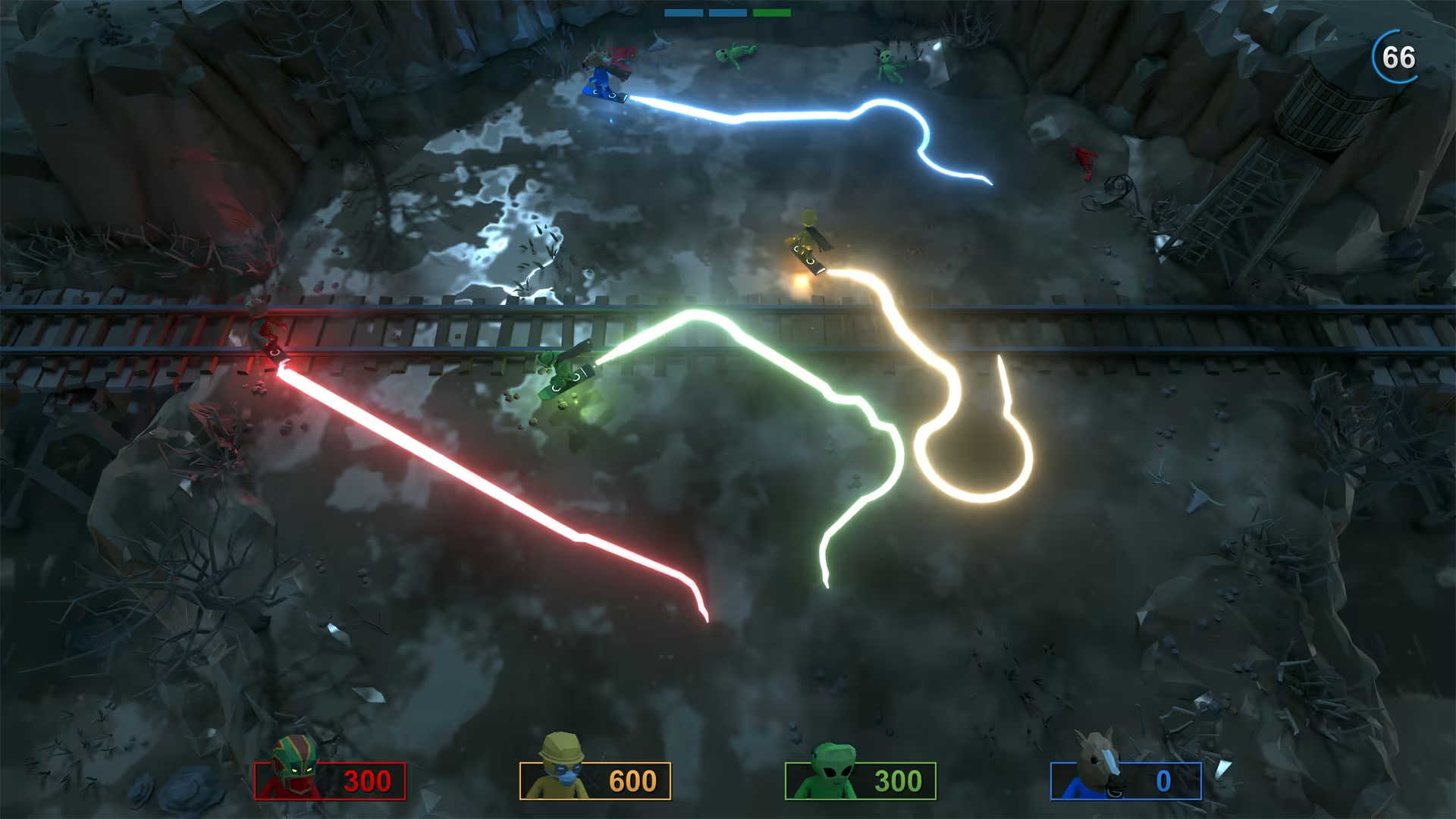
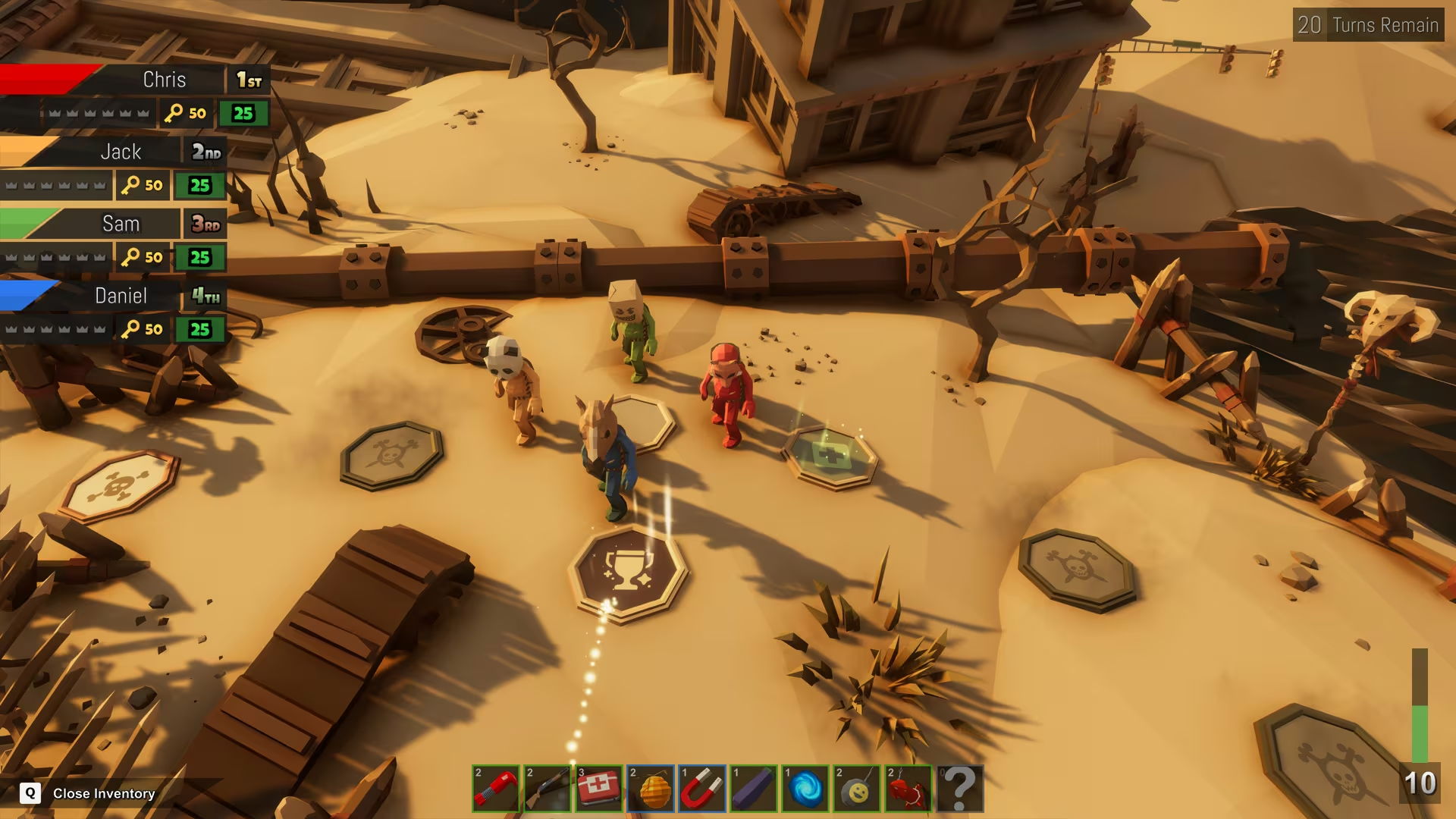
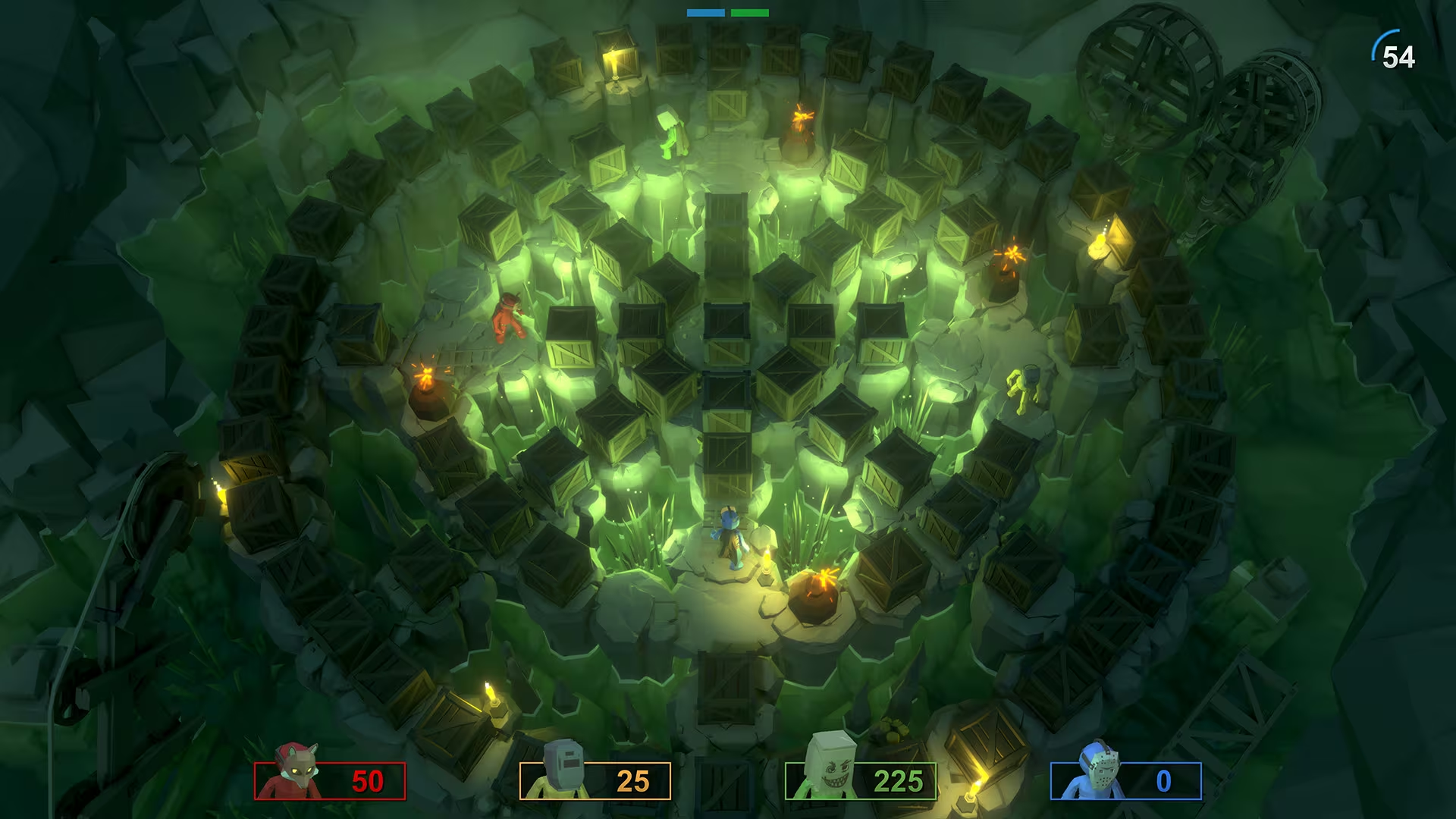
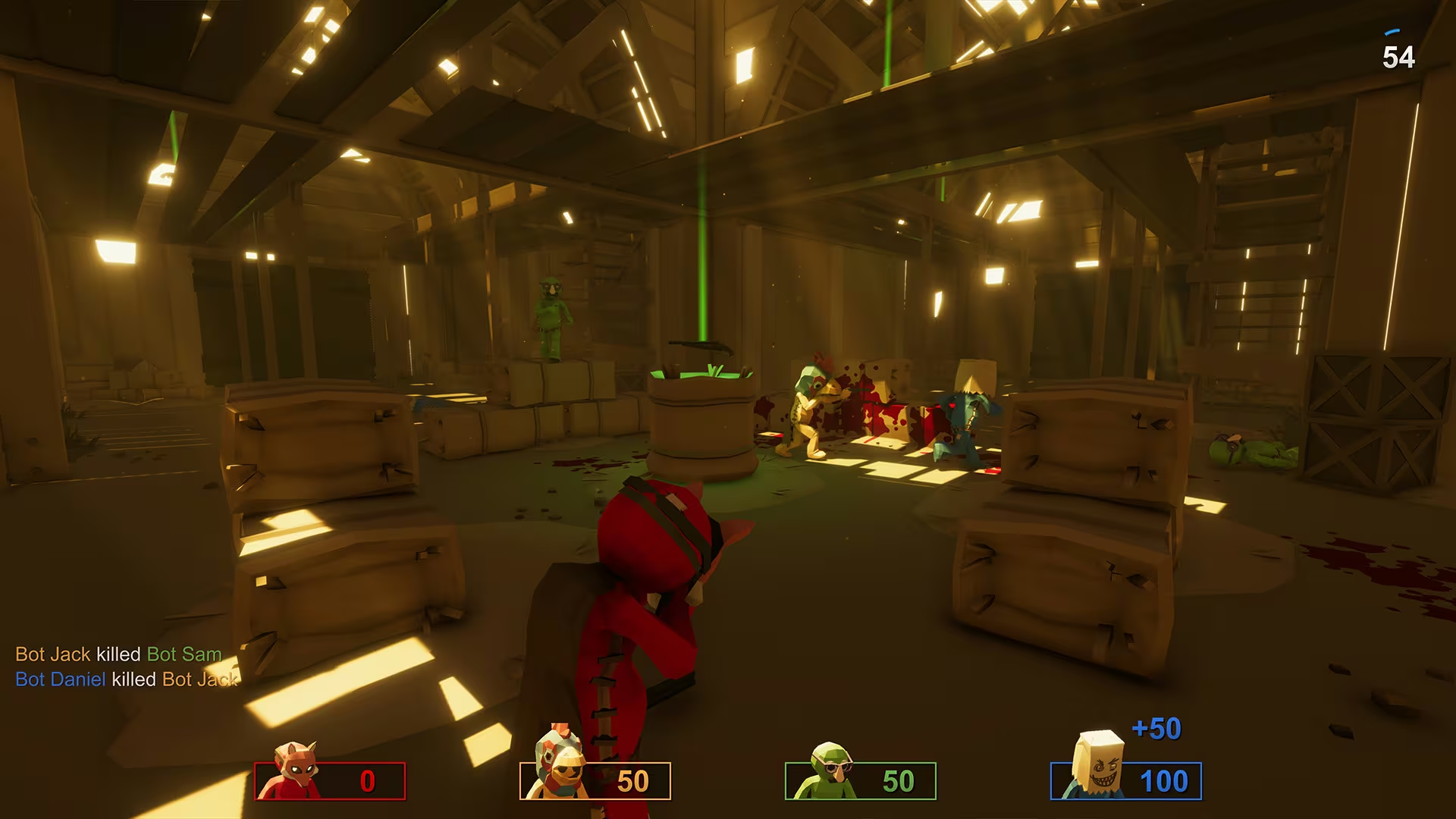
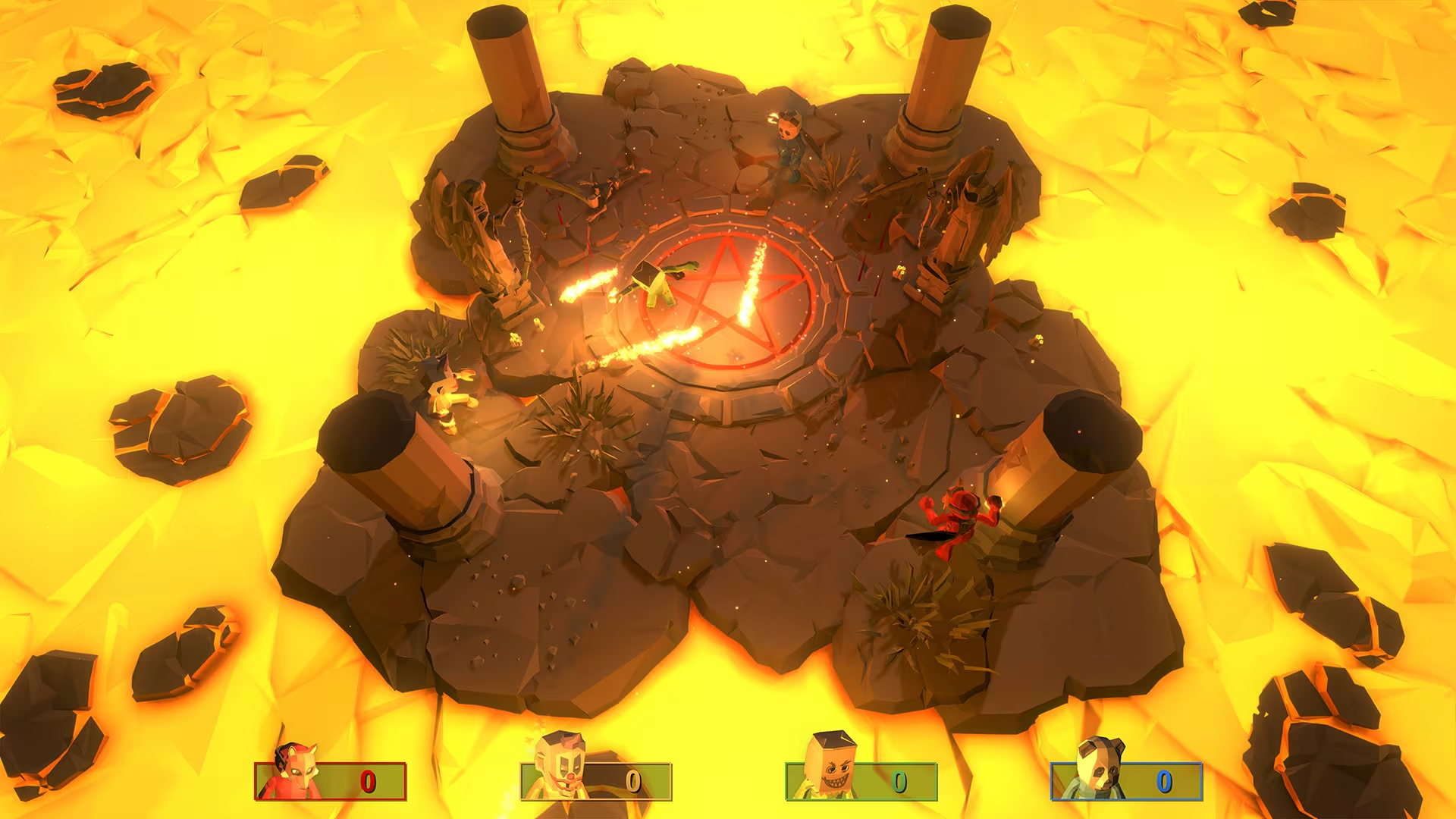
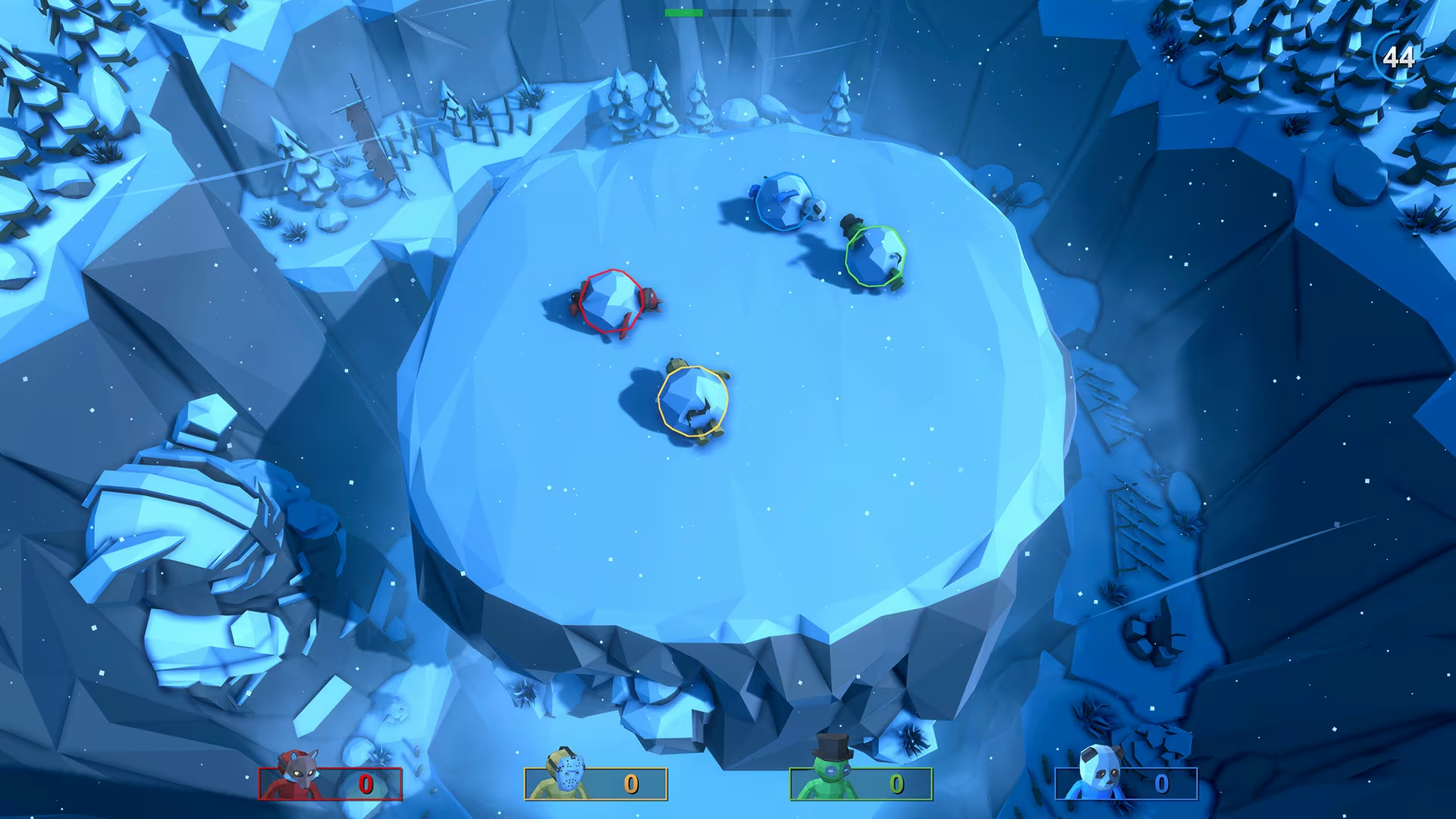
Pummel Party is a 4-8 player online and local-multiplayer party game. Pummel friends or AI using a wide array of absurd items in the board mode and compete to destroy friendships in the unique collection of minigames.

Global score

89/100

Genres

Action, Casual, Indie, Arcade, Card & Board Game

Similar games

    Pros

    • Fun and chaotic multiplayer gameplay
    • Strong social and community focus
    • Extensive workshop support for custom content
    • Varied and skillful mini-games
    • Good value for party game fans

    Cons

    • Can be frustrating or friendship-testing due to competitive nature
    • Some bugs and glitches reported
    • Requires friends or group for best experience
    • Limited content updates in recent years
    • No narrative or story depth

    Analysis

    A very typical example of its motivational profile. Motivations that often define this kind of title include Competition, Fellowship, Domination, Status. Here, the score leans higher than usual among comparable games on Domination, Violence. It leans lower than usual among comparable games on Story.

    How to use the graph
    Similar games map

    Each dot is a game. They are arranged from the same motivation profile as in the “Motivations” section below. Closer dots usually mean more similar reasons to play (exploration, competition, relaxation, etc.)—not that one game is “better” than another.

    • Larger dot with a light outline: the game you are viewing.
    • Colour: groups of games with comparable motivation patterns (statistical clusters).
    • Hover a dot to see the game name; click to open its page.
    • Scroll or double-click the chart to zoom out and see more games.

    Why don’t the axes read like a score? This view uses t-SNE: it only keeps who is close to whom. The scales are not “good to bad” or hours played—they separate groups on the map. Read distance between dots, not the axis numbers.

    Motivations

    • Autonomy
      4

      "Players have freedom to choose characters, customize settings, and use items strategically on the board."

    • Competence
      3

      "Mini-games require skill and strategy; players receive feedback and can improve over time."

    • Competition
      5

      "Strong competitive element with player vs player combat, leaderboards, and rivalry emphasized."

    • Continuation
      4

      "Players report habitual play, long sessions, and repeated engagement especially with friends."

    • Cooperation
      2

      "Some team modes exist but primary focus is on competitive play and rivalry."

    • Creativity
      4

      "Workshop support allows players to create and share custom maps and mini-games."

    • Domination
      4

      "Game encourages exerting control over others via attacks and strategic item use."

    • Escapism
      3

      "Players use the game for stress relief, social bonding, and distraction from real life."

    • Expectation
      -4

      "Players engage voluntarily for fun and social reasons, not out of obligation."

    • Experimenting
      3

      "Players try different strategies, items, and custom content from the workshop."

    • Exploration
      2

      "Varied boards and custom maps encourage discovery of new gameplay elements."

    • Expression
      3

      "Character customization and cosmetic options allow for self-expression."

    • Fantasy
      2

      "Cartoonish, exaggerated violence and absurd items create a playful fantasy setting."

    • Fellowship
      4

      "Strong community and social play with friends and online groups."

    • Growth
      3

      "Players develop skills in mini-games and strategic board play over time."

    • Health
      -5

      "Primarily sedentary gameplay with no physical activity."

    • Idle
      -3

      "Requires focused attention during mini-games and board turns; not idle play."

    • Intimacy
      2

      "Social interactions mostly competitive and playful rather than deeply emotional."

    • Leadership
      1

      "Some players lead in strategy and targeting opponents but no formal leadership roles."

    • Progression
      4

      "Players collect keys, trophies, and items to progress and win matches."

    • Relaxation
      1

      "Game is fun and engaging but also induces tension and rivalry."

    • Sensation
      3

      "Colorful visuals, sound effects, and chaotic gameplay provide sensory stimulation."

    • Status
      3

      "Recognition through winning, leaderboards, and social reputation in groups."

    • Story
      -5

      "No narrative or story elements; gameplay is context-free party competition."

    • Strategy
      4

      "Strategic use of items, board positioning, and mini-game skills are key to success."

    • Thrill
      4

      "High tension from unpredictable events, attacks, and competition."

    • Value
      3

      "Players perceive good value for social entertainment and replayability."

    • Violence
      5

      "Enjoyment of cartoonish combat, attacks, and destruction is central to gameplay."

    • Survival
      3

      "Players manage health and avoid elimination to stay in the game."

    Where to buy

    Last update: 29/04/2026