Robot Roller-Derby Disco Dodgeball Thumbnail

Robot Roller-Derby Disco Dodgeball similar games & best alternatives
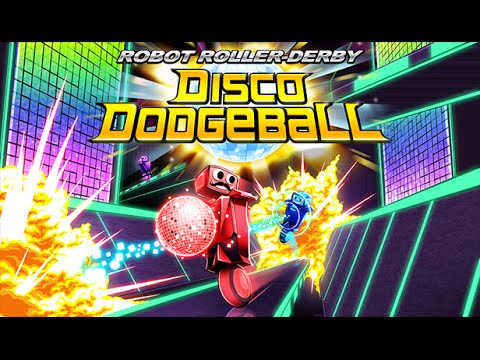
Robot Roller-Derby Disco Dodgeball

PC (Microsoft Windows), Mac, Linux • 2015

Related articles

Quick resume

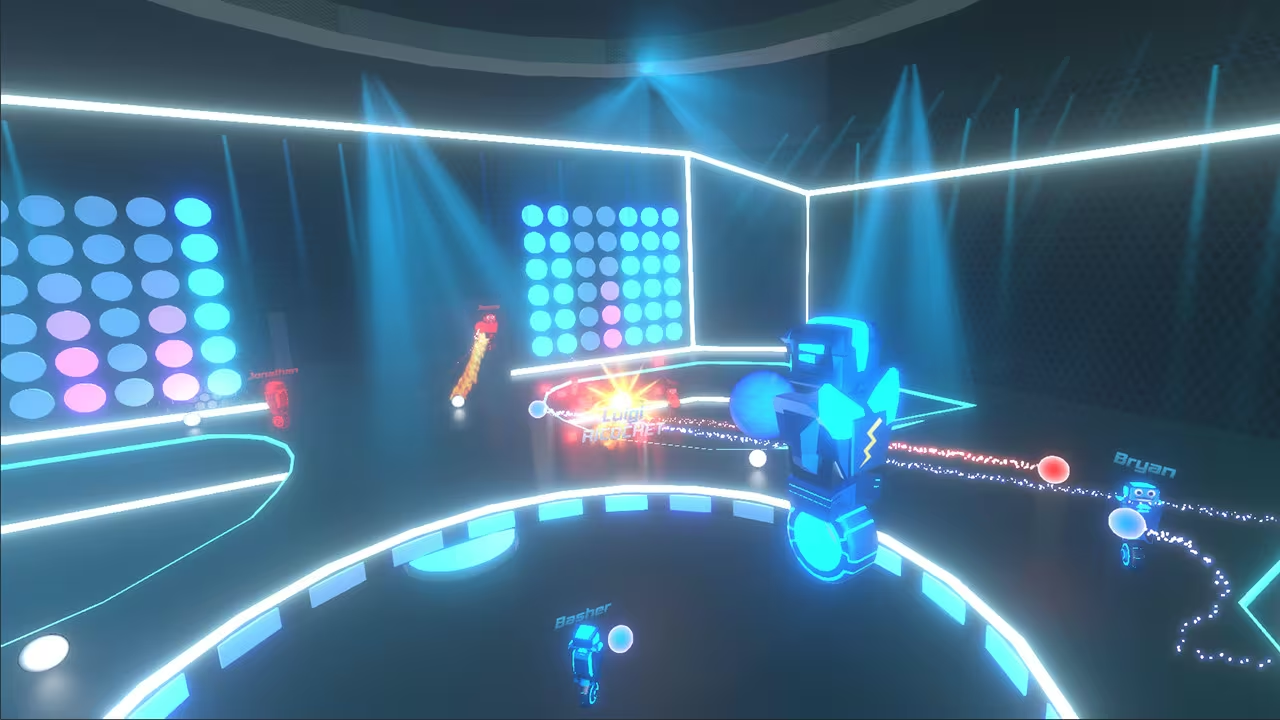
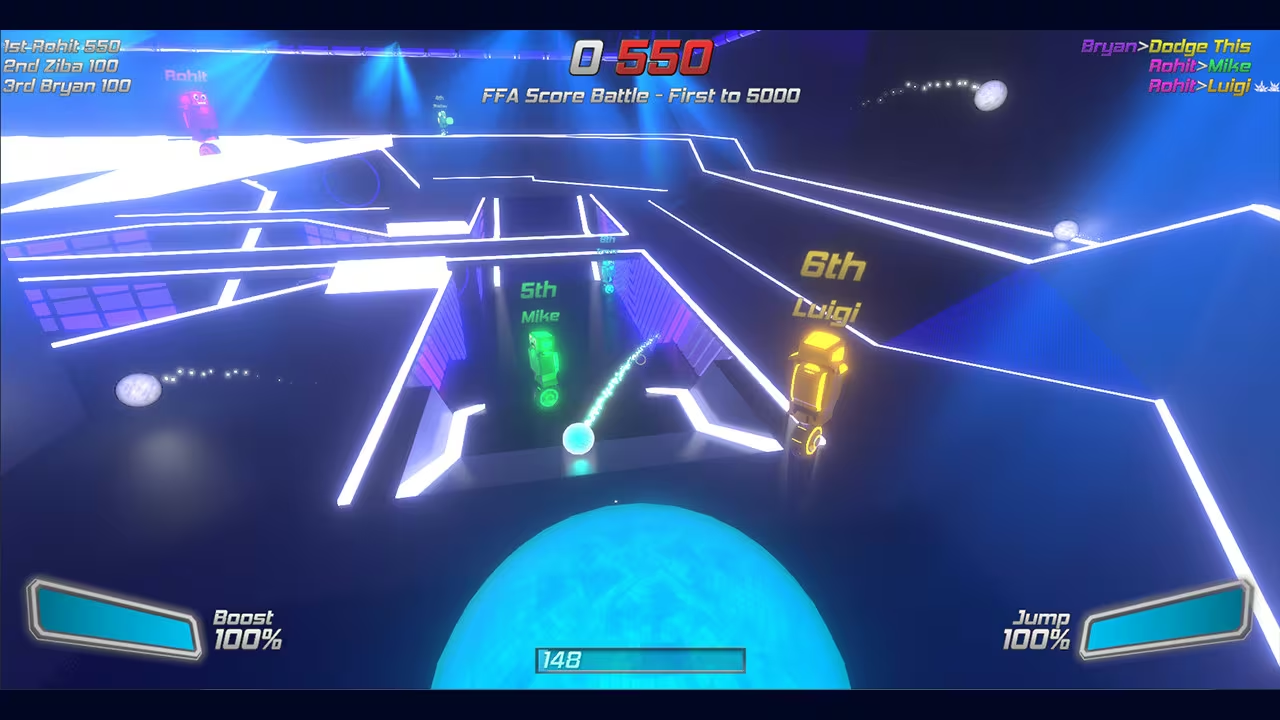
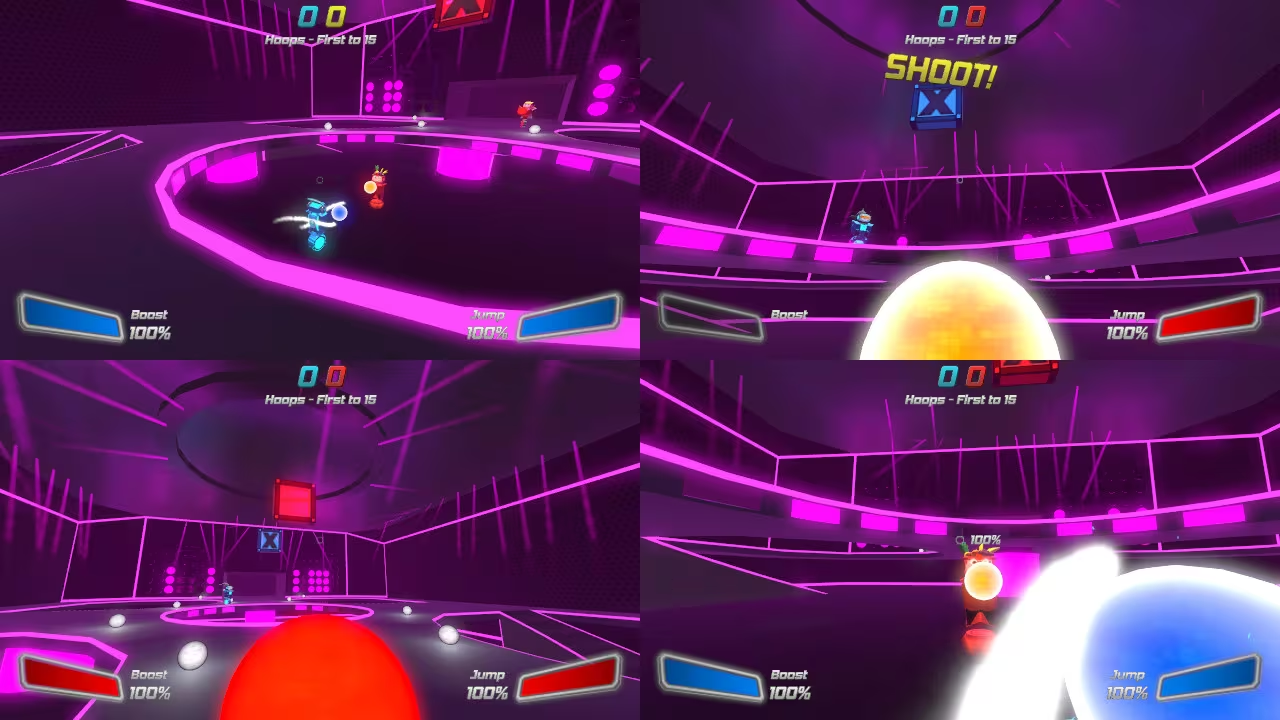
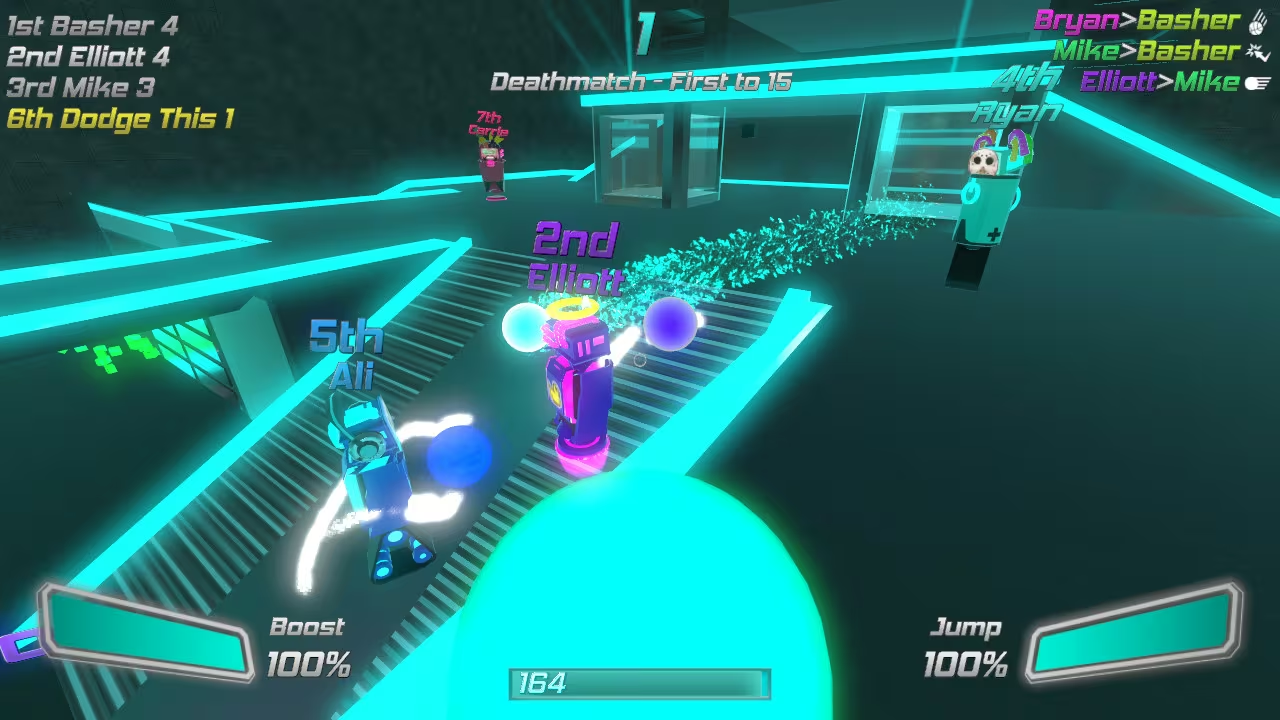
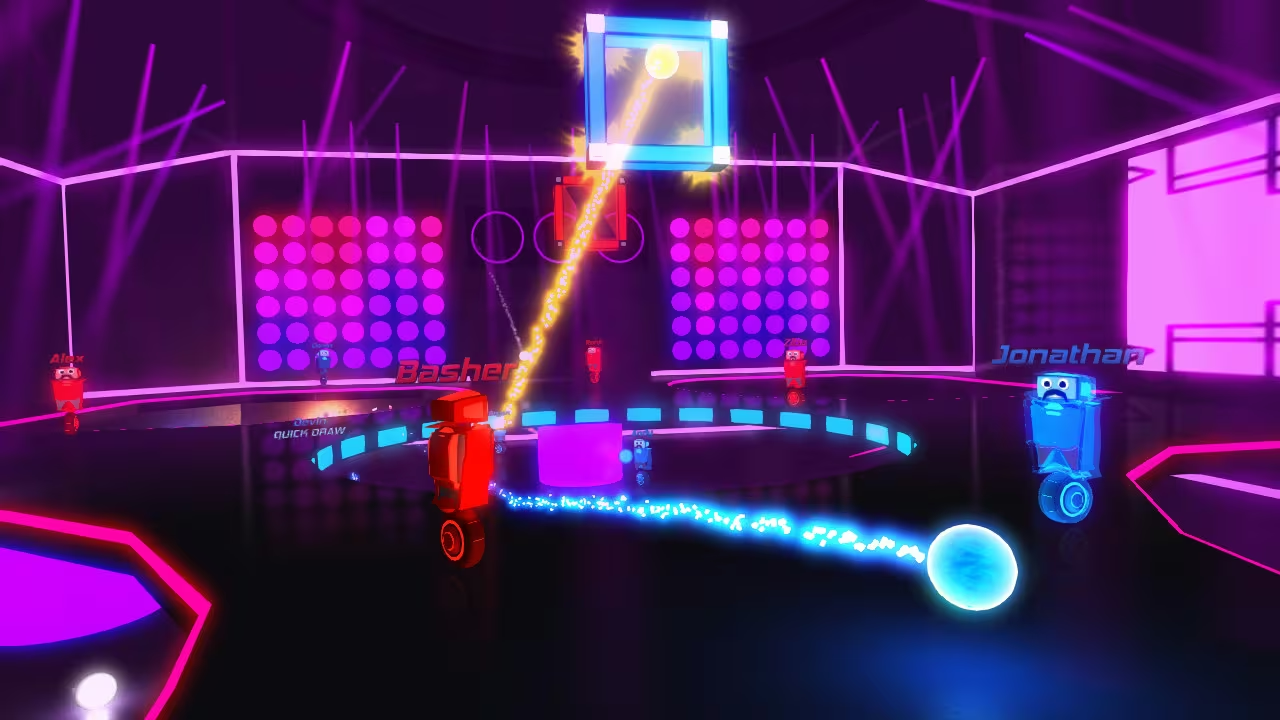
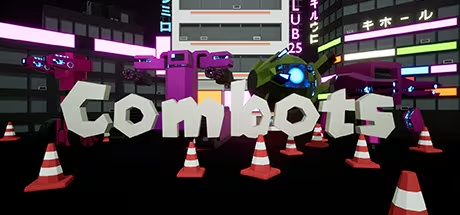
A futuresport FPS where you race around a skate park / dance club and nail each other with dodgeball trick shots. Singleplayer + Local Multiplayer + Online Multiplayer with 27 different objective-based game modes...or create your own!

Global score

92/100

Genres

Action, Indie, Sport, Shooter

Similar games

    Pros

    • Unique and fun dodgeball arena gameplay
    • Variety of game modes and customization
    • Friendly and supportive community
    • Engaging soundtrack and neon visuals
    • Active developer and frequent updates

    Cons

    • Small player base limits multiplayer availability
    • Netcode and latency issues reported
    • Some repetitive elements and grind in progression
    • Limited narrative or story content
    • Controls have learning curve and floaty feel

    Analysis

    A very typical example of its motivational profile. Motivations that often define this kind of title include Competition, Fellowship, Domination, Status. Here, the score leans higher than usual among comparable games on Health. It leans lower than usual among comparable games on Story, Domination.

    How to use the graph
    Similar games map

    Each dot is a game. They are arranged from the same motivation profile as in the “Motivations” section below. Closer dots usually mean more similar reasons to play (exploration, competition, relaxation, etc.)—not that one game is “better” than another.

    • Larger dot with a light outline: the game you are viewing.
    • Colour: groups of games with comparable motivation patterns (statistical clusters).
    • Hover a dot to see the game name; click to open its page.
    • Scroll or double-click the chart to zoom out and see more games.

    Why don’t the axes read like a score? This view uses t-SNE: it only keeps who is close to whom. The scales are not “good to bad” or hours played—they separate groups on the map. Read distance between dots, not the axis numbers.

    Motivations

    • Autonomy
      4

      "Players have freedom to choose game modes, customize robots, create custom matches with many settings, and direct their own play style."

    • Competence
      4

      "High skill ceiling with advanced movement, trick shots, and skill-based catching and throwing mechanics."

    • Competition
      4

      "Strong multiplayer focus with ranked modes, leaderboards, and competitive matches against others."

    • Continuation
      3

      "Players report addictive gameplay and long play sessions, though small player base limits continuous multiplayer engagement."

    • Cooperation
      3

      "Team-based modes and cooperative multiplayer with bots and friends encourage working together."

    • Creativity
      3

      "Customization of robots, ability to create custom game modes and modify settings, plus workshop content."

    • Domination
      -2

      "Community described as friendly and supportive with emphasis on mutual respect rather than trash talk or dominance."

    • Escapism
      4

      "Colorful neon arenas, disco music, and fast-paced gameplay provide strong distraction and fun escape."

    • Expectation
      -4

      "Players engage voluntarily for fun and personal enjoyment without obligation or pressure."

    • Experimenting
      4

      "Many game modes, modifiers, and custom matches encourage trying new gameplay styles and strategies."

    • Exploration
      2

      "Varied maps and modes offer some discovery, though arenas are relatively small and familiar."

    • Expression
      3

      "Robot customization with cosmetics, mustaches, glasses, and crafting allow personal expression."

    • Fantasy
      3

      "Fictional setting with robots on wheels in neon disco arenas creates imaginative, non-realistic experience."

    • Fellowship
      3

      "Small but friendly community with social features like kudos system and positive interactions."

    • Growth
      3

      "Players develop skills, learn advanced movement and trick shots, and progress through levels and unlocks."

    • Health
      -3

      "Primarily sedentary gameplay with no physical activity or exercise elements."

    • Idle
      -3

      "Requires focused attention and active engagement during matches; not a casual idle experience."

    • Intimacy
      1

      "Friendly community and social interactions exist but are mostly surface-level and casual."

    • Leadership
      1

      "Some players may lead teams or matches but mostly balanced multiplayer with shared decision-making."

    • Progression
      3

      "Experience points, leveling, cosmetic unlocks, and crafting provide sense of advancement."

    • Relaxation
      2

      "Can be relaxing when playing casually, but gameplay is generally fast-paced and intense."

    • Sensation
      4

      "Bright neon visuals, flashing lights, and energetic electronic soundtrack provide strong sensory stimulation."

    • Status
      2

      "Leaderboards and rankings offer recognition, though community is small and less focused on status."

    • Story
      -3

      "No narrative or plot focus; gameplay is context-free and centered on multiplayer matches."

    • Strategy
      3

      "Requires planning, positioning, and tactical use of powerups and movement to succeed."

    • Thrill
      3

      "Fast-paced matches with risk of instant kills and chaotic action create excitement and tension."

    • Value
      4

      "Players report high enjoyment and replay value for price, especially during sales and with friends."

    • Violence
      3

      "Gameplay centers on combat with dodgeballs causing instant elimination, emphasizing destruction."

    • Survival
      3

      "Avoiding being hit and eliminated is core to gameplay, requiring strategic defense and resource management."

    Last update: 29/04/2026