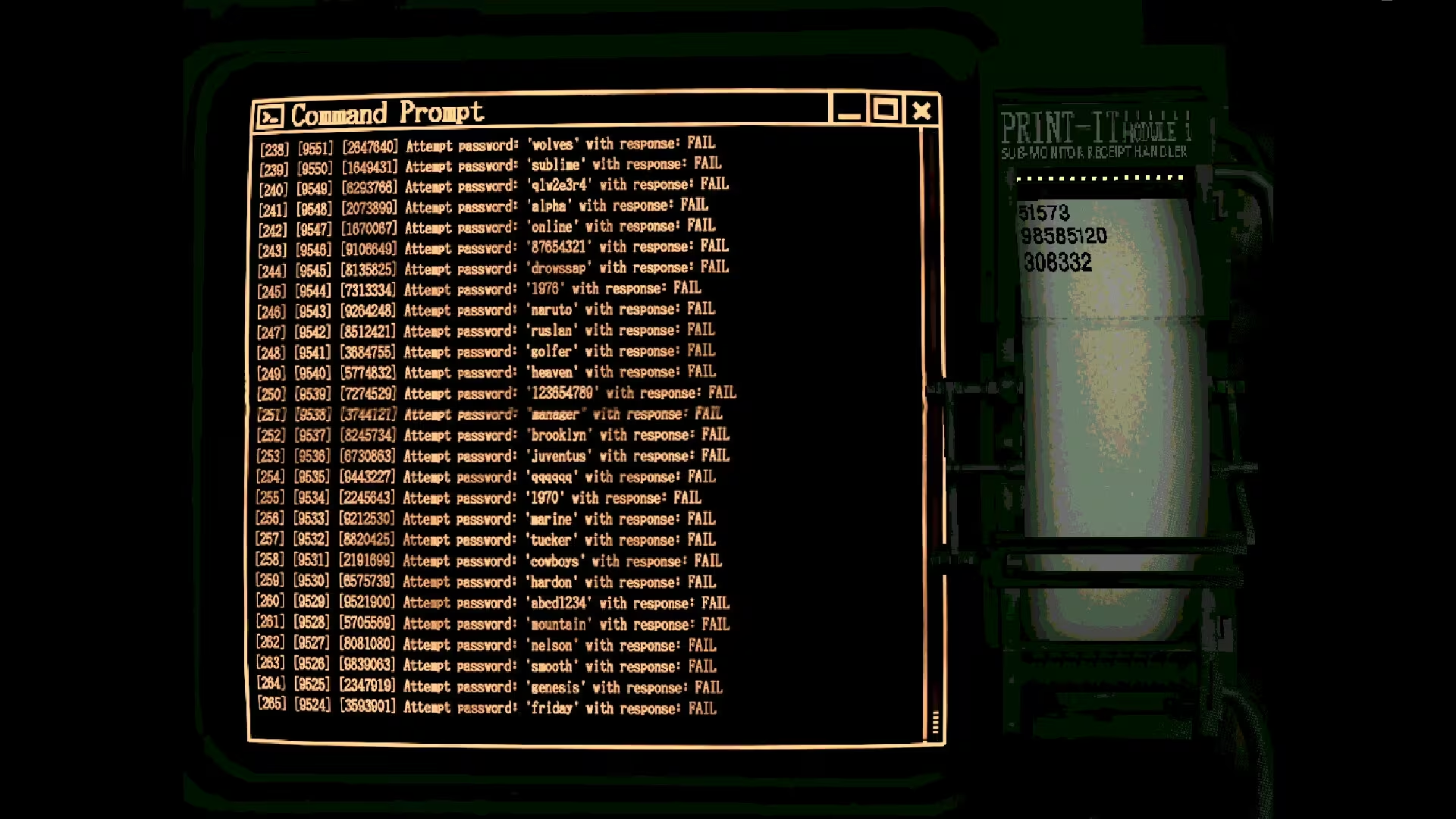
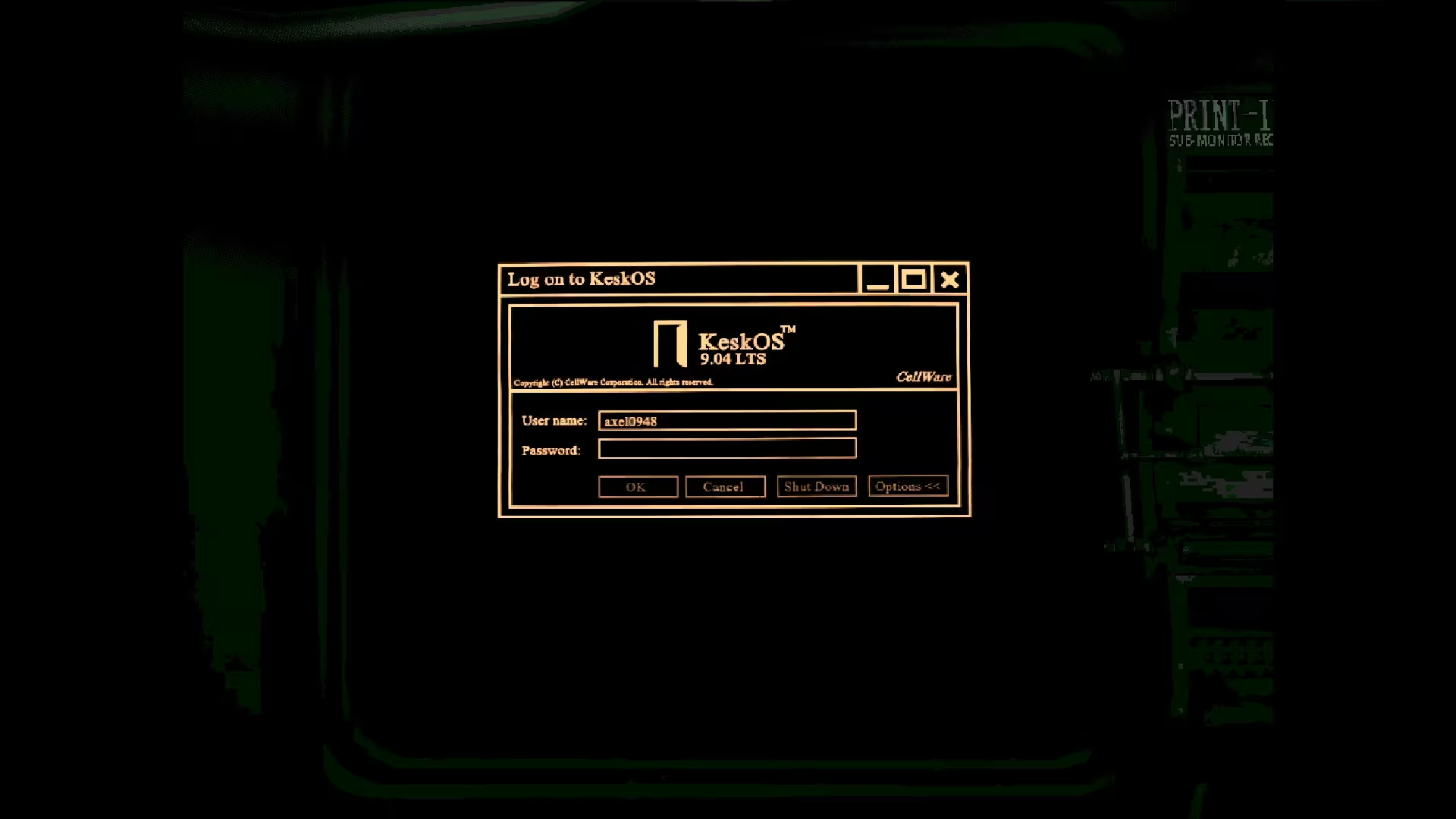
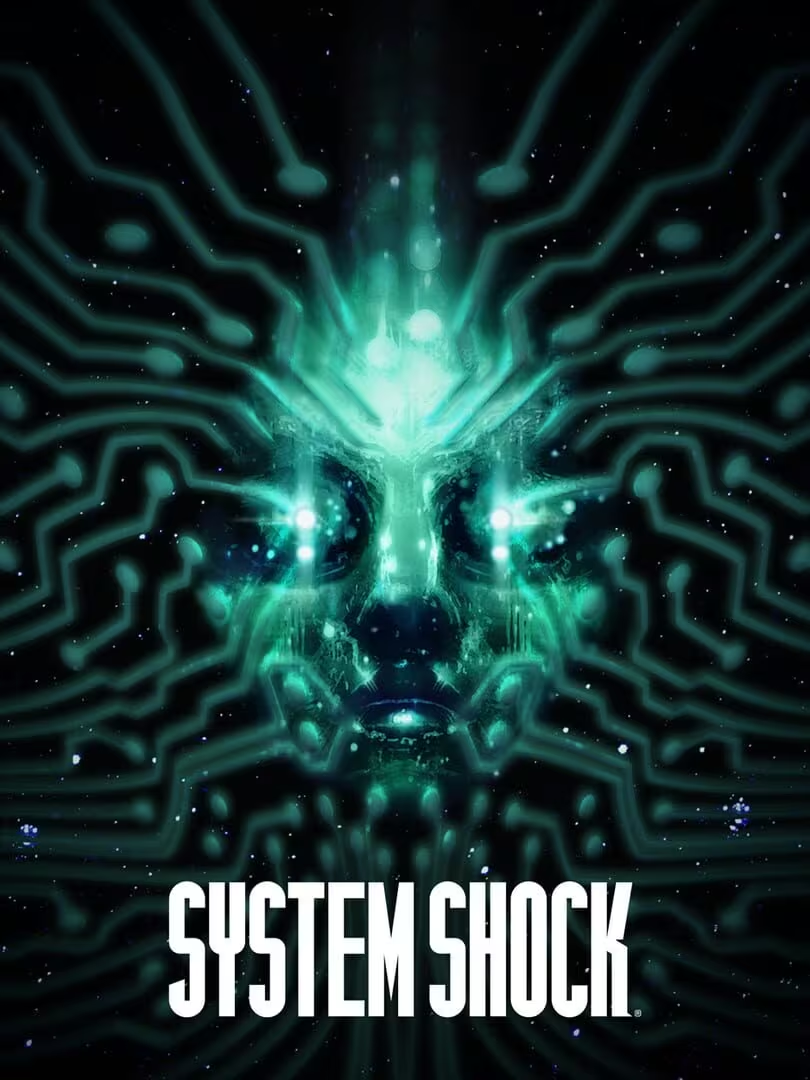
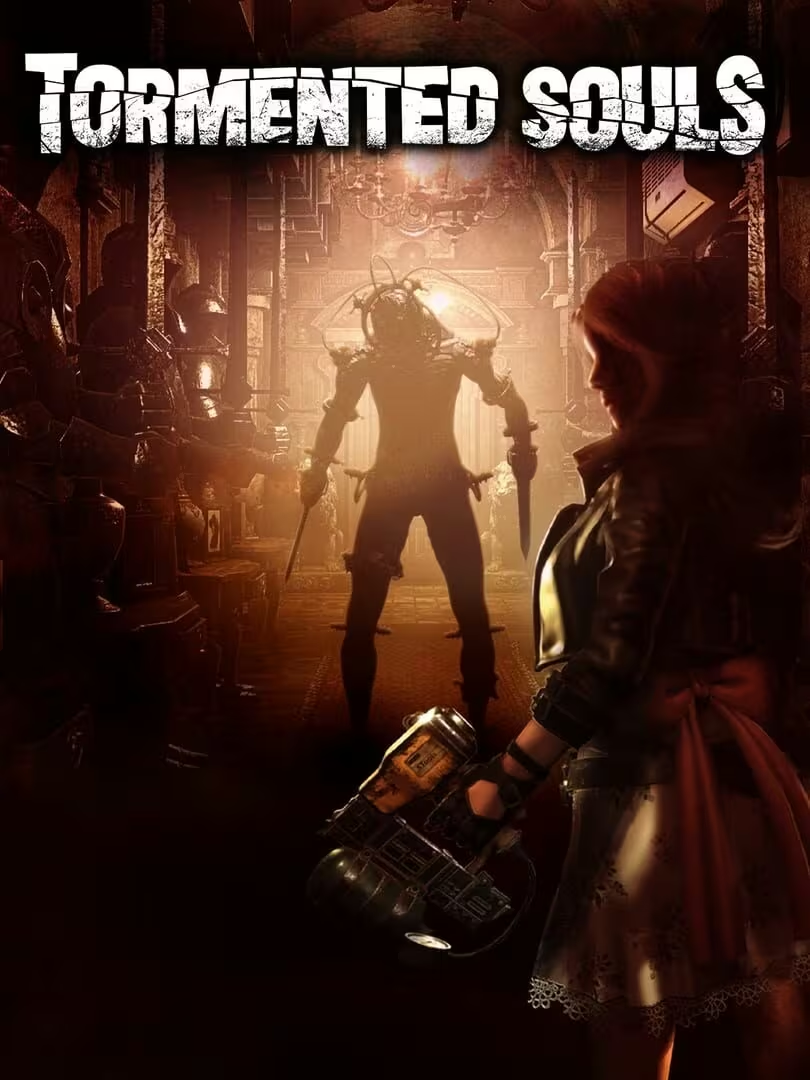
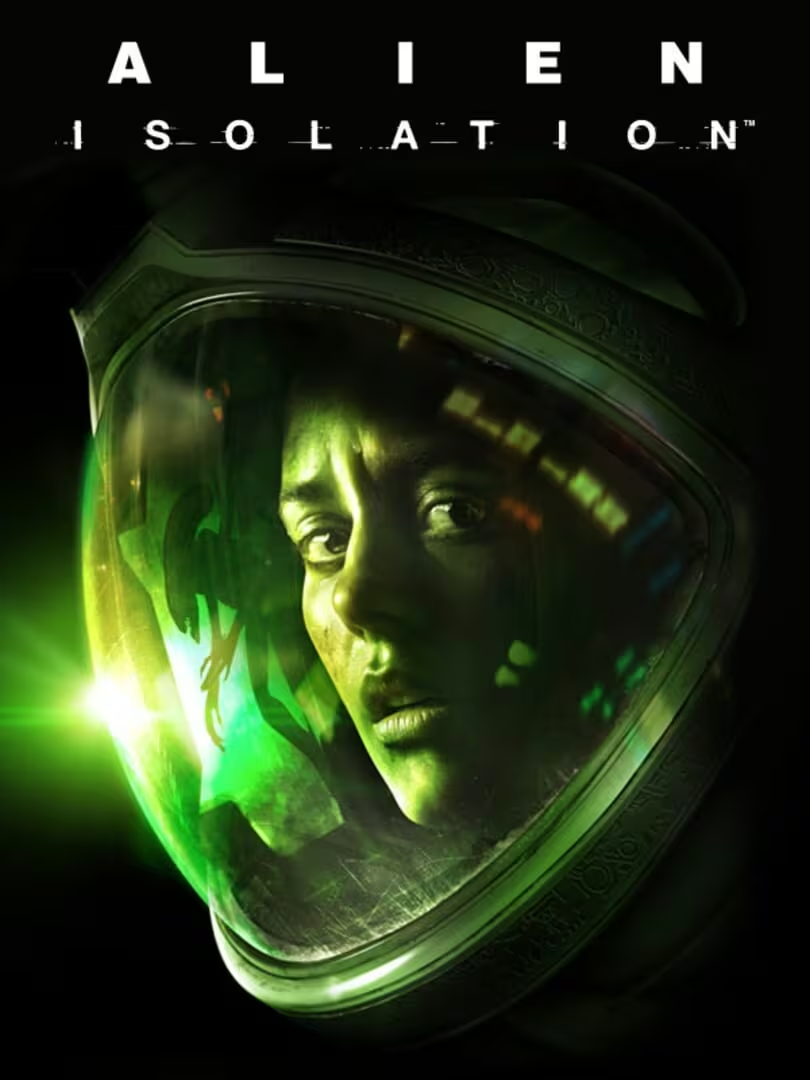
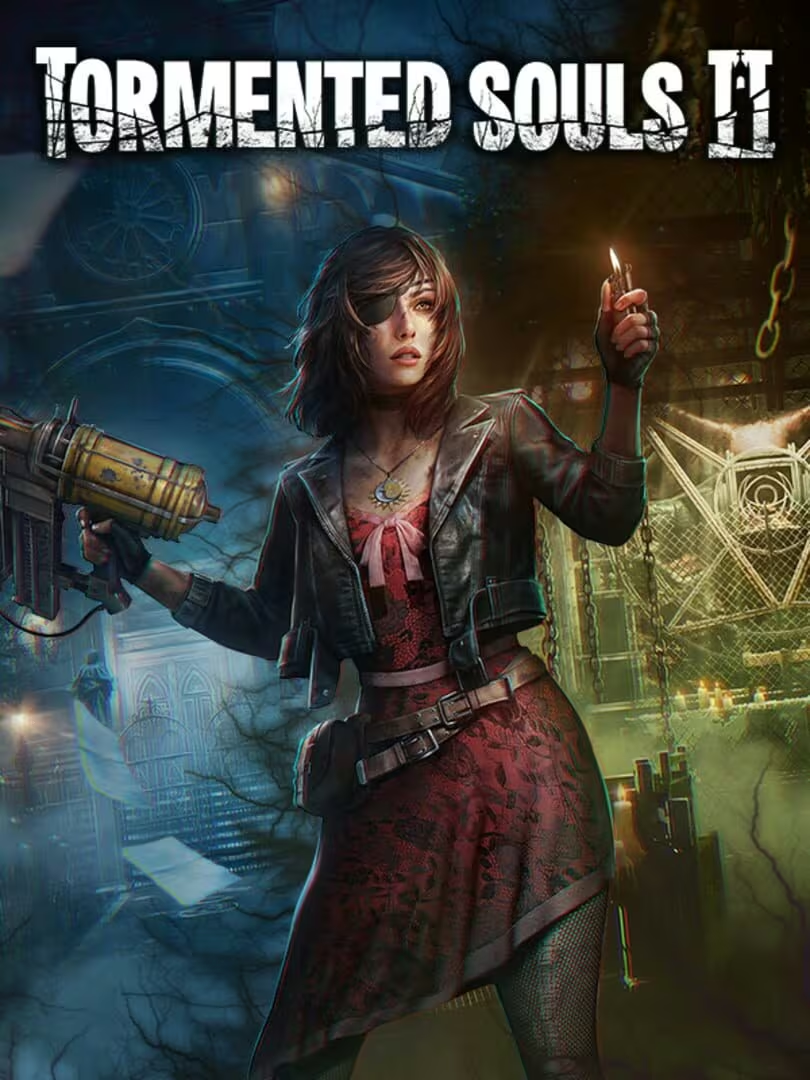
s.p.l.i.t Thumbnail

s.p.l.i.t similar games & best alternatives
s.p.l.i.t

PC (Microsoft Windows), Linux • 2025

Related articles

Quick resume

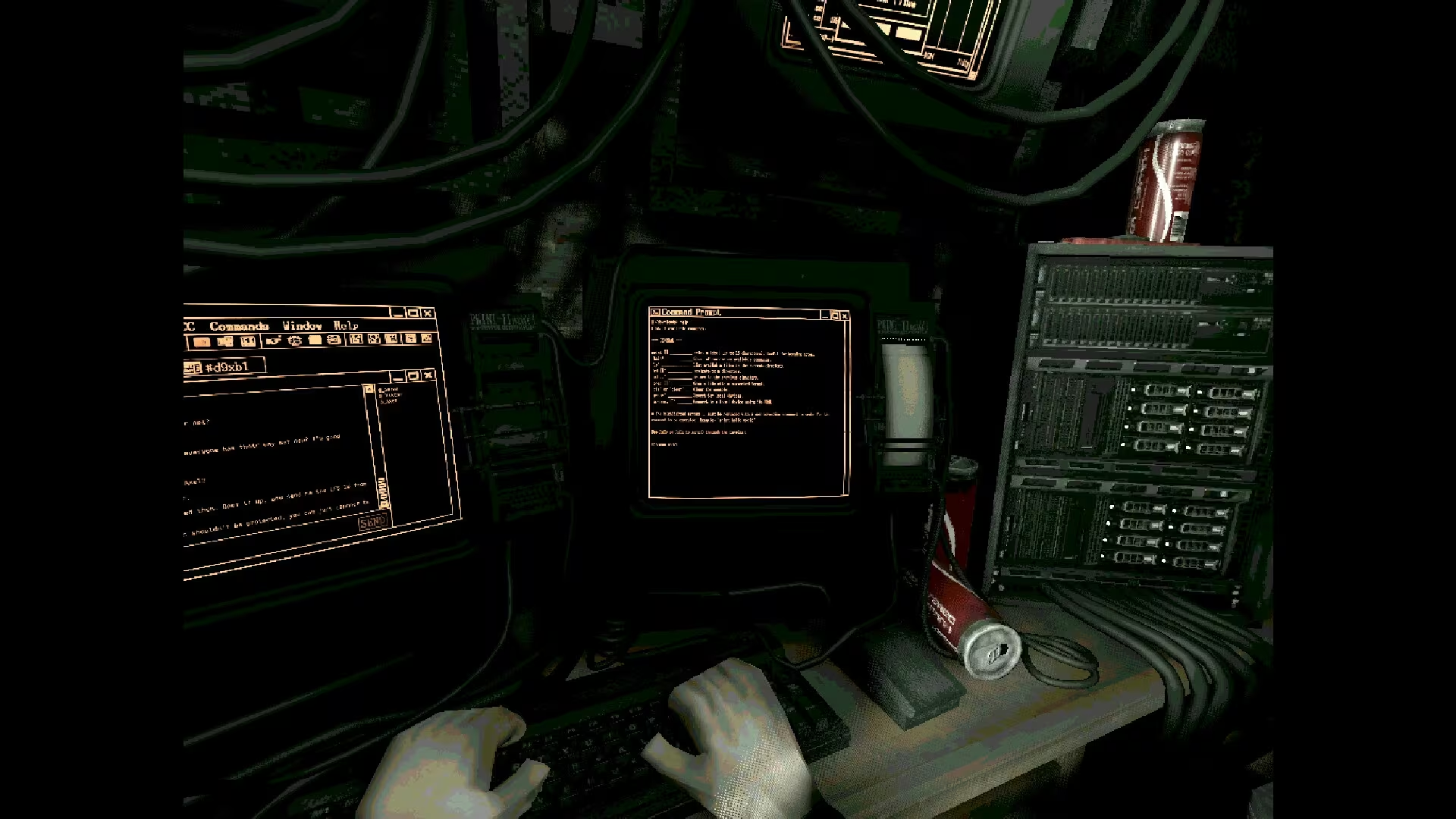
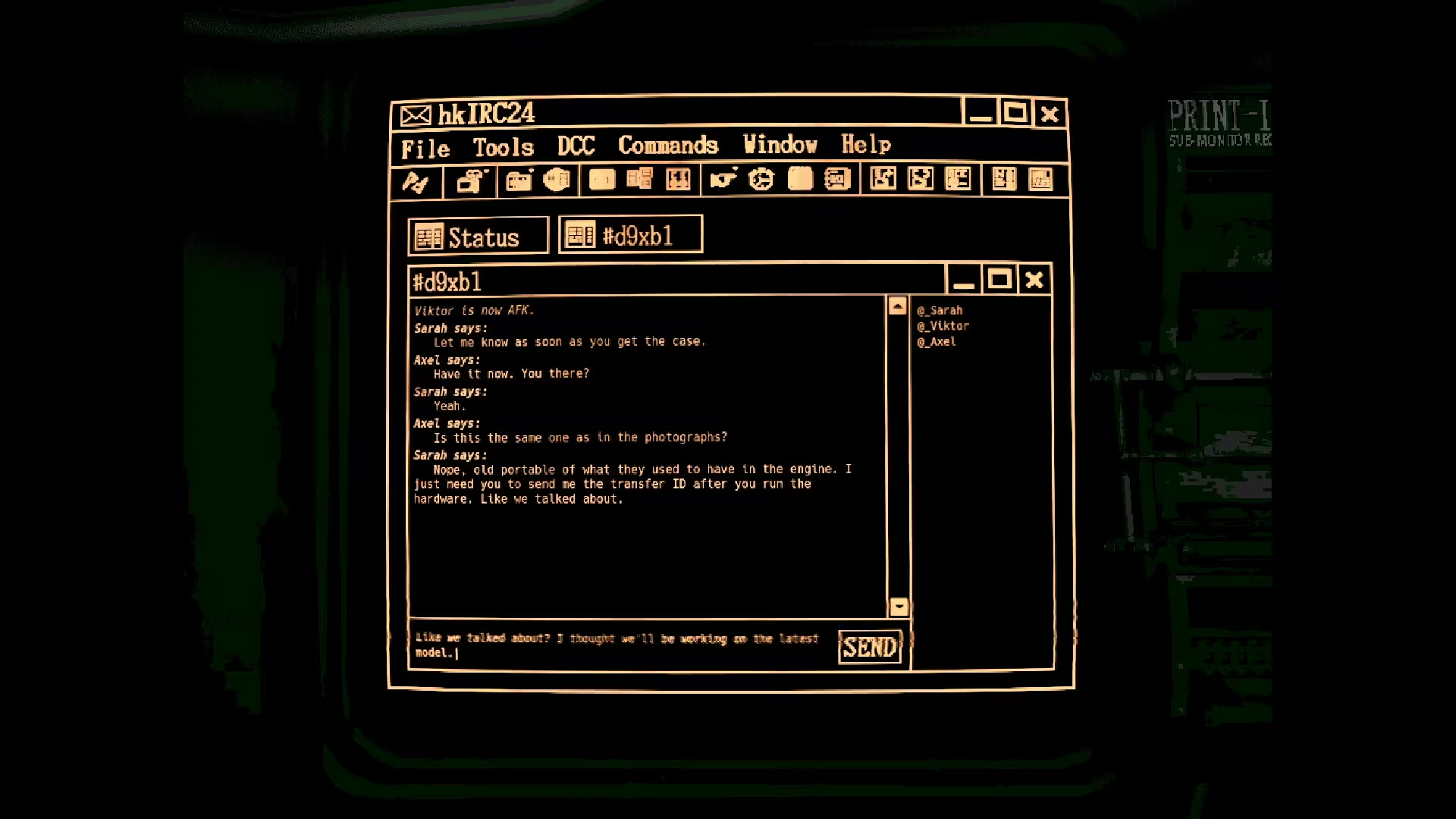
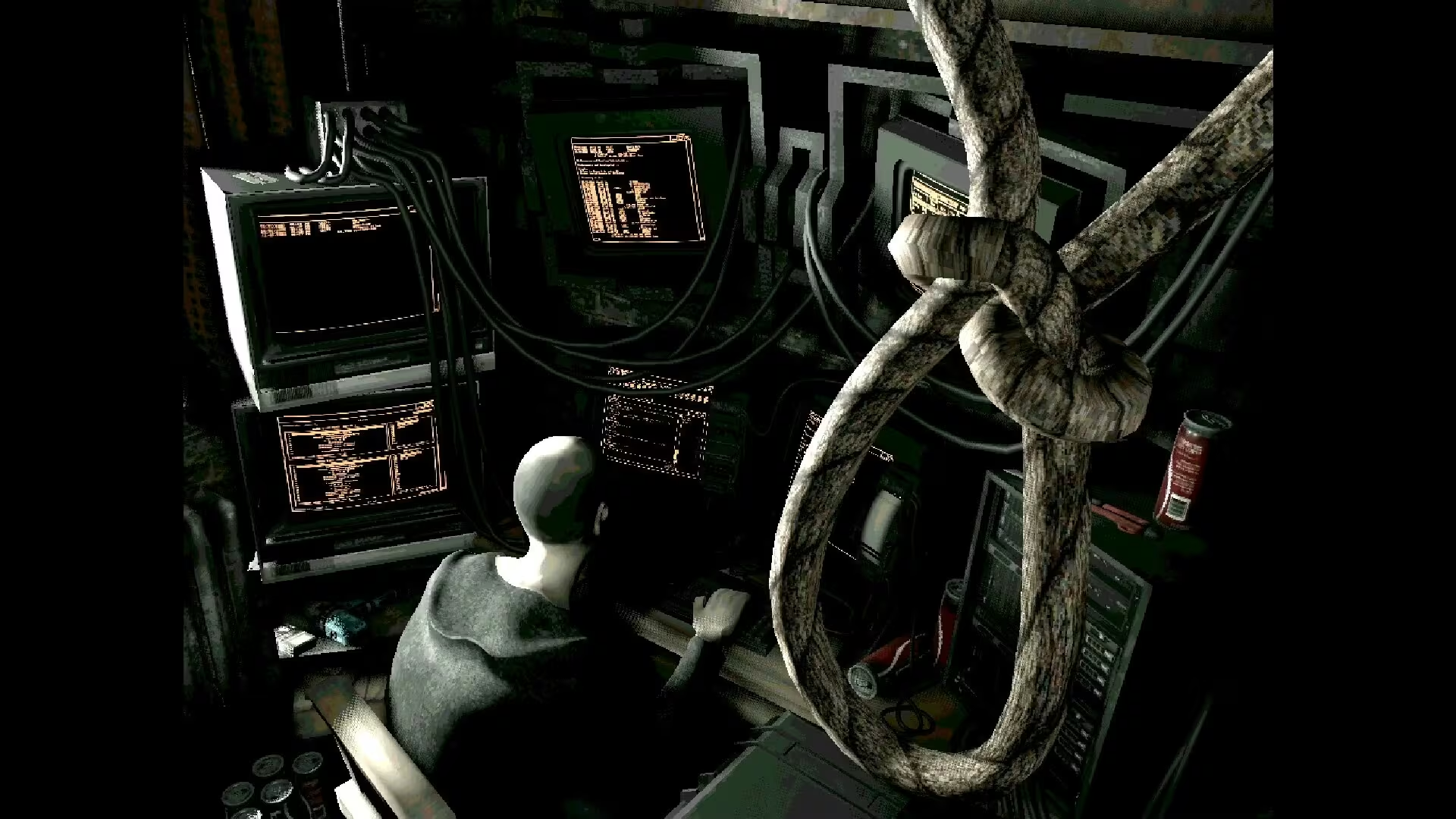
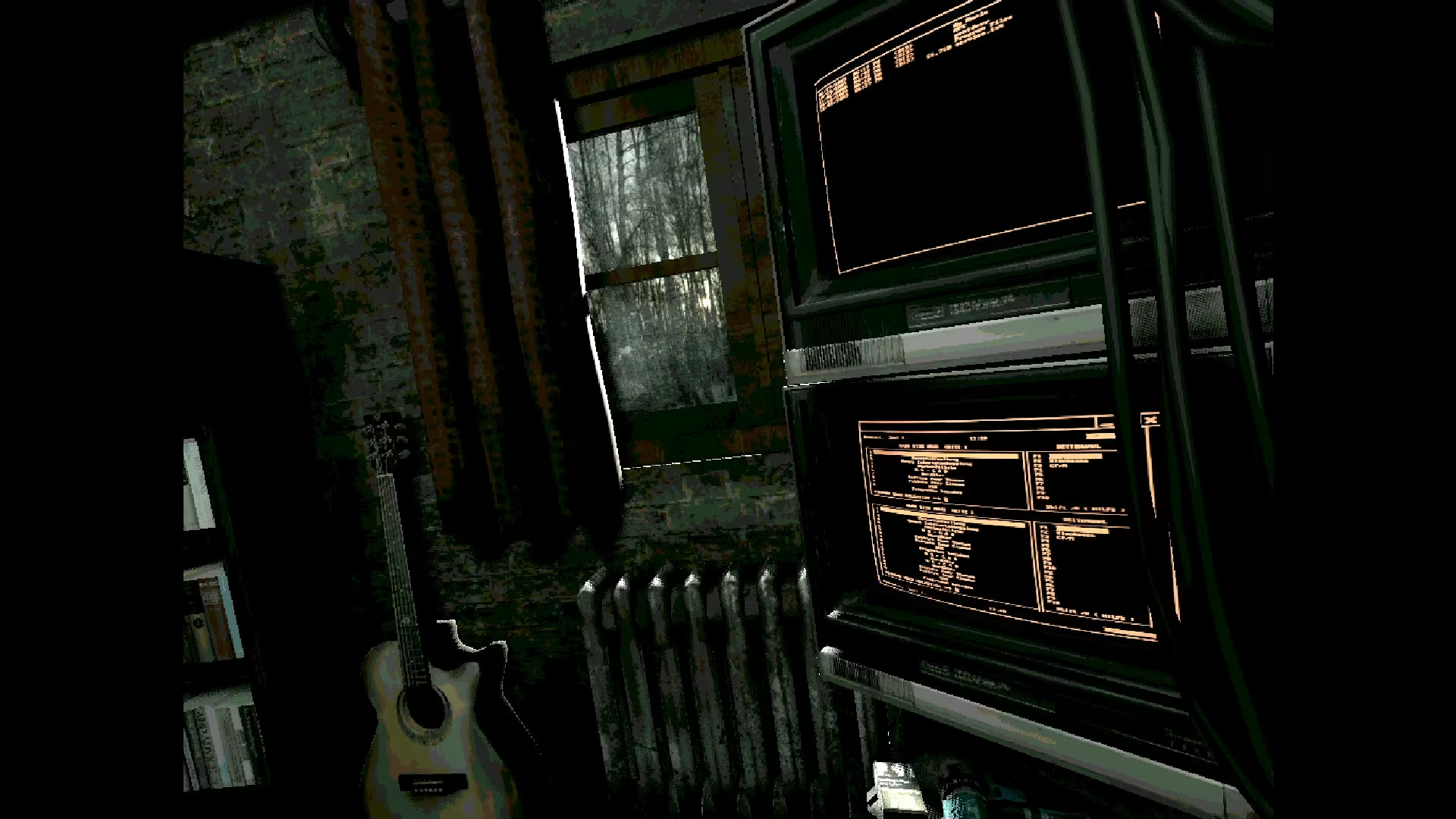
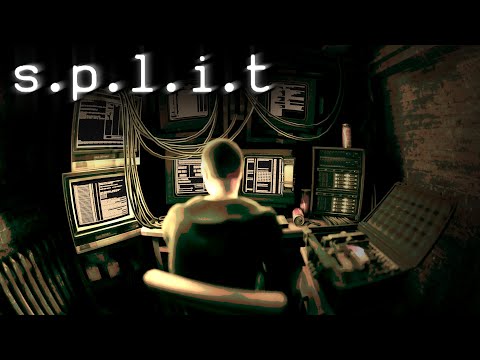
A short psychological horror game, where you attempt to gain root access into an unethical superstructure.

Global score

93/100

Genres

Action, Indie, Simulator, Visual Novel, Puzzle

Similar games

    Pros

    • Unique terminal-based gameplay
    • Strong psychological horror atmosphere
    • Immersive narrative and worldbuilding
    • Engaging soundtrack and audio design
    • Affordable price for experience

    Cons

    • Very short playtime
    • Limited replayability
    • Steep learning curve for non-technical players
    • Lack of customization and social features
    • Some interface limitations (no tab completion, limited file access)

    Analysis

    Broadly representative of its motivational profile, with a few distinct shifts. Motivations that often define this kind of title include Expression, Fellowship, Cooperation, Competition. Here, the score leans higher than usual among comparable games on Violence. It leans lower than usual among comparable games on Continuation, Relaxation.

    How to use the graph
    Similar games map

    Each dot is a game. They are arranged from the same motivation profile as in the “Motivations” section below. Closer dots usually mean more similar reasons to play (exploration, competition, relaxation, etc.)—not that one game is “better” than another.

    • Larger dot with a light outline: the game you are viewing.
    • Colour: groups of games with comparable motivation patterns (statistical clusters).
    • Hover a dot to see the game name; click to open its page.
    • Scroll or double-click the chart to zoom out and see more games.

    Why don’t the axes read like a score? This view uses t-SNE: it only keeps who is close to whom. The scales are not “good to bad” or hours played—they separate groups on the map. Read distance between dots, not the axis numbers.

    Motivations

    • Autonomy
      4

      "Players have control over terminal commands and decisions in a simulated hacking environment, requiring active problem solving and self-direction."

    • Competence
      4

      "The game challenges players to learn and use real DOS-like commands and solve puzzles, providing feedback and requiring skillful input."

    • Competition
      -4

      "Focus is on individual experience and personal puzzle solving without any multiplayer or leaderboard competition."

    • Continuation
      -3

      "Short playtime (~30-60 minutes), limited replayability with only two endings; players often wish for more but the game is designed as a brief experience."

    • Cooperation
      -4

      "Gameplay is single-player and independent; narrative involves other characters but no player cooperation."

    • Creativity
      3

      "Players experiment with terminal commands and explore files; some creative problem solving involved though within a structured environment."

    • Domination
      -5

      "No evidence of exerting control over others; interactions are narrative-driven and solitary."

    • Escapism
      4

      "Strong immersive psychological horror atmosphere provides a means to escape reality into a dystopian narrative."

    • Expectation
      -4

      "Players engage voluntarily out of interest in narrative and hacking simulation; no obligation or external pressure noted."

    • Experimenting
      3

      "Players try different commands and explore the terminal environment to solve puzzles and uncover story elements."

    • Exploration
      3

      "Exploration of file systems and logs within the terminal interface drives discovery of story and clues."

    • Expression
      -3

      "Limited customization; players interact with a fixed interface and narrative without avatar or environment personalization."

    • Fantasy
      3

      "Fictional dystopian world with psychological horror elements and speculative technology, though grounded in realistic terminal simulation."

    • Fellowship
      -4

      "Solo experience with minimal social interaction or community engagement."

    • Growth
      3

      "Players learn terminal commands and puzzle-solving skills; some personal development in understanding the game’s systems."

    • Health
      -5

      "Sedentary gameplay with no physical activity or health-related features."

    • Idle
      -4

      "Requires focused attention and active input throughout; not designed for passive or background play."

    • Intimacy
      -4

      "No close social relationships formed; interactions are limited to narrative elements."

    • Leadership
      -5

      "No leadership or group management roles; purely individual gameplay."

    • Progression
      2

      "Some progression through unlocking story elements and completing puzzles, but no extensive item or upgrade accumulation."

    • Relaxation
      -3

      "Tense, anxiety-inducing atmosphere with psychological horror elements; not primarily relaxing."

    • Sensation
      3

      "Strong atmospheric audio and visuals create emotional and sensory engagement."

    • Status
      -5

      "No social recognition or status systems present."

    • Story
      5

      "Narrative-driven experience with strong psychological horror story and worldbuilding central to gameplay."

    • Strategy
      3

      "Players use logic and problem solving to navigate terminal commands and puzzles."

    • Thrill
      4

      "Psychological horror and suspense create tension and emotional thrill throughout the game."

    • Value
      4

      "Players perceive good value for the low price given the quality and uniqueness of the experience."

    • Violence
      4

      "Contains themes of self-harm and psychological violence; narrative involves disturbing and violent content."

    • Survival
      3

      "Gameplay involves avoiding failure and managing tasks under pressure, though not traditional survival mechanics."

    Last update: 29/04/2026