SEGA Mega Drive and Genesis Classics similar games & best alternatives
SEGA Mega Drive and Genesis Classics
2010
Related articles
Quick resume
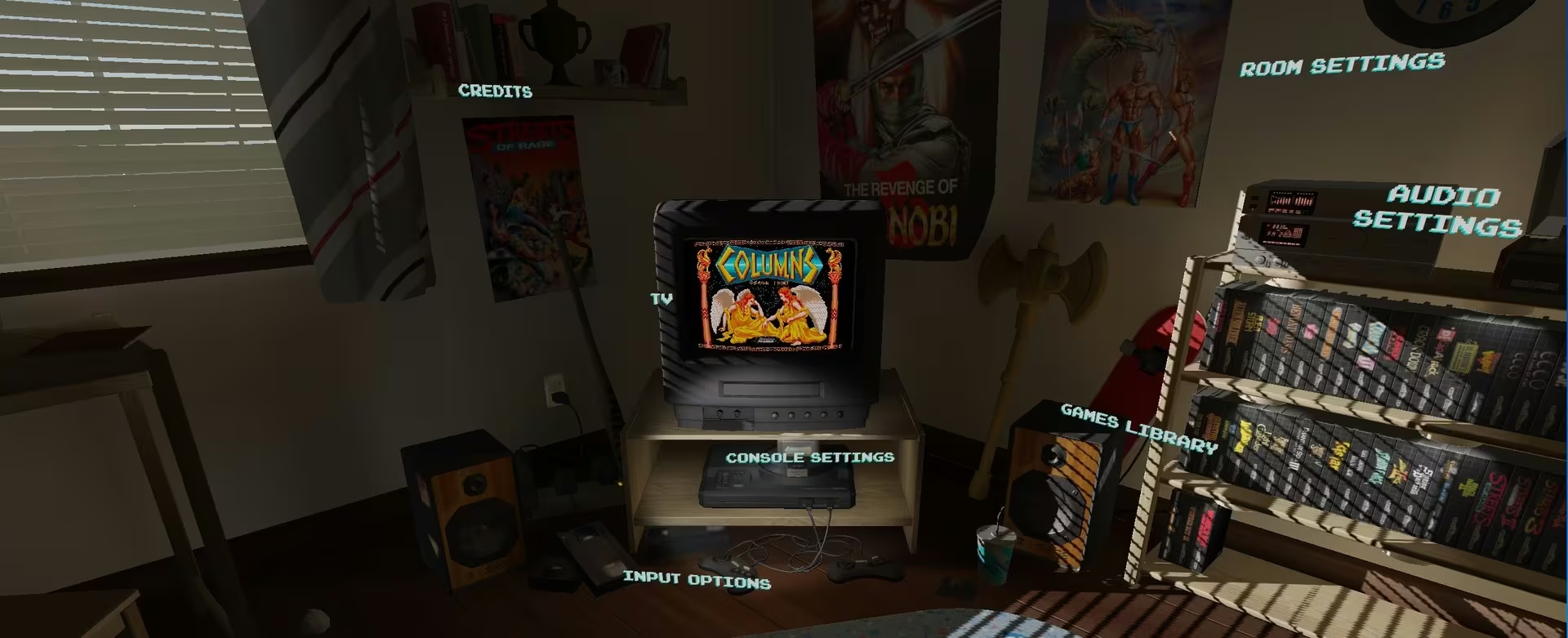
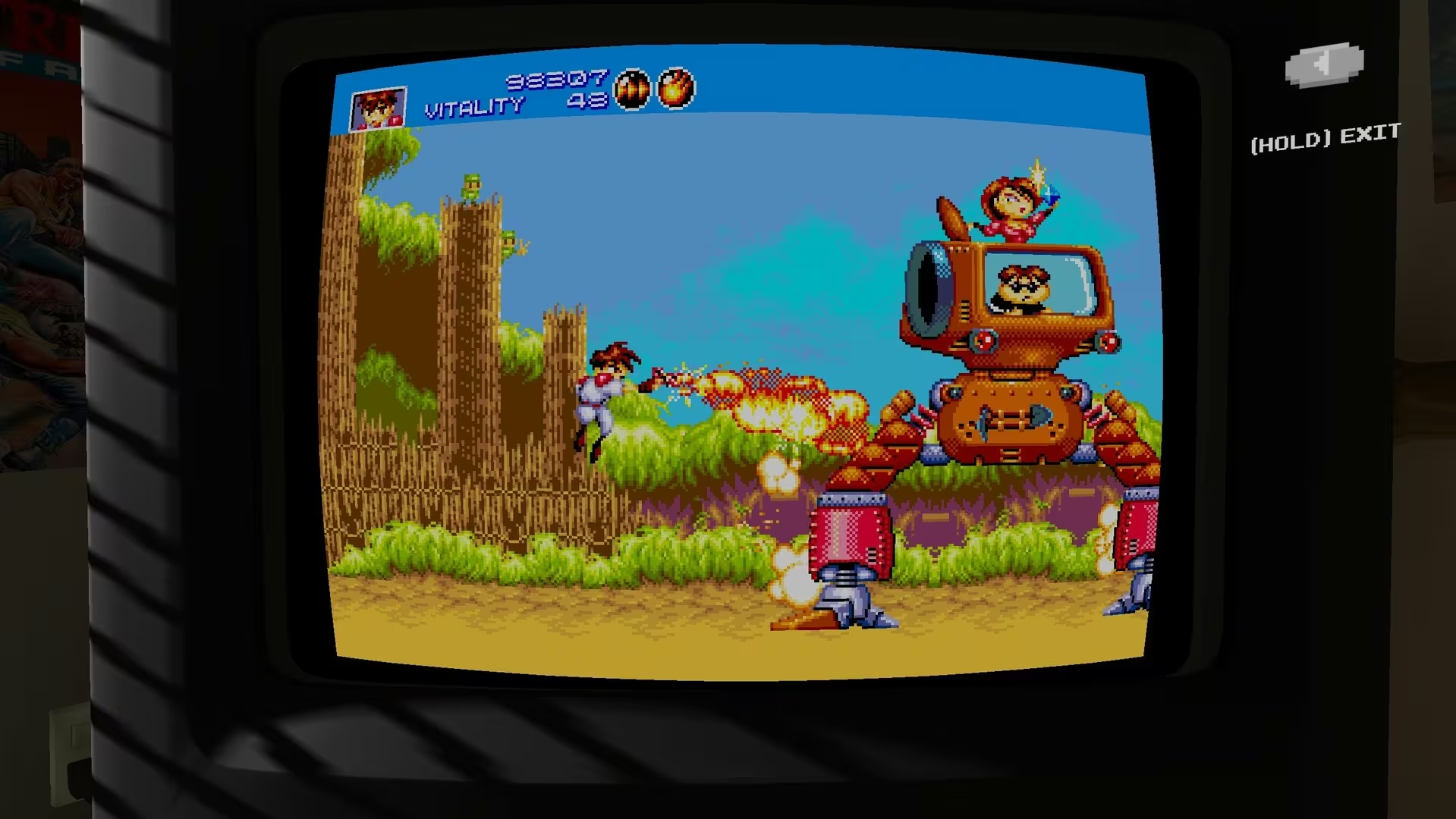
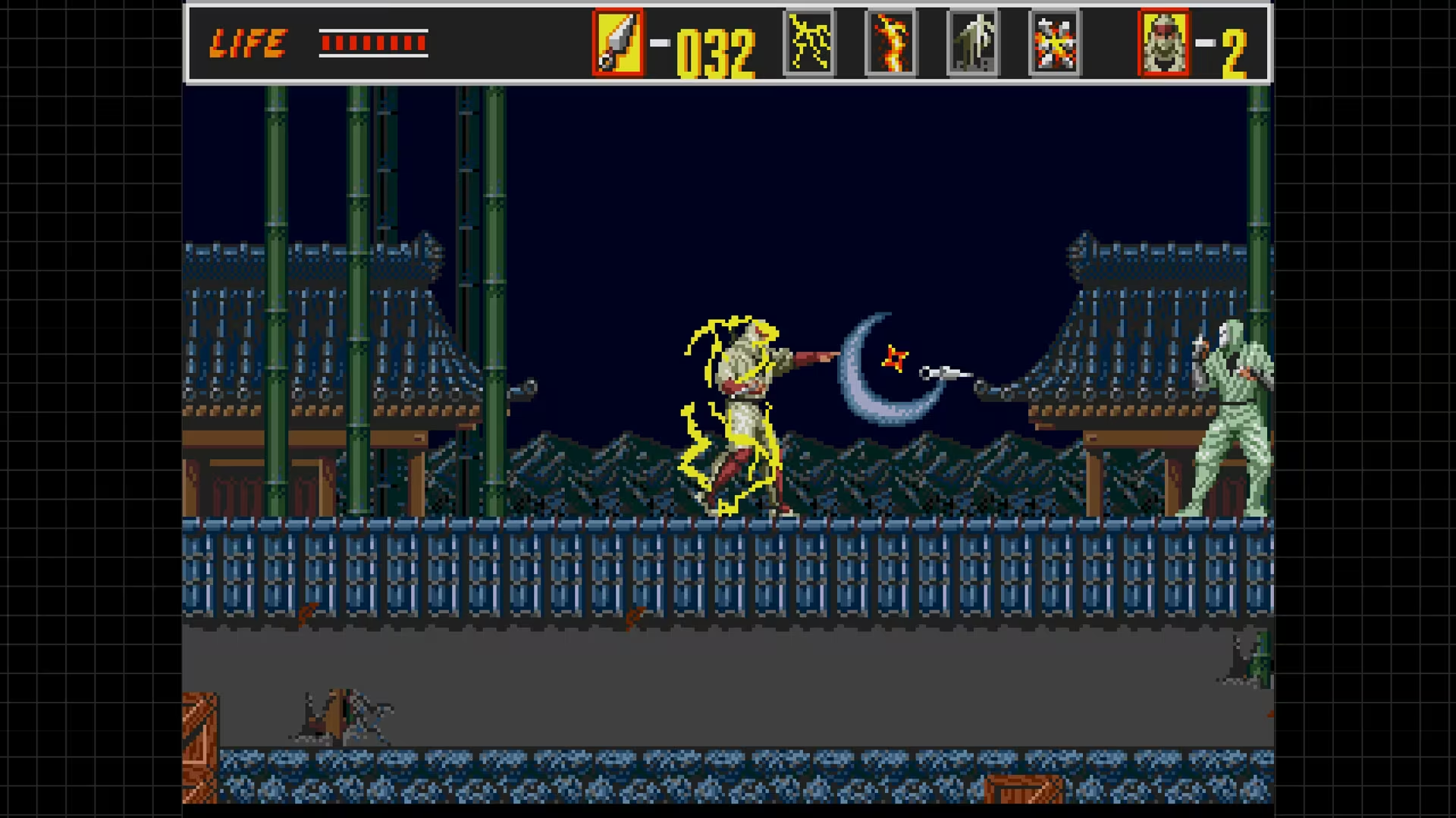
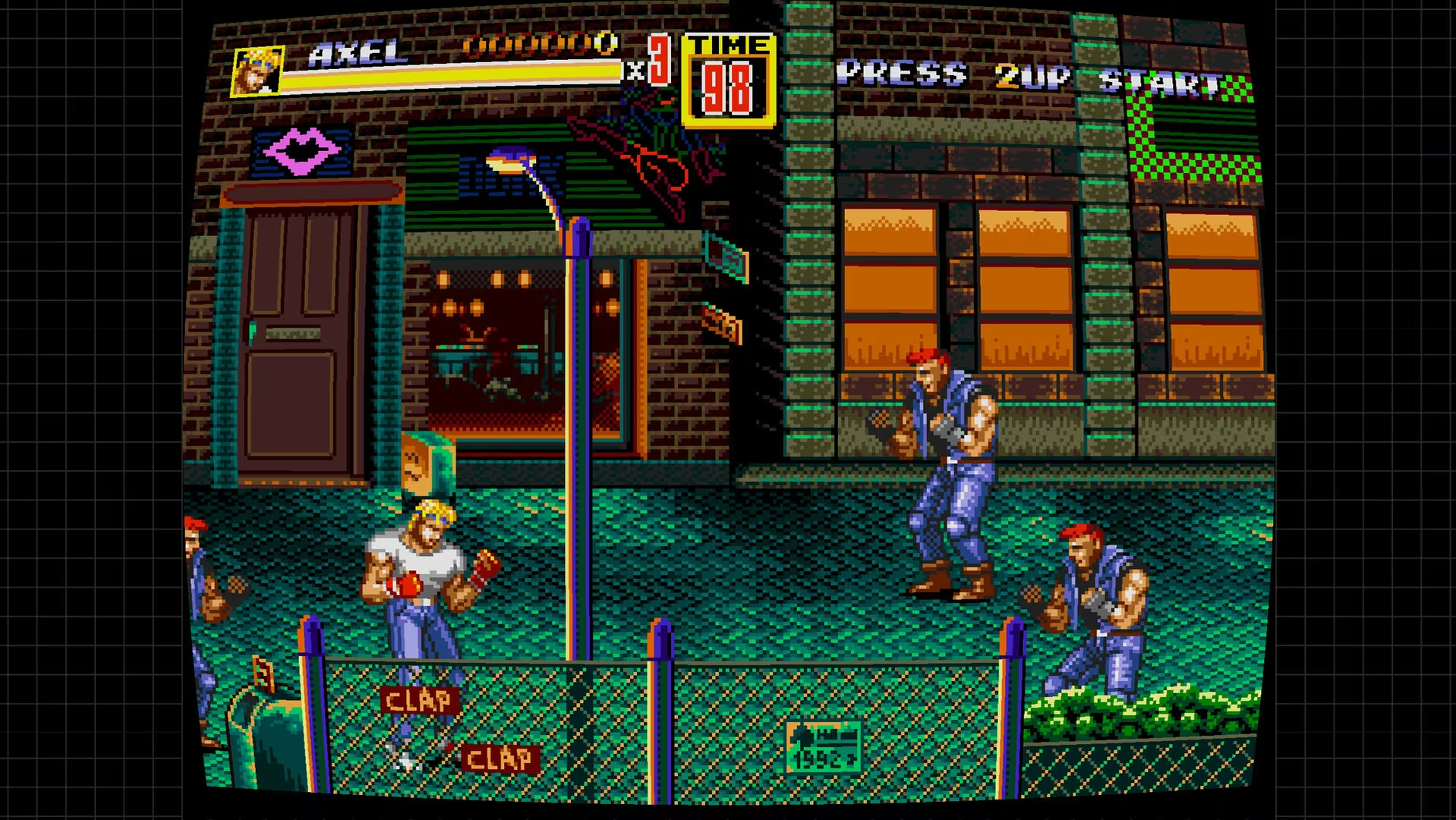
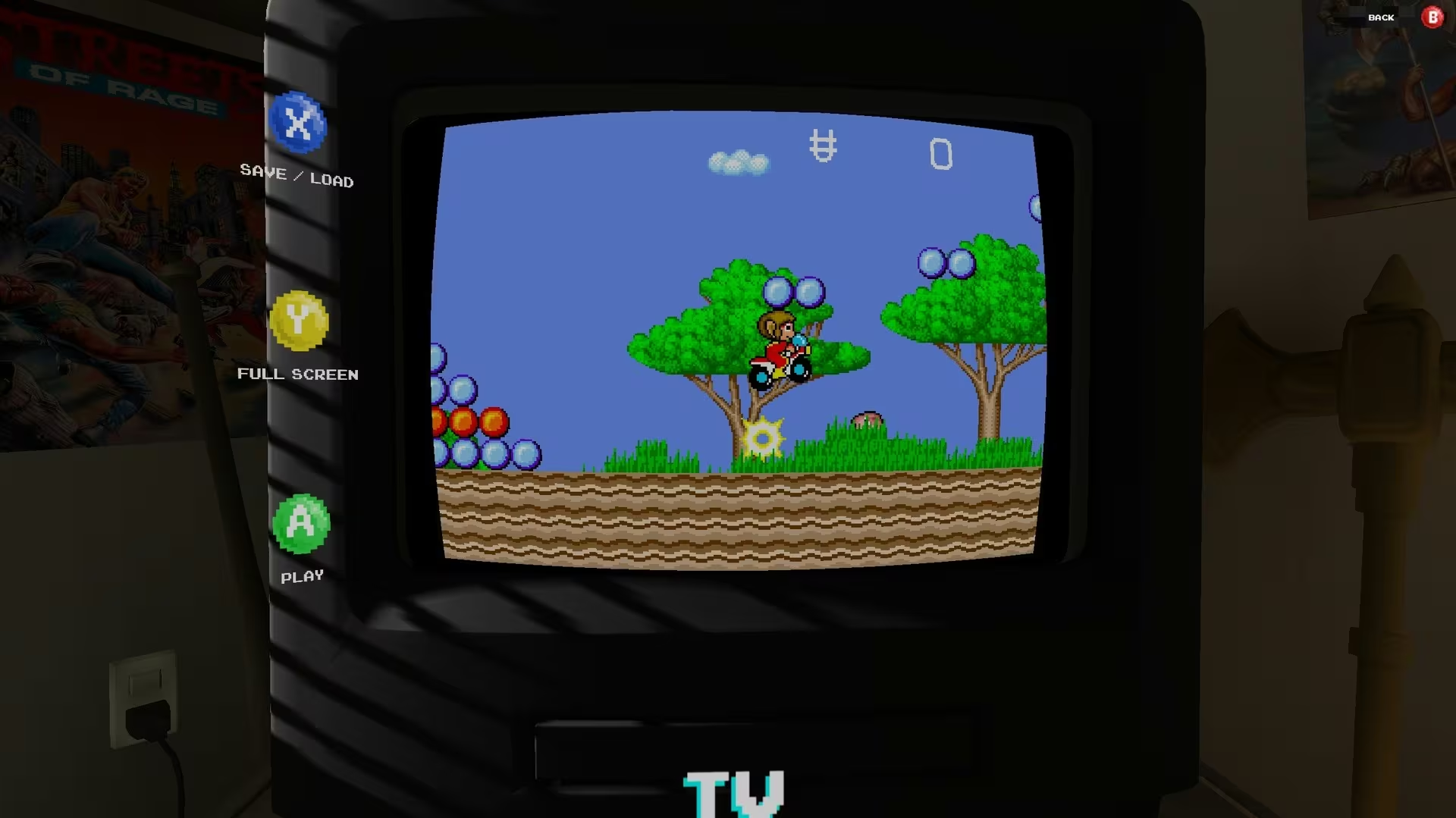
SEGA’s collection of Mega Drive & Genesis Classics comes to a new generation, now updated with even more features: online multiplayer, achievements, mirror mode, rewind, save states, VR and more! Over 50 classic games in one great package. Get into the classics!
Global score
80/100
Genres
Action, Adventure, Casual, Role-playing (RPG), Pinball, Platform, Hack and slash/Beat 'em up, Shooter, Arcade, Puzzle, Racing
Similar games
Pros
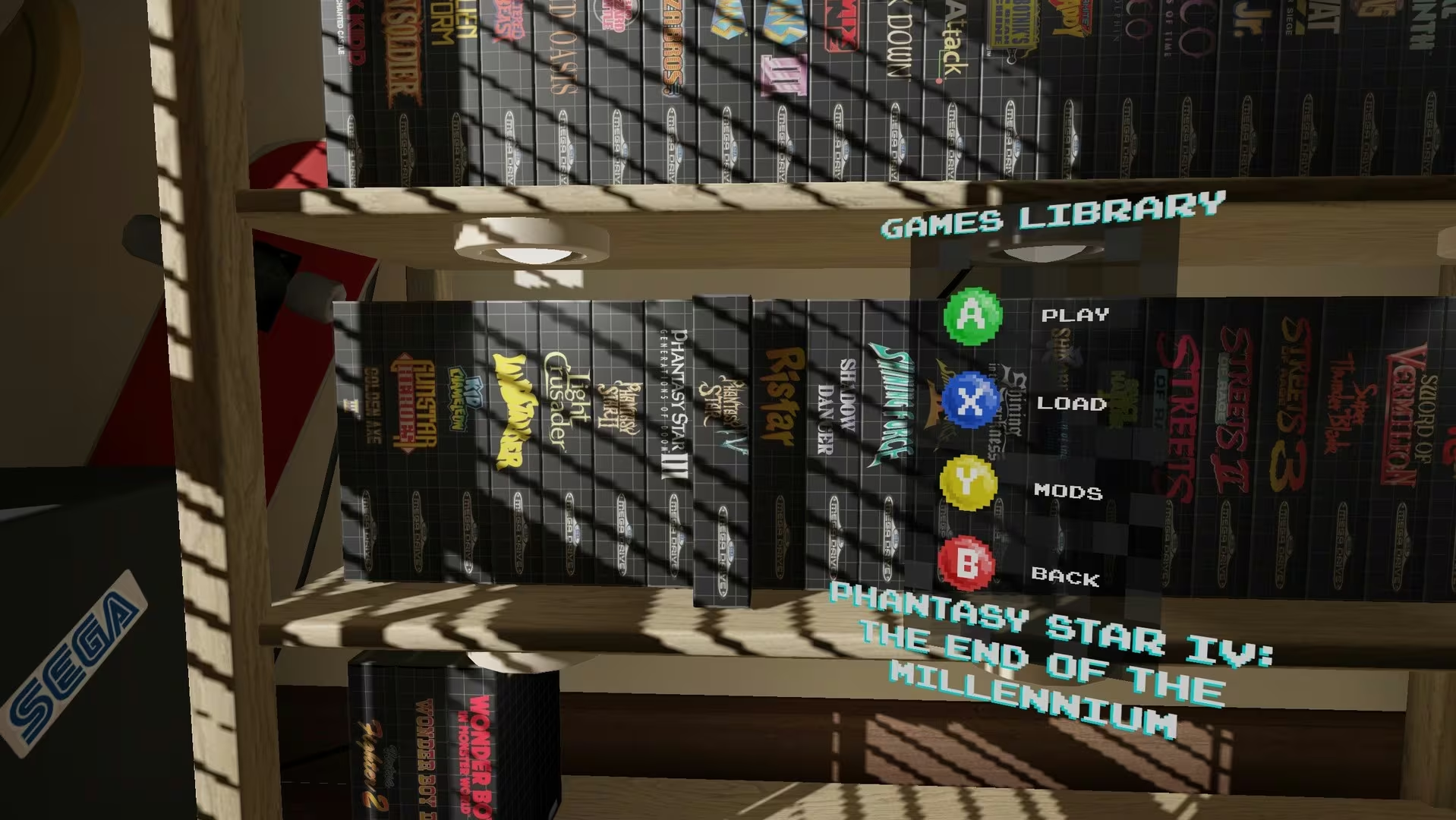
- Large and diverse library of classic sega games
- Legal access to roms with mod and workshop support
- Nostalgic and immersive retro experience
- Customization options including save states and rewind
- Affordable pricing and frequent sales
Cons
- Delisting of sonic games causing achievement and content loss
- Emulation issues such as input lag and audio inaccuracies
- Resource-heavy 3d room interface causing performance drops
- Limited number of achievements and challenges
- Some missing popular titles and uneven game quality
Analysis
A very typical example of its motivational profile. Motivations that often define this kind of title include Competition, Status, Story, Expression. Here, the score leans higher than usual among comparable games on Story, Violence, Cooperation.
How to use the graph
Similar games map
Each dot is a game. They are arranged from the same motivation profile as in the “Motivations” section below. Closer dots usually mean more similar reasons to play (exploration, competition, relaxation, etc.)—not that one game is “better” than another.
- Larger dot with a light outline: the game you are viewing.
- Colour: groups of games with comparable motivation patterns (statistical clusters).
- Hover a dot to see the game name; click to open its page.
- Scroll or double-click the chart to zoom out and see more games.
Why don’t the axes read like a score? This view uses t-SNE: it only keeps who is close to whom. The scales are not “good to bad” or hours played—they separate groups on the map. Read distance between dots, not the axis numbers.
Motivations
-
Autonomy4
"Players can freely choose from a large library of games and customize settings, including mods and save states, allowing personal control over gameplay experience."
-
Competence3
"Games range from challenging classics requiring skill and mastery to easier titles; achievements and challenges provide feedback and skill tests."
-
Competition1
"Some games support online multiplayer and leaderboards, but overall focus is more on personal play and nostalgia rather than intense competition."
-
Continuation3
"Players report long playtimes, replaying favorites multiple times, and engaging with mods and challenges, indicating habitual and extended play."
-
Cooperation1
"Some games offer cooperative multiplayer modes, but majority of play is single-player or independent."
-
Creativity3
"Steam Workshop support enables modding and custom content, allowing players to modify and extend games creatively."
-
Domination-2
"No strong evidence of dominance or power over others; interactions appear balanced and respectful."
-
Escapism4
"Strong nostalgic appeal and immersive retro experience provide escape from real life stress and responsibilities."
-
Expectation-4
"Players engage voluntarily out of personal desire and nostalgia, not due to obligation or external pressure."
-
Experimenting3
"Modding, exploring different games, and trying various settings encourage experimentation beyond established routines."
-
Exploration2
"Players discover new games and hidden gems within the collection and workshop, though many games are familiar classics."
-
Expression2
"Customization of game settings and use of mods allow some degree of personal expression, though limited to game modifications."
-
Fantasy3
"Many games feature imaginative fiction and fantasy settings typical of 16-bit era platformers and RPGs."
-
Fellowship1
"Some community engagement through Steam Workshop and multiplayer, but mostly individual play experiences."
-
Growth3
"Players develop skills through challenging gameplay and learn game mechanics, supported by achievements and challenges."
-
Health-5
"No physical activity involved; purely sedentary gaming experience."
-
Idle-3
"Requires focused attention and active engagement rather than casual or background play."
-
Intimacy-3
"Limited social interaction; mostly surface-level or casual connections through multiplayer or community mods."
-
Leadership-4
"No evidence of leadership roles; players mostly participate individually or cooperatively without hierarchy."
-
Progression3
"Games involve item collection, upgrades, and completing challenges, supporting a sense of progression."
-
Relaxation2
"Some players find nostalgic and casual play relaxing, though certain games can be challenging and tense."
-
Sensation2
"Visual and auditory retro aesthetics provide enjoyable sensory stimulation, though not intense or modern sensory effects."
-
Status0
"No strong emphasis on social recognition or popularity; achievements exist but are not a major focus."
-
Story2
"Many games have narrative elements and lore typical of classic RPGs and platformers, adding story immersion."
-
Strategy2
"Some games require strategic thinking and planning (e.g., Shining Force), but many are straightforward action titles."
-
Thrill2
"Certain games provide suspense and challenge, but overall experience is moderate in emotional intensity."
-
Value4
"Highly praised for offering a large library of games at low cost, with legal ROMs and mod support enhancing value."
-
Violence2
"Includes combat and action games with fighting and destruction typical of arcade classics."
-
Survival1
"Some games involve avoiding failure and managing resources, but survival is not a dominant theme."
Last update: 29/04/2026