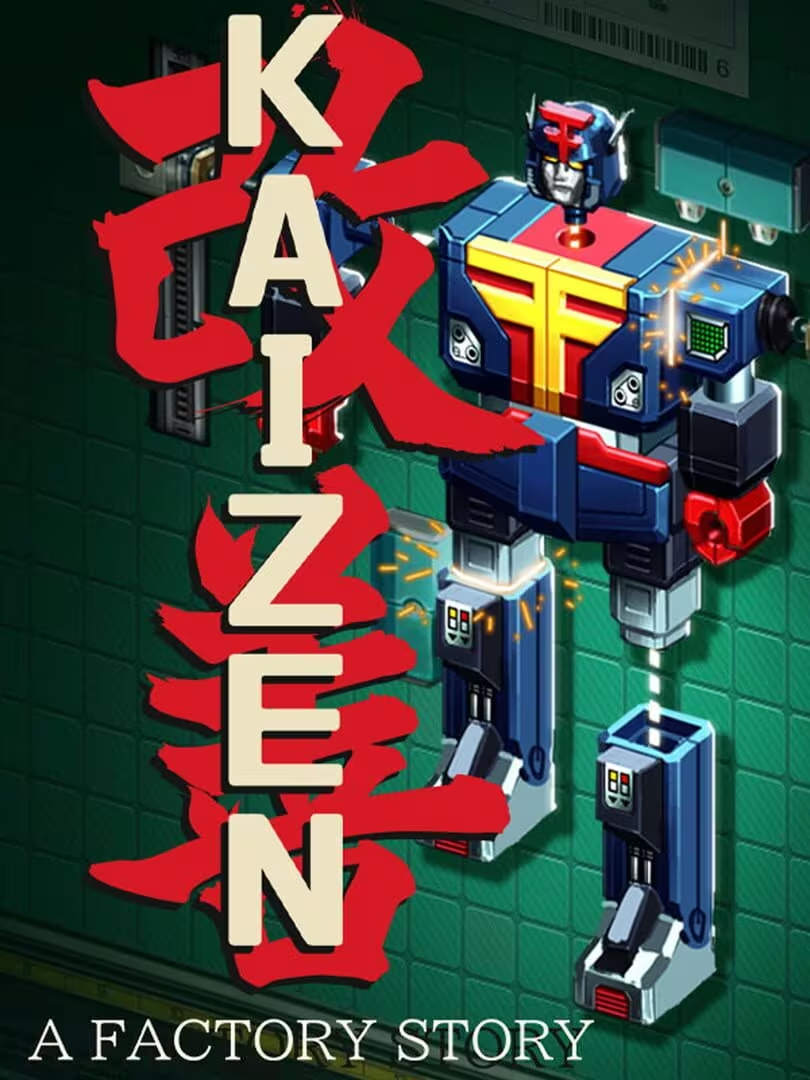
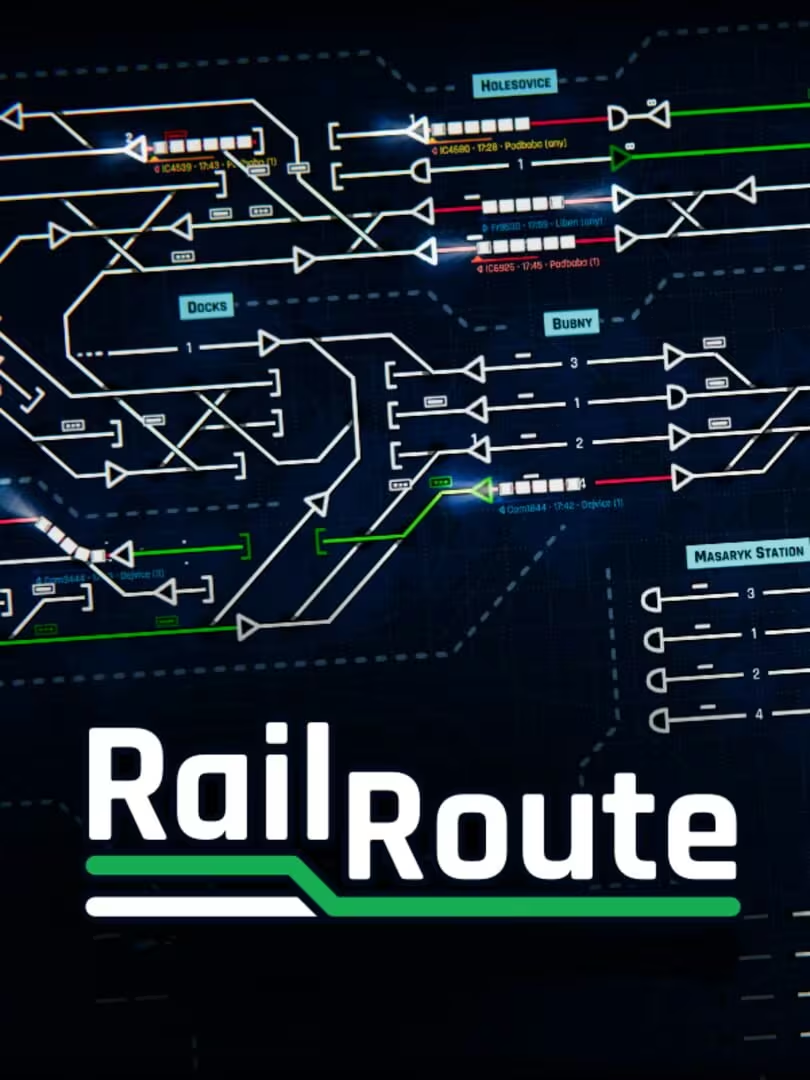
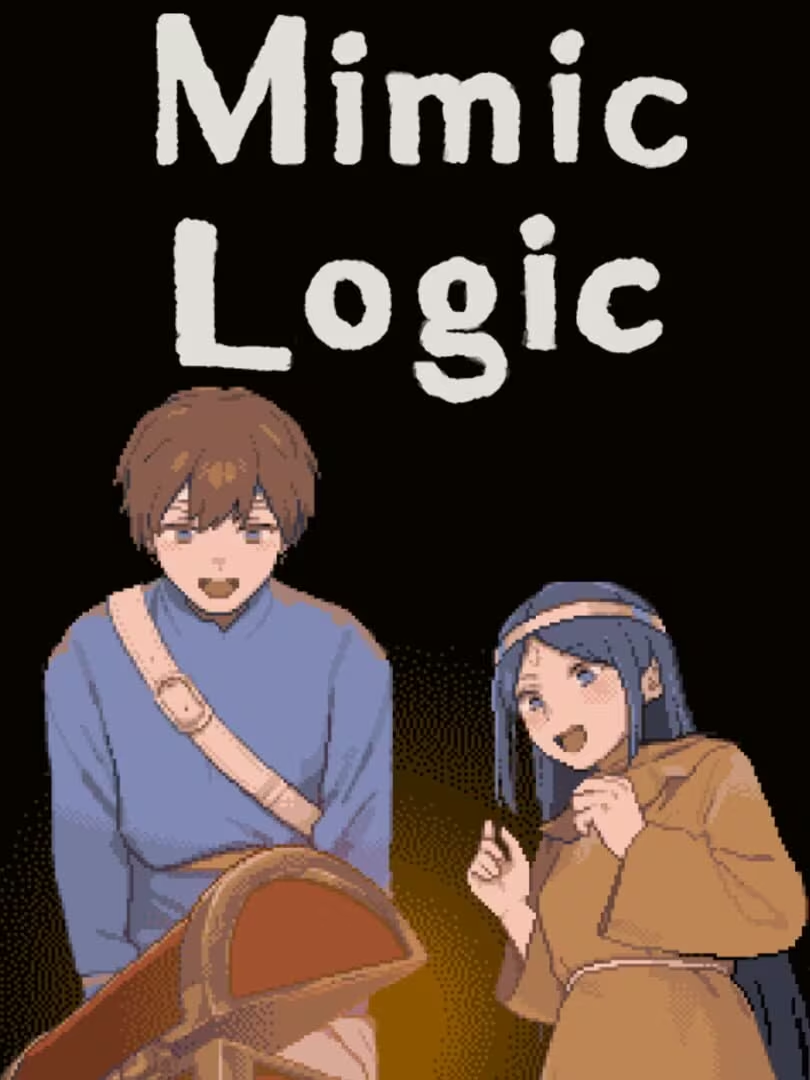
SHENZHEN I/O Thumbnail

SHENZHEN I/O similar games & best alternatives
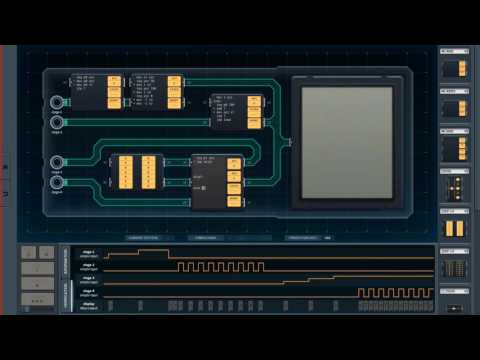
SHENZHEN I/O

Mac, PC (Microsoft Windows), Linux • 2016

Related articles

Quick resume

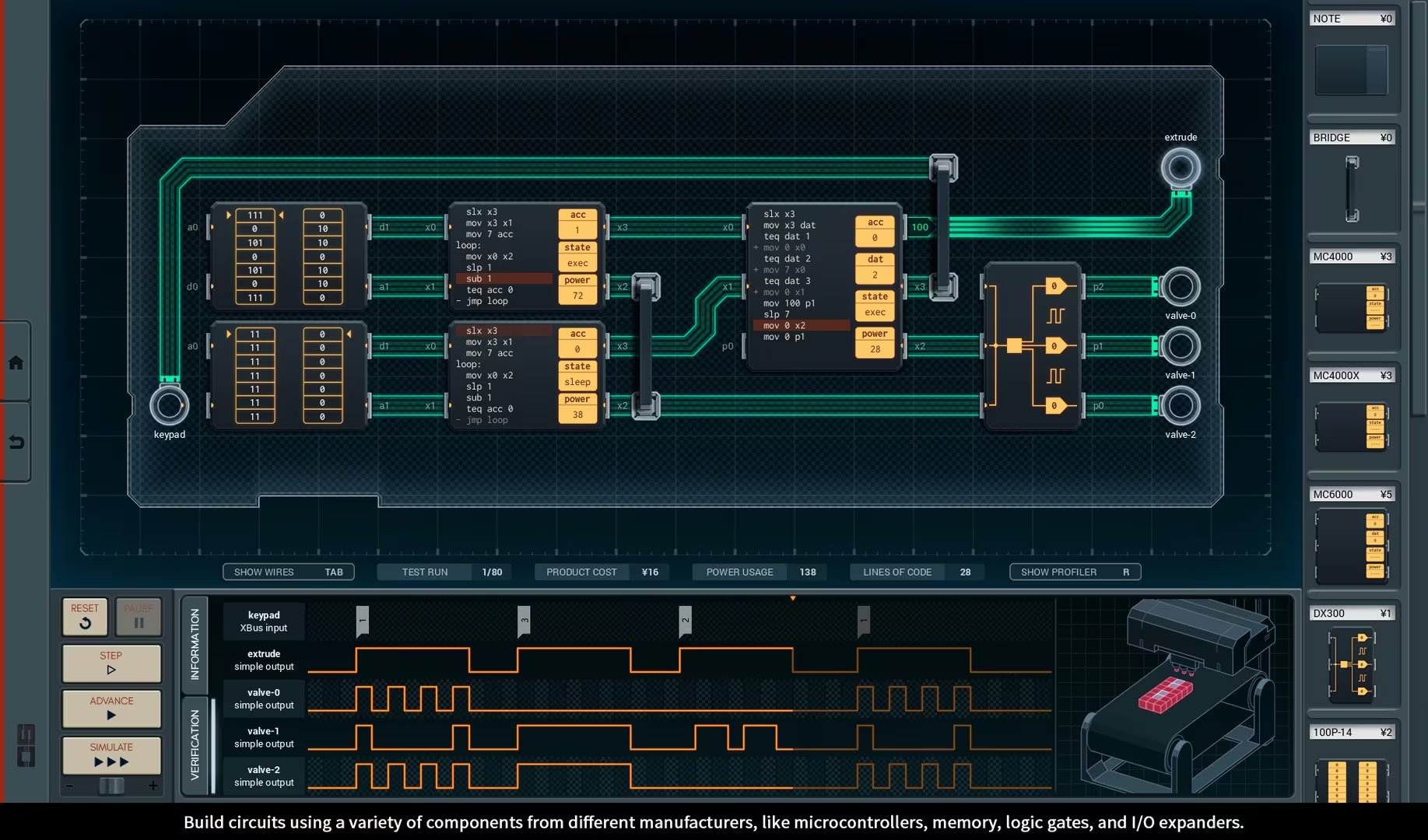
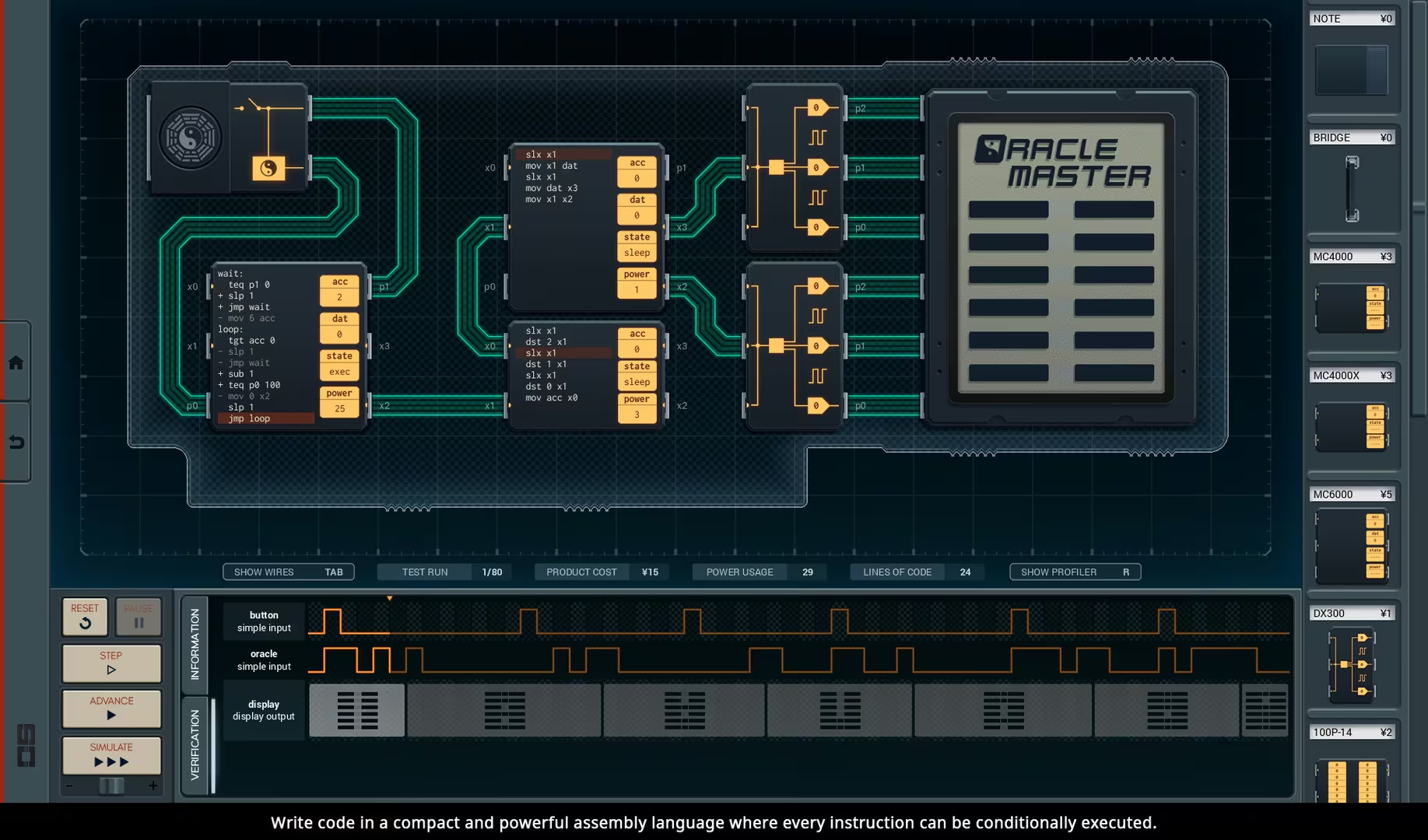
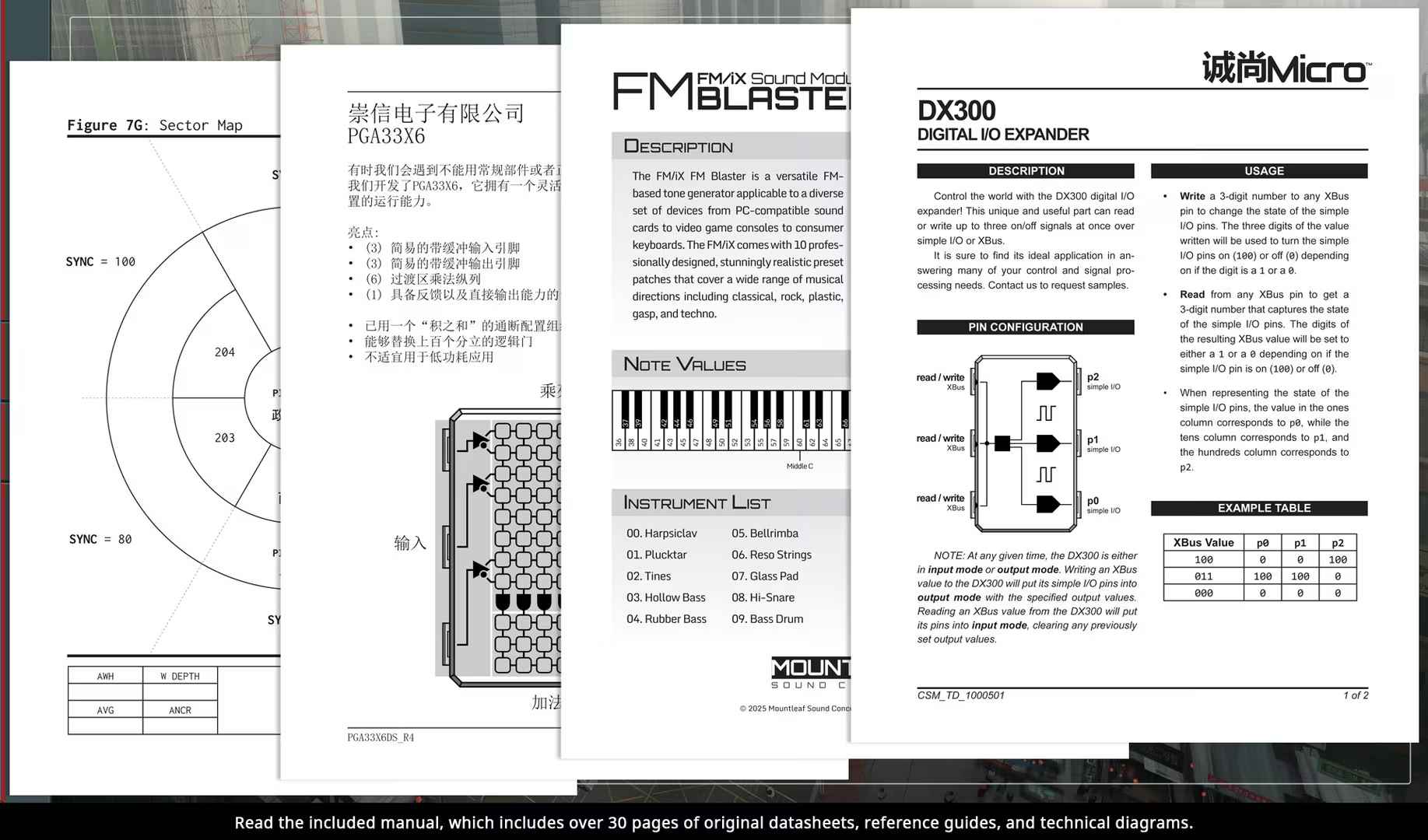
BUILD CIRCUITS. WRITE CODE. RTFM.

Global score

95/100

Genres

Indie, Simulator, Puzzle

Pros

  • Deep and challenging programming puzzles
  • Creative freedom in circuit and code design
  • Engaging narrative and immersive manual
  • Competitive leaderboards and optimization
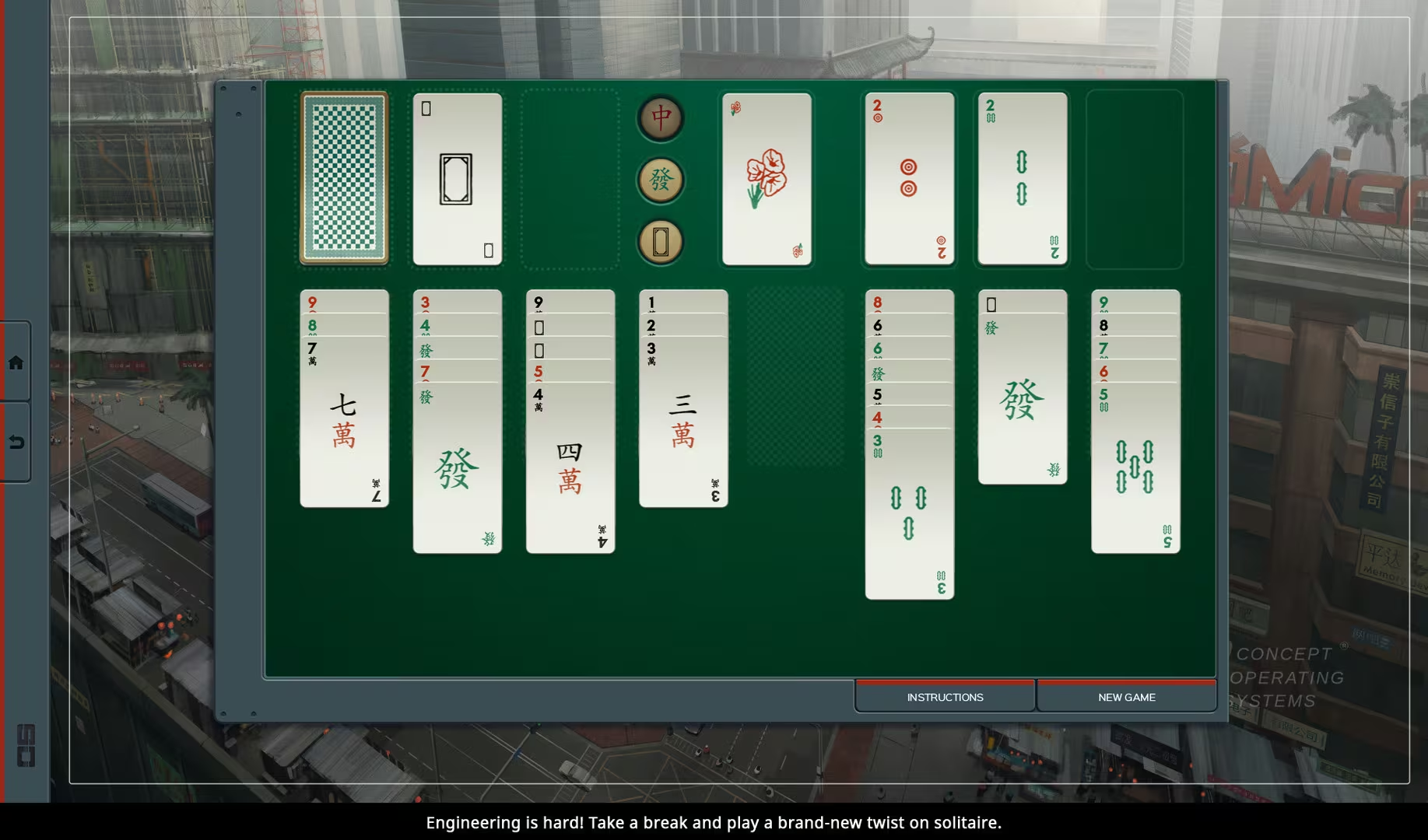
  • Includes addictive solitaire minigame

Cons

  • Steep learning curve requiring manual reading
  • Limited social interaction and cooperation
  • Can be frustrating and mentally taxing
  • Hardware and code space restrictions can feel limiting
  • Not beginner-friendly for non-technical players

Motivations

  • Autonomy
    4

    "Players have freedom to design circuits and write assembly code solutions within constraints, allowing creative problem solving and personal control."

  • Competence
    5

    "The game demands high skill in programming, circuit design, optimization, and logical reasoning with clear feedback and challenging puzzles."

  • Competition
    3

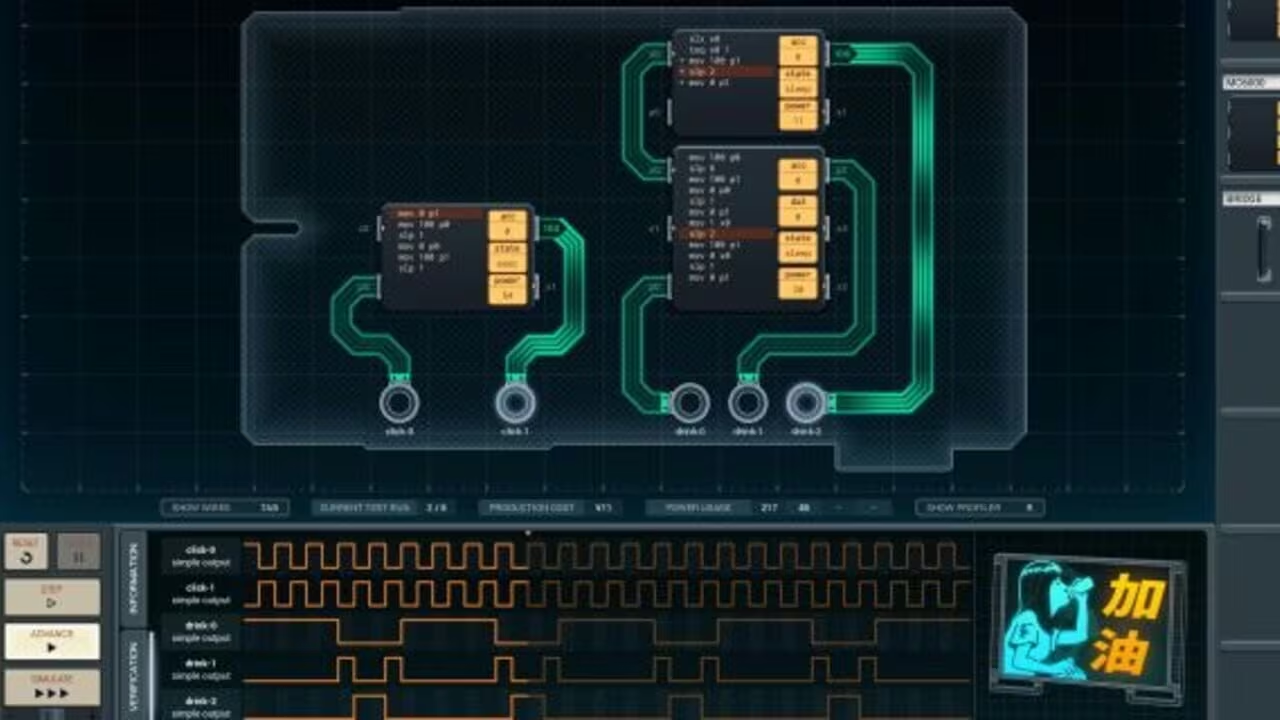
    "Leaderboards and histograms comparing cost, power, and code length encourage players to optimize and compete with friends and others."

  • Continuation
    4

    "Players report long sessions, repeated attempts, and returning to improve solutions, indicating strong attachment and habitual play."

  • Cooperation
    -4

    "Gameplay is primarily single-player puzzle solving and optimization with minimal direct collaboration or teamwork."

  • Creativity
    5

    "Players create custom circuit layouts and write unique assembly programs, experimenting with different designs and optimizations."

  • Domination
    -3

    "Competition is friendly and focused on self-improvement rather than exerting power or authority over others."

  • Escapism
    3

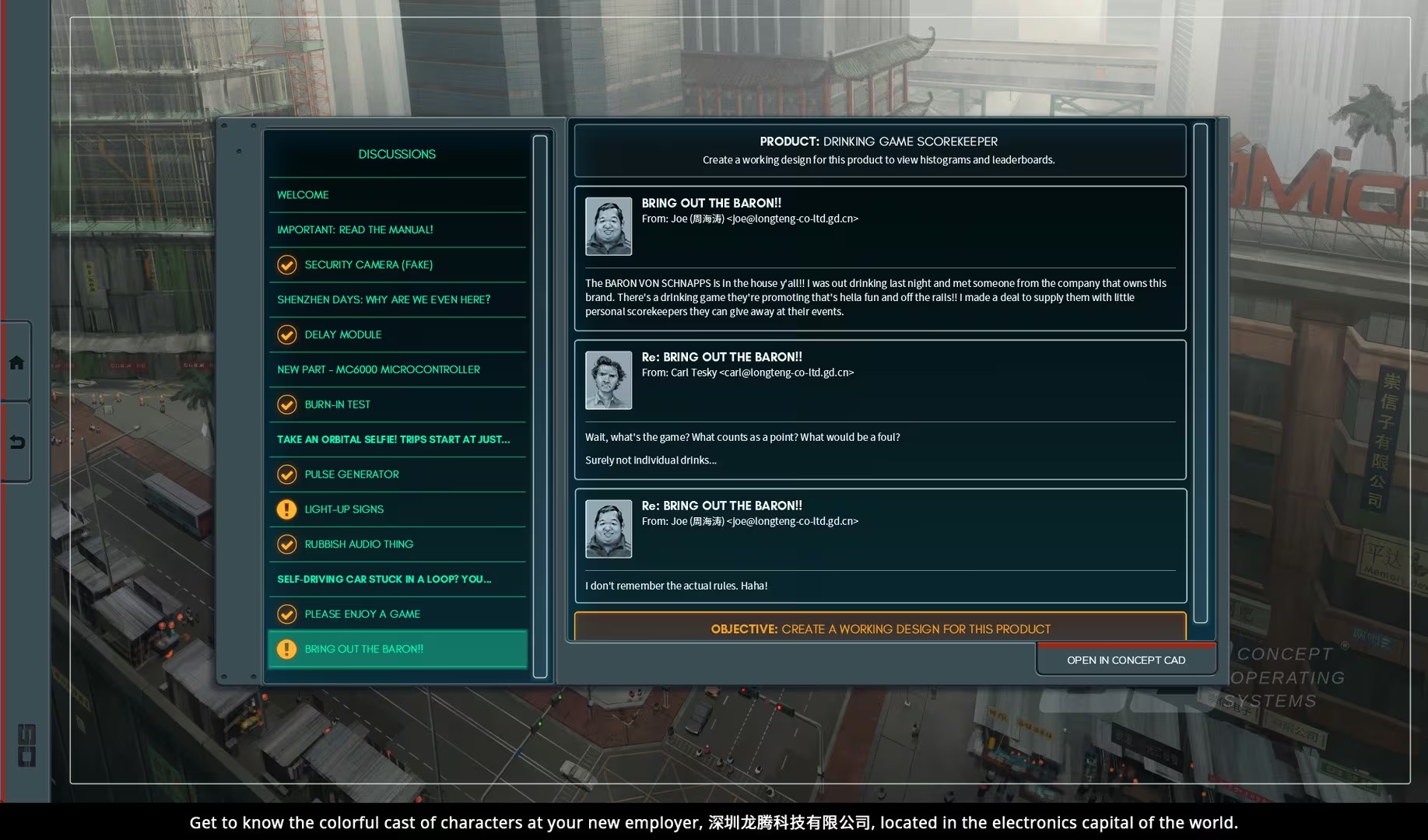
    "Players use the game as a mental challenge and distraction, immersing in a fictional engineering job and story."

  • Expectation
    -4

    "Engagement is driven by intrinsic interest and personal challenge rather than obligation or external pressure."

  • Experimenting
    4

    "Players try new coding strategies, circuit layouts, and optimizations, exploring mechanics and pushing limits."

  • Exploration
    2

    "Exploration occurs in discovering new components, instructions, and puzzle solutions rather than physical world exploration."

  • Expression
    3

    "Players express themselves through unique circuit designs and code solutions, though visual customization is limited."

  • Fantasy
    1

    "The game simulates a near-future engineering job with fictional elements but grounded in realistic programming concepts."

  • Fellowship
    -3

    "Social interaction is limited to leaderboards and friendly competition; gameplay is mostly solitary."

  • Growth
    5

    "Strong emphasis on learning programming, embedded systems concepts, optimization, and problem solving."

  • Health
    -5

    "Gameplay is sedentary with no physical activity involved."

  • Idle
    -4

    "Requires focused attention and active problem solving; not suited for casual or background play."

  • Intimacy
    -4

    "Minimal social or emotional connection; interactions are limited to asynchronous competition."

  • Leadership
    -4

    "No leadership roles; players work independently on puzzles without managing or guiding others."

  • Progression
    3

    "Players progress through increasingly complex puzzles and unlock new components and challenges."

  • Relaxation
    -2

    "The game is mentally demanding and can cause frustration; relaxation comes from solving puzzles and playing solitaire."

  • Sensation
    2

    "Visuals and audio provide a pleasing but understated sensory experience focused on clarity and immersion."

  • Status
    2

    "Recognition through leaderboards and friend comparisons provides social status within the player community."

  • Story
    3

    "The game features a narrative with characters and emails that add immersion and context to puzzles."

  • Strategy
    5

    "High mental challenge requiring planning, logical reasoning, and optimization of code and circuit layouts."

  • Thrill
    1

    "Some tension from difficult puzzles and optimization challenges, but mostly controlled and thoughtful gameplay."

  • Value
    4

    "Players feel rewarded by the depth, challenge, and replayability relative to time and money spent."

  • Violence
    -5

    "No violence; gameplay centers on constructive programming and circuit design."

  • Survival
    -4

    "No survival elements; gameplay occurs in stable, low-risk puzzle environments."

Similar games

    Last update: 06/03/2026