SpaceChem Thumbnail

SpaceChem similar games & best alternatives
SpaceChem

PC (Microsoft Windows), iOS, Mac, Android, Linux • 2011

Related articles

Quick resume

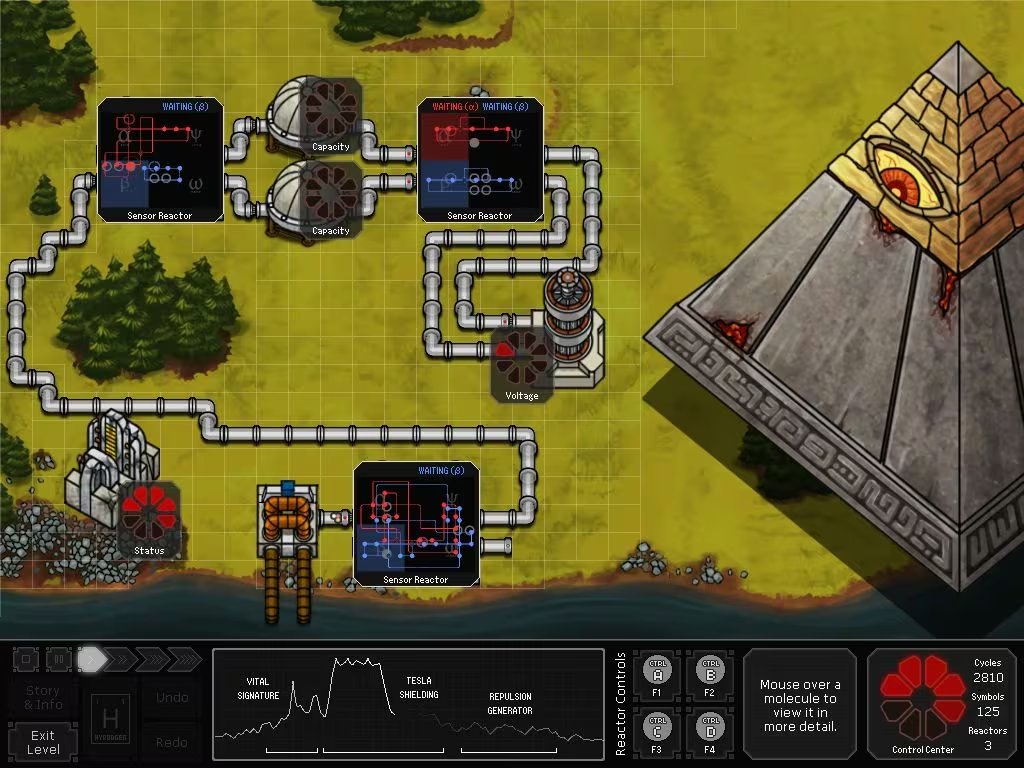
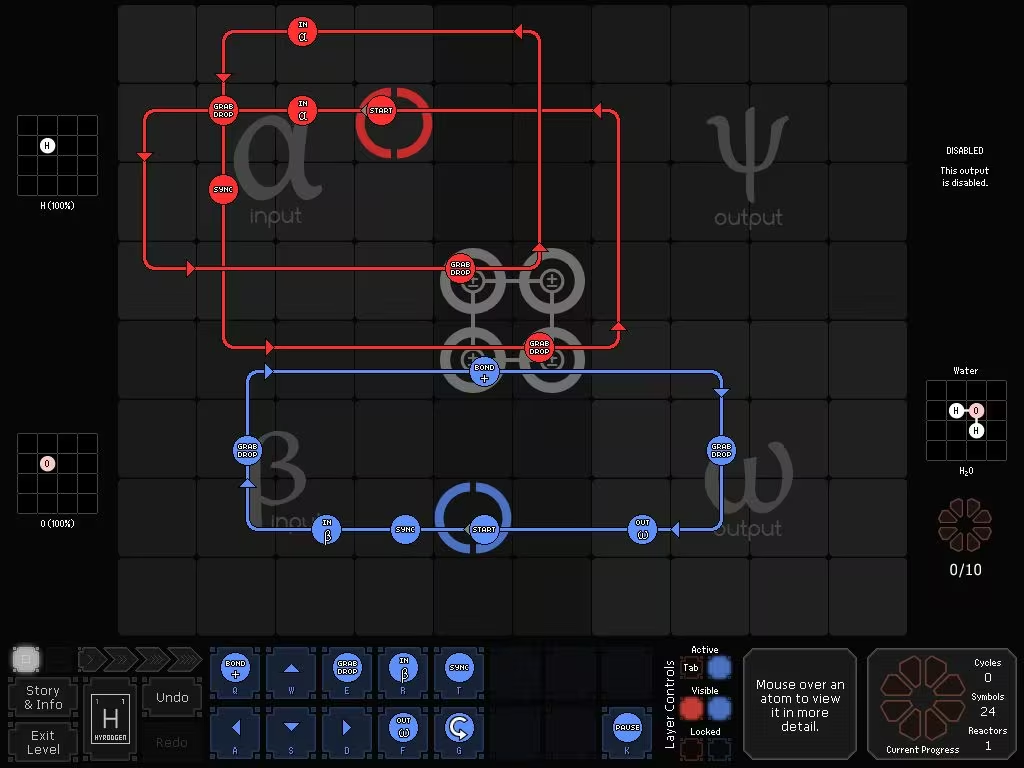
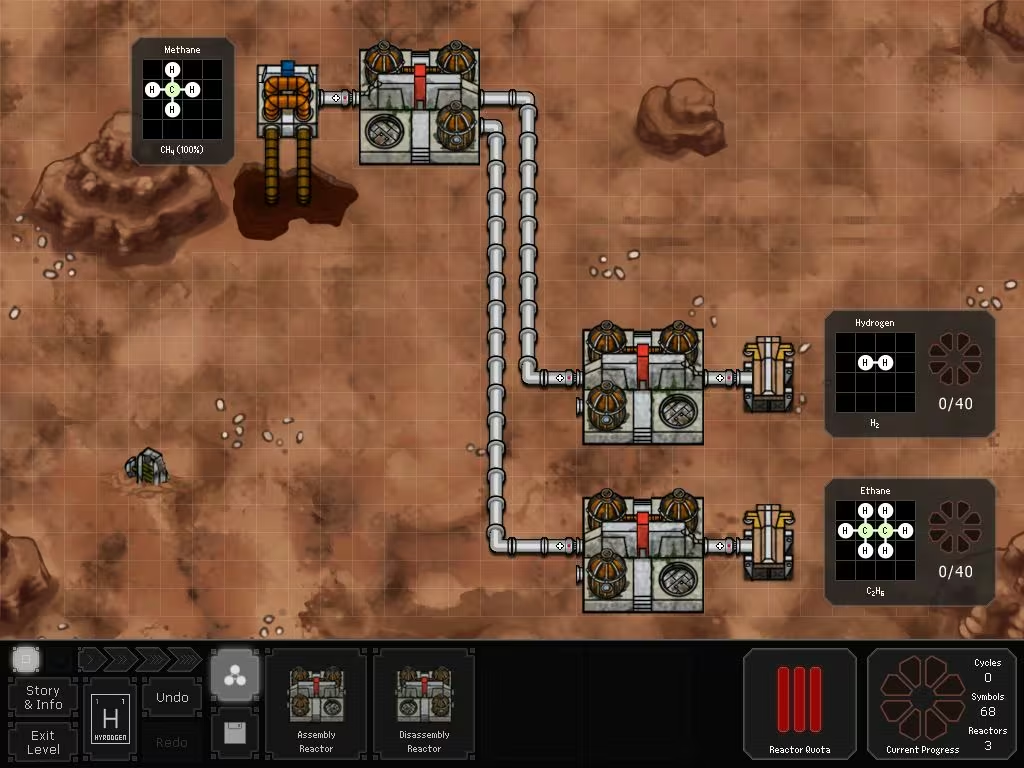
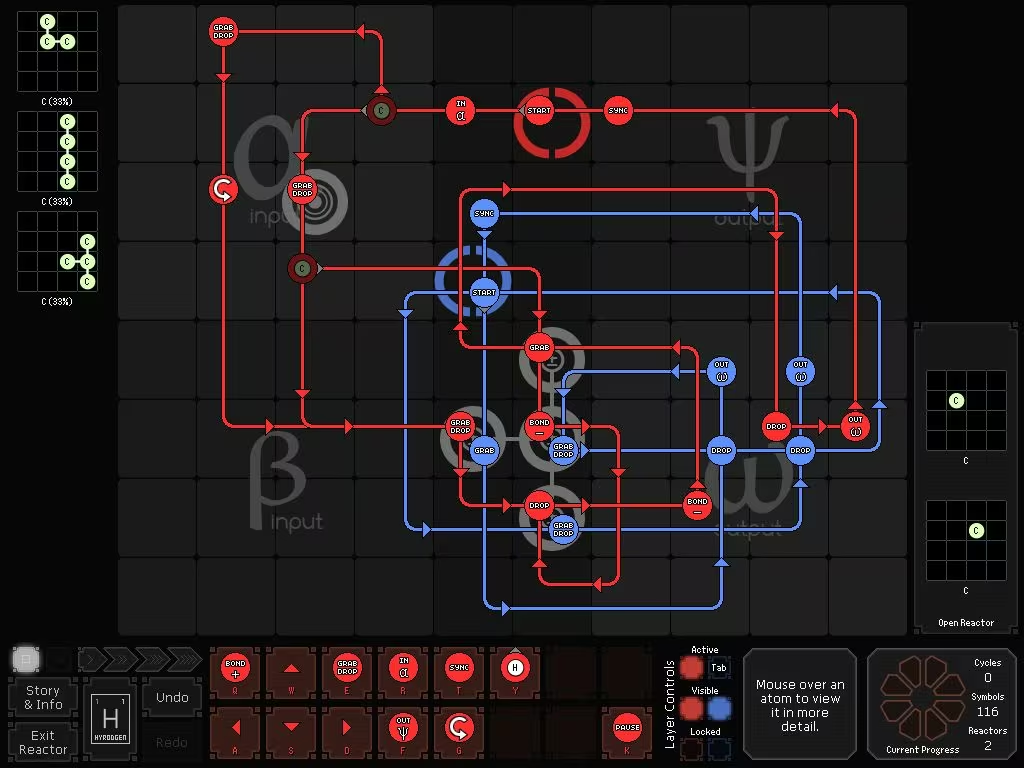
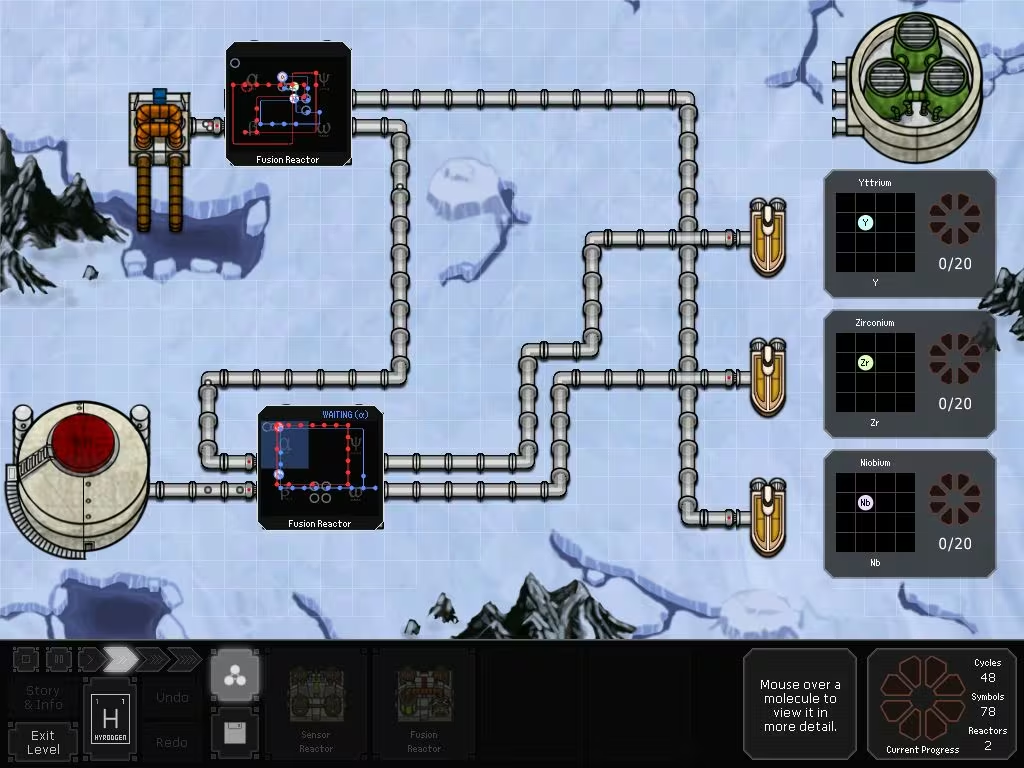
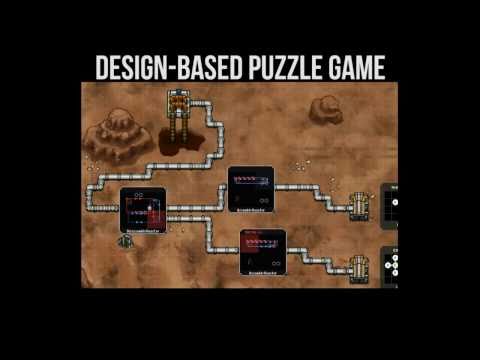
Zachtronics is back with an ambitious new design-based puzzle game. Take on the role of a Reactor Engineer working for SpaceChem, the leading chemical synthesizer for frontier colonies. Construct elaborate factories to transform raw materials into valuable chemical products!

Global score

92/100

Genres

Indie, Simulator, Strategy, Puzzle

Similar games

    Pros

    • Deep and challenging puzzles
    • High replayability with multiple solutions
    • Strong learning and growth opportunities
    • Unique programming-like gameplay
    • Community leaderboards and custom puzzles

    Cons

    • Steep difficulty curve
    • Minimal tutorial and guidance
    • Frustrating at times
    • Limited social or cooperative features
    • Dated graphics and simple presentation

    Analysis

    Less representative of its motivational profile, with noticeable differences. Motivations that often define this kind of title include Competition, Status, Story, Expression. It leans lower than usual among comparable games on Relaxation, Survival, Violence.

    How to use the graph
    Similar games map

    Each dot is a game. They are arranged from the same motivation profile as in the “Motivations” section below. Closer dots usually mean more similar reasons to play (exploration, competition, relaxation, etc.)—not that one game is “better” than another.

    • Larger dot with a light outline: the game you are viewing.
    • Colour: groups of games with comparable motivation patterns (statistical clusters).
    • Hover a dot to see the game name; click to open its page.
    • Scroll or double-click the chart to zoom out and see more games.

    Why don’t the axes read like a score? This view uses t-SNE: it only keeps who is close to whom. The scales are not “good to bad” or hours played—they separate groups on the map. Read distance between dots, not the axis numbers.

    Motivations

    • Autonomy
      4

      "Players design their own unique solutions and control reactor programming and layout, showing high personal freedom and decision-making."

    • Competence
      5

      "The game demands high skill in logic, programming-like puzzle solving, and optimization with clear feedback on performance."

    • Competition
      3

      "Leaderboards and comparison with friends' solutions encourage competitive optimization, though play is mostly individual."

    • Continuation
      4

      "Players report long sessions, habitual play, and returning repeatedly to optimize solutions and tackle new puzzles."

    • Cooperation
      -4

      "Gameplay is primarily single-player puzzle solving with minimal to no cooperative elements."

    • Creativity
      5

      "Players create and optimize highly individual solutions with many possible approaches to each puzzle."

    • Domination
      -4

      "Interactions are equal and respectful; no evidence of exerting control or superiority over others."

    • Escapism
      3

      "Players use the game as a mental challenge and distraction, often thinking about puzzles outside play sessions."

    • Expectation
      -4

      "Engagement is driven by intrinsic interest and personal challenge rather than obligation or external pressure."

    • Experimenting
      5

      "Players experiment extensively with different designs, strategies, and optimizations to solve puzzles."

    • Exploration
      2

      "Players explore new mechanics and puzzle types progressively, though within a defined game space."

    • Expression
      3

      "Players express themselves through unique reactor designs and solution styles, though within game constraints."

    • Fantasy
      -2

      "The game is grounded in a sci-fi setting but focuses on realistic logic and programming rather than imaginative fiction."

    • Fellowship
      -3

      "Minimal social connection; community exists but gameplay is largely solitary."

    • Growth
      5

      "Strong learning curve with skill acquisition in logic, programming concepts, and problem solving."

    • Health
      -5

      "Sedentary gameplay with no physical activity involved."

    • Idle
      -4

      "Requires focused attention and continuous engagement; not suited for casual or background play."

    • Intimacy
      -5

      "No evidence of close social relationships or emotional sharing in gameplay."

    • Leadership
      -4

      "No leadership roles; players work independently on puzzles without managing others."

    • Progression
      3

      "Progression through increasingly complex puzzles and unlocking new mechanics, though no item collection."

    • Relaxation
      -3

      "Game is mentally taxing and challenging, causing frustration and tension rather than relaxation."

    • Sensation
      1

      "Simple graphics and music provide moderate sensory stimulation; focus is on mental challenge."

    • Status
      2

      "Leaderboards and achievements provide some social recognition within the community."

    • Story
      1

      "There is a story present but it is minimal and not central to the gameplay experience."

    • Strategy
      5

      "High emphasis on planning, logic, and problem solving; players must devise complex strategies."

    • Thrill
      1

      "Some tension from difficulty and challenge, but no high-risk or suspenseful elements."

    • Value
      4

      "Players report high value for time spent due to deep, rewarding gameplay and replayability."

    • Violence
      -5

      "Gameplay focuses on constructive puzzle solving and programming, no combat or destruction."

    • Survival
      -4

      "Stable puzzle environment with no threats or failure states beyond puzzle failure."

    Last update: 29/04/2026