Species: Artificial Life, Real Evolution similar games & best alternatives
Species: Artificial Life, Real Evolution
2018
Related articles
Quick resume
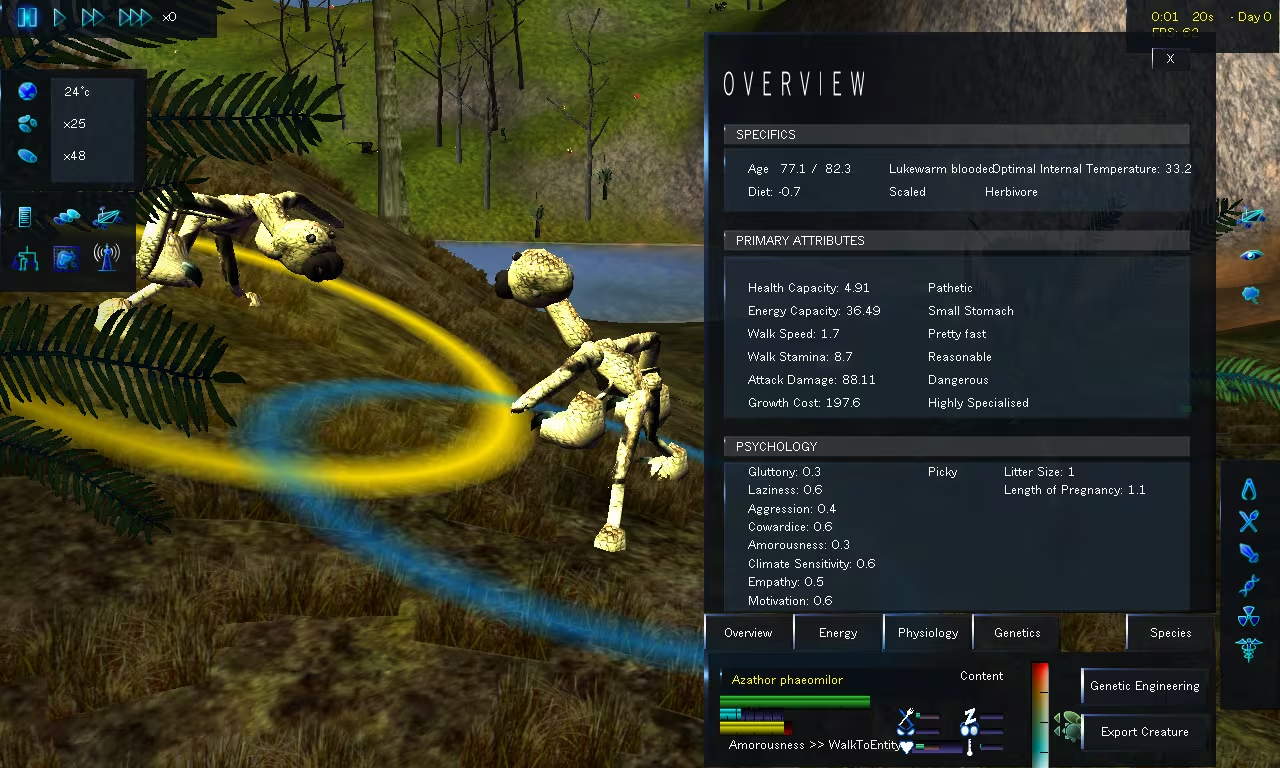
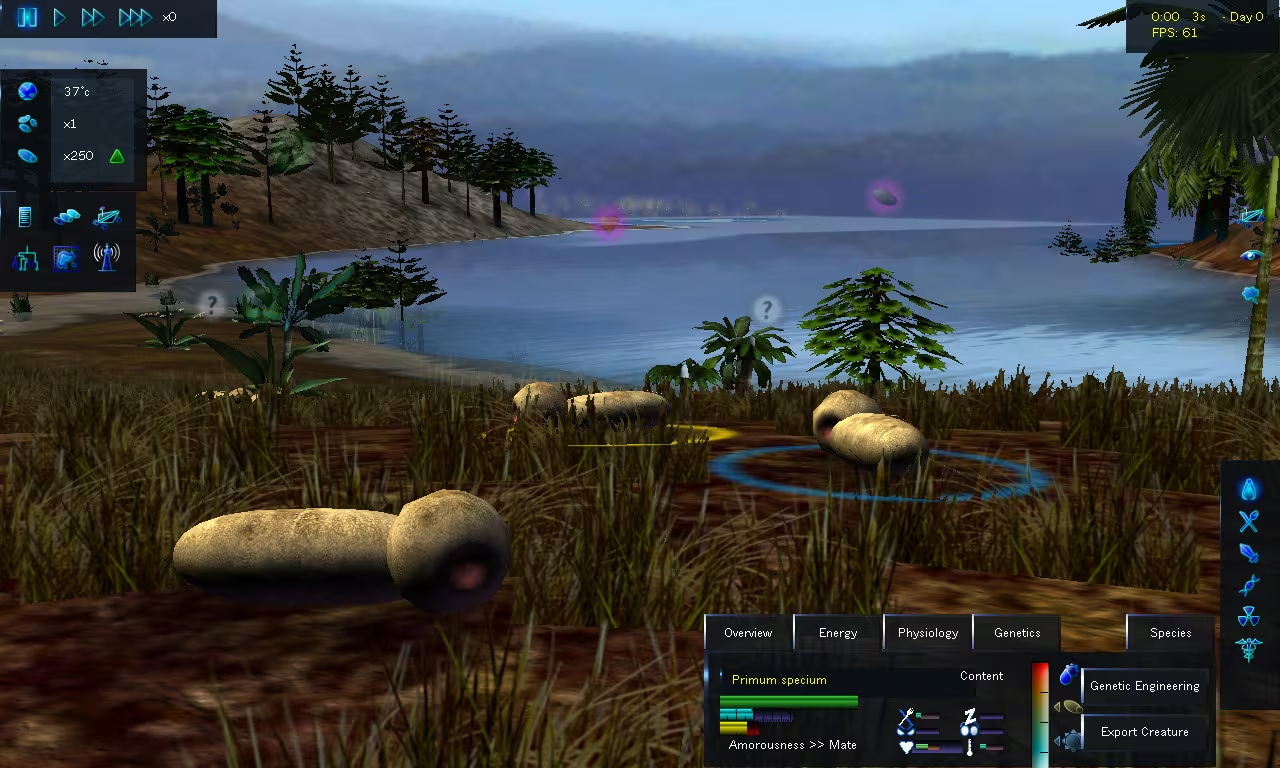
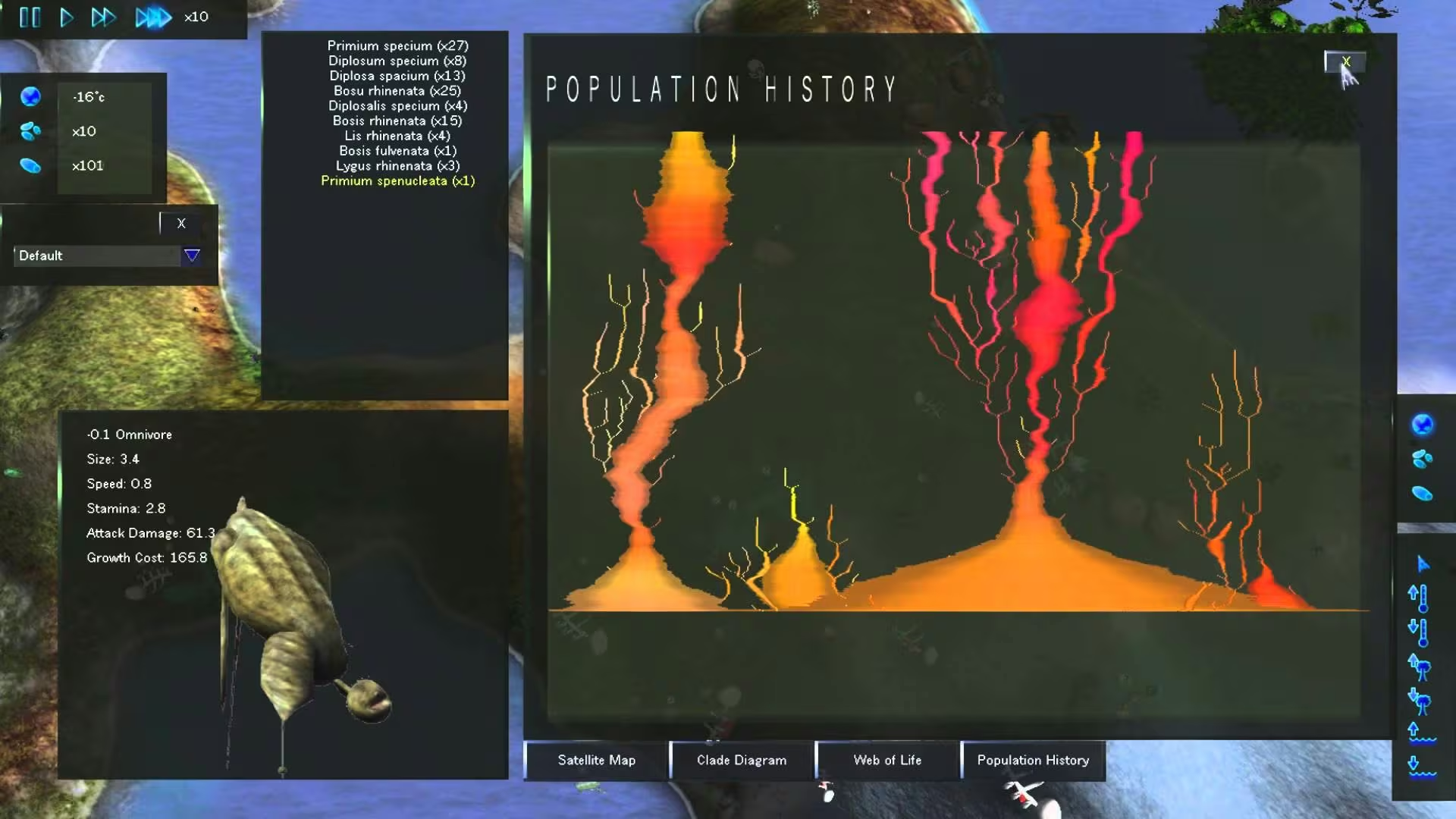
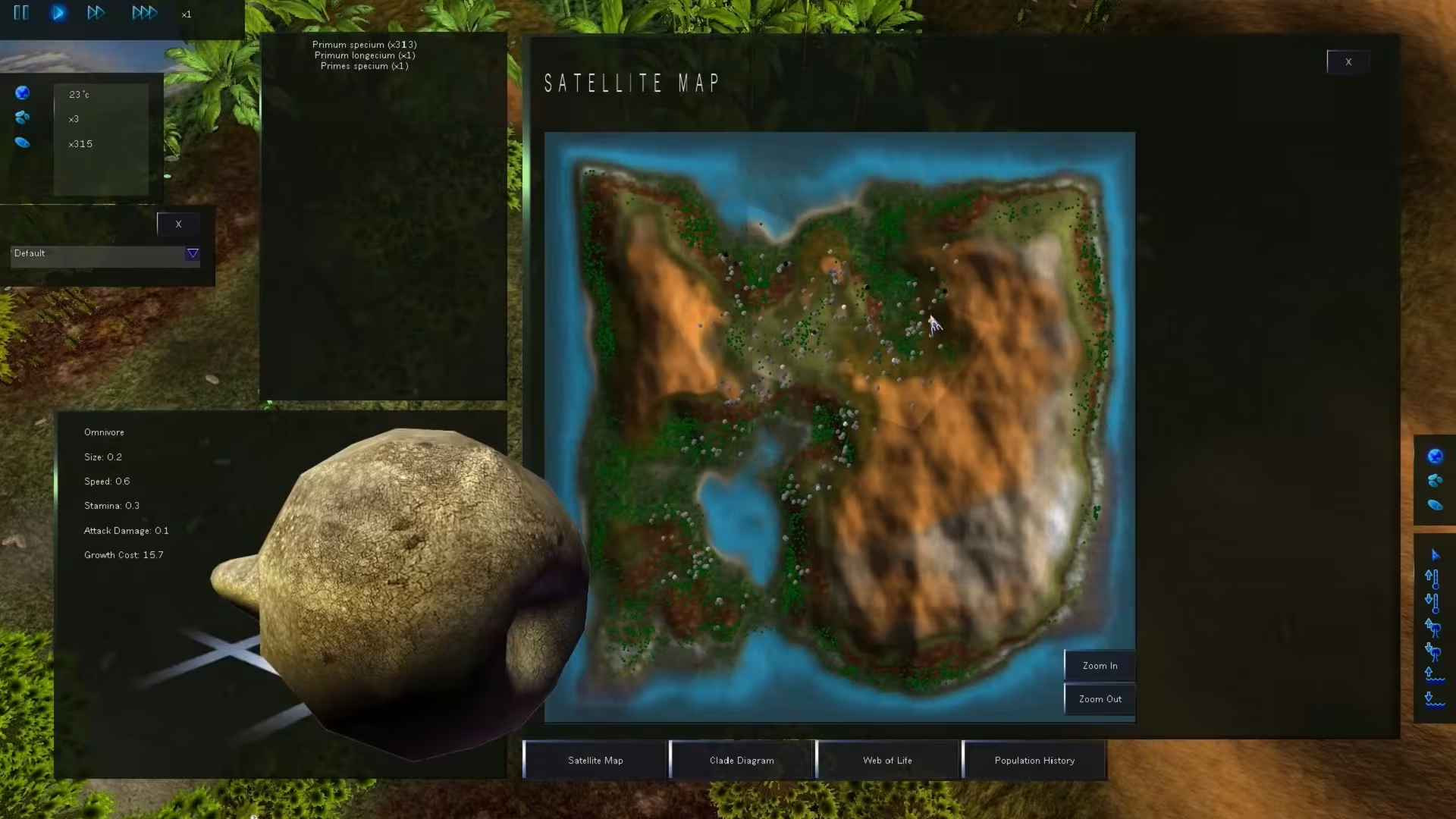
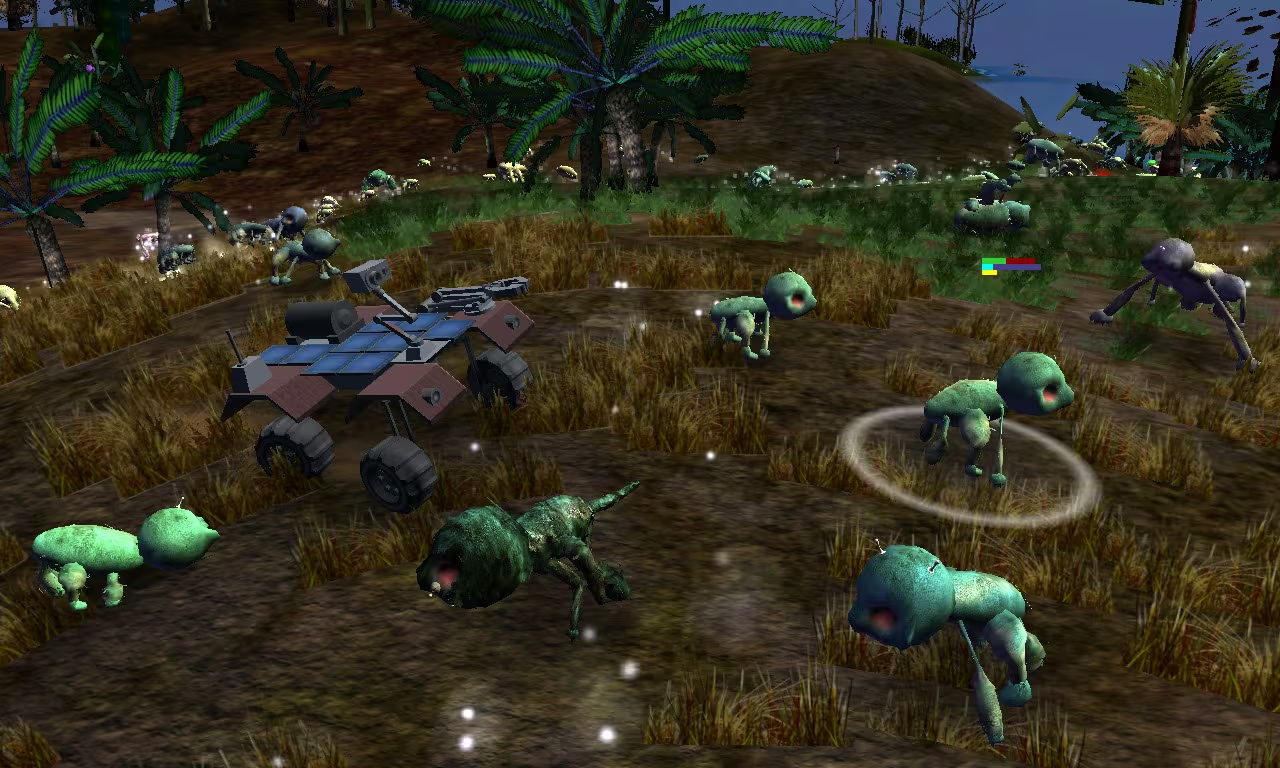
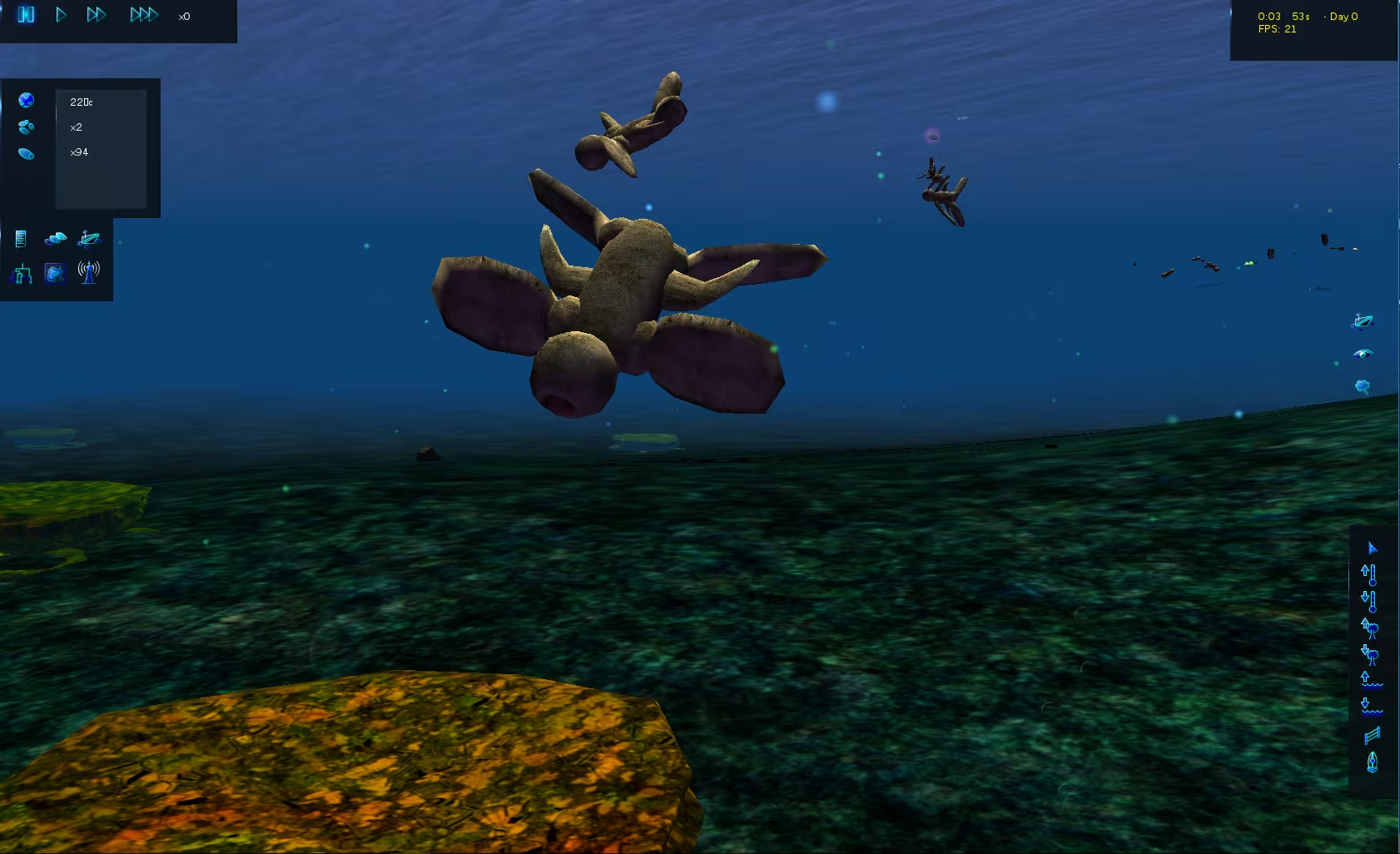
Play with evolution! Species: ALRE is a scientifically-grounded, emergent simulation of natural selection. Creatures evolve and speciate in response to in-game mutation and selection forces, allowing you to experience and tinker with evolution in real-time.
Global score
74/100
Genres
Simulator, Early Access
Similar games
Pros
- Realistic and detailed evolution simulation
- High customization and experimentation
- Educational value for biology enthusiasts
- Dedicated and responsive developer
- Engaging for long passive sessions
Cons
- Frequent crashes and bugs
- Performance issues and lag
- Clunky and unintuitive ui
- Limited direct gameplay interaction
- Slow development and infrequent updates
Analysis
A very typical example of its motivational profile. Motivations that often define this kind of title include Idle, Thrill, Violence, Survival. Here, the score leans higher than usual among comparable games on Survival. It leans lower than usual among comparable games on Fantasy, Story.
How to use the graph
Similar games map
Each dot is a game. They are arranged from the same motivation profile as in the “Motivations” section below. Closer dots usually mean more similar reasons to play (exploration, competition, relaxation, etc.)—not that one game is “better” than another.
- Larger dot with a light outline: the game you are viewing.
- Colour: groups of games with comparable motivation patterns (statistical clusters).
- Hover a dot to see the game name; click to open its page.
- Scroll or double-click the chart to zoom out and see more games.
Why don’t the axes read like a score? This view uses t-SNE: it only keeps who is close to whom. The scales are not “good to bad” or hours played—they separate groups on the map. Read distance between dots, not the axis numbers.
Motivations
-
Autonomy4
"Players can set world parameters, intervene or let evolution run freely, allowing control over actions and decisions."
-
Competence3
"Players engage in complex simulation management and analysis, requiring understanding of evolutionary mechanics."
-
Competition-3
"Focus is on observing natural selection and species evolution rather than direct player-vs-player competition."
-
Continuation4
"Players report long sessions watching evolution unfold and habitual engagement despite bugs."
-
Cooperation-4
"Gameplay is primarily single-player and simulation-based with limited or no multiplayer cooperation."
-
Creativity4
"Players can customize world parameters, genetically engineer creatures, and influence evolutionary outcomes."
-
Domination-4
"Interactions are balanced within the ecosystem simulation; no evidence of exerting control over other players."
-
Escapism4
"Players use the game as a relaxing, immersive simulation to escape real life and explore evolution."
-
Expectation-4
"Players engage voluntarily out of interest in biology and evolution without external pressure."
-
Experimenting5
"Strong emphasis on trying new parameters, mutations, and evolutionary scenarios."
-
Exploration3
"Players explore new evolutionary outcomes and environmental conditions, though within a fixed simulation space."
-
Expression3
"Some customization of creatures and environments allows for personal expression, though limited by simulation constraints."
-
Fantasy-3
"Focus on realistic biological evolution and natural selection rather than imaginative or mythical elements."
-
Fellowship-4
"Primarily a solo experience with minimal social interaction or community features."
-
Growth4
"Players learn about evolutionary biology and develop understanding through simulation and experimentation."
-
Health-5
"Game is sedentary with no physical activity or health-related features."
-
Idle4
"Often played passively or in the background while observing evolution unfold over time."
-
Intimacy-5
"No evidence of close social relationships or emotional sharing; experience is individual."
-
Leadership-4
"Players influence species evolution but do not lead or manage other players."
-
Progression3
"Players see progression through species evolution, genetic changes, and ecosystem development."
-
Relaxation4
"Many players find the game relaxing and enjoy the flow of watching evolution."
-
Sensation2
"Visual and auditory stimuli are moderate; focus is on simulation rather than sensory excitement."
-
Status-5
"No social recognition or status systems; achievements are personal and internal."
-
Story-4
"No narrative or plot; gameplay centers on emergent simulation without scripted story."
-
Strategy3
"Players plan and manipulate environmental variables and genetic traits to influence evolution."
-
Thrill-3
"Gameplay is calm and observational rather than suspenseful or high-risk."
-
Value2
"Players appreciate the educational and entertainment value despite bugs and early access state."
-
Violence-2
"Some predation and extinction occur naturally, but focus is on ecological balance rather than combat."
-
Survival3
"Simulation involves survival pressures and natural selection influencing species success."
Last update: 29/04/2026